Home / Hayati Pro Max 50-50 E-Liquid
Hayati Pro Max 50-50 E-Liquid
Twenty bottles sit on this shelf and every one of them costs the same. Each is 120ml, each arrives at 0mg, and each is blended at an even 50/50 split of vegetable glycerine and propylene glycol. £6.99, twenty times over. There is no price ladder to read and no size decision to make, which leaves exactly one thing worth understanding before you scroll the grid: this shelf was built around a small coil.
The even ratio is a plumbing choice before it is a taste choice. Glycerine is the heavy component and glycol is the thin one, and the proportion between them sets how fast liquid can travel through cotton and reach hot wire. A narrow-bore mouth-to-lung coil has small feed ports and very little wick behind them. A thin base moves through that geometry at roughly the rate the coil empties it. A thick base does not.
That single fact is why this shelf and the Hayati Pro Max 70/30 E-Liquid shelf carry the same twenty flavour names at the same price. Same concentrates, different carrier, different hardware. Everything below deals with the hardware end of that split: what a 50:50 base does inside a low-power coil pulled through a restricted opening, and how to run 120ml of it through a 2ml pod without ruining either one.
New ProductsHayati PodsHayati Prefilled Pods & RefillsHayati Pod KitsHayati Prefilled Pod KitsHayati E-LiquidsHayati Pro Ultra Plus Prefilled Pod Kits & PodsHayati Pro Max Plus PodsHayati Pro Max Plus Prefilled Pod KitHayati Pro Max Nic SaltsHayati Pro Ultra Plus PodsHayati Pro Ultra Plus Prefilled Pod KitHayati Mini UltraHayati RubikHayati Mini Ultra PodsHayati Mini Ultra Prefilled Pod KitHayati Pro Max 50-50 E-LiquidHayati Pro Max 70-30 E-LiquidHayati Rubik Prefilled Pod KitHayati Rubik PodsHayati Nicotine PouchesHayati QuokkaBerry VapesRaspberry VapesIce VapesBlueberry VapesStrawberry VapesCherry VapesSweet VapesExotic VapesLemon VapesBlueberry Raspberry VapesPeach VapesWatermelon VapesApple VapesLemon Lime VapesMango VapesPineapple VapesGrape VapesLemonade VapesMint VapesCola VapesStrawberry Raspberry Ice VapesBlackcurrant VapesJuicy Peach VapesMr Blue VapesSummer Dream VapesBanana VapesKiwi VapesMenthol VapesOrange VapesFresh Mint Vapes
The two-stage draw this base was built for
Mouth-to-lung names a mechanical sequence, not a preference. It describes a draw taken in two separate movements, and once you can feel the join between them, most of what an even-ratio liquid does inside a small pod stops being mysterious.
Two movements, one after the other
The first movement pulls vapour out of the pod and parks it in the mouth. Your lungs are not involved yet. Air moves slowly, the volume is small, and the vapour sits for a second or so in a warm, damp space before travelling anywhere. That pause earns its place. Vapour loses temperature against the inside of the cheeks, which takes the edge off anything that arrived hot from the wire. The tongue and the soft palate get an uninterrupted moment with the liquid before the nose is brought into it, and sweetness, acidity and any cooling agent all register during exactly that moment.
The second movement is a fresh breath. The throat opens, ordinary room air comes in behind the vapour, and the two travel down together. Because that breath drags a large slug of plain air with it, what reaches the chest is thinned considerably. Sensation in the throat comes mostly from the first movement. Volume on the exhale comes mostly from the second. Splitting them hands you two separate controls, which is the entire point of the technique.
Run the two movements together and you have stopped taking a mouth-to-lung draw. You will be pulling harder than the airflow wants, chilling the coil with excess air, and wondering why a liquid everybody praises has gone quiet on you.
What restricted means at the airflow slot
Restricted is a statement about the size of an opening, and its consequence is air speed. Push the same volume of air through a smaller aperture and it has to travel faster. Faster air across a hot coil strips vapour off the wick more efficiently and keeps it in a narrow column instead of letting it spread, so a modest quantity arrives concentrated rather than dispersed. That is why a tight pod can feel substantial while producing very little you can see.
The idea is testable in under a minute. Close the airflow ring to its tightest setting and take a slow pull of about three seconds. Open it fully and repeat with the same timing and the same effort. The open setting makes more visible output and tastes weaker. Nothing about the liquid changed. Only the speed of air across the coil did, and the vapour got diluted on the way out.
Draw length, and where the heat goes
A one second pull and a three second pull on the same 1.0 ohm coil are not the same event scaled up. A cold coil spends roughly the first half-second climbing to working temperature, so the opening moment of any draw is thin by definition. By the second second the wire has settled and the wick is emptying at a steady rate. Somewhere in the third second, on a small coil, evaporation begins to outrun what the cotton can pull back in, and you are drawing on a wick drier than it was when you started.
Two to three seconds is where most narrow-bore coils sit comfortably. Shorter and you pay the warm-up cost on every single draw. Longer and the tail of the pull tastes dry and faintly toasted, and you have taken a small bite out of the cotton in exchange for nothing.
Resistance is the number that decides the style
Coil resistance, printed on the side in ohms, does more to set the character of a pod kit than any other figure on the box. A 1.6 ohm coil gives the tightest and coolest draw of the four in common use. The device puts modest power through it, output is low, and a 2ml pod stretches a long way. Flavour reads clear but flat, with top notes forward and not much body behind them.
Drop to 1.2 ohm and the draw loosens a little while warming noticeably. This is the middle of the road for pod kits, and it is where an even base tends to behave best: enough heat to bring out the heavier parts of a flavour, not so much that the wick starts struggling.
At 1.0 ohm the draw opens further and the coil begins to drink. Vapour is warmer and thicker, sweeter notes push forward, and consumption over a session climbs. This is also the point at which heavily sweetened liquids start leaving deposits fast enough to matter within days.
A 0.8 ohm coil sits at the loose end of what still counts as restricted, and some people run it as a very tight lung draw instead. It is warm, it is thirsty, and paired with a thin base it is the resistance most likely to seep if you leave the pod sitting full and unused.
Why an even split is the natural partner to all this
Wicking is a race with two competitors. On one side, the coil converts liquid to vapour at a rate set by its power. On the other, cotton draws replacement liquid in from the reservoir through feed ports, usually a couple of millimetres across on a narrow-bore coil. Capillary action does the pulling, and how fast it pulls depends on how thick the liquid is.
Vegetable glycerine is the heavy, syrupy half. Propylene glycol is the thin, mobile half. A base split evenly between them travels through two millimetres of port and a few millimetres of cotton at approximately the rate a 10 to 14 watt coil empties it. The race stays level. Load that same coil with a base weighted towards glycerine and the cotton loses: evaporation gets ahead of resupply, the wick dries in patches, and you taste it on the third second of a long pull.
So the argument for this shelf is narrow and it is honest. Not that the flavour is better at 50:50, because it is the identical concentrate to its thick-base twin. The ratio is here so the plumbing works.
The pod kit read as a system
A refillable pod kit has a handful of parts that matter and one that fails long before the rest. Knowing which is which saves a surprising amount of money in replacement pods.
Pod, coil, chimney
The pod is a reservoir with a fill port and a mouthpiece. The coil is a wire element wrapped in cotton, sitting in a housing with feed ports cut into its sides. The chimney is the tube carrying vapour from the coil up to your mouth. Air enters at the base, crosses the coil, picks up vapour and leaves through the chimney.
The coil is what dies, and within the coil it is almost always the cotton rather than the wire. Wire tolerates thousands of heating cycles without complaint. Cotton absorbs sugars and colourings that never evaporate, browns gradually, and loses the ability to pull liquid at the rate it managed when new. On some kits the coil is a separate press-fit part you swap for a pound or so; on others it is bonded into the pod and the whole assembly goes in the bin. The refillable side of the Hayati Pod Kits range covers both arrangements, and the replacement parts themselves live on the Hayati Pods shelf.
Airflow rings, and what closing one really changes
An adjustable airflow ring is a collar with a slot in it that rotates over a matching slot in the pod body. Closing it does not make the coil hotter. It makes the air faster, which means less air per unit of vapour, which means a denser and warmer sensation with less visible output. Closing it also raises how much condensation forms in the chimney, so a tightly shut kit spits a little more often. Fixed-airflow kits pick one setting for you, usually somewhere near the middle, and there is nothing wrong with that provided it matches the way you draw.
Draw-activated against button-fired
A draw-activated kit fires when a pressure sensor notices air moving past it. That sensor has a threshold and a short ramp, so the opening fraction of every draw goes on triggering the device rather than heating the coil. Consistency then depends on how hard you begin the pull, which is why one kit can feel different first thing in the morning and again at midnight.
A button gives you a defined start and a defined end. Press, wait half a beat, then draw, and the coil is already at temperature when air arrives. You also get to stop firing before you stop drawing, which clears the last of the vapour out of the chimney and leaves less behind to condense. Neither approach wins outright. The button is more repeatable; the sensor is one less thing to think about.
Battery capacity, read as time rather than as a headline
A capacity figure on its own tells you very little. Convert it. A 1000mAh cell at a nominal 3.7 volts holds roughly 3.7 watt-hours, which is about 13,300 watt-seconds of energy. Run a coil at 12 watts and that is a little over 1,100 seconds of firing, or somewhere near 370 pulls of three seconds each before losses. Real figures land lower, because the board wastes some and the cell does not run itself flat. The arithmetic still gives you the honest shape of it: a small kit at low power is a one-day-plus device, and the resistance you choose moves that number further than the size of the cell does.
Getting 120ml through a 2ml pod
A 120ml bottle and a 2ml pod are sixty fills apart. Most of the practical skill on this shelf lives in that gap.
Decant, and leave the big bottle at home
A full 120ml bottle is a brick. It does not belong in a coat pocket, and every time it travels it gets warm, shaken and opened in places with dust in the air. Pour 10ml or 30ml into a small bottle with a fine tip, stand the large one in a cupboard, and refill the small one once a week. Two things follow. The main bottle spends nearly all its life closed and cool, and a narrow tip actually fits a pod fill port, which the wide neck of a 120ml bottle never will.
The fill itself
Most pods fill through a silicone-plugged port in the side or the base. Lift the plug, insert the tip, and go slowly. A pod is a sealed volume: liquid can only go in as fast as air can come out, so squeezing hard pushes a bubble back up the tip and sprays the outside of the pod instead of filling it. Fill to roughly nine tenths and stop. That last tenth is the air space that lets pressure equalise as the level drops, and a pod filled to the brim is the commonest single cause of liquid appearing where it should not be.
Press the plug back down firmly and check it is seated flat rather than half in. Then leave the pod alone for a while. A new pod needs several minutes standing upright before its first draw, because the cotton is bone dry and capillary action through two millimetres of feed port is not instant.
Priming a fresh coil, properly
- Put two or three drops of liquid straight onto the exposed cotton at each feed port before the coil goes into the pod. Enough to darken it, not enough to flood the housing.
- Put one drop down the centre of the chimney onto the top of the wick.
- Assemble, fill to nine tenths, close the port.
- Stand the pod upright for five to ten minutes. Give it longer on a 1.6 ohm coil, which has the tightest ports of the common resistances.
- Take three or four draws with the device switched off, or without pressing the button. That pulls liquid through the cotton without heating any of it.
- Start on the lowest power the device offers, run a few short draws, then settle at your normal setting.
Skipping the standing time is what kills most coils inside their first hour. The wire heats, the cotton immediately against it has nothing in it, and you get a scorched patch that never recovers.
The top-up habit
Refill at about a quarter full rather than waiting for the pod to empty. Once the level drops below the feed ports the cotton is living on whatever is left inside the wick, and two hard draws in that state will toast it. Topping up early costs five seconds and buys days of coil life. It keeps flavour steadier as well, because a nearly empty pod runs hotter at the same power setting.
Chain pulling
Take six draws in ninety seconds at 12 watts and the coil never returns to its resting temperature in between. Each draw starts hotter than the one before, evaporates faster, and asks more of the cotton than the cotton can supply. The result is a progressive dry-out that tastes fine for four draws and harsh on the fifth. Thirty seconds between pulls is enough for a small coil to recover. If you want to chain, drop the power rather than lengthen the wait.
Power, heat and the narrow window this base wants
An even base has a comfortable operating range and it is not a wide one. The table below is a working guide rather than a specification, because kits vary and airflow changes everything.
| Coil | Rough power | How the draw feels | How fast it drinks |
|---|---|---|---|
| 1.6 ohm | 8 to 11 watts | Tightest and coolest, low output, top notes forward | Slowest. A 2ml pod stretches. |
| 1.2 ohm | 10 to 14 watts | Tight but warm, the most balanced of the four | Moderate |
| 1.0 ohm | 12 to 16 watts | Looser and warmer, sweetness pushes forward | Noticeably quicker |
| 0.8 ohm | 14 to 18 watts | Loose end of restricted, warm and full | Fastest, and most prone to seeping |
If your device shows volts rather than watts, the conversion is worth carrying in your head: power equals voltage squared divided by resistance. At 3.6 volts a 1.2 ohm coil is running at 10.8 watts. At 4.0 volts the same coil is at 13.3. A third of a volt is a meaningful move at this scale, which is why a fixed-output kit can feel different on a full cell and on a half-empty one.
Burnt and muted are two different failures and people confuse them constantly. Burnt is instant, unmistakable and permanent: a dry patch of cotton has carbonised, and no amount of resting or refilling will undo it. Muted is gradual. The coil still works, nothing tastes wrong, and the flavour has simply lost its top end across several days while sweeteners built a glaze on the wire and in the cotton. Most small coils die the second way, quietly, and most people run them a week past the point where a fresh one would have been better.
There is a straightforward test for muted. Fill a new pod from the same bottle and take one draw from each in turn. If the new one is obviously brighter, the old coil is finished, however acceptable it seemed sixty seconds ago.
Three things shorten a coil on this shelf specifically. Sweetener content comes first and it is not close; the heavier the sweetening, the faster the glaze builds. Running the level below the feed ports comes second. Power above the range in the table comes third, because an even base carries less glycerine to move heat away from the wire and it starts tasting scorched at a lower wattage than a thick base would.
Nicotine, which the bottle does not arrive with
Every bottle here is supplied at 0mg. The 120ml bottle holds 100ml of liquid with 20ml of headroom above it, and that empty space is not an oversight. It is sized for two 10ml nicotine shots.
The arithmetic is one line. Multiply the shot strength by the total volume of shot added, then divide by the finished volume.
Two 18mg shots into the bottle: 18 multiplied by 20 is 360, divided by a finished 120ml, which gives 3mg/ml. One 18mg shot rather than two: 18 multiplied by 10 is 180, divided by a finished 110ml, which gives 1.6mg/ml. Those are the two cases anybody actually mixes on a 120ml bottle, and the same line covers any other combination you can think of.
Here is the part that belongs to this shelf rather than to the thick-base one. A standard nicotine shot is itself blended at 50/50. Add 20ml of that to 100ml of an even base and the finished liquid is still even. The ratio you started with is the ratio you end up with, which means the wicking behaviour you set your coil up for does not shift the moment you mix. On a 70VG base, the same 20ml of thin shot drags the finished ratio down by several points, and what you have mixed is no longer what the label describes. That is the quiet practical advantage of mixing on this shelf, and it is worth more than it sounds.
Shaking matters more than people expect. A shot is thin and it will happily sit in a layer if you let it. Cap the bottle, invert it a dozen times, then shake hard for thirty seconds until the whole volume has gone milky with bubbles. Stand it upright and the bubbles clear within the hour.
On the choice between a salt shot and a freebase shot at these power levels, the honest description is a sensation and nothing beyond it. A freebase shot reads firmer and sharper at the back of the throat. A salt shot reads smoother and rounder at the same finished number. That is the whole of what you will notice at 12 watts through a narrow airway, and which one suits you is not a question anybody else can answer on your behalf. The 10ml bottles on the Hayati Pro Max Nic Salts shelf arrive already mixed, if arithmetic is not something you want in your evening.
Steeping after shotting, honestly assessed: on a fruit-forward even base the difference is small. Shake, let the bubbles clear, and the bottle is usable the same hour. Leave it capped in the dark for three or four days and the sweeter ones round off slightly while the sharper ones lose a touch of their edge. Some people prefer the unrested version. Nobody should be waiting a fortnight for a fruit shortfill to come good.
The twenty, sorted by how they behave on a small coil
Sorting these bottles by sweetness, or by whether they are cold, has been done already, and it tells you what they taste like rather than what they do. On a 2ml pod at 12 watts the question that actually decides whether you finish the bottle is a different one: does this flavour survive being carried by a small amount of vapour, and what does it do to the cotton while you find out? Five groups, and every bottle on the shelf has a home in one of them.
The ones that hold their shape at low power
Some flavours are built around heavy aromatic compounds that read at close to full strength whether there is plenty of vapour or barely any. They are the most dependable pairing for a 1.6 ohm coil, where output sits lowest.
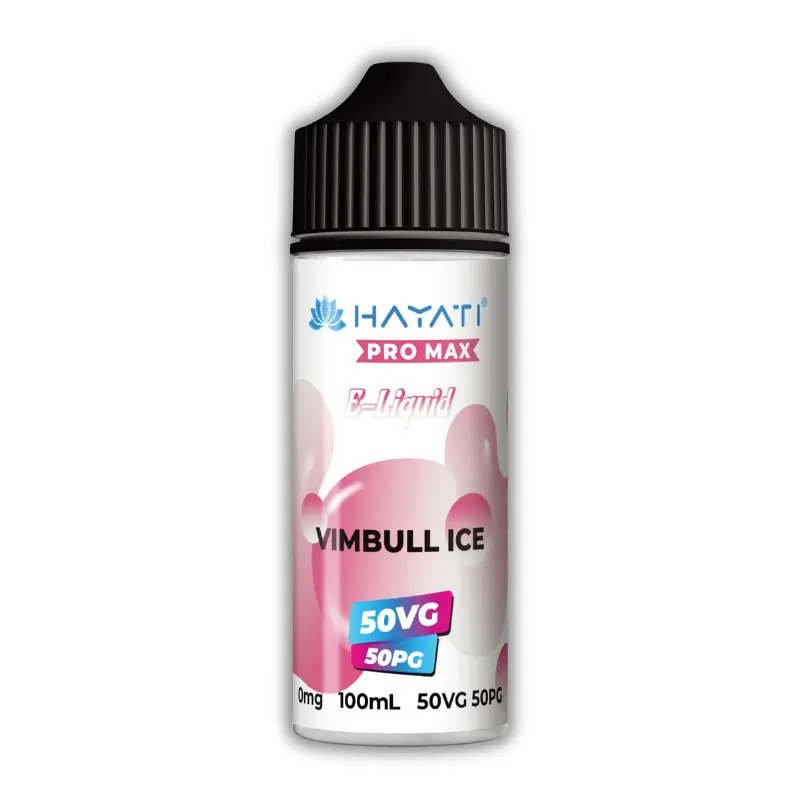
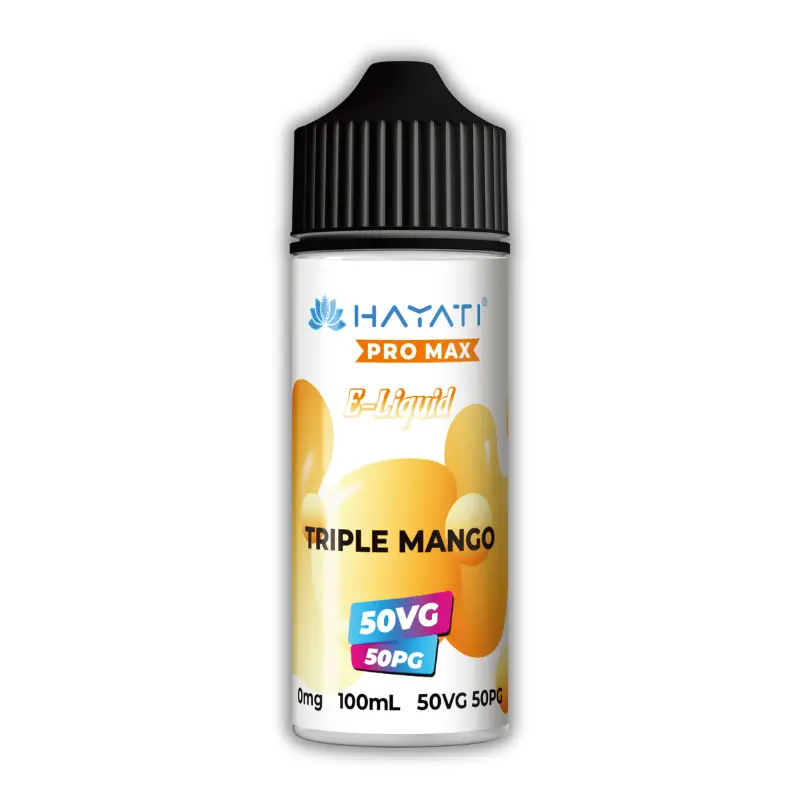
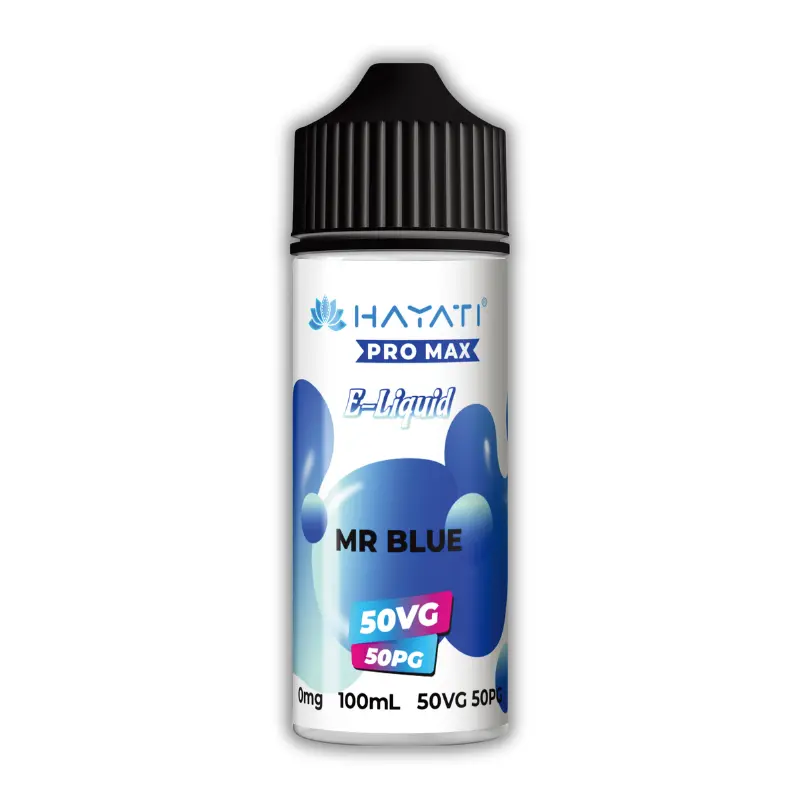
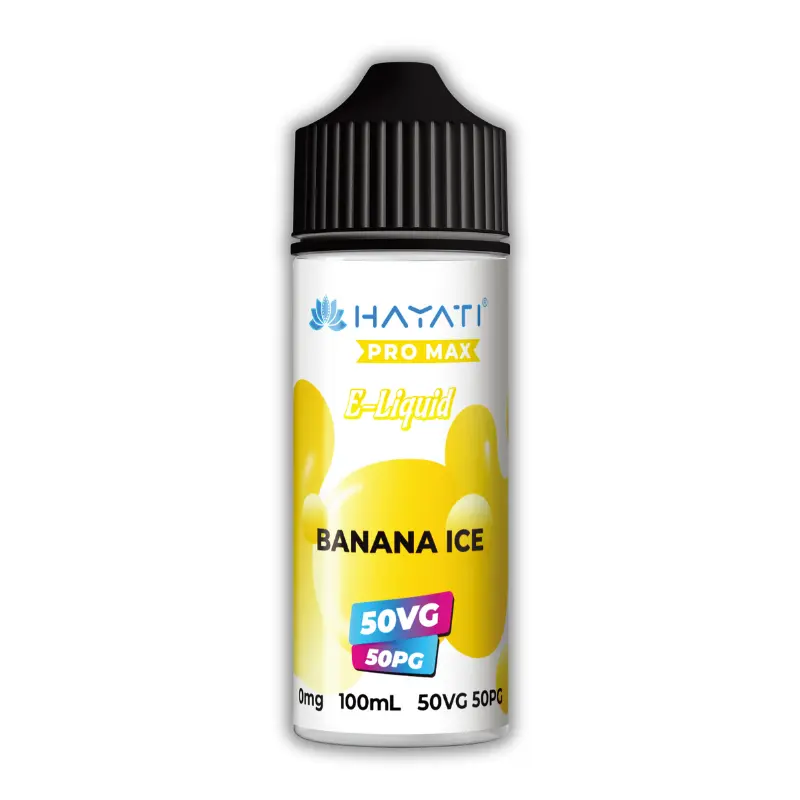
Triple Mango is the clearest example on the shelf. Mango is dense and faintly resinous, and stacking three mango characters gives it enough body that a tight draw still reads as mango rather than as generic sweetness. Mr Blue holds up for a different reason, since its dark, slightly medicinal berry note is assertive enough to survive being thinned. Vimbull Ice is a concentrated blackcurrant cordial character with a cooling edge tucked behind it rather than sitting on top, and the cordial part is what carries at low output. Banana Ice belongs here too, which surprises anyone who files it with the cold ones: banana is among the heaviest notes in the whole range, and the coolant is a finishing touch rather than the main event.
The ones that thin out when the vapour does
Layered and delicate profiles need volume to carry their detail. Give them a narrow airway and a 1.6 ohm coil and the top layer arrives on time while the rest stays behind in the pod.
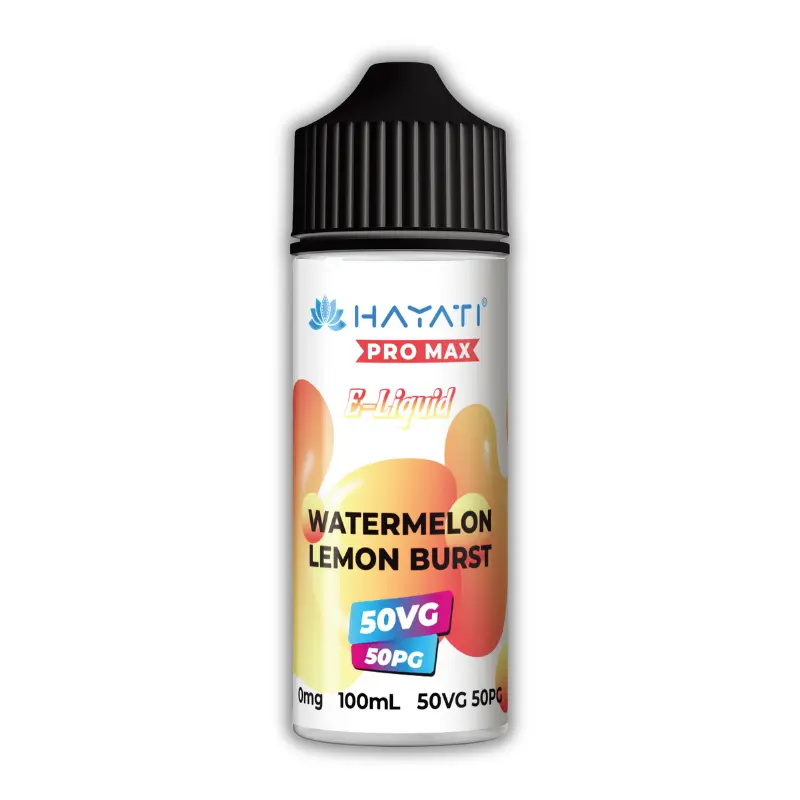
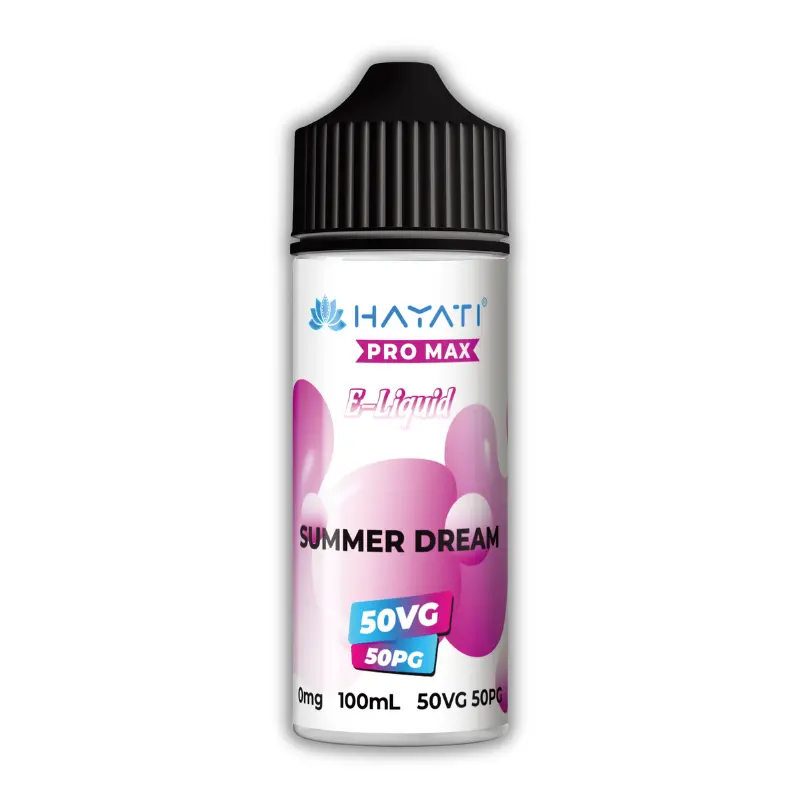
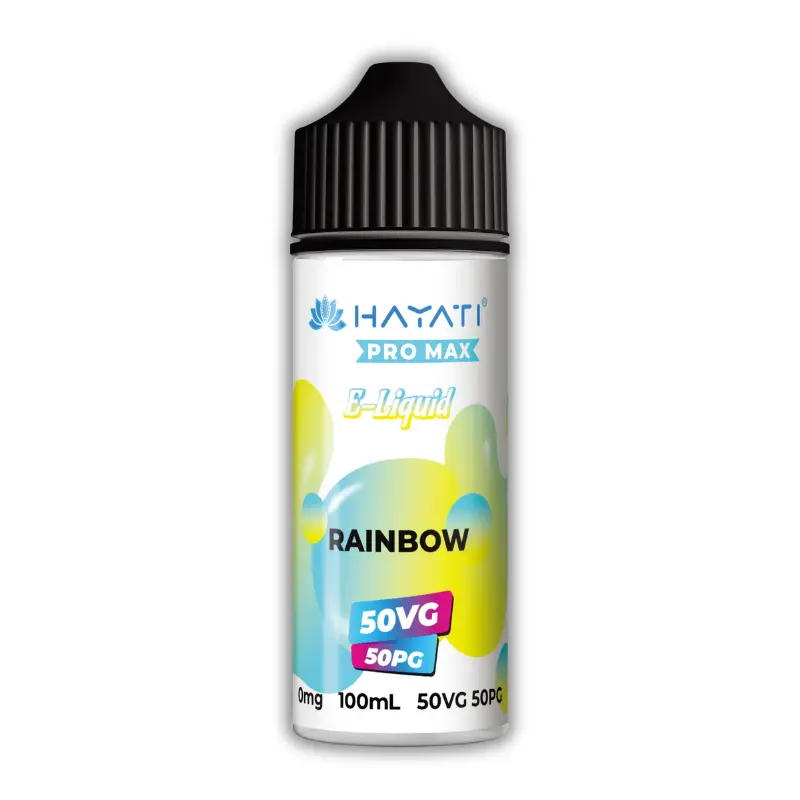
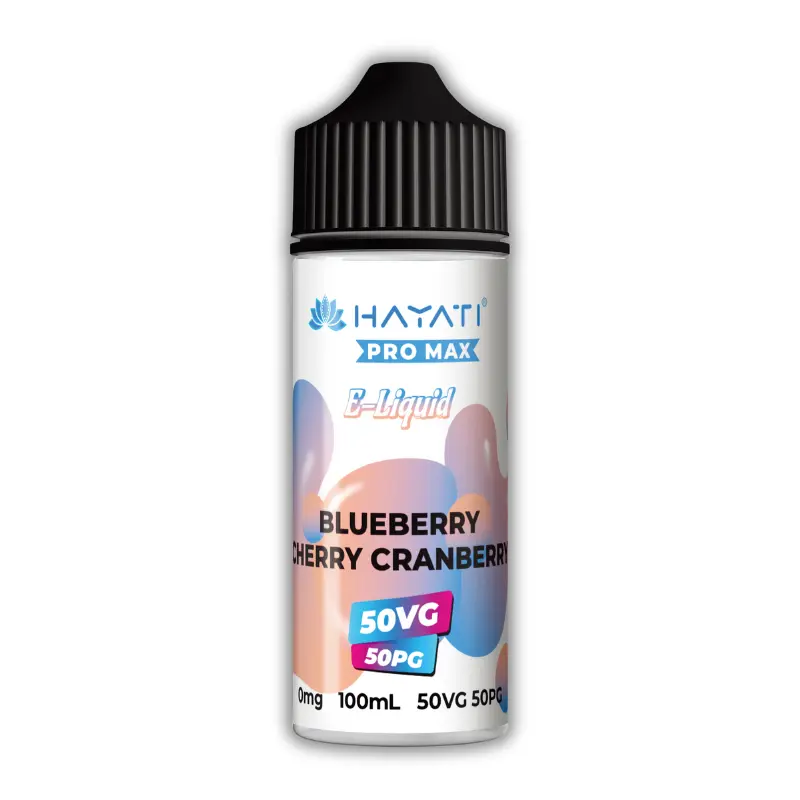
Summer Dream is where this happens most visibly. It is assembled from several soft fruit notes at similar intensities, and at low output they collapse into one indistinct sweet fruit instead of staying separate. Rainbow has the same problem approached from the other direction, with a wide spread of fruit-sweet notes that need heat to stay distinguishable from one another. Blueberry Cherry Cranberry is a three-part blend in which the cranberry is quietest and first to vanish, leaving something much closer to a plain berry mix. Watermelon Lemon Burst keeps its lemon at any power, but the watermelon behind it is a light, watery note that wants vapour volume in order to register at all.
None of these is a poor bottle. They are the ones to run at 1.0 ohm rather than 1.6, and the ones where opening the airflow half a turn buys you more than it would anywhere else on the shelf. For comparable layered blends outside the Hayati range, the wider Berry Vapes shelf is the place to browse.
The cooling ones, and what a narrow airway does to cold
Cooling agents do not scale politely. They act on receptors across the mouth and throat, and a narrow airway concentrates a small volume of vapour onto a small area, so the same concentration of coolant lands considerably harder than it would in a wide-bore draw. A bottle that reads as pleasantly chilled in a big tank can read as genuinely cold in a 1.2 ohm pod, and the liquid has not changed at all.
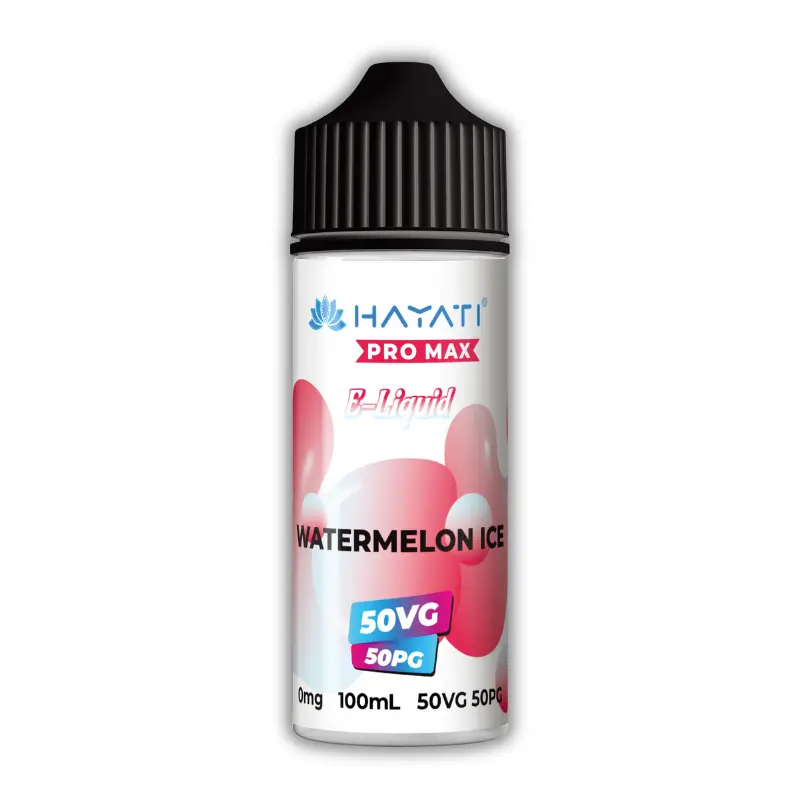
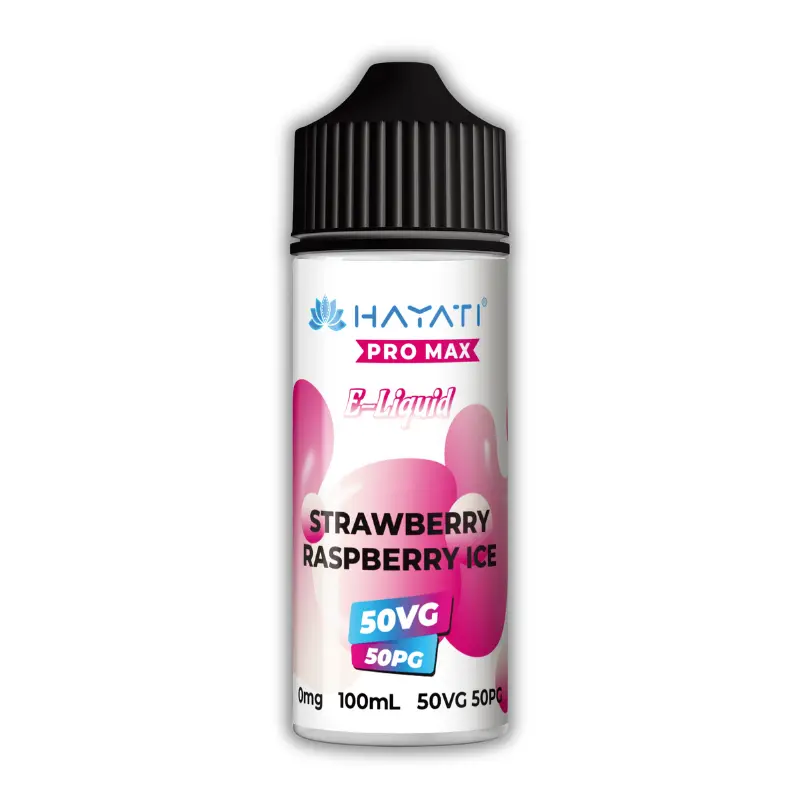
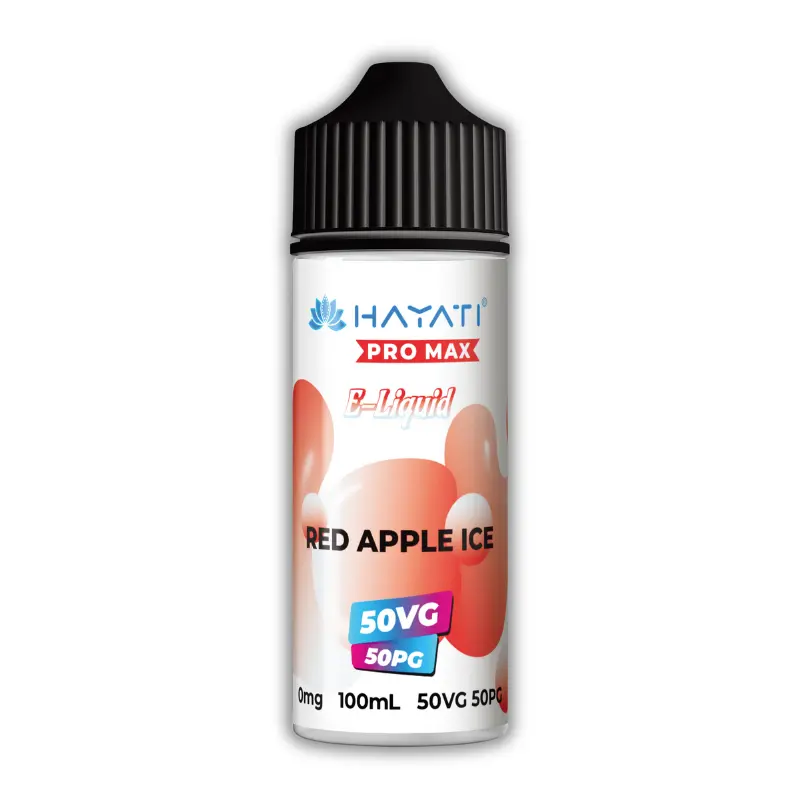
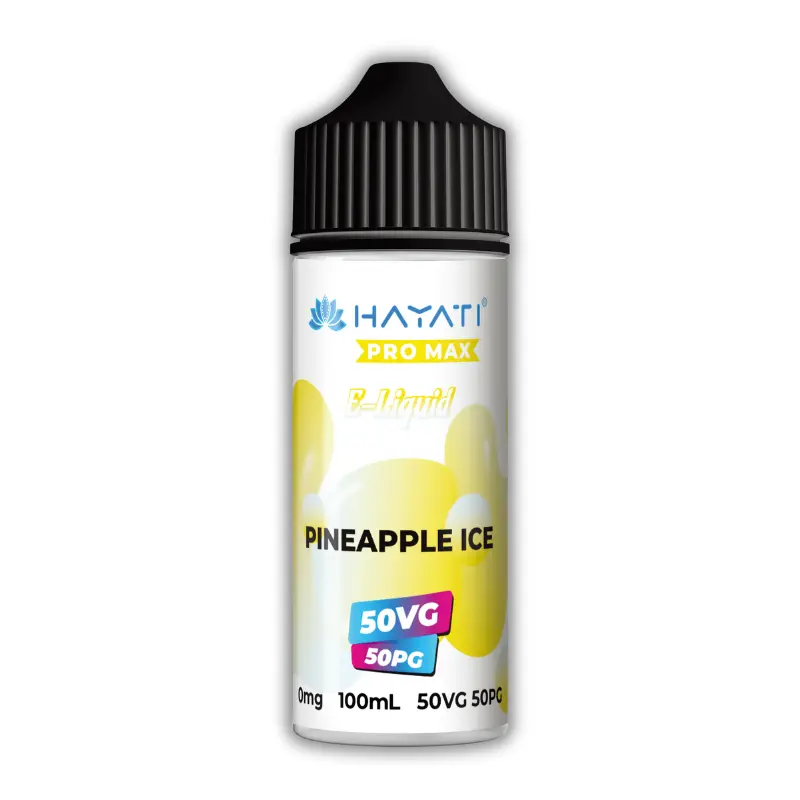
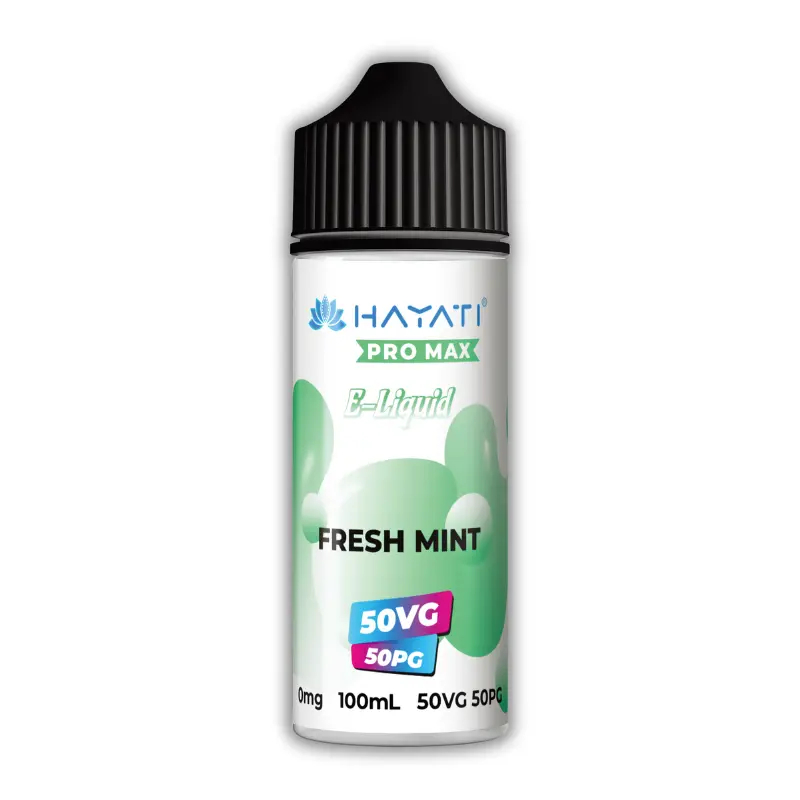
Fresh Mint is the most direct of these, with very little fruit to hide behind, so the cooling is the flavour rather than a layer laid over one. Watermelon Ice and Pineapple Ice each put a light fruit over a firm chill, and both gain more from a tight draw than almost anything else here. Red Apple Ice is the most restrained of the group, with the apple holding its own against the cold instead of being covered by it. Strawberry Raspberry Ice sits between them, cold enough to notice and carrying enough jammy berry weight to stay fruit-first. If the cold end is specifically what you are shopping for, the Ice Vapes shelf runs well beyond these five.
The heavily sweetened ones, and what they cost a coil
Sucralose and its relatives do not evaporate. They caramelise on the wire and settle into the cotton, and on a 1.0 ohm coil with a small wick that process is measured in days rather than weeks. These four are the sweetest bottles on the shelf and the ones that will have you changing coils most often.
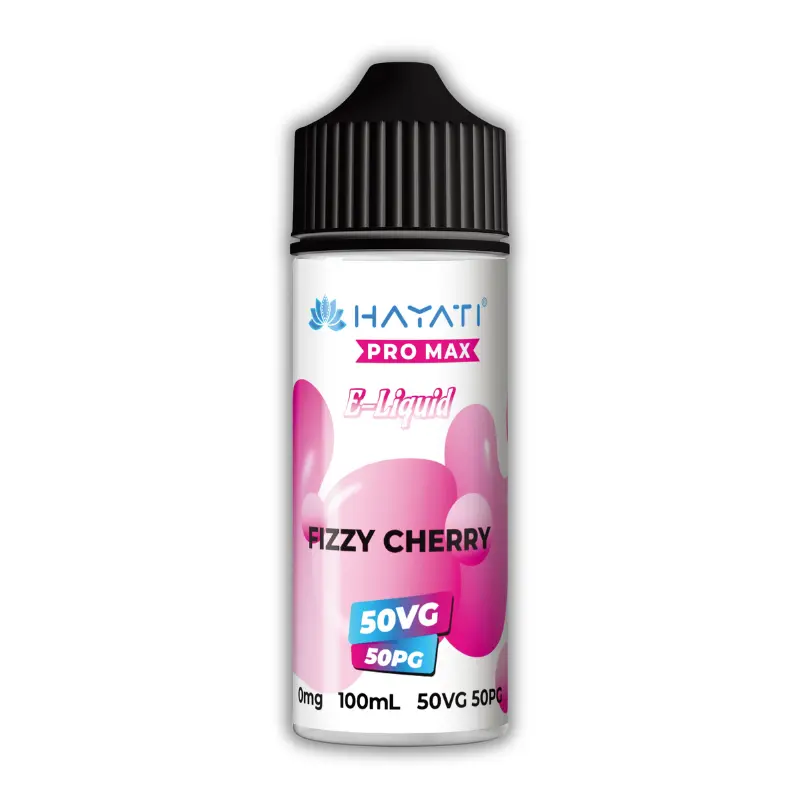
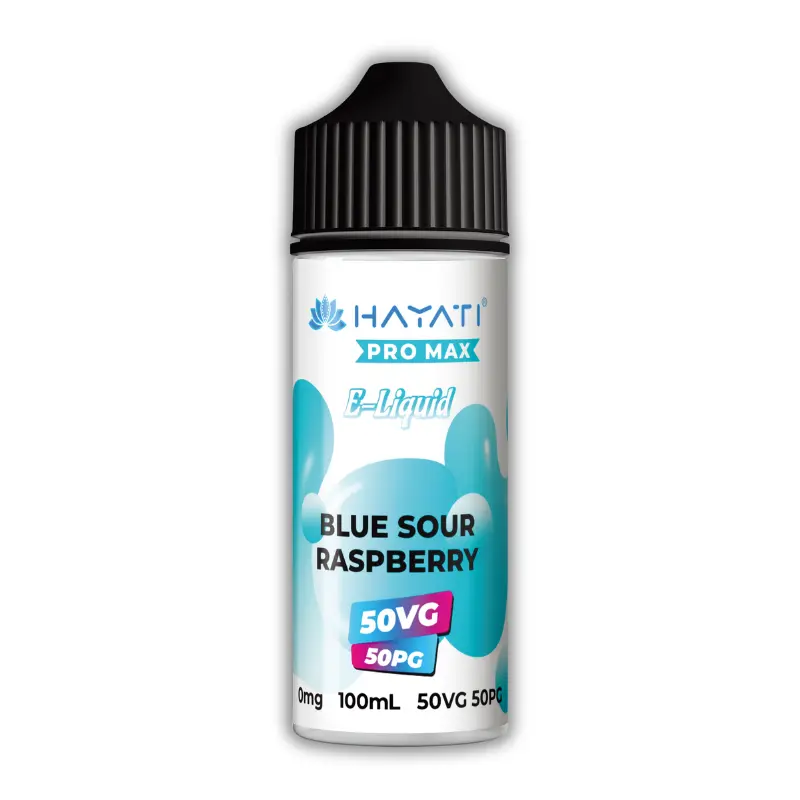
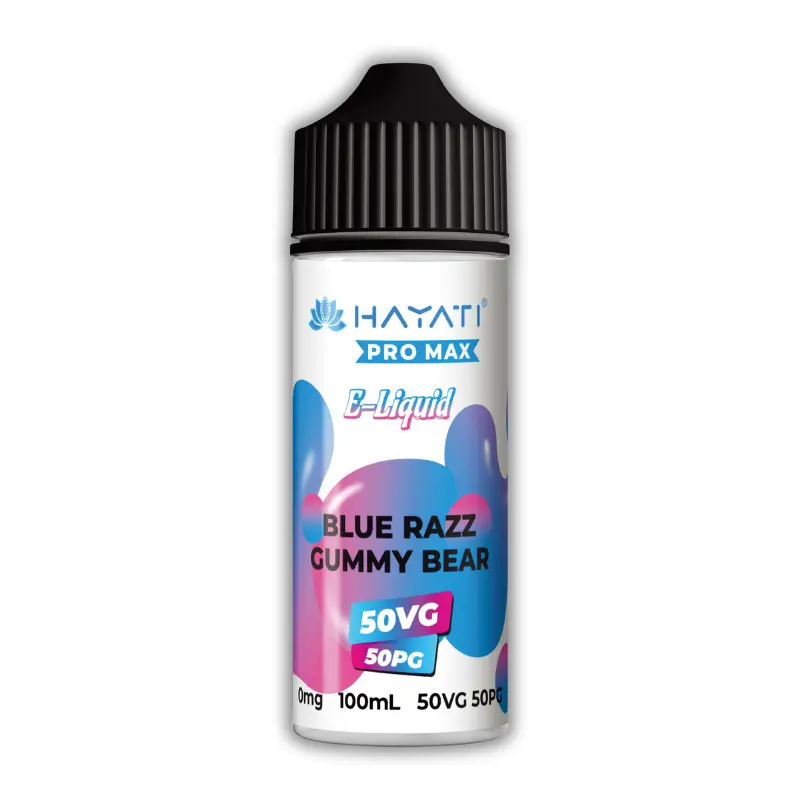
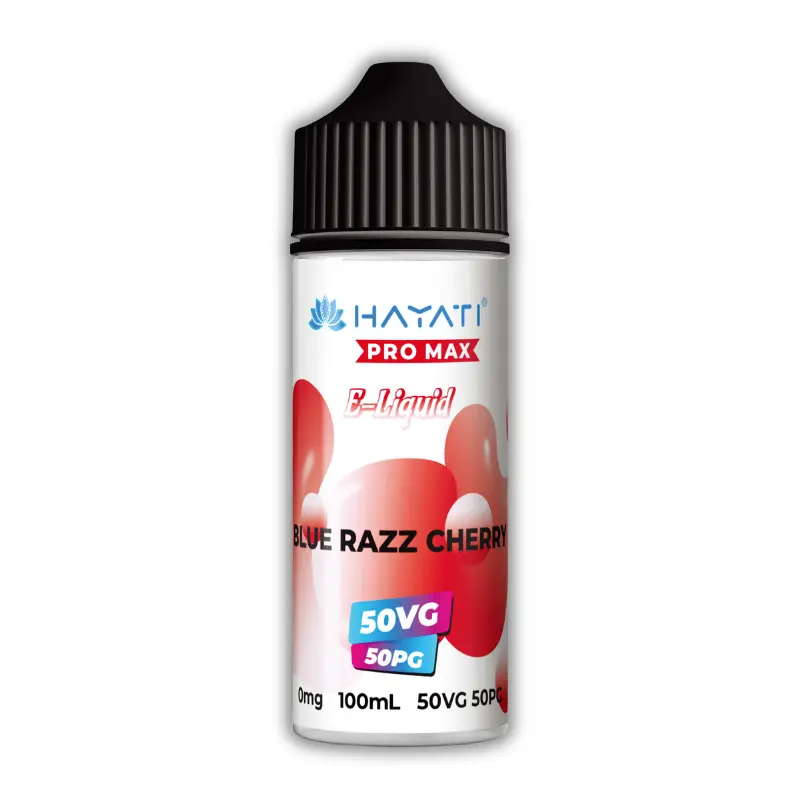
Blue Razz Gummy Bear is the heaviest of them, a thick confectionery sweetness laid over blue raspberry, and it will glaze a coil faster than anything else listed here. Blue Razz Cherry runs a close second, with a darker cherry layer sitting underneath the same blue note. Fizzy Cherry carries its sweetness alongside a sharp carbonated tang, which disguises how much sweetener is in it until you look at the state of the cotton. Blue Sour Raspberry is the sourest of the four and still firmly sweetened underneath that sourness. Anyone chasing the cherry note in particular will find the Cherry Vapes shelf runs wider than these two bottles.
The practical cost is easy to state. Expect roughly half the coil life you would get from the first group. That is not a reason to avoid them. It is a reason to keep spares in the drawer and to run them at the lower end of the power range rather than the upper.
The ones that last an all-day pod without tiring the palate
Palate fatigue is the thing nobody mentions until it happens. A flavour can be excellent for an hour and exhausting by three in the afternoon, and the usual culprits are heavy sweetness and heavy body. Bottles that survive a full day tend to be moderately sweet with an acid or a neutral edge that resets the tongue between draws.
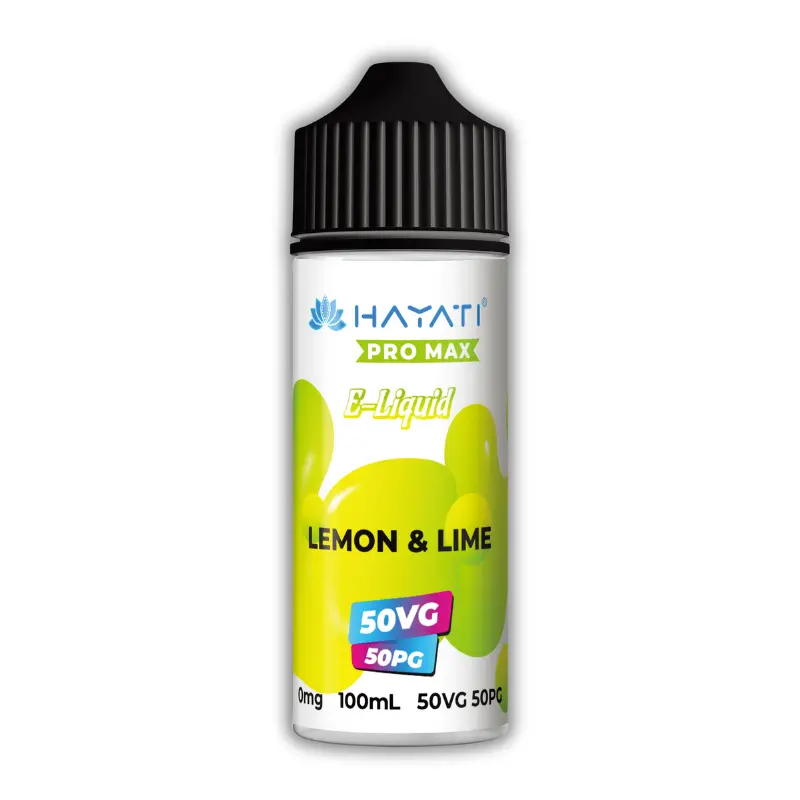
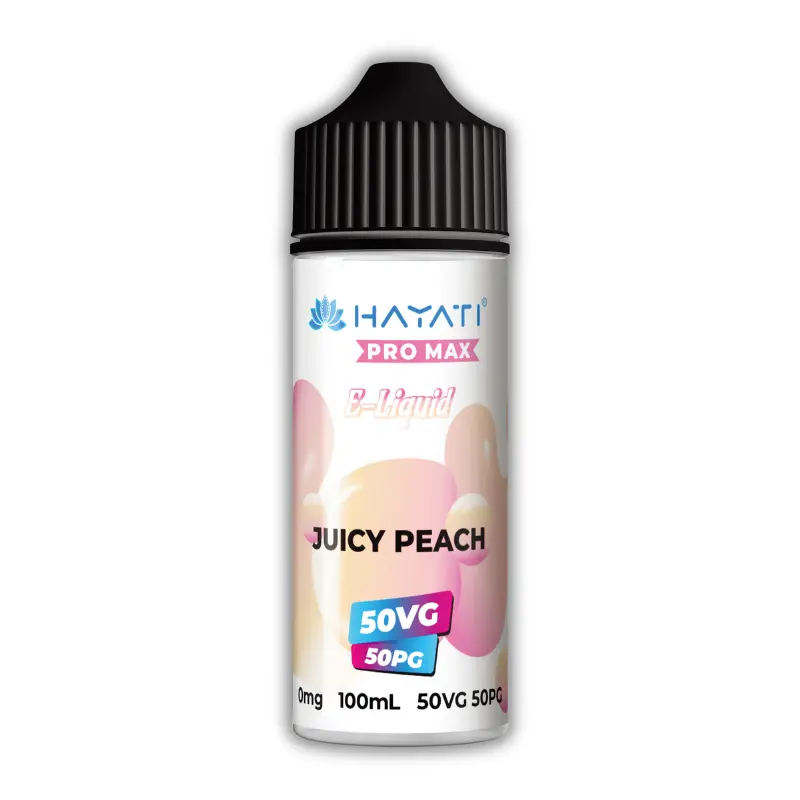
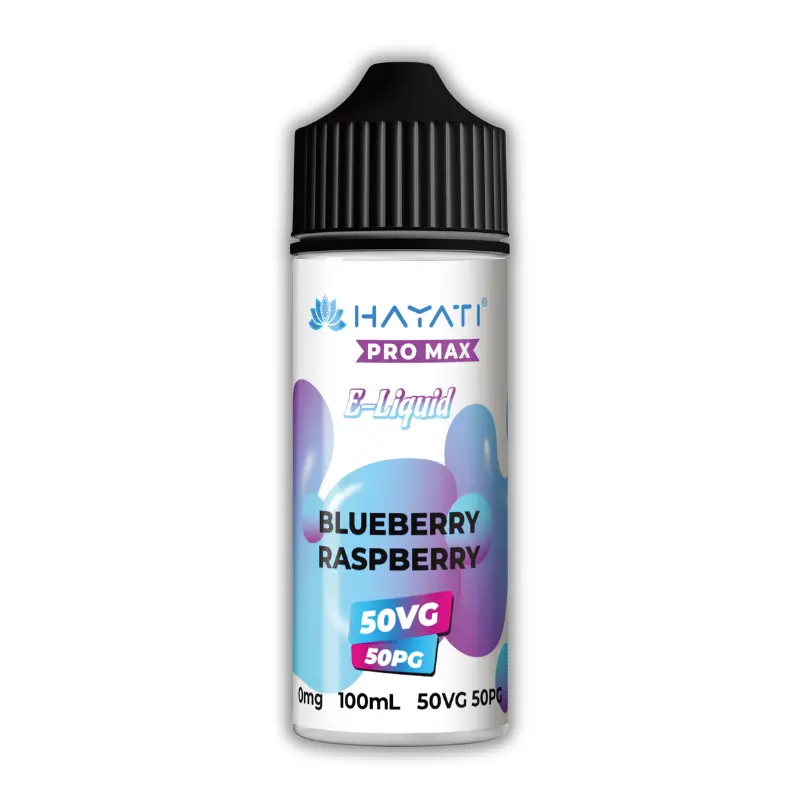
Lemon Lime is the obvious one, because citrus acidity does precisely that job. Juicy Peach is sweet but soft-edged and never insists on itself, which is why it survives repetition better than its sweetness level would predict. Blueberry Raspberry is the plainest blend on the shelf, two berries and not a great deal else, and plain is a virtue across ten hours. For the same behaviour built around a melon note, Watermelon Vapes gathers the lighter melon blends from across the site.
Where the same name behaves differently
These twenty names appear again, unchanged, on the Hayati Pro Max 70/30 E-Liquid shelf, at the same 120ml and the same £6.99. Same concentrates, same bottle, same price. The only variable is the proportion of glycerine to glycol, and that variable is entirely about hardware.
What changes, in descending order of how much you will notice it. Wicking speed changes most, because the thick base moves more slowly, which is exactly what a large low-resistance coil needs and exactly what a narrow-bore coil cannot cope with. Output changes second, since glycerine is the component that produces visible vapour. Throat sensation changes third, because glycol carries more of the sharpness, so the same flavour reads slightly firmer on this shelf. Sweetness perception shifts a little as well, with a thick base reading marginally rounder on the identical concentrate.
What does not change is the flavour. Triple Mango is the same mango on both shelves. If you have tasted one you already know what the other tastes like, and the decision between them is a decision about the coil you own rather than about your palate.
Most of these names also exist as ready-mixed 10ml bottles on the Hayati Pro Max Nic Salts shelf, at the same even ratio. Those go into the same coils this page has been describing, so everything above about priming, wicking and coil life applies to them without modification. The difference is volume and the absence of any mixing step. If you want the case for one bottled format against another set out properly, the parent Hayati E-Liquids shelf is where that comparison lives.
One honest note to finish. Blind, in a 1.2 ohm pod, at the same finished nicotine strength, a 50/50 and a 70/30 bottle of the same flavour are harder to separate than the specification implies. The thick one makes more vapour and feels a shade softer. Nobody is going to identify which is which every time. The reason to care is what happens to the cotton over the following week, not what happens on the first draw.
What this liquid will not suit
Three kinds of hardware are the wrong home for an even base, and in every case the reason is mechanical rather than a matter of taste.
Sub-ohm mesh tanks come first. A large mesh coil at low resistance has wide feed slots and a lot of exposed cotton, and it is designed around a liquid thick enough to sit in those slots instead of running straight through them. Fill one with a thin base and it will seep out of the airflow as soon as the tank warms, because nothing in the geometry is asking the cotton to hold it back. The liquid is not at fault and neither is the tank. They are built for different viscosities and that is the end of it.
Sealed prefilled pods come second, and the reason is simpler still: there is no fill port. A sealed pod arrives with its liquid inside and is designed to be used and replaced as one unit, coil and reservoir in the same housing. Drilling one, syringing one or prising the top off one gets you a leaking pod and a wasted afternoon. If sealed pods are the format you actually use, the Hayati Prefilled Pod Kits range is the right shelf, and the replacements sit on Hayati Prefilled Pods & Refills.
Sealed all-in-one systems come third. Where liquid, coil and battery share a single housing with nothing to open, there is nothing a bottle can do for you at all. The Hayati Pro Max Plus Prefilled Pod Kit works that way, and its pods are stocked on their own as Hayati Pro Max Plus Pods for anyone who already owns the device.
The same applies across the Hayati Pro Ultra Plus family. Complete kits sit on Hayati Pro Ultra Plus Prefilled Pod Kit, with the pods listed separately as Hayati Pro Ultra Plus Pods. Nothing on this page transfers to them except the explanation of how a restricted draw works, which holds for any narrow mouthpiece.
One borderline case deserves naming. Some refillable kits ship with both a 0.8 ohm and a 1.2 ohm coil in the box, and the 0.8 is near enough the loose end of the range that a thin base can seep if the pod sits full overnight in a warm room. That is not a defect in the liquid. Store the kit upright, keep the level below full, and fit the tighter coil when the pod is going to stand unused.
Running cost, and looking after a part-used bottle
£6.99 for 120ml works out at 5.8 pence per millilitre before anything is added to it. A 2ml pod therefore costs a shade under 12 pence to fill, and one bottle is sixty fills. Shots are the only other variable in the sum, and because the bottle finishes at 120ml either way, the total is the bottle price plus whatever the shots cost you, divided by 120.
The consumable that genuinely moves the annual figure is the coil, not the liquid. On the heavily sweetened group above, a coil replaced weekly costs more across a year than the liquid running through it. On the restrained bottles the two come out roughly level. That is the real reason to pay attention to sweetener content, and it is why the priming routine and the top-up habit repay the small amount of care they ask for.
Storing a part-used bottle is undramatic and mostly a matter of what you avoid. Cool, dark, capped, upright. Heat and light are what age a flavour concentrate, and a bottle left on a sunny windowsill for a fortnight will taste flatter than one that sat in a drawer beside it. A cupboard away from a radiator covers everything that matters. A fridge is unnecessary and makes a thin liquid temporarily thicker than the pod is expecting for the first few minutes after you pour.
Darkening in the bottle is normal and is not a fault. Liquid that has had nicotine added drifts from clear to straw to amber over months as it meets air and light, and in the first few months that colour change has almost no bearing on how it tastes. What does point to a problem is a bottle separated into visible layers that stay separated after a hard shake, or one that smells sour instead of sweet. Neither is common. A 0mg bottle kept sealed in a dark cupboard will still be perfectly usable a long time after the day you bought it.
When it goes wrong
Four failures cover almost everything reported with a thin base in a small pod, and three of them share an underlying cause.
It seeps
Liquid on the outside of the pod, in the battery well, or in your pocket. The usual cause is pressure rather than a broken seal: an overfilled pod has no air space, so the contents have nowhere to expand to when the pod warms in your hand or the pressure around it drops. Fill to nine tenths, seat the plug flat, store the kit upright, and do not leave a full pod baking in a car. If it persists on a coil that behaved perfectly last week, the coil seal has worn and the coil is the part to change.
It tastes burnt
Instant, acrid, and it does not fade over the next few draws. Either the coil went in dry, the pod ran below its feed ports, or you chained past what the wick could resupply. Once cotton has carbonised it is finished, and resting the pod overnight will not bring it back. Fit a new coil, prime it as described above, and give it the standing time it asks for.
It gurgles
A wet, bubbling noise with hot liquid arriving at the mouthpiece. This is flooding: more liquid in the coil housing than the wire can turn to vapour. Causes are overfilling, squeezing the bottle hard during a fill, drawing too gently for the coil to clear itself, or pulling on the pod with the device switched off. Take the pod out, blow gently through it from the base onto a folded piece of kitchen paper, reseat it, and take two firmer draws.
The flavour has gone flat
Nothing tastes wrong, it simply tastes like less. This is either a coil glazing over, which is gradual and expected, or your own palate acclimatising to something you have run for a week solid. Fit a fresh coil first, because that is the cheap test. If the new coil is no brighter, rotate the bottle instead. Two days on Lemon Lime is usually reset enough before returning to something as sweet as Blue Razz Gummy Bear.
Where to go next
If the kit rather than the liquid is the part you want to change, the refillable side of Hayati Pod Kits is where the resistances described above actually live, and the spare pods and coils that go with them are on Hayati Pods.
The Hayati Mini Ultra family is worth a look if a smaller thing in the pocket is what you are after, with complete kits on Hayati Mini Ultra Prefilled Pod Kit and the pods listed on their own as Hayati Mini Ultra Pods. These are sealed systems, so nothing from this shelf goes into them.
The Hayati Rubik range is the other device family on the site running its own pod format. Kits are on Hayati Rubik Prefilled Pod Kit and the pods on Hayati Rubik Pods, and again the pods are sealed rather than refillable.
Browsing sideways rather than up, Hayati Quokka is the brand's own device line, and Hayati Nicotine Pouches is a separate product category altogether for anyone whose interest is not in liquid at all.
Anything that has landed on the site recently, new flavour names included, appears on New Products before it filters down into the individual flavour shelves.
And if reading this far has convinced you that the coil you own is the wrong one for what you want out of a pod, that is the most useful thing this page can do. Resistance settles more about a kit than the bottle in it ever will, and a pound spent on a different coil changes the experience further than swapping between two bottles of the same concentrate.
The short version
This shelf is twenty bottles of one specification wearing different flavours: 120ml, 0mg, 50/50, £6.99. The even ratio exists so the liquid keeps pace with a small coil pulled through a narrow opening, and everything on this page follows from that one sentence.
Four things are worth carrying away. Prime a new coil and let it stand, because that single habit prevents most of the failures people blame on the liquid. Refill at a quarter full rather than at empty. Expect the heavily sweetened bottles to cost you coils and budget for it instead of being annoyed by it. And treat the shot arithmetic as one multiplication and one division rather than a decision worth agonising over.
The flavour notes above are deliberately organised around behaviour rather than around which bottle is nicest, because on a shelf where every bottle is the same size at the same price, the only question that costs you anything to get wrong is whether the one you picked works properly in the hardware sitting on your desk.
Strictly for adults aged 18 and over. Nicotine is an addictive substance.
Frequently asked questions
What does mouth-to-lung mean when you are actually doing it?
It means taking the draw in two separate movements. You pull vapour into the mouth first, with the throat shut, and hold it for a beat. Then you open the throat and take a normal breath of air in behind it, carrying the vapour down with that air. The first movement is where you taste the liquid. The second is where the volume goes.
Most people who find a pod kit disappointing are running both movements as one, which floods the coil with air and makes everything taste thinner than it really is.
Which coil resistance suits a 50:50 base best?
Anything between roughly 1.6 ohm and 0.8 ohm will run it. The middle of that band, around 1.0 to 1.2 ohm at 10 to 14 watts, is where an even base sits most comfortably: enough heat to bring the heavier notes out, not enough to outrun the wick.
Go tighter and the draw turns cooler and thinner, and a 2ml pod stretches much further. Go looser and it warms up, drinks noticeably faster, and becomes more likely to seep if the pod is left standing full.
Can I put a 120ml bottle of this in a sub-ohm tank?
You can physically pour it in, but it is the wrong pairing. A large low-resistance mesh coil has wide feed slots and a lot of exposed cotton, and it is designed around a liquid thick enough to sit in those slots rather than run straight through them.
A thin base tends to seep out of the airflow once the tank warms, and you will spend more time mopping the base of the device than using it. The 70/30 bottles carry the same twenty flavour names for exactly that hardware.
Can the bottle be used exactly as it arrives?
Yes. It is a finished liquid at 0mg rather than an unfinished concentrate, and it will run in a pod kit straight from the bottle with no mixing whatsoever. Plenty of people use it that way and never open a shot.
The 20ml of space at the top of the bottle is there for anyone who does want nicotine in it, and leaving that space empty changes nothing about how the liquid wicks, how it tastes or how it behaves in a coil. Give it a shake before the first fill and that is the whole procedure.
How many shots does a 120ml bottle take, and what strength results?
The bottle holds 100ml of liquid with 20ml of room above it, so two 10ml shots fill it exactly. The sum is shot strength multiplied by the volume of shot added, divided by the finished volume.
Two 18mg shots put 360mg through a finished 120ml, which is 3mg/ml. One shot rather than two puts 180mg through a finished 110ml, which is 1.6mg/ml. Cap the bottle, invert it a dozen times, then shake hard for half a minute. The bubbles clear inside an hour.
Why sell a 120ml bottle when a pod only holds 2ml?
Because the pod gets refilled sixty times from it. Bottle size governs how often you buy, not how much goes into the device at once. At £6.99 the large bottle works out at 5.8 pence per millilitre, well under the rate on a small one, and the headroom at the top is what makes the nicotine sum land on a round finished volume.
The practical answer is to decant. Pour 10ml or 30ml into a small bottle with a fine tip and leave the large one standing in a cupboard.
How long does one bottle last in a pod kit?
That depends almost entirely on coil resistance and on how long your draws are, so any single figure would be invented. What you can do instead is measure your own rate.
Count how many times you refill a 2ml pod in a week and multiply by two. That is your weekly millilitres. At three fills a day you are getting through 6ml, so a 120ml bottle covers about twenty days. At one fill a day the same bottle runs for two months.
Does this liquid need steeping?
Not meaningfully. These are fruit-forward blends at an even ratio and they arrive fully mixed and ready to pour. If you have added a nicotine shot, shake it hard and let the bubbles clear, which takes about an hour, and it is usable.
Leaving a shotted bottle capped in a dark cupboard for three or four days does round the sweeter ones off very slightly and take a little of the edge off the sharper ones. It is a small change, and some people prefer the bottle unrested.
Why is my pod leaking, and what should I check?
Start with the fill level. A pod filled to the very top has no air space, so when it warms in your hand the contents have nowhere to expand to and find the airflow instead. Fill to about nine tenths.
Next check that the fill plug is seated flat rather than half in. Then look at how you are drawing, because a very gentle pull on a loose coil lets liquid pool rather than clearing it. If the trouble started on a coil that behaved fine last week, the coil seal has gone.
How often should the coil be changed on this base?
Sweetener content decides this far more than the calendar does. On the plainer bottles a pod coil will usually hold up for one to two weeks of ordinary use. On the heavily sweetened ones, expect roughly half that.
The honest test is comparative. Fill a fresh coil from the same bottle and take one draw from each in turn. If the new one is clearly brighter, the old one was finished, however acceptable it seemed when you had nothing to compare it with.
Salt shot or freebase shot, which one goes in?
At the power levels this base runs at, the difference you will notice is throat sensation and very little else. A freebase shot reads firmer and sharper at the back of the throat. A salt shot reads smoother and rounder at the same finished number on the label.
Everything else stays where it was, including how the liquid wicks and how the flavour tastes. Both types are blended at 50/50, so neither one moves the ratio of the finished bottle. Mix one bottle each way and you will have your own answer.
Is this the same liquid as the 70/30 bottle of the same name?
Same flavour concentrate, same 120ml bottle, same £6.99, different carrier. The 70/30 version holds more glycerine and less glycol, which makes it slower to wick, higher in visible output and a shade softer in the throat. The flavour itself has not been reformulated.
Choose between them on the coil you own rather than on the label. Narrow-bore pod coils want the even ratio; large low-resistance coils want the thick one. Blind, in the same pod, the two are harder to tell apart than the numbers suggest.