Home / Orange Vapes
Orange Vapes
Twelve tiles sit on this shelf, from £2.49 for a 10ml bottle up to £11.99 for a kit with the device supplied. Four platforms are represented and two nicotine strengths. That is a small shelf by the standards of this catalogue, and the size is the first thing worth explaining rather than the last.
Only seven of the twelve tiles have the word orange in their title. The other five are blue-fruit listings that reached this shelf through the tagging rather than through their recipe, and the section below says exactly which they are so you can skip past them. Behind those seven titles there are only two orange liquids: a three-citrus blend sold under four listings, and a hard-sugar orange sold under three. Nothing here is a plain orange on its own, because the catalogue does not contain one.
That is the shape of the page. Orange is one of the least common flavours in a 492-listing range, and it is the single most familiar fruit flavour almost anywhere outside it. Both halves of that are measurable, and the reason for the gap is more likely to be chemistry than taste. What follows counts it, explains it, offers the competing explanation, and then says what the answer means for the pod you actually buy.
New ProductsHayati PodsHayati Prefilled Pods & RefillsHayati Pod KitsHayati Prefilled Pod KitsHayati E-LiquidsHayati Pro Ultra Plus Prefilled Pod Kits & PodsHayati Pro Max Plus PodsHayati Pro Max Plus Prefilled Pod KitHayati Pro Max Nic SaltsHayati Pro Ultra Plus PodsHayati Pro Ultra Plus Prefilled Pod KitHayati Mini UltraHayati RubikHayati Mini Ultra PodsHayati Mini Ultra Prefilled Pod KitHayati Pro Max 50-50 E-LiquidHayati Pro Max 70-30 E-LiquidHayati Rubik Prefilled Pod KitHayati Rubik PodsHayati Nicotine PouchesHayati QuokkaBerry VapesRaspberry VapesIce VapesBlueberry VapesStrawberry VapesCherry VapesSweet VapesExotic VapesLemon VapesBlueberry Raspberry VapesPeach VapesWatermelon VapesApple VapesLemon Lime VapesMango VapesPineapple VapesGrape VapesLemonade VapesMint VapesCola VapesStrawberry Raspberry Ice VapesBlackcurrant VapesJuicy Peach VapesMr Blue VapesSummer Dream VapesBanana VapesKiwi VapesMenthol VapesOrange VapesFresh Mint Vapes
What is on this shelf, and what arrived here by accident
Start with the two numbers that govern everything below, because they are not the same number and this shelf is one of the places they part company furthest. Twelve listings carry the orange tag in the current data. Seven listings in the whole catalogue have orange in their title. The gap of five is not a rounding error or a taxonomy quibble. It is 42 per cent of the shelf.
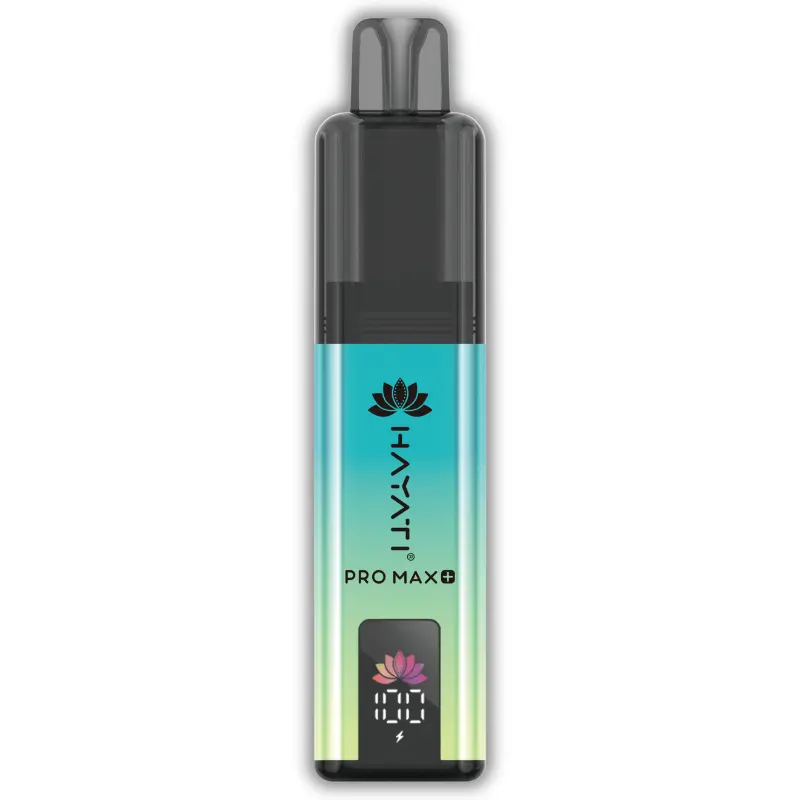
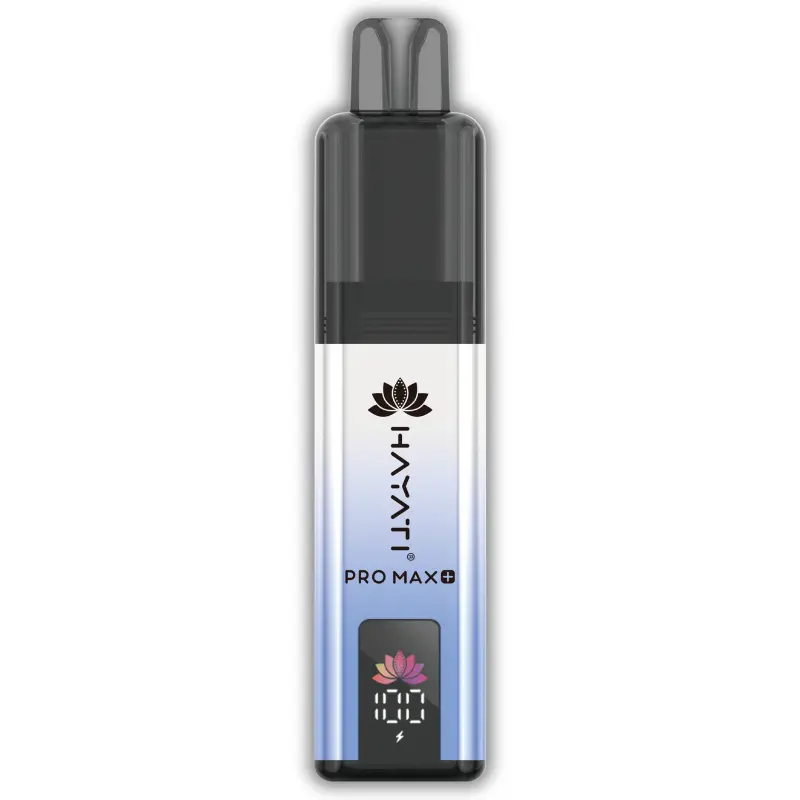
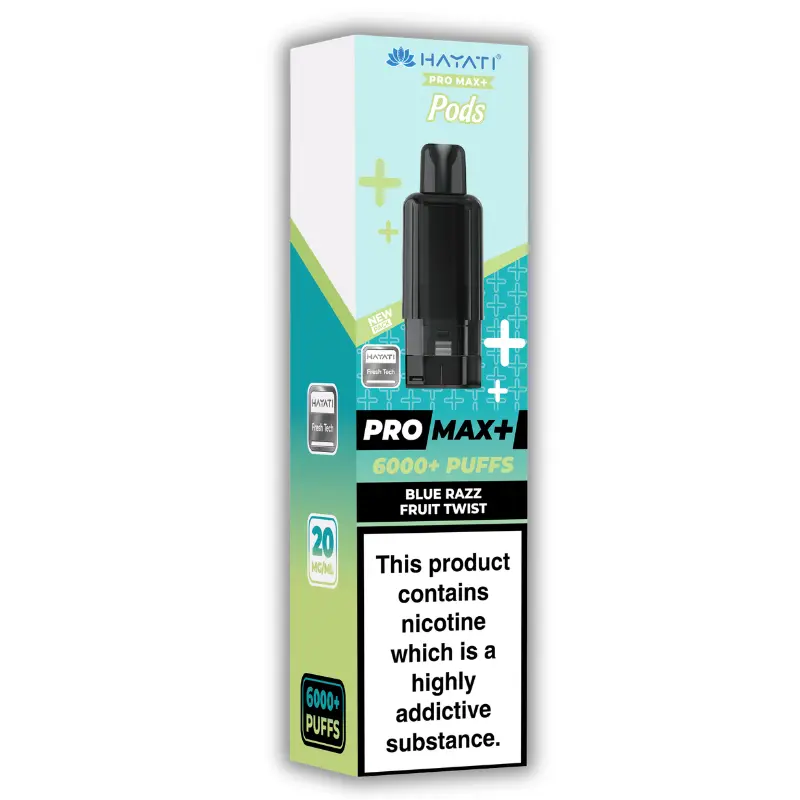
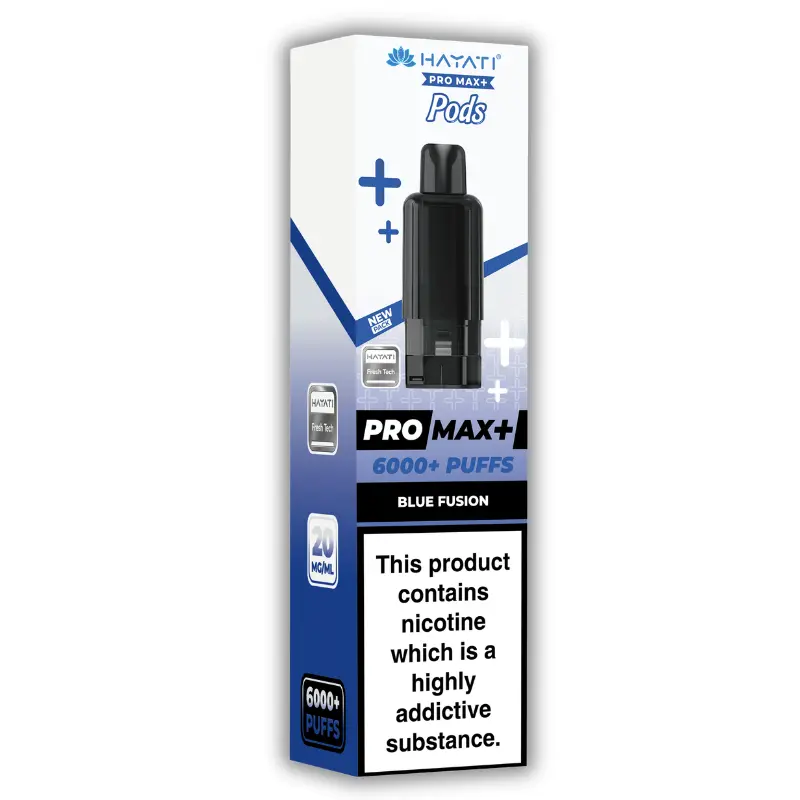
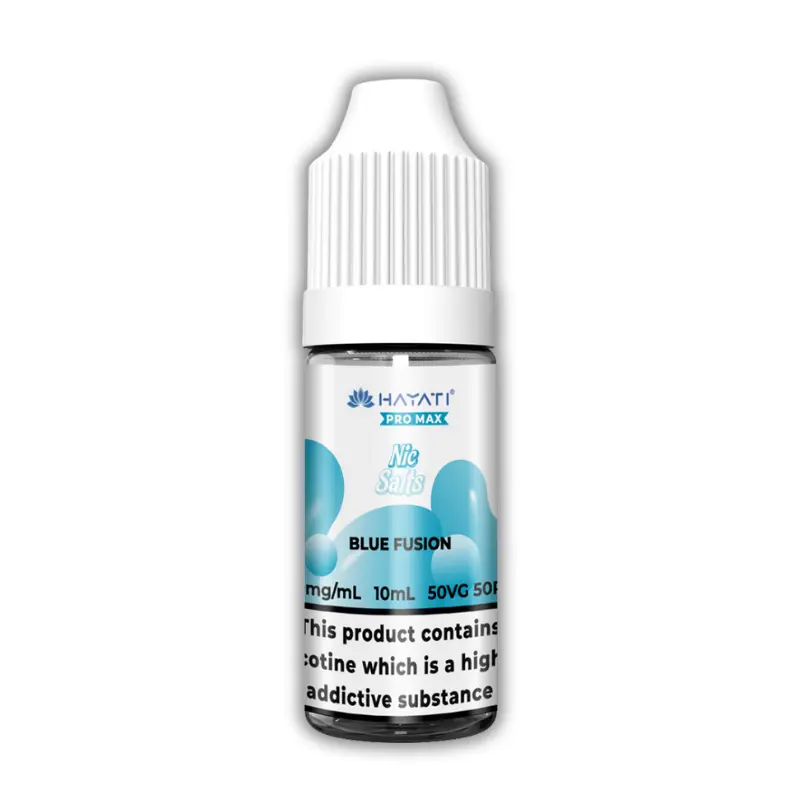
Those five are Blue Razz Fruit Twist Hayati Pro Max Plus Pods, Blue Razz Fruit Twist Hayati Pro Max Plus 6000 Pod Kit, Blue Fusion Hayati Pro Max Plus Pods, Blue Fusion Hayati Pro Max Plus 6000 Pod Kit and Blue Fusion Hayati Pro Max Nic Salt. Read their copy and there is no orange in any of it. Blue Razz Fruit Twist is described as blue raspberry broadened by a mixed-fruit sweetness. Blue Fusion is described as blue raspberry alongside blueberry. Two of the five carry a literal orange tag in the feed, both of them Pro Max Plus pods, and the remaining three are their same-liquid siblings, which inherited the tag when the catalogue began pooling flavour shelves across twin listings.
This is a documented failure mode rather than a mystery, and the shelf-filing question has already been settled elsewhere in this project, so there is no need to re-open it here. Filing keys off a title naming a flavour, and it degrades on the handful of listings whose names point at a mood or a colour rather than an ingredient. Blue Fusion and Fruit Twist are both on the list of names that tell a buyer nothing. Both landed a flavour tag that their own description contradicts. Pooling then did what pooling is supposed to do, which is to stop a bare pod and its matching kit disagreeing about which shelves they belong on, and in this one case it copied an error faithfully across three more tiles.
Worth being precise about the cost. The five are not junk listings and they are not mislabelled products. They are perfectly good blue-fruit vapes that belong on Berry Vapes, Blueberry Vapes and Blueberry Raspberry Vapes, where all five also sit, and two of them belong on Raspberry Vapes as well. Their only problem is being here. If you arrived looking for orange, treat this shelf as seven tiles and read the rest of this page accordingly. If you arrived because one of the blue five caught your eye in a search, follow it to its own page and ignore everything below about citrus chemistry, which has nothing to do with it.
Seven titles, two liquids
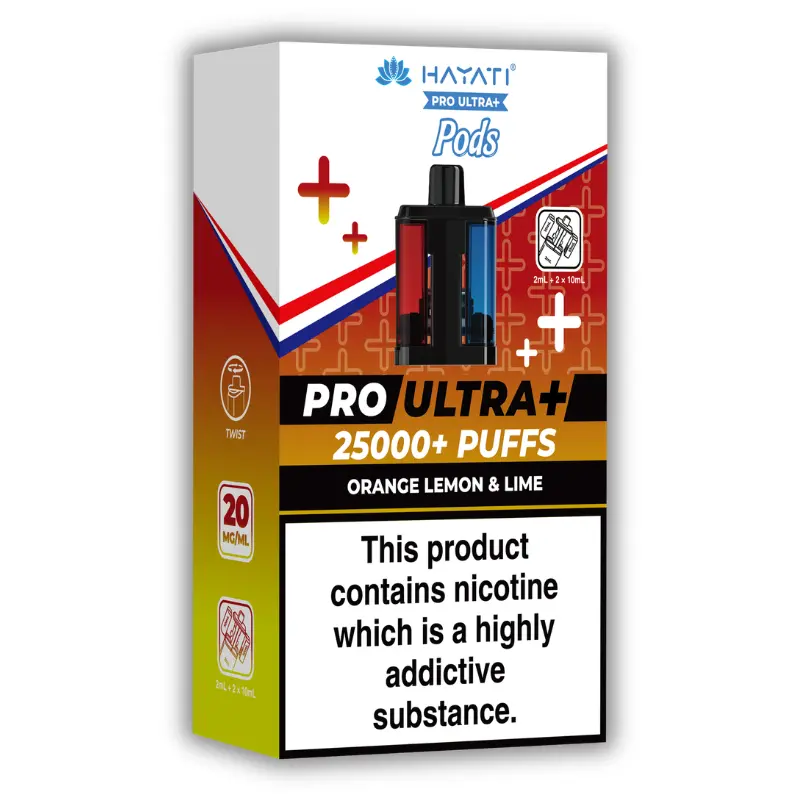
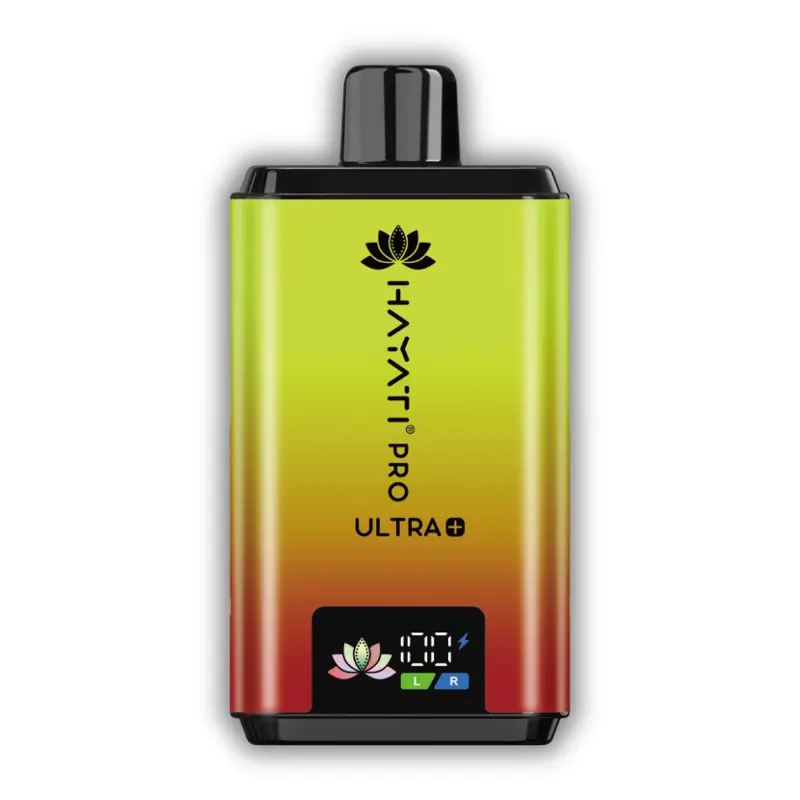
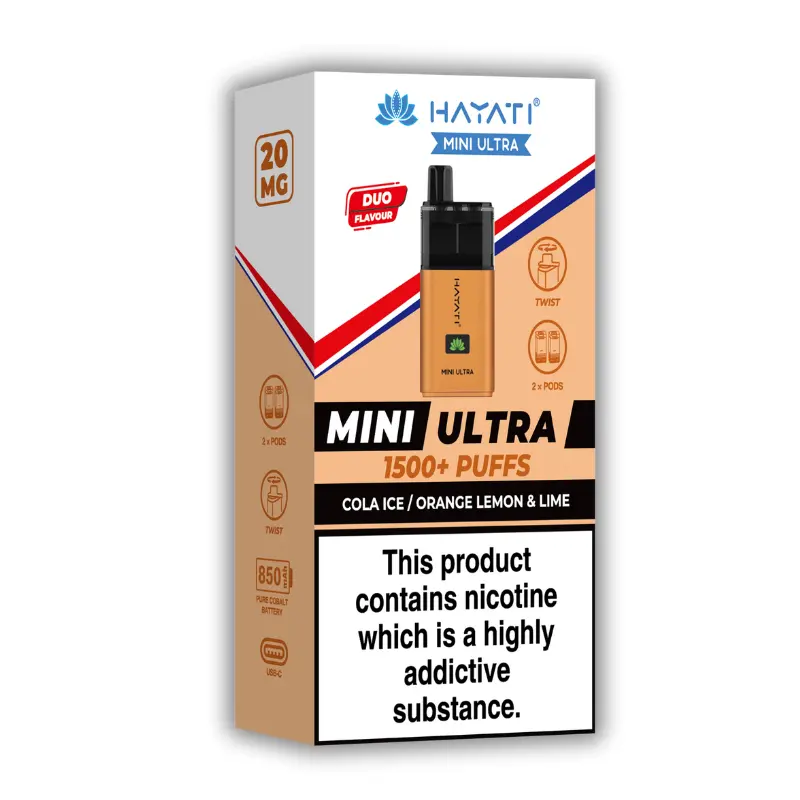
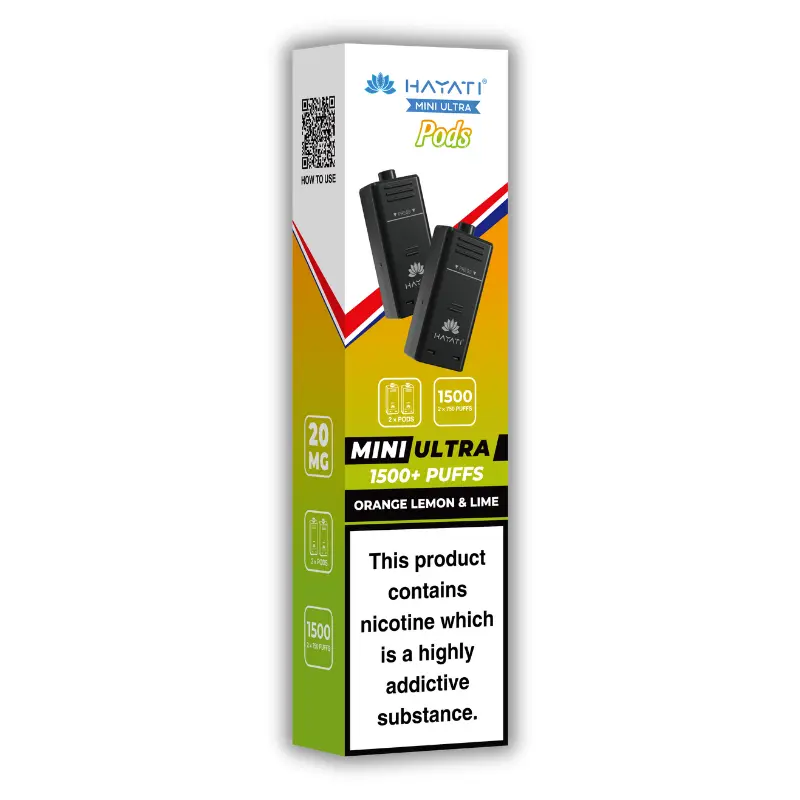
Collapse the seven orange-named listings by recipe and the shelf gets smaller again. Four of them are the three-citrus blend: Orange Lemon & Lime Hayati Pro Ultra Plus 25K Pods at £7.99, Orange Lemon Lime Hayati Pro Ultra Plus 25000 Prefilled Pod Kit at £11.99, Orange Lemon Lime Hayati Mini Ultra Pods at £3.49, and the citrus half of Cola Ice / Orange Lemon Lime Hayati Mini Ultra Pod Kit at £3.99. Hayati spell that flavour two ways across those listings, with an ampersand on the 25K pod and without one everywhere else, which is a copy desk inconsistency and not two recipes.
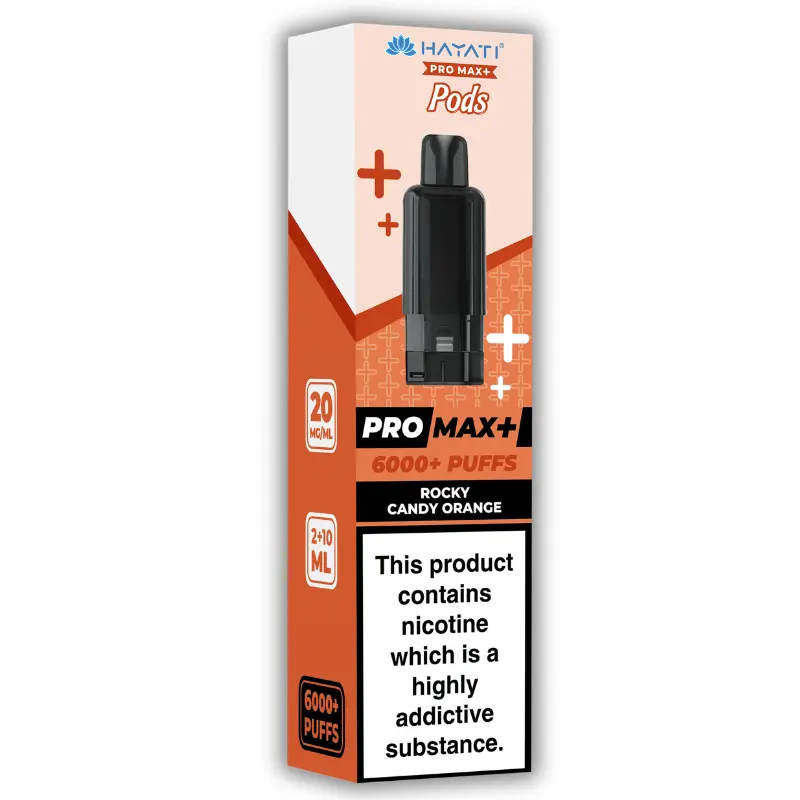
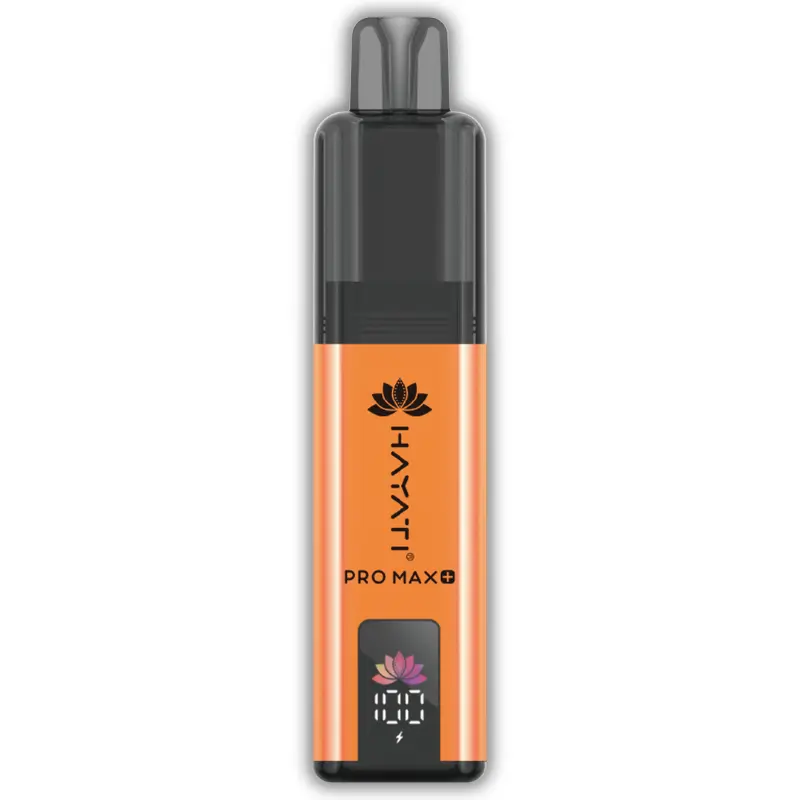
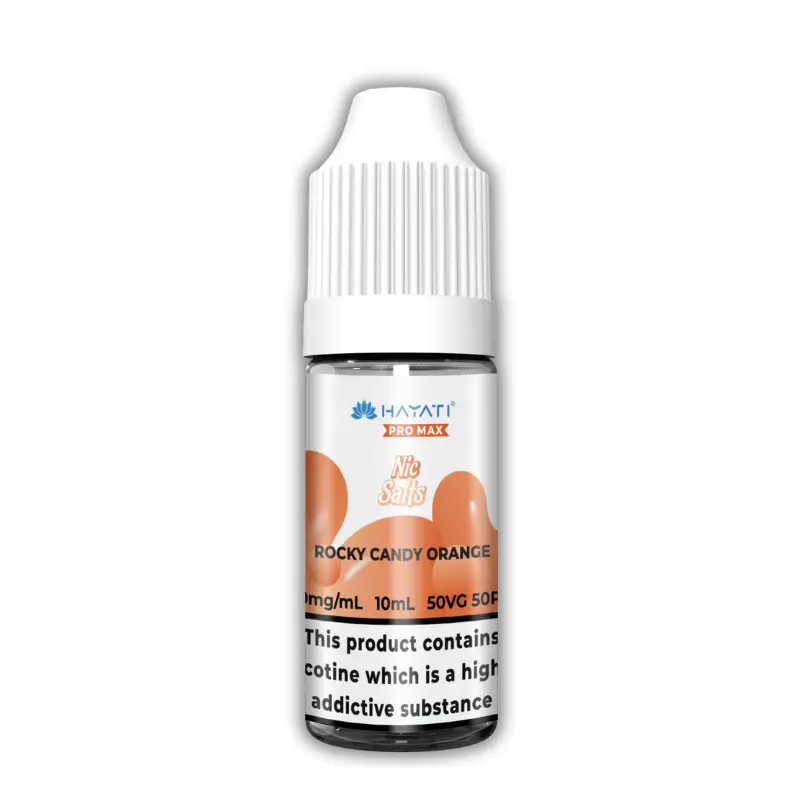
The other three are Rocky Candy Orange, in every format the Pro Max range offers: Rocky Candy Orange Hayati Pro Max Plus Pods at £5.49, Rocky Candy Orange Hayati Pro Max Plus 6000 Pod Kit at £7.99 and Rocky Candy Orange Hayati Pro Max Nic Salt at £2.49. Rocky Candy appears nowhere else in the catalogue. All three listings that use the name are orange, which makes it a flavour family invented for exactly one fruit.
So the honest description of this shelf is twelve tiles, seven orange titles, two orange recipes, and one of those recipes is a confection rather than a fruit. Every count in that sentence comes from the catalogue as it stands rather than from any figure quoted on another page, and the tile count in particular has moved since sibling pooling came in, so a membership number copied out of an older page will be low.
What is deliberately absent
Four things you might reasonably expect on an orange shelf are simply not in the range. There is no orange sold on its own. There is no cooled orange, no Orange Ice and no Orange Cooler, in a catalogue where Ice Vapes runs to 98 tiles. There is no orange paired with a berry, a cream, a soda or a gum, which is the standard way this range extends a fruit. And there is no orange juice, in a catalogue that is otherwise happy to name a fruit as a drink: Blackcurrant Juice exists, and blackcurrant has its own shelf at Blackcurrant Vapes.
Those four absences are more informative than the presences, and the middle section of this page is about why they might all be missing at once.
The two halves of the orange problem
Half one: outside this catalogue, orange is not niche
Setting the claim out properly matters, because the rest of the page depends on it being true. The usual statement is that orange is the most popular fruit flavour in the world. That sentence cannot be verified here against a market survey and this page will not pretend otherwise, so here is what can be checked without one. Citrus is the largest tree fruit crop in the world by tonnage and sweet orange is the largest single part of it. Orange juice is the default juice in a supermarket chiller, the one that appears when no variety is specified. Orange is a standard cordial, a standard sorbet, a standard chocolate pairing, a standard boiled sweet and a standard soft drink. The flavour is so widely understood that confectionery can signal it with a colour alone.
Whatever the exact ranking, the direction is not in doubt. Orange is at the ordinary end of fruit flavours, not the unusual end. It is the flavour a manufacturer reaches for when they want something nobody has to be taught.
Half two: inside this catalogue, orange is rare, and here is the arithmetic
Counted by titles, orange appears in 7 of 492 listings, which is a shade under 1.5 per cent. Set that against the words that carry this catalogue, counting titles throughout so the comparison stays honest:
- Raspberry, 74 titles
- Cherry, 62
- Strawberry, 60
- Lemon, 57
- Blue Razz, 48
- Blueberry, 46
- Apple, 35
- Peach, 32
- Watermelon, 27
- Lime, 24
- Mango, 21
- Pineapple, 21
- Grape, 17
- Blackcurrant, 16
- Banana, 12
- Kiwi, 12
- Orange, 7
Orange is last on that list, and not by a small margin. Raspberry outnumbers it better than ten to one. Even the fruits that feel like minor characters in this range, the ones with a single small shelf each, carry the best part of twice as many titles. Of every fruit in the catalogue that has a flavour shelf of its own, orange is the one whose name reaches a title least often. The only word on any of the 30 flavour shelves that matches it for scarcity is menthol, also at 7 titles, and menthol is not a fruit.
Counted by tiles rather than titles the picture softens slightly and then hardens again. This shelf holds 12, which puts it level with Banana Vapes, Kiwi Vapes and Menthol Vapes, and above only Fresh Mint Vapes at 11. It is in the bottom five of 30 flavour shelves. But remember that five of the twelve are the blue listings, so on recipe rather than on tagging it is the smallest fruit shelf in the catalogue by a clear distance. Compare Berry Vapes at 225 tiles, Raspberry Vapes at 119, Blueberry Vapes at 90, Strawberry Vapes at 82 and Cherry Vapes at 72. Even Lemon Lime Vapes, which nobody would call a headline flavour, carries 21.
There is a third way to count, and it is the one that hurts most. The catalogue contains 192 distinct flavour-name strings across its 492 listings. Orange appears in four of them, and two of those four are the same three-citrus blend spelled differently. On recipes rather than on listings, this range sells orange two ways out of nearly two hundred.
How many of the orange tiles actually lead with orange
The Lemon Lime Vapes shelf established two findings about how this catalogue names citrus, both of which apply directly here and neither of which needs rebuilding. The first is that no title in the 492 begins with the word Lime, not one, and that lime is always named second or third behind something else. The second is the convention that explains it: Hayati name their blends in tasting order, so the fruit printed first is the fruit you meet first, and a component that always arrives at the finish cannot head a name without the name lying about the draw.
Run the same test on orange and the answer is genuinely surprising, which is why it is worth stating rather than assuming. Three titles in the catalogue begin with the word Orange, and all three are the three-citrus blend. A fourth, the dual Mini Ultra kit, leads the second half of its title with Orange. So orange is not a fruit that trails a citrus string the way lime does. On the tasting-order convention, orange leads its blend.
Line the two up and the asymmetry is clear. Lime is common enough to reach 24 titles and never leads one. Orange reaches only 7 and leads four of them. Those are different problems. Lime has a billing problem. Orange has a supply problem.
The remaining three orange titles are the Rocky Candy listings, where the fruit sits at the end of a three-word name behind a confectionery style. That is not a citrus string and the tasting-order convention does not apply in the same way, because Rocky Candy is not a flavour you meet before the orange. It is a description of how the orange has been built.
Summarised: of the twelve tiles, five name no orange at all, four lead with it, and three carry it after a confection. There is no listing anywhere in the range where orange is the whole flavour name. Add the four absences from earlier and a pattern is now visible that a simple shortage would not produce. Orange is not just scarce here. Every single time the range uses it, it has been structurally altered first.
Why a range built on berries would be thin on oranges
There is a real answer to this and it is a chemical one, which is more useful than an observation because it can be checked and because it predicts things. The short version: the part of an orange that makes it recognisably an orange is chemically fragile, in three separate ways at once, and all three of them act over exactly the timescale a bottle or a sealed pod spends between a factory and a mouth.
What the orange character is actually made of
The reference work has already been done on the Orange Lemon & Lime Hayati Pro Ultra Plus 25K Pods page and is cited rather than repeated. Citric acid dominates the sourness of orange, lemon and lime alike, so three citrus fruits in one liquid give you one acid arriving from three directions. The aroma that distinguishes them lives in the peel oil, and limonene is the majority component of all three peel oils, which means the shared part of the profile is by far the largest part. Each fruit's identity is carried by a few per cent by mass, and for orange that identity sits in a set of aldehydes.
Put numbers on it. Cold-pressed sweet orange peel oil runs to roughly nine parts in ten d-limonene. Limonene on its own smells vaguely citrus and mostly of pith. It is not orange. What makes it orange is the remaining tenth, and in particular a handful of aldehydes present at fractions of a per cent: octanal, decanal and dodecanal among the straight-chain ones, and alpha and beta sinensal, which are the sesquiterpene aldehydes most closely associated with the smell of orange peel specifically. Linalool and valencene sit alongside them. Take the aldehydes out and you have a generic citrus solvent note. Leave them in at a fraction of a per cent and you have orange.
That is the whole problem in one sentence. The identity of the flavour is carried by trace quantities of one chemical class, and that class happens to be the least stable one in the bottle.
Three ways the same small fraction disappears
Limonene oxidises, and what it becomes does not smell like orange. Limonene has allylic hydrogen atoms that atmospheric oxygen abstracts readily, giving hydroperoxides which then break down to carvone, carveol and limonene oxide. Those are not neutral. Carvone smells of caraway and spearmint. The overall impression of oxidised limonene is turpentine and old peel. So the bulk component of an orange does not simply fade to nothing, it actively turns into something that tastes wrong, and it does this in the presence of oxygen, warmth and light, all three of which are available to any bottle that has ever been opened and to the air space inside any sealed pod.
The aldehydes oxidise too, and faster. Aldehydes are one oxidation step away from carboxylic acids, and that step is easy. Octanal becomes octanoic acid, decanal becomes decanoic acid. Those acids read waxy, soapy and faintly rancid. So the trace fraction that carries the identity is not merely diluted over time, it is converted into a group of compounds with an unpleasant character of their own. A flavourist counters this with antioxidants and with headspace control, both of which work and neither of which stops the clock.
And the solvent itself eats aldehydes. This is the mechanism that makes vape liquid a harder home for orange than a soft drink is. Propylene glycol and vegetable glycerin are both alcohols. An aldehyde plus an alcohol gives a hemiacetal and then an acetal, reversibly, and the acetal does not carry the aldehyde's smell. Put an aldehyde-led flavour into a bath of glycols and leave it at room temperature for months and a meaningful fraction of the aldehyde is no longer free to be smelled. This is the best documented reason why aldehyde-led flavours are the ones known to drift in storage, and it applies with full force to orange, whose identity is aldehydes almost by definition.
Three loss routes, all acting on the same fraction of a per cent, all running at room temperature over a warehouse and retail cycle. What survives is limonene, its oxidation products, the citric acidity and whatever sweetener was added. None of that is orange. It is sweet, sour and vaguely citrus.
Why a raspberry does not have this problem
The contrast is what makes the argument worth anything, so here it is properly. The headline molecules of the flavours that fill this catalogue are not aldehydes.
- Strawberry leads on furaneol, a furanone, with esters such as ethyl butanoate and ethyl hexanoate behind it.
- Raspberry leads on alpha and beta ionone, which are ketones, plus raspberry ketone.
- Blue razz, which reaches 48 titles here, is not a fruit profile at all. It is largely ethyl maltol plus an ester blend, a constructed flavour with no natural original to degrade away from.
- Grape and pear and apple lead on esters. Esters hydrolyse in water with acid or base present, and a glycol e-liquid is close to anhydrous.
None of those classes can form an acetal with propylene glycol, because the acetal reaction needs an aldehyde or a ketone in a reactive position, and the ionones and furanones are conjugated and hindered rather than obliging. None of them oxidises to a carboxylic acid in one easy step. The ester-led profiles are stable enough that the common complaint about them is the opposite one, that they taste the same in every product on every shelf. Berry Vapes runs to 225 tiles partly because berry flavour concentrates are reliable to a degree that citrus aldehyde flavours are not.
What this means as a business problem rather than a taste problem
Pull it together. A flavour that changes character over its shelf life is a different commercial proposition from one that does not, and the difference is not subtle. It means batch variation. It means a listing that reviews well when the stock is new and badly when it is not, through nobody's fault. It means a product whose behaviour depends on how long it sat in a warehouse and how warm that warehouse was. For a large-volume range sold at a fixed price across many retailers, that is a genuine planning problem, and it is entirely separate from whether anyone likes the taste.
It also explains why a manufacturer who wants an orange anyway has two obvious workarounds, and why they are exactly the two workarounds this shelf contains. The first is to put the orange behind two other citrus fruits that carry the acid and the top end, so that the orange is doing a job (sweetness and body) which its more stable components can still do after the fragile ones have gone. The second is to abandon the fresh profile entirely and build a confectionery orange out of more robust material, which is what a hard-sugar orange is. Both of those are in the range. Neither a plain orange nor a cooled orange is, and those are precisely the two builds that would leave the fragile fraction exposed with nothing standing in front of it.
The competing explanation, and which one the evidence supports
The fashion case, stated fairly
There is a perfectly good non-technical answer and it deserves a proper hearing rather than a straw man. It goes like this. Orange is unfashionable in this market. The disposable and prefilled pod category in the UK is built on two things, cold and sharp, and orange is neither. Ice Vapes holds 98 tiles; this shelf holds one cooled listing and the cooling is on its cola side. The category also rewards novelty over familiarity, which is why one of the most common flavour names in these titles belongs to a fruit that does not exist at all. Blue razz reaches 48 titles precisely because nobody carries a reference point it has to live up to. Orange has the opposite problem: everyone knows exactly what it should taste like, which makes it very easy to get wrong and impossible to make interesting.
There is a domestic register argument too. Orange reads as breakfast and as cordial, a flavour of the kitchen table rather than of a rotation, and a range full of Exotic Vapes and Sweet Vapes listings is selling something other than the kitchen table. And the market copies itself. If nobody else stocks an orange, a buyer does not order one, and the absence perpetuates.
All of that is plausible, none of it needs a single molecule, and it explains the count perfectly well on its own.
What Hayati actually do with orange, which is the test
The two explanations make different predictions, and the copy can adjudicate between them. If orange were simply unfashionable, you would expect it to be rare and otherwise normal: fewer listings, but the listings that exist would be ordinary oranges, the way Banana Vapes manages with 12 titles and still sells a straightforward Banana Ice. Fashion predicts scarcity. It does not predict distortion.
What the copy shows is distortion, and it shows it consistently. Reading all seven orange listings against the rest of the catalogue, with each word counted inside the shelf and outside it so a common word cannot masquerade as a finding:
- Zest or zesty appears in all seven. It appears in 12.6 per cent of the other 485 descriptions. That is roughly eight times the base rate and it is the strongest signal on the shelf.
- Citrus appears in six of seven, against 16.5 per cent elsewhere.
- Sugary appears in five of seven, against 21.4 per cent elsewhere, a little over three times the base rate.
- Rock candy and boiled appear in two listings each and in none of the other 485. Those two words exist in this catalogue only on this shelf.
- Tang appears in five of seven, which looks like a finding and is not. The base rate is 45.4 per cent. Counting it twice is what stops it being reported as one.
- Sour appears in one of seven, against 14.8 per cent elsewhere. A citrus shelf is at the catalogue average for sourness, which is itself worth noticing.
Now the direction check, which is where the argument is actually won. The word fresh appears in five of the seven, which at first reading suggests a fresh-fruit profile. Read the sentences and the opposite is true. Three of the five use it to deny freshness, and all three are the Rocky Candy listings: one says the flavour is styled after rock candy rather than fresh fruit, one opens its flavour section by stating flatly that this is not a fresh-squeezed orange, and one says this is orange as a sweet rather than as a fresh fruit. Of the other two, one applies the word to the citrus blend as a whole and one applies it to the cola half of a dual pod. Not one listing in the range applies the word fresh to the orange itself.
Three independently written descriptions of the same liquid all going out of their way to say what it is not. That is not how a copy desk writes about a fruit it is confident in.
The second piece is just as consistent. Every listing containing the three-citrus blend assigns orange the same role, and the wording differs each time, so these are four independent judgements rather than one sentence copied about. The 25K pod has orange bringing a sweeter, juicier note while lemon adds brightness and lime the sharper tang. The kit calls orange the mellow one, rounding things out with a sweet juiciness. The dual kit gives orange for sweetness, lemon for sharpness and lime for the zesty edge. The Mini Ultra pod has orange providing the sweet, juicy base while lemon adds the tang and lime finishes. Four listings, four different sentences, one role. Orange is the sweetness and the body. It is never the acid, never the top note, never the thing you notice first, and never the reason to buy the pod.
The verdict, and what it rests on
The evidence favours the chemical explanation, and the reason is specifically that fashion predicts scarcity while the data shows scarcity plus a very particular kind of alteration. Six things have to be explained at once: no plain orange, no cooled orange, no orange juice, no orange in a berry or cream blend, orange always in the sweet supporting seat when it is used fresh, and an explicit refusal of the word fresh in all three listings where it is used alone. A taste argument explains the first of those and struggles with the rest. A stability argument explains all six, because every one of them is a way of not asking the fragile fraction to carry the flavour on its own.
Tagging the claims by how much weight they will bear, which matters more than the conclusion:
- Reasonably confident. The composition of orange peel oil and the dominance of limonene in it. That limonene autoxidises to carvone, carveol and limonene oxide. That aldehydes oxidise readily to carboxylic acids. That aldehydes and glycols form acetals. That the headline molecules of the berry flavours filling this range are not aldehydes. All of that is settled flavour chemistry and none of it is specific to Hayati.
- Probable. That flavour stability is part of why this range is thin on orange and never sells it as a fresh fruit on its own. The pattern fits, the workarounds present are exactly the two a stability problem would produce, and the copy keeps refusing the word fresh.
- Unknown. What Hayati actually formulate with, what any stability testing of theirs showed, whether orange was ever considered and rejected, and whether the confectionery build was chosen for technical reasons or because somebody simply liked it. Hayati publish none of this and no page should pretend otherwise.
Two honest qualifications before moving on. The sample is seven listings, which is small enough that coincidence is cheap, and a range this size makes plenty of decisions for no reason at all. And the fashion argument is not refuted, it is outperformed: a confectionery orange is also what a sweet-toothed market rewards, so both stories predict Rocky Candy. Where they part is the three-citrus build and the four absences, and there the chemistry reads better.
What all of that means for the pod you buy
This is the part that earns the preceding argument, because the conclusion is practical and it follows directly. If the fragile part of an orange is the part that makes it orange, then an orange blend is a product where a new pod and a tired one differ more than they would on a berry. Everything below is a consequence of that single sentence.
What goes, and what is left behind
The first thing to leave is the aldehyde fraction, which is the recognisable orange. What stays is the sugar, the citric acidity, and limonene with whatever it has turned into. So a tired orange does not taste of nothing. It tastes sweet, mildly sour, faintly of pith, and generic. The specific flavour is the part that goes, and the parts that make it pleasant to vape at all are the parts that remain, which is why the change is easy to miss for a week and then obvious.
On the three-citrus blend the effect has a direction you can name in advance. Orange holds the sweet base and the body, by all four listings' own account, so when the orange thins the blend does not become a different flavour. It becomes a hollower one, with the lemon's top end and the lime's green finish still in place and less in between. Which is to say it converges on a plain lemon and lime.
The tell, and why this shelf has an unusually good one
That convergence is testable, and the reference sample is cheap. Lemon Lime Vapes holds 21 tiles of exactly that two-citrus blend, from £2.49 upwards, and four of them also sit on this shelf. If you know what a plain lemon and lime tastes like, you have a calibrated benchmark for what the orange in your three-citrus pod is worth. When Orange Lemon & Lime Hayati Pro Ultra Plus 25K Pods start reading like a two-citrus liquid, that is not your palate adjusting and it is not the coil. It is the orange leaving, and there is nothing to be done about it beyond finishing the pod.
Rocky Candy Orange ages differently, and knowing how is the reason to prefer it in some circumstances. Its sweetness is not volatile and its sugar note is not going anywhere. What it has to lose is the zest around the edges, which all three listings mention and which is the same aldehyde fraction. Rocky Candy Orange Hayati Pro Max Plus Pods therefore do not go hollow with age the way the trio does. They go flat and sweet: still pleasant, no longer particularly orange. Between the two failure modes, the hard-candy one is the more graceful, because sweetness on its own is a coherent thing to be vaping and a hollow citrus is not.
Pod size is the decision, and the pricing runs against you
Exposure is a function of time and surface, and on this shelf that translates directly into fill volume, because every one of these is one coil working through one body of liquid. The Orange Lemon Lime Hayati Pro Ultra Plus 25000 Prefilled Pod Kit carries 22ml. The final third of that pod has been sitting in a warm device for as long as you have owned it, and 22ml at any realistic rate of use is a long time. Orange Lemon Lime Hayati Mini Ultra Pods carry 4ml and will be gone in days. The Rocky Candy Orange Hayati Pro Max Nic Salt bottle holds 10ml, and a bottle is the one format where you control the exposure yourself, because each fill is small and the rest of the liquid stays capped.
The uncomfortable part is that the pricing runs in the opposite direction to the advice. Per millilitre, the 22ml Pro Ultra Plus pod works out around 36p, the 12ml Pro Max Plus pod around 46p, and the 4ml Mini Ultra pod around 87p. The fill that best protects the flavour is roughly two and a half times the price of the one that protects it least. That is a real trade and not a trick: the large pod is genuinely better value and genuinely worse at holding an orange. Which way you take it depends on whether the orange is the point of the purchase or merely a feature of it.
Warmth, light and the last third
Every mechanism described above runs faster warm and faster in light, so the ordinary advice about keeping liquid cool and dark carries more weight on this shelf than on most. A pod that lives in a trouser pocket at body temperature all day is being aged deliberately. A spare pod left on a sunny windowsill for a fortnight is being aged faster still. None of this is dramatic over a week and all of it is measurable over a season, which is exactly the timescale a 22ml pod occupies.
Two qualifications so the rule does not mislead. A brand new pod runs wet for its first stretch, with surplus liquid over the coil muffling the top of the profile, so the very first draws are not a fair reading either. And buying a stack of orange pods to have them in the cupboard is the one stocking-up strategy this shelf actively punishes. Buy one, or two, and rebuy. On Cherry Vapes or Strawberry Vapes a deep cupboard costs you nothing.
The clusters, and who each one is for
Cluster one: the three-citrus blend, four listings
This is the shelf's main event and the only place orange behaves like a fruit. Three citrus fruits, no berries, no gum, no ice on the citrus side. Lemon supplies brightness, lime supplies a green and faintly bitter finish, and orange fills the middle with sweetness and body. The result is tart without being harsh, and the listings describe it as a palate reset between sweeter pods, which is a fair description of what a plain citrus does in a rotation.
Four ways to buy it, and they differ by more than price. Orange Lemon Lime Hayati Mini Ultra Pods at £3.49 is 4ml at 20mg, rated by the manufacturer at up to 1,500 puffs, which is a laboratory estimate rather than a promise, and it needs a Mini Ultra body you already own. Cola Ice / Orange Lemon Lime Hayati Mini Ultra Pod Kit at £3.99 is the same 4ml format supplied with the device, with the citrus sharing the housing against a cooled cola; rotate the mouthpiece to change sides and Hayati state the two never mix. Orange Lemon & Lime Hayati Pro Ultra Plus 25K Pods at £7.99 is 22ml at 20mg on the Pro Ultra Plus, rated at up to 25,000 puffs on the same laboratory basis. Orange Lemon Lime Hayati Pro Ultra Plus 25000 Prefilled Pod Kit at £11.99 is that pod with the 850mAh body in the box.
Pick this cluster if you want citrus rather than orange specifically, if you want something unsweetened enough to sit between sweeter pods, or if you are already on Hayati Pro Ultra Plus Prefilled Pod Kits & Pods and want a non-berry option. Skip it if the orange is the entire reason you are here, because on the listings' own account orange is the supporting player in it.
Cluster two: Rocky Candy Orange, three listings
The only place in the catalogue where orange is the flavour rather than a component. It is a hard-sugar orange, described by its own copy as closer to a boiled sweet than to juice, with a bright concentrated citrus over a glassy sweetness and a little zest at the edges. Sweet, punchy, and unlike anything else here.
Rocky Candy Orange Hayati Pro Max Nic Salt at £2.49 is a 10ml bottle at 10mg in a 50/50 base, made for refillable pods and other low-power mouth-to-lung hardware rather than sub-ohm tanks. Rocky Candy Orange Hayati Pro Max Plus Pods at £5.49 is 12ml at 20mg, sealed, for a Pro Max Plus body you already have. Rocky Candy Orange Hayati Pro Max Plus 6000 Pod Kit at £7.99 is the same pod with an 850mAh device, so the body costs £2.50 on top. The two sealed formats are rated by the manufacturer at up to 6,000 puffs, which is a laboratory estimate rather than a figure you should plan around.
Pick this cluster if you want an orange you can actually taste as orange, if you want a break from the berry-dominated middle of the range, or if you like confectionery profiles generally and would be at home on Sweet Vapes. Skip it if you wanted fresh fruit, because the copy tells you three separate times that this is not that.
Cluster three: the five blue tiles, which are here by tagging
Listed once more only so nobody buys one while shopping for citrus. Blue Fusion Hayati Pro Max Plus Pods, Blue Fusion Hayati Pro Max Plus 6000 Pod Kit and Blue Fusion Hayati Pro Max Nic Salt are blue raspberry alongside blueberry; Blue Razz Fruit Twist Hayati Pro Max Plus Pods and Blue Razz Fruit Twist Hayati Pro Max Plus 6000 Pod Kit are blue raspberry broadened with a mixed-fruit sweetness. No orange in any of them, and all five sit among their actual neighbours on Blueberry Raspberry Vapes and Blueberry Vapes.
Formats, volumes and what fits what
Four platforms appear on this shelf and they are not interchangeable with each other.
- Pro Max Plus. Sealed 12ml pods at 20mg, and kits pairing that pod with an 850mAh rechargeable body. Six tiles here, though only two of them are orange. The wider range is on Hayati Pro Max Plus Pods.
- Pro Ultra Plus. Sealed 22ml pods at 20mg, and a kit with an 850mAh body. Two tiles here, both the three-citrus blend, out of 104 across Hayati Pro Ultra Plus Prefilled Pod Kits & Pods.
- Mini Ultra. 4ml at 20mg with an 850mAh body, and the dual-flavour housing that lets one pod carry two sides. Two tiles here, out of 50 on Hayati Mini Ultra.
- Pro Max nicotine salts. 10ml bottles at 10mg in a 50/50 base, for refillable pod hardware and other low-power mouth-to-lung devices, explicitly not for sub-ohm tanks. Two tiles here.
The sealed pods are platform specific. Hayati publish no cross-range fitment information at all, so nothing on this page will tell you that a pod from one range seats in the body of another. Check the range name printed on your device against the range name in the listing title before ordering a bare pod, and if the two do not match, buy the kit instead. The bare pods across the catalogue are on Hayati Pods and Hayati Prefilled Pods & Refills; the complete kits are on Hayati Pod Kits and Hayati Prefilled Pod Kits.
The dual-flavour format deserves one caution specific to this shelf. One coil, one wick and one airflow path serve both sides of a dual pod, so there is carryover at every switch and the first few draws after turning the collar are not a fair reading of the new side. When the other side is a cooled cola, and the side you care about depends on a light aromatic fraction, that carryover costs more than it usually would. Cooling flattens delicate top notes regardless of what produced them.
Strength is not a choice on this shelf, it is a consequence of format. Ten of the twelve tiles are 20mg and both of the 10mg ones are bottles. If you want the three-citrus blend, it comes at 20mg or not at all, because no bottled version of it exists.
What the price spread pays for
From £2.49 to £11.99 across twelve tiles, and the spread reflects three different things stacked on top of each other rather than any difference in liquid quality.
The first is fill volume. Per millilitre the order runs: the 10ml bottle at roughly 25p, the 22ml Pro Ultra Plus pod at about 36p, the 12ml Pro Max Plus pod at about 46p, the 22ml kit at about 55p, the 12ml kit at about 67p, the 4ml Mini Ultra pod at about 87p, and the 4ml dual kit just under £1. The cheapest liquid on the shelf costs about a quarter what the dearest costs per millilitre, and both of them are orange.
The second is whether a device comes with it. Rocky Candy Orange costs £5.49 as a pod and £7.99 as a kit, so the body adds £2.50. The three-citrus blend costs £7.99 as a pod and £11.99 as a kit, so the body adds £4.00. Two different prices for the privilege of having a device in the box, which is worth noticing if you are pricing a first purchase on either platform. Buy the kit once, then buy bare pods.
The third is the format itself. The bottle is cheapest per millilitre by a distance because you supply everything else: the device, the coil and the labour of filling it. The sealed pods include a fresh coil with every purchase, which is most of what you are paying for and the reason a pod costs several times a bottle's rate.
One caution on reading that list across platforms. Hayati do not publish whether the three-citrus liquid in a Mini Ultra pod is identical to the one in a Pro Ultra Plus pod, so the per millilitre gap between them is a comparison of two listings sharing a flavour name rather than of two portions of the same batch.
Where to start
Four short answers, depending on what brought you here.
You want orange to be the flavour. Rocky Candy Orange is the only option in the catalogue. If you own a refillable pod device, Rocky Candy Orange Hayati Pro Max Nic Salt at £2.49 is the least expensive way to find out whether a confectionery orange suits you. If you own a Pro Max Plus, Rocky Candy Orange Hayati Pro Max Plus Pods. If you own neither, Rocky Candy Orange Hayati Pro Max Plus 6000 Pod Kit.
You want a citrus vape and orange is one ingredient of it. Orange Lemon Lime Hayati Mini Ultra Pods if you own a Mini Ultra and want a small fill. Orange Lemon & Lime Hayati Pro Ultra Plus 25K Pods if you own a Pro Ultra Plus and want volume. Orange Lemon Lime Hayati Pro Ultra Plus 25000 Prefilled Pod Kit if you own neither and want the platform.
You want to try citrus without committing a whole device to it. Cola Ice / Orange Lemon Lime Hayati Mini Ultra Pod Kit at £3.99 puts the three-citrus blend on one side and a cooled cola on the other, with the body included, which makes it both the cheapest complete device here and the only cooled tile on the shelf.
You landed here for one of the blue listings. Follow it to its own page and treat the tagging as the accident it is.
Shelves that cut across this one
The nearest neighbour by a wide margin is Lemon Lime Vapes, which shares four tiles with this shelf and holds 21 in total, all of them built on the pairing the three-citrus blend extends. Lemon Vapes is the bigger version of the same territory at 54 tiles and shares the same four. If the three-citrus blend appeals but you want the orange out of it, those two shelves are where the remainder lives.
Going the other way, Berry Vapes at 225 tiles, Blueberry Vapes at 90 and Blueberry Raspberry Vapes at 46 each share five tiles with this page, and those five are the blue listings discussed above. Raspberry Vapes shares two of them. Cola Vapes shares exactly one, the dual Mini Ultra kit, and so does Ice Vapes, for the same reason and on the same half of the same pod.
Several shelves you might expect to overlap this one share nothing with it at all. There is no orange on Mango Vapes, Pineapple Vapes, Peach Vapes, Grape Vapes or Lemonade Vapes, and no orange reaches Mint Vapes, Fresh Mint Vapes or Menthol Vapes, all three of which pair their cooling with lemon when they pair it with a citrus at all. An orange lemonade would be an obvious product and does not exist; nineteen lemonade titles are in the range and not one of them is this fruit. If you want sweet without citrus, Sweet Vapes and Exotic Vapes are the larger shelves for that, and Blackcurrant Vapes is where the catalogue keeps the one fruit it is willing to sell as a juice. Everything is listed together on New Products and on all 492 Hayati listings.
Before you decide
Orange is the strangest shelf in this catalogue, and not because anything on it is bad. Two liquids, seven titles, twelve tiles, and five of those tiles are blue. A flavour that half the world's confectionery aisle takes for granted has been reduced here to a supporting role in a citrus trio and a boiled sweet, and the range contains no plain orange, no cold orange and no orange juice.
There is a reason for that which holds up better than taste does. The recognisable part of an orange is a trace fraction of aldehydes sitting in a bath of limonene, and that fraction oxidises, turns to acids, and reacts away with the glycols it is dissolved in, all at room temperature over months. Everything this shelf does with orange is a way of not depending on it. That is worth knowing before you buy, because it also tells you what will happen to the pod in your hand: the orange is the first thing to leave, and what it leaves behind is sweet, sour and unremarkable. Buy the smallest fill you can live with if the orange is the point, buy the biggest if it is not, keep it out of warmth and sunlight, and finish it rather than saving it.
Strictly for adults aged 18 and over. Nicotine is an addictive substance.
Frequently asked questions
How many products are on the Orange Vapes shelf?
Twelve tiles, taken from the catalogue as it stands. That number is a shelf membership count and it is not the same as a count of listings whose title names orange, which is seven across the whole 492-product range. The gap of five is made up of blue-fruit listings that reached this shelf through the tagging rather than through their recipe. Older pages that quote a smaller membership figure were written before flavour shelves were pooled across same-liquid siblings, and the pooling added tiles here.
Why are Blue Fusion and Blue Razz Fruit Twist on an orange shelf?
Two Pro Max Plus pod listings carry an orange tag in the source feed that their own descriptions contradict, and their same-liquid siblings inherited it when the catalogue began taking the union of flavour shelves across twin listings. Both are names that point at a colour or a mood rather than an ingredient, which is the documented situation where this catalogue's filing is least reliable. Neither description mentions orange at any point. Treat the shelf as seven listings if orange is what you came for.
Is there a plain orange vape in the Hayati range?
No. The catalogue contains 192 distinct flavour-name strings and orange appears in four of them, two of which are the same three-citrus blend spelled with and without an ampersand. There is no orange sold on its own, no cooled orange, and no orange juice, although the range does sell Blackcurrant Juice. The closest thing to a solo orange is Rocky Candy Orange, which is a hard-sugar confectionery orange and says in its own copy that it is not fresh fruit.
Which is the strongest orange flavour on this shelf?
Rocky Candy Orange, without much argument. It is the only recipe here where orange is the whole flavour rather than one of three, and its copy describes it as concentrated and punchy with a glassy sweetness. The three-citrus blend has more orange in it by presence and less by prominence: all four listings that contain it give the orange the sweet, mellow base while lemon and lime take the brightness and the finish.
Does orange really fade faster than other flavours?
The chemistry says it should, and it is worth understanding rather than taking on trust. Orange peel oil is around nine tenths limonene, which smells mostly of pith; what makes it read as orange is a trace fraction of aldehydes. Limonene oxidises to carvone, carveol and limonene oxide, which smell of old peel. The aldehydes oxidise a step further to carboxylic acids, which read waxy. And aldehydes react with propylene glycol and glycerin to form acetals that do not carry the same smell. Three routes act on the same small fraction over months at room temperature. Nothing here is a statement about Hayati's own formulation, which they do not publish.
What does a tired Orange Lemon Lime pod taste like?
Like a lemon and lime pod. Orange holds the sweet middle and the body of that blend on all four listings' own account, so when it thins you are left with the lemon's top end and the lime's green finish and less in between. That gives you an unusually good test, because the two-citrus version is sold separately and cheaply. If your three-citrus pod starts reading like the plain pairing, that is the orange going rather than your palate shifting.
Should I buy a big pod or a small one if I want the orange?
The small one, and it will cost you. Every pod here is one coil working through one body of liquid, so fill volume is exposure time. A 22ml Pro Ultra Plus pod is a long stretch in a warm device and its final third has been open longest; a 4ml Mini Ultra pod is gone in days. The pricing runs the other way, at roughly 36p per millilitre for the large pod against roughly 87p for the small one. If the orange is the point of the purchase, take the small fill. If it is incidental, take the volume.
Is any orange product on this shelf cooled?
Only one tile carries any cooling and the cooling is not on the orange. The Cola Ice / Orange Lemon Lime Mini Ultra kit puts a cooled cola on one side and the uncooled three-citrus blend on the other. There is no Orange Ice anywhere in the catalogue, which is striking in a range where 98 tiles sit on the ice shelf, and it is one of the absences that points towards a stability explanation rather than a fashion one.
Can I use a Pro Max Plus orange pod in a Pro Ultra Plus device?
This page will not tell you either way, because Hayati publish no cross-range fitment information and two shelf pages that guessed at it once gave opposite answers. Compare the range name printed on your device against the range name in the listing title, and if they do not match, buy the matching kit rather than a bare pod. The two orange platforms here are genuinely separate purchases: Rocky Candy Orange is Pro Max Plus only and the three-citrus blend is Pro Ultra Plus or Mini Ultra.
What nicotine strengths does the orange shelf come in?
Ten of the twelve tiles are 20mg nicotine salt and the remaining two are 10mg. The strength follows the format rather than being a separate choice: every sealed prefilled pod and kit here is 20mg, and both 10mg options are 10ml bottles in a 50/50 base intended for refillable pod hardware. There is no bottled version of the three-citrus blend, so that flavour is available at 20mg only. Nicotine is addictive.
Is orange unpopular, or just hard to make?
Both explanations are live and this page comes down on the technical one, with reasons. Fashion explains why there are few orange listings: the category rewards cold, sharp and novel, and orange is none of those. What fashion does not explain is the shape of what is here. Six things need accounting for at once, including three separate listings that go out of their way to deny the flavour is fresh fruit, and a stability argument covers all six while a taste argument covers one. The sample is only seven listings, so this is a reading of the evidence rather than a proof.
Where should I look if this shelf has nothing for me?
Depends what you wanted from the orange. For the citrus without it, the lemon and lime shelf holds 21 tiles of the two-fruit version and the lemon shelf holds 54. For sweetness without citrus, the sweet and exotic shelves are much larger. For a confectionery profile in a different fruit, the sweet shelf again. And if you came here because a blue listing appeared on an orange shelf, the blueberry and blueberry raspberry shelves are where those five actually belong.