
Home / New Products
New Products
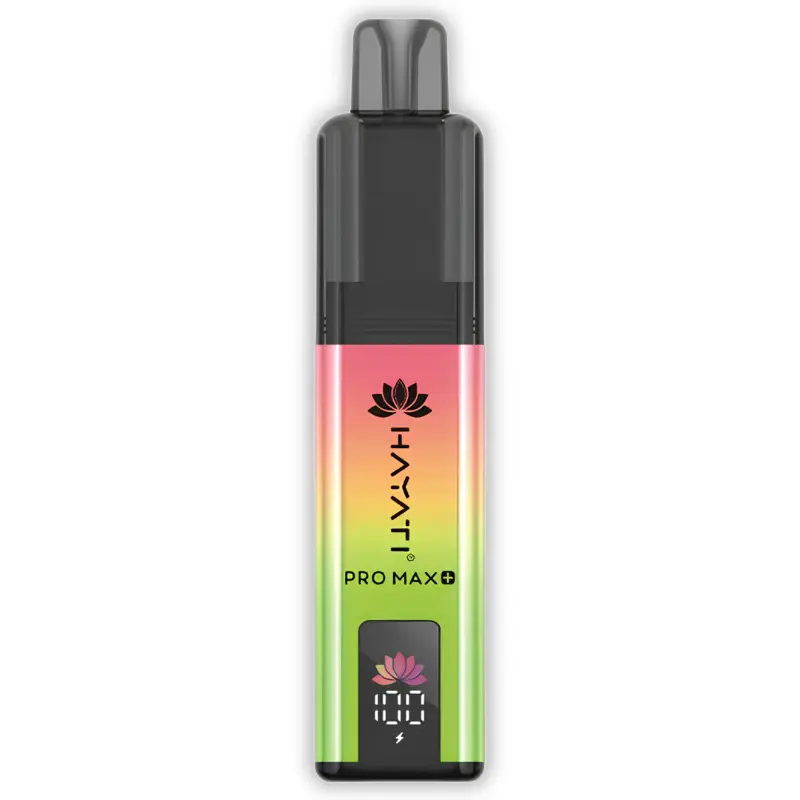
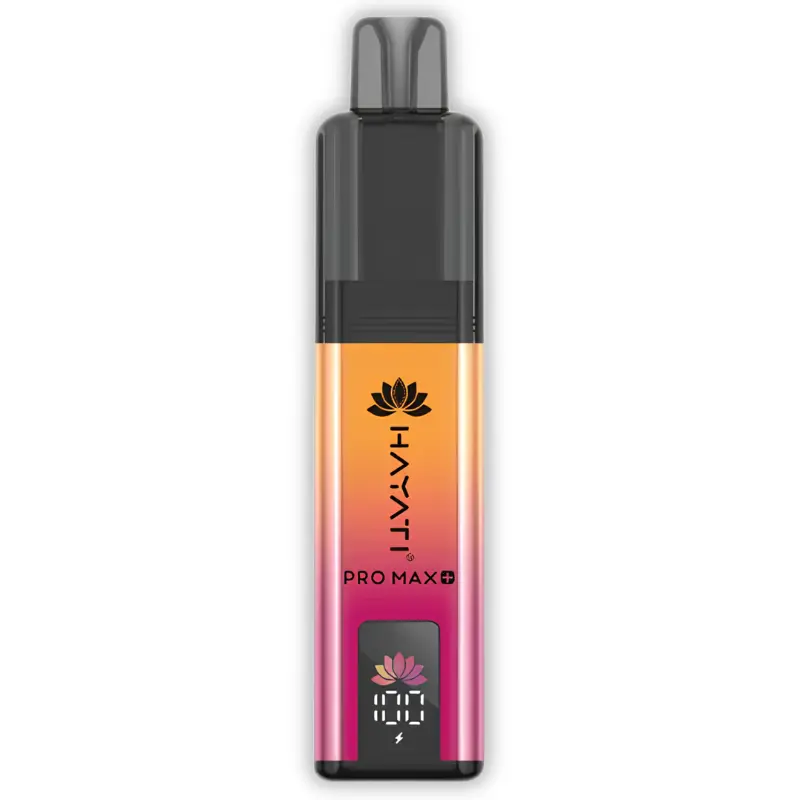
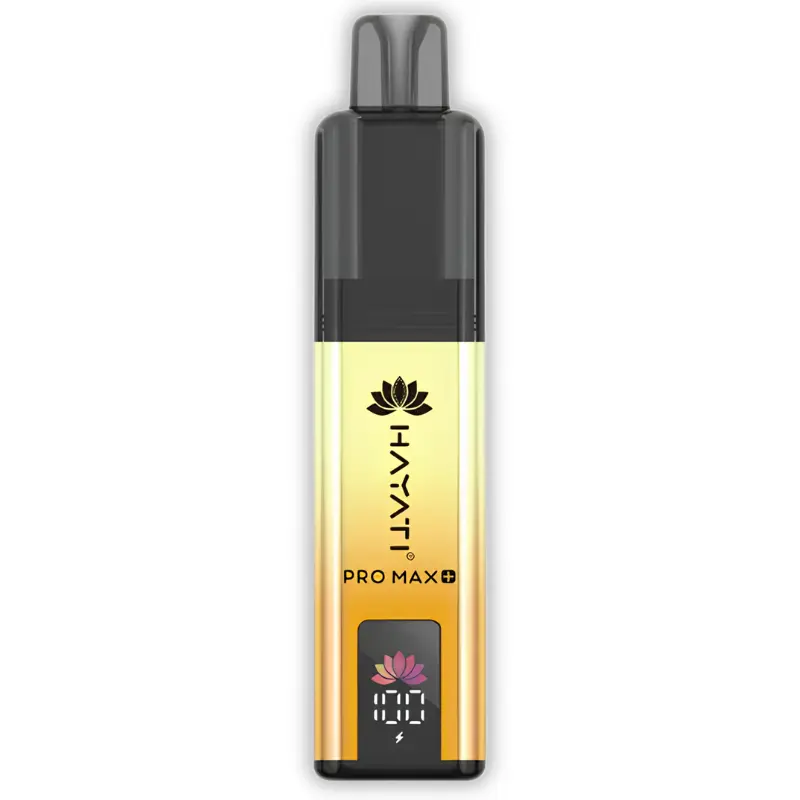
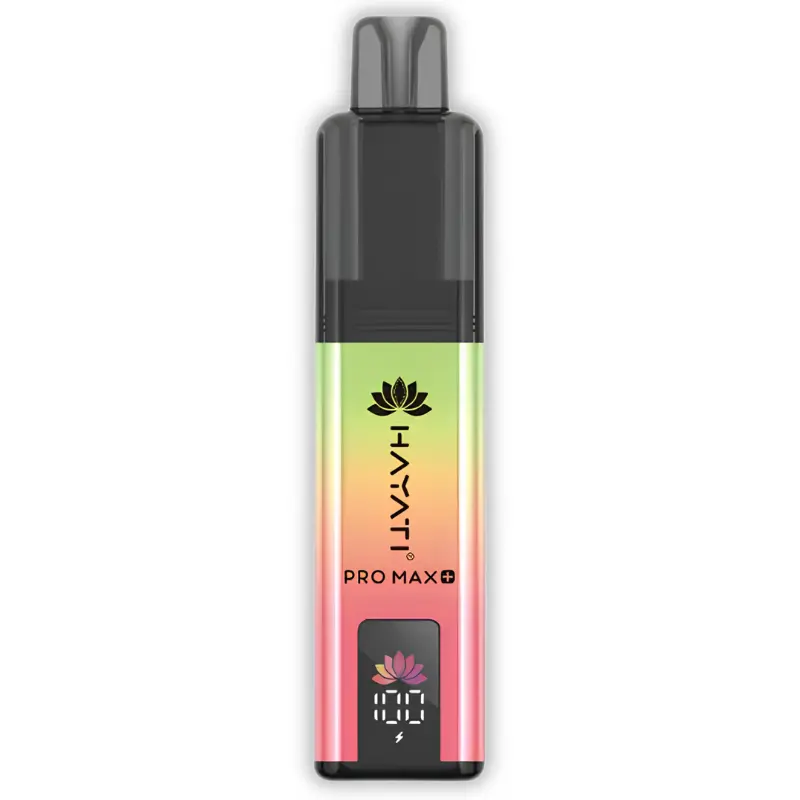
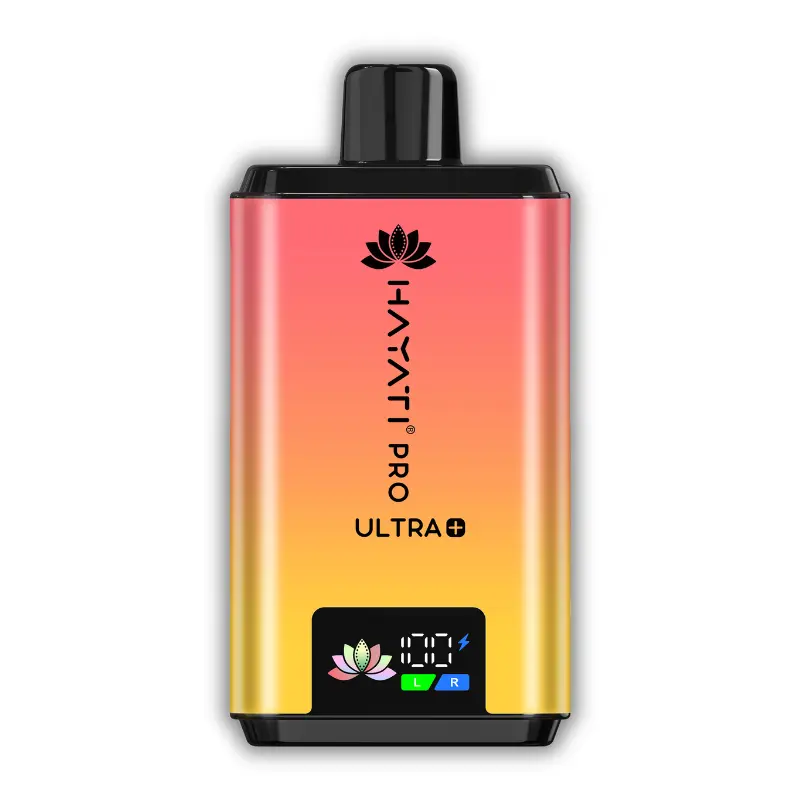
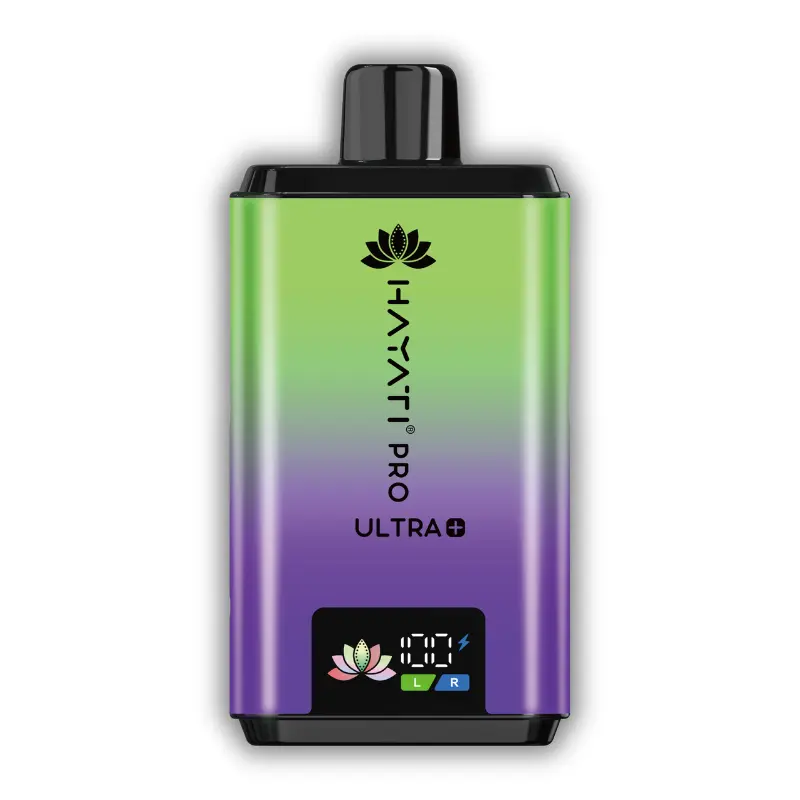
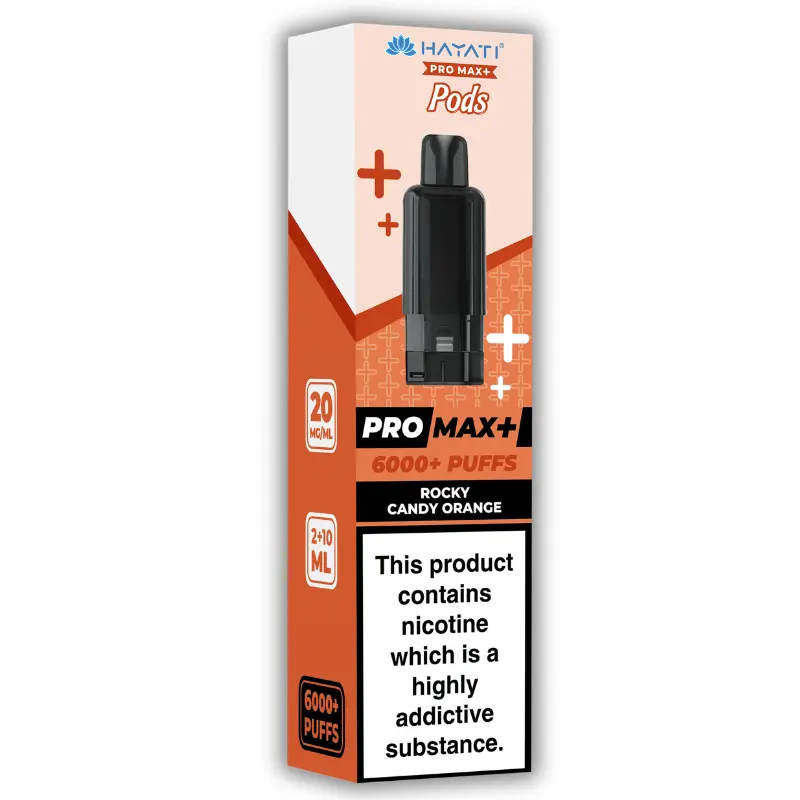
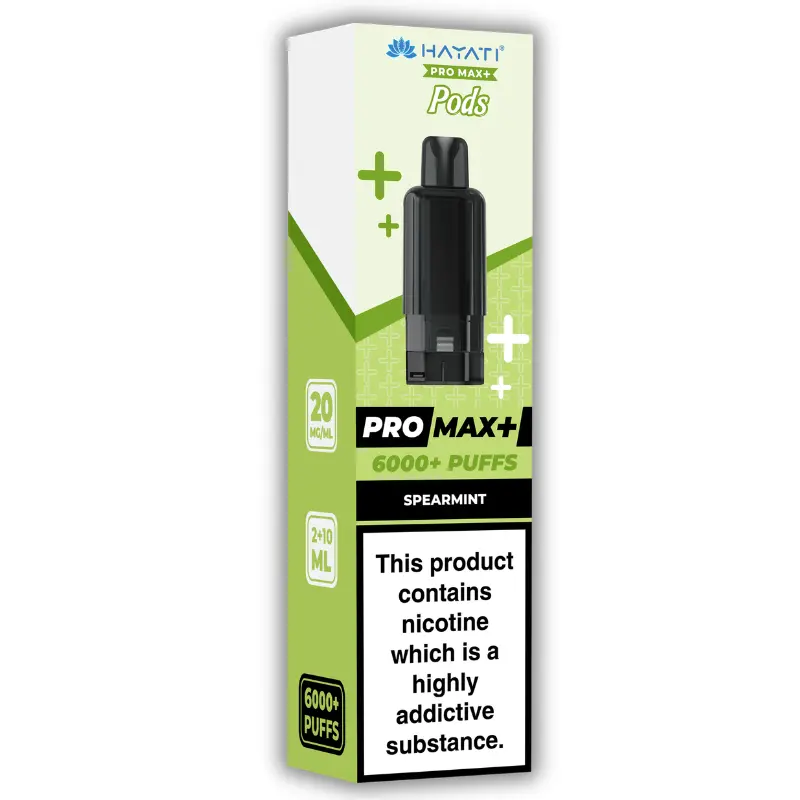
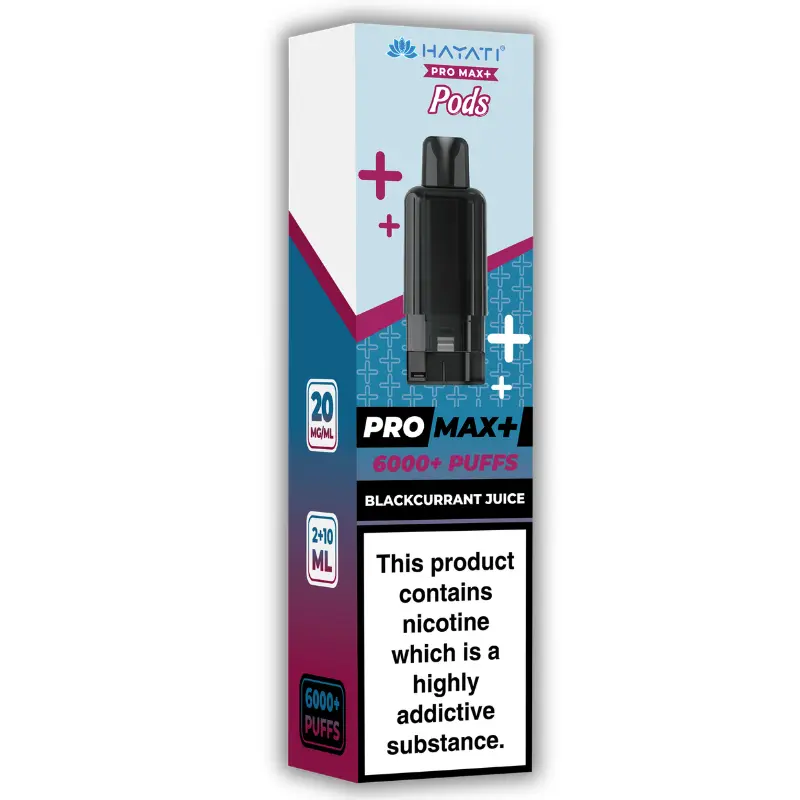
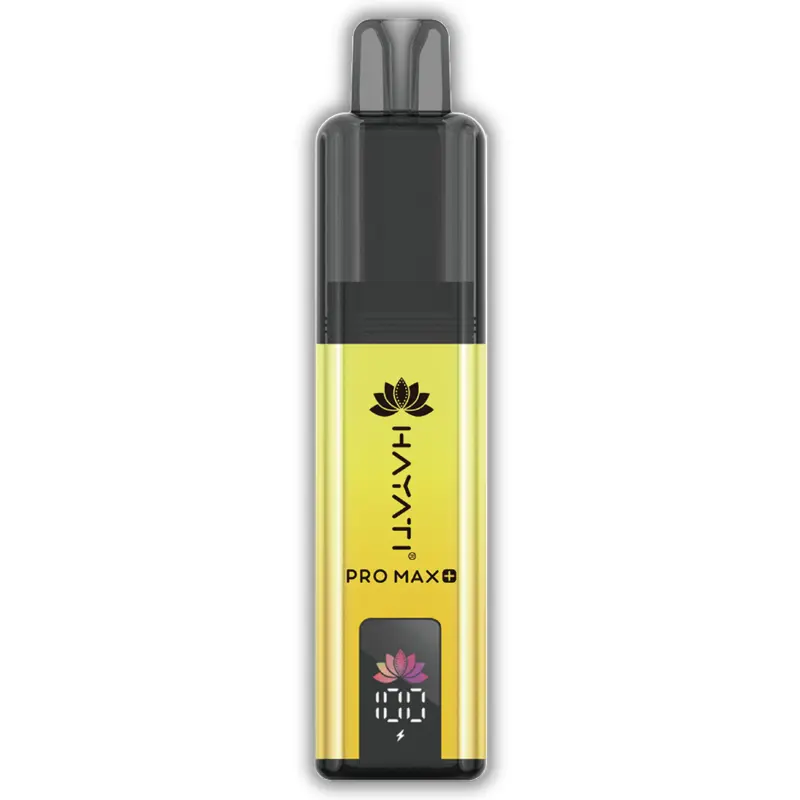
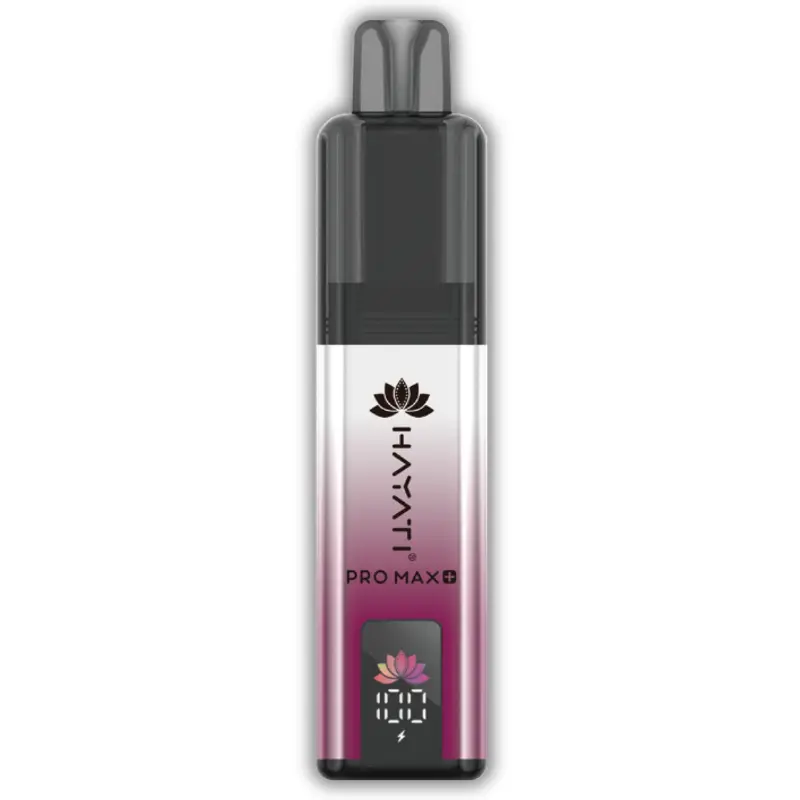
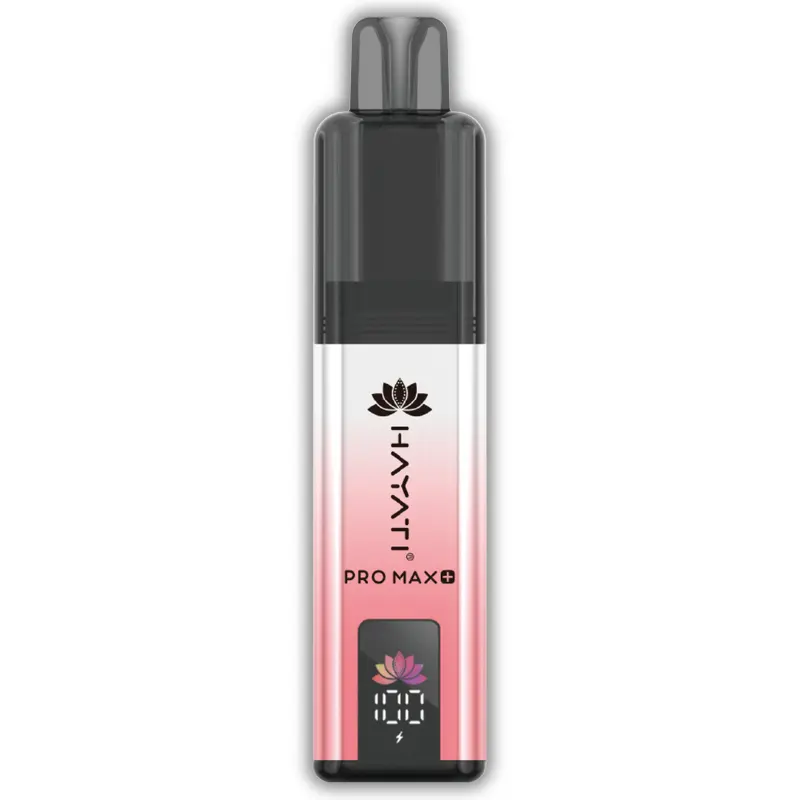
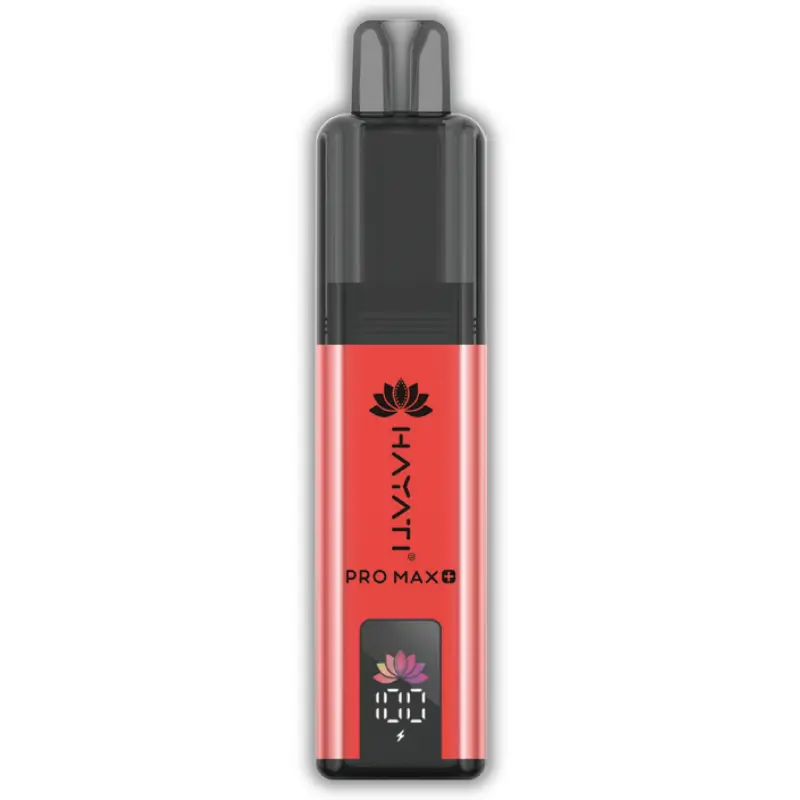
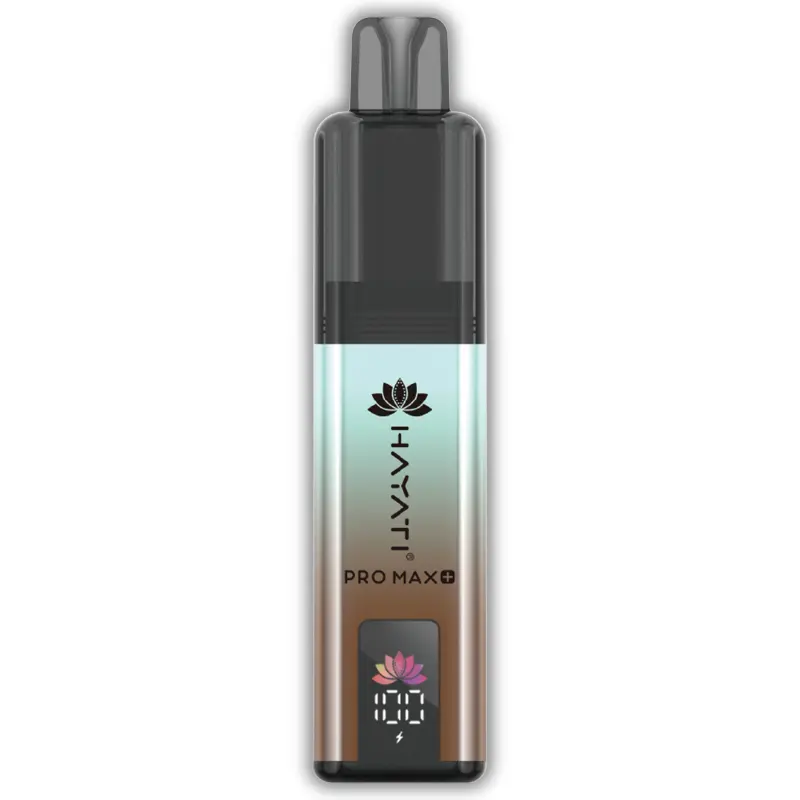
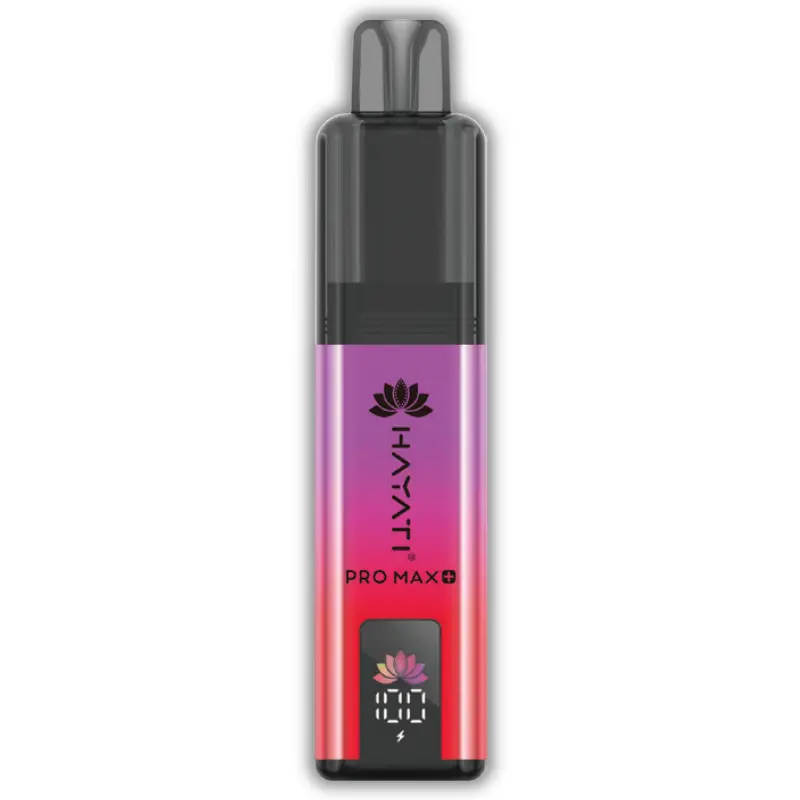
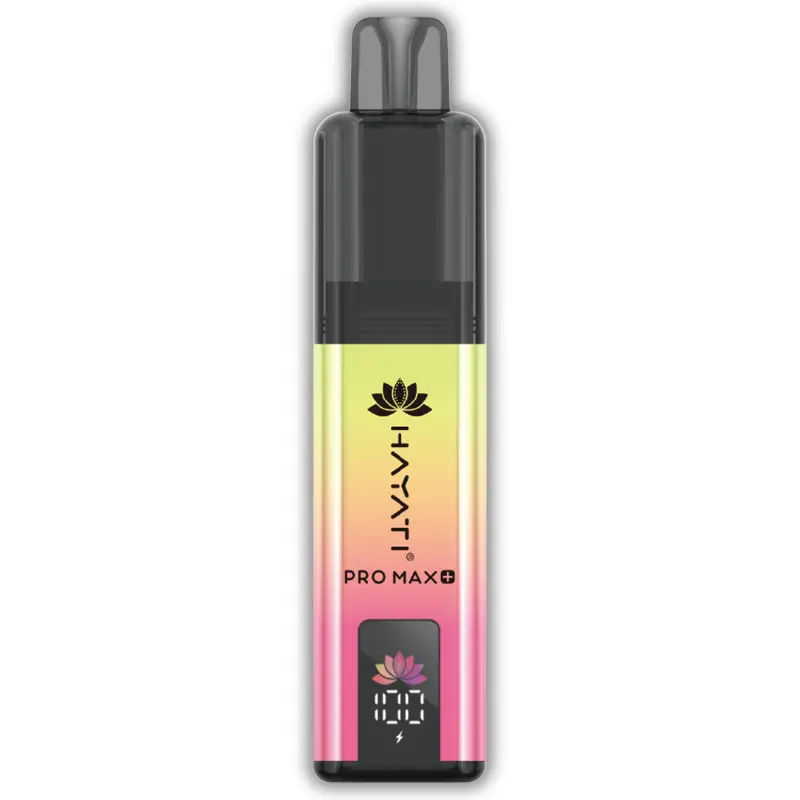
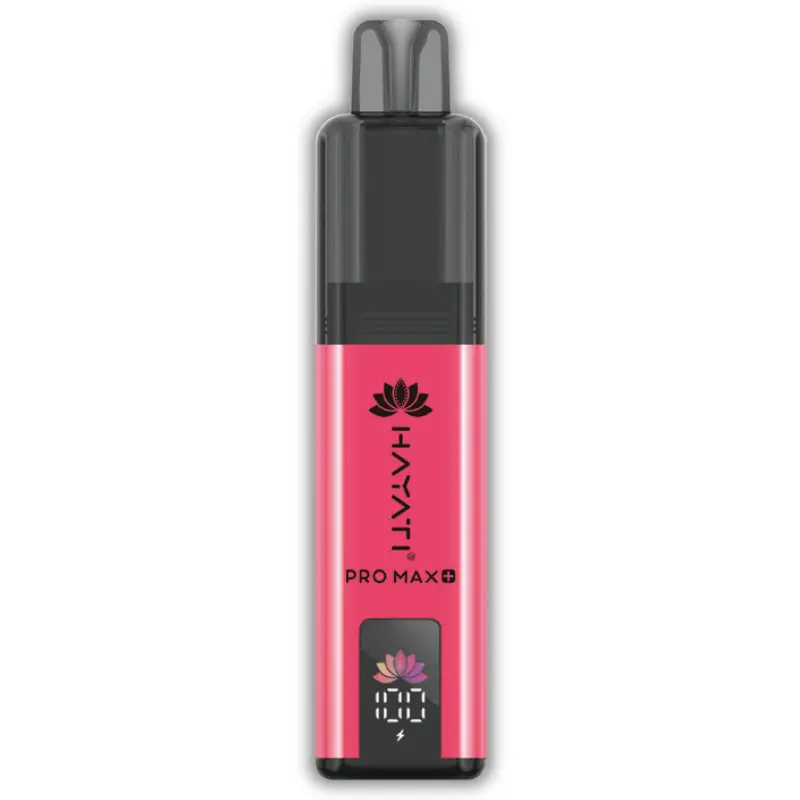
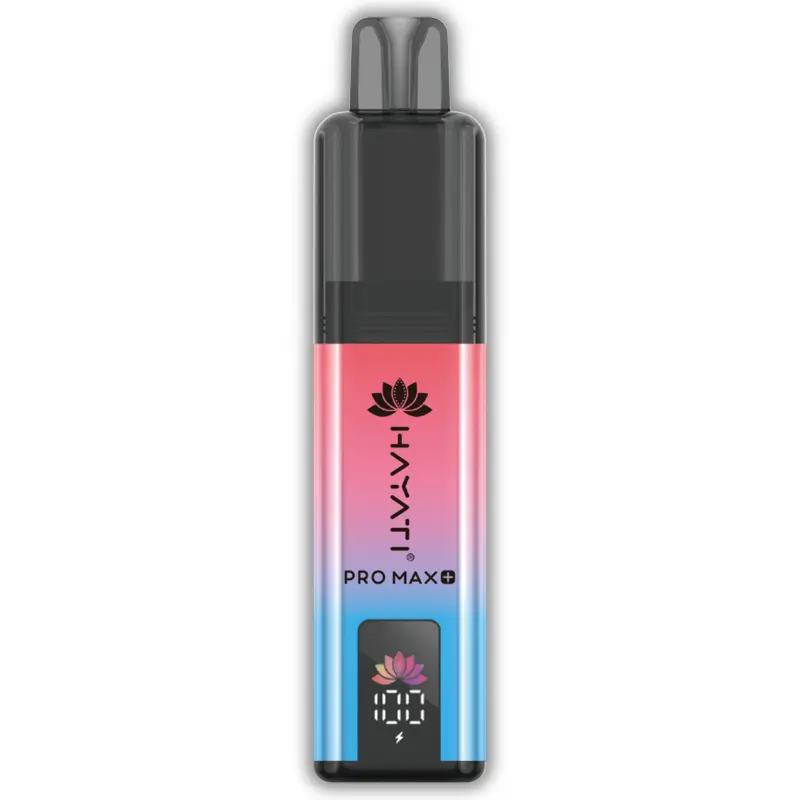
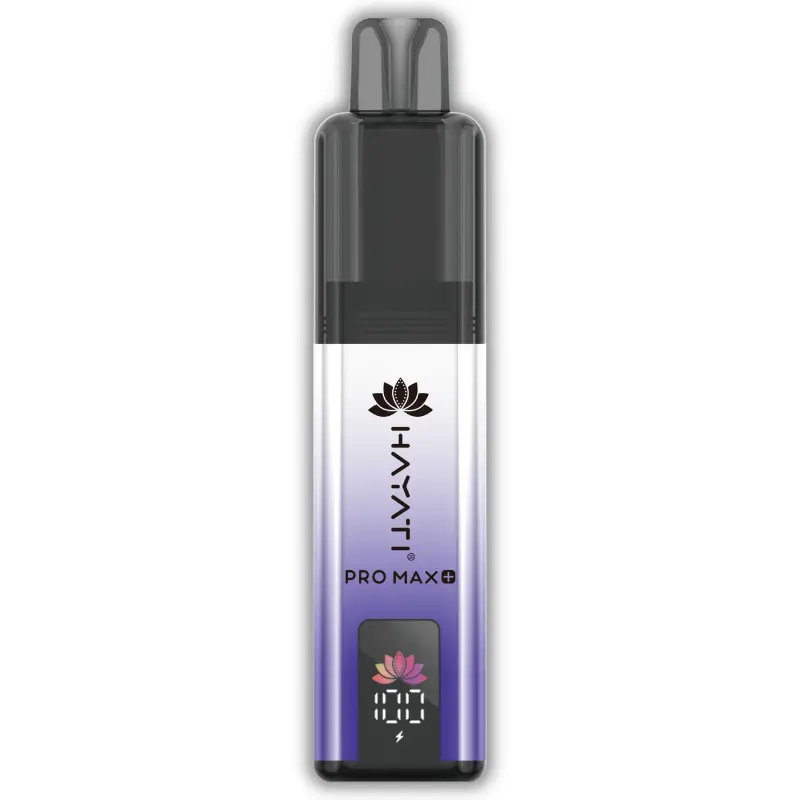
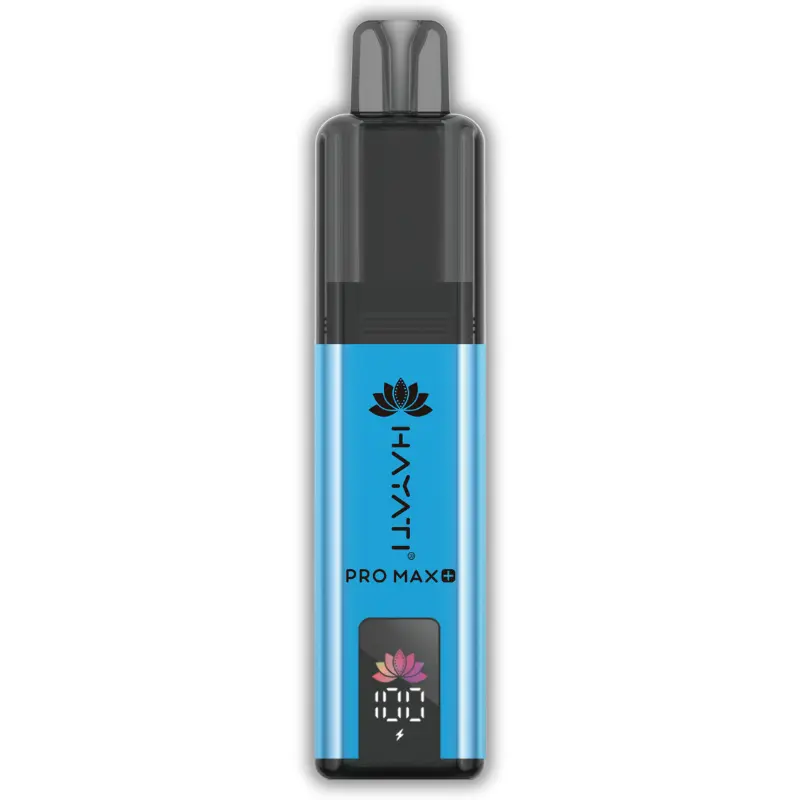
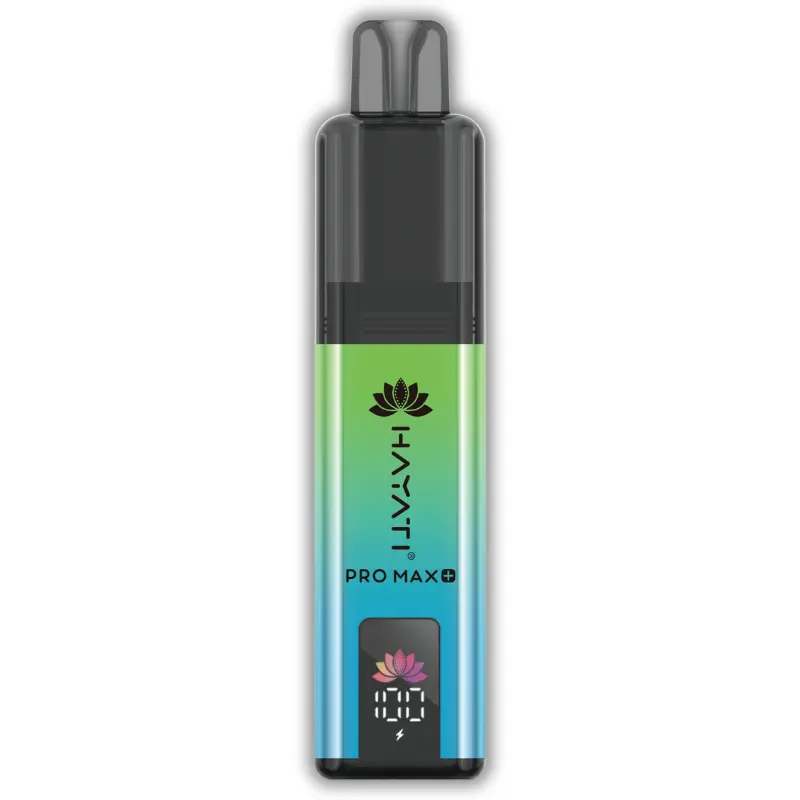
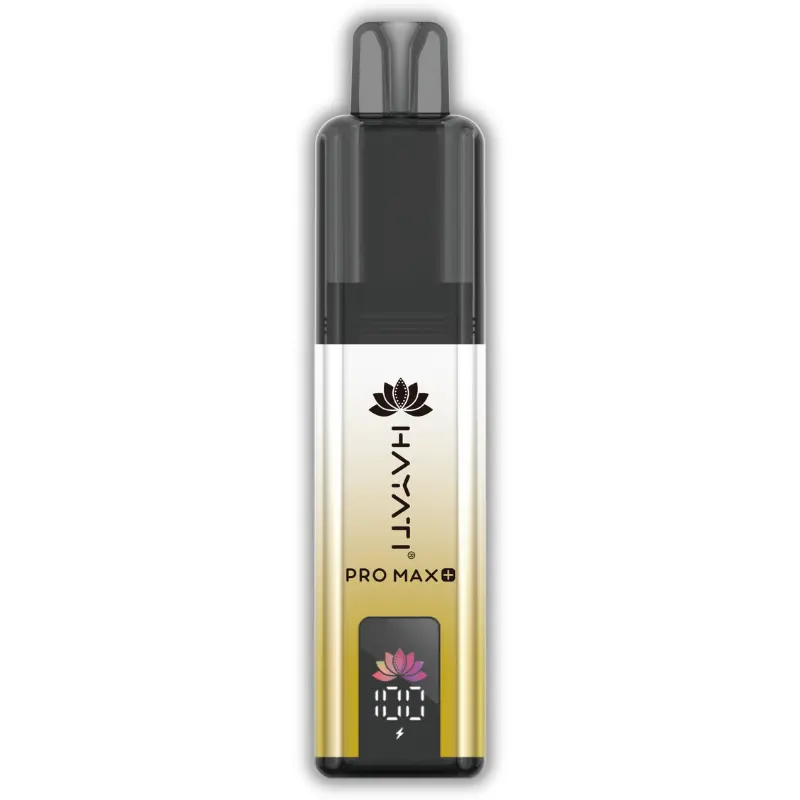
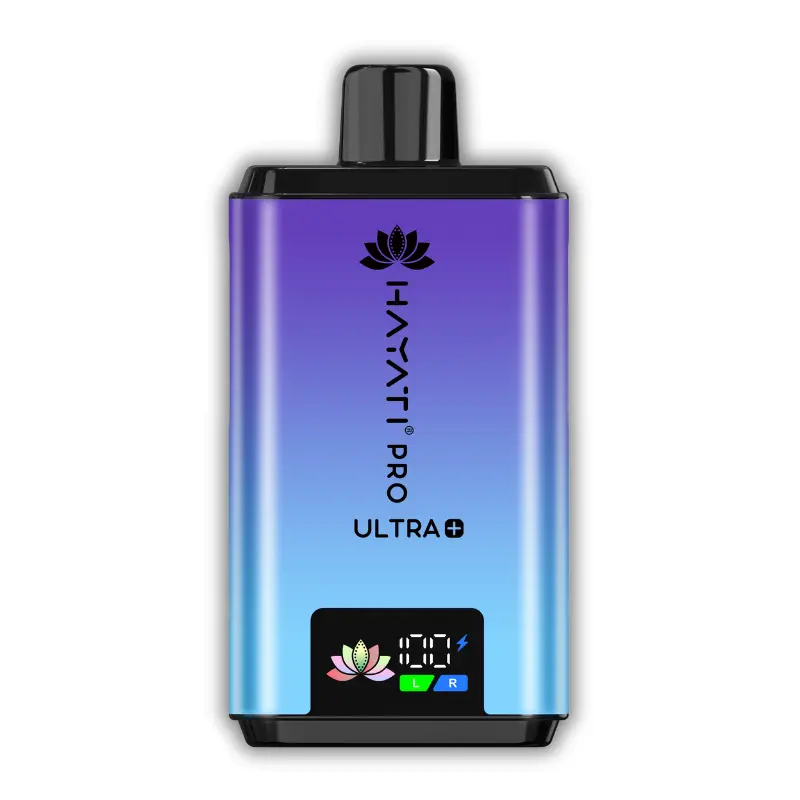
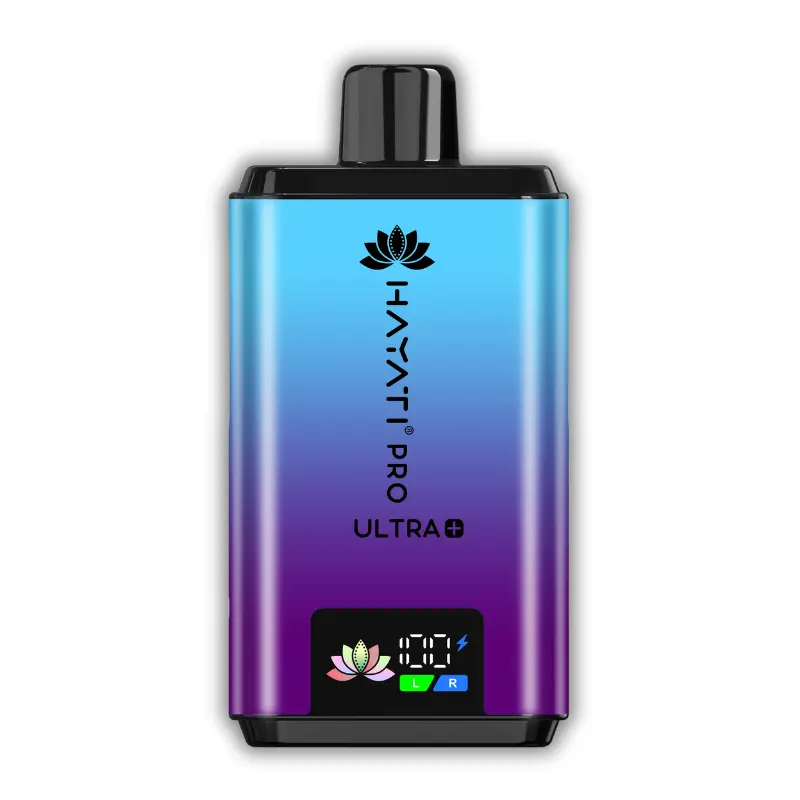
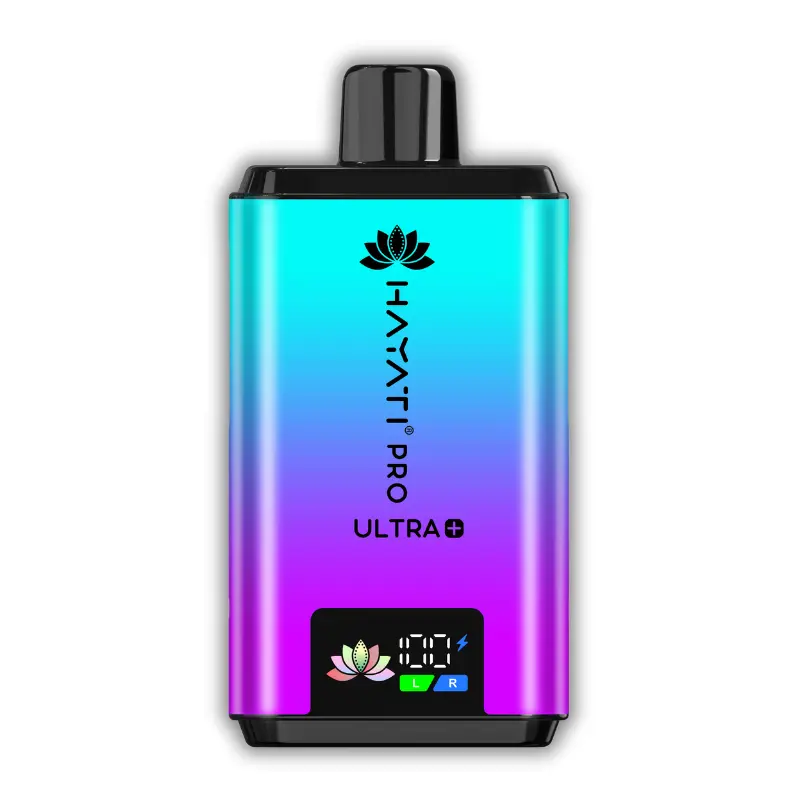
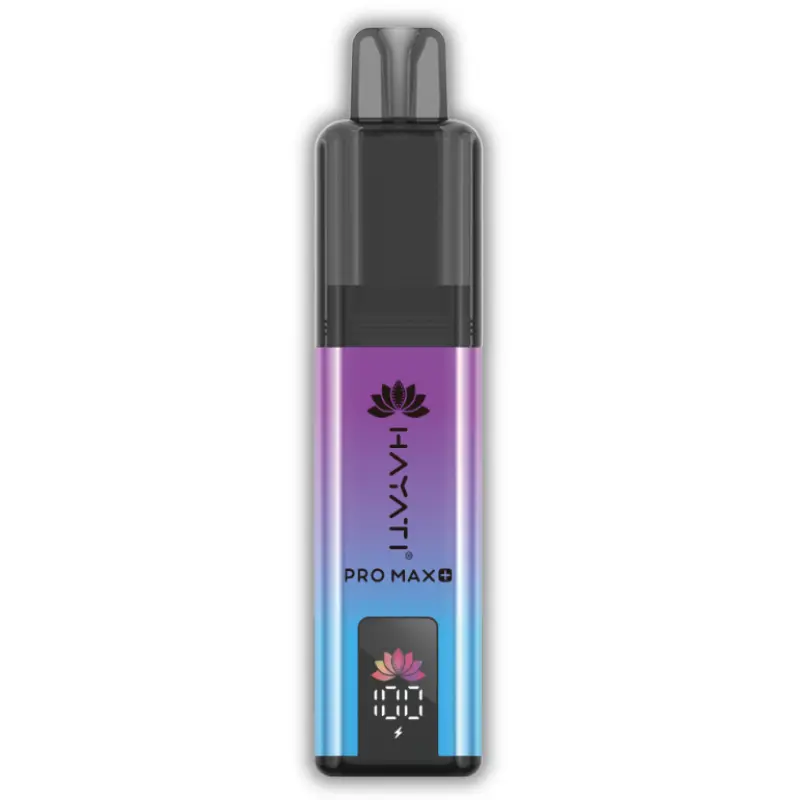
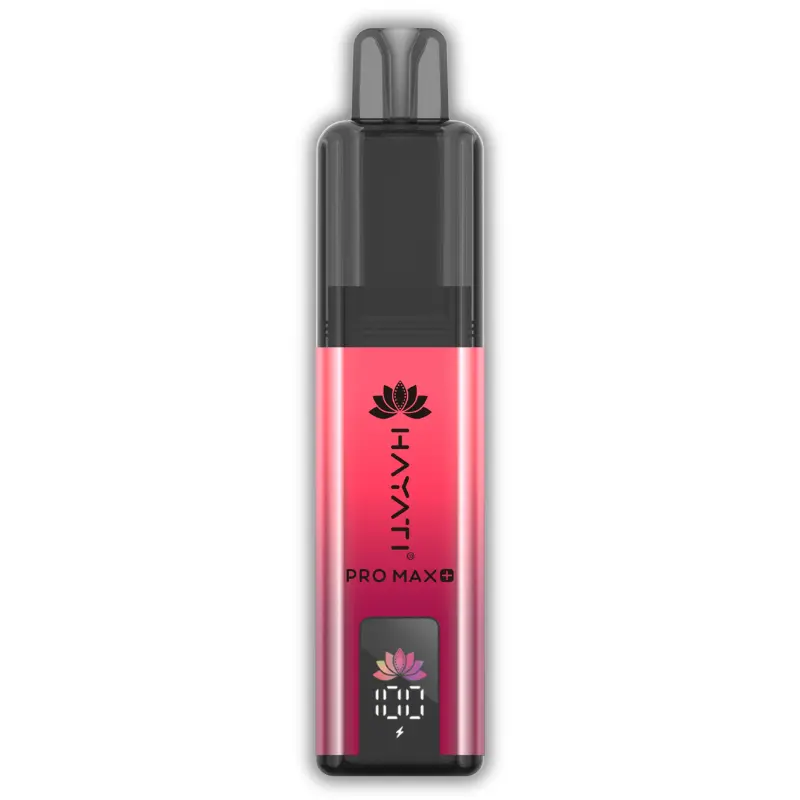
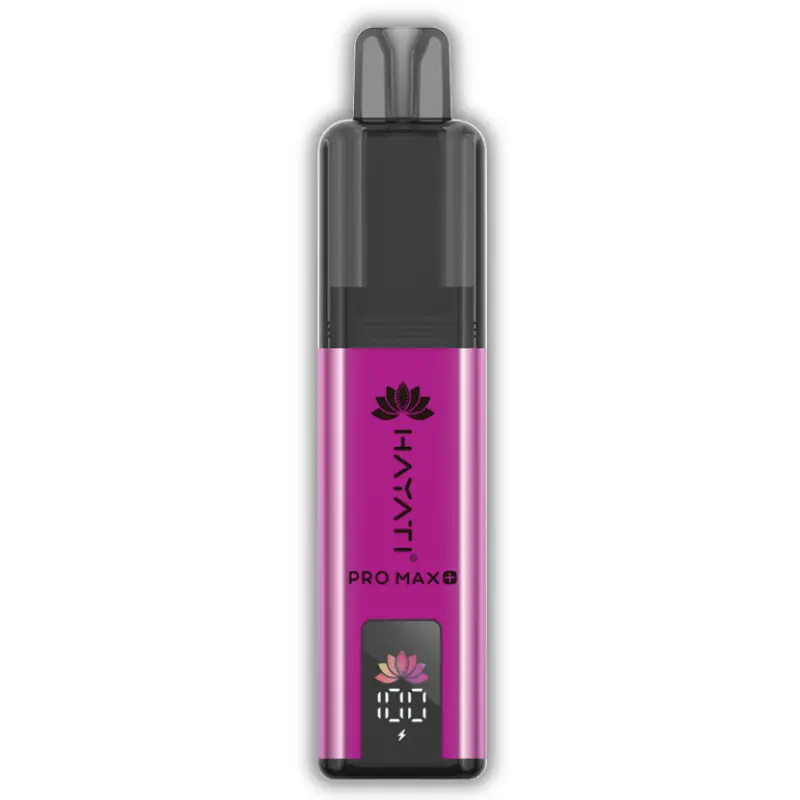
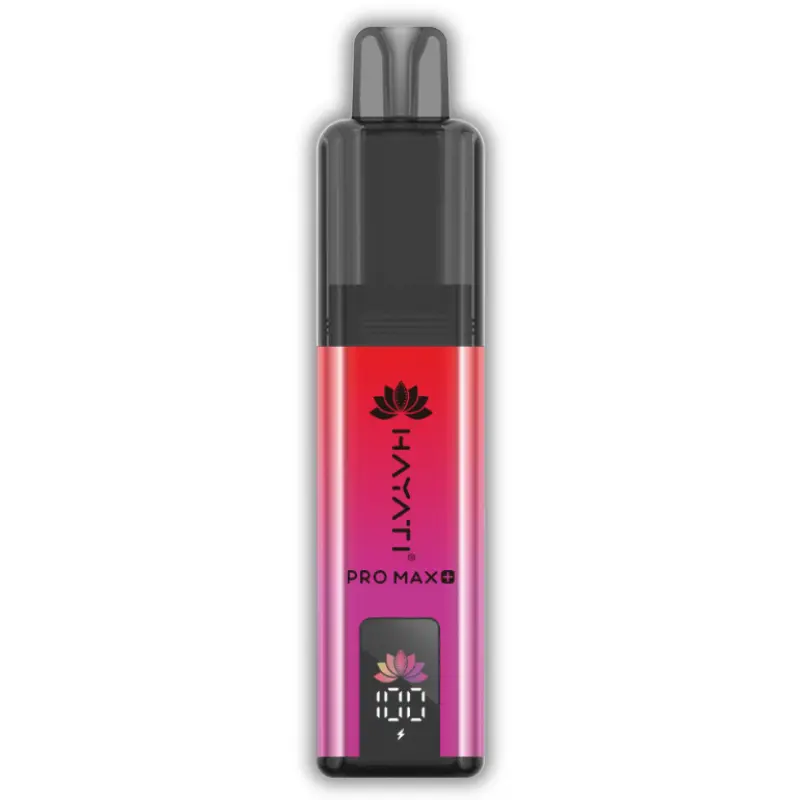
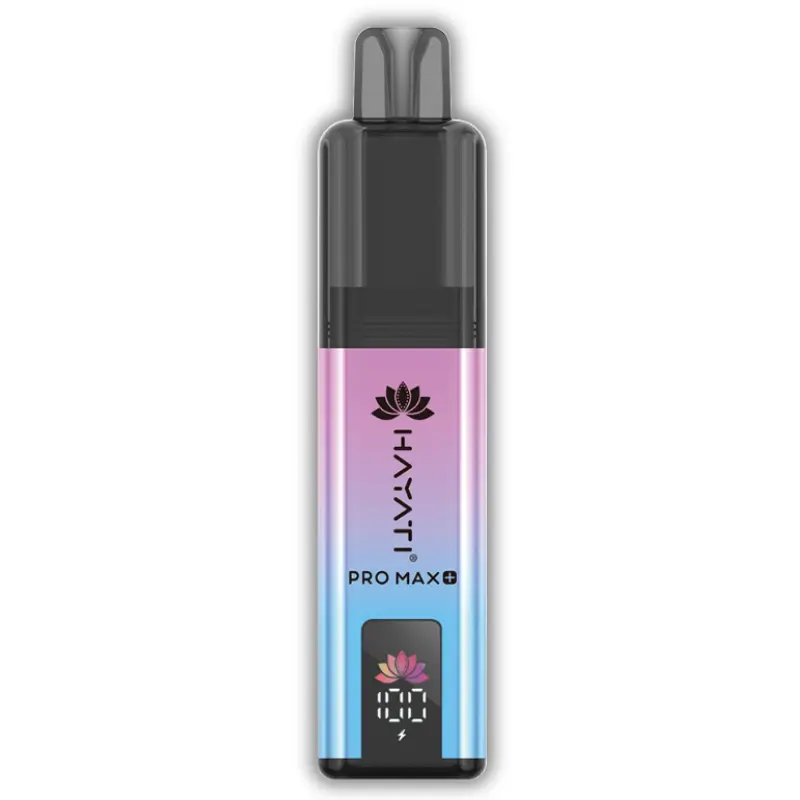
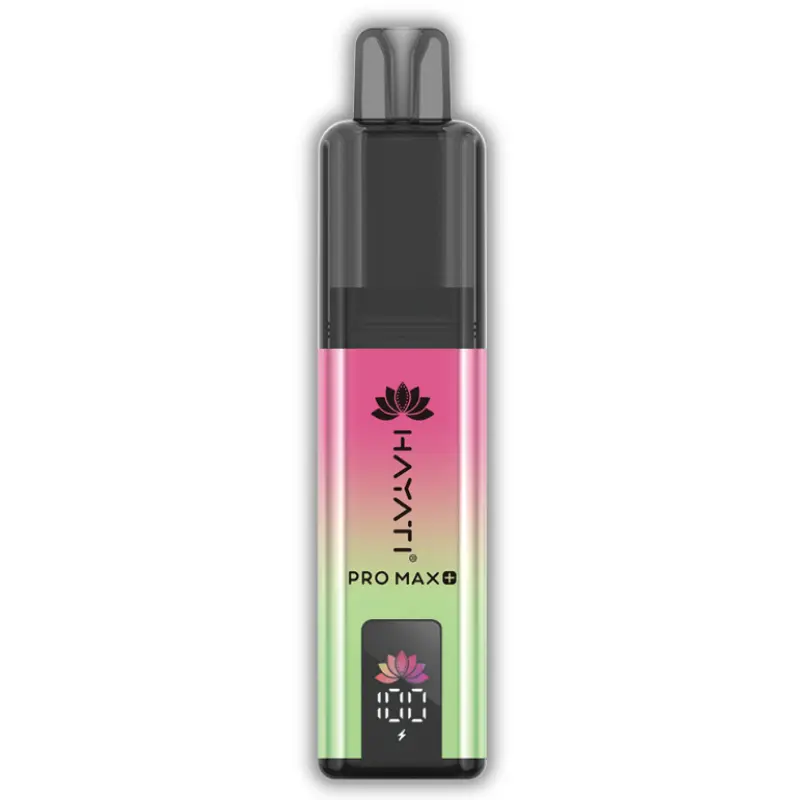
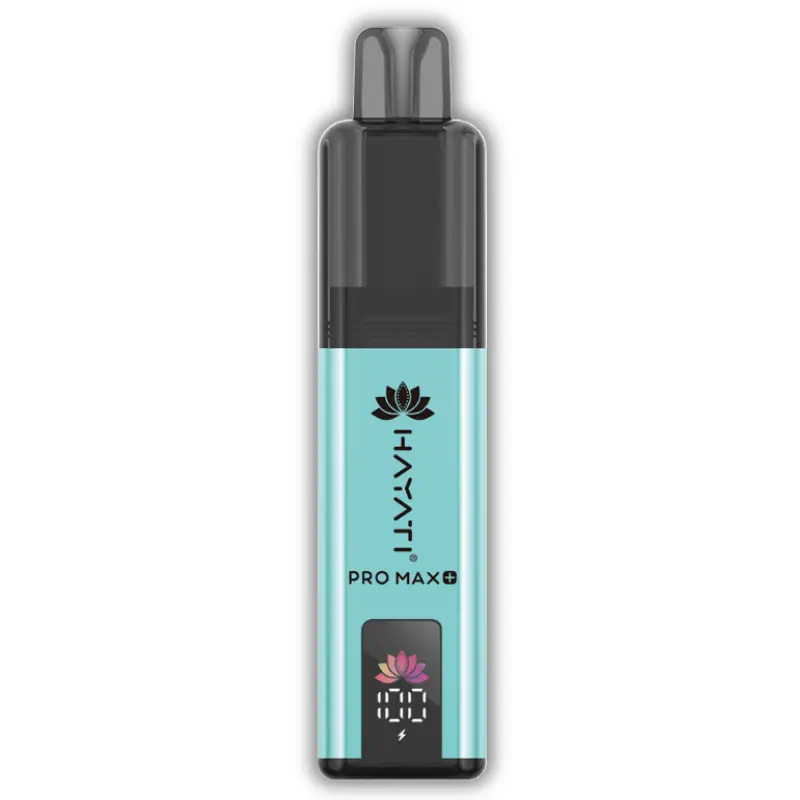
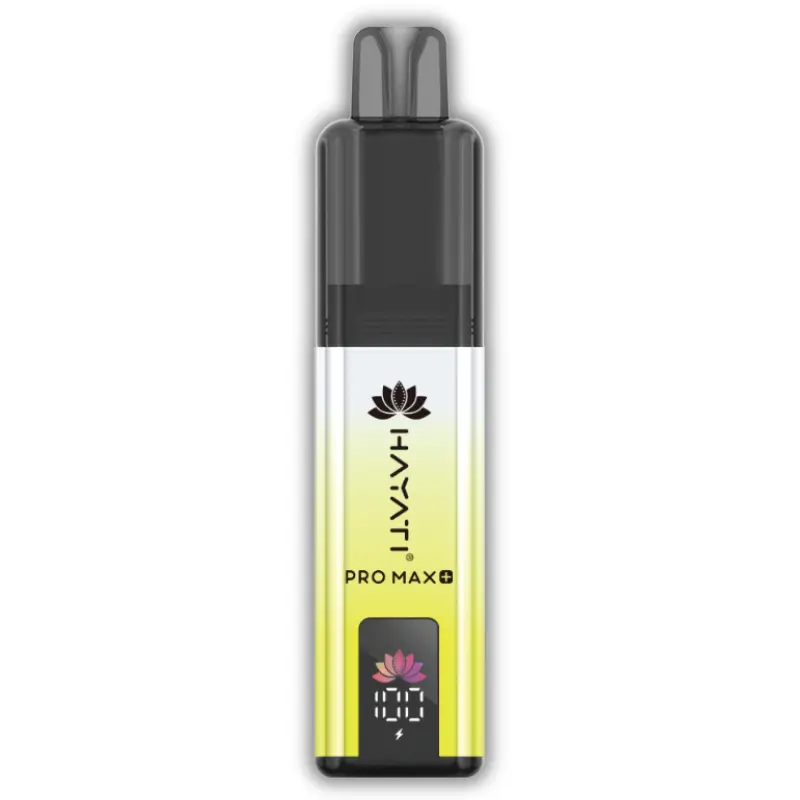
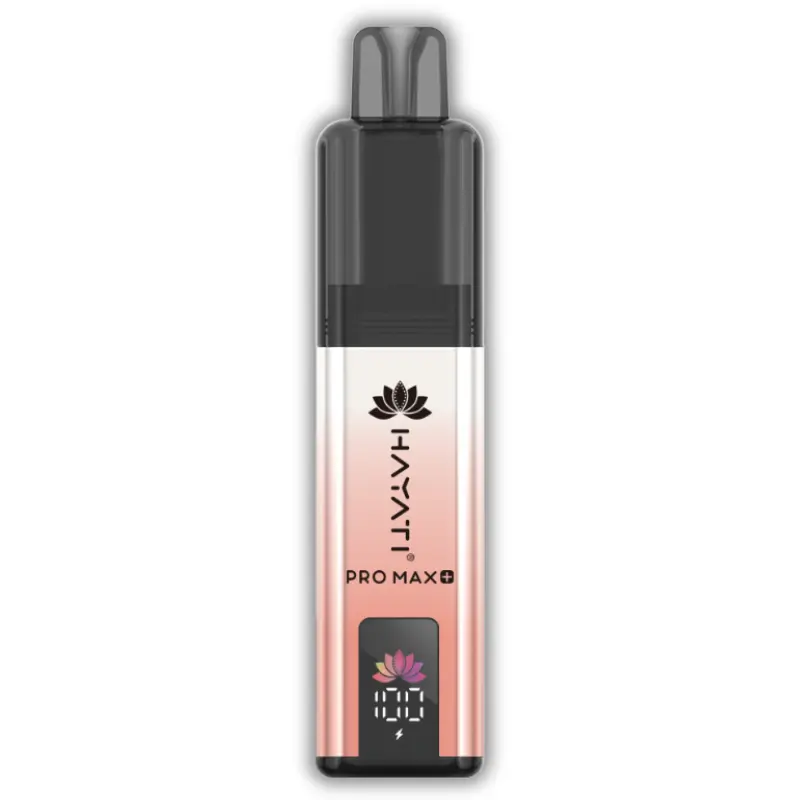
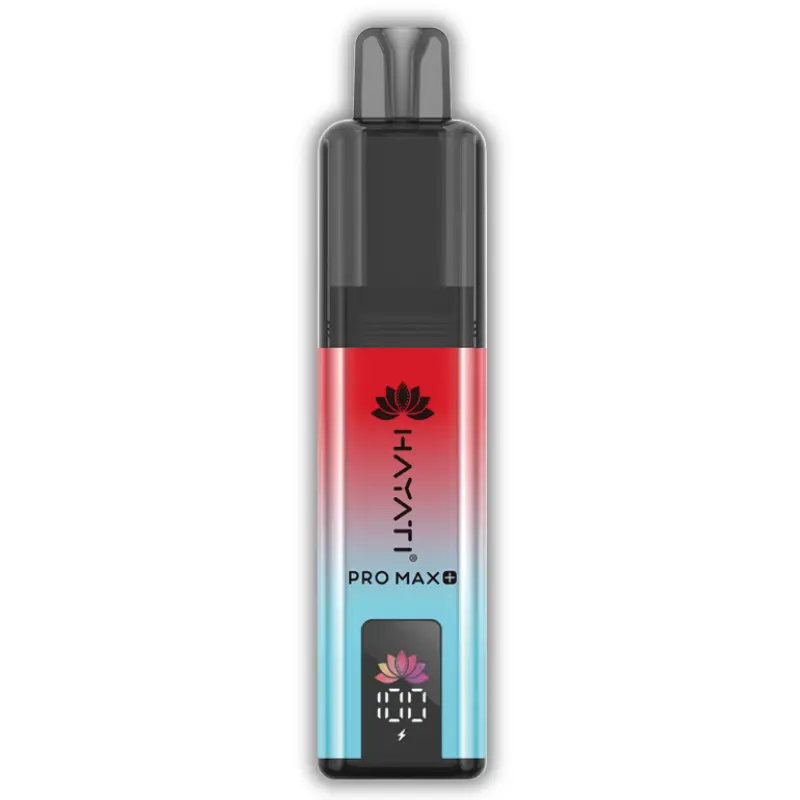
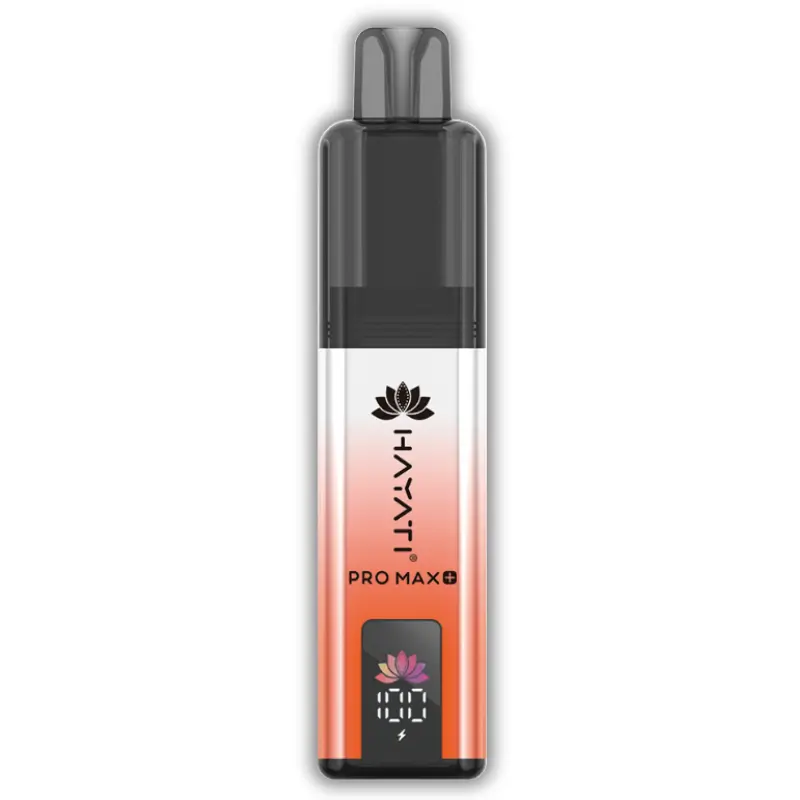
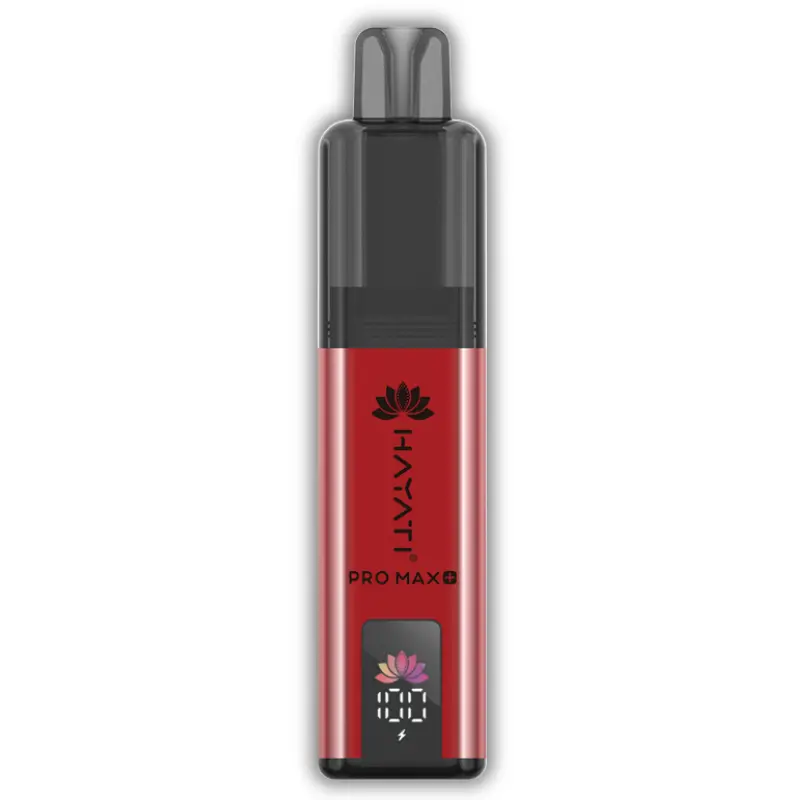
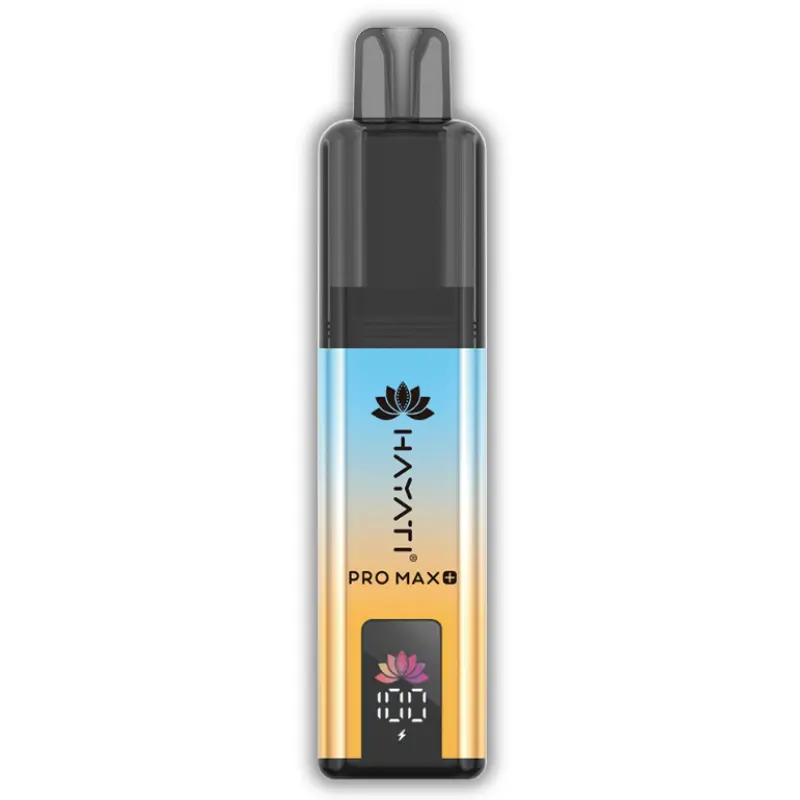
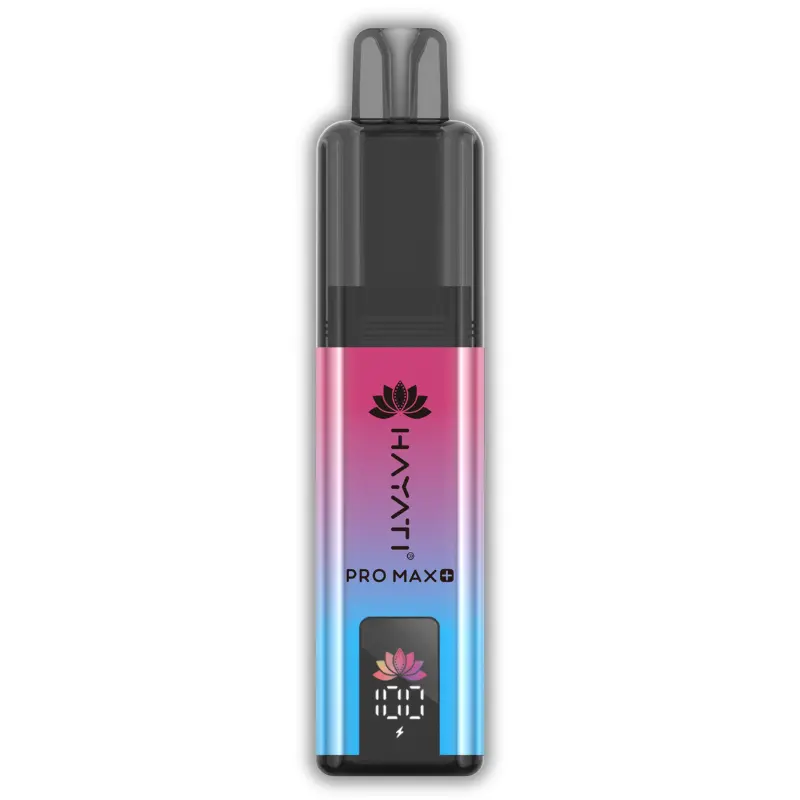
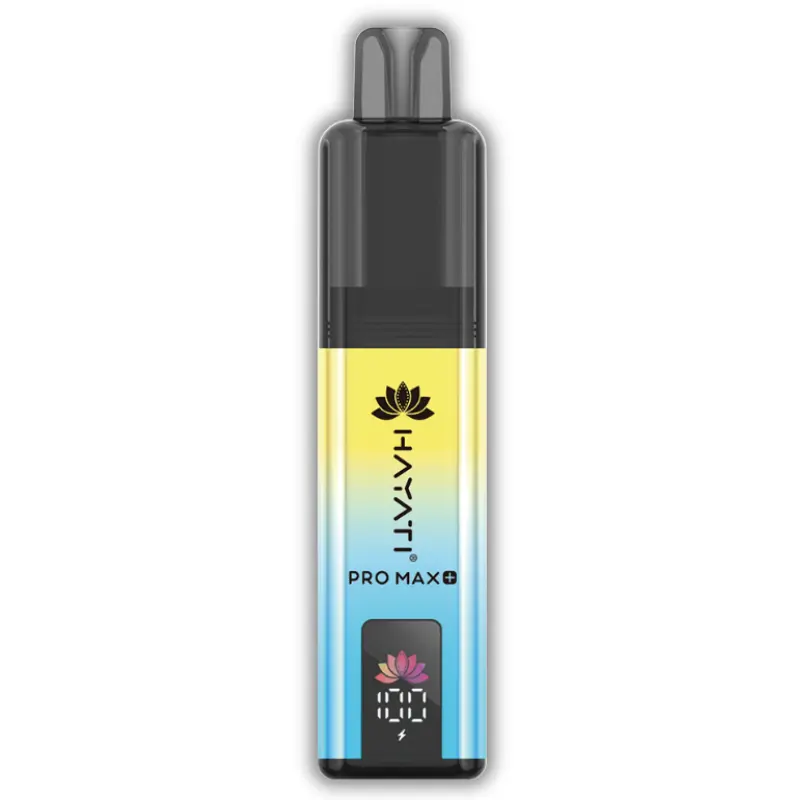
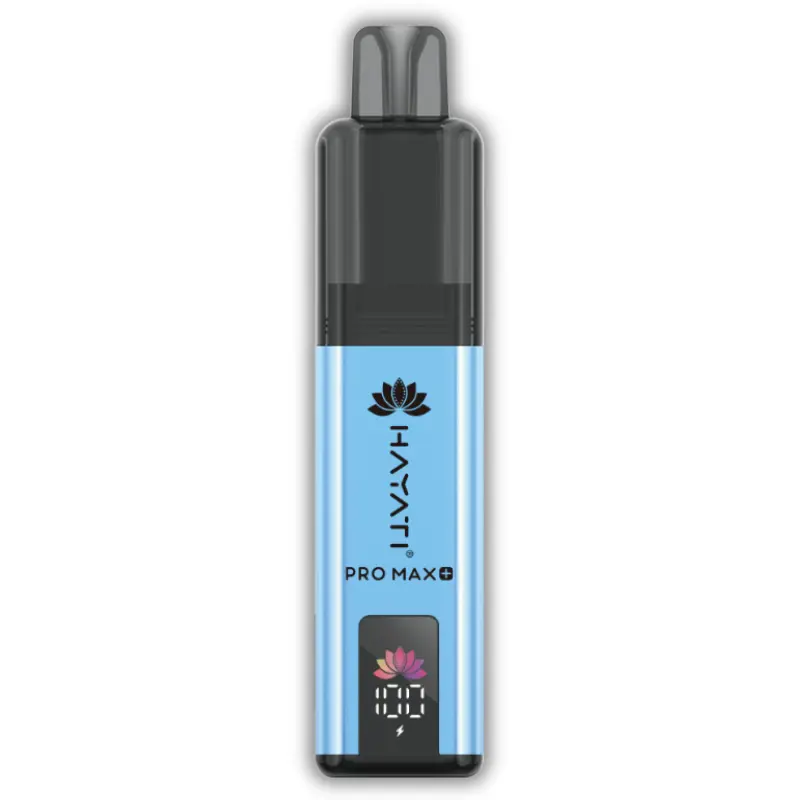
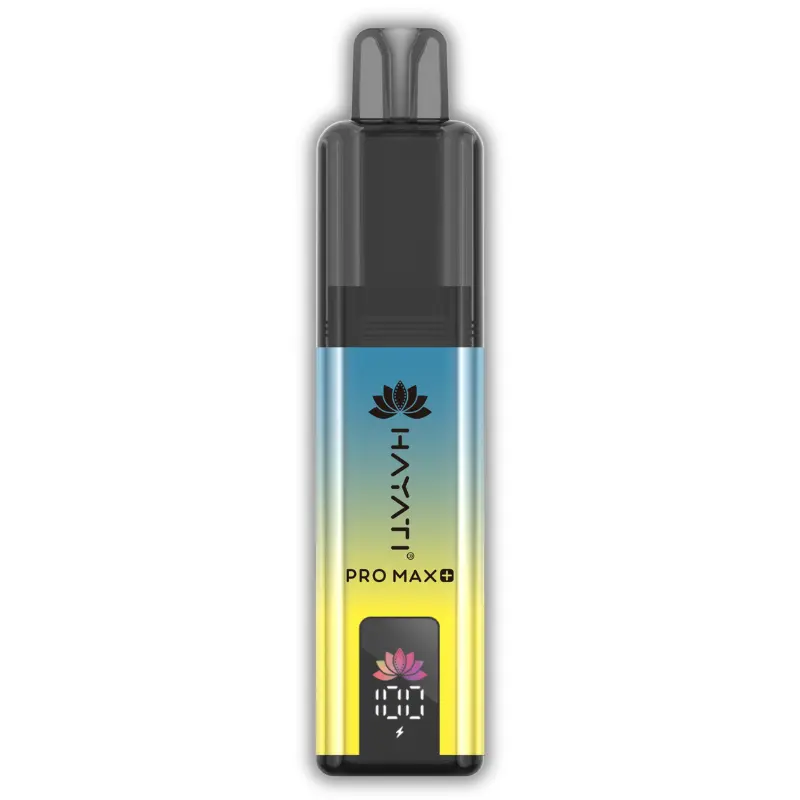
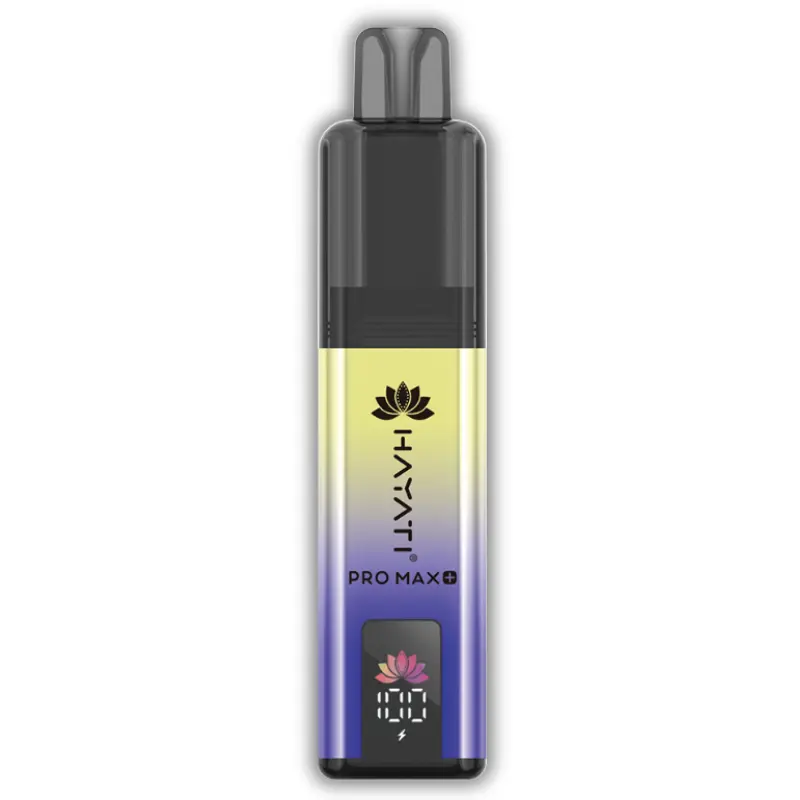
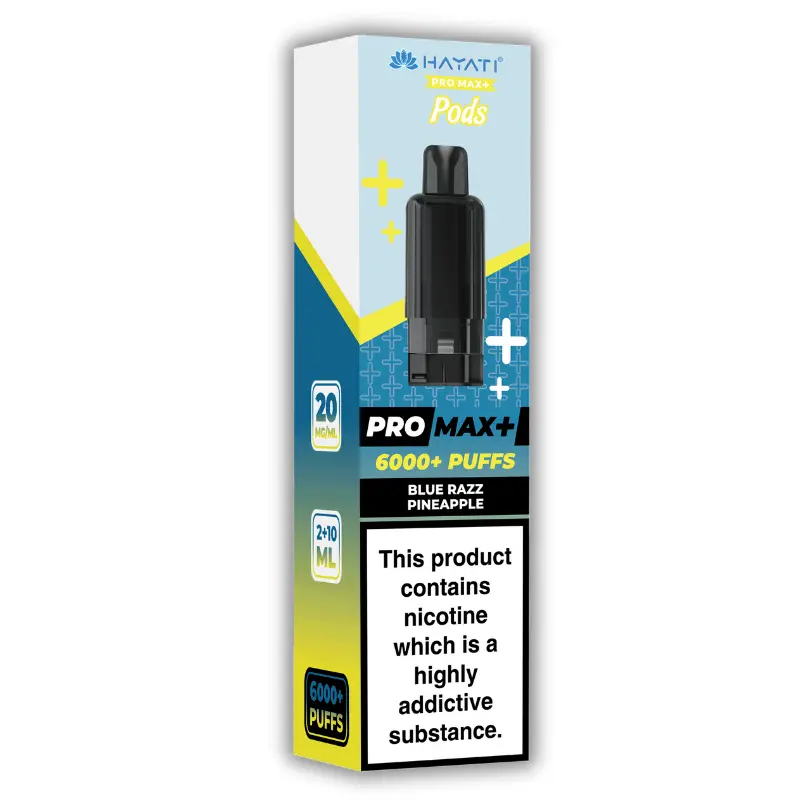
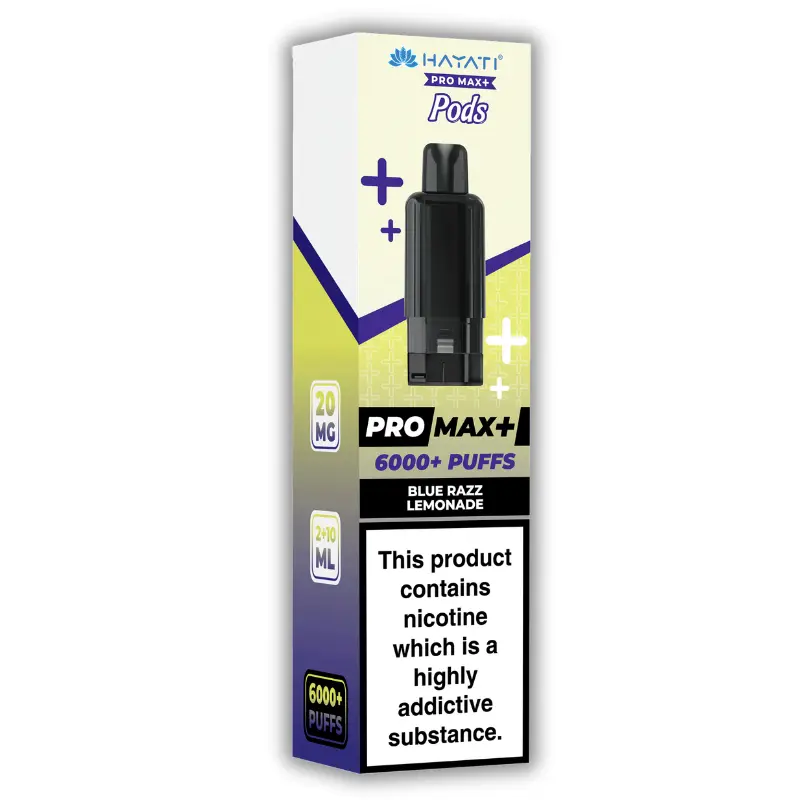
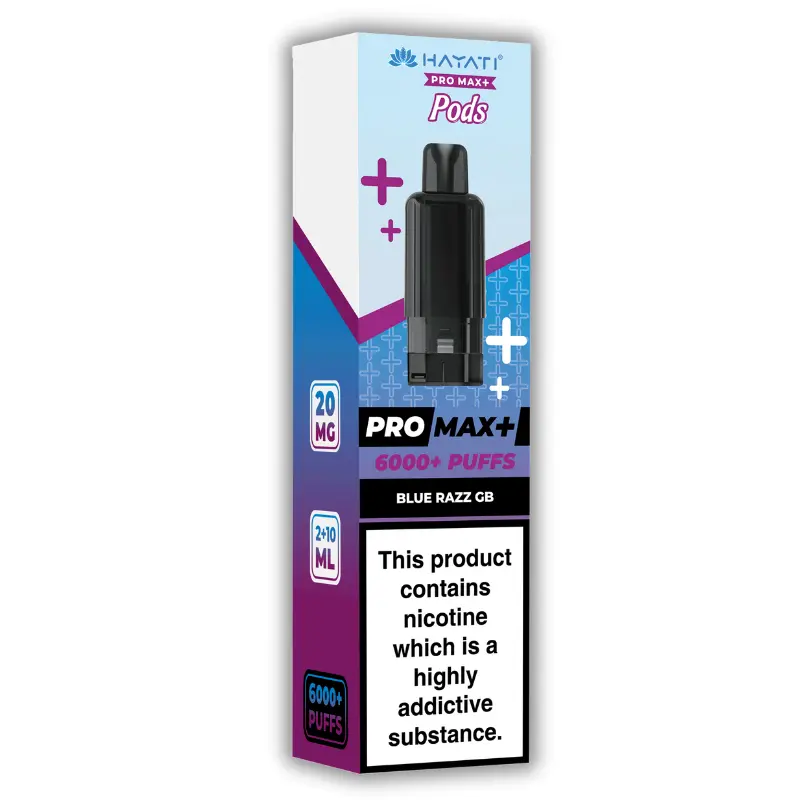
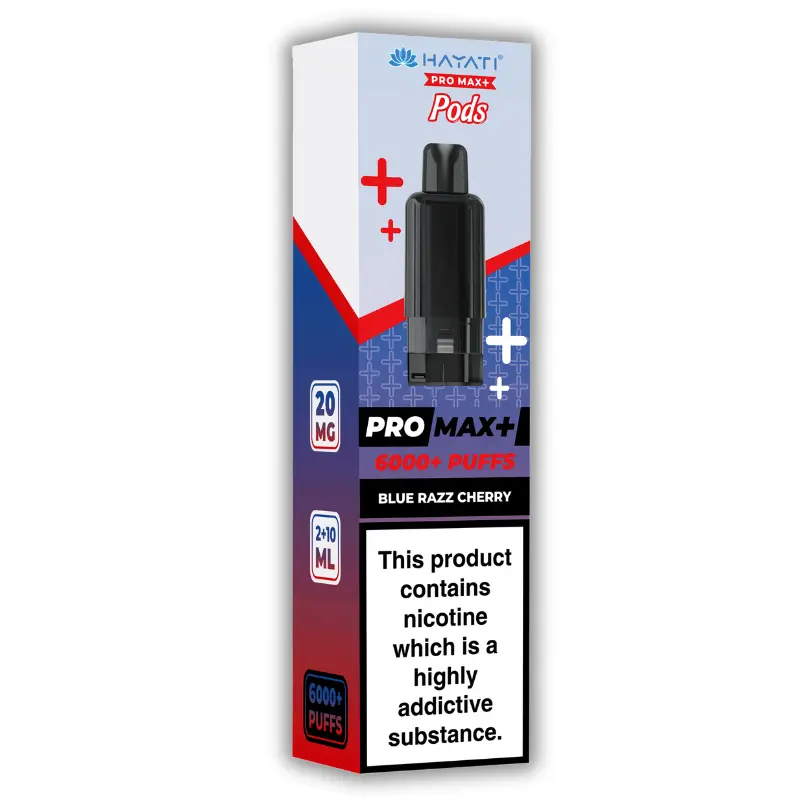
New Products is the arrivals shelf: 492 Hayati listings ordered by when they landed rather than by what they taste like, running from a £2.49 bottle of nicotine salt to a £20.99 kit. Four platforms supply almost all of it, and the newest entries cluster in the Pro Max Plus and Pro Ultra Plus lines.
The single most useful thing to know before you scroll is that this shelf is sorted by a timestamp, not by a quality. A listing appears here because it was added recently, which tells you nothing at all about whether it suits you. Two products sitting next to each other in the grid can be a 10ml bottle and a 22ml sealed pod system with nothing in common beyond the week they arrived.
So this page does not walk through the grid. It explains what has actually shifted in the Hayati range lately, how to size up a launch that nobody has reported back on yet, and how to tell a genuinely unfamiliar flavour from one you already know wearing a different label. For the specifications and the flavour-by-flavour detail, the range shelves linked throughout are the better destination.
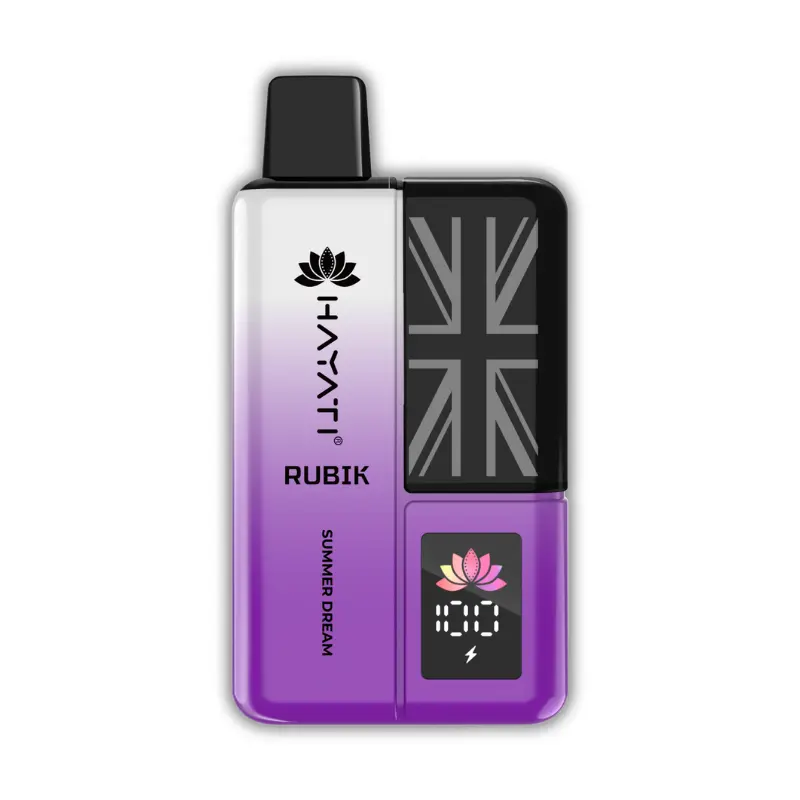
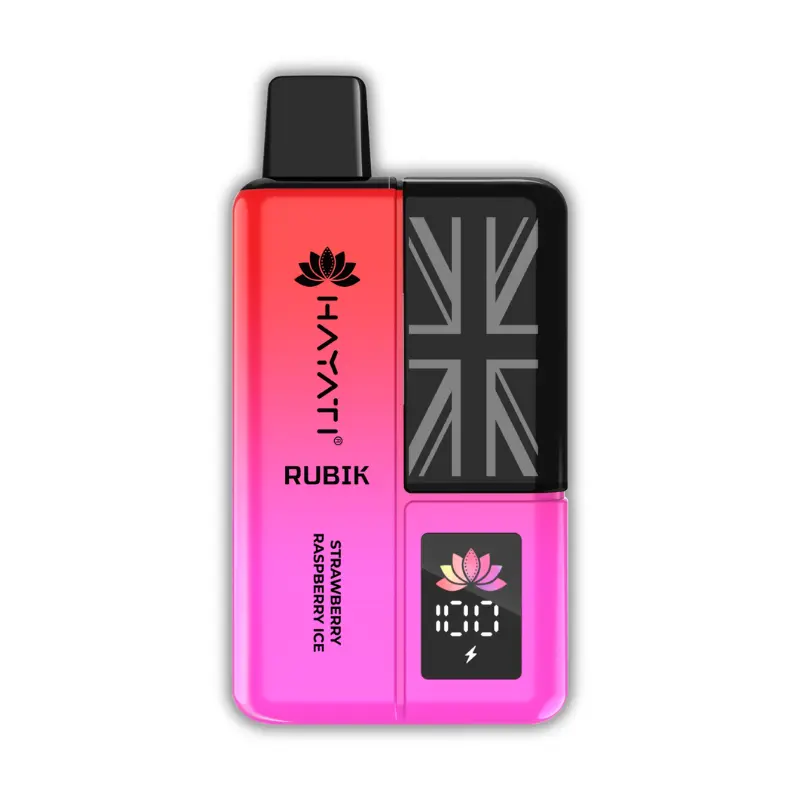
New ProductsHayati PodsHayati Prefilled Pods & RefillsHayati Pod KitsHayati Prefilled Pod KitsHayati E-LiquidsHayati Pro Ultra Plus Prefilled Pod Kits & PodsHayati Pro Max Plus PodsHayati Pro Max Plus Prefilled Pod KitHayati Pro Max Nic SaltsHayati Pro Ultra Plus PodsHayati Pro Ultra Plus Prefilled Pod KitHayati Mini UltraHayati RubikHayati Mini Ultra PodsHayati Mini Ultra Prefilled Pod KitHayati Pro Max 50-50 E-LiquidHayati Pro Max 70-30 E-LiquidHayati Rubik Prefilled Pod KitHayati Rubik PodsHayati Nicotine PouchesHayati QuokkaBerry VapesRaspberry VapesIce VapesBlueberry VapesStrawberry VapesCherry VapesSweet VapesExotic VapesLemon VapesBlueberry Raspberry VapesPeach VapesWatermelon VapesApple VapesLemon Lime VapesMango VapesPineapple VapesGrape VapesLemonade VapesMint VapesCola VapesStrawberry Raspberry Ice VapesBlackcurrant VapesJuicy Peach VapesMr Blue VapesSummer Dream VapesBanana VapesKiwi VapesMenthol VapesOrange VapesFresh Mint Vapes



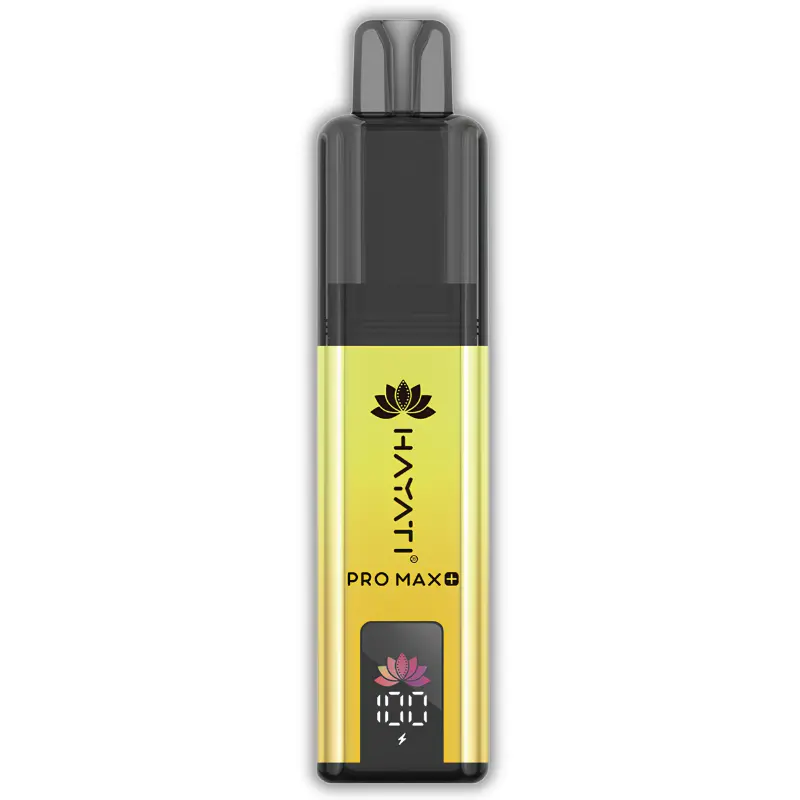
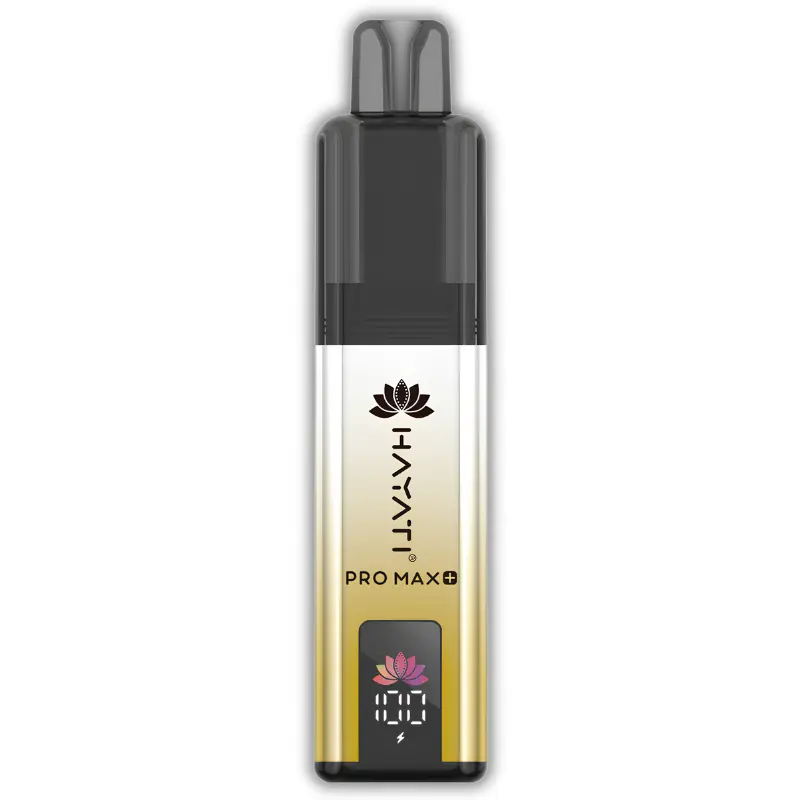
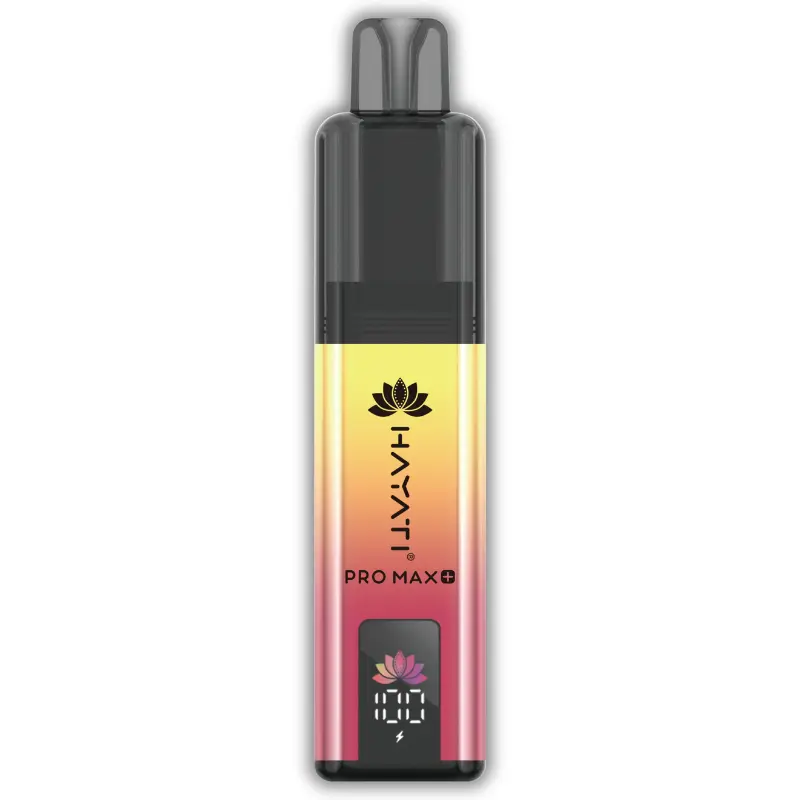


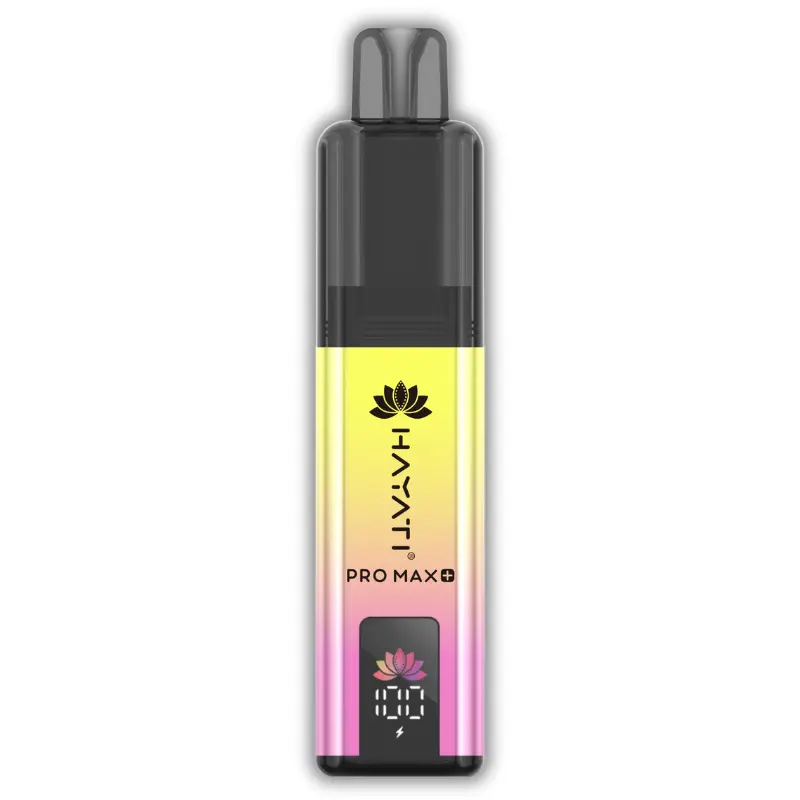
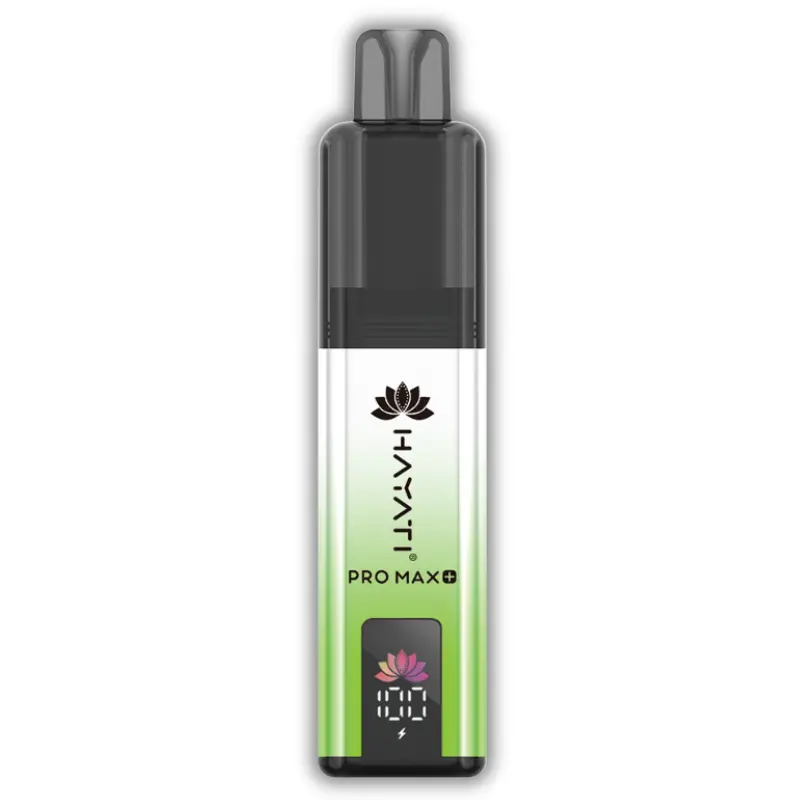
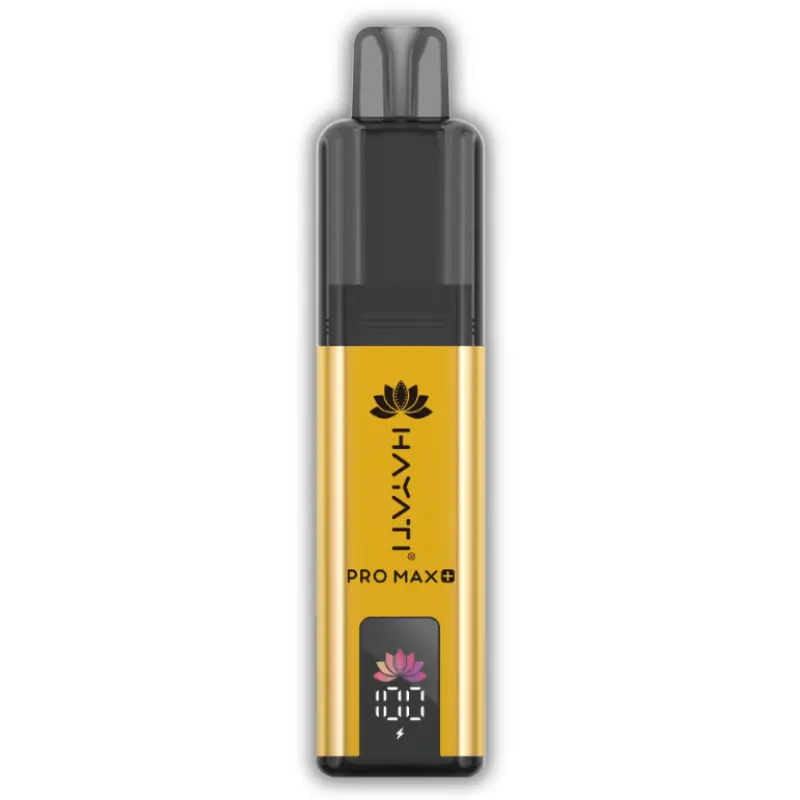
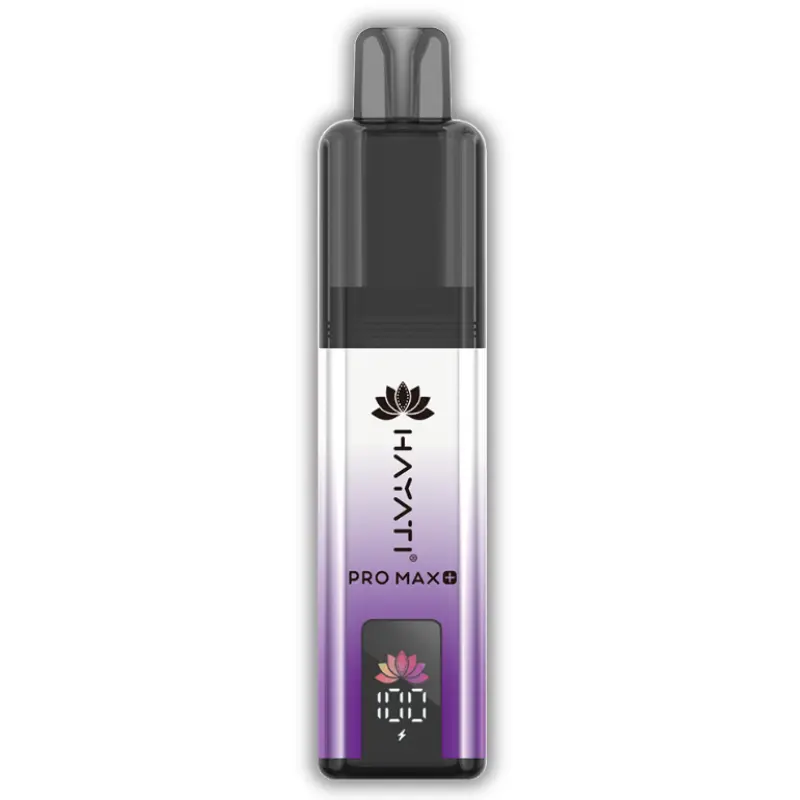
What a newest-first shelf is, and what it is not
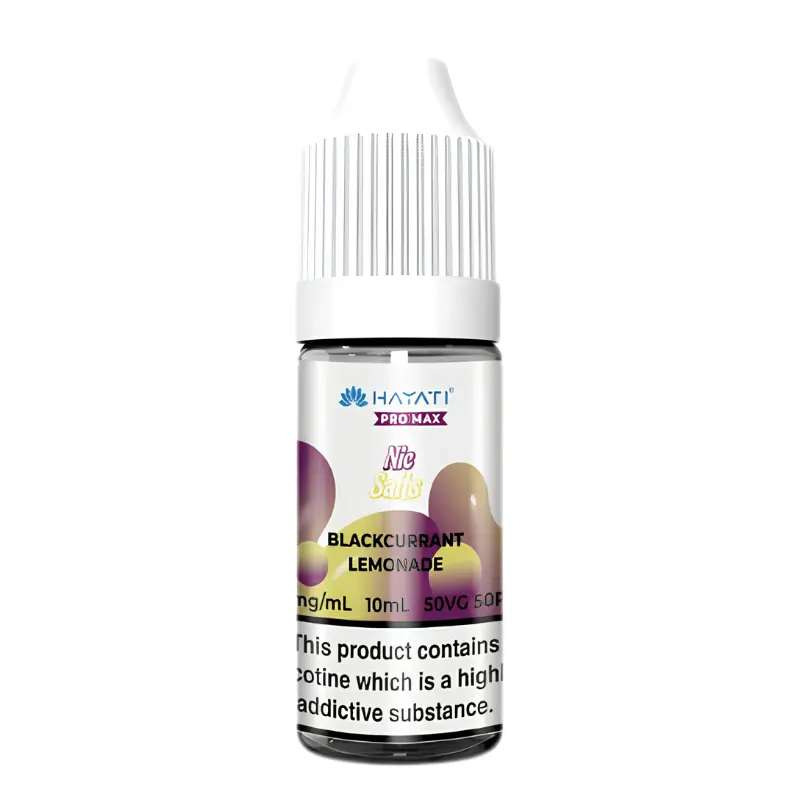
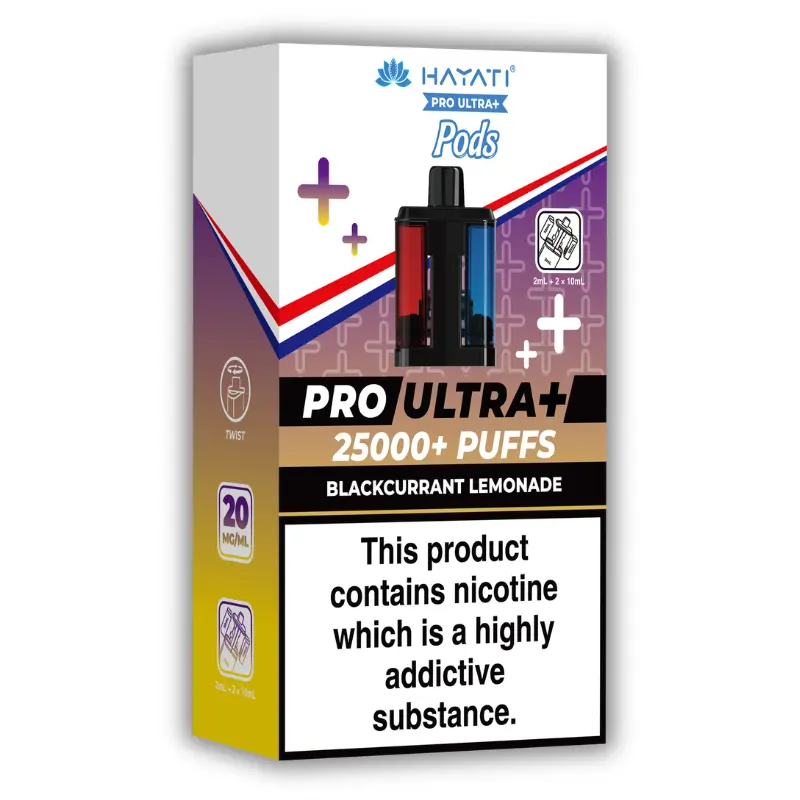
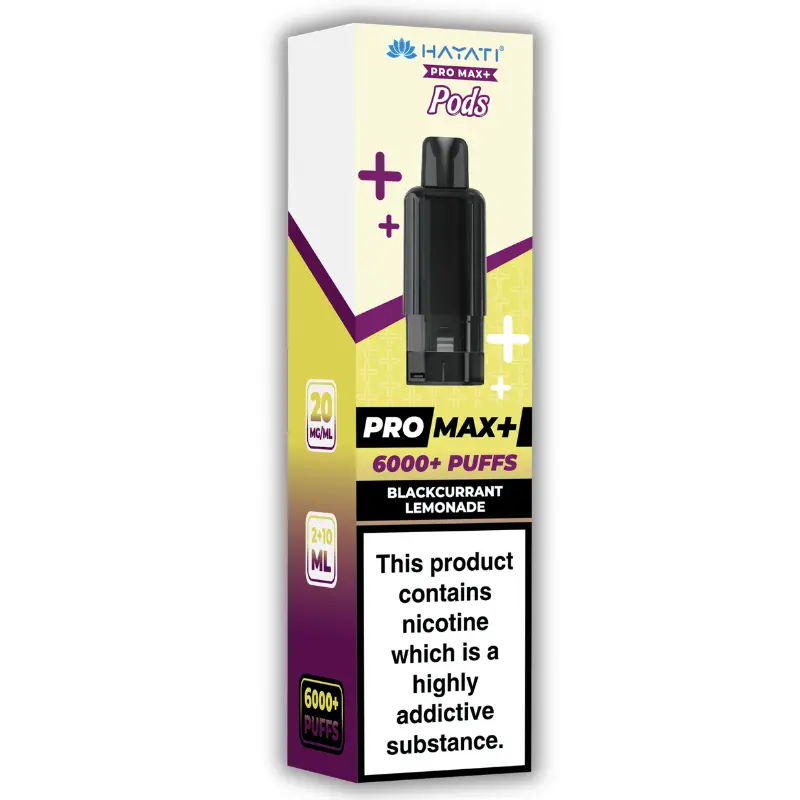
Every product here also lives somewhere else. That is worth saying at the outset, because it changes how the shelf should be used. A bottle of Blackcurrant Lemonade sits on this page and on Hayati E-Liquids and on Berry Vapes. Nothing about it is exclusive to New Products. What the arrivals shelf adds is one extra fact: the date it was catalogued. Everything else you might want to know is better read on the shelf that groups by platform or by fruit.
Which makes the boundary of this page unusual. Most collections are defined by a property of the product. Berry shelves hold berries. Pod shelves hold pods. An arrivals shelf holds whatever happened to be added, so its contents have no shared character and no stable membership. Something on the second row today drifts off the front page in a month without changing in any way. That churn is the point of the shelf and also its limitation.
The practical consequence is that recency is a poor filter on its own. It answers one question well, which is "what has Hayati put out lately", and it answers every other question badly. If you know you want a cold berry profile, the Ice Vapes shelf will get you there in one step. If you know you own a Pro Max Plus battery and need a refill, Pro Max Plus Pods is the shelf that only shows you things that will fit. Arriving here first and filtering by eye is slower and more error-prone, because the grid mixes kits, bare pods and bottles in the same visual rhythm.
There is a second-order problem too. Because the shelf reorders itself constantly, anything you remember from a previous visit is hard to find again. A pod you noticed a fortnight ago and meant to think about has moved down an unknown number of rows, and there is no way to search by "the thing that was near the top last time". The range shelves are stable in a way this one cannot be, so if something catches your interest here, the sensible next click is through to the platform or flavour shelf that will still have it in the same place next month.
What is deliberately not on this page is any ranking. No listing is here because it sold well, reviewed well or was judged interesting. The order is mechanical. That neutrality is useful in one specific way: it shows you the shape of the release schedule without a merchandising thumb on the scale. You can see how many arrivals were fresh liquid profiles, how many were existing profiles crossing into another format, and how many were simply a pod version of a kit that shipped earlier. Those proportions tell you something real about where the range is going, and that is what the rest of this page is about.
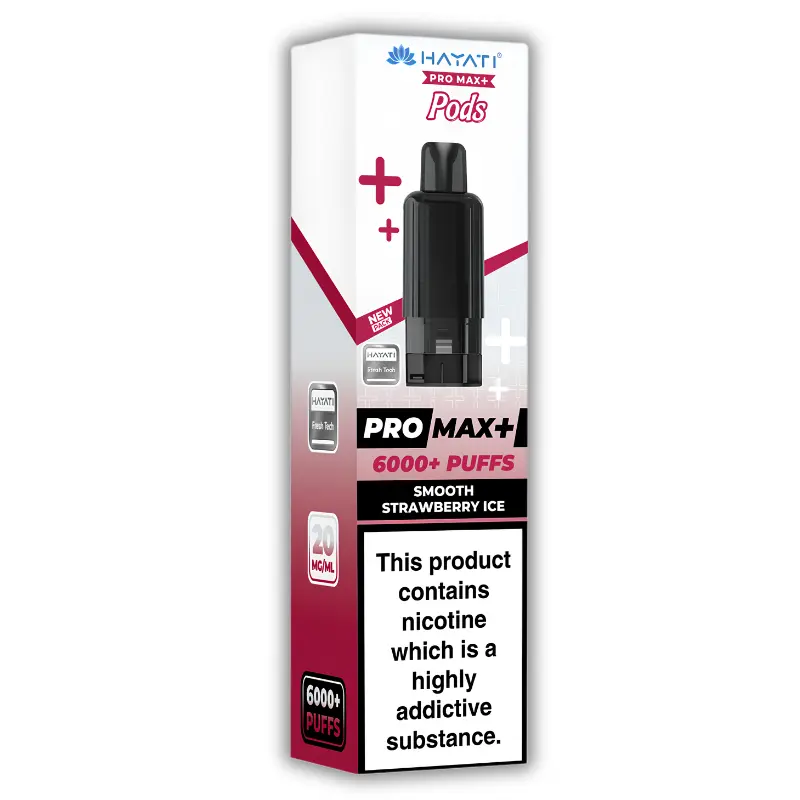
One more thing this shelf is not. It is not a comparison table. Placing a £2.49 bottle beside an £11.99 kit in the same grid invites a comparison that does not make sense, because they are different purchases entirely. The bottle is consumable liquid for hardware you already own. The kit is hardware plus liquid in one sealed unit. Reading the prices side by side without that context produces the wrong conclusion nearly every time, and it is the most common mistake people make on an arrivals page.
Used properly, the shelf answers a narrow question quickly. You check it when you already know the range and want to see whether anything has moved since you last looked. You do not use it to choose your first pod from a standing start, because the arrival order gives you no help with that decision at all.
The direction of travel in the Hayati range
Read the arrivals in bulk rather than one at a time and a few patterns become obvious. None of them is announced anywhere. They are just what the release schedule has been doing.
Capacity stopped being the headline and became a tier
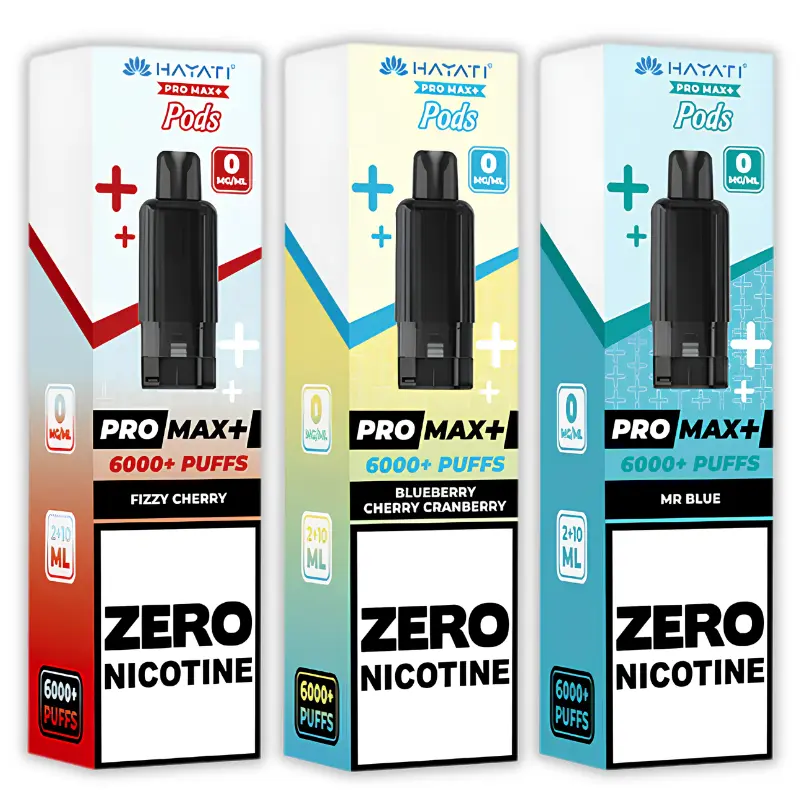
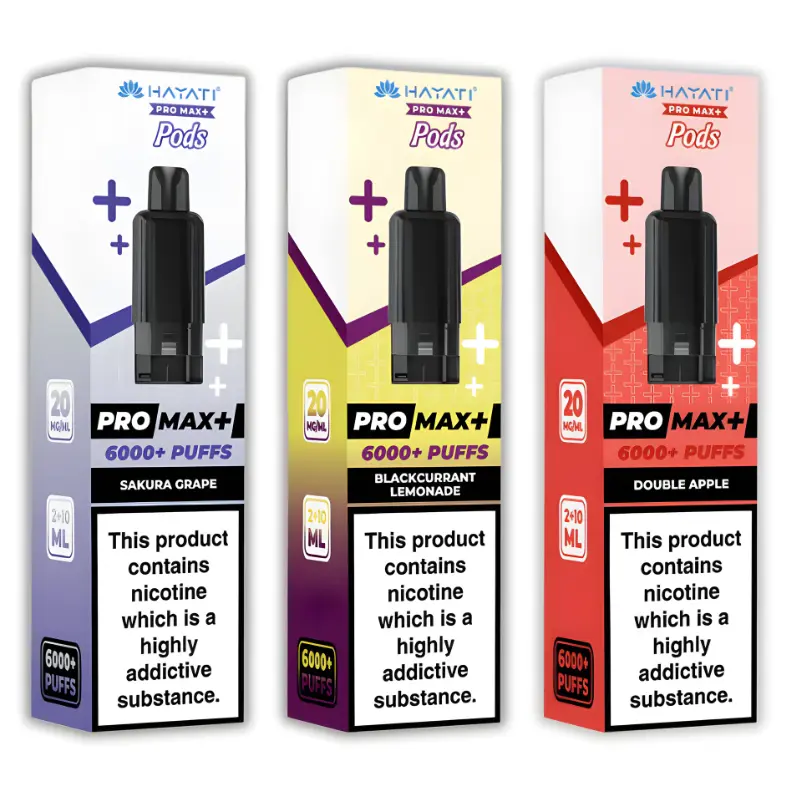
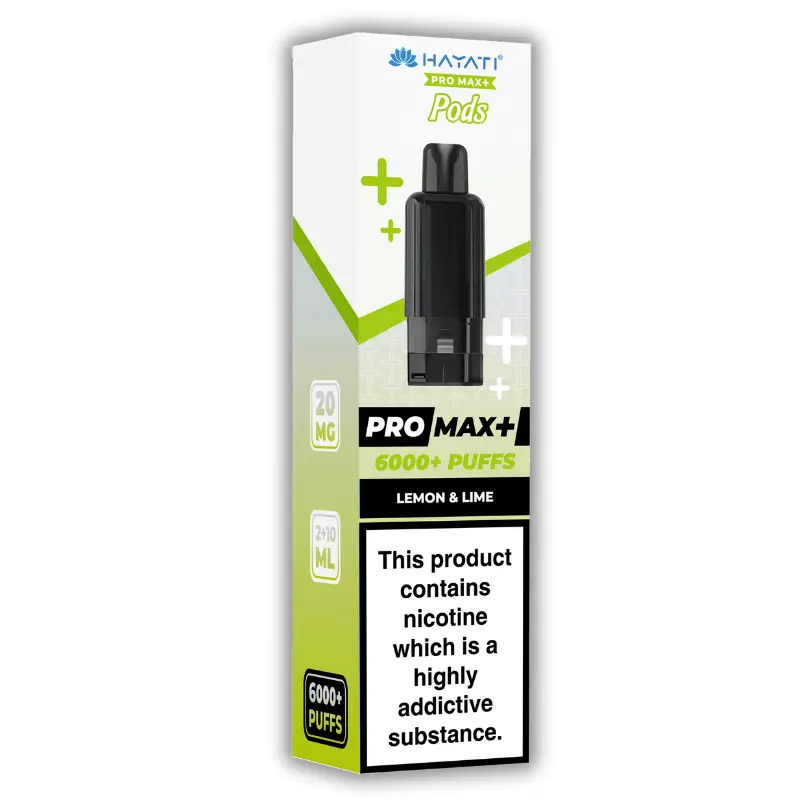
There was a period when each new prefilled release carried a bigger number on the box than the one before it. That has levelled off. The recent arrivals sit in two settled capacity bands rather than pushing past the top of the previous one: 12ml at a rating of up to 6,000 puffs on the manufacturer's laboratory figures, and 22ml at up to 25,000 on the same basis. Nothing in the current crop tries to beat 22ml.
The interesting movement is underneath. The 12ml band has been filling in steadily with flavour after flavour, while the 22ml band has been adding relatively few. Sixteen of the recent 12ml arrivals are kits and ten more are the matching bare pods. The 22ml band added ten flavours in kit form and the same ten as pods. So the range is not stretching upward any more, it is thickening in the middle, and the middle is where almost all of the flavour experimentation is happening.
That matters for a buying decision. If capacity is what you care about, the 22ml tier has been stable for a while and will probably stay that way, so there is no reason to wait for something larger. If flavour choice is what you care about, the opposite applies, because the 12ml tier is where the schedule is putting its effort.
The kit and the refill separated into two purchases
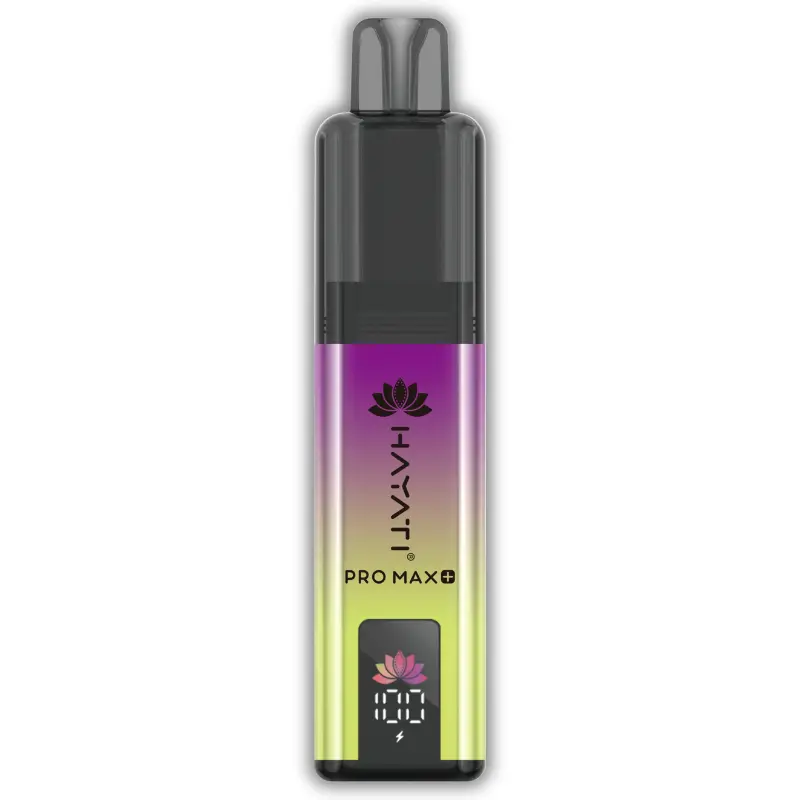
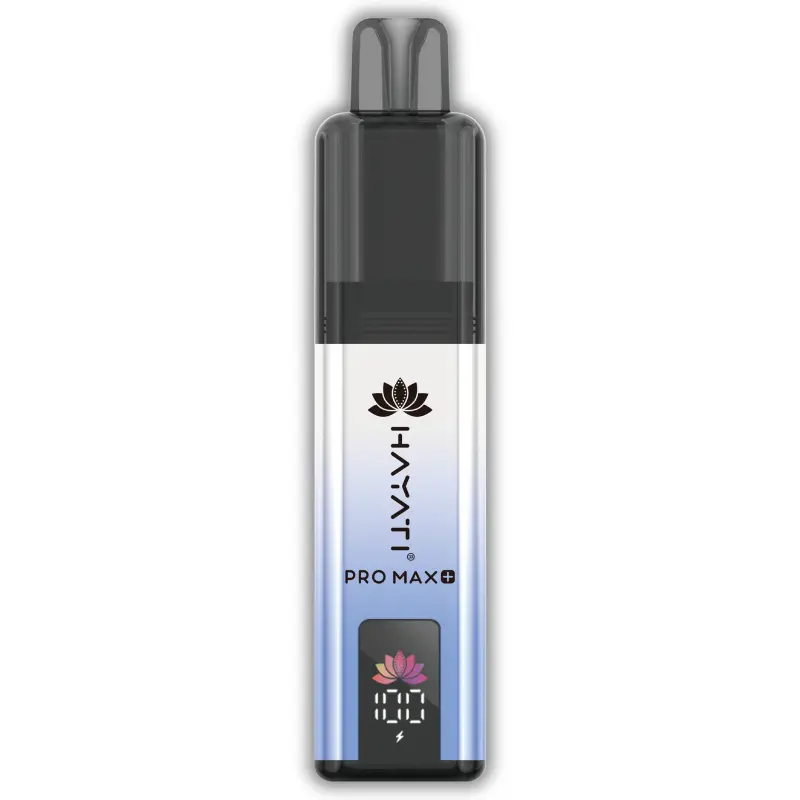
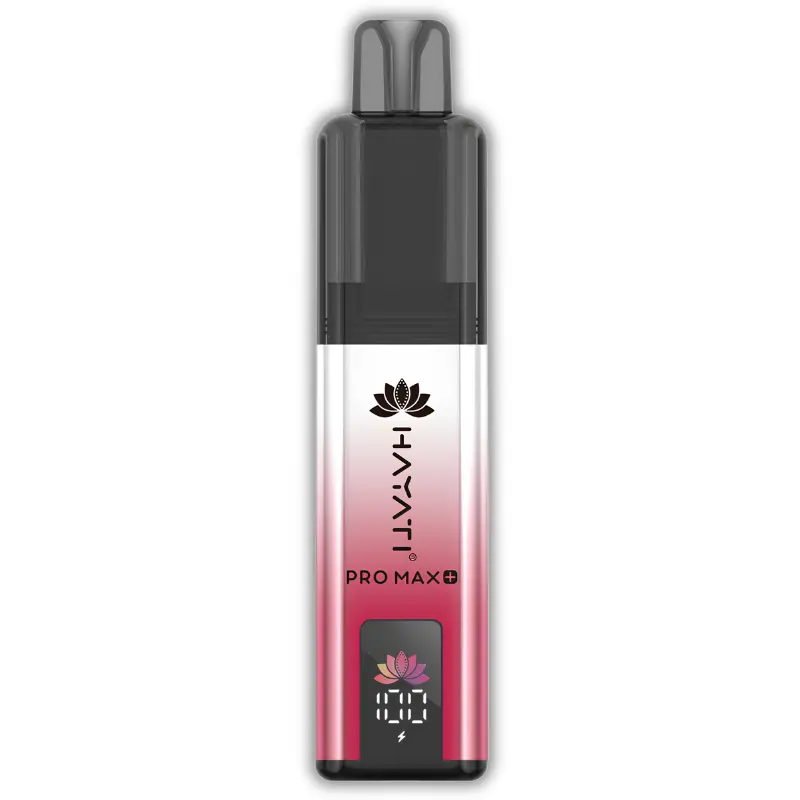
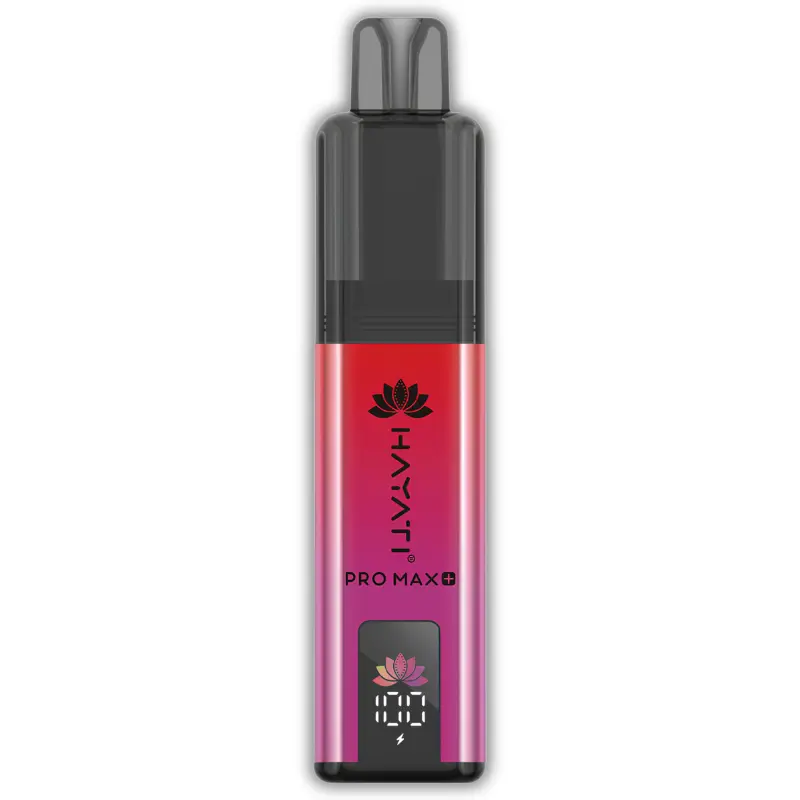
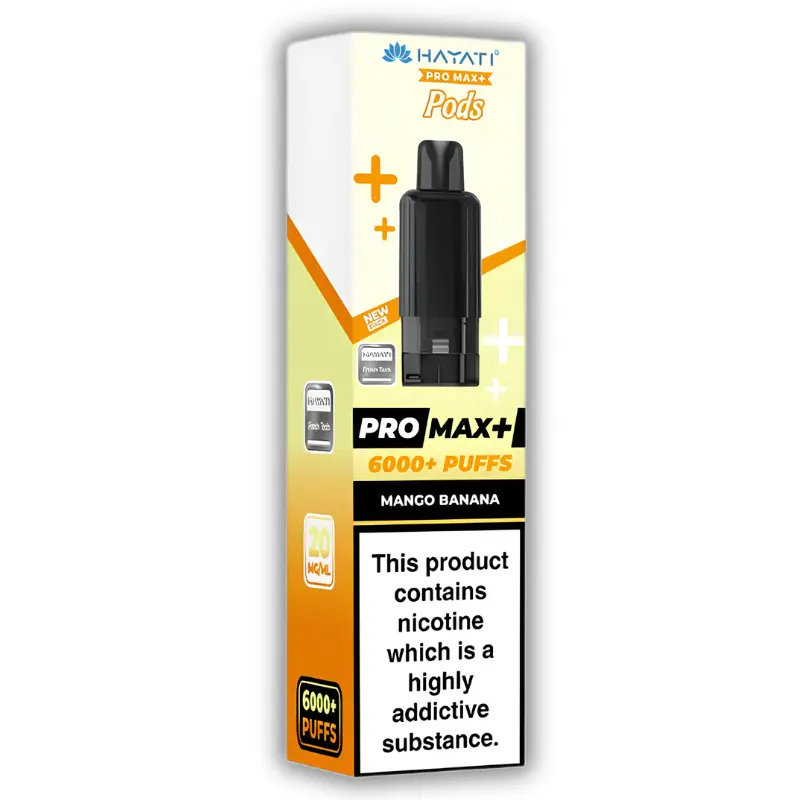
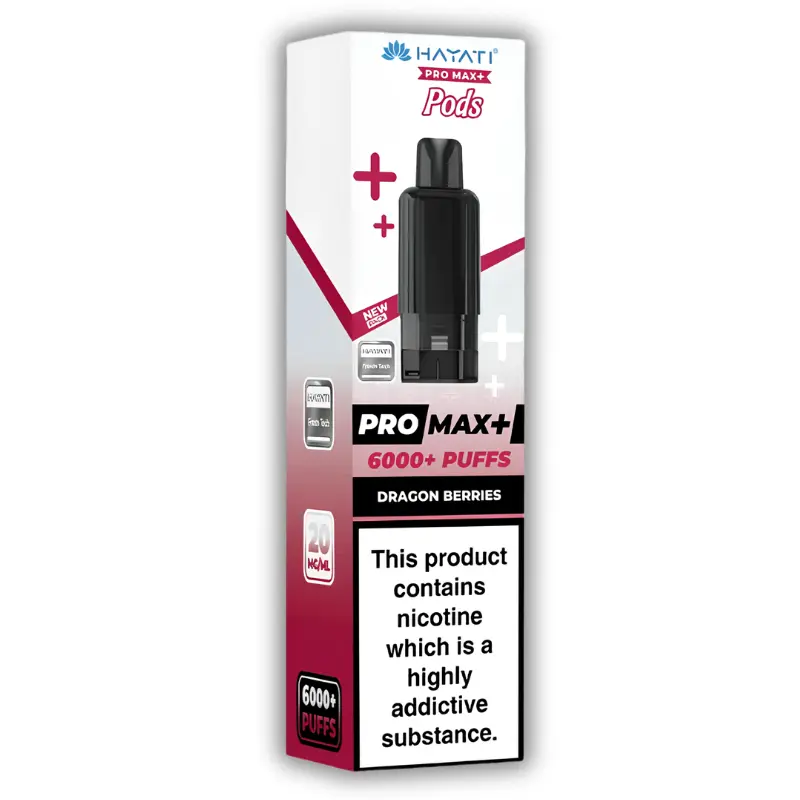
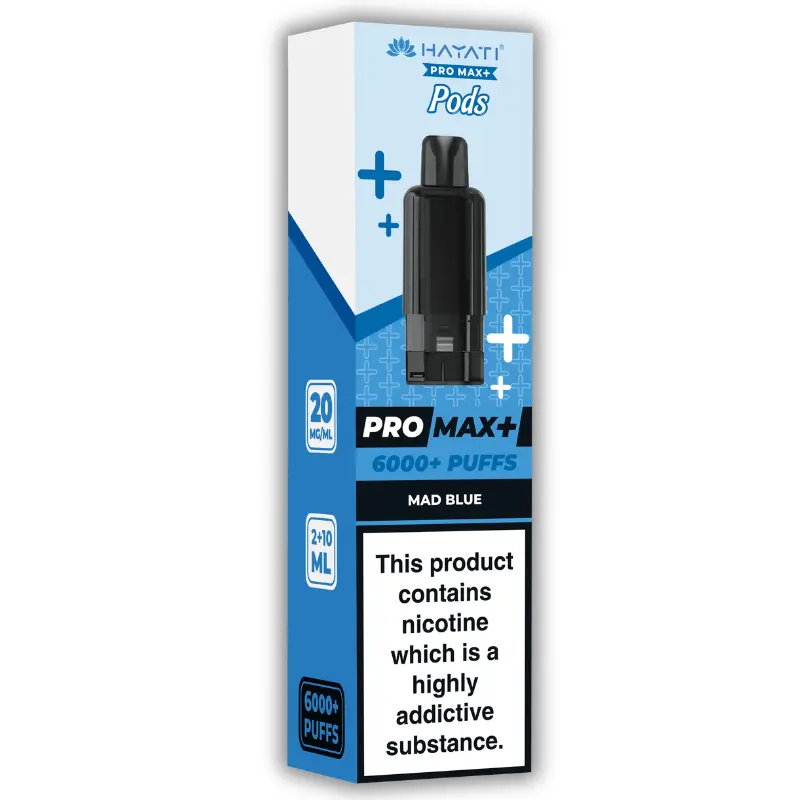
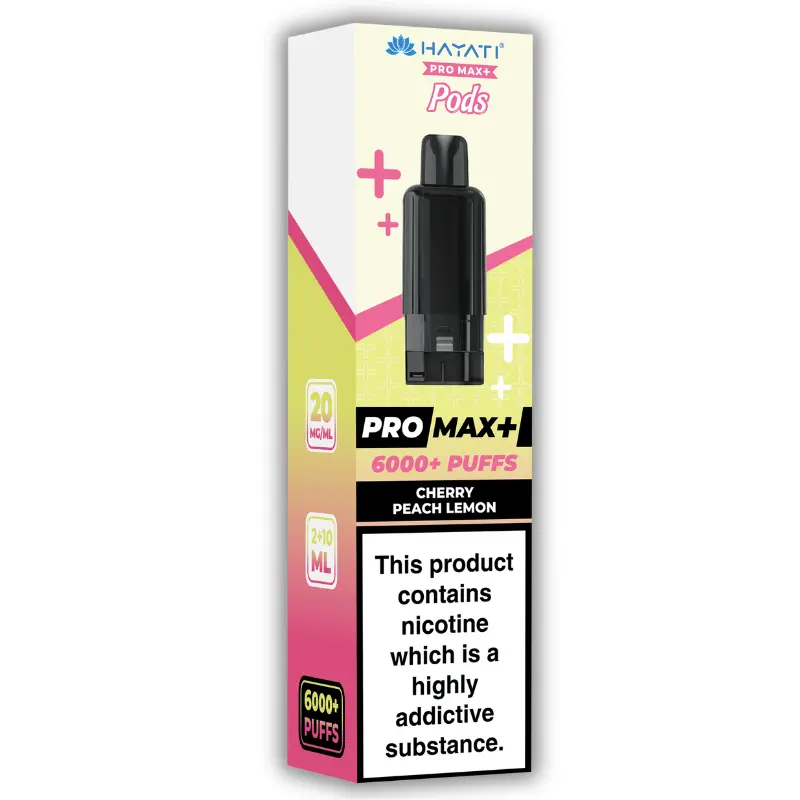
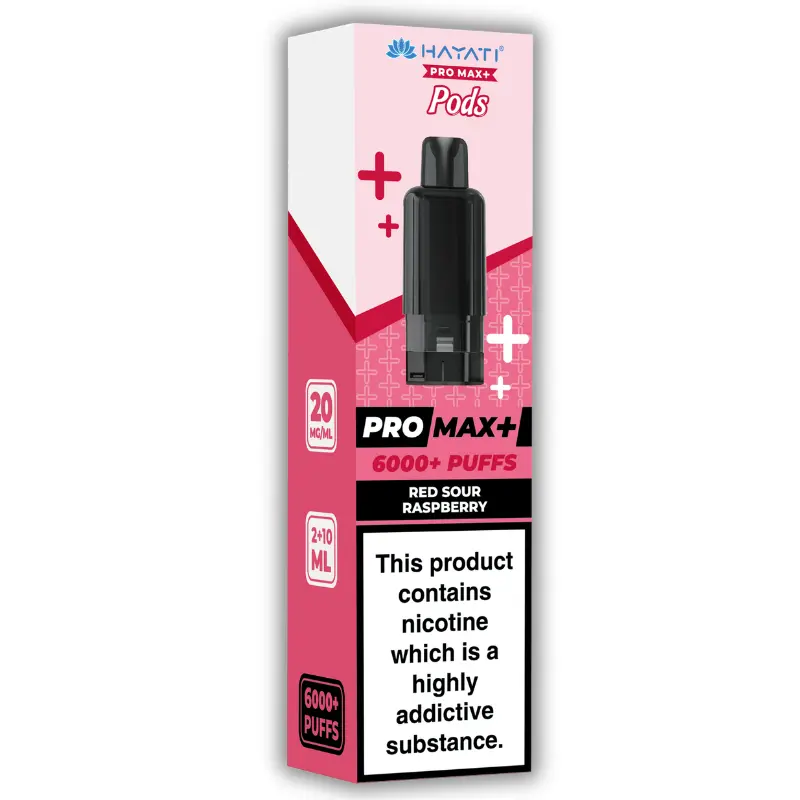
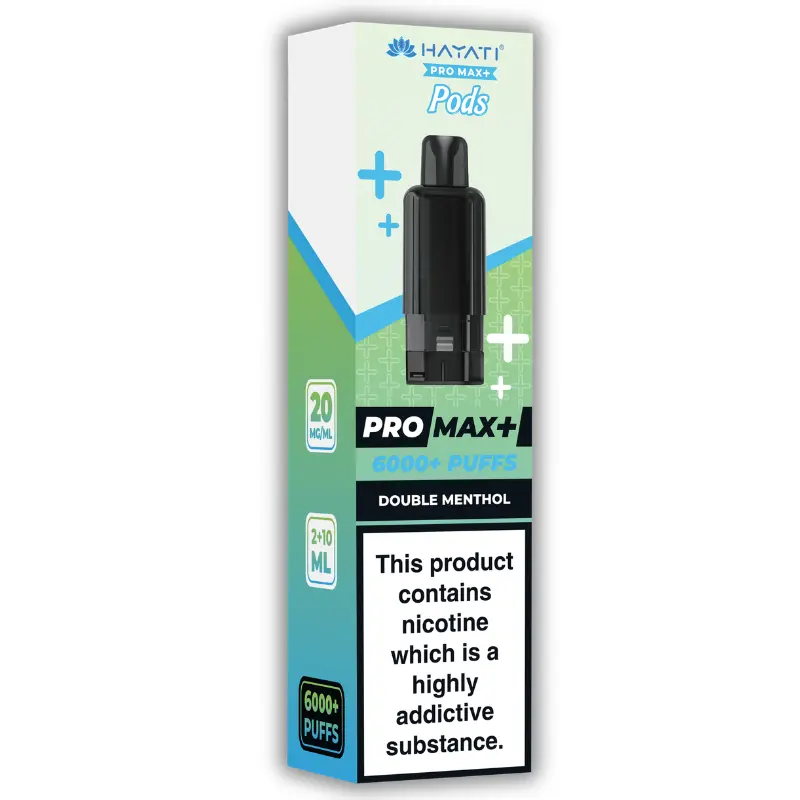
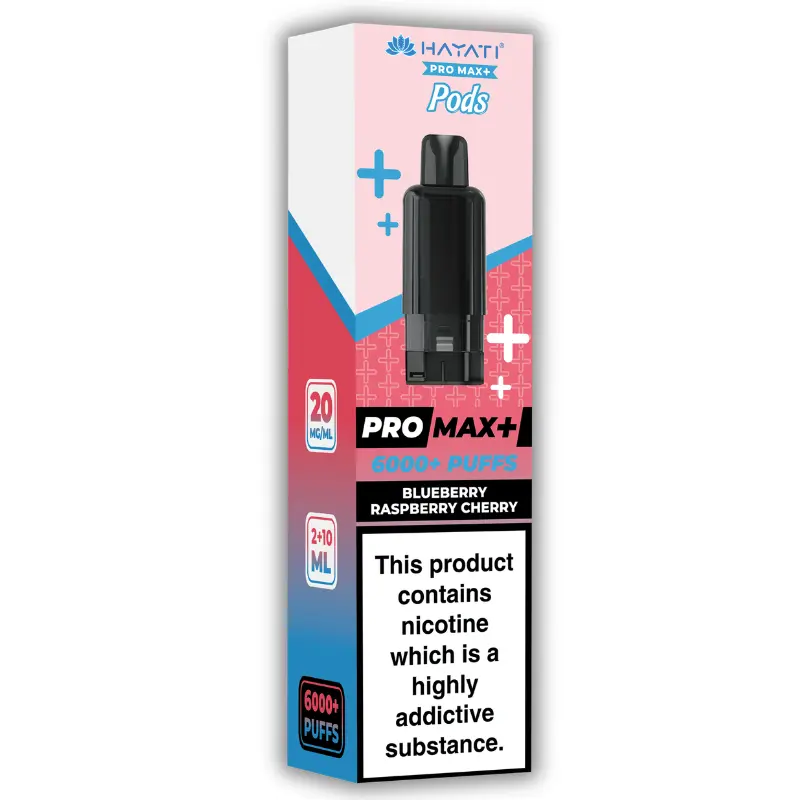
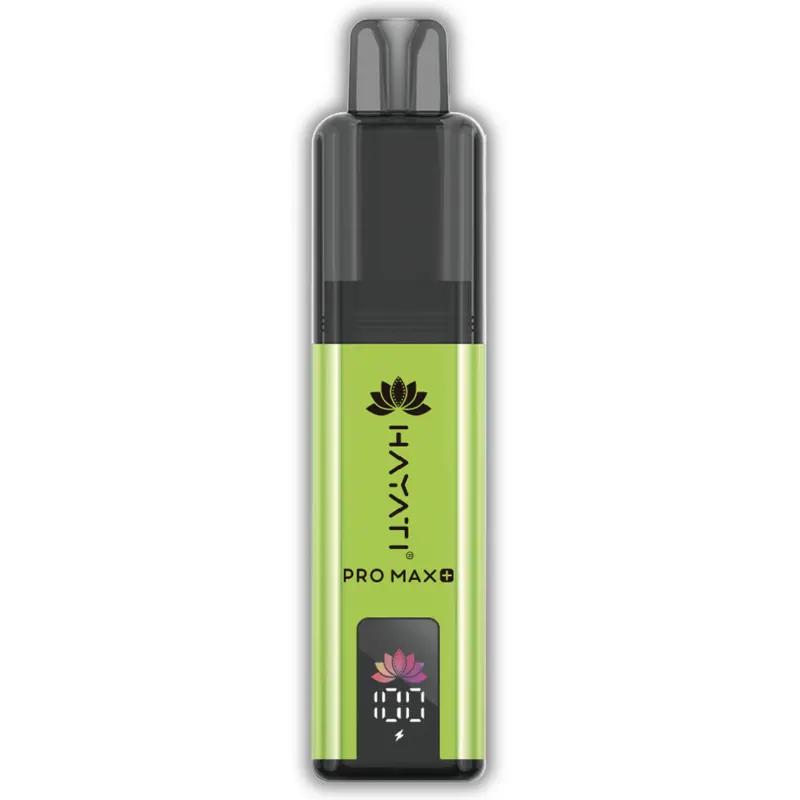
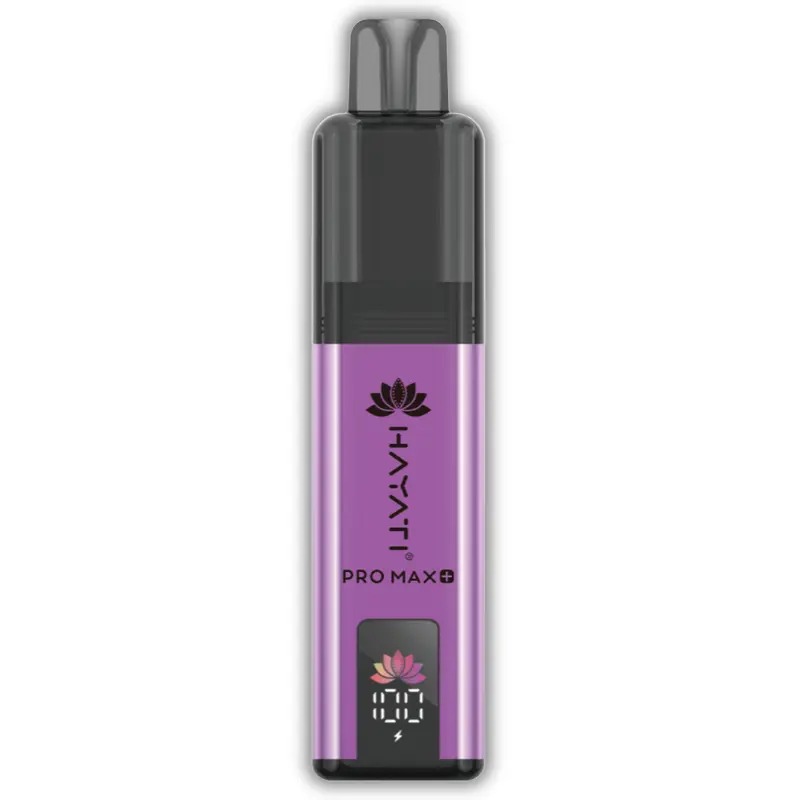
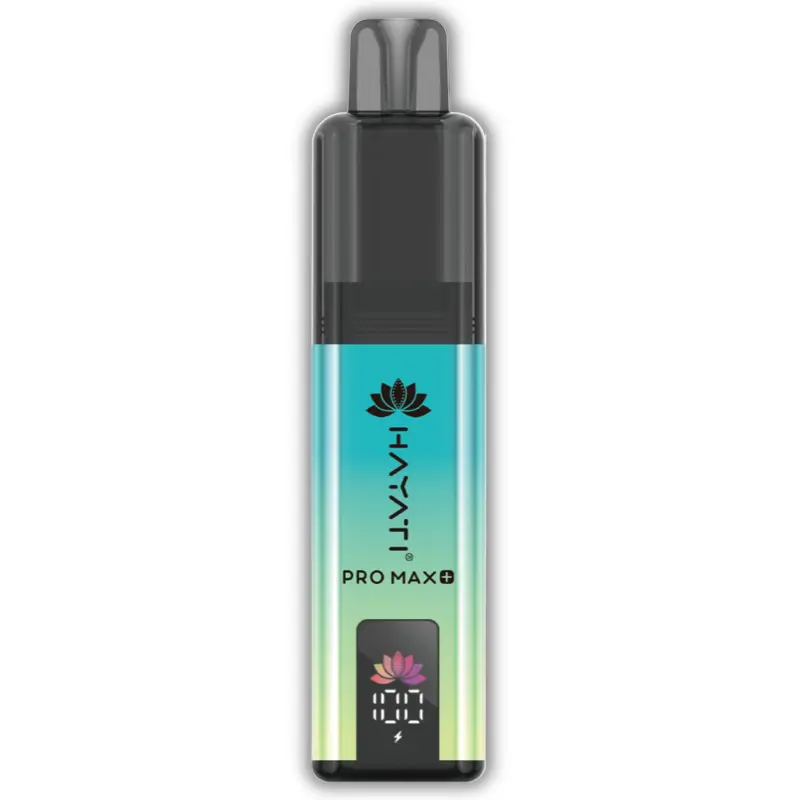
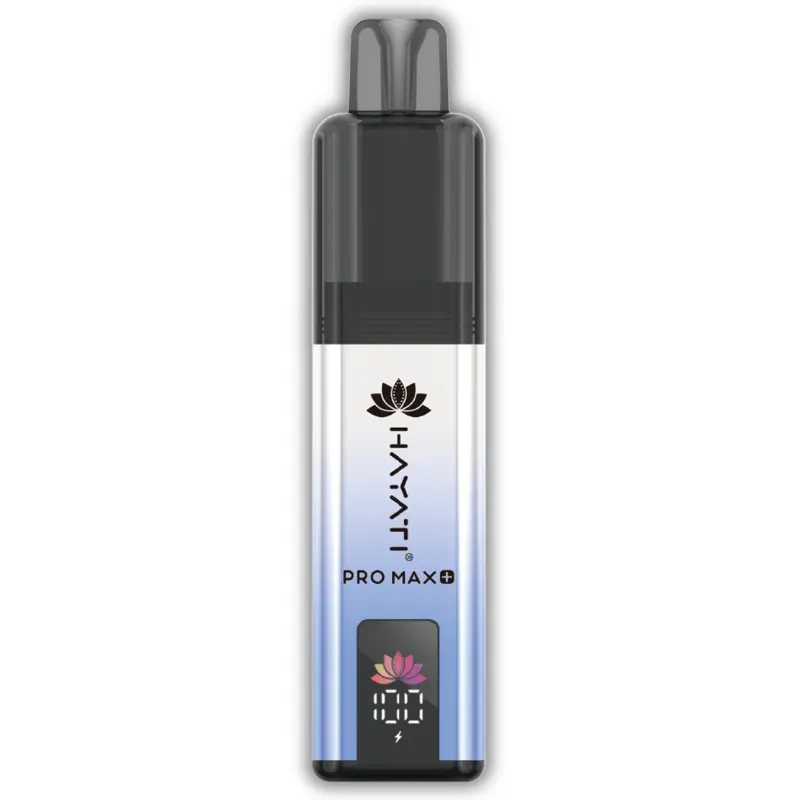
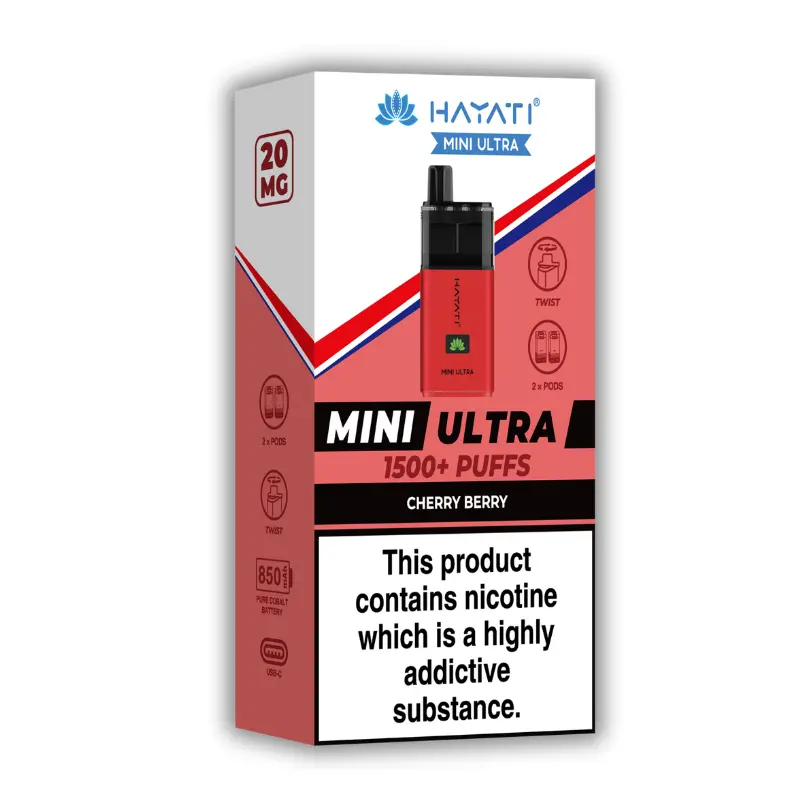
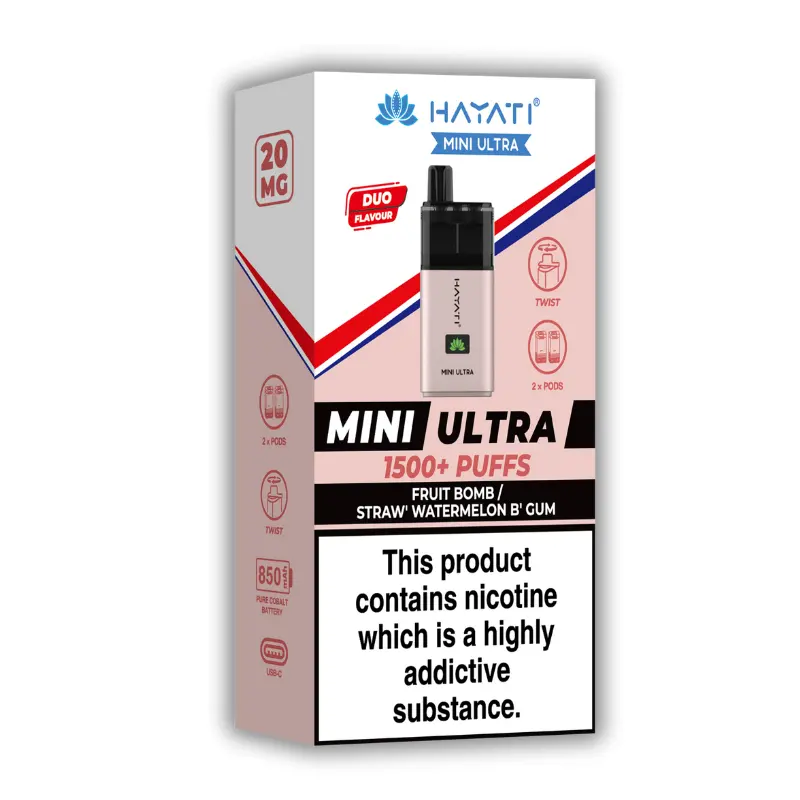
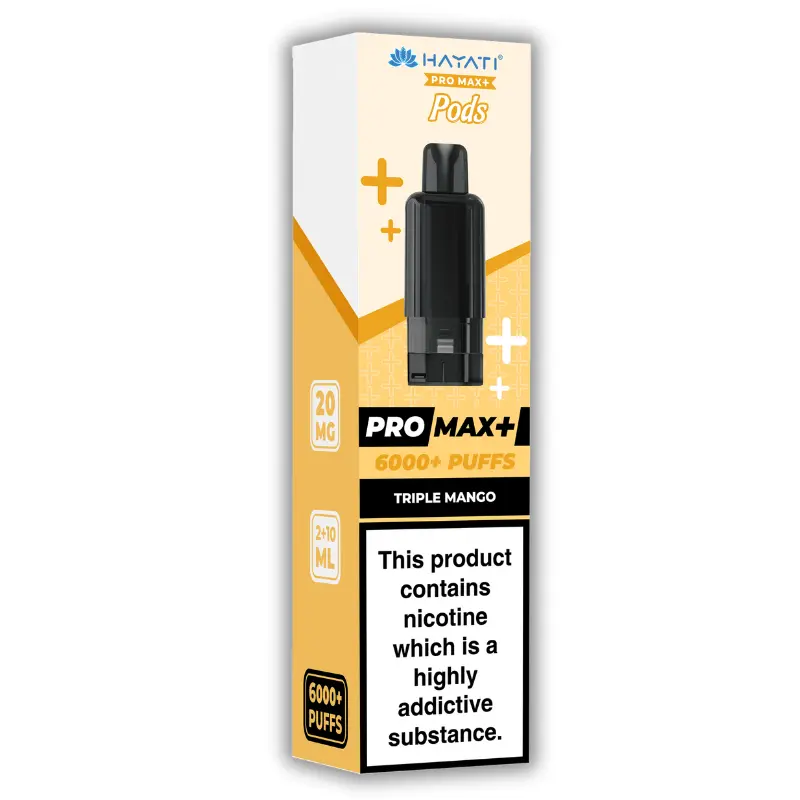
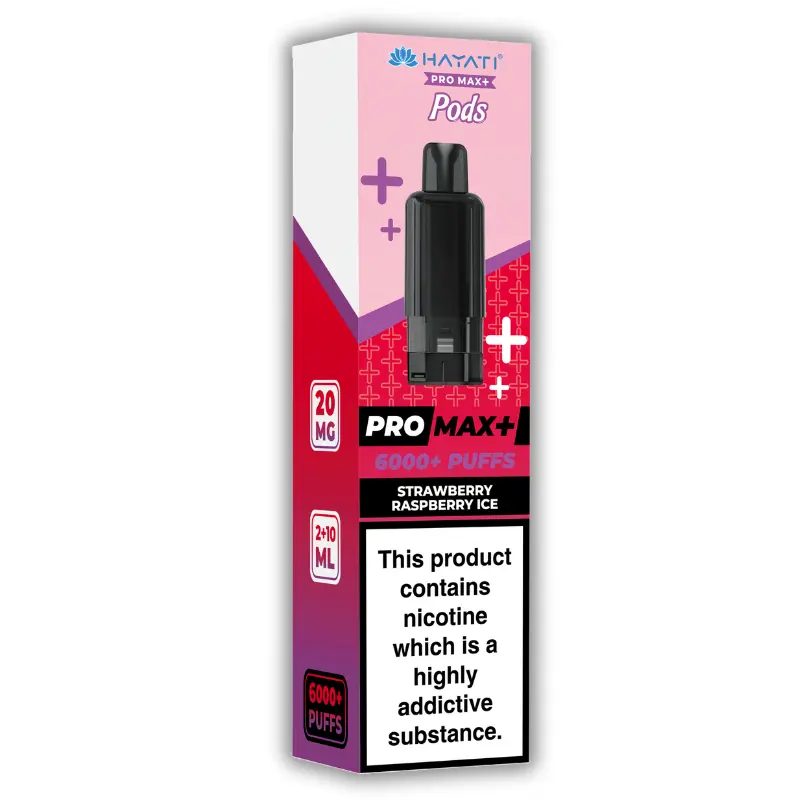
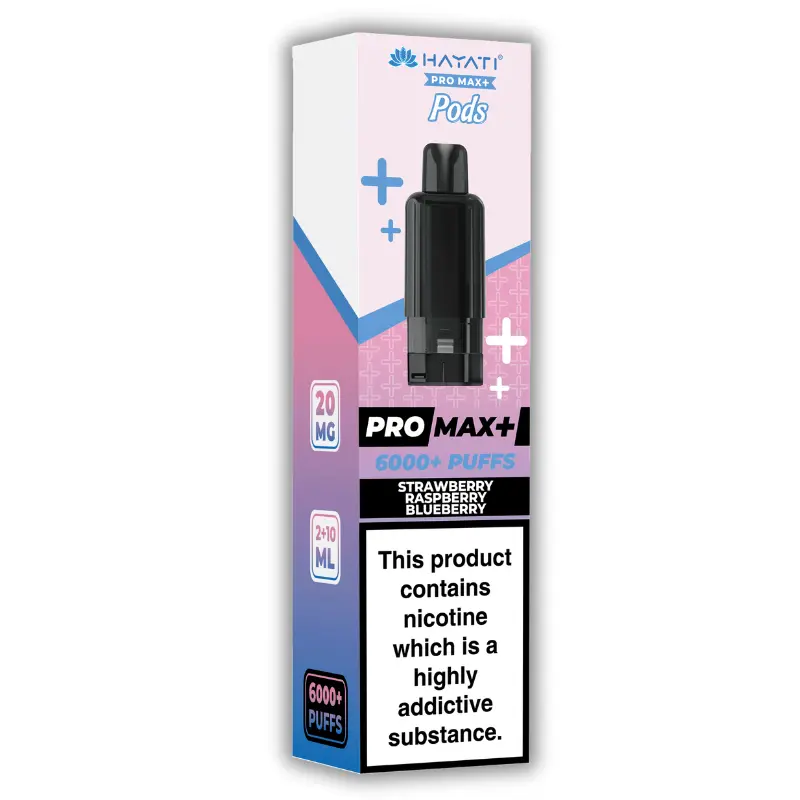
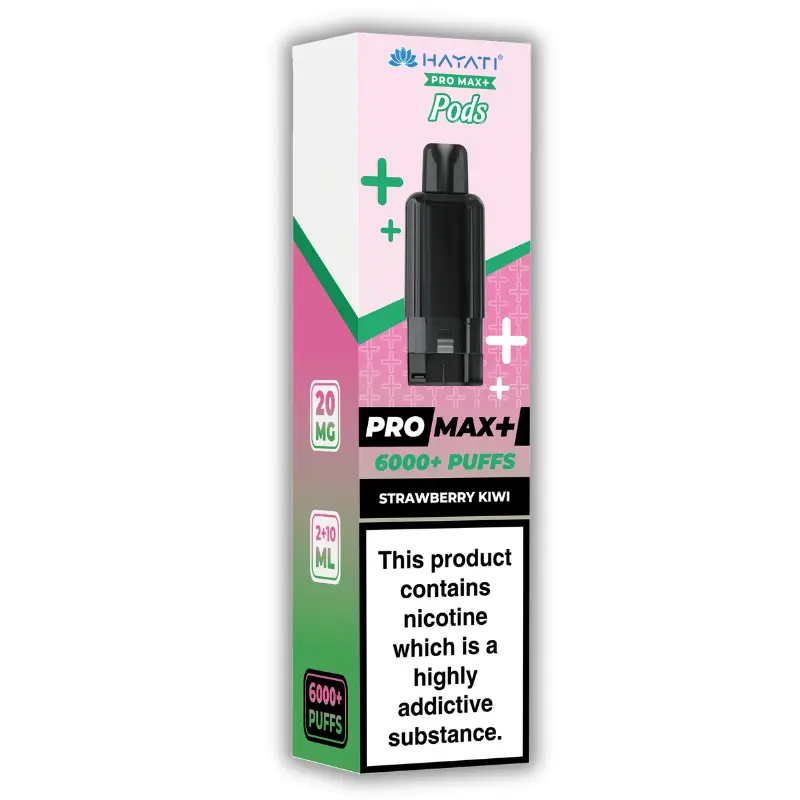
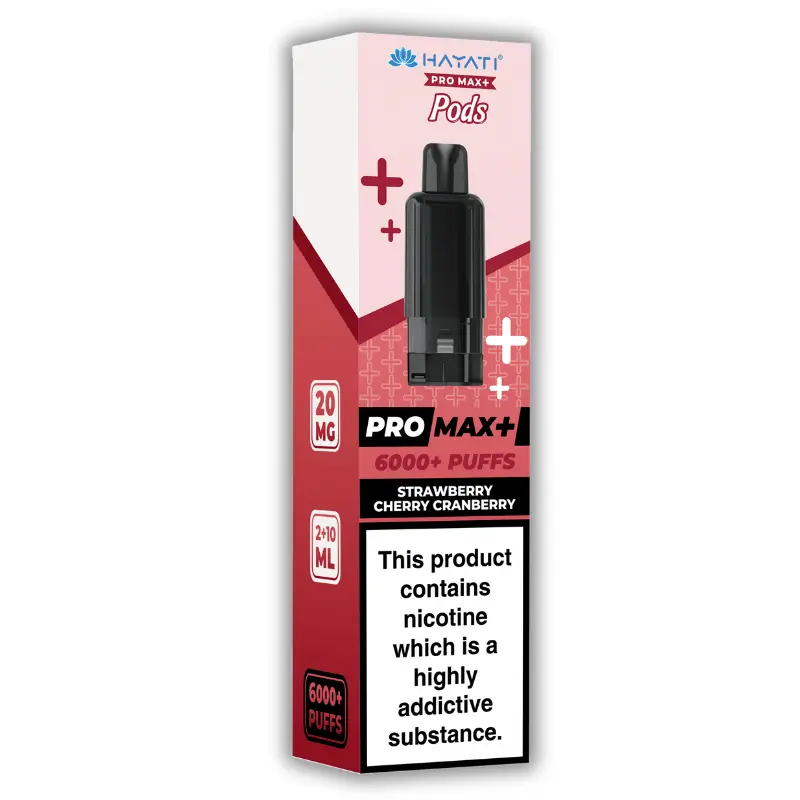
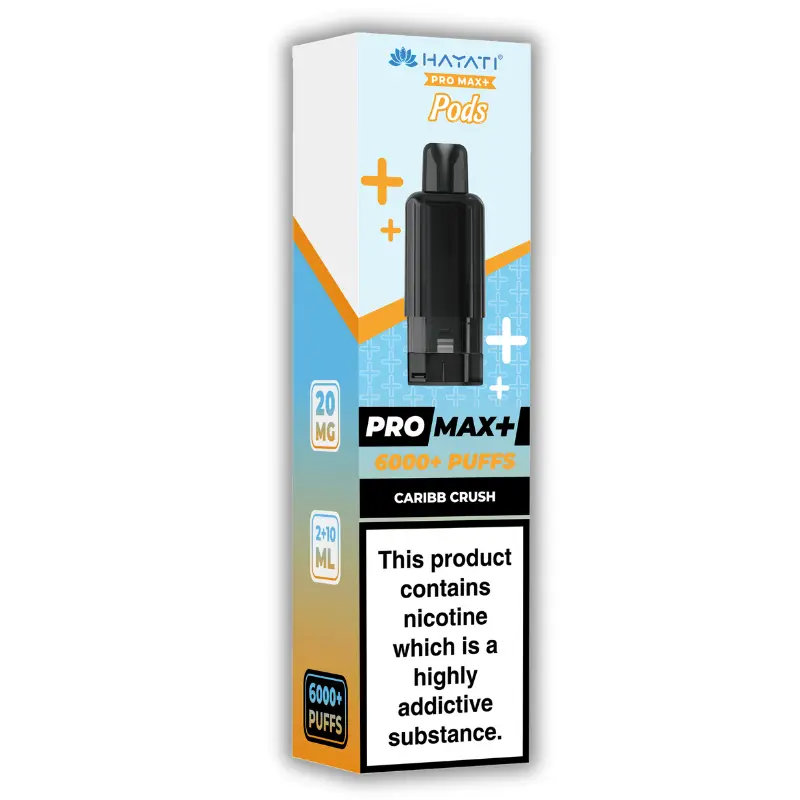
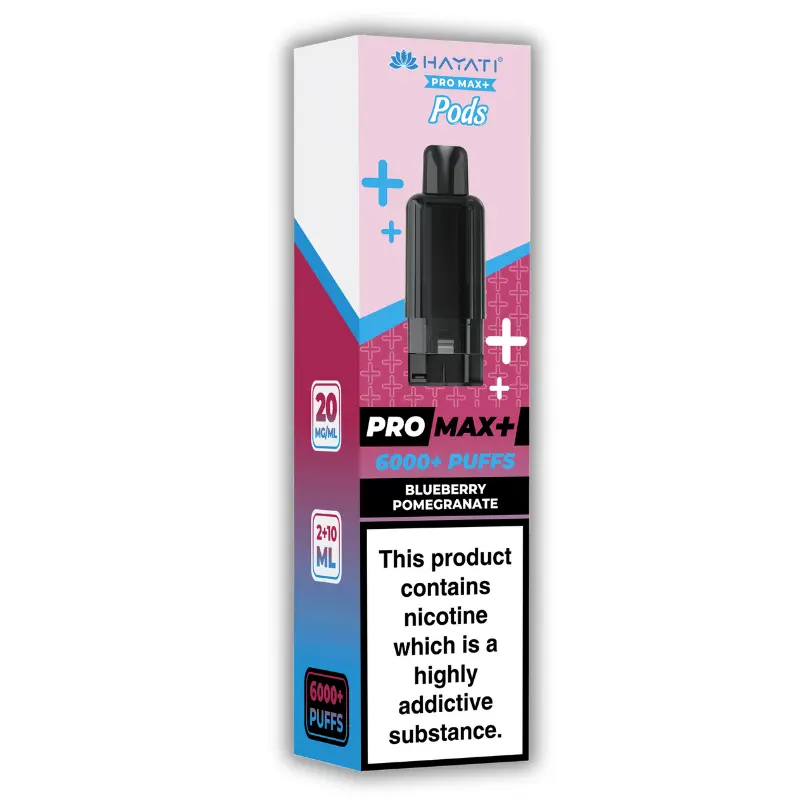
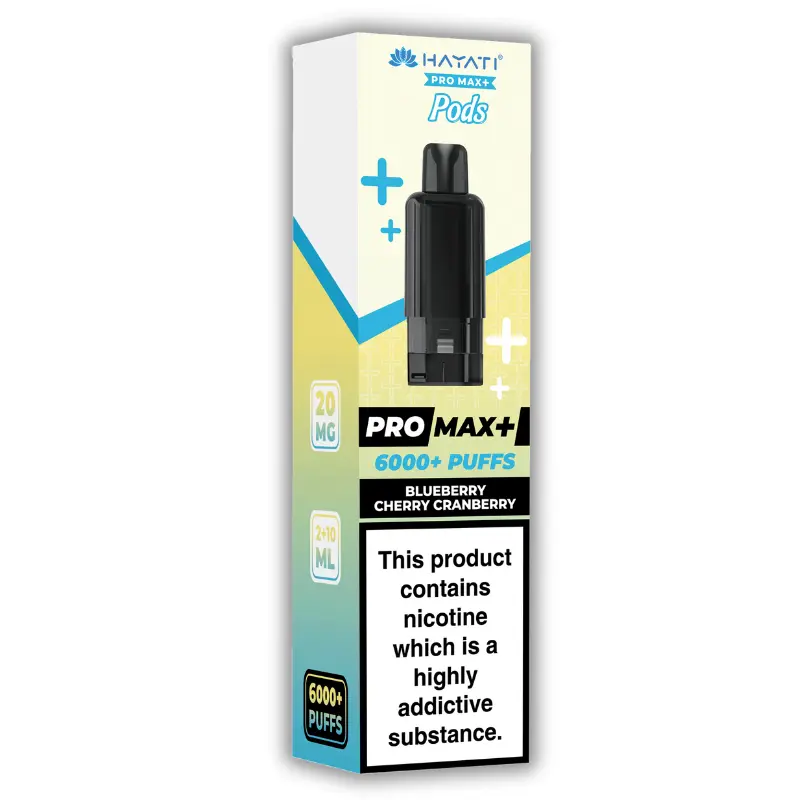
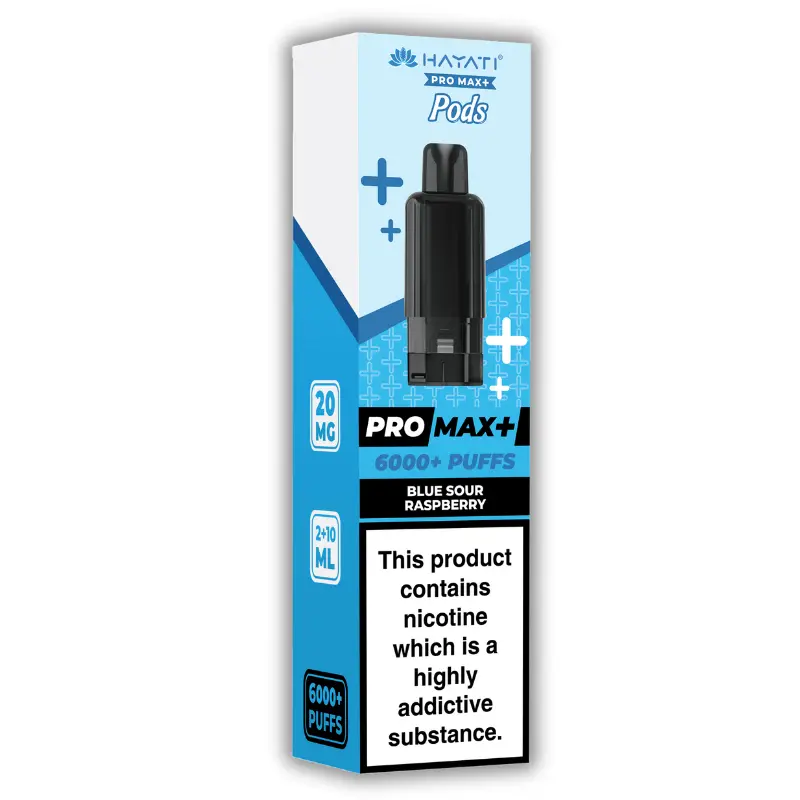
A visible share of the recent arrivals are pods with no device in the box, listed separately from a kit of the same name that arrived earlier. Mango Banana at £5.49 and Dragon Berries at £5.49 are pods only. The kit versions of both, Mango Banana and Dragon Berries, cost £7.99 and include the 850mAh device.
The £2.50 gap between those two listings is the entire story of the format split. You pay it once for the battery and never again, provided you keep the battery. Every subsequent flavour change costs £5.49 instead of £7.99. The range is increasingly built on the assumption that you will do exactly that, which is why Hayati Pods and Hayati Pod Kits exist as separate shelves rather than one combined listing.
There is a caveat worth stating plainly. The split only saves money if you actually reuse the device, and a proportion of people do not. Devices get lost, left in coat pockets over a winter, or retired because the charging port stops cooperating. If your honest history is that you rarely keep hardware for more than a couple of pods, the kit price is not a premium you are recovering, it is just the price.
Two flavours in one pod stopped being unusual
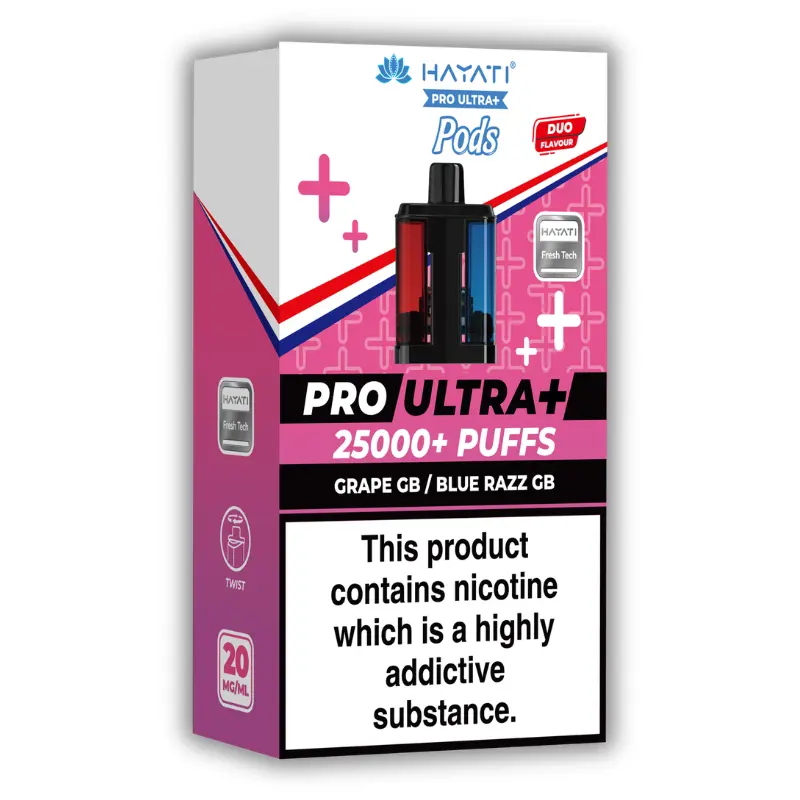
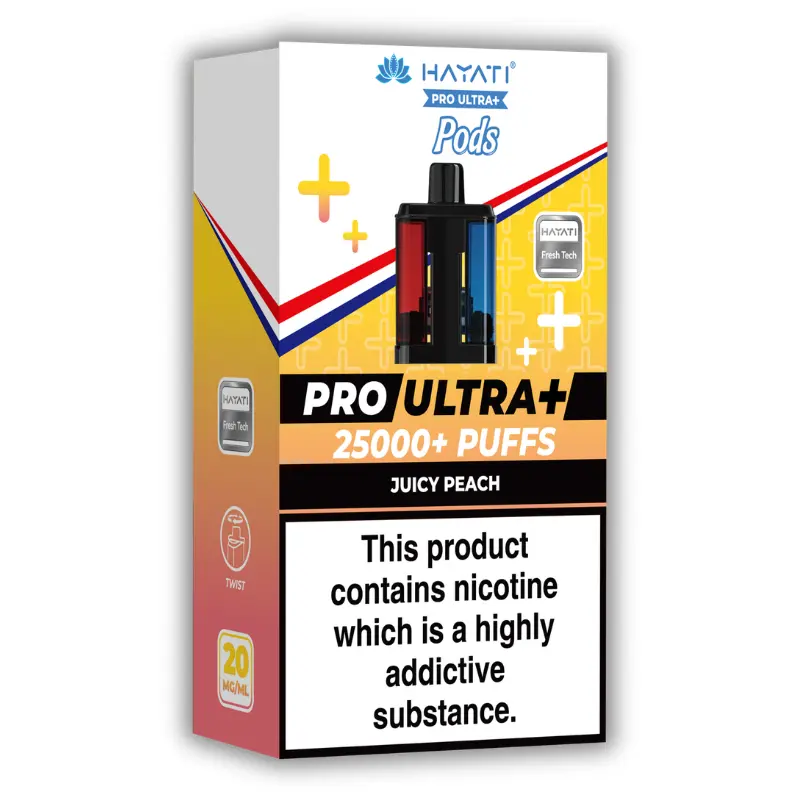
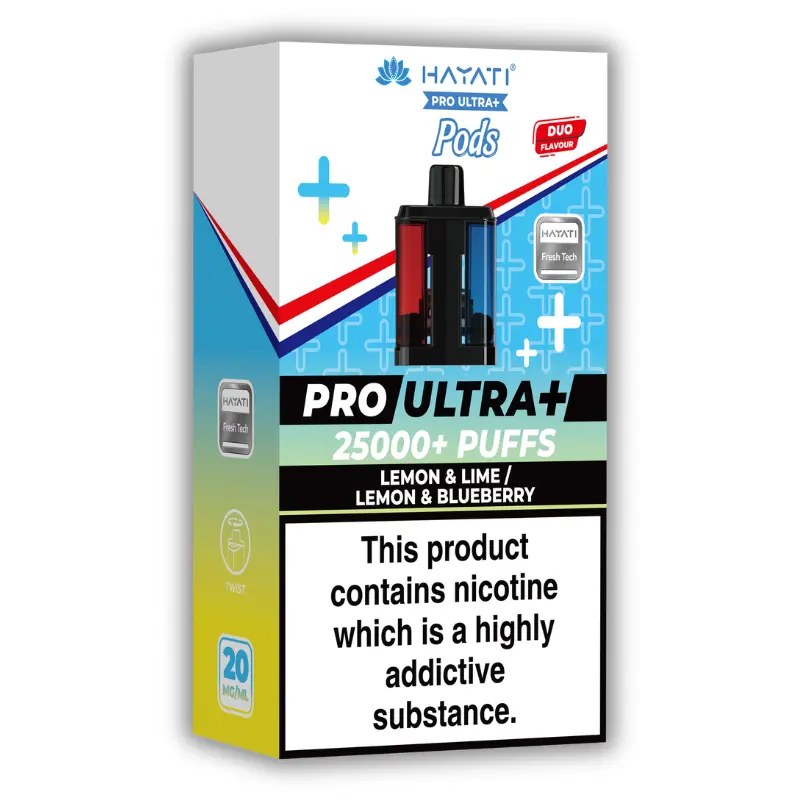
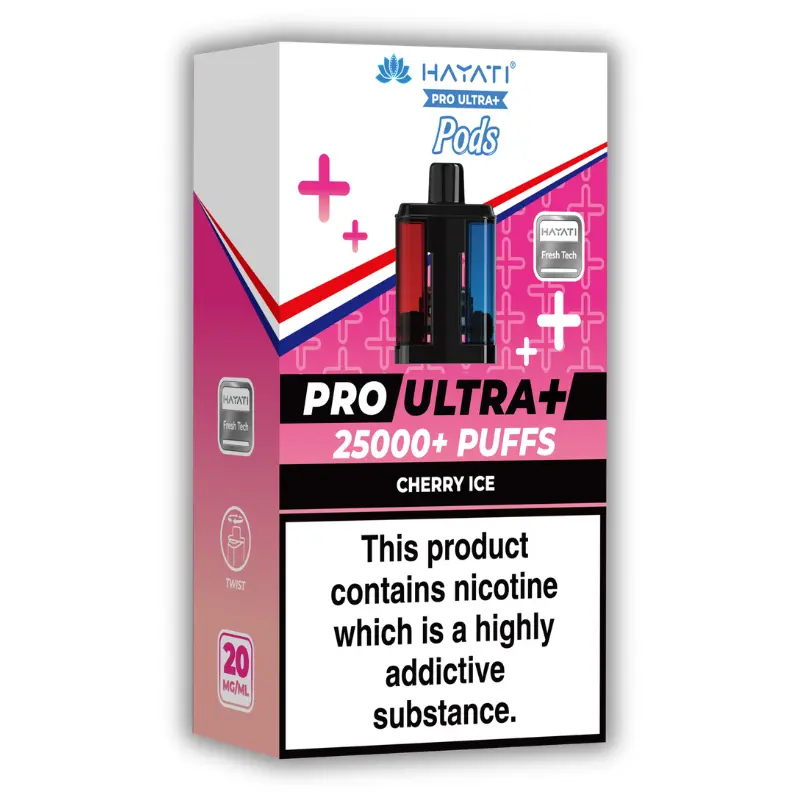
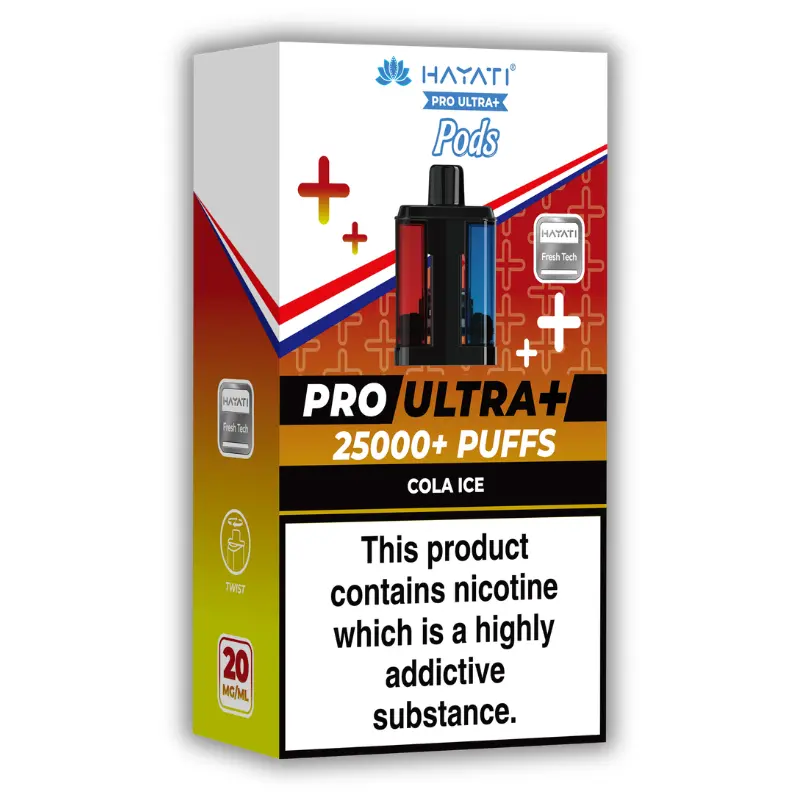
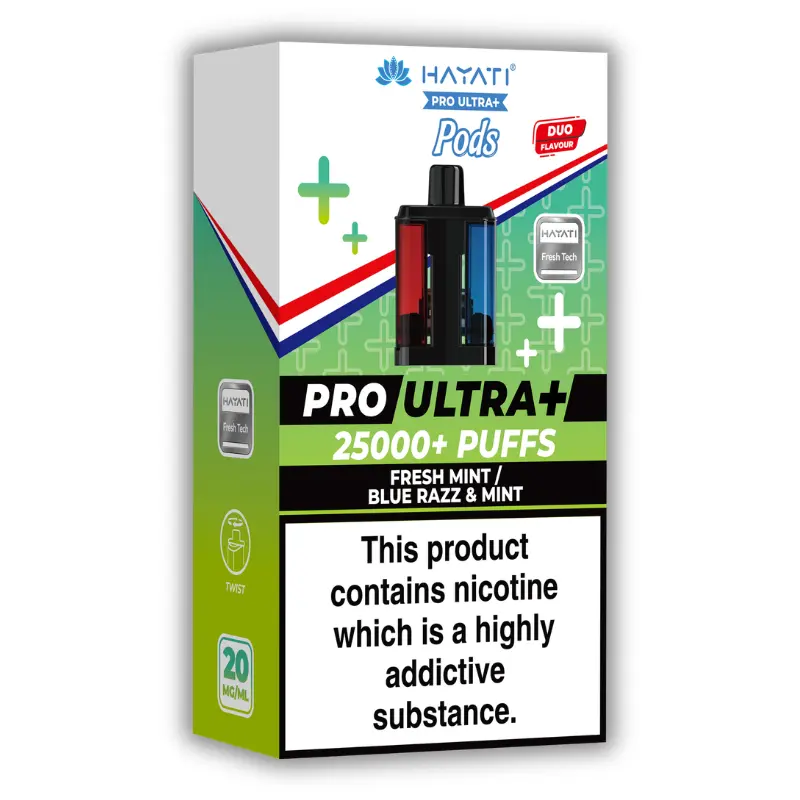
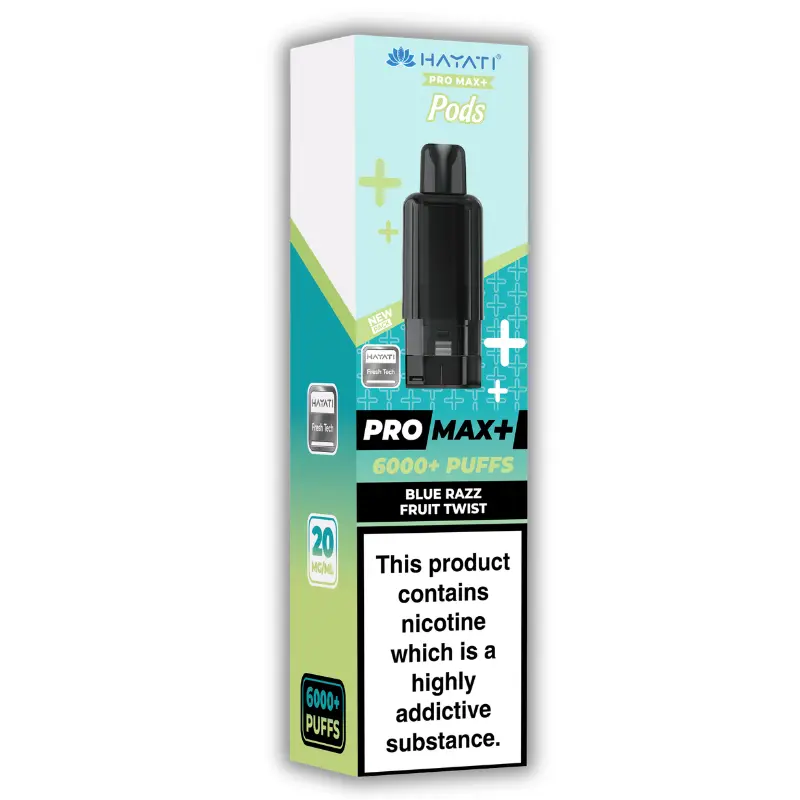
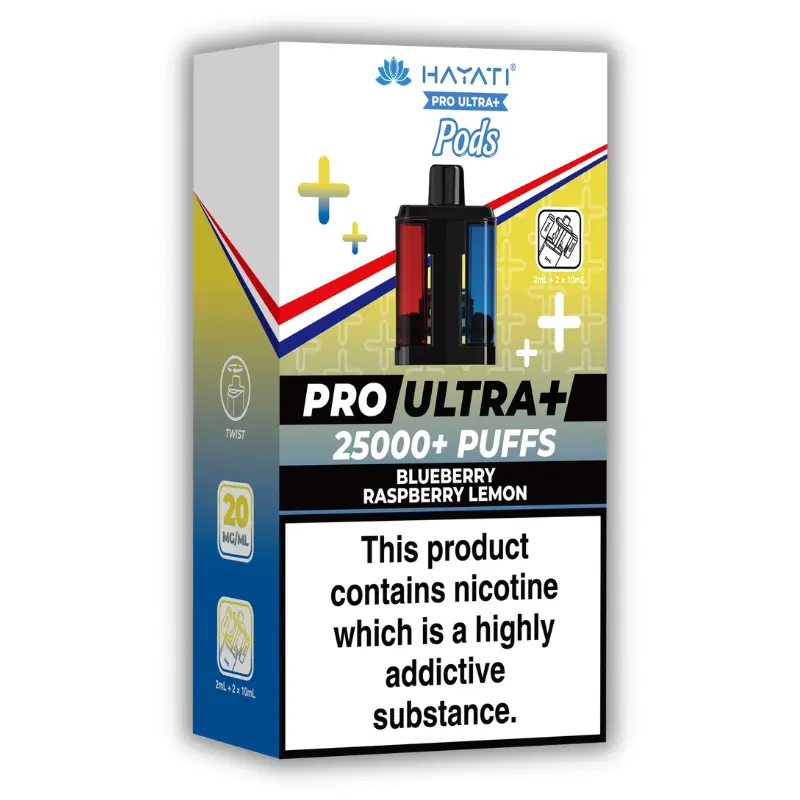
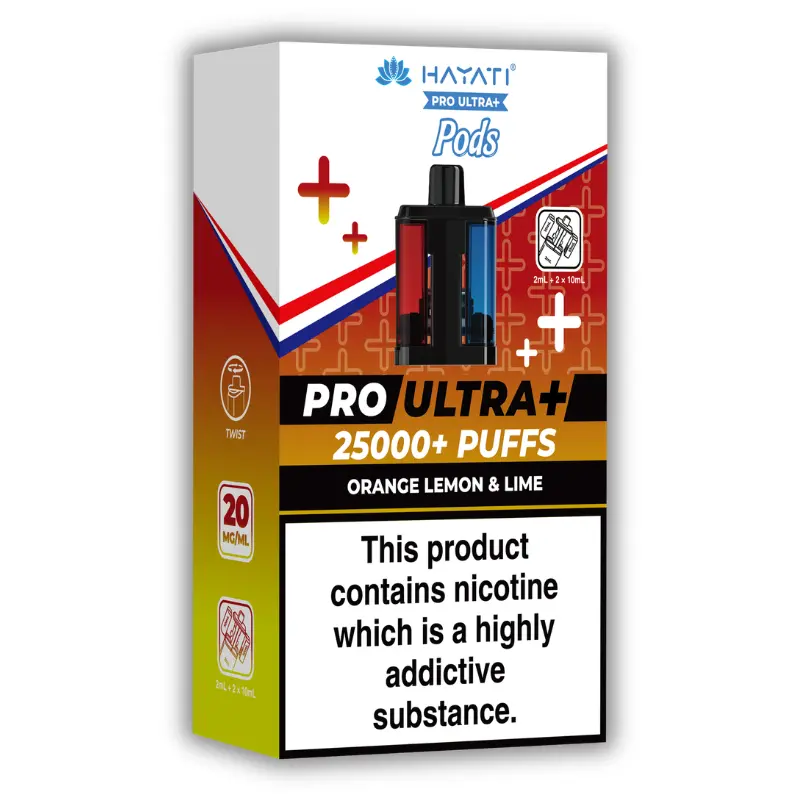
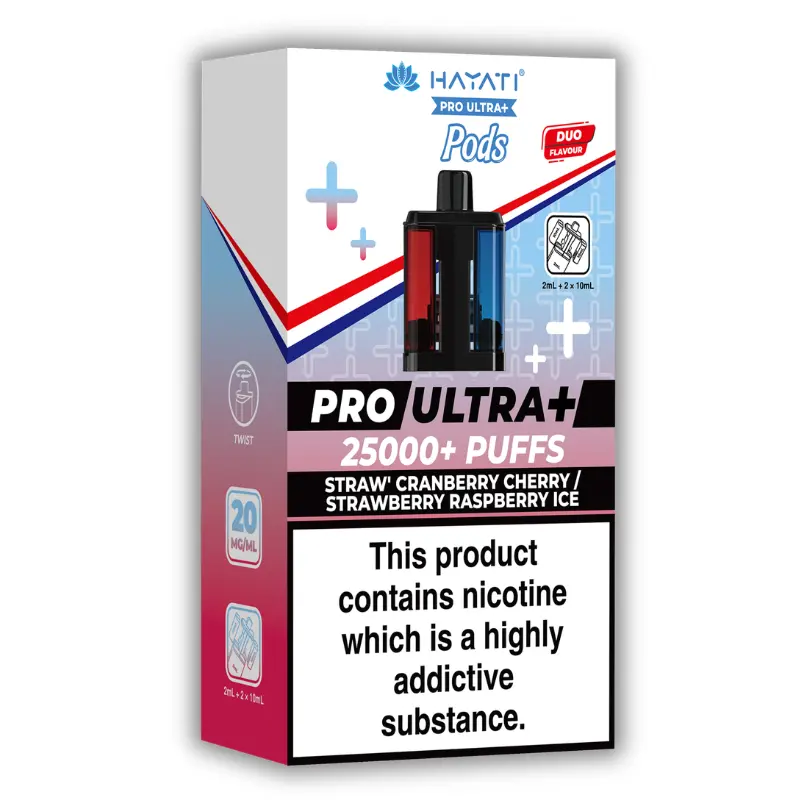
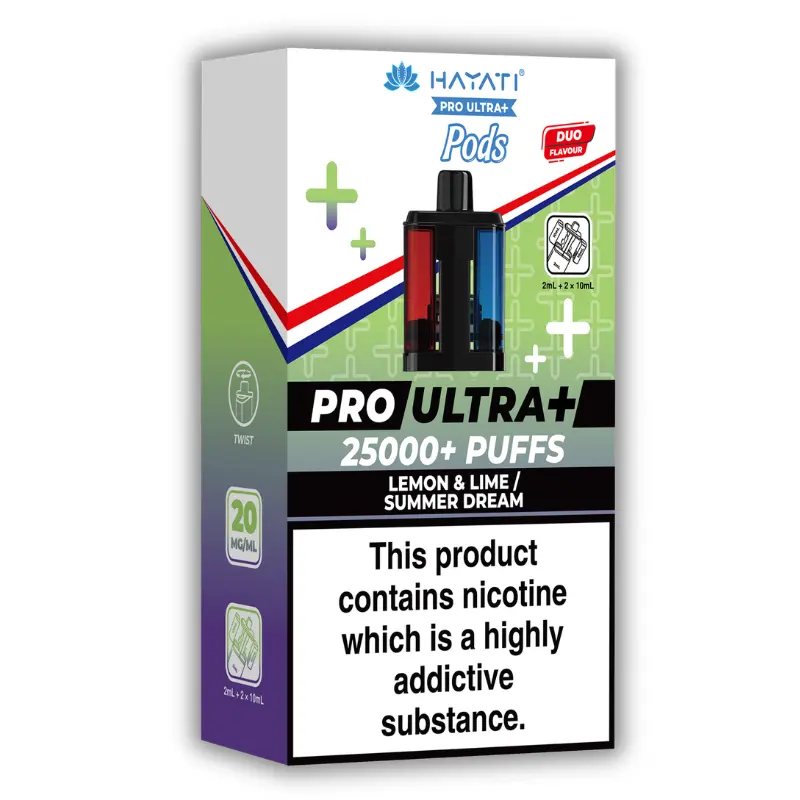
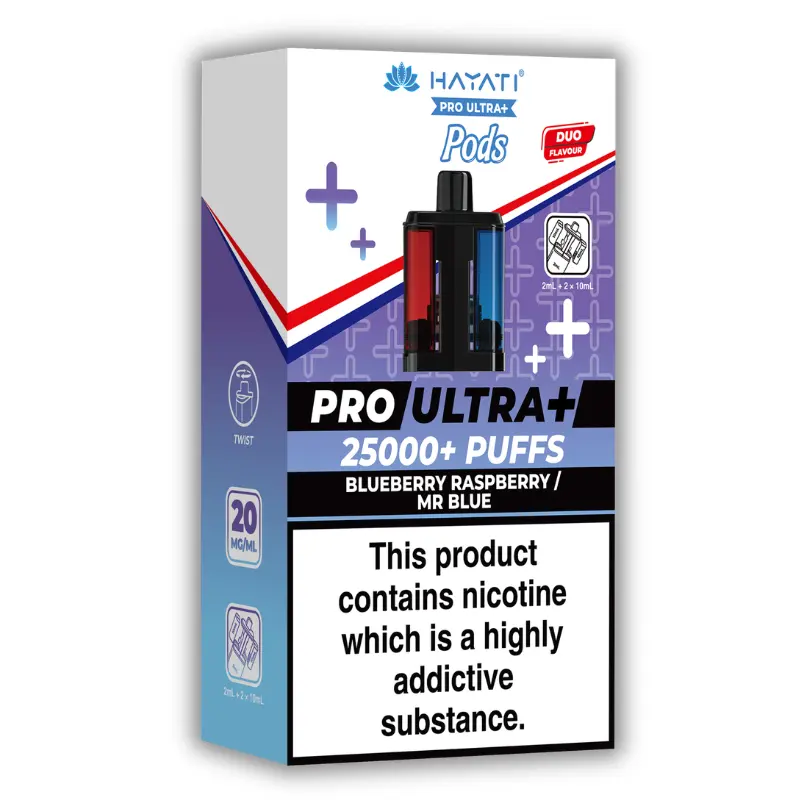
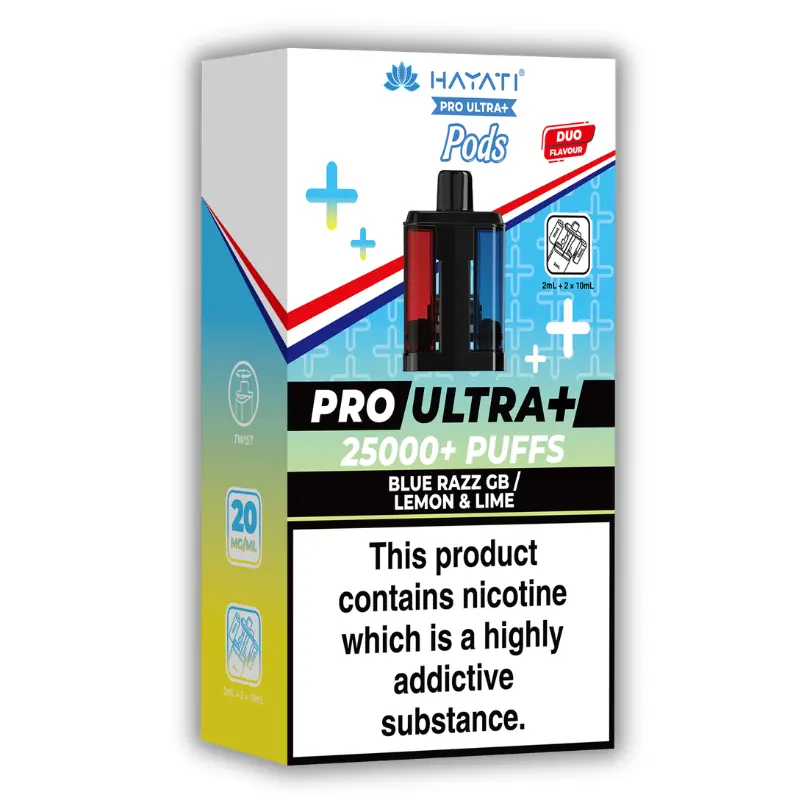
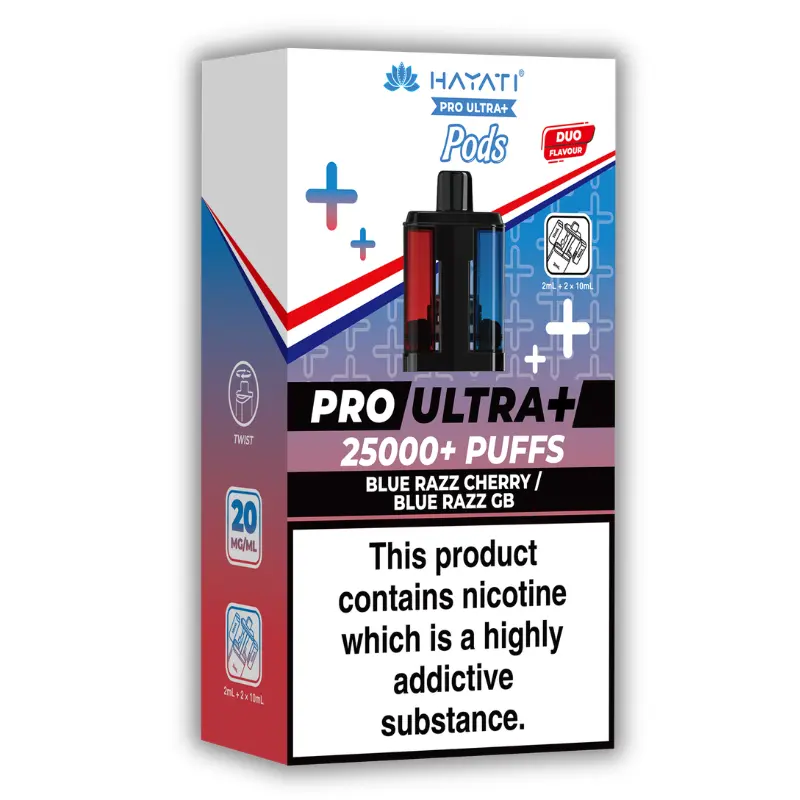
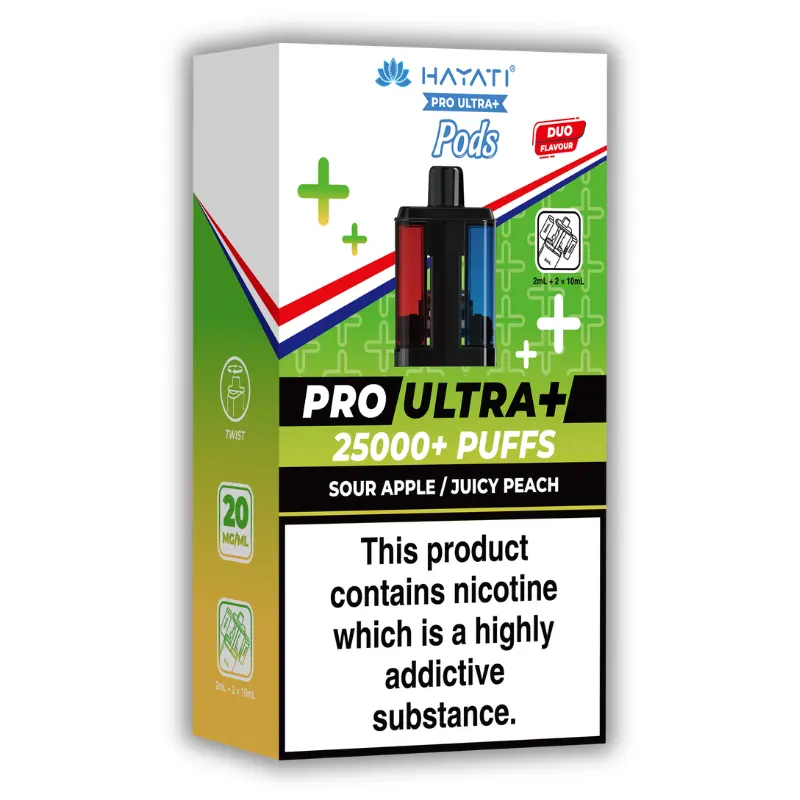
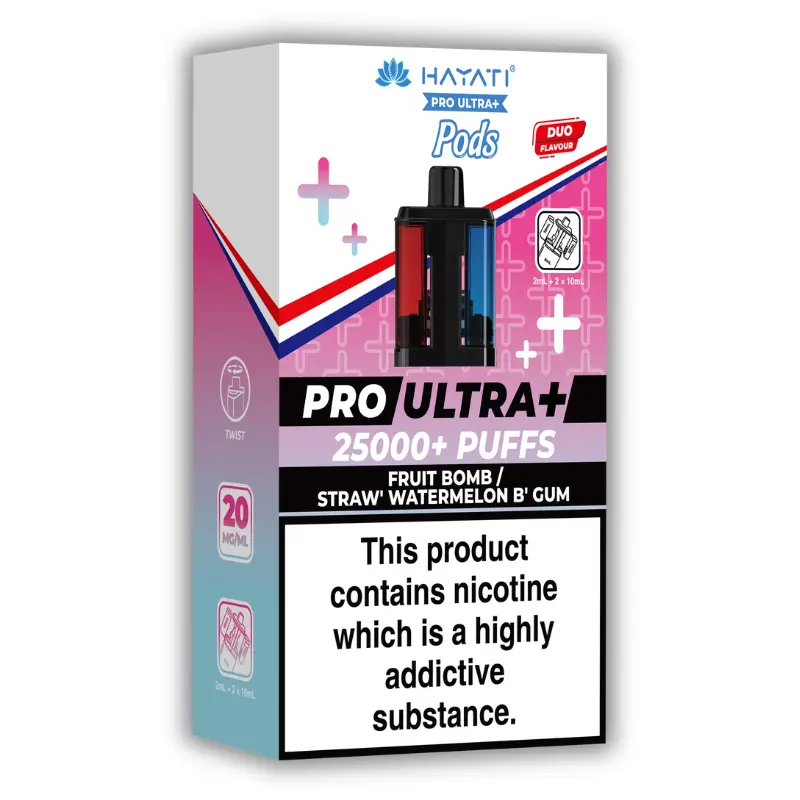
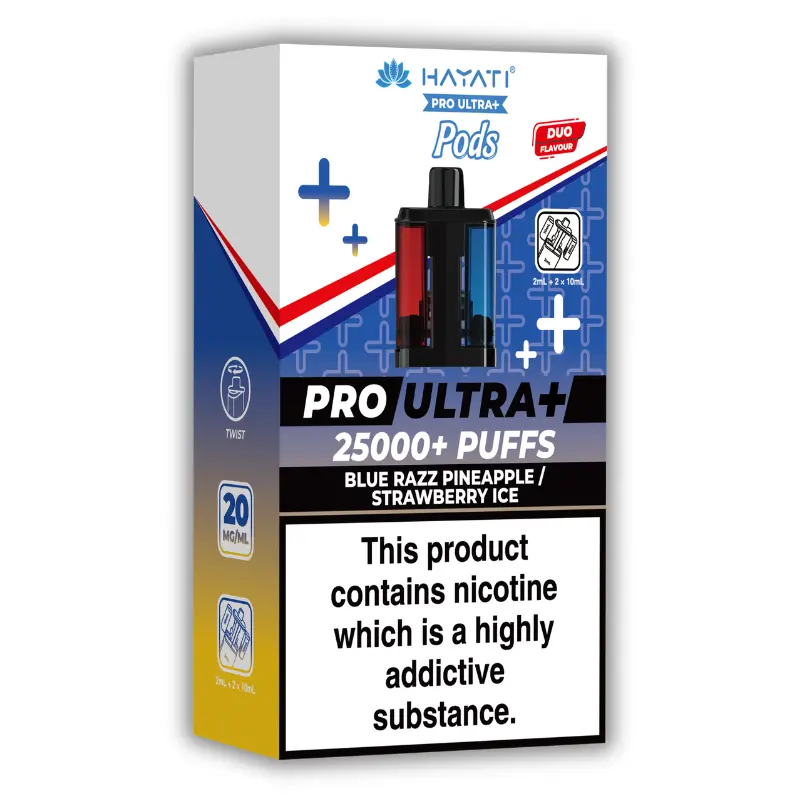
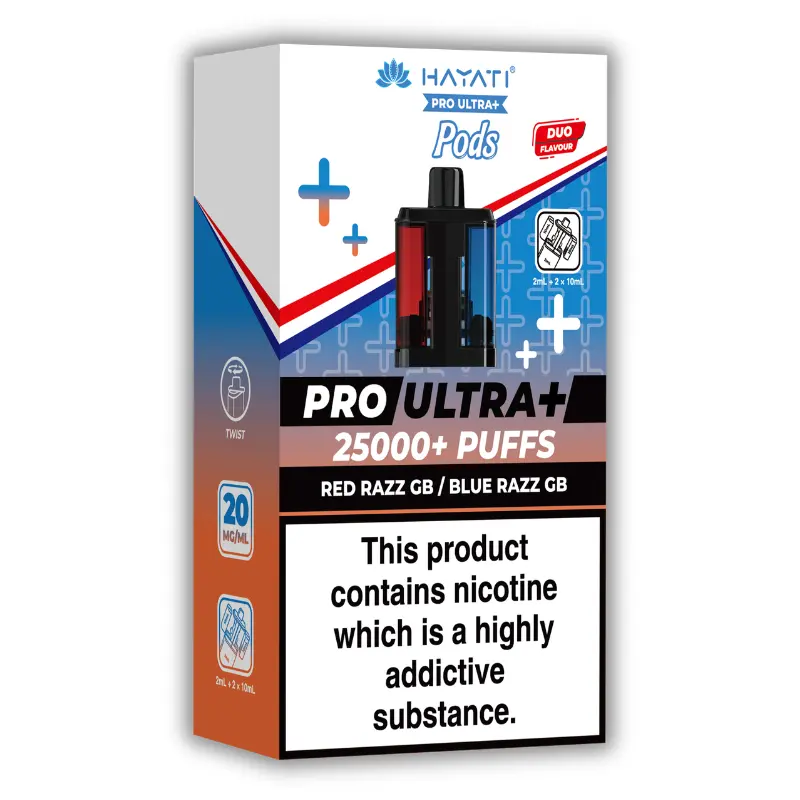
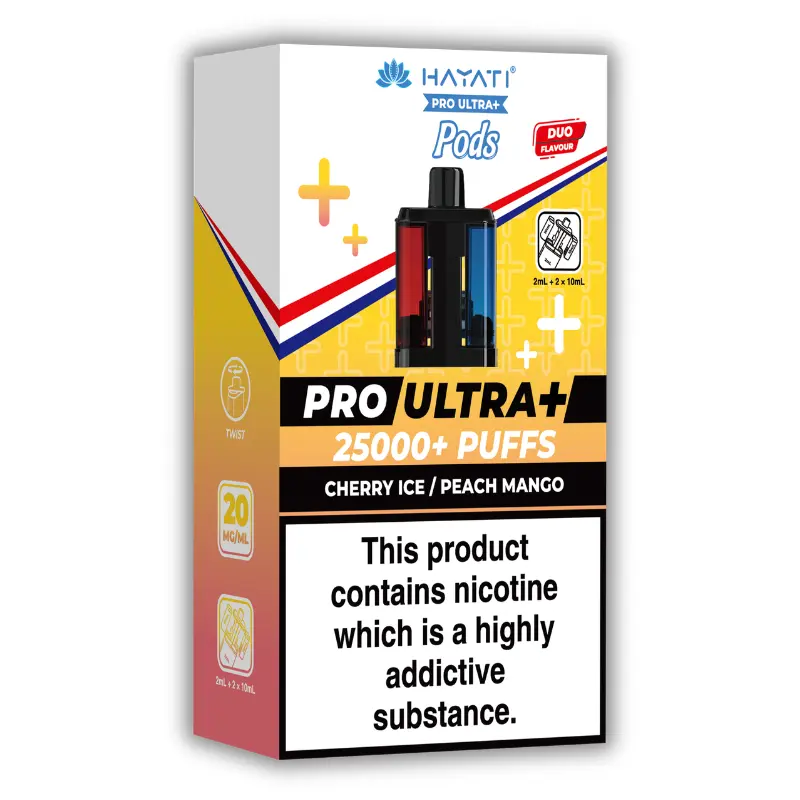
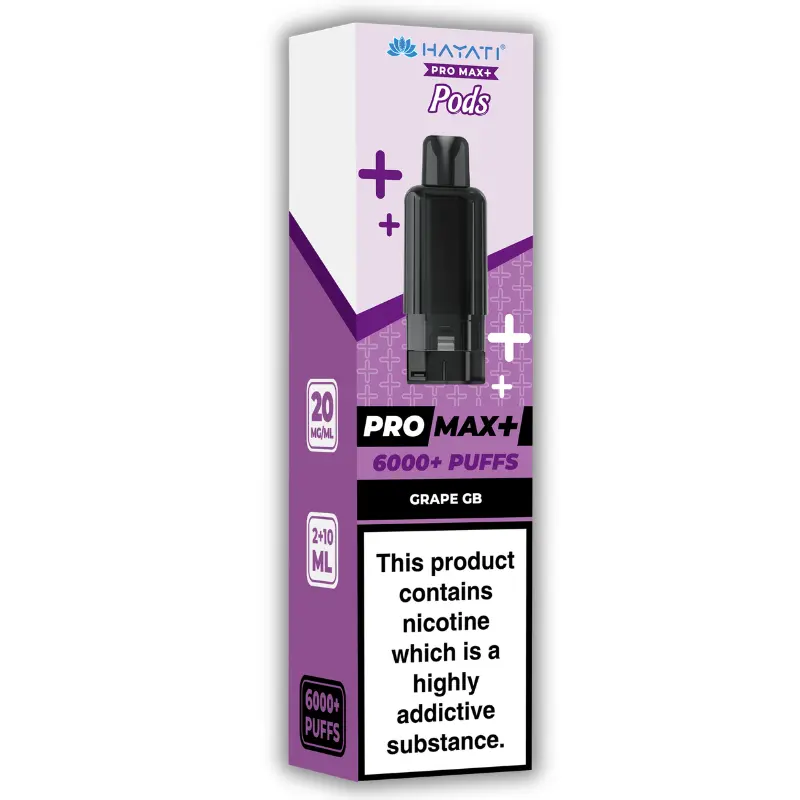
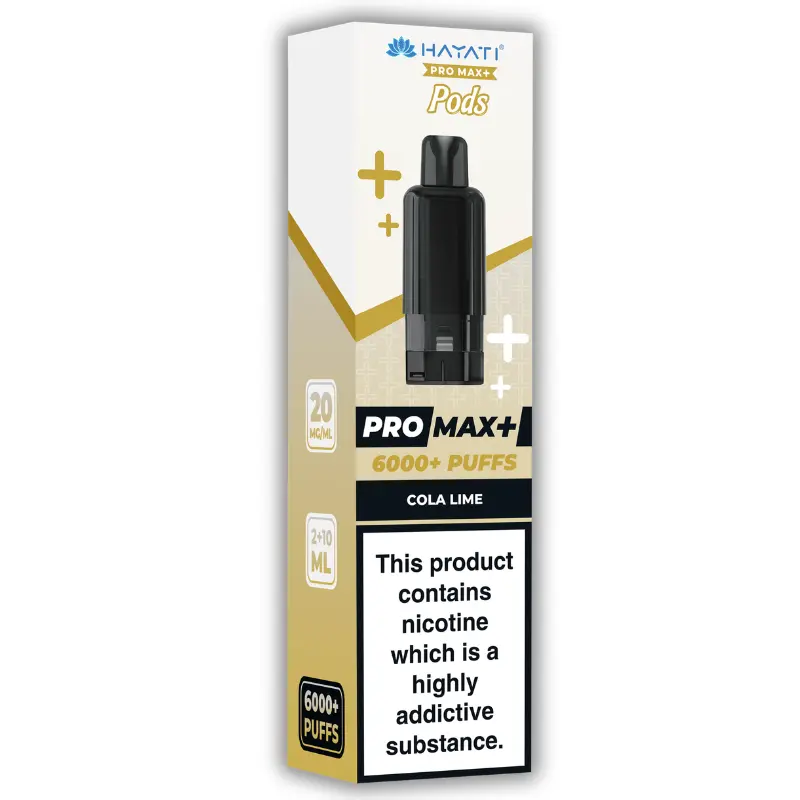
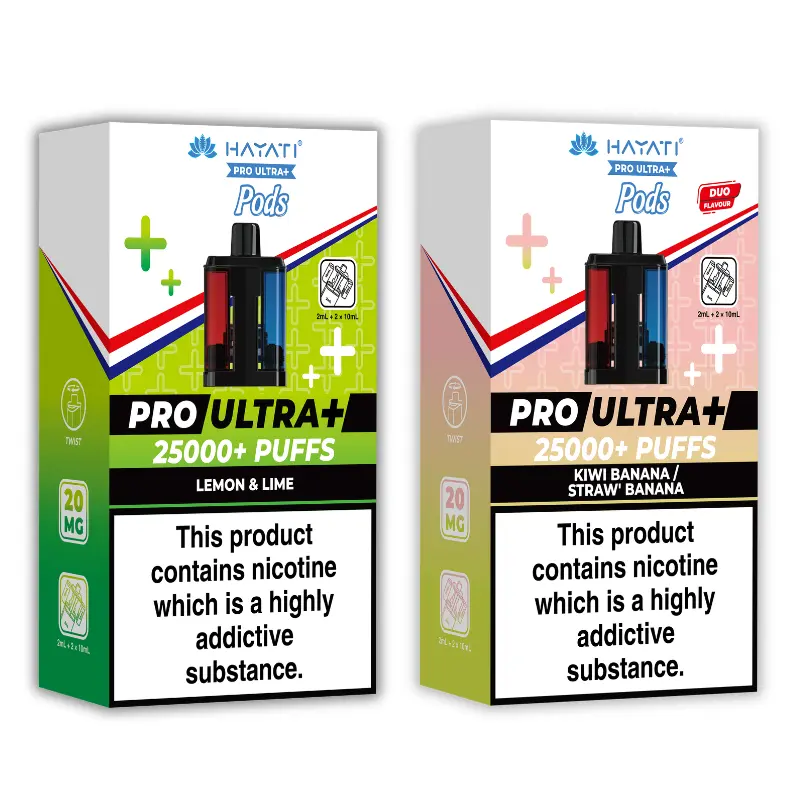
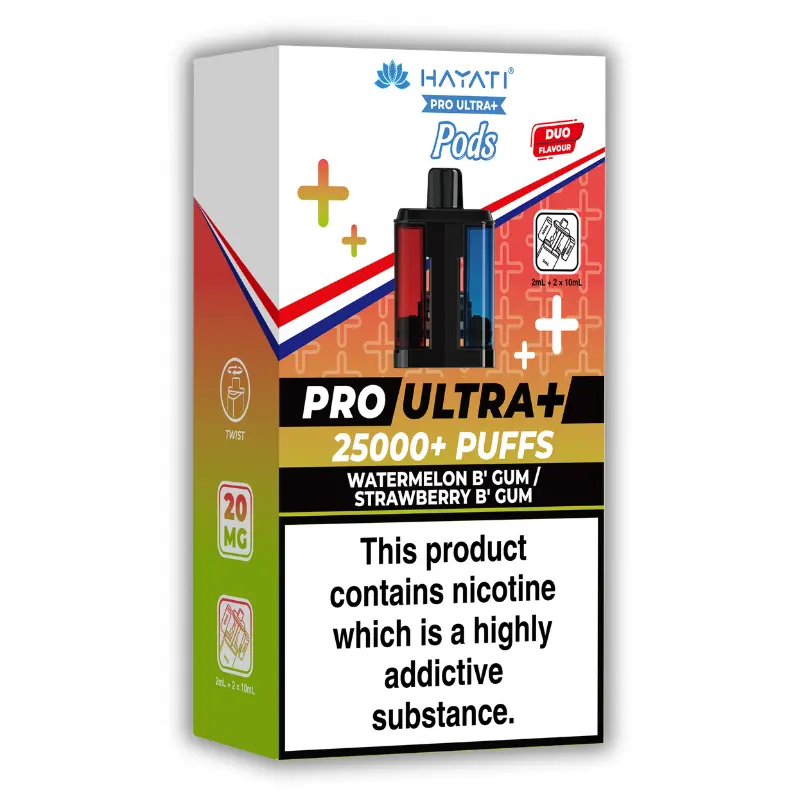
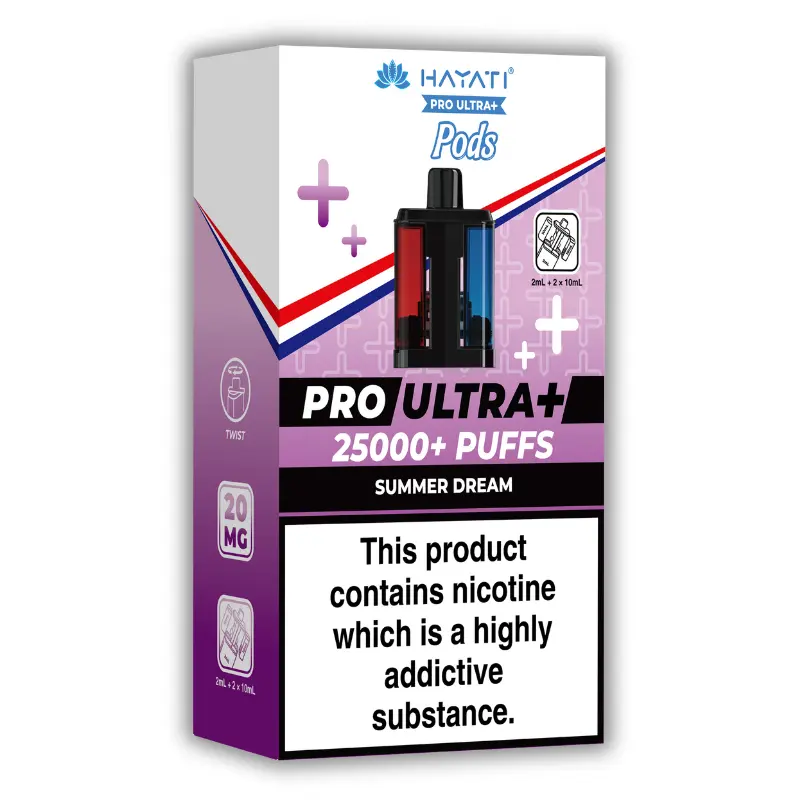
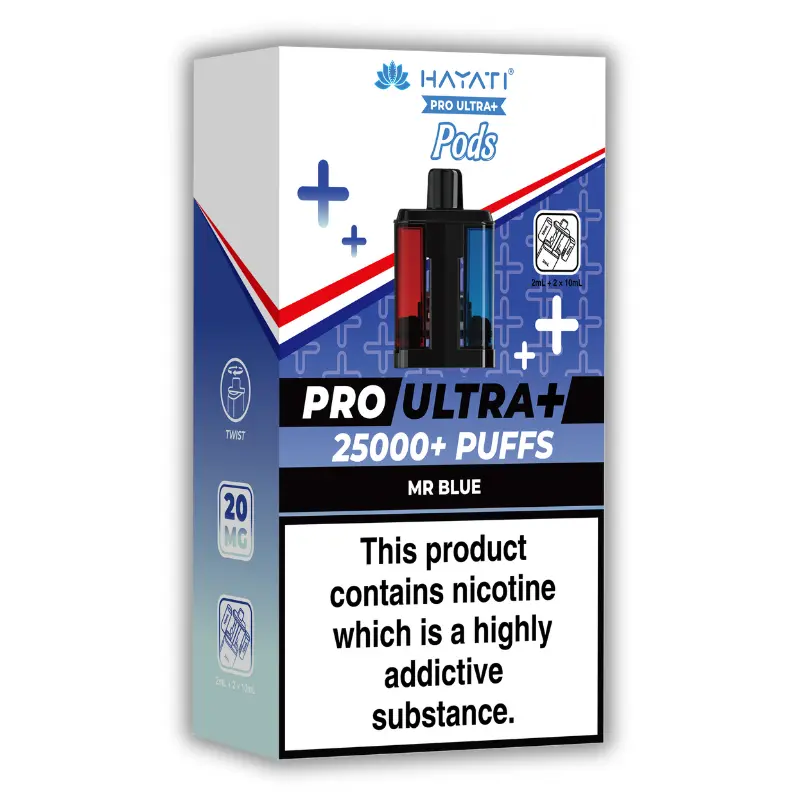
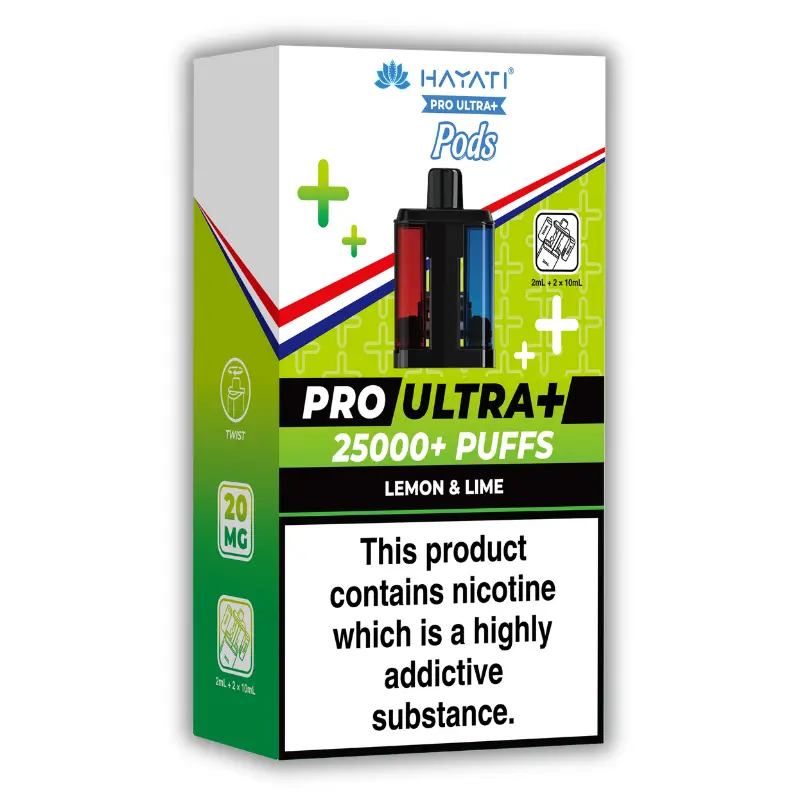
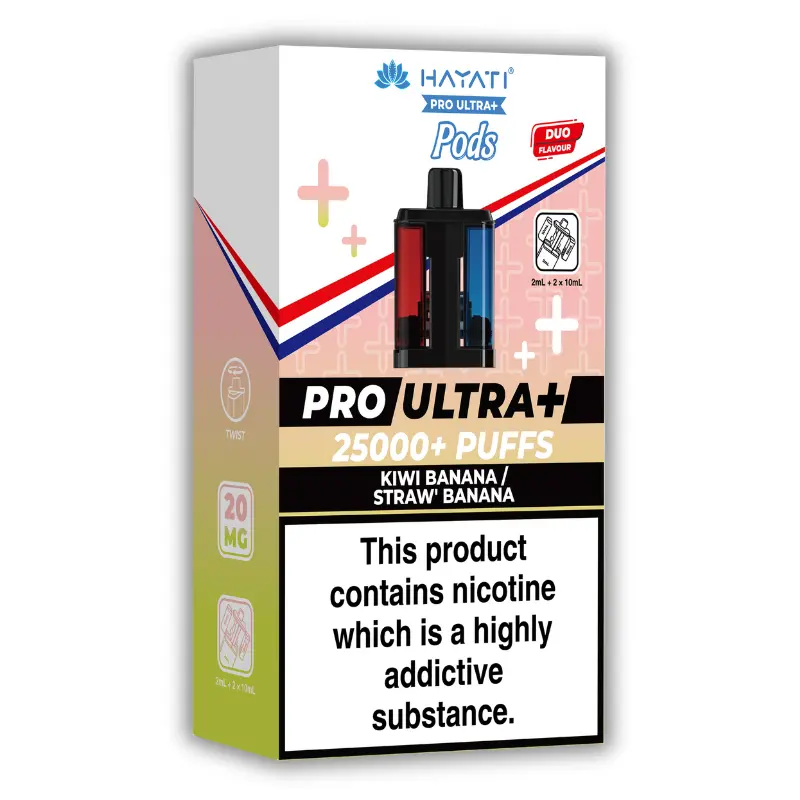
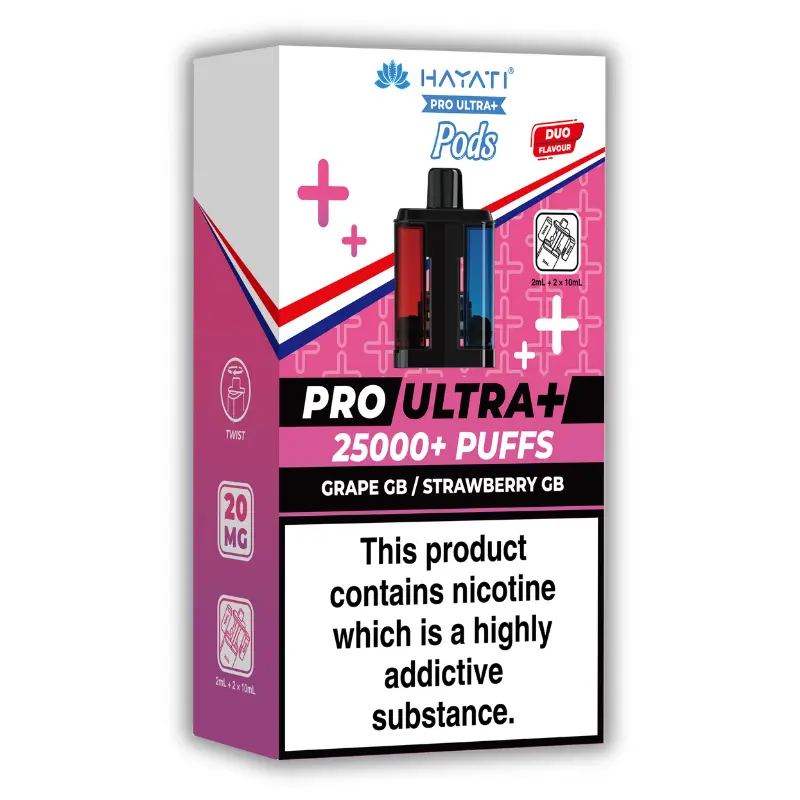
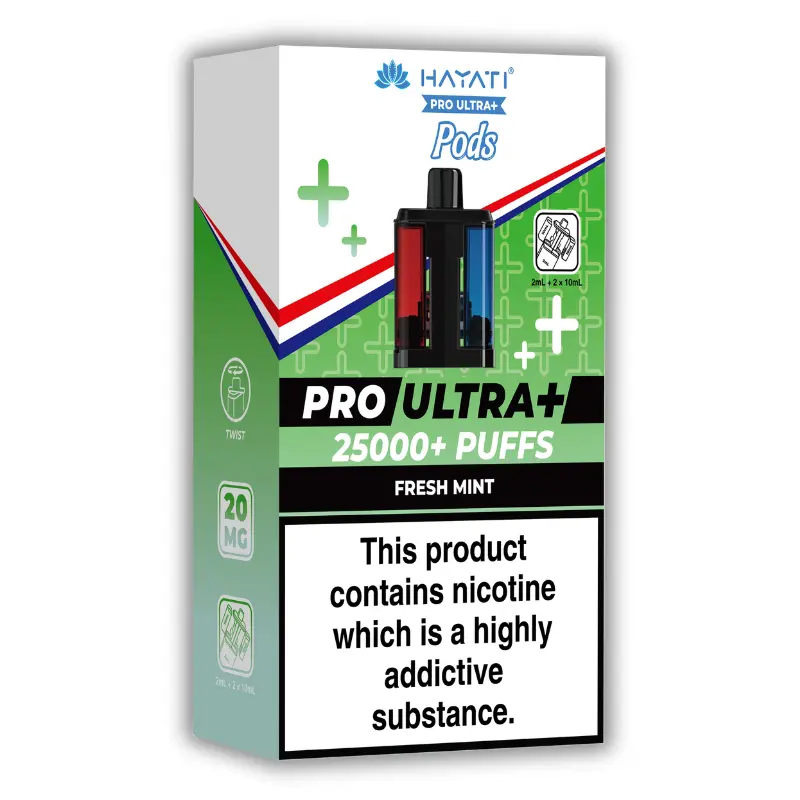
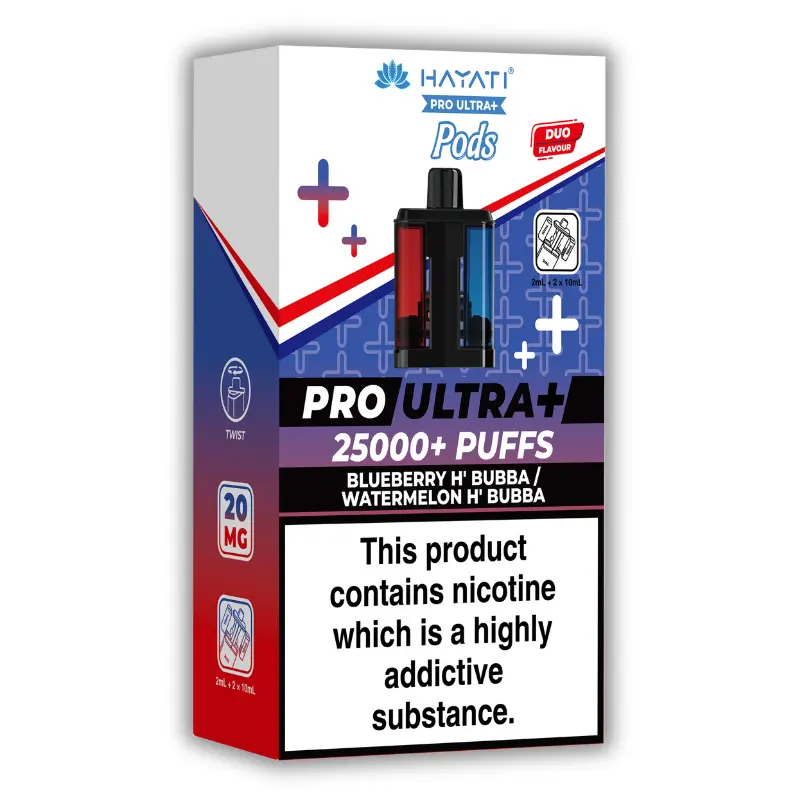
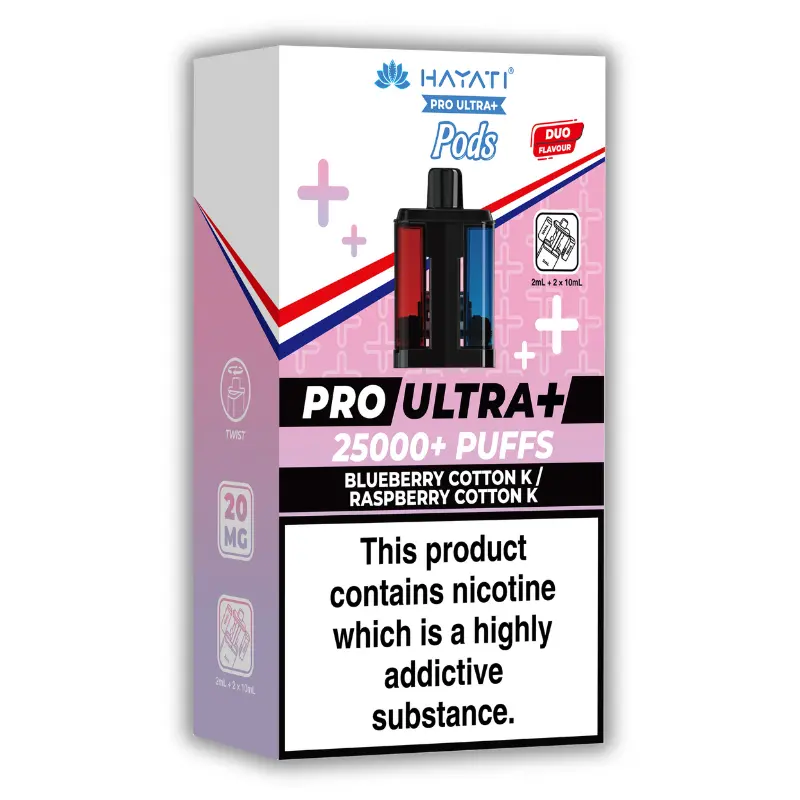
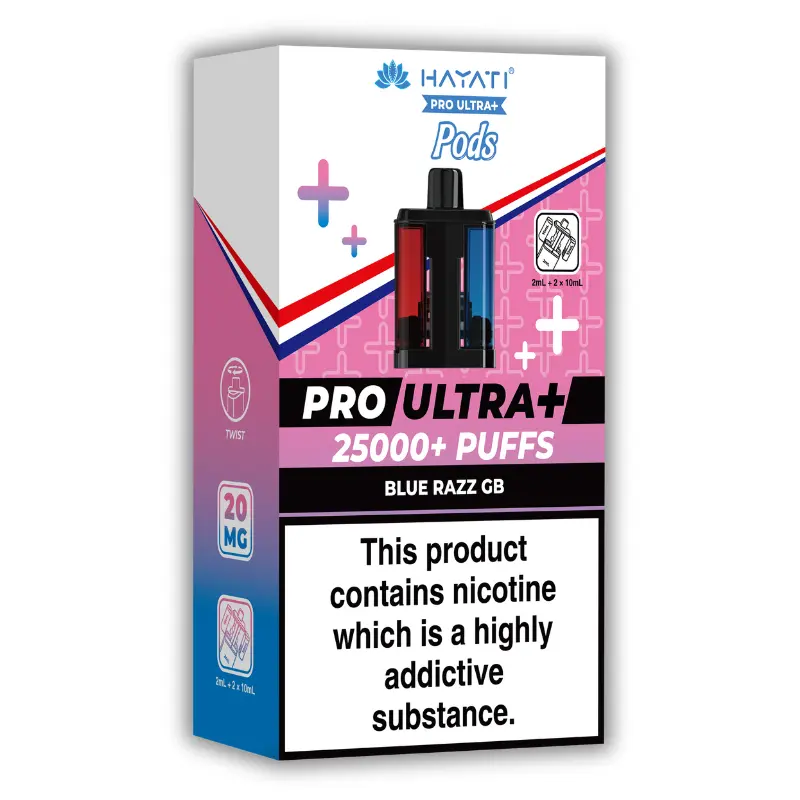
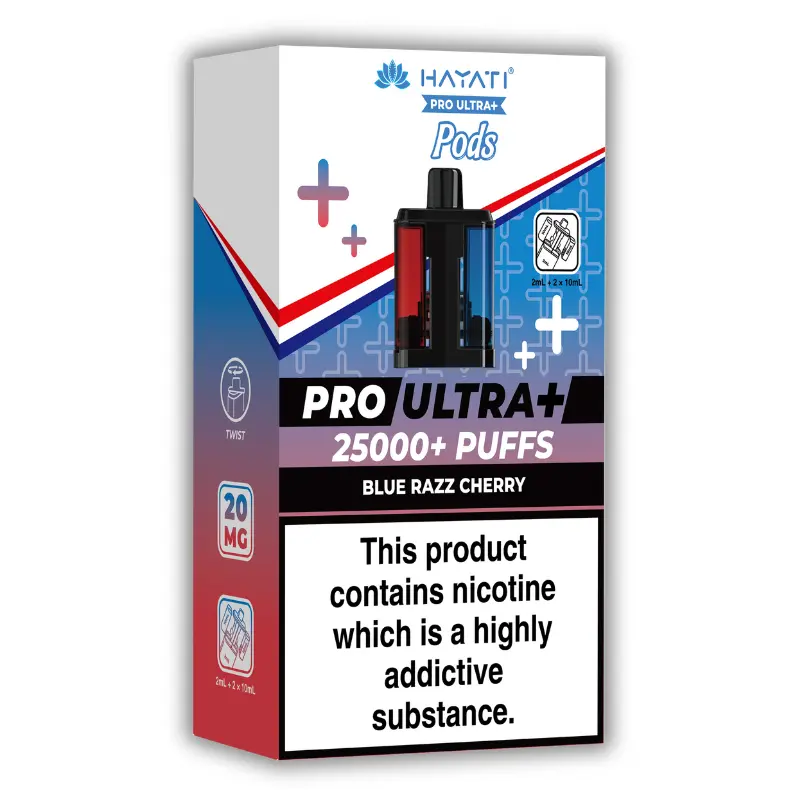
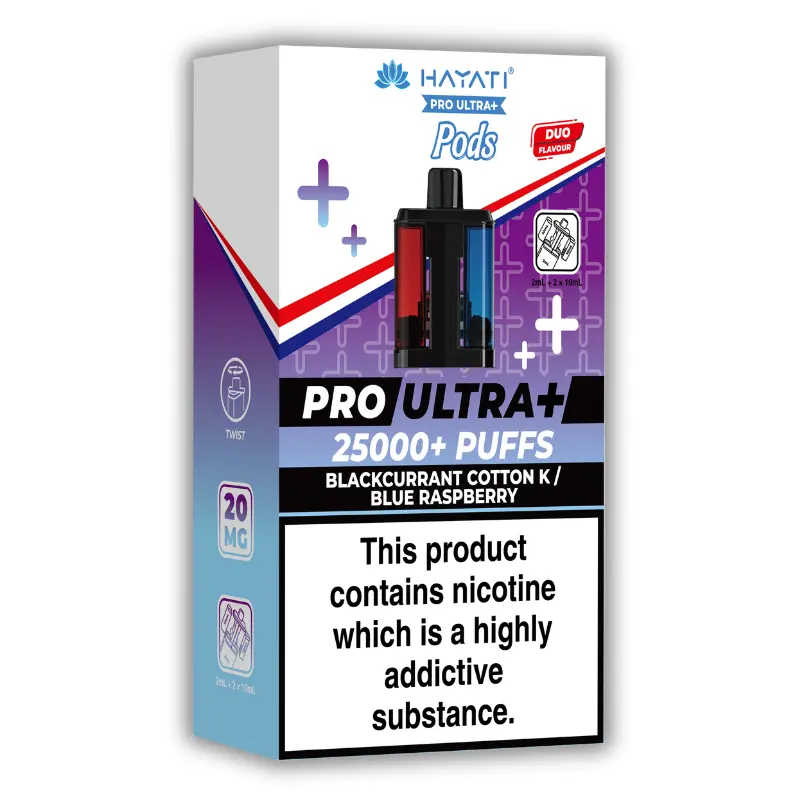
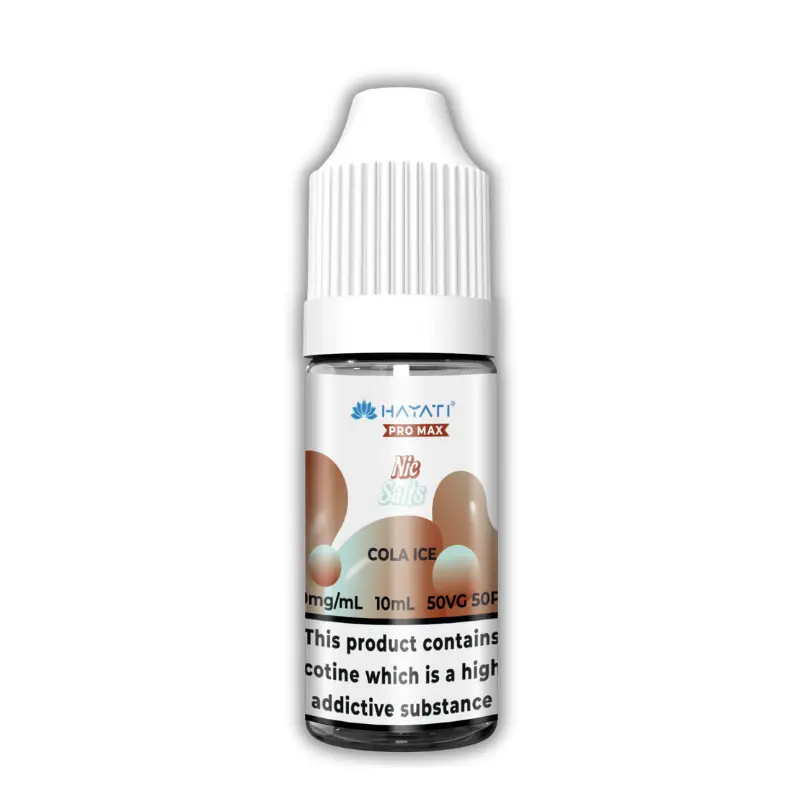
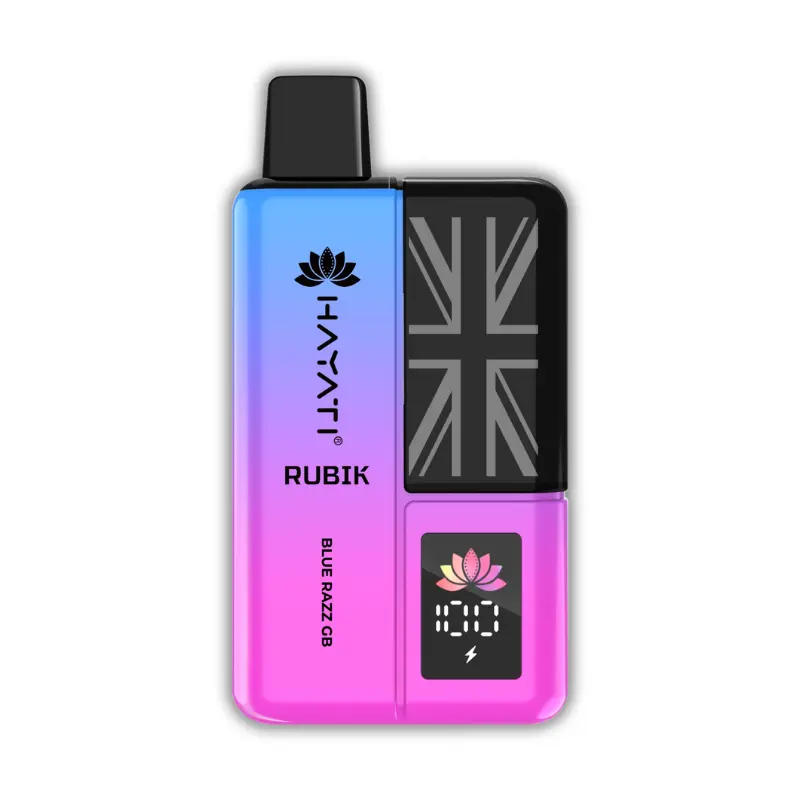
Among the recent 22ml arrivals, six of the ten carry two flavour names separated by a slash and a rotating mouthpiece that selects between them. Grape GB / Blue Razz GB, Lemon Lime / Lemon Blueberry and Fresh Mint / Blue Razz Mint all work this way, with the two liquids held apart inside the pod rather than blended. Only four of the ten are single-profile, among them Juicy Peach and a straightforward Cola Ice.
Two years ago the dual pod was the exception on this platform. It is now the majority of what arrives, and that has a quiet effect on choice. If you want one profile and nothing else at 22ml, your options are narrowing, not widening, because the schedule keeps producing pairs. The paired listings are good value in the sense that you get two liquids for one price, and irritating if you only ever wanted one of them and resent carrying the other around.
Bottled liquid became the low-strength lane
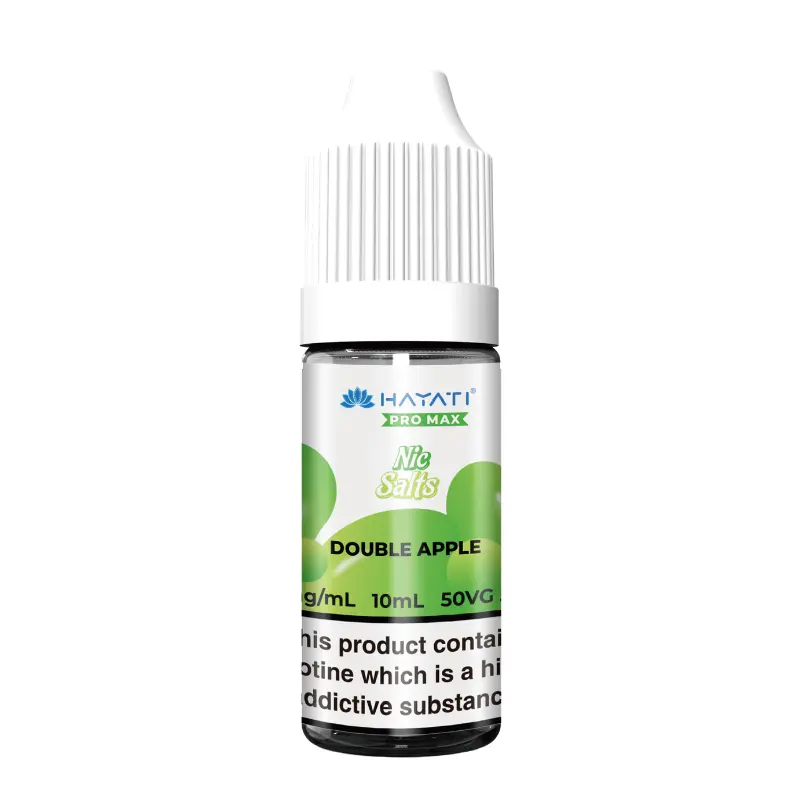
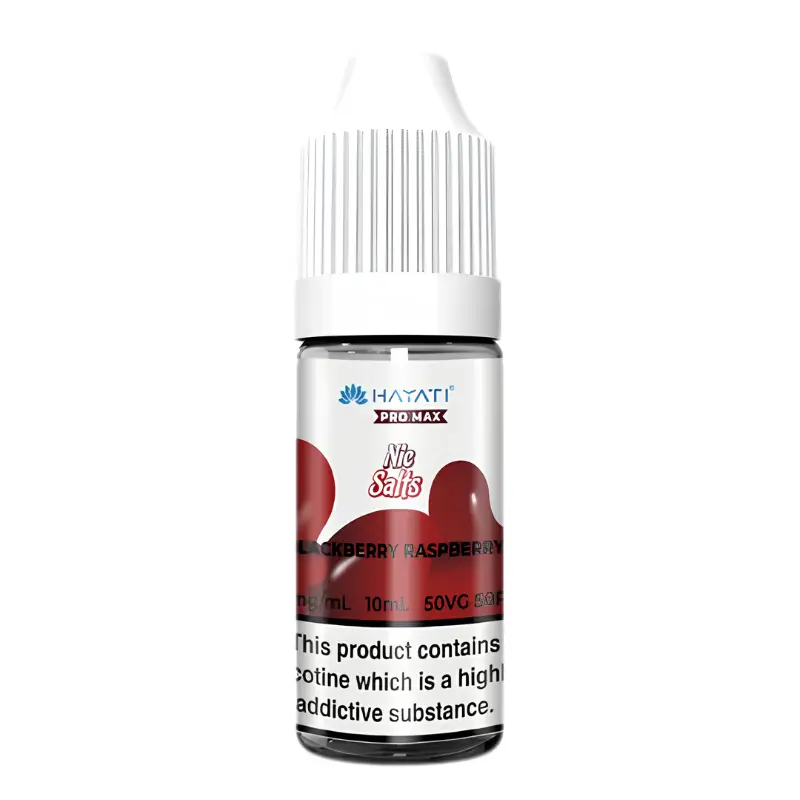
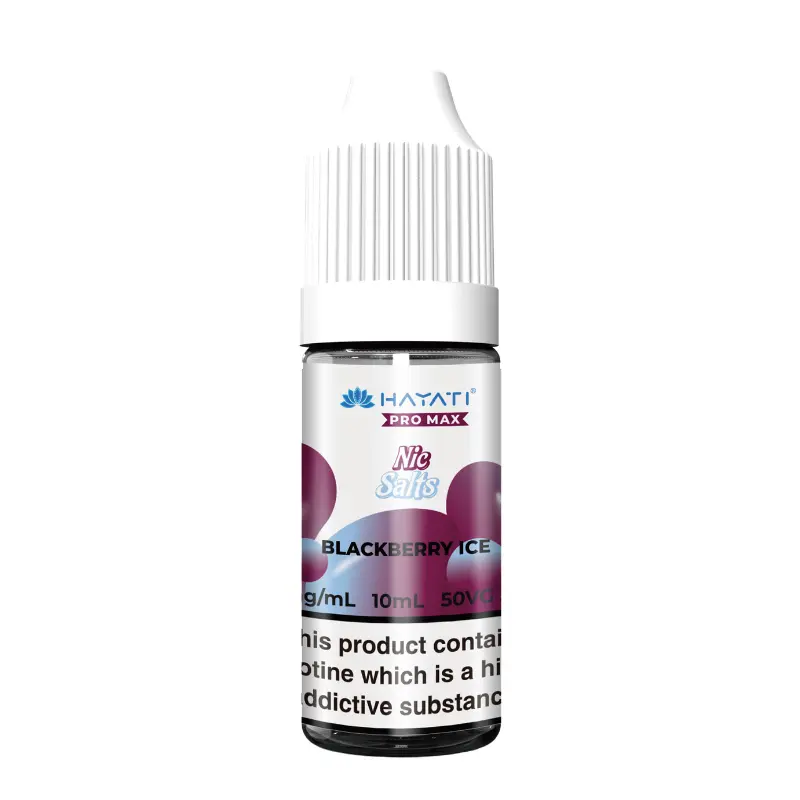
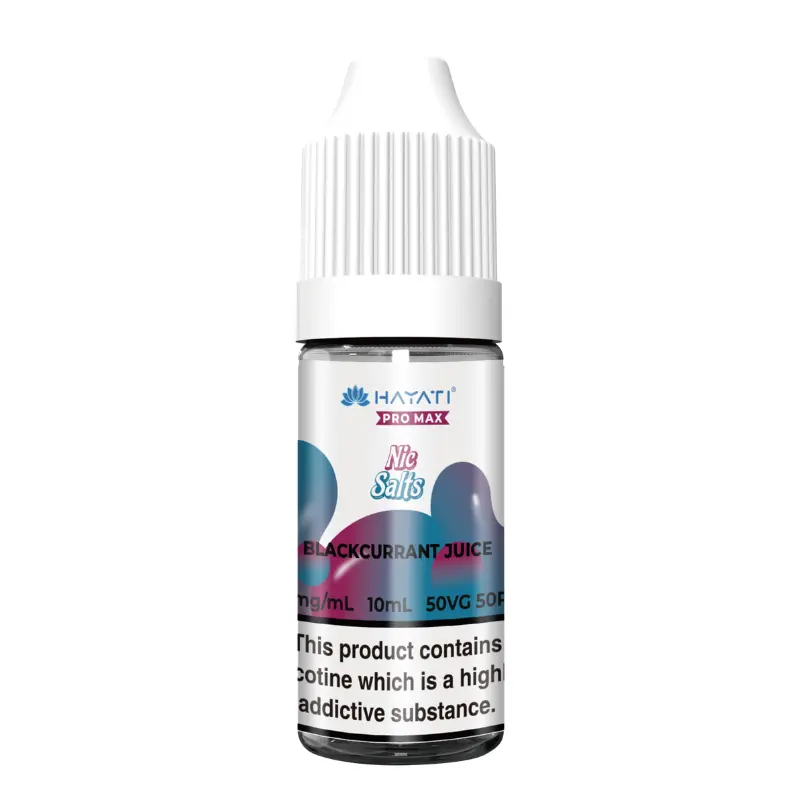
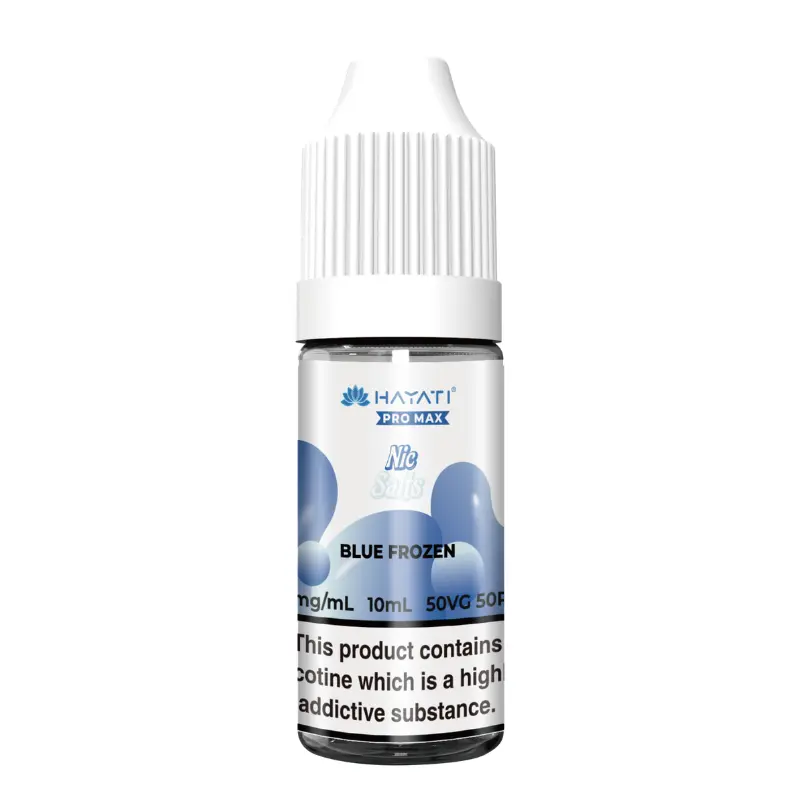
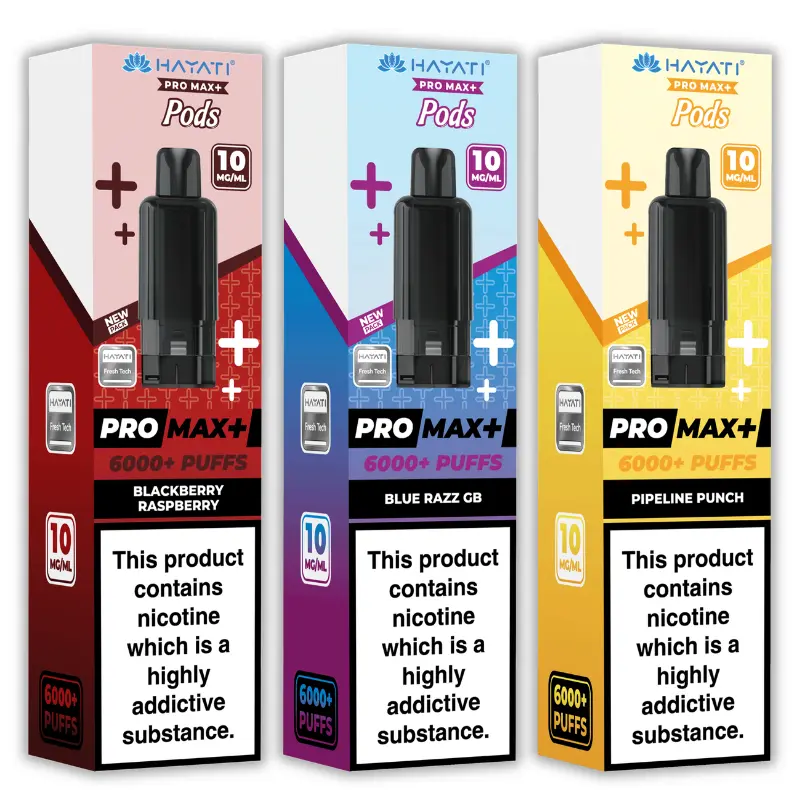
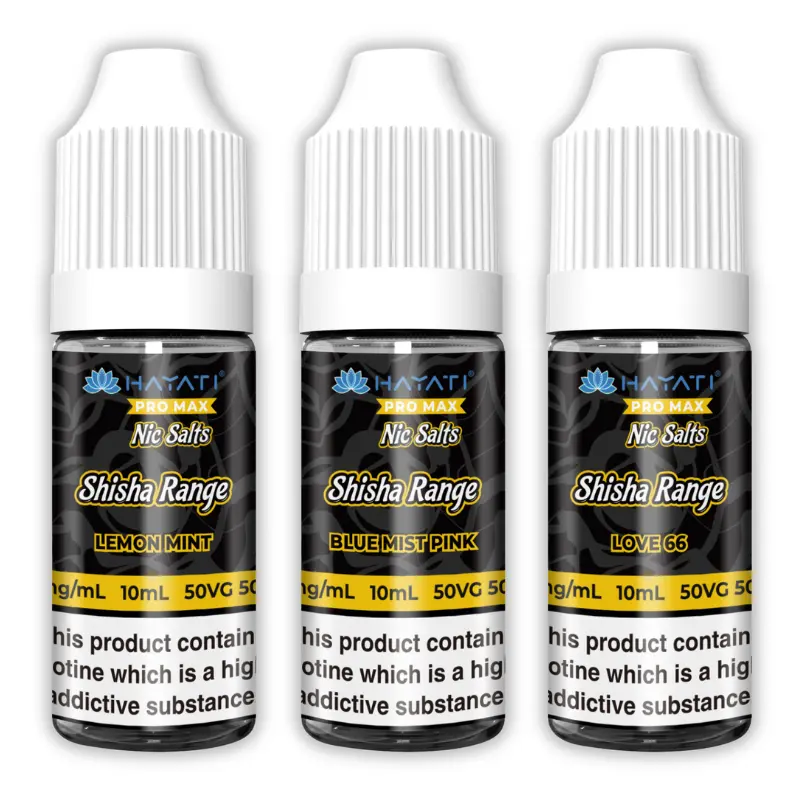
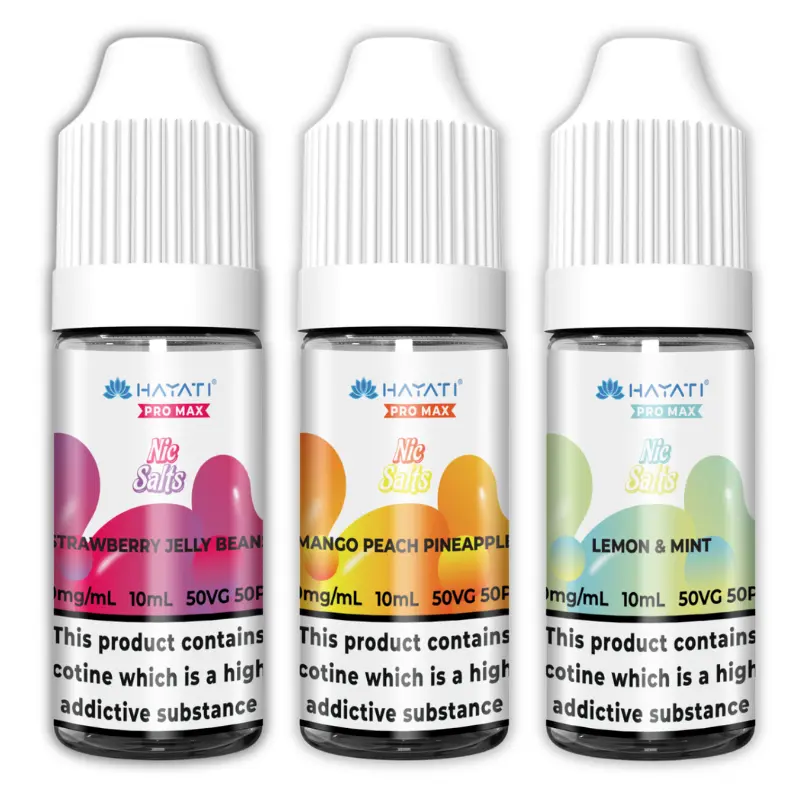
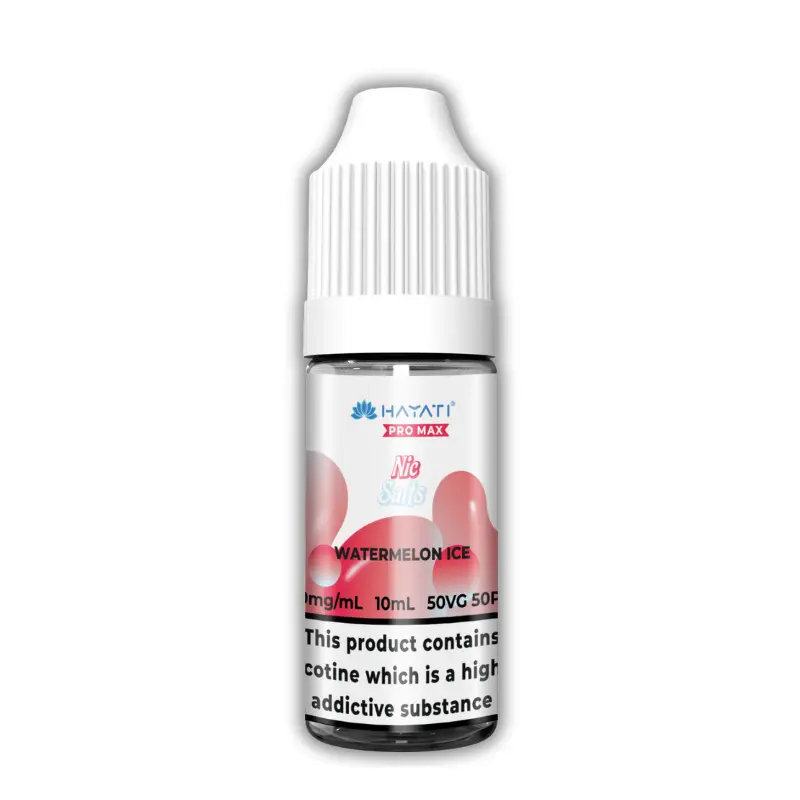
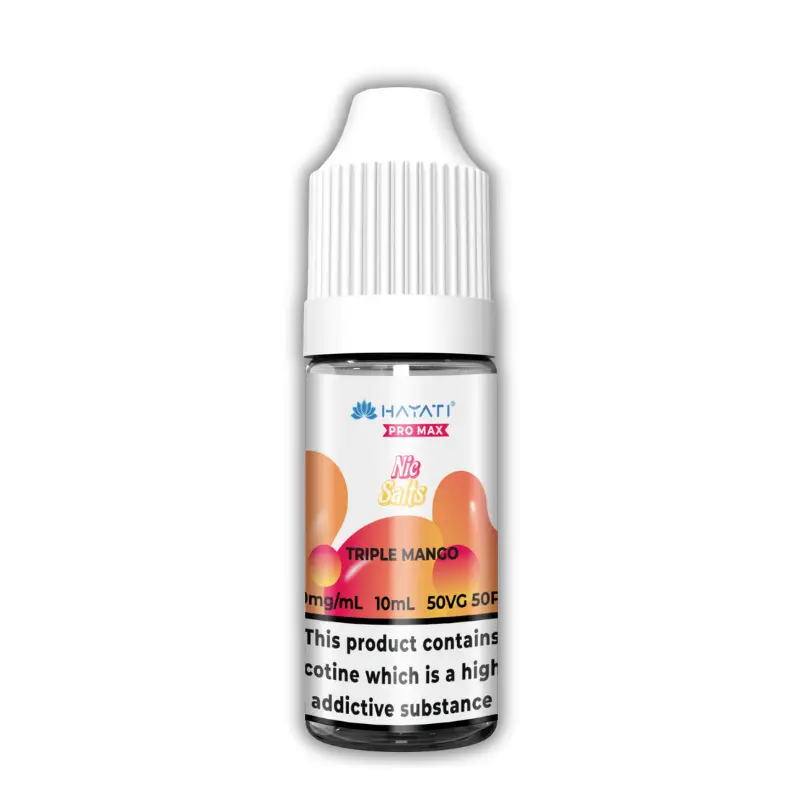
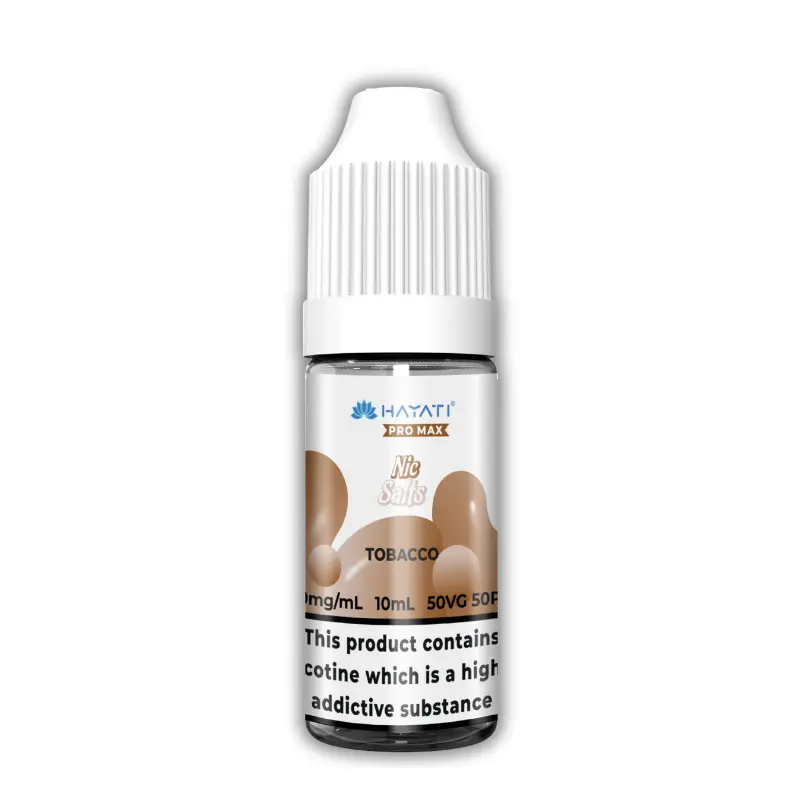
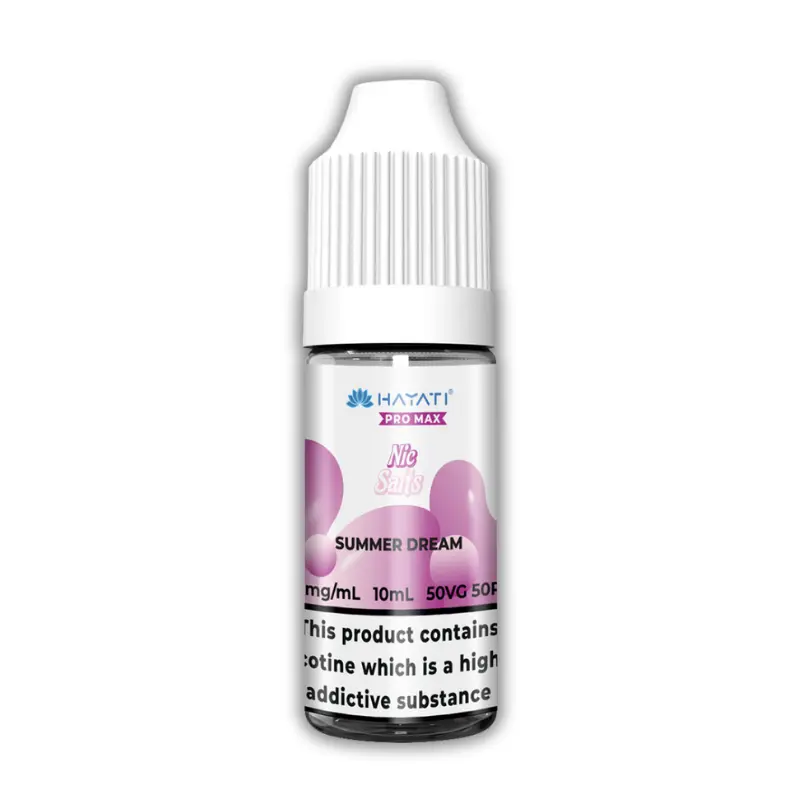
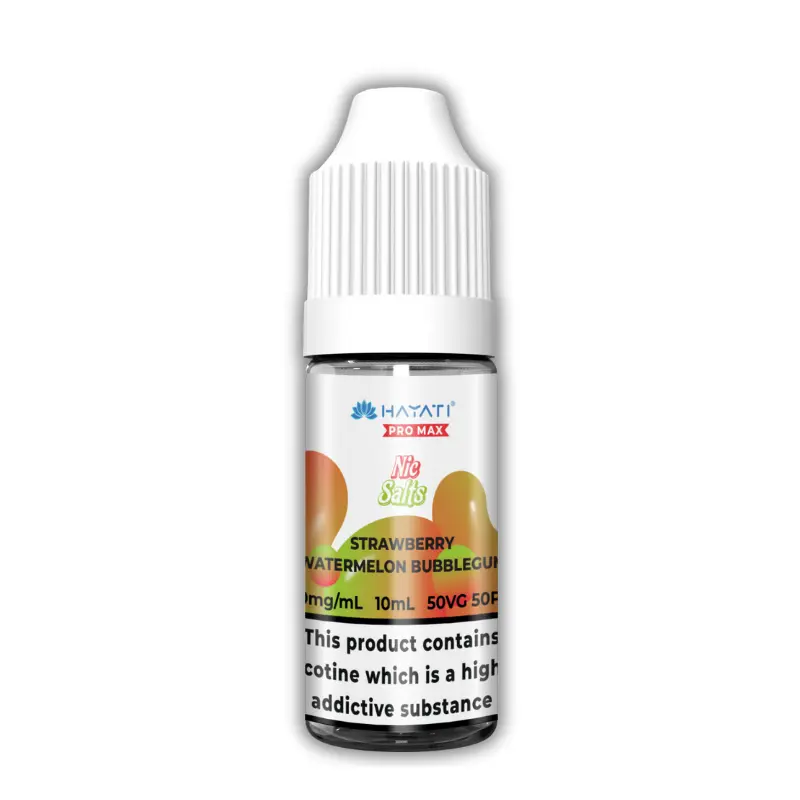
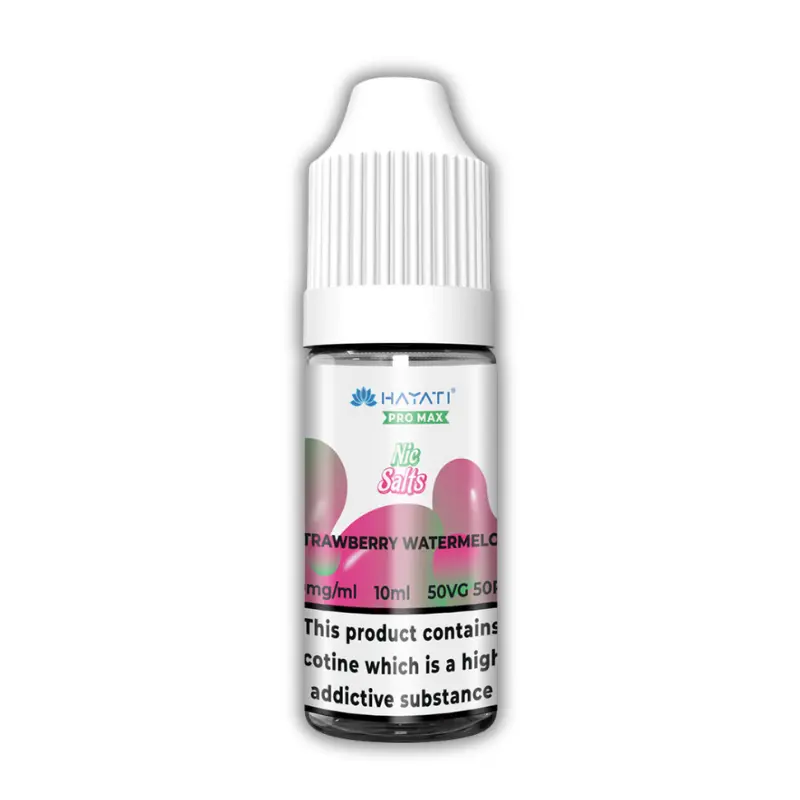
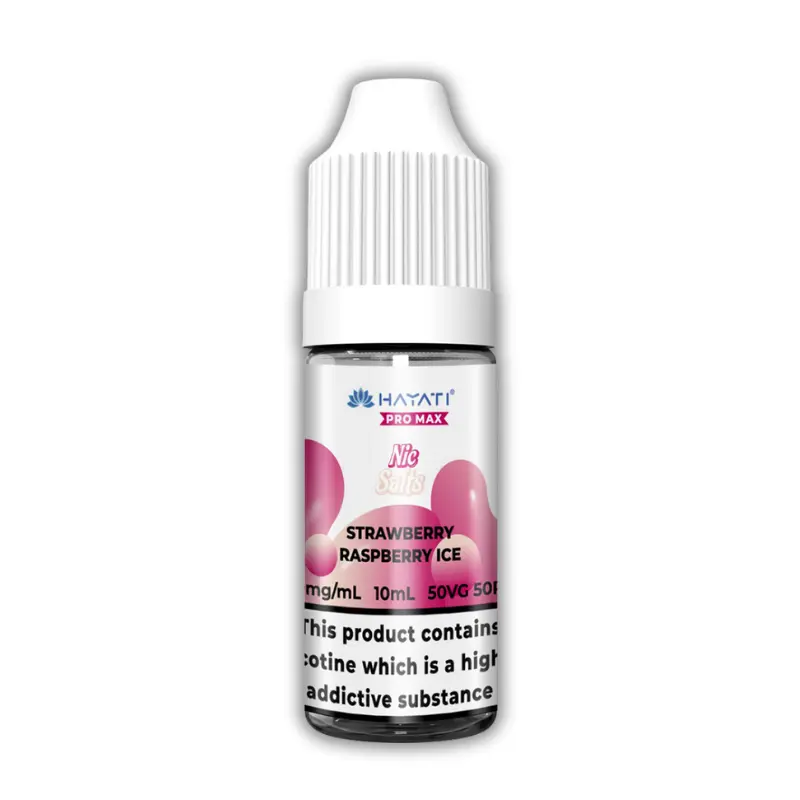
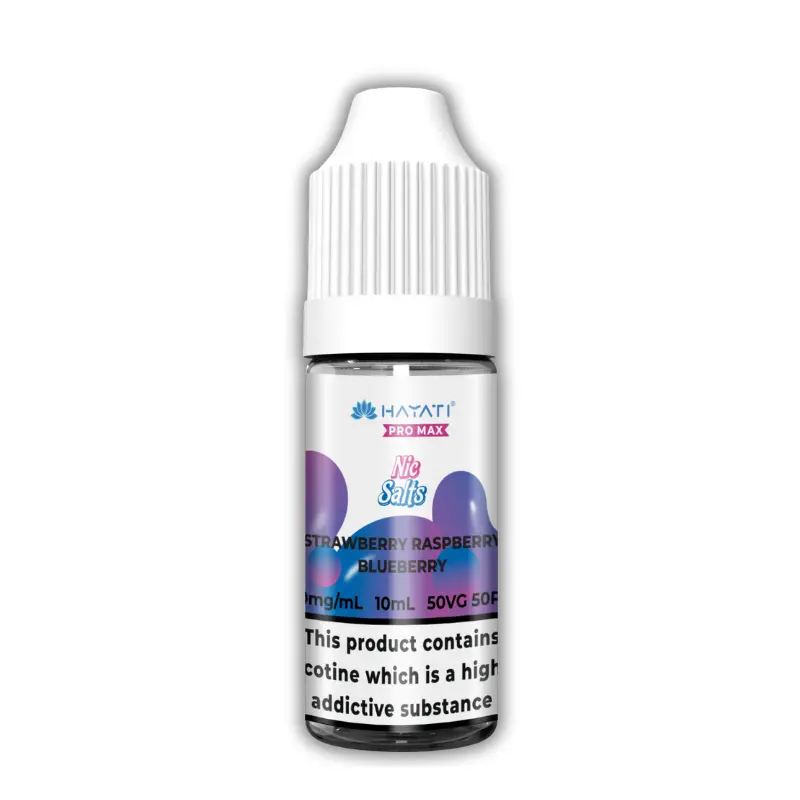
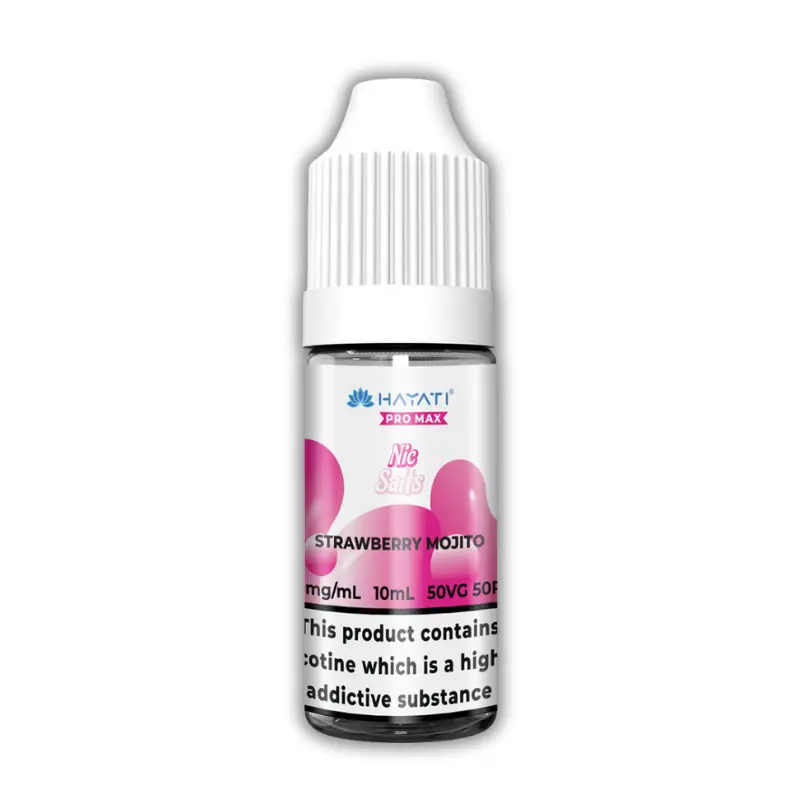
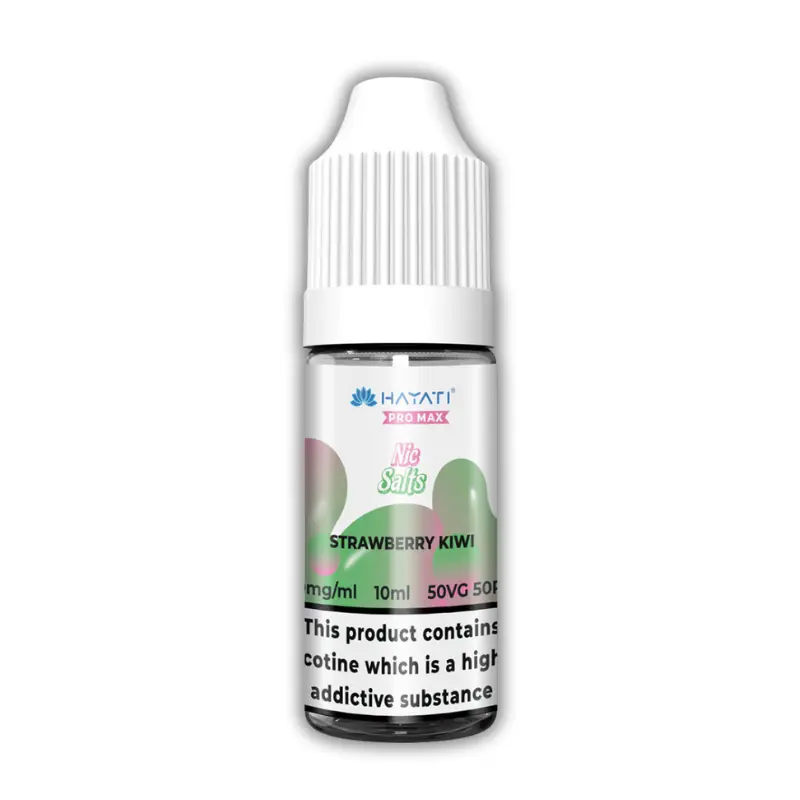
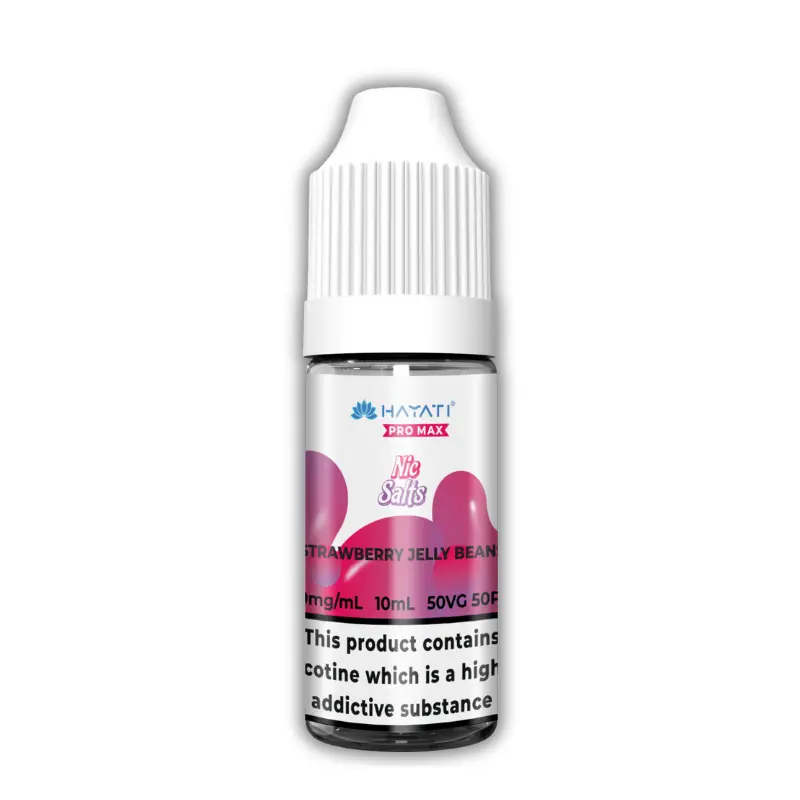
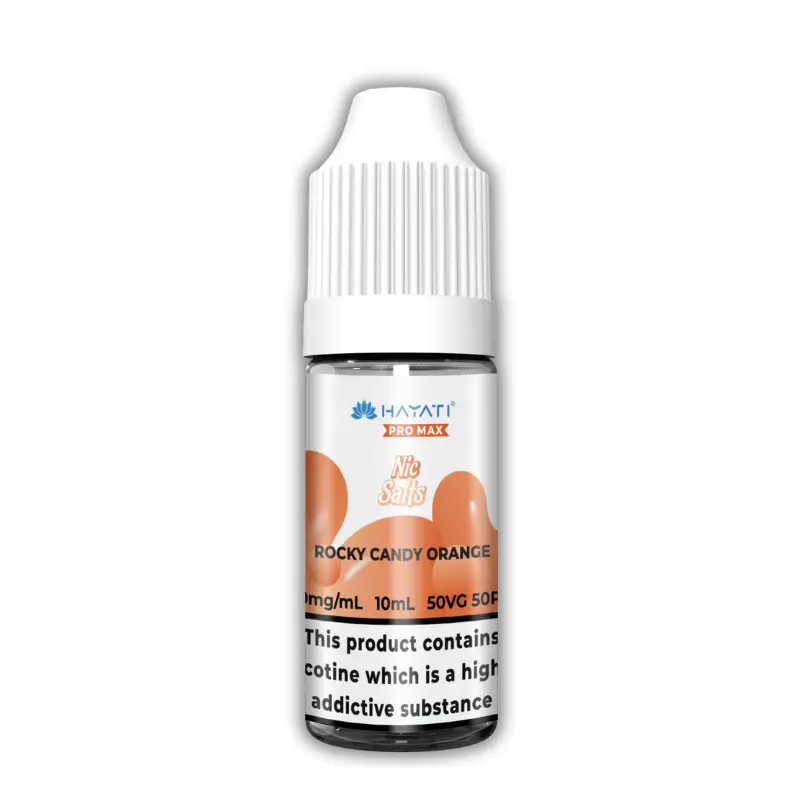
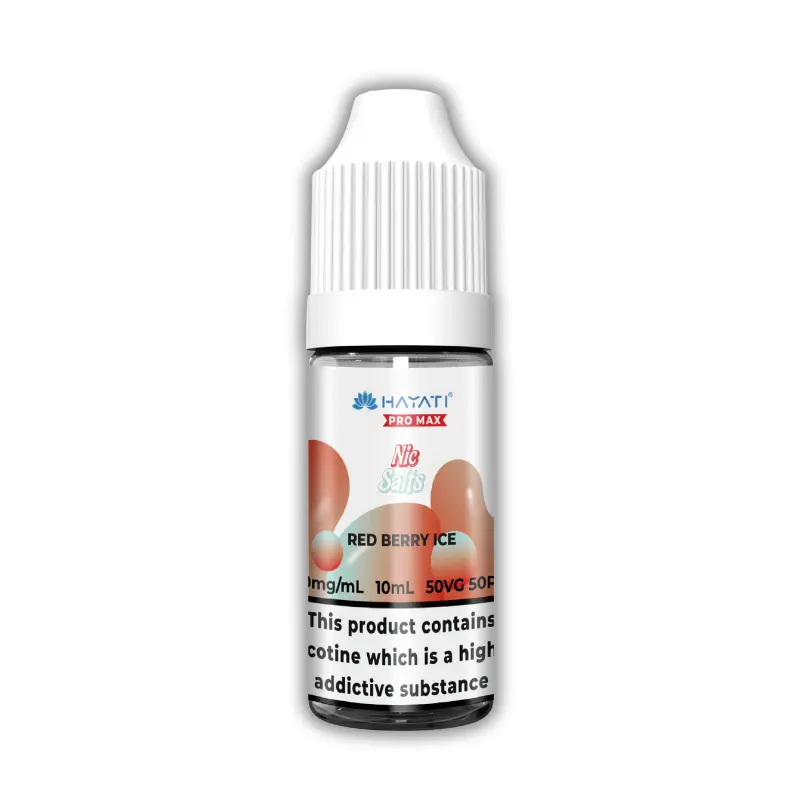
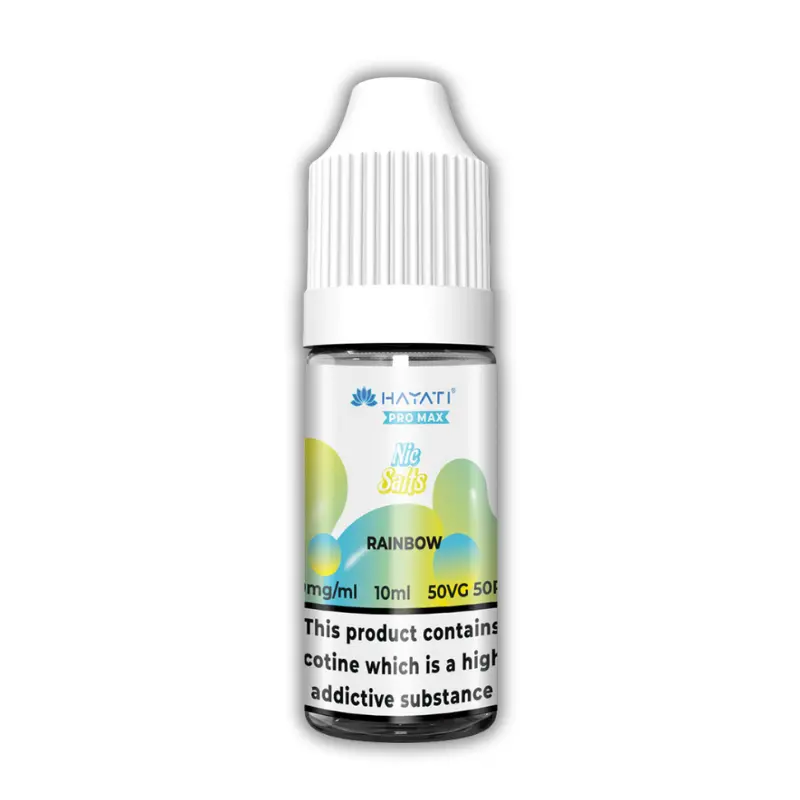
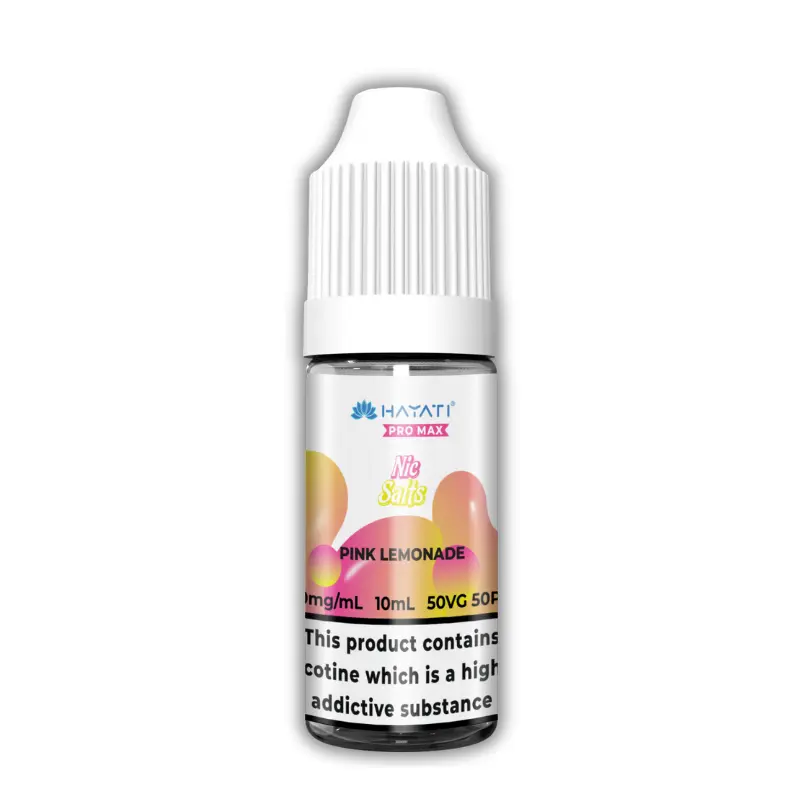
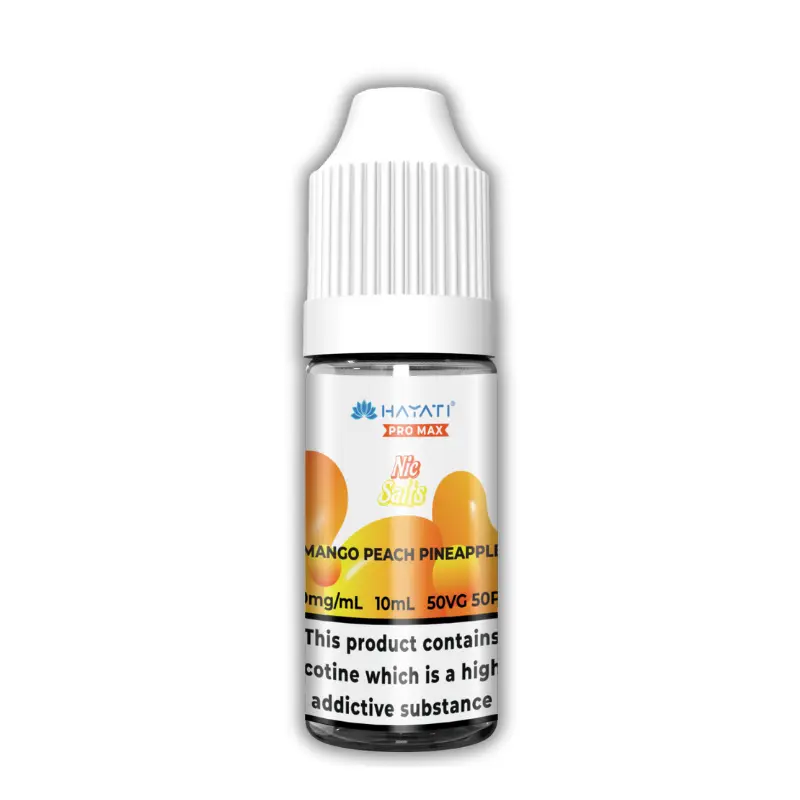
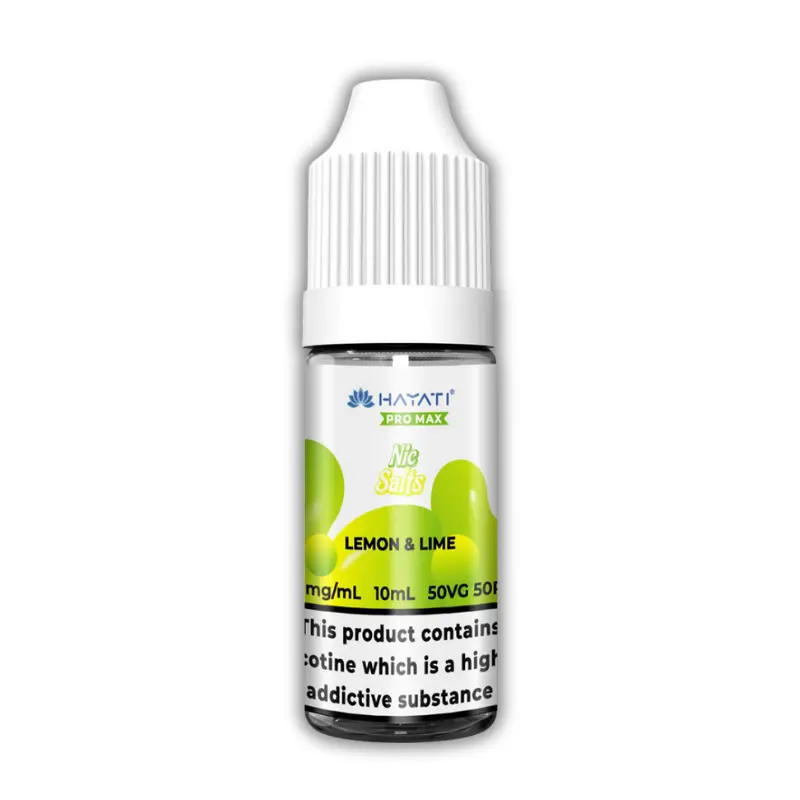
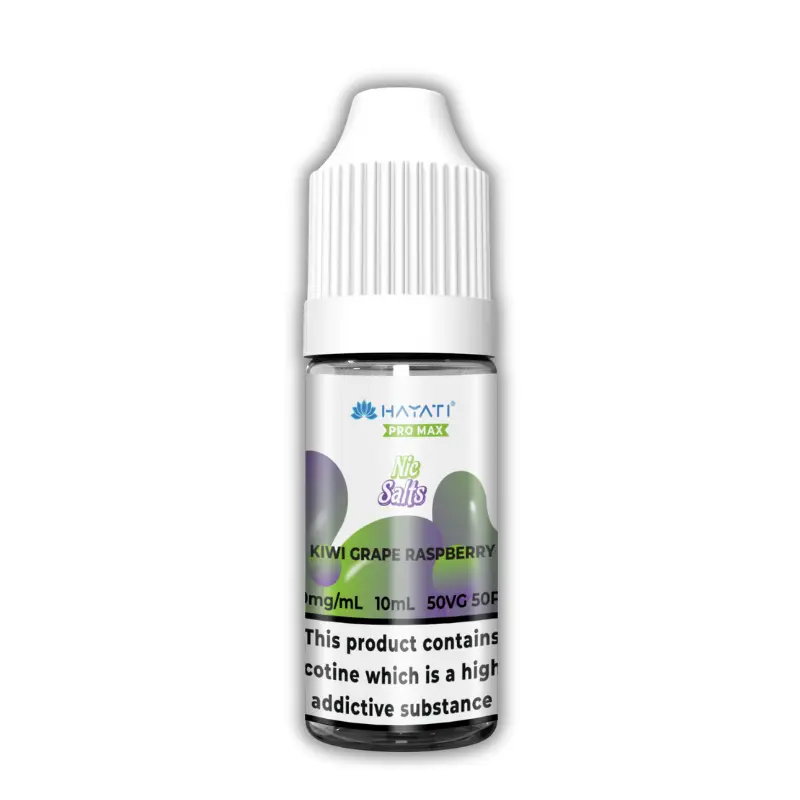
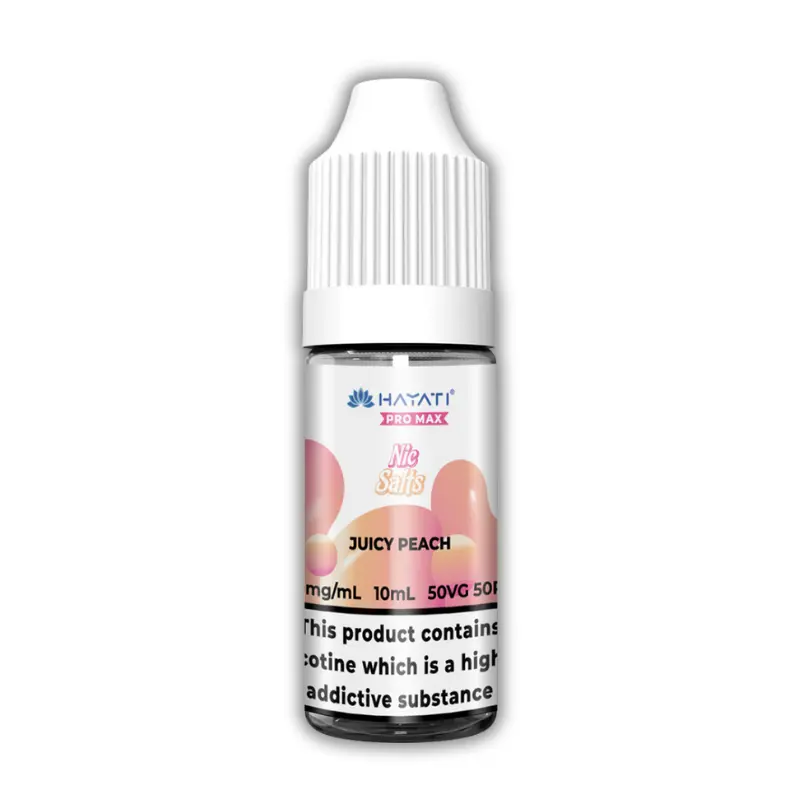
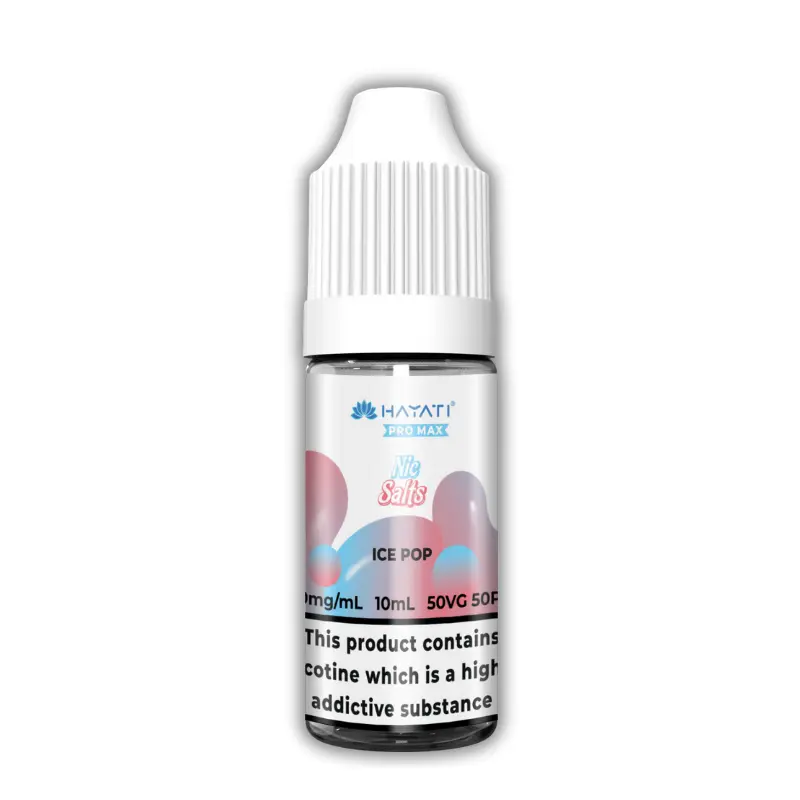
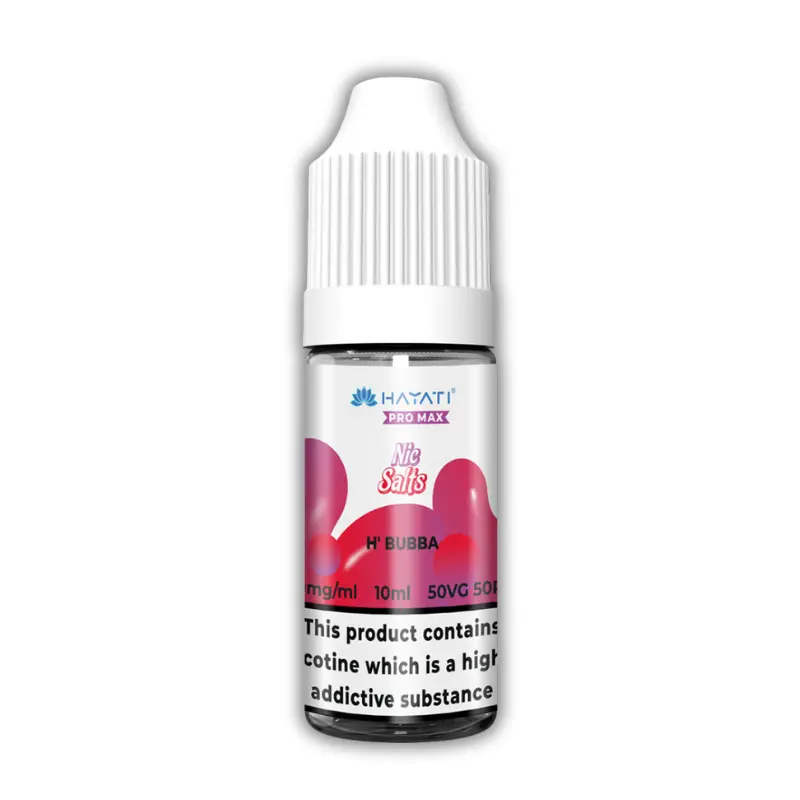
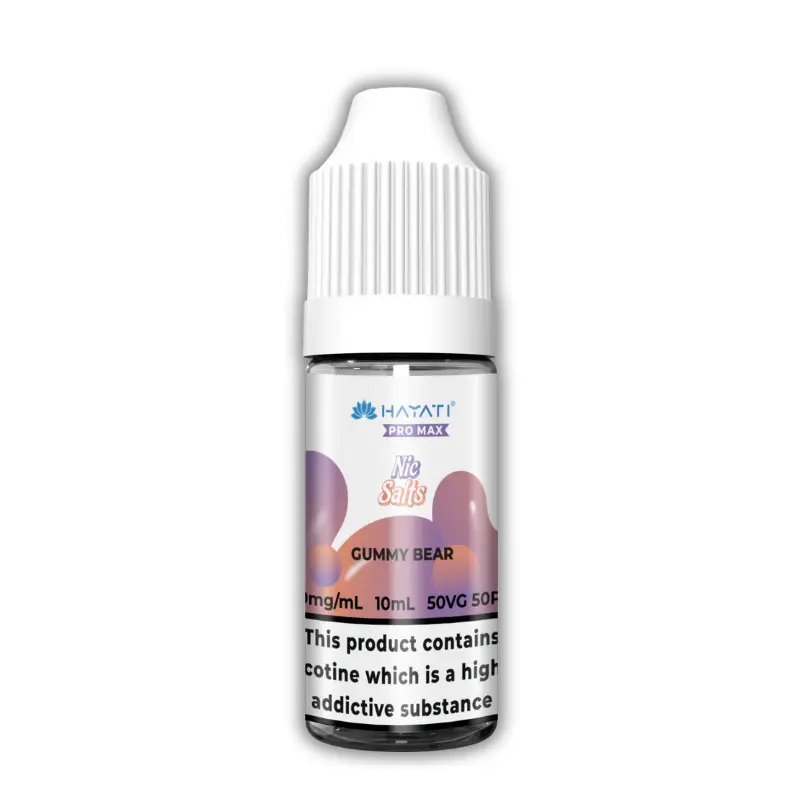
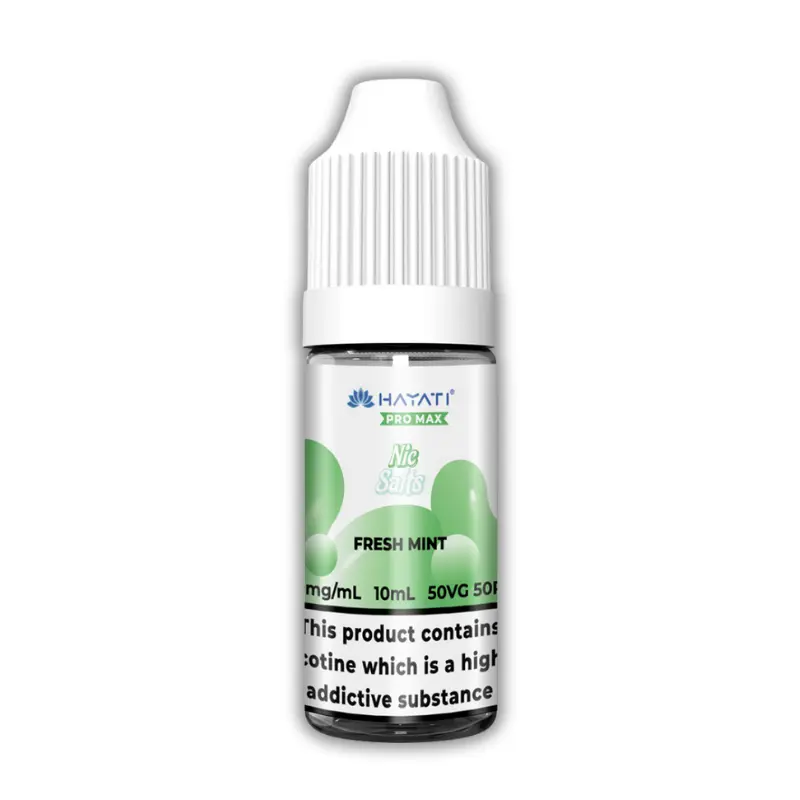
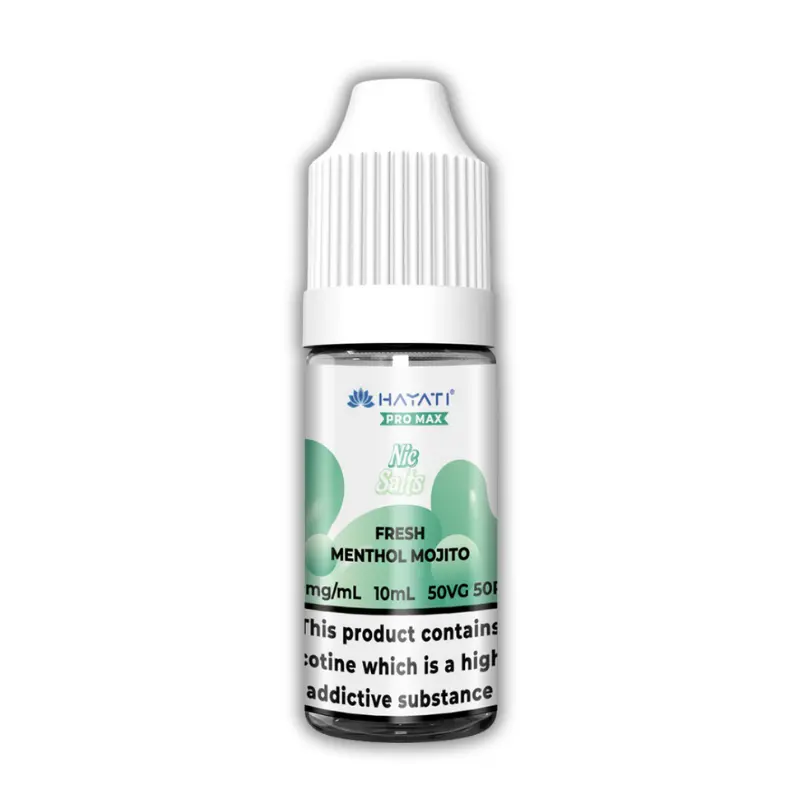
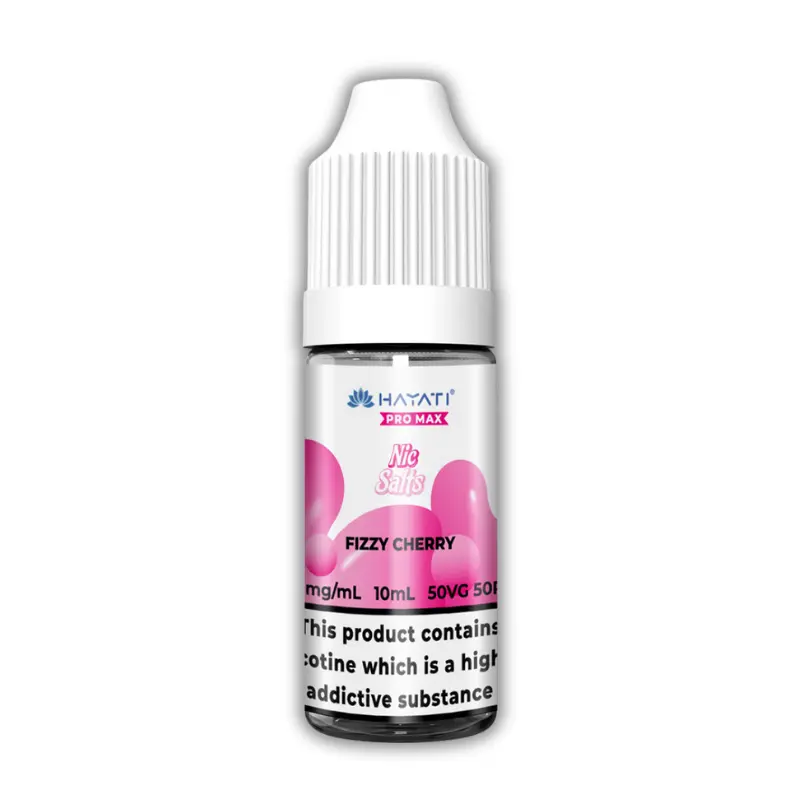
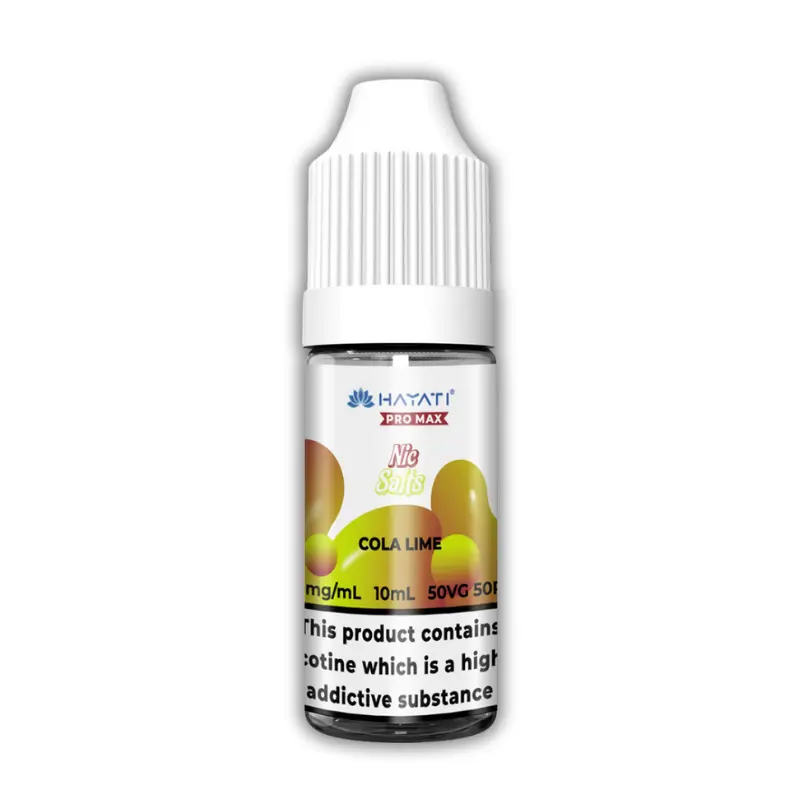
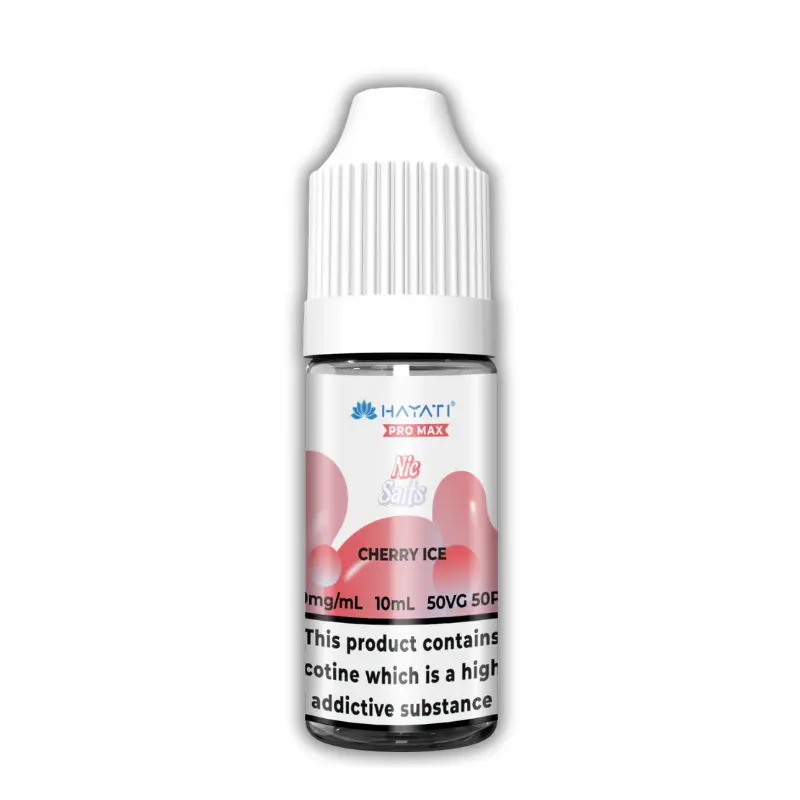
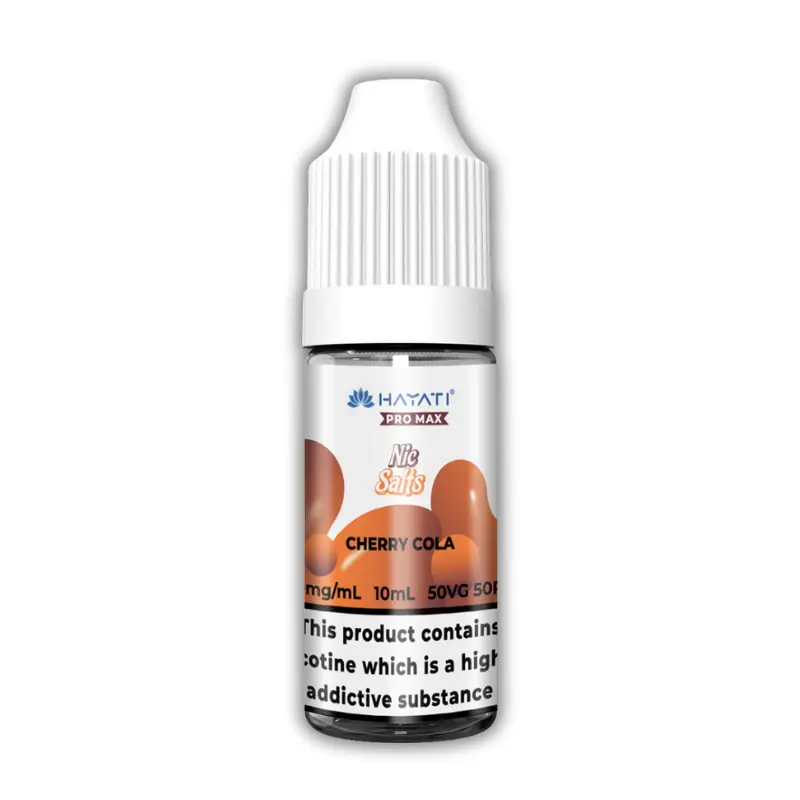
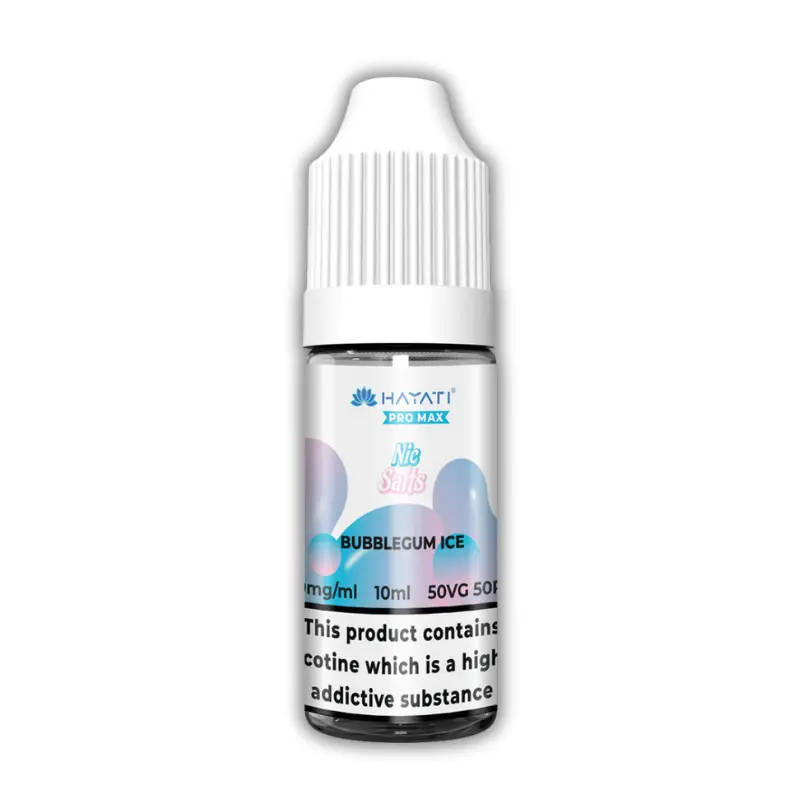
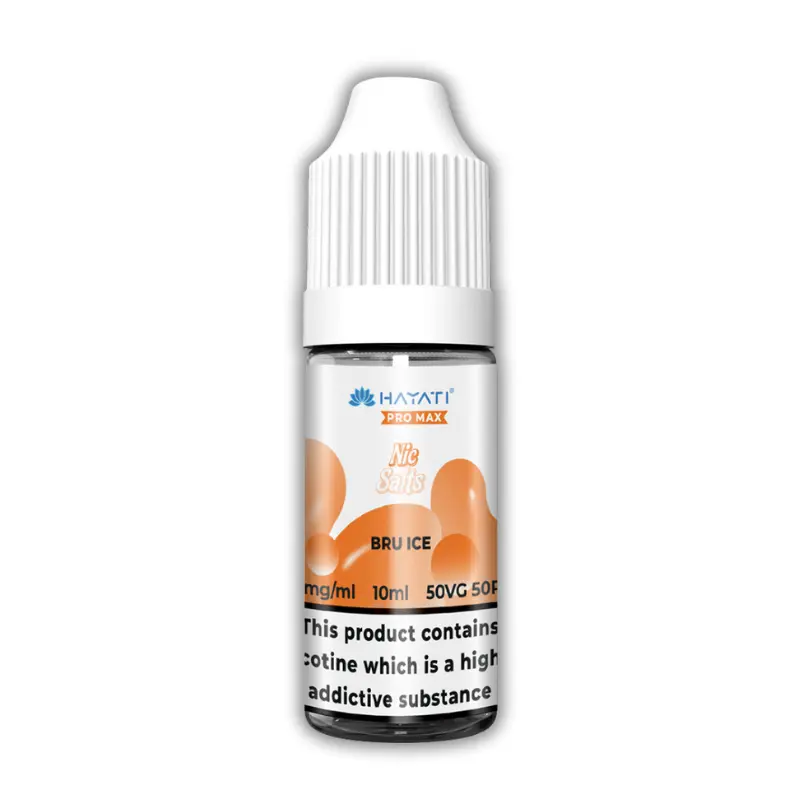
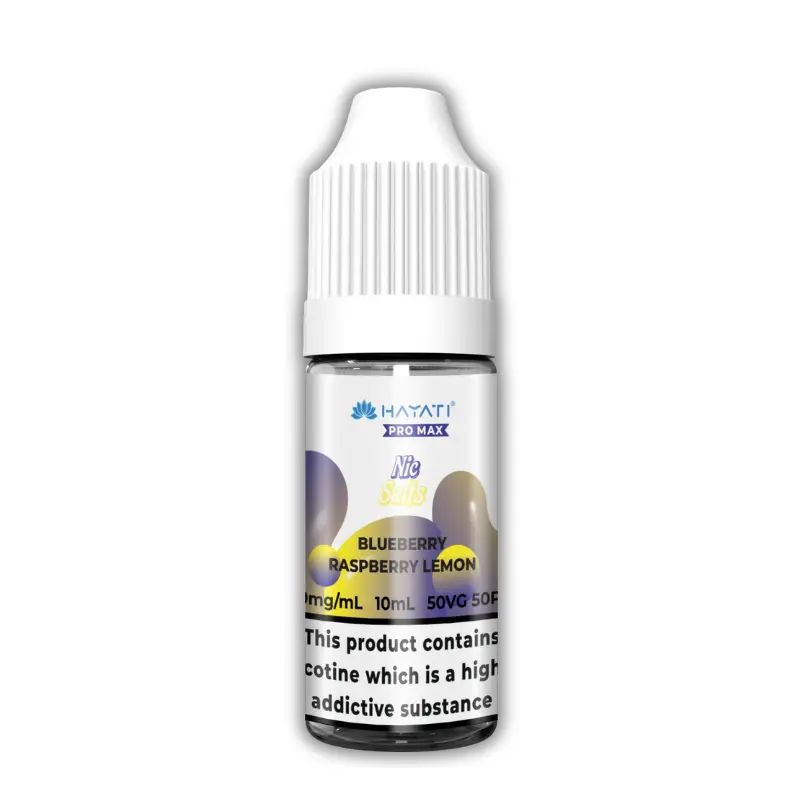
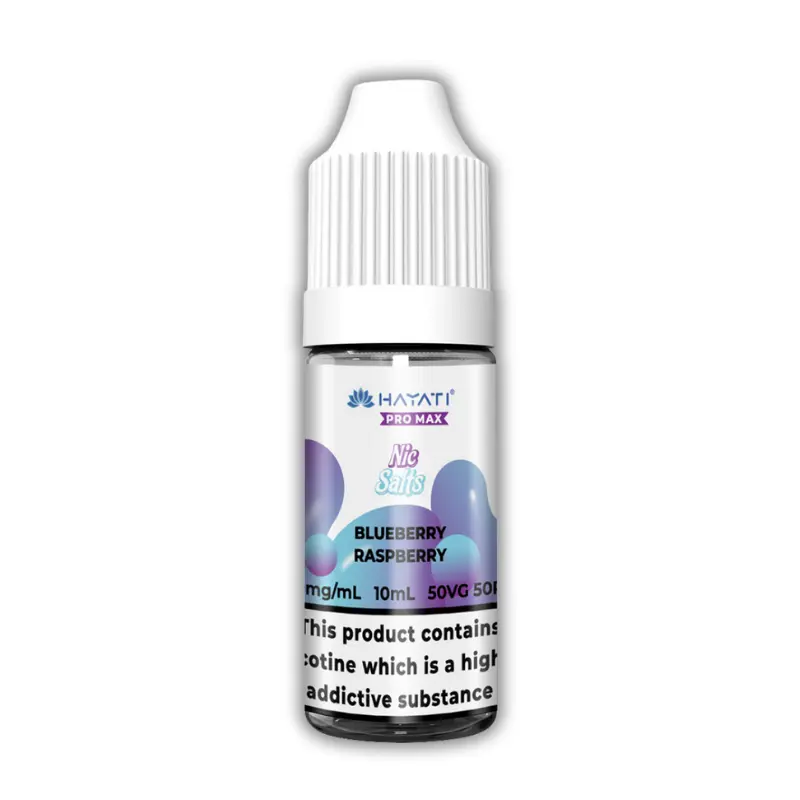
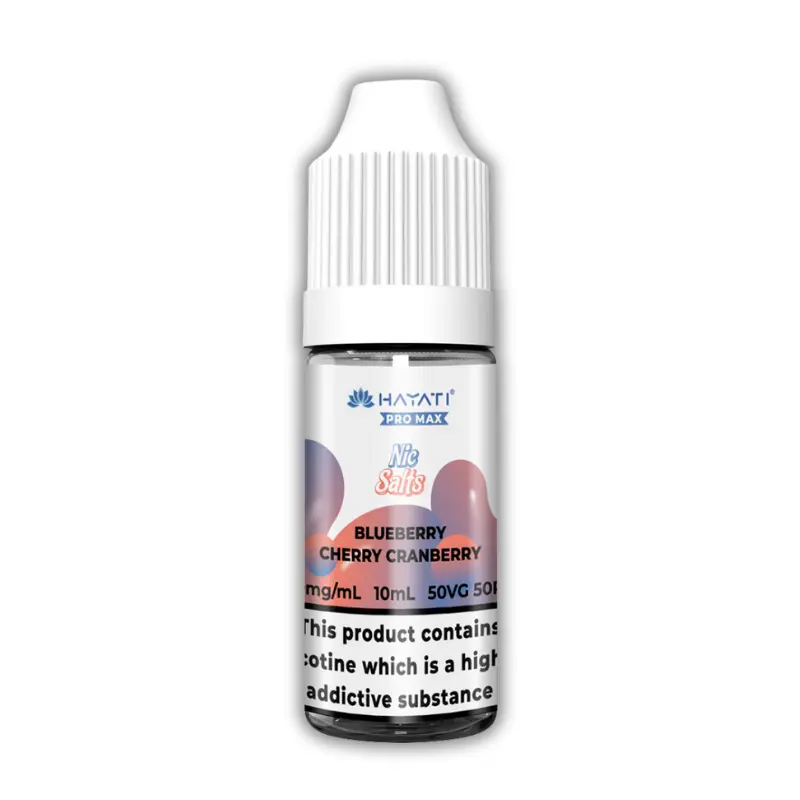
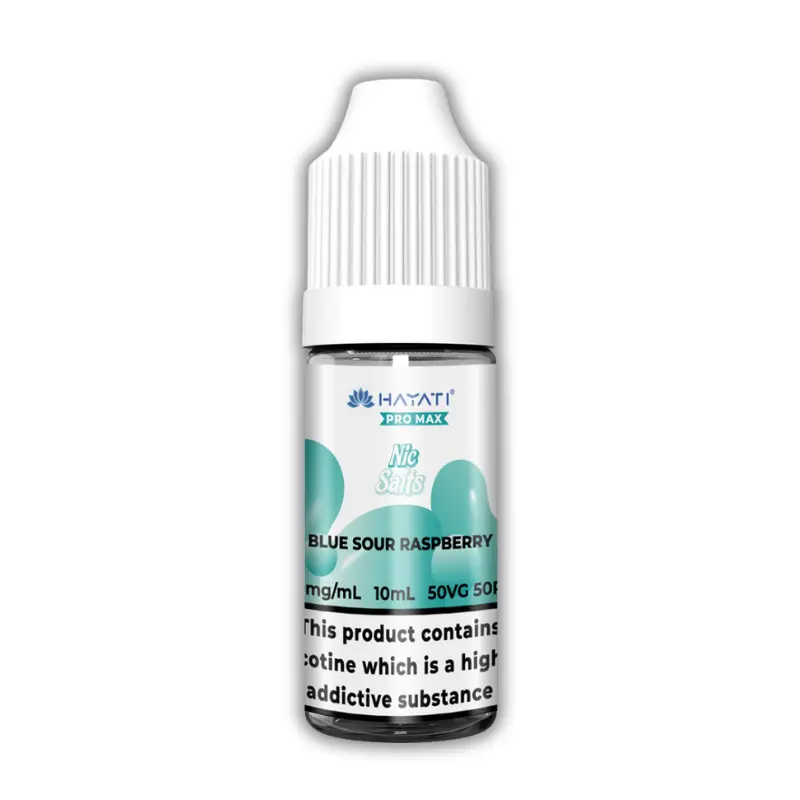
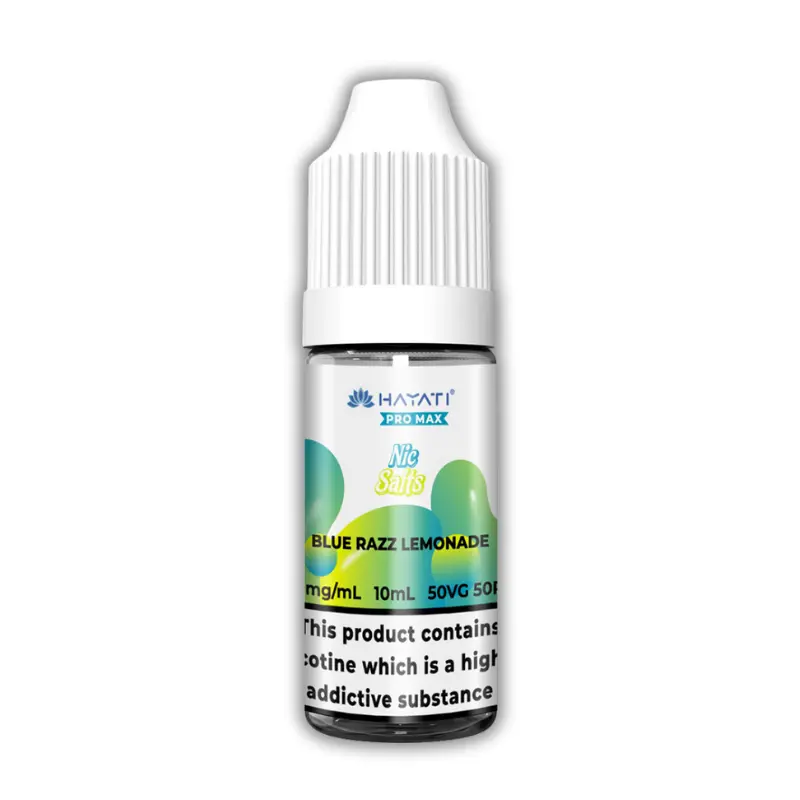
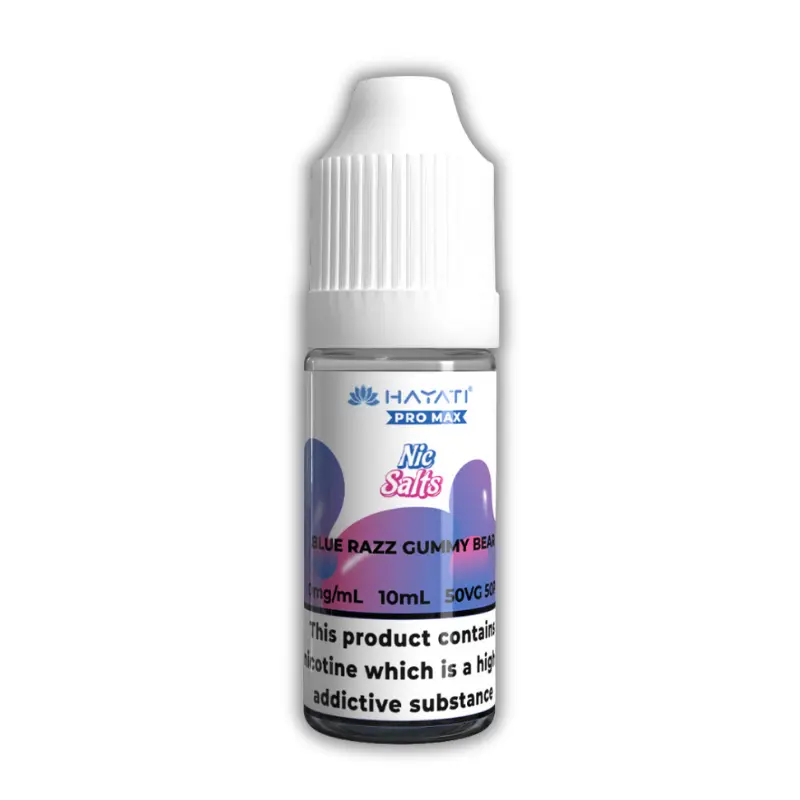
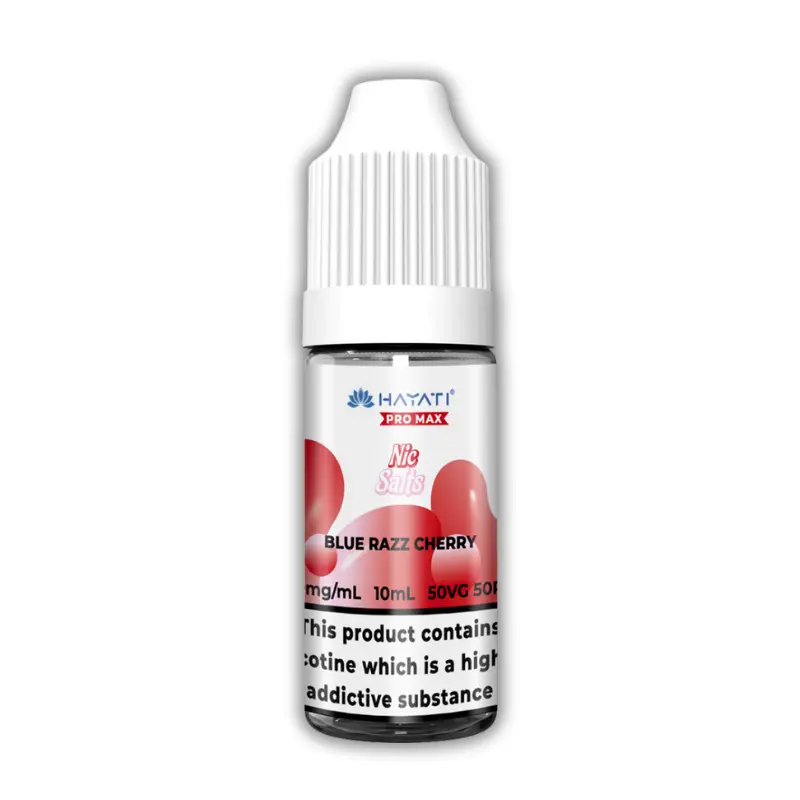
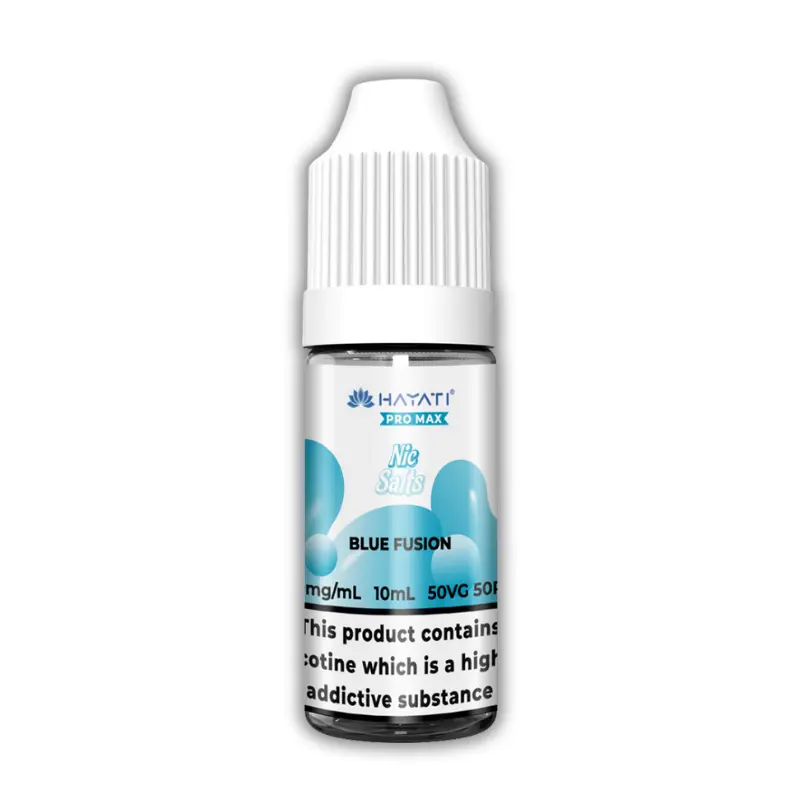
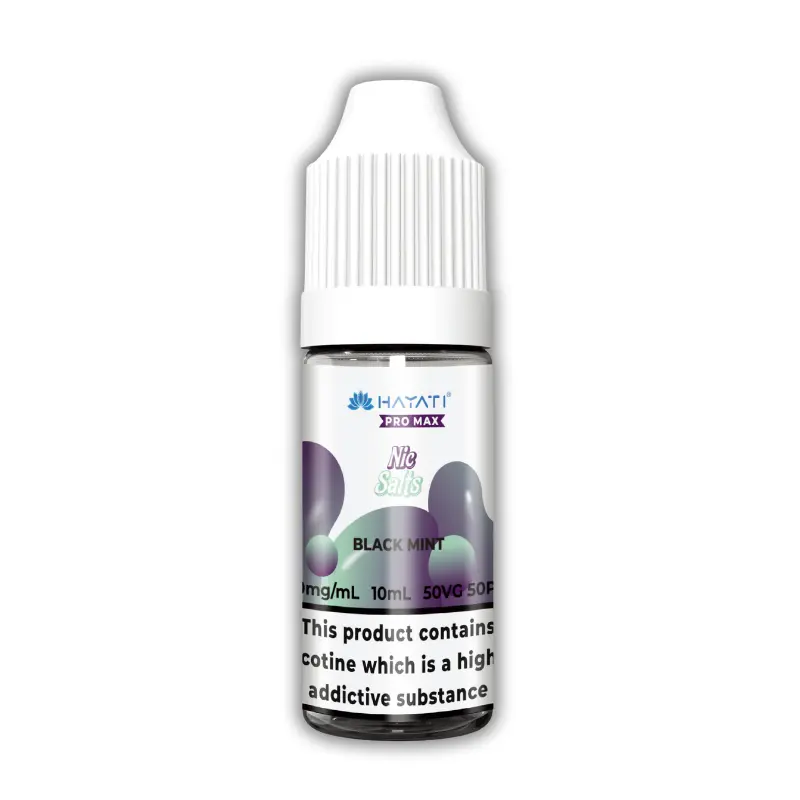
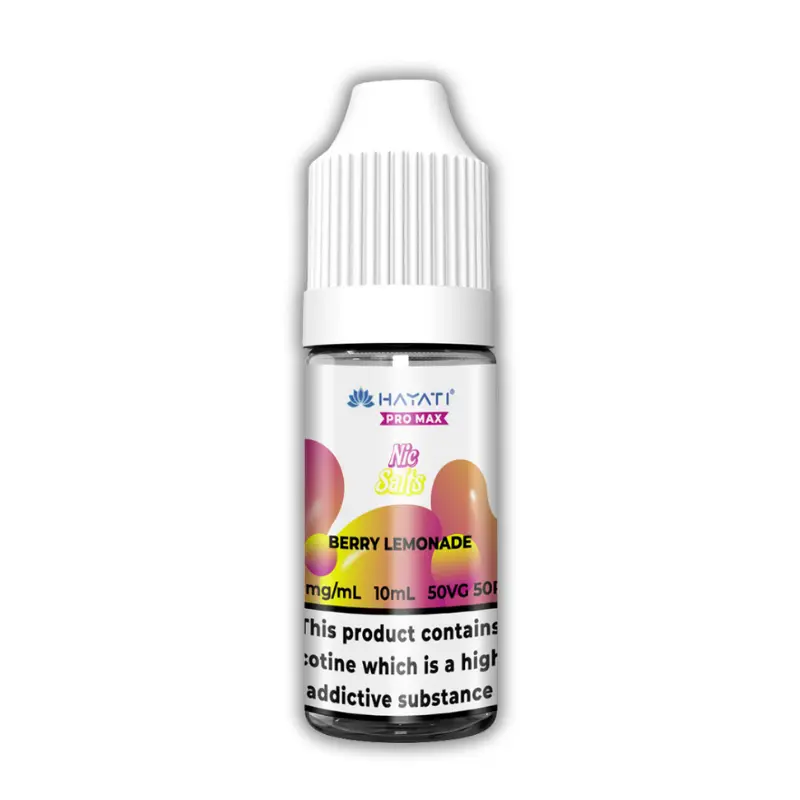
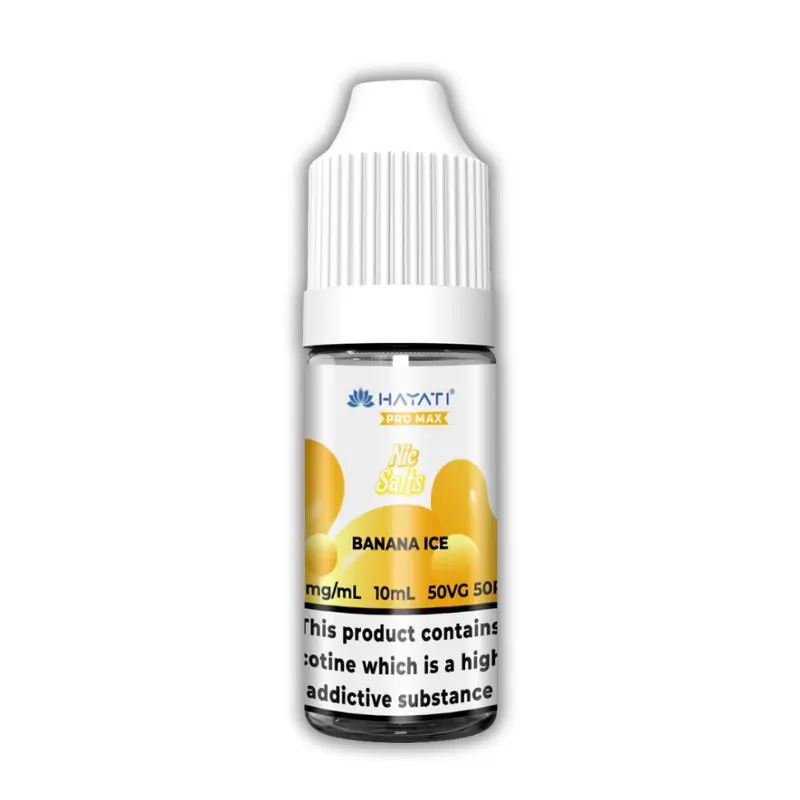
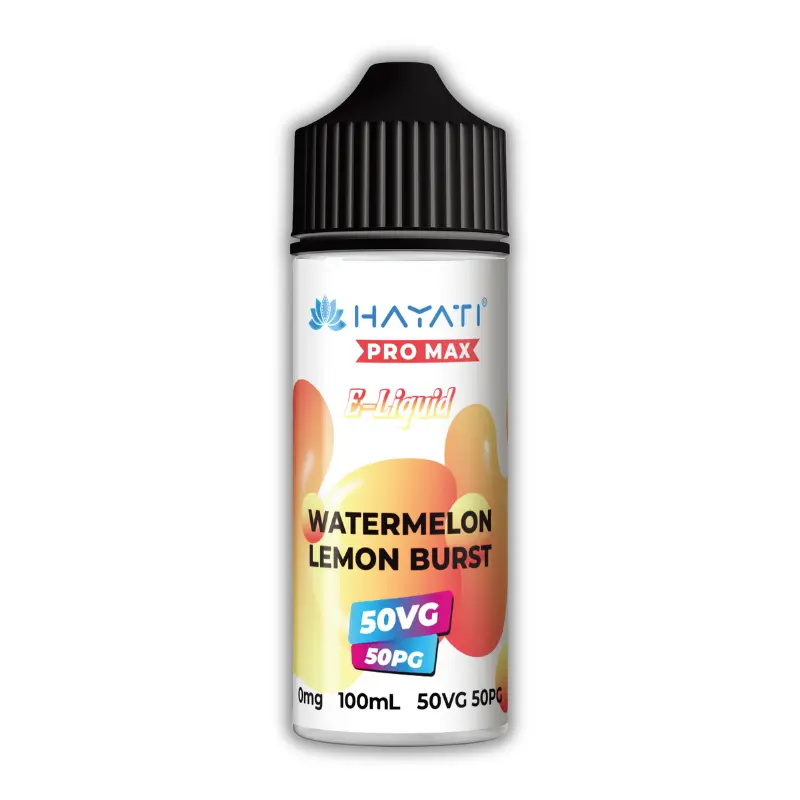
The bottled Pro Max nicotine salts arriving lately are 10ml at 10mg/ml in a 50/50 base, against 20mg/ml in every prefilled pod on this shelf. That is not an accident of assortment, it is the structural difference between the two formats under UK rules. A bottle you decant yourself is capped at 10ml, and the range has settled on half the maximum strength for it.
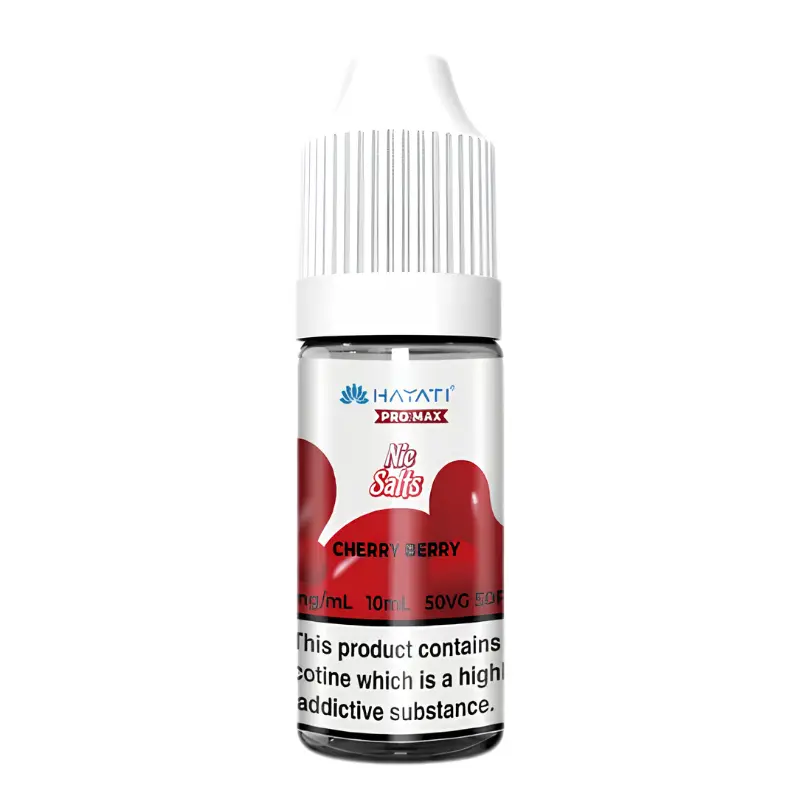
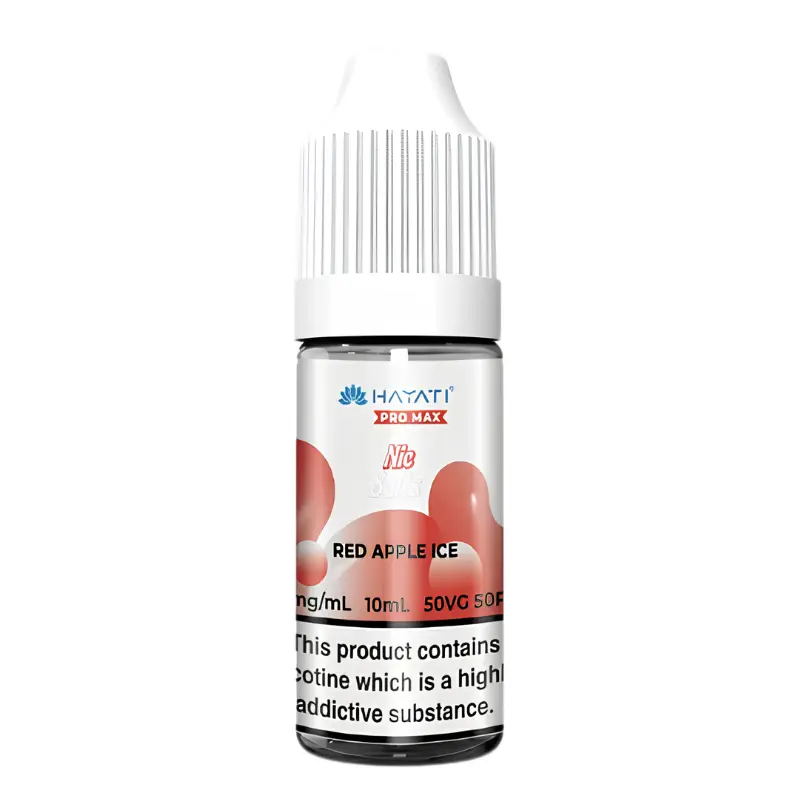
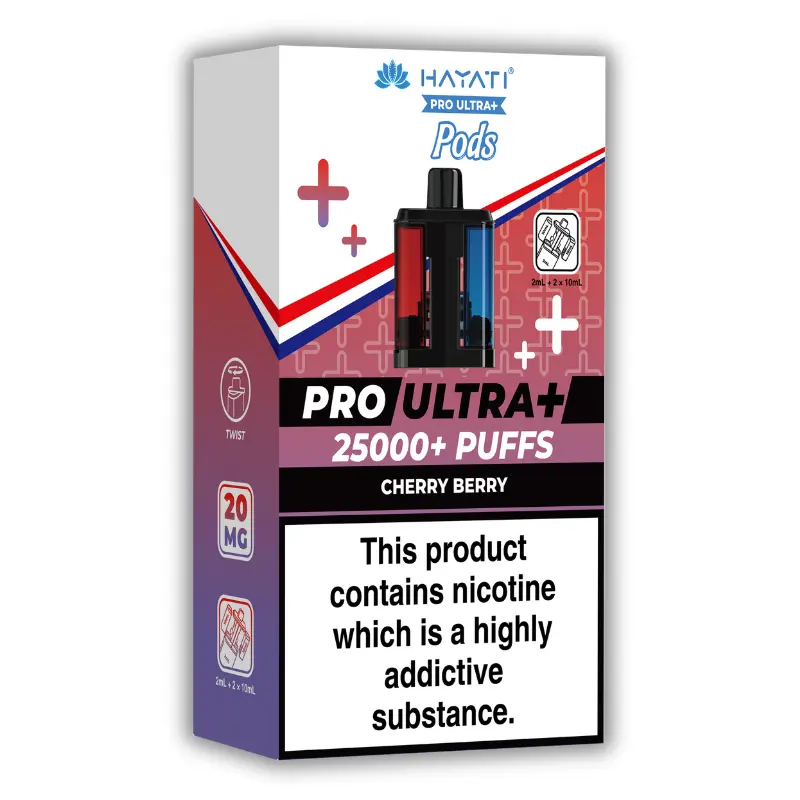
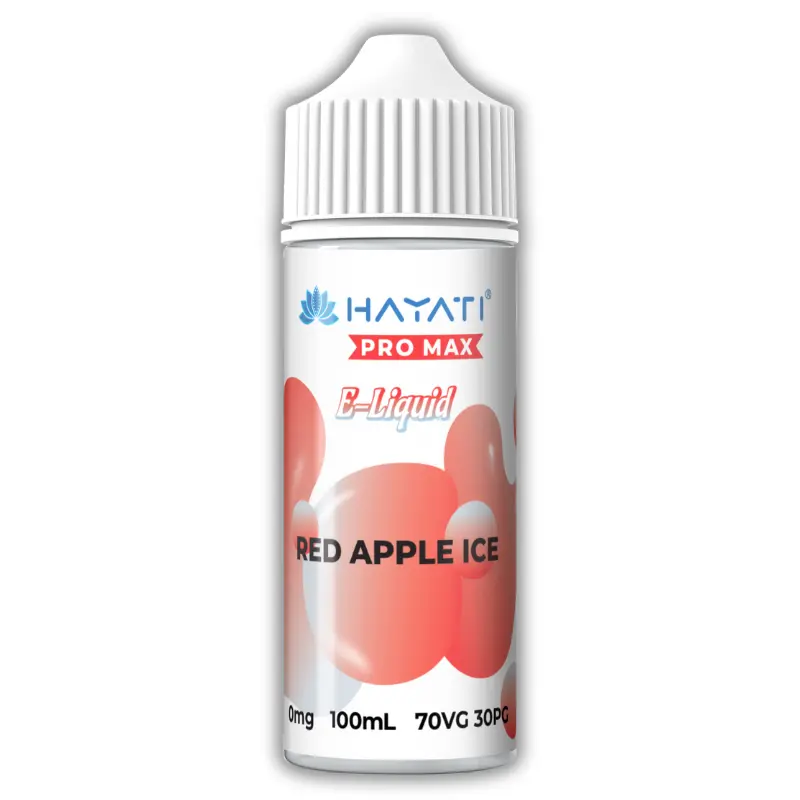
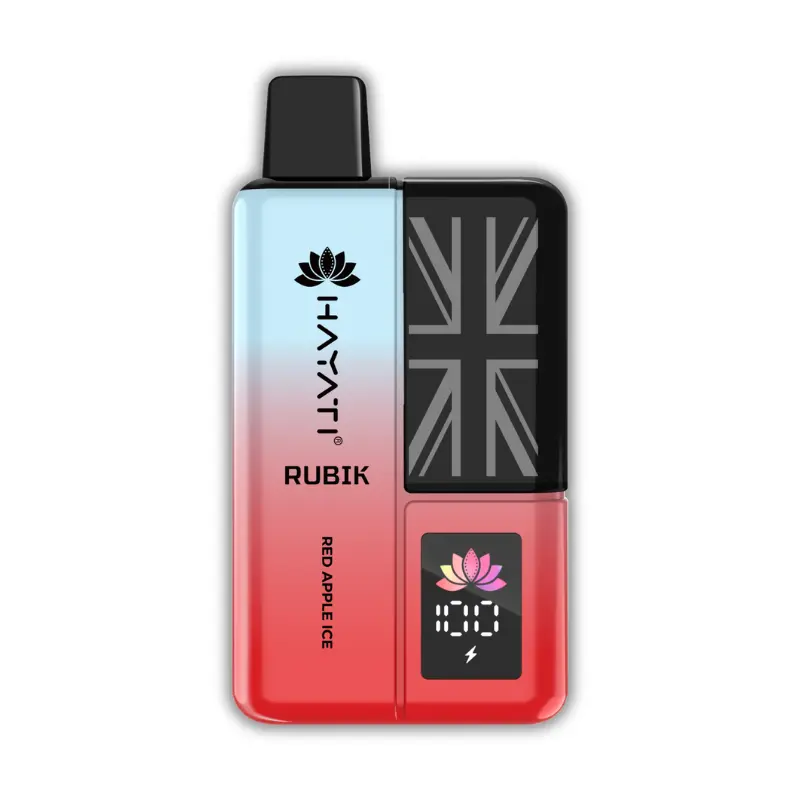
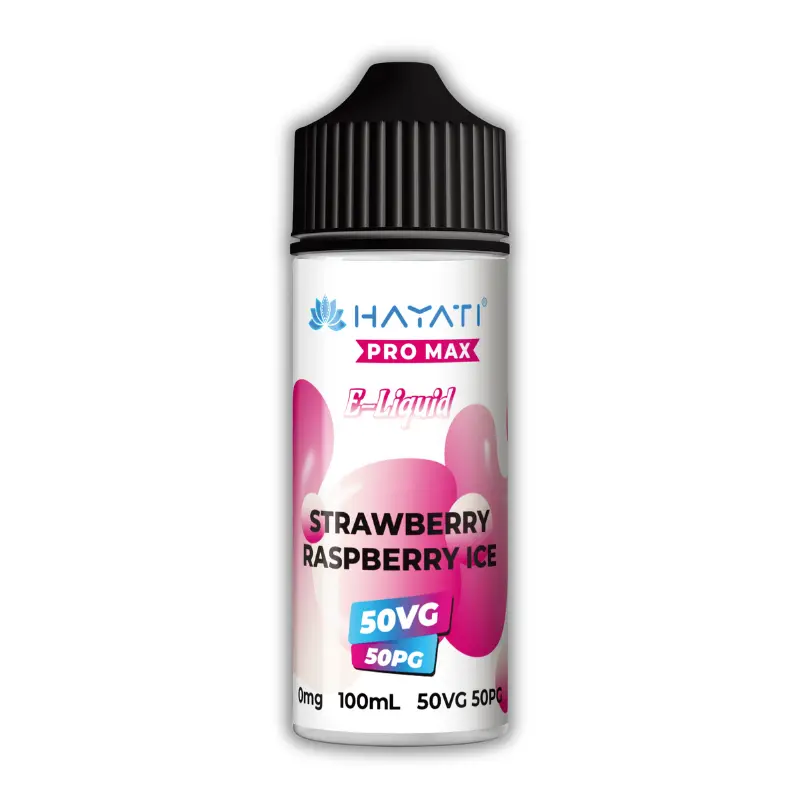
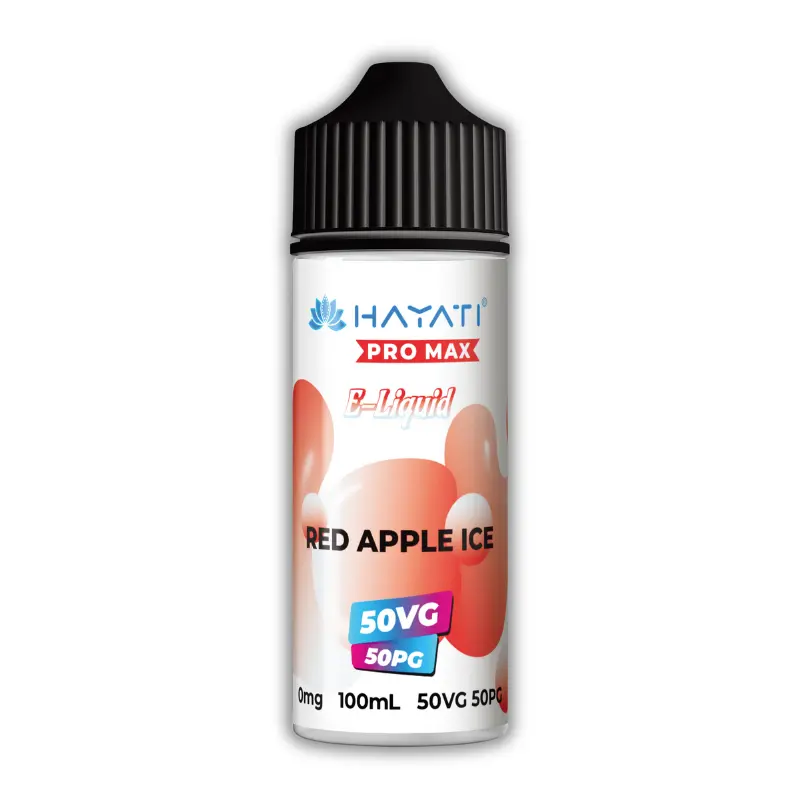
Which means the arrivals shelf now has two nicotine lanes running in parallel, and the flavour lists in each are converging. Red Apple Ice and Cherry Berry are profiles the pod lines already covered, now available at 10mg in a refillable setup. The traffic runs the other way too, but less often.
Flavour names drifted away from ingredient lists
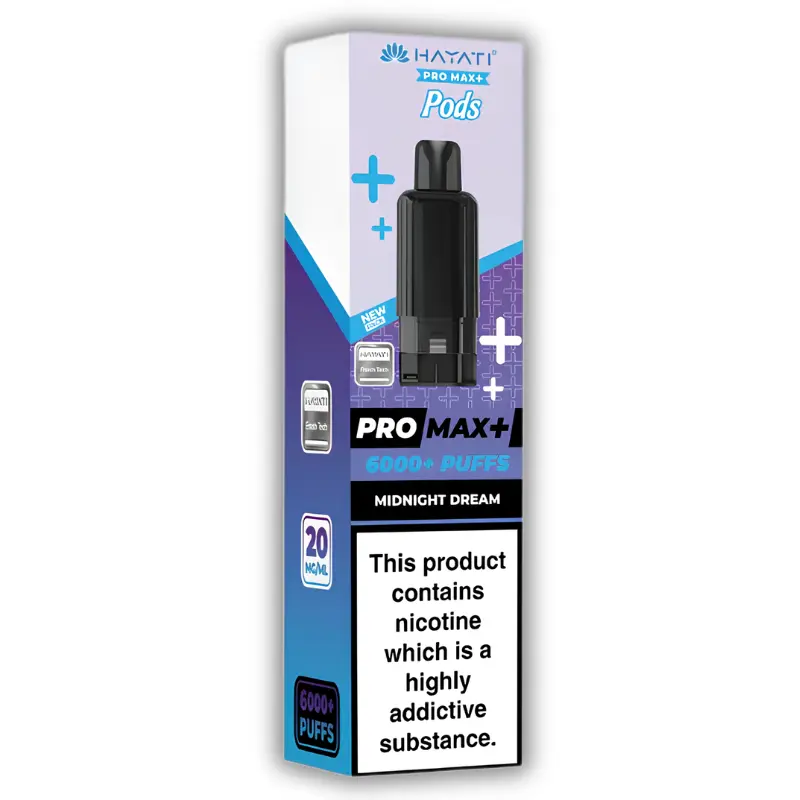
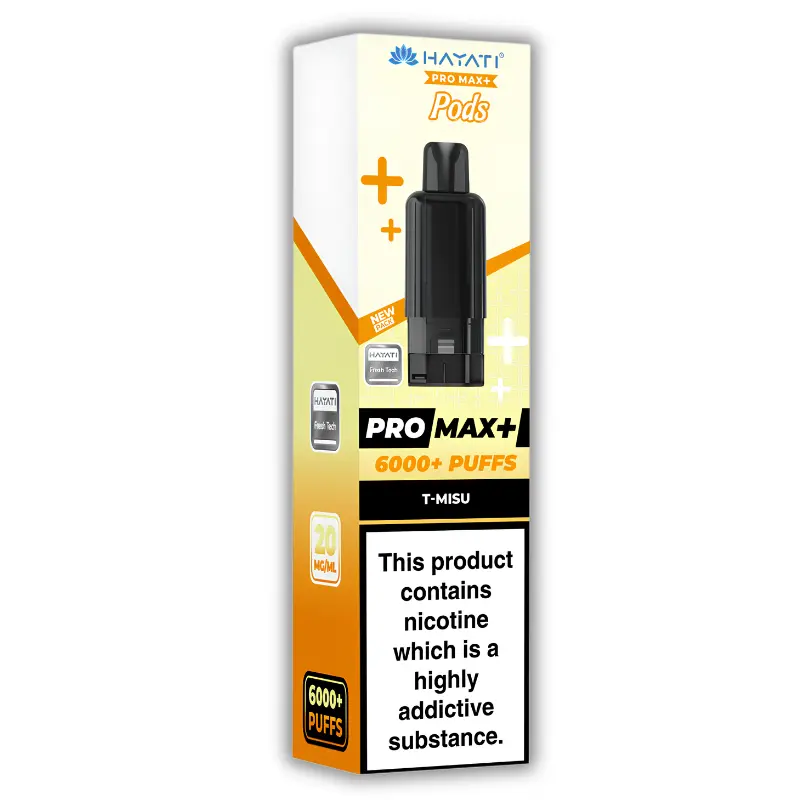
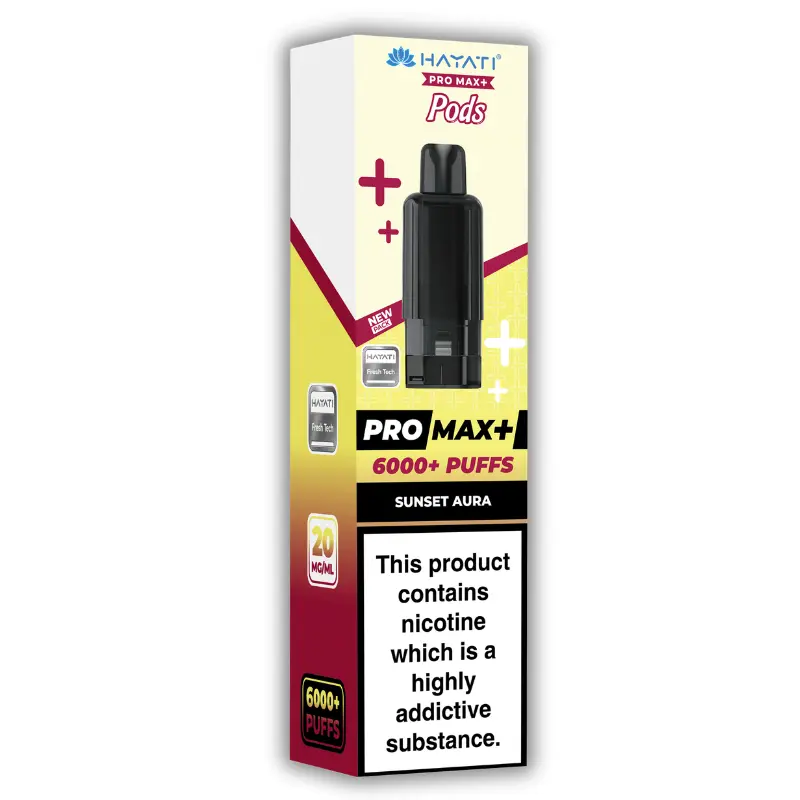
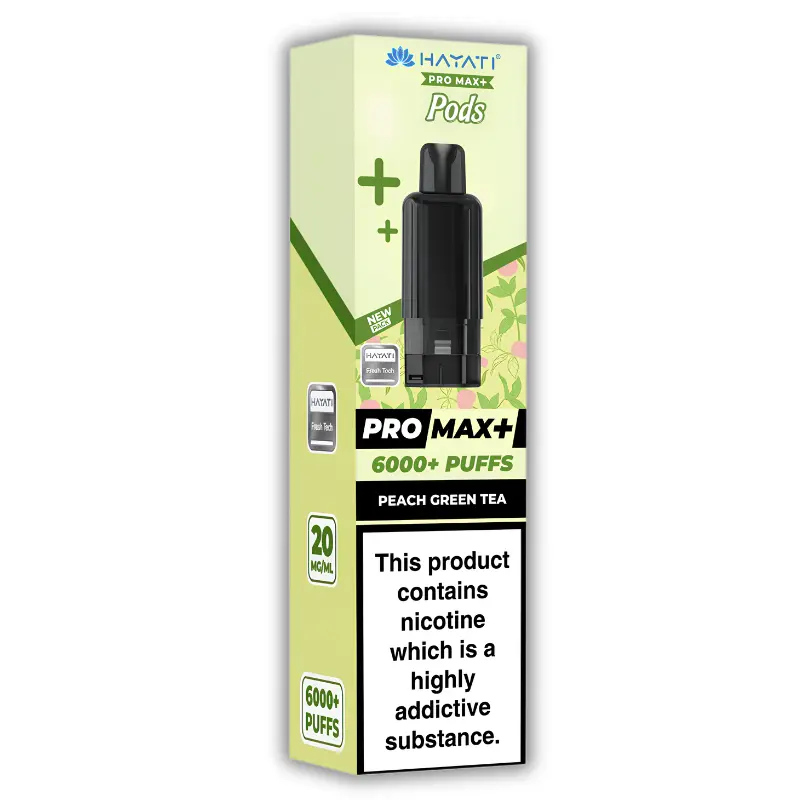
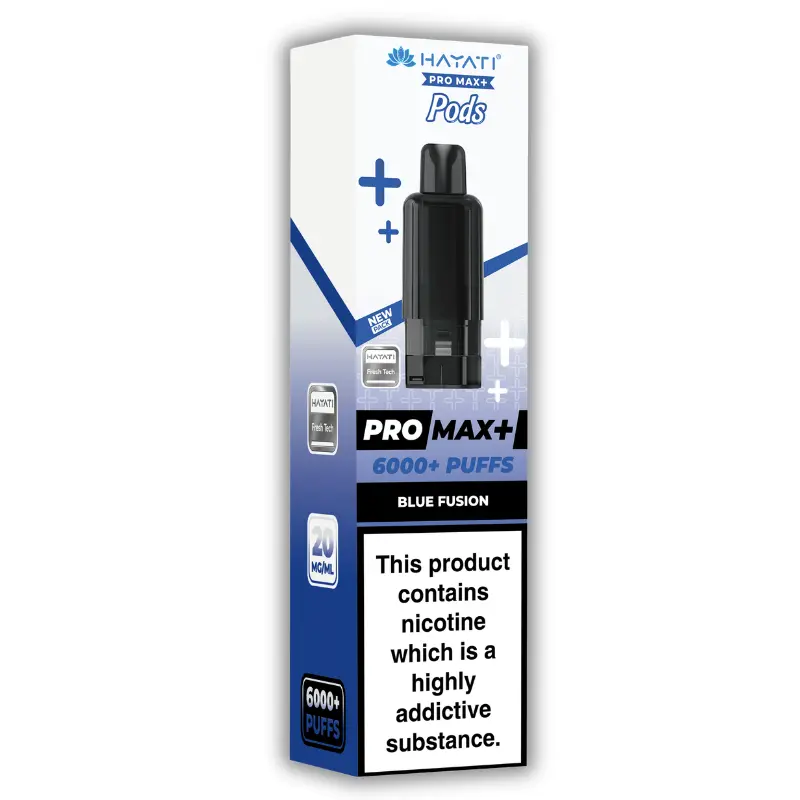
A noticeable share of recent 12ml arrivals are named for a mood rather than a recipe. Sunset Aura, Midnight Dream, Galaxy Aura and Blue Fusion name no fruit at all. Alongside that runs a smaller and more interesting drift towards non-fruit profiles: T-Misu as a dessert, Peach Green Tea as an infusion, and one dry, lightly toasted leaf profile that stands alone in the current arrivals.
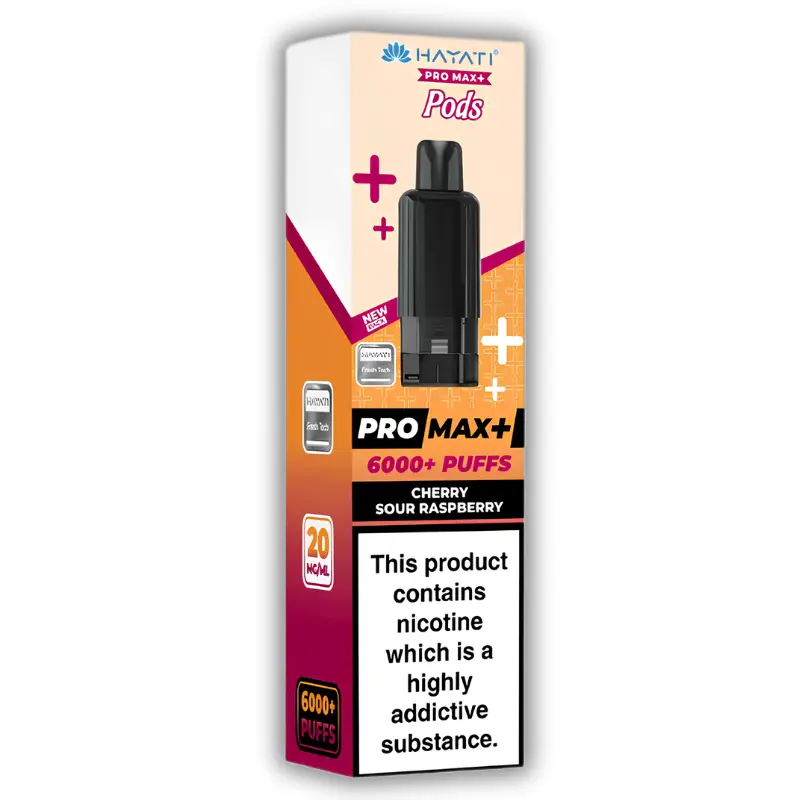
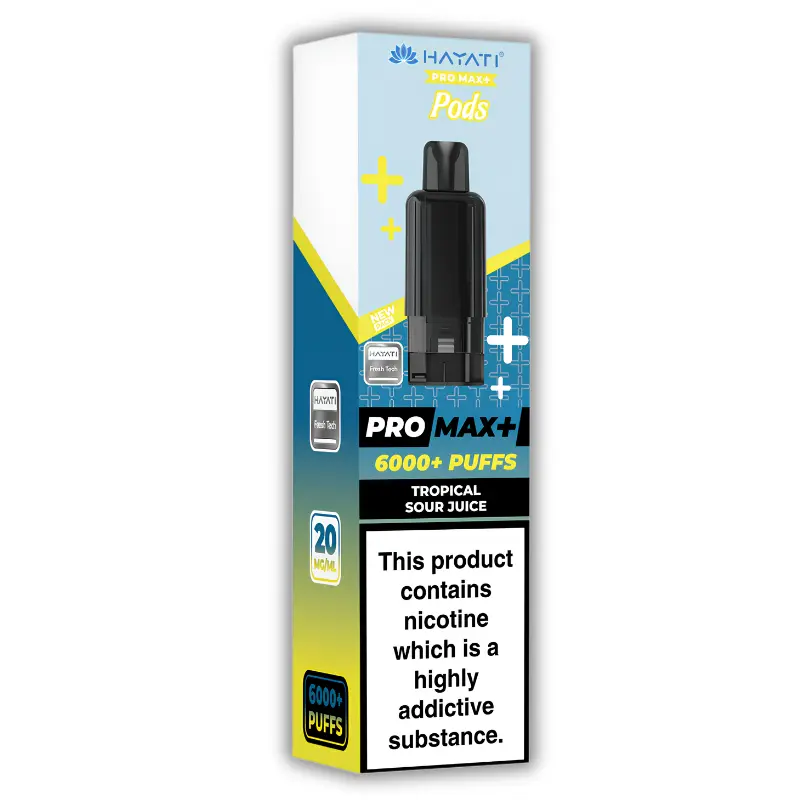
A third trend is sourness. Tropical Sour Juice and Cherry Sour Raspberry both put an acid note in front of the fruit rather than behind it, which was uncommon in the range until fairly recently. Set against all three of those movements, the volume is still dominated by sweet fruit blends, so the drift is real but it is a minority of the schedule.
Where the schedule has been thin
What has not arrived is as informative as what has. Reading the recent intake for absences, four gaps stand out, and if any of them describes what you want, the arrivals shelf is going to keep disappointing you.
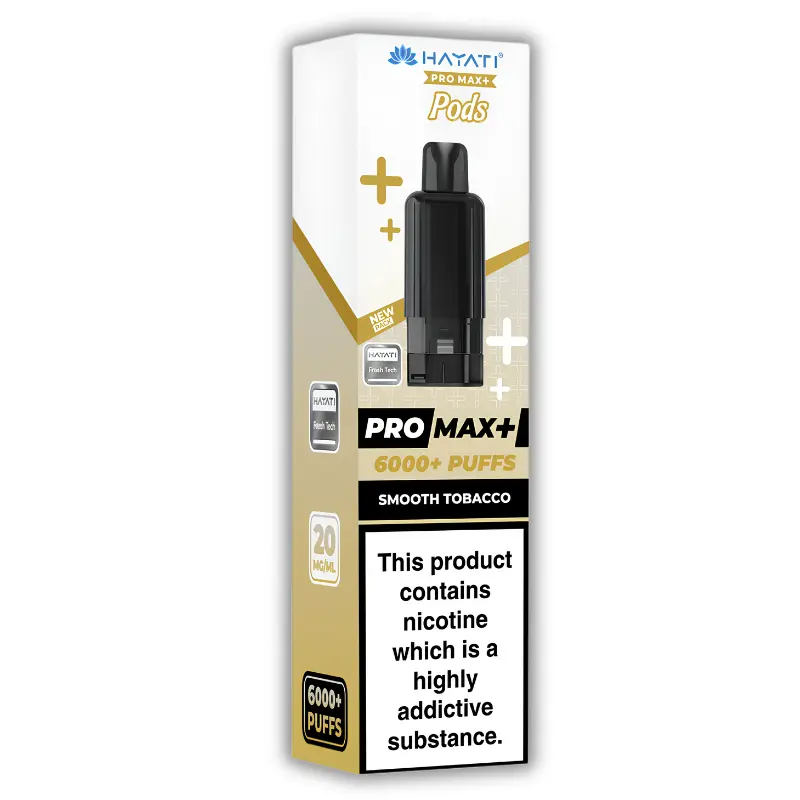
Leaf profiles are the starkest. Across the whole current intake there is one, and it sits on the 12ml tier only. There is no 22ml equivalent and no bottled version among the recent salts. Dessert and bakery profiles are nearly as thin, with the tiramisu build carrying the category more or less alone. Drinks profiles do slightly better, between the cola construction at 22ml, the tea infusion at 12ml and the lemonade and mojito builds scattered across both tiers, but they are still a rounding error next to the fruit count.
The third gap is unsweetened. Almost every arrival is described somewhere in the medium-to-sweet band, and the handful that are not are cooling-led rather than dry. If your preference is for a flavour that is genuinely restrained on sugar, the recent releases are not aimed at you, and no amount of waiting looks likely to change that.
The fourth gap is single-profile hardware at the top tier, which the dual-flavour trend has quietly squeezed. Four of ten is not nothing, but the ratio has been moving in one direction for a while, and single-profile 22ml options are worth buying when you see one rather than assuming another will come along.
Genuinely new, or an old flavour in new packaging
This is the question the arrivals grid is worst at answering, and the one most worth answering. A listing added last week can be any of three quite different things, and the price you should be willing to pay differs for each.
The same liquid, a different box
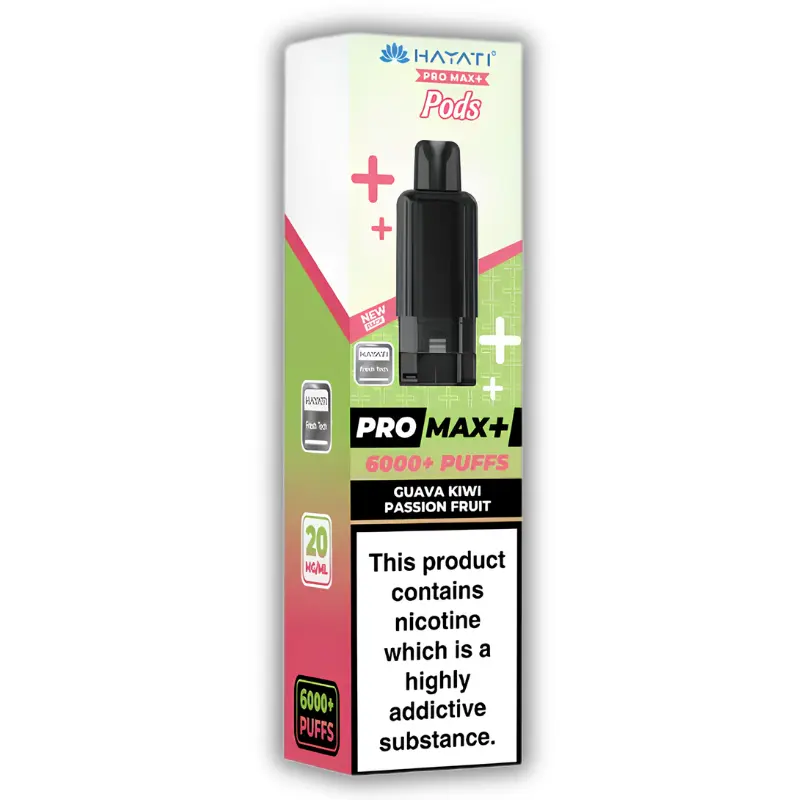
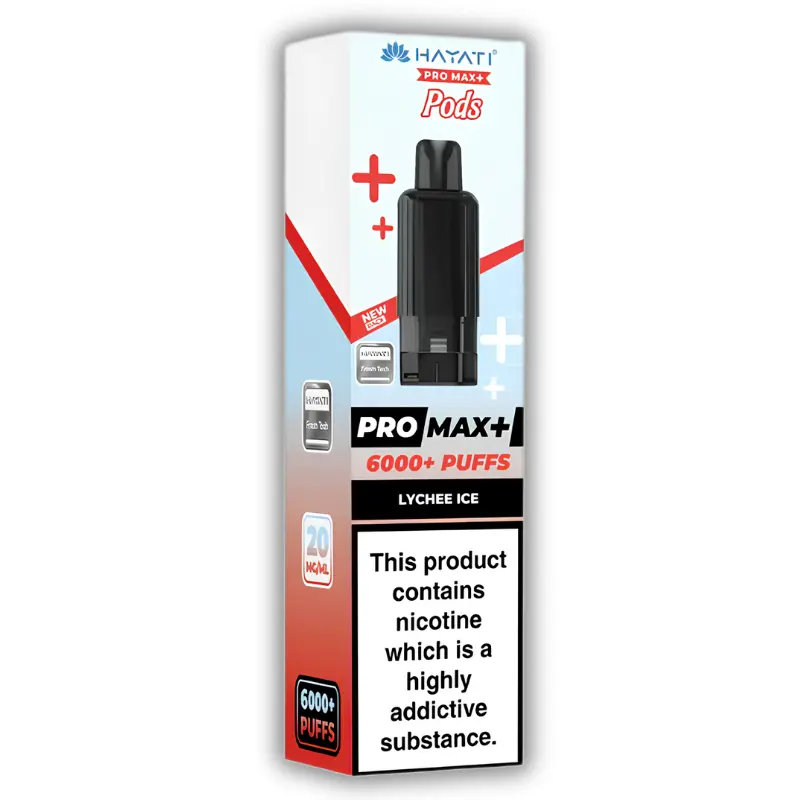
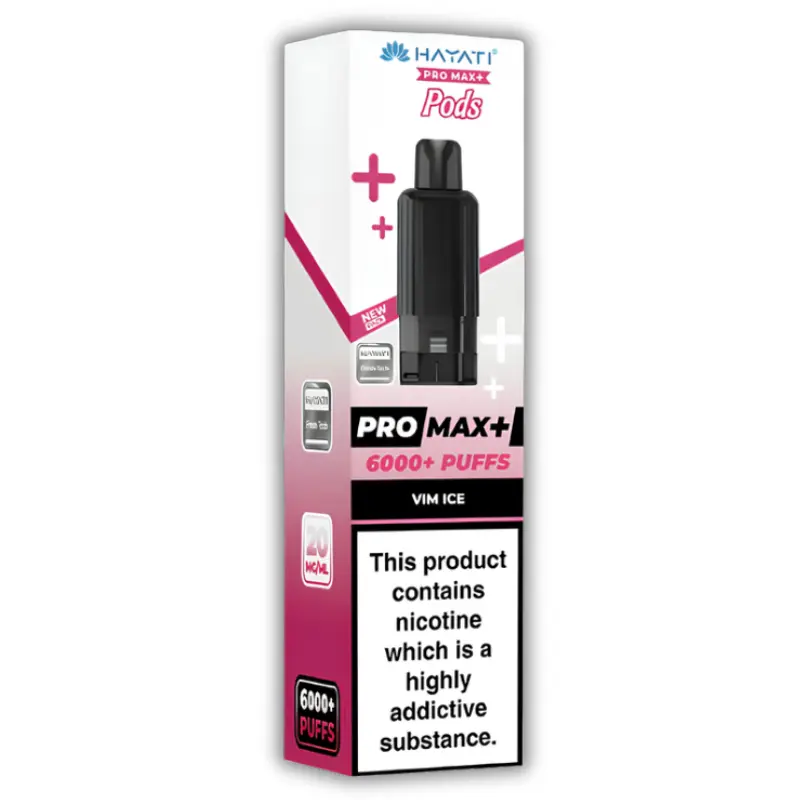
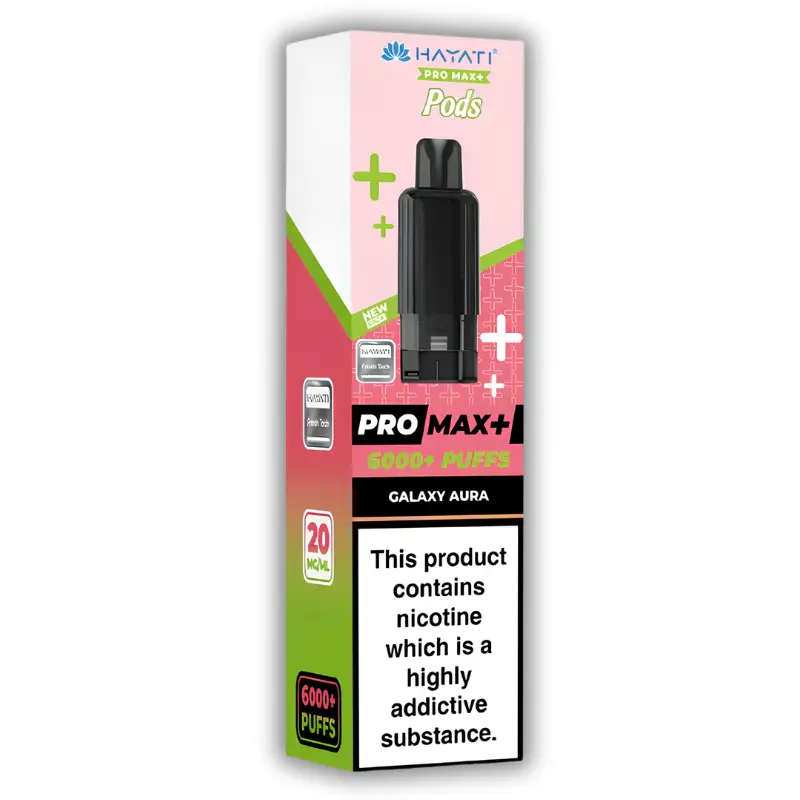
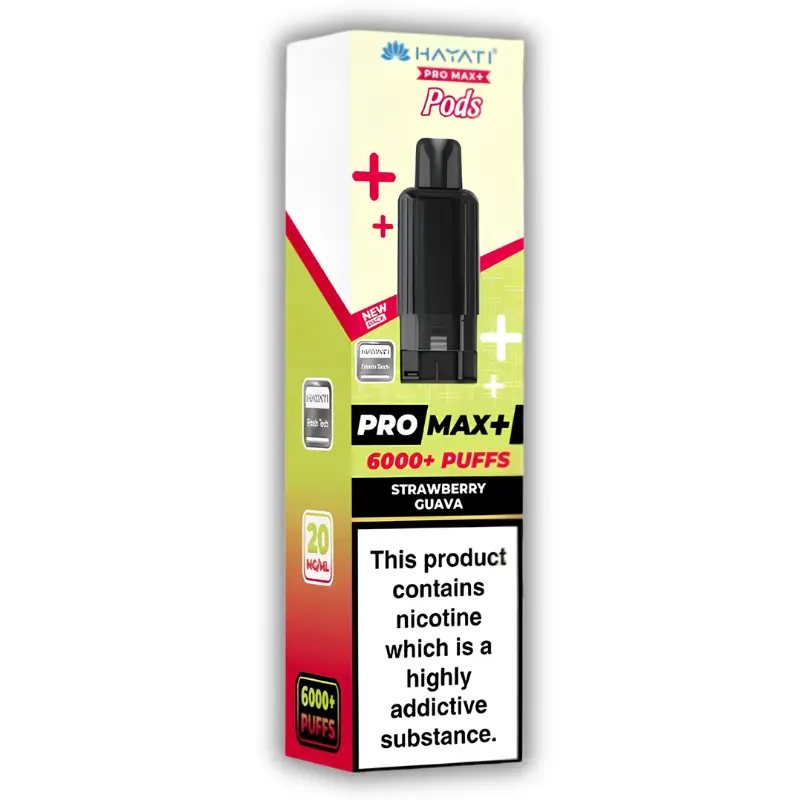
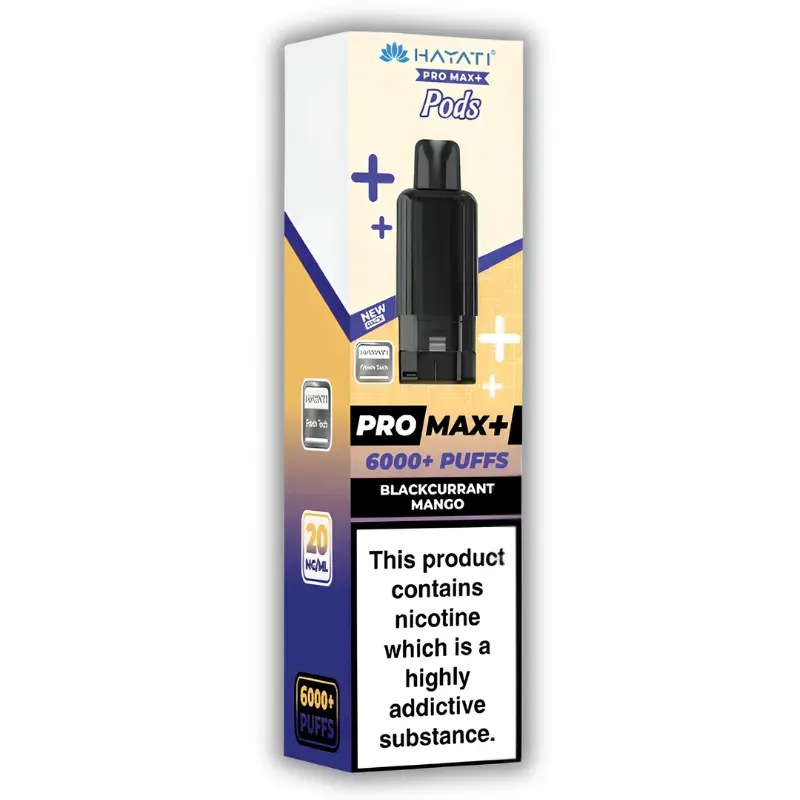
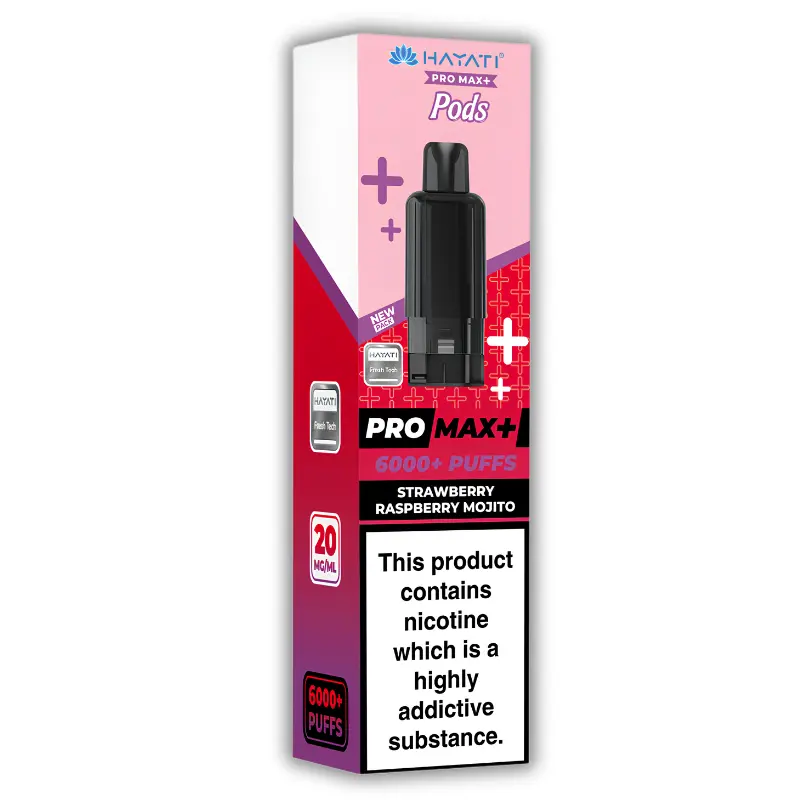
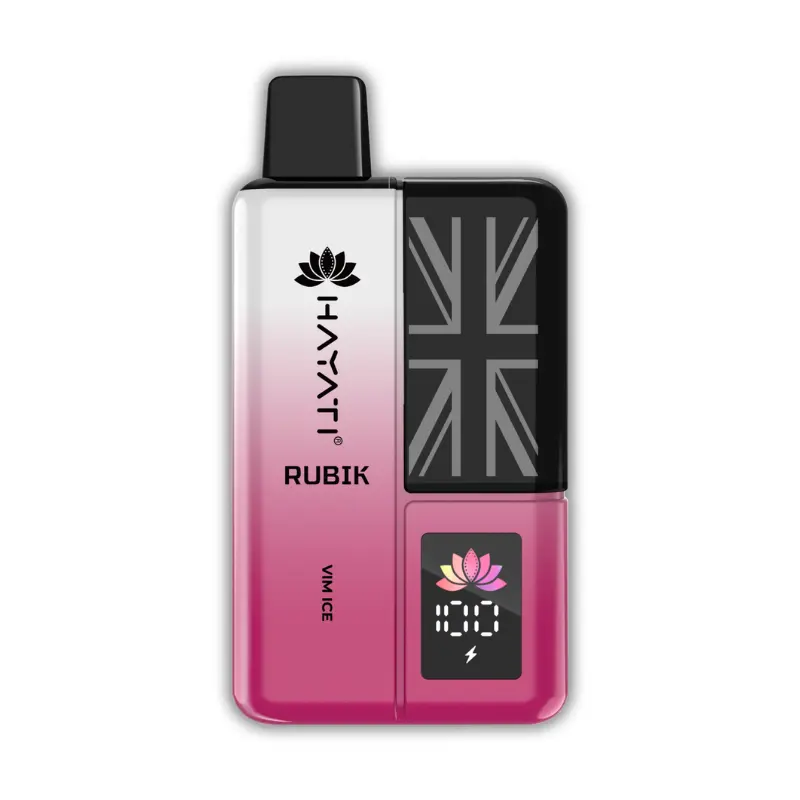
The clearest case is a pod-only listing for a flavour that already shipped as a kit. On the current shelf that accounts for a large share of the 12ml arrivals. The bare-pod versions of Lychee Ice and Vim Ice both followed their kits, as did Blackcurrant Mango, and the pattern repeats for Guava Kiwi Passion Fruit, Strawberry Guava, Cherry Sour Raspberry, Midnight Dream and Galaxy Aura.
Nothing about the liquid has changed. The same 12ml, the same 20mg/ml, the same profile. What changed is that you can now buy it without paying for another battery. If you already own the device, these are not new products in any sense that should affect your interest, they are restocking options. If you do not own the device, they are not buyable at all on their own.
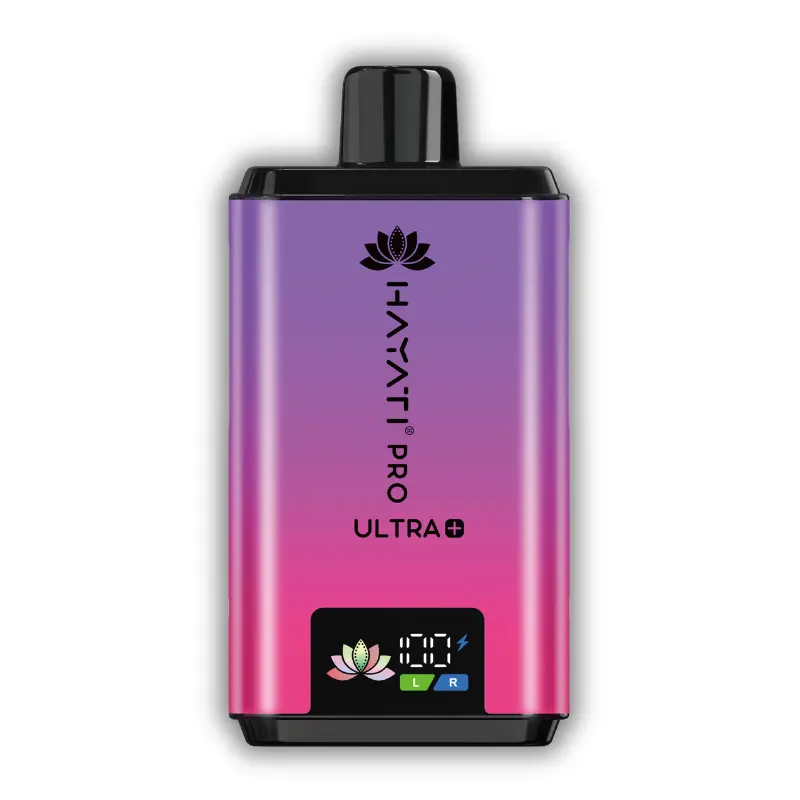
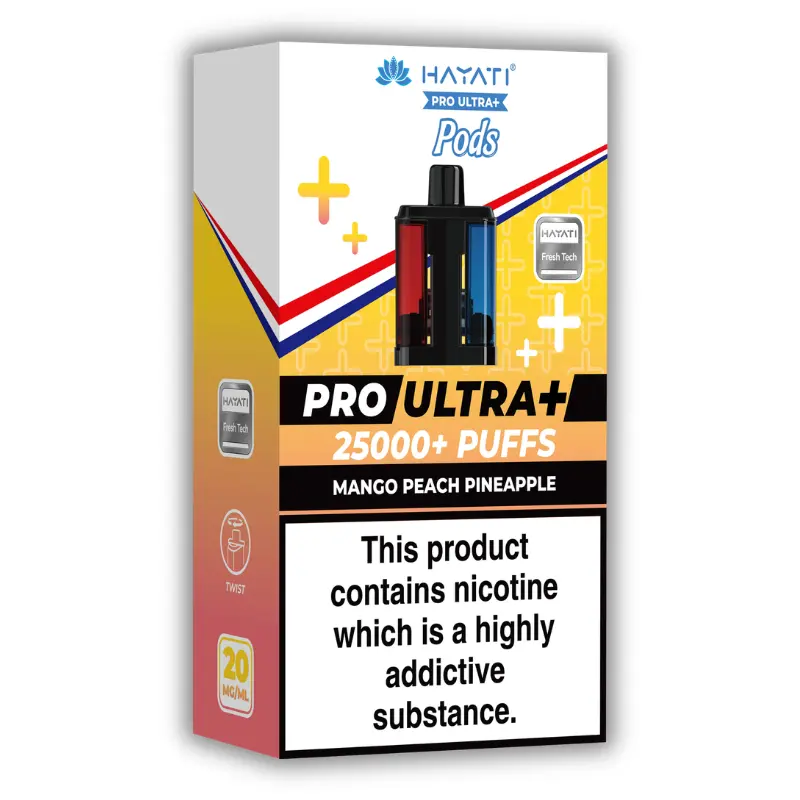
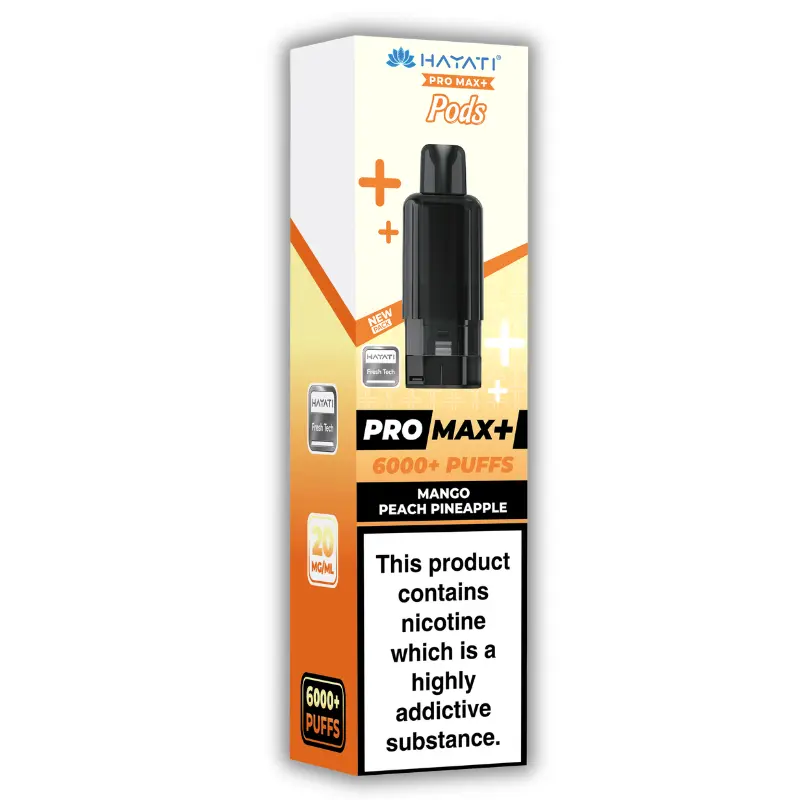
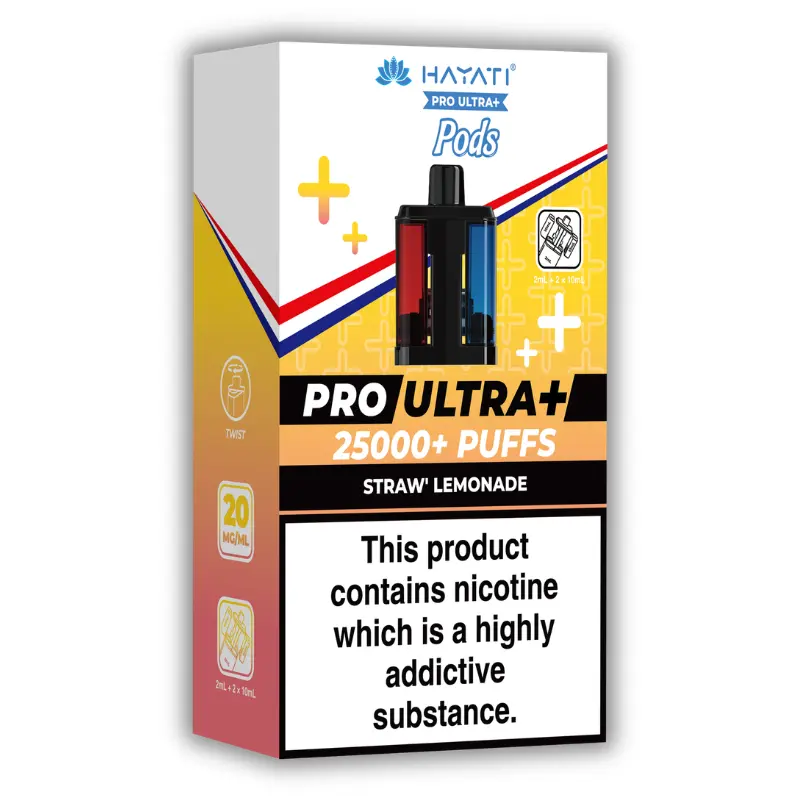
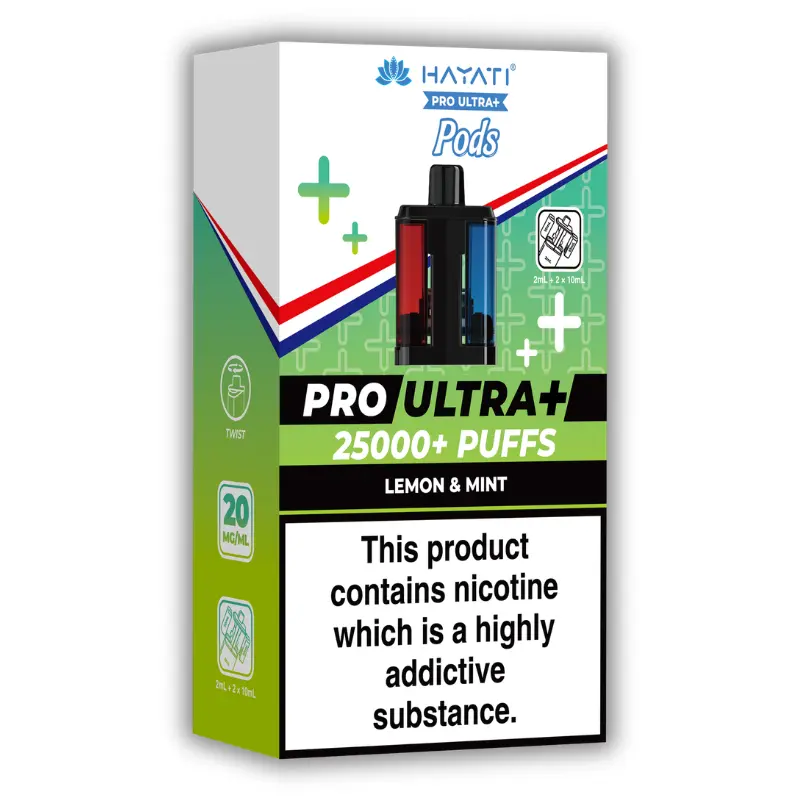
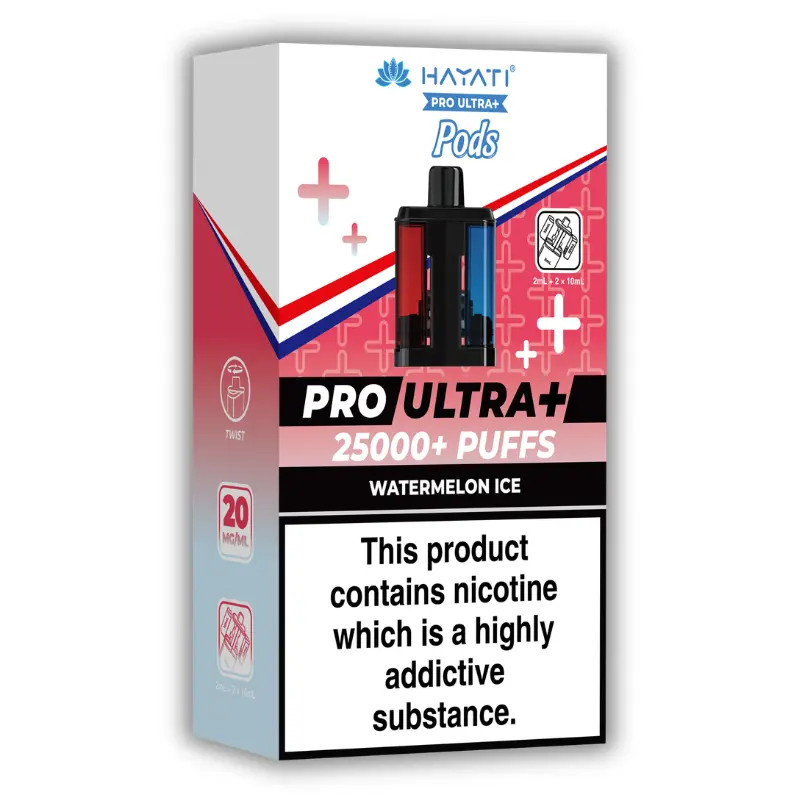
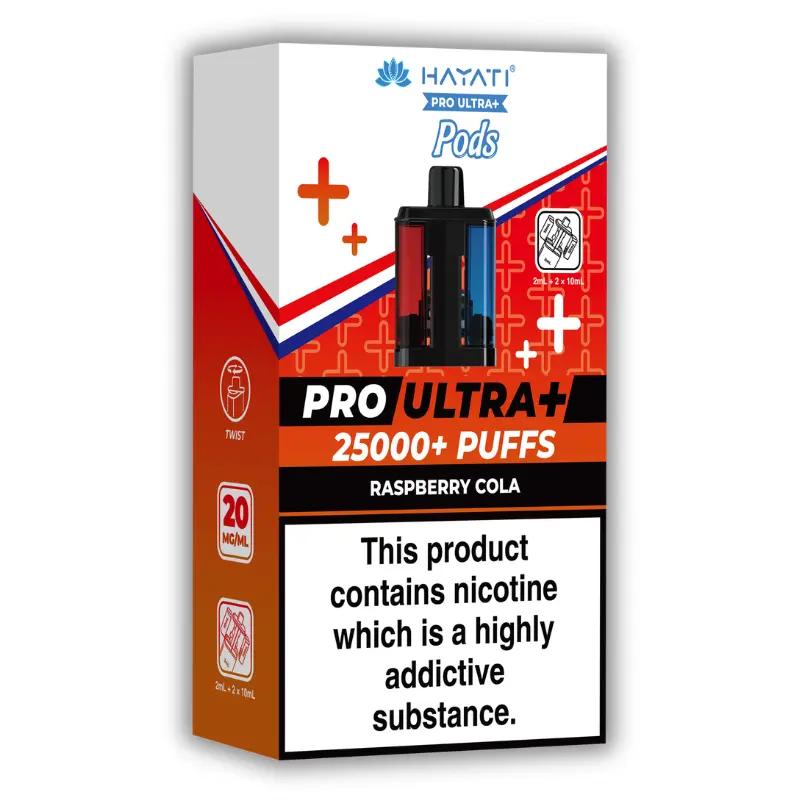
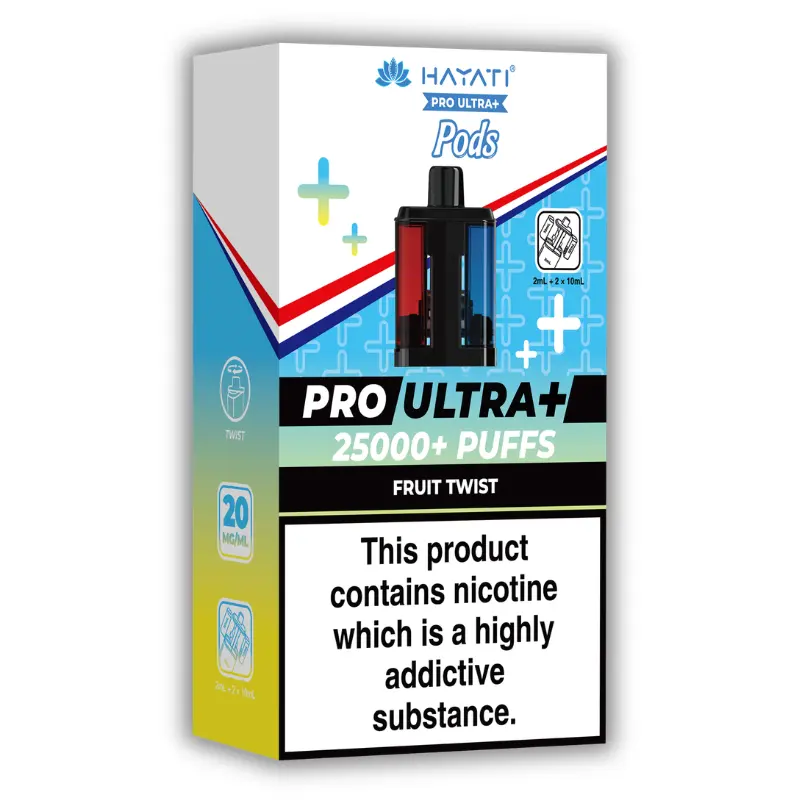
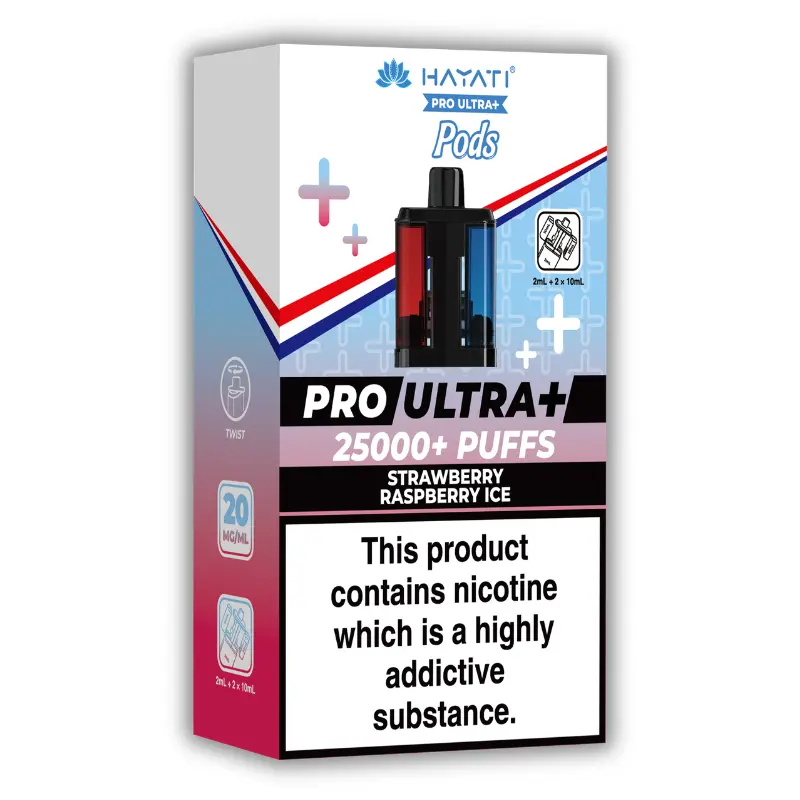
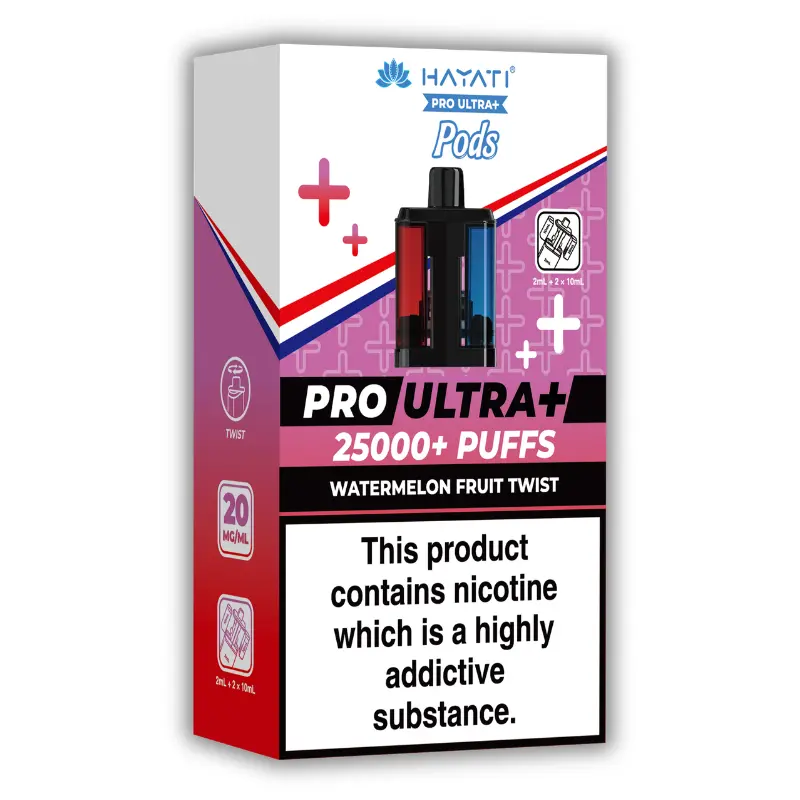
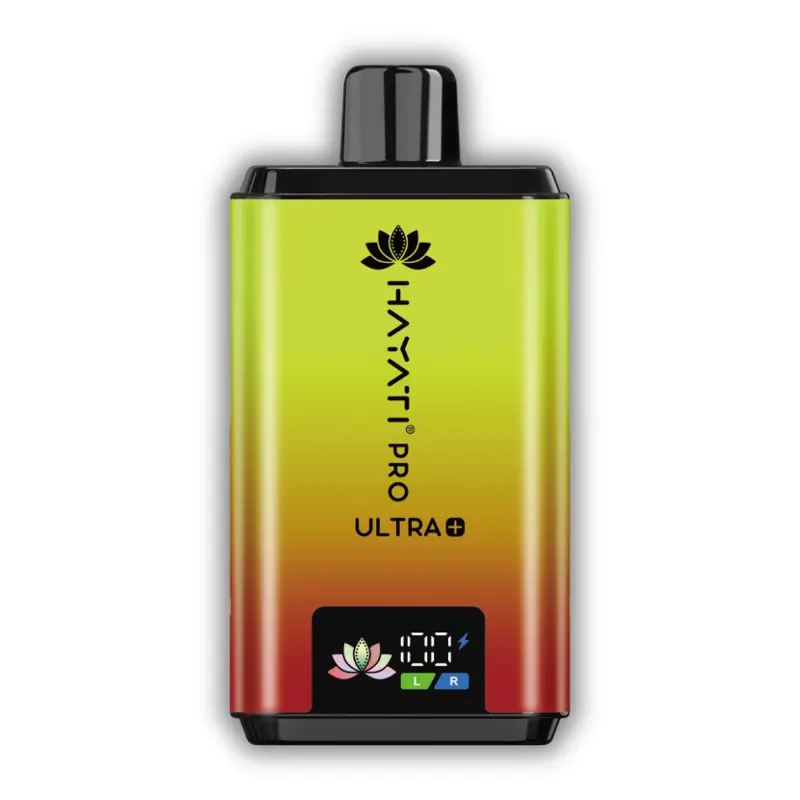
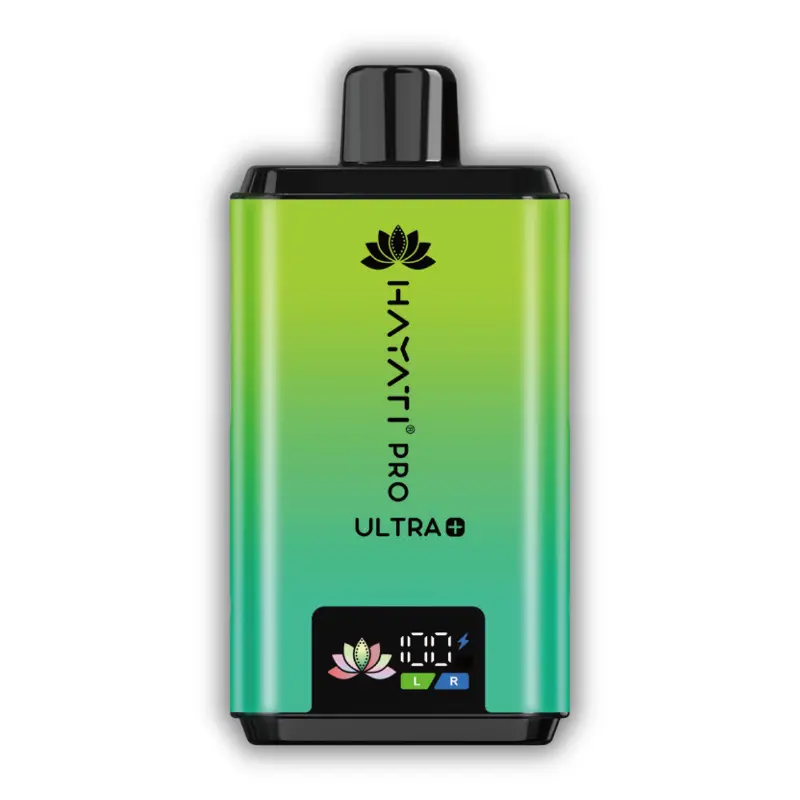
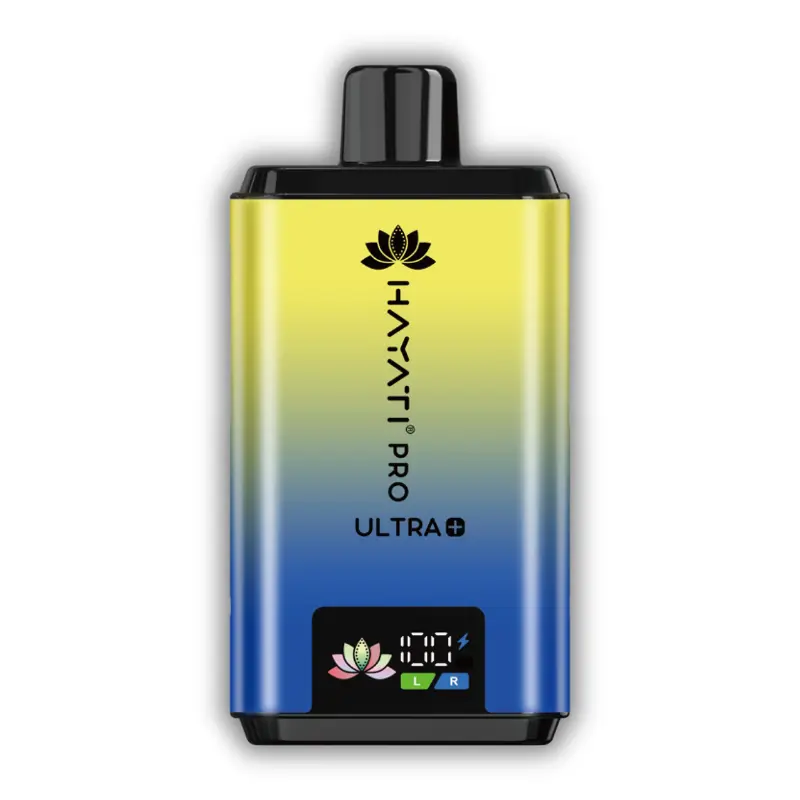
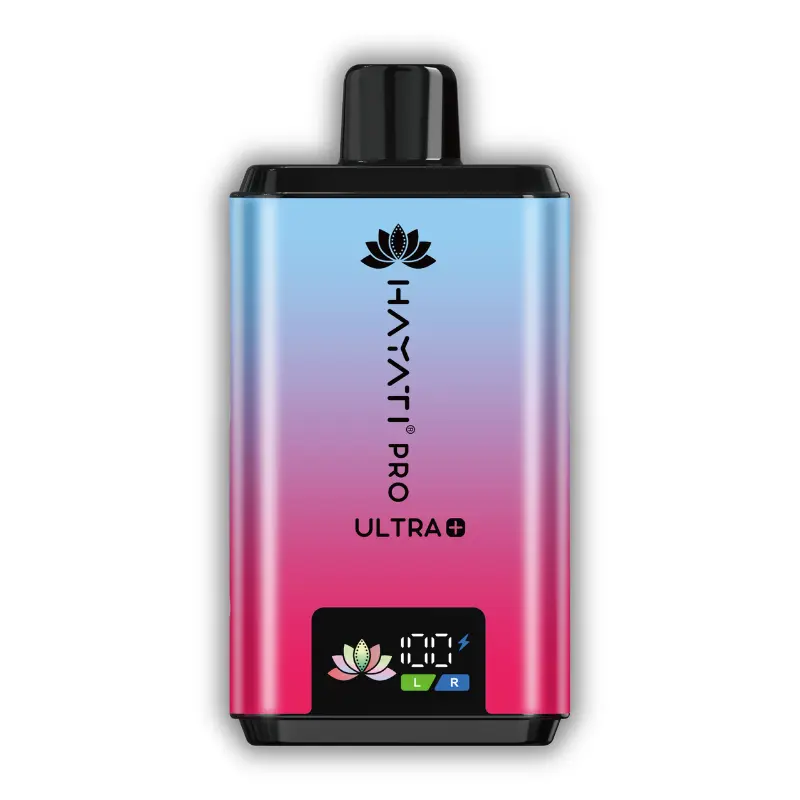
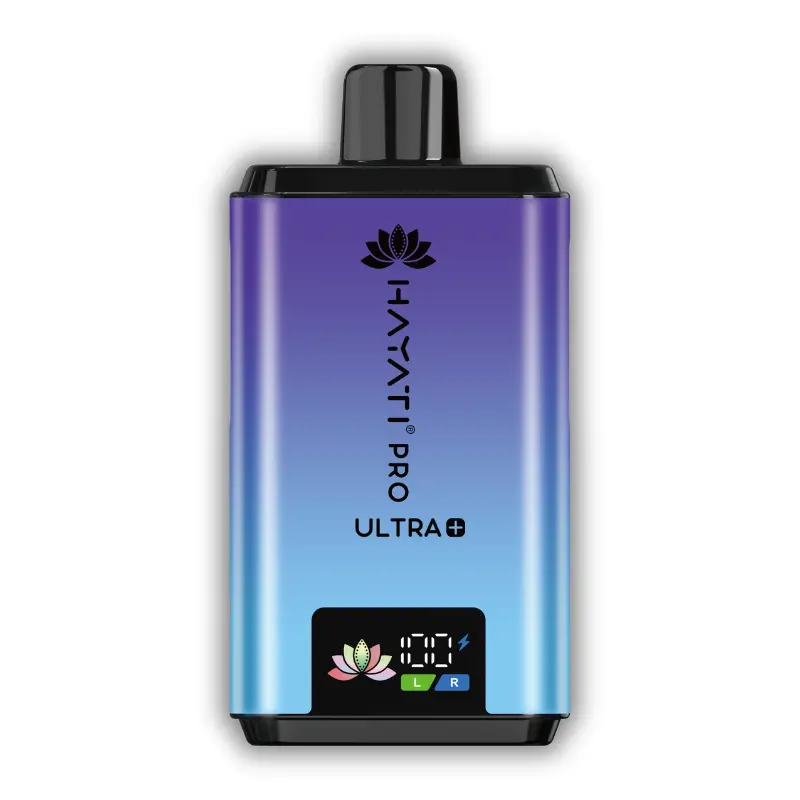
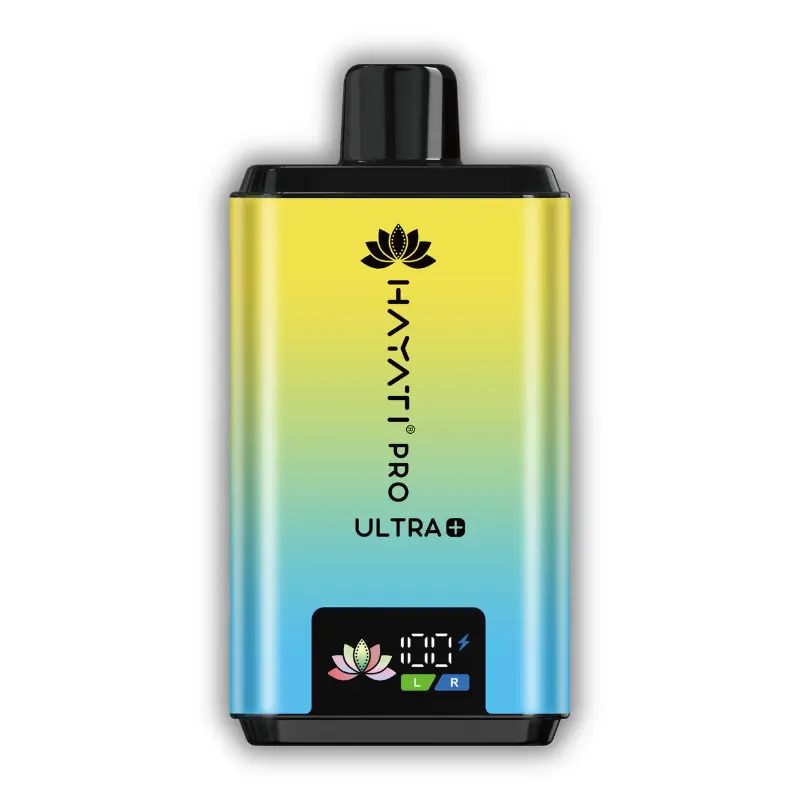
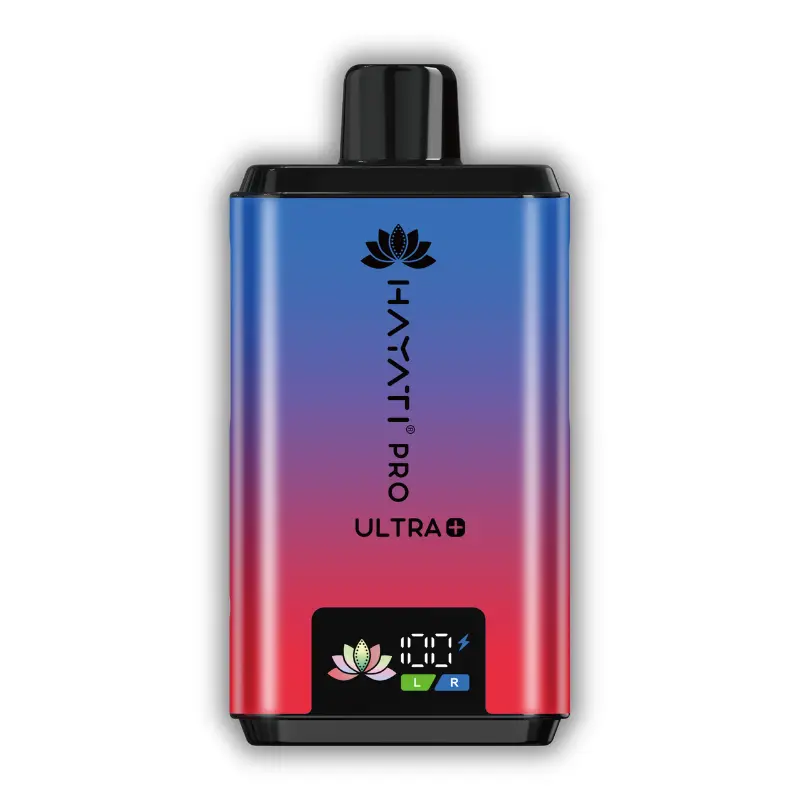
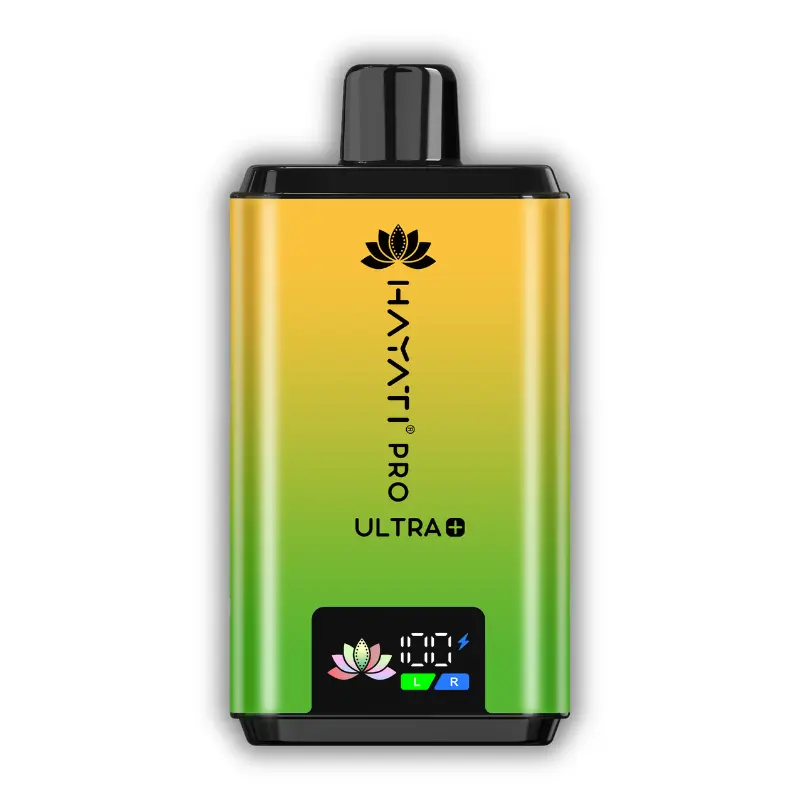
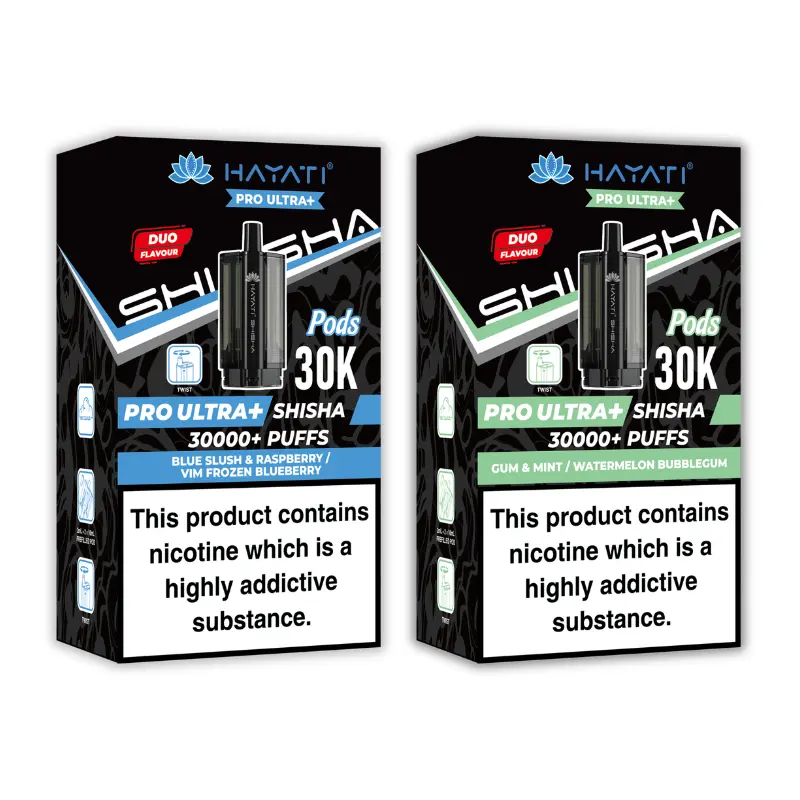
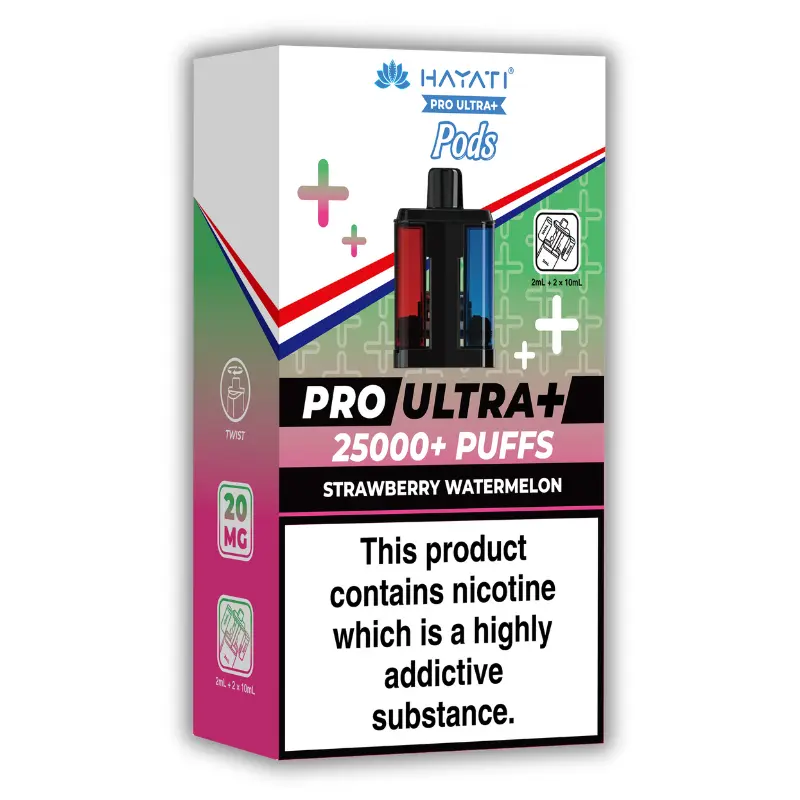
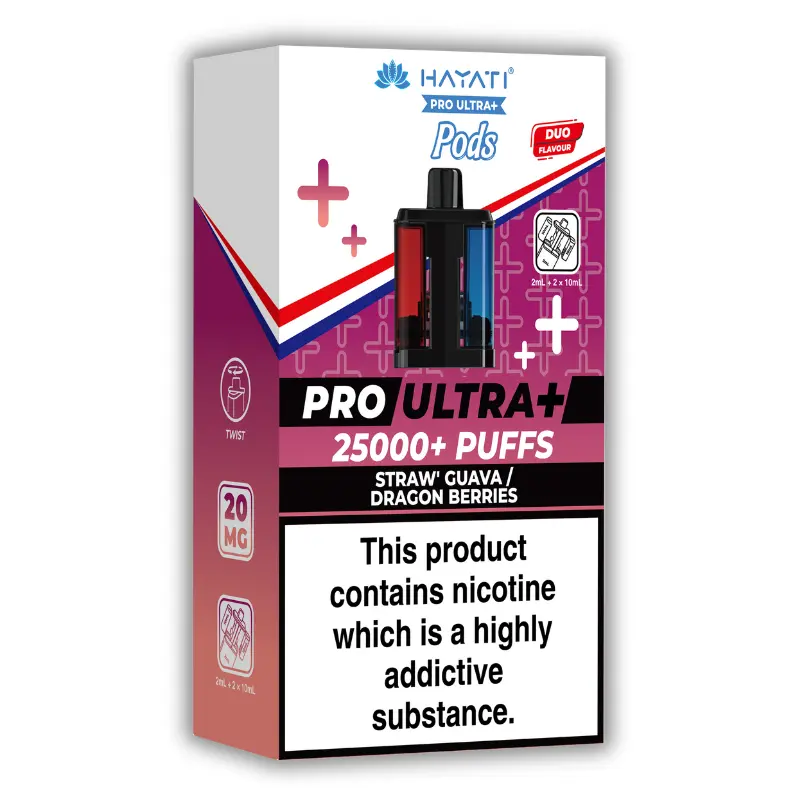
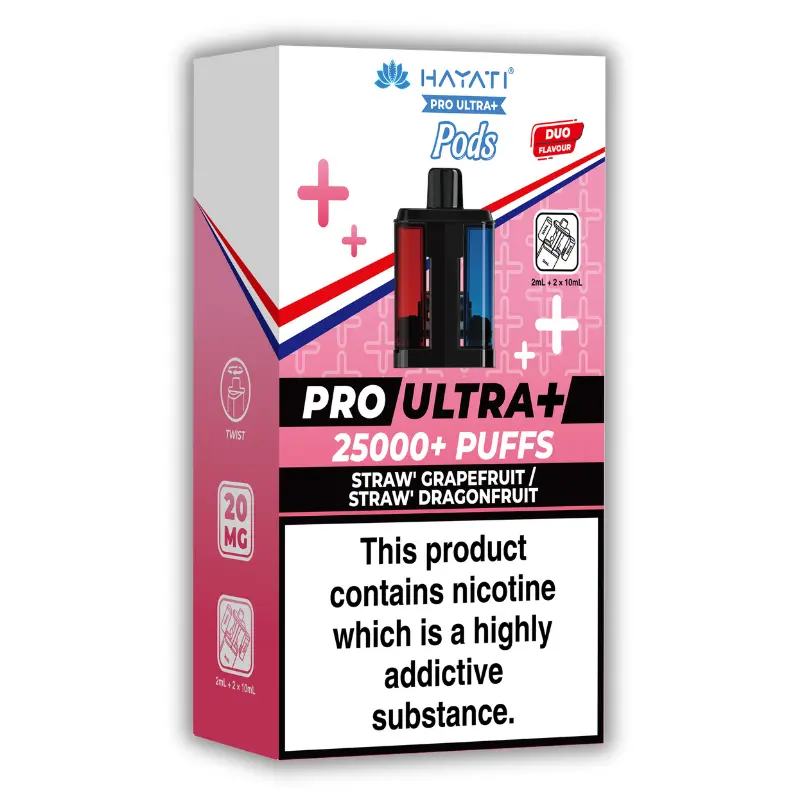
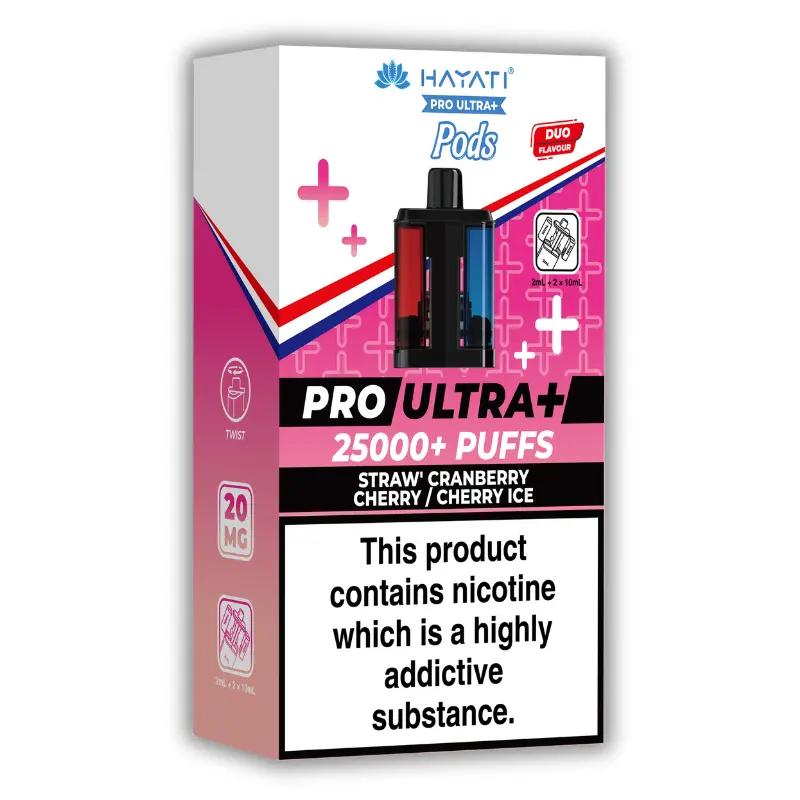
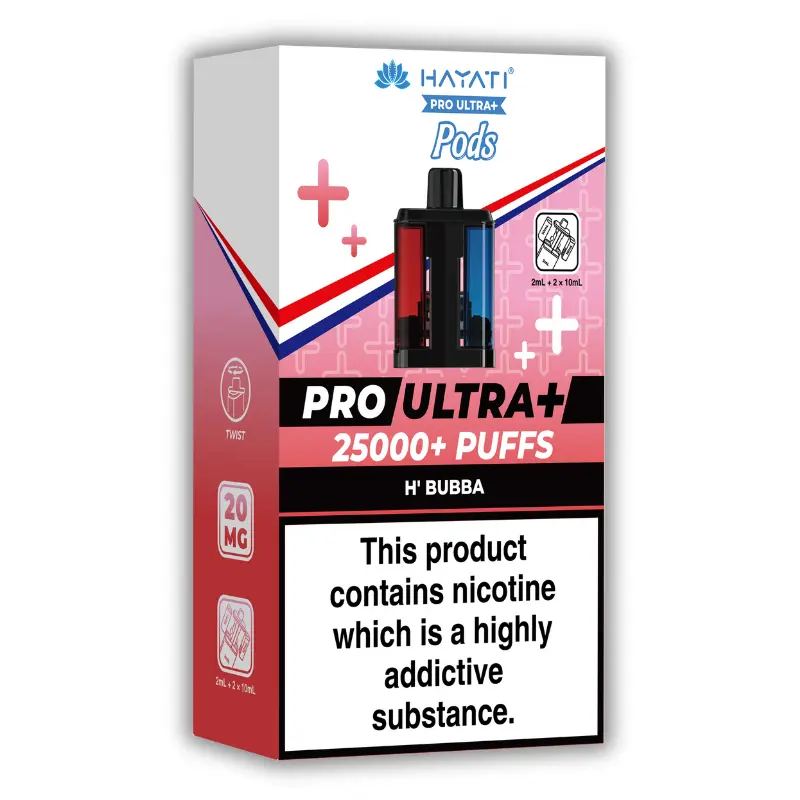
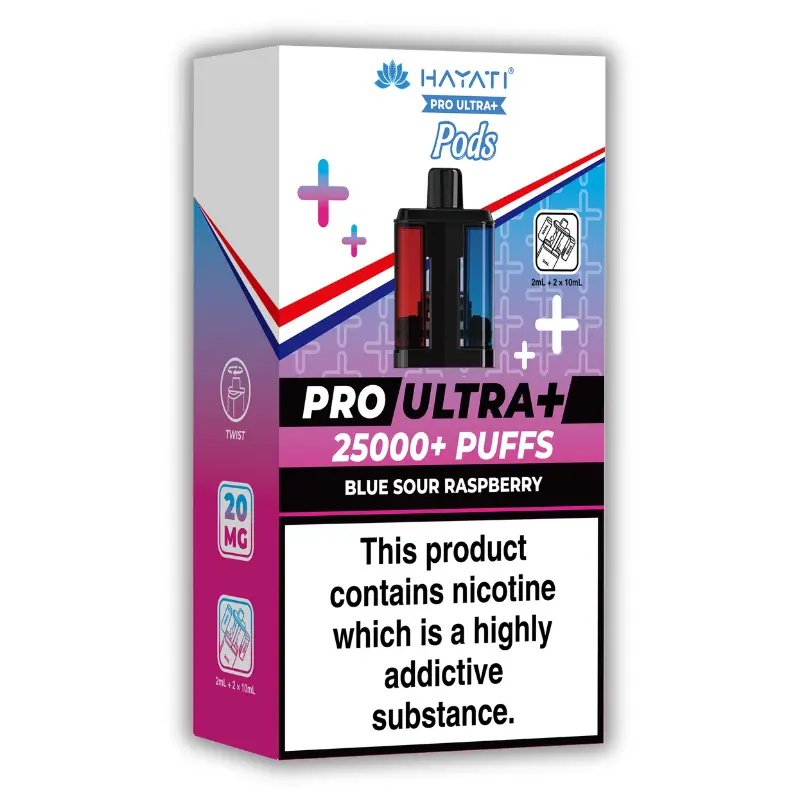
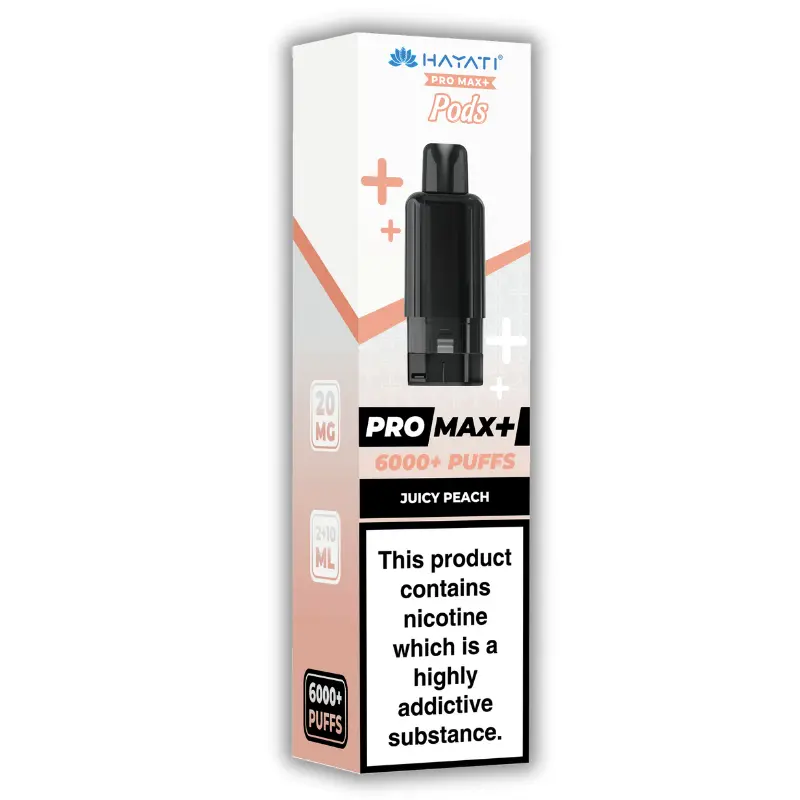
The same relationship holds at 22ml across the whole set. Every one of the ten recent Pro Ultra Plus kits has a matching pod listing at £7.99 instead of £11.99, so Cherry Ice and Mango Peach Pineapple as pods are the same liquid as the kits of those names. The Prefilled Pods & Refills shelf is where all of these sit together, and it is a far more sensible place to shop for a refill than an arrivals grid.
A familiar profile crossing platforms
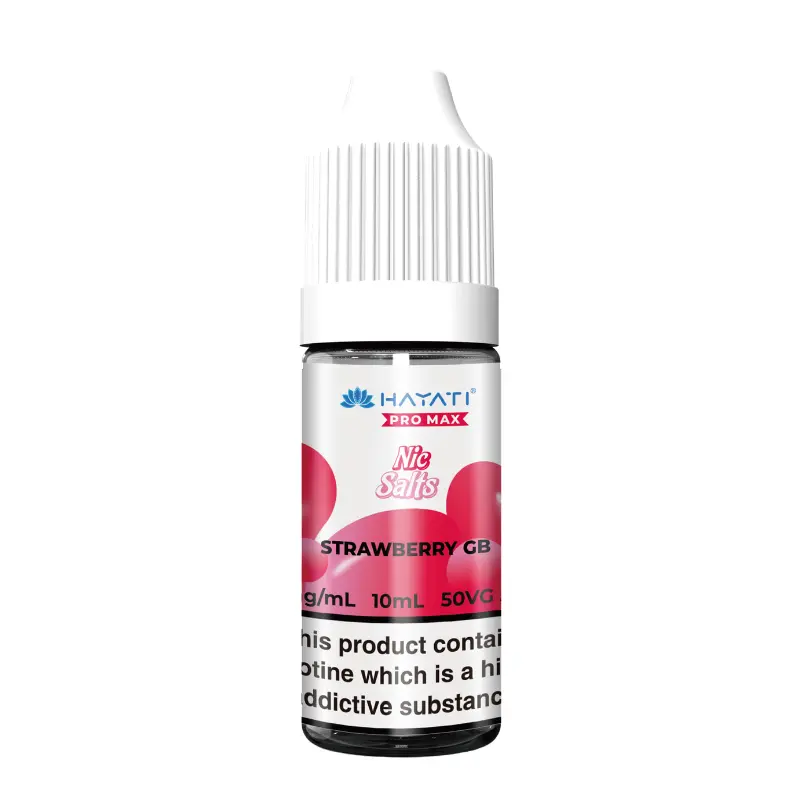
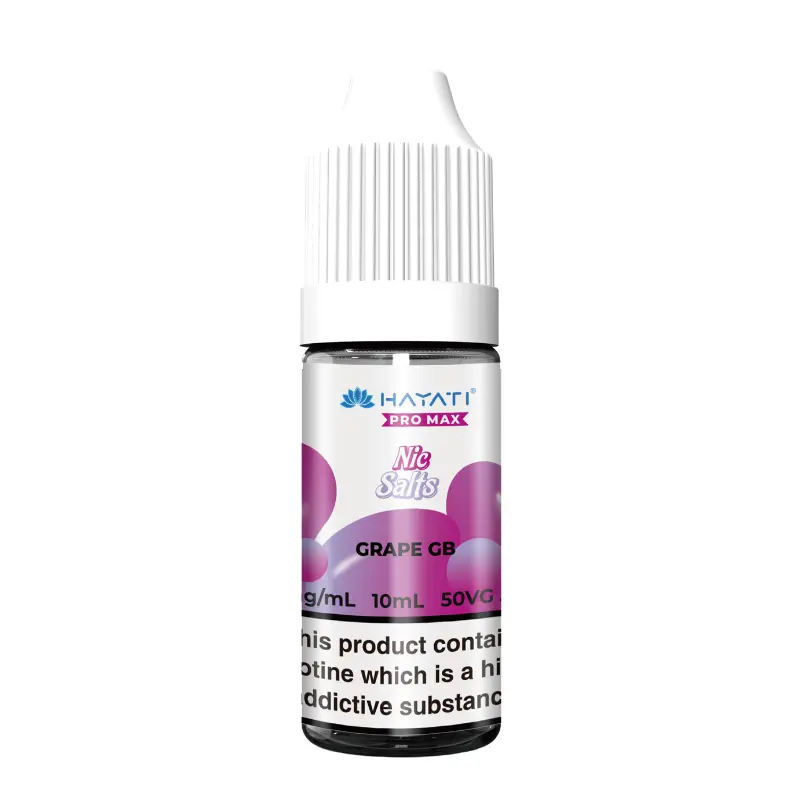
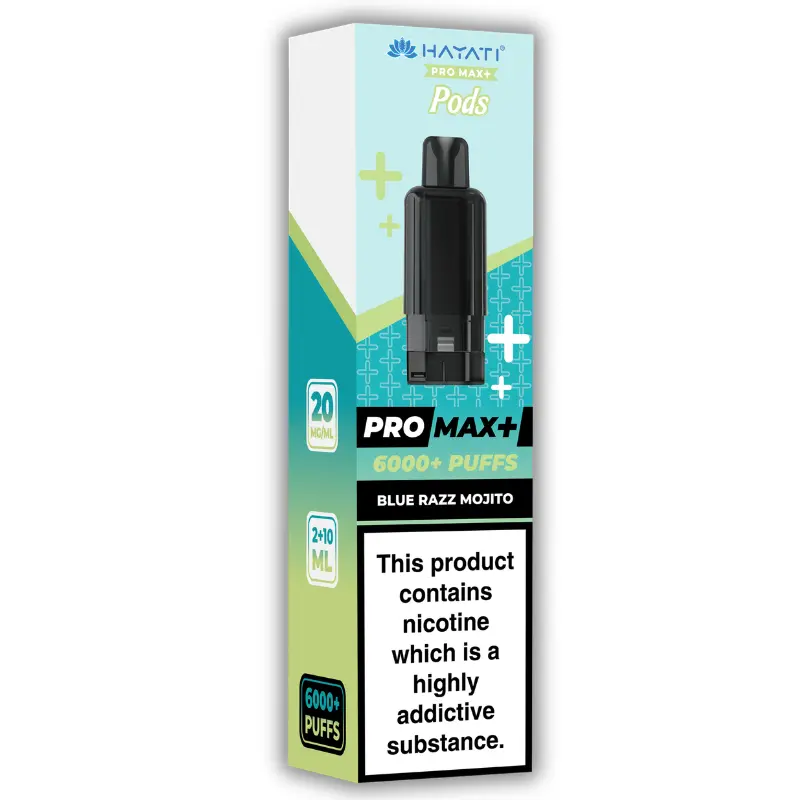
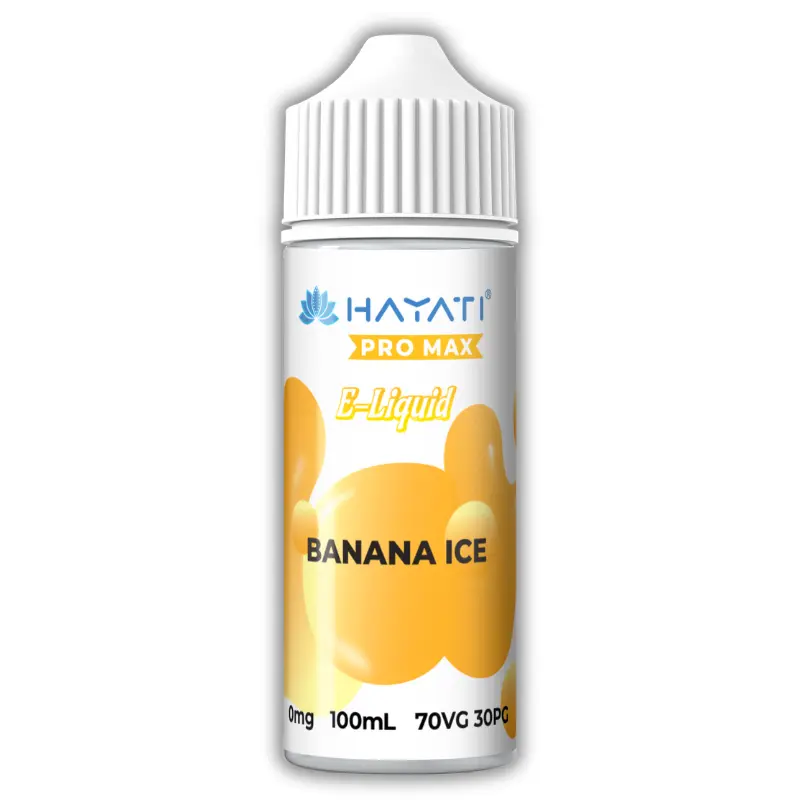
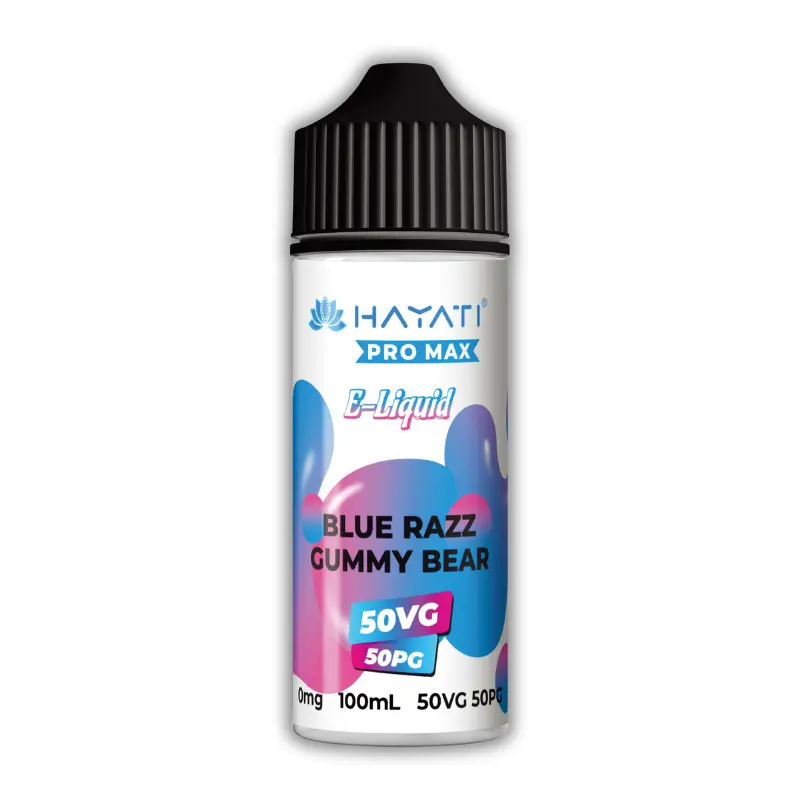
The middle category is a profile that exists elsewhere in the range arriving on a platform that did not have it. This is where the bottled salts mostly sit. Blue Razz Mojito as a 10ml bottle is a recognisable blue raspberry and mint build that the pod lines have carried in various forms. Grape GB in a bottle is the gummy-sweet grape that appears in the 22ml pods as half of a dual listing.
These deserve moderate attention. You are not gambling on an unknown taste, because you can read across from a version you may already have tried. What you are testing is whether the profile survives the change in delivery, and it does not always. A 10mg bottled salt in a small refillable coil generally reads lighter and less dense than the same flavour in a 20mg sealed pod, so sweetness that felt balanced in one can feel thin in the other. Cooling tends to translate more faithfully than sweetness.
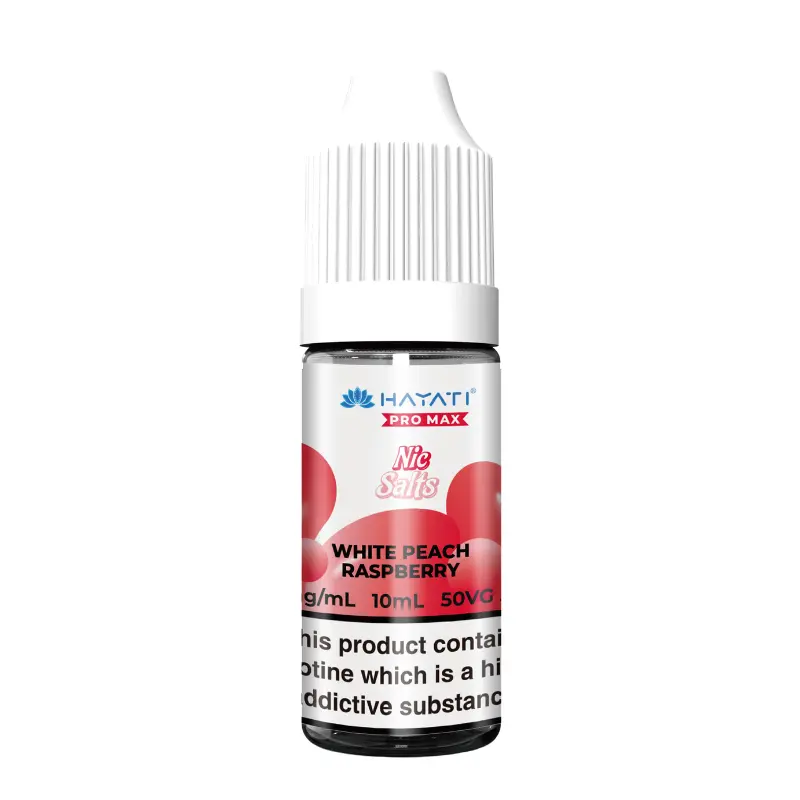
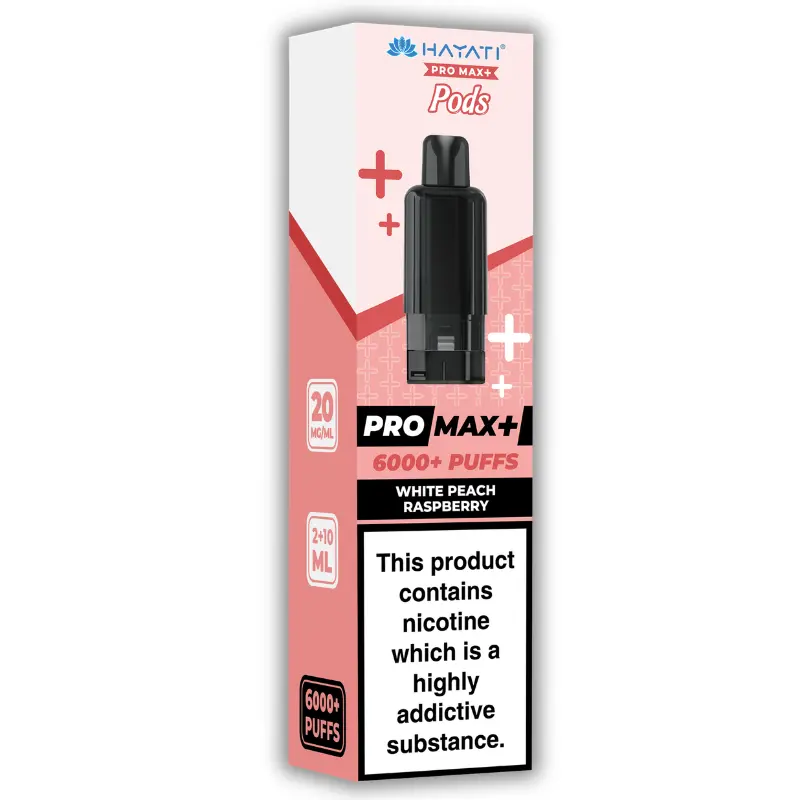
Cross-platform arrivals are also the cheapest way to sample a profile. A bottle from the salts line is £2.49 against £5.49 for the pod equivalent, so if you own refillable hardware, that is the low-cost route to finding out whether a build like White Peach Raspberry suits you before committing to anything larger.
Profiles that did not exist here before
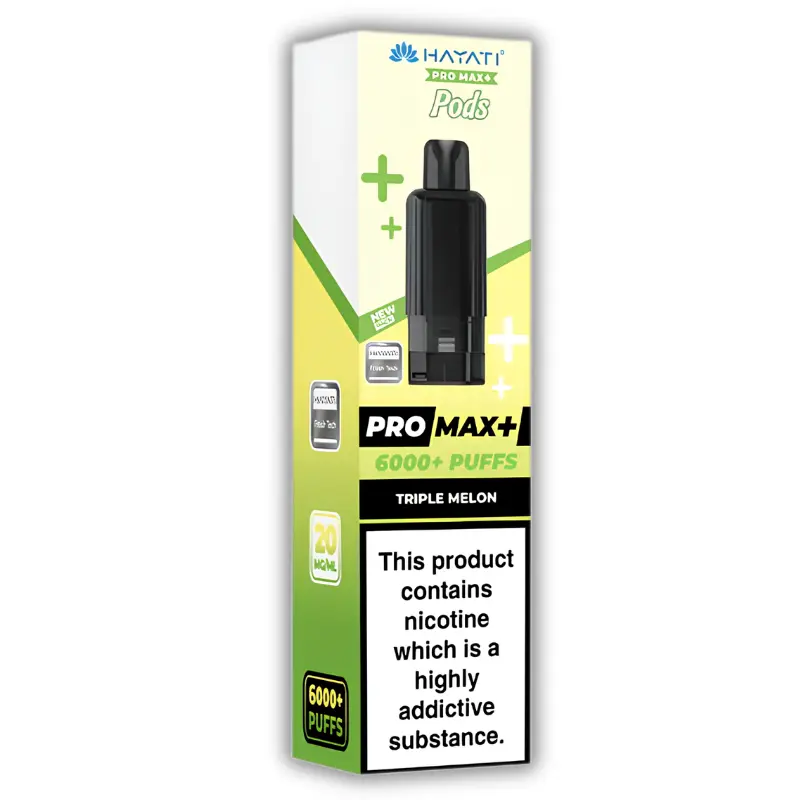
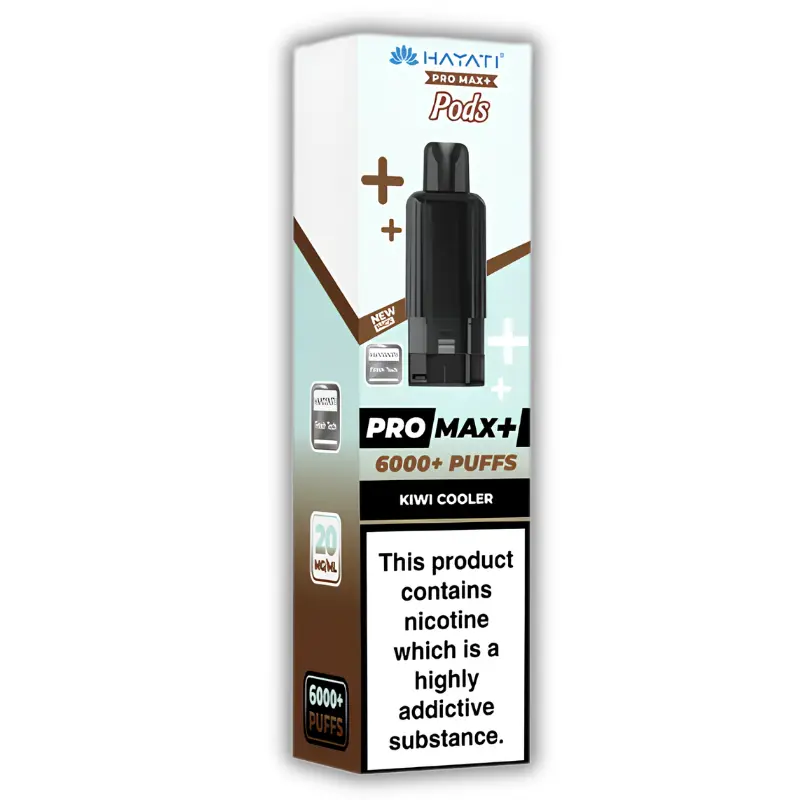
The smallest of the three categories, and the only one that genuinely warrants the word new. On the current shelf the honest examples are the non-fruit entries and a handful of unusual fruit constructions. Peach Green Tea has no precedent in the range, with a grassy, faintly bitter tea backbone under the stone fruit. T-Misu is the only coffee-and-cream dessert. Kiwi Cooler leads on a green, gooseberry-adjacent sharpness that almost nothing else in the catalogue does. Triple Melon spreads across three melon characters rather than leaning on one.
Count them and the figure lands somewhere around a dozen out of the whole recent intake. That ratio is not a criticism of the range, it is normal for prefilled pod lines generally, but it does mean the arrivals shelf overstates how much is changing. Most weeks, what is new is a packaging decision.
Judging a launch with no user reports behind it
A flavour released last week has no accumulated opinion attached to it. There are no forum threads, no consensus on whether it is too sweet, nothing to read except the listing. Buying anyway is a reasonable thing to do, but it is worth doing with a method rather than by hope.
Read the specification before the name
The specification is the part of a new listing that cannot be wrong, because it is a physical fact rather than a description. Capacity, strength, whether a device is included, whether the pod is single or dual. Those four things decide most of your satisfaction, and none of them depends on the flavour copy being accurate.
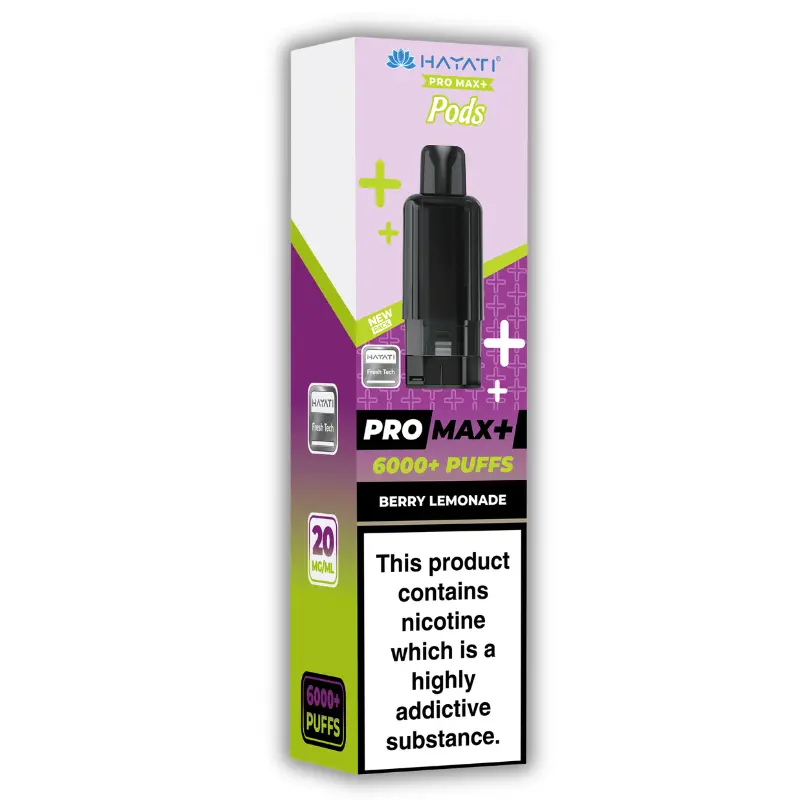
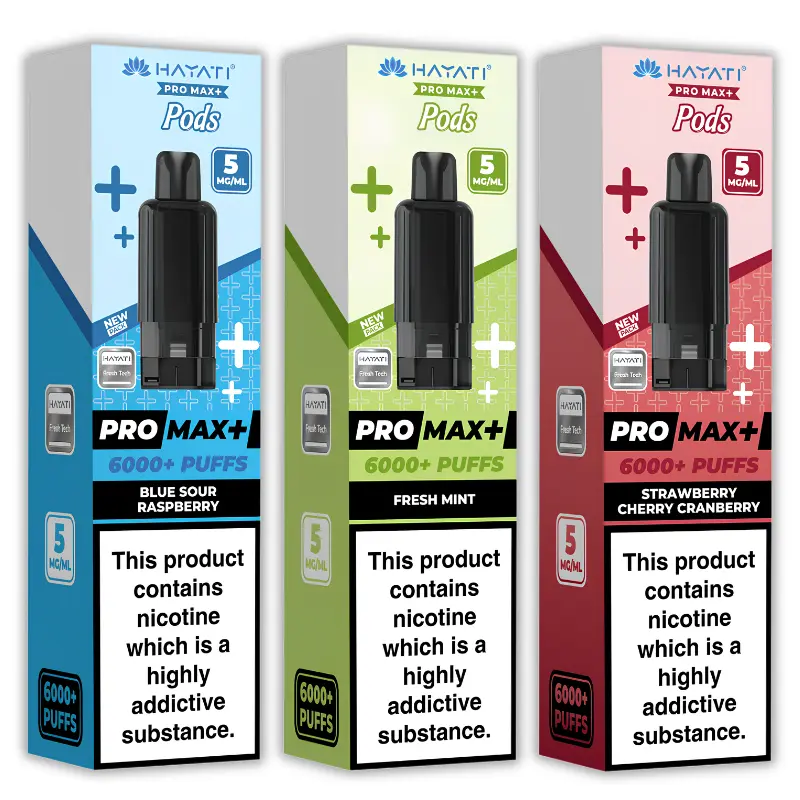
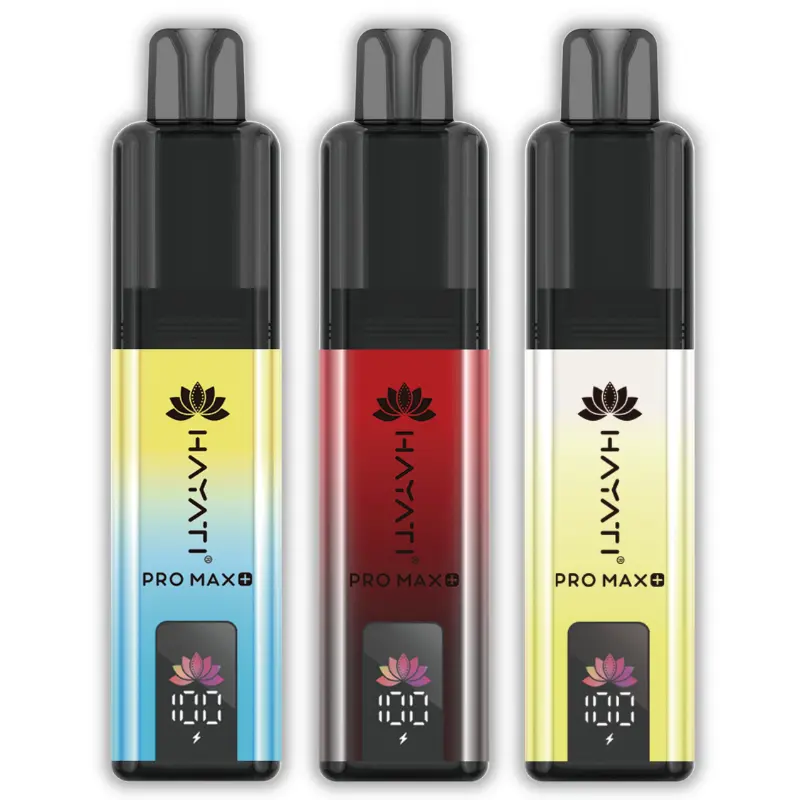
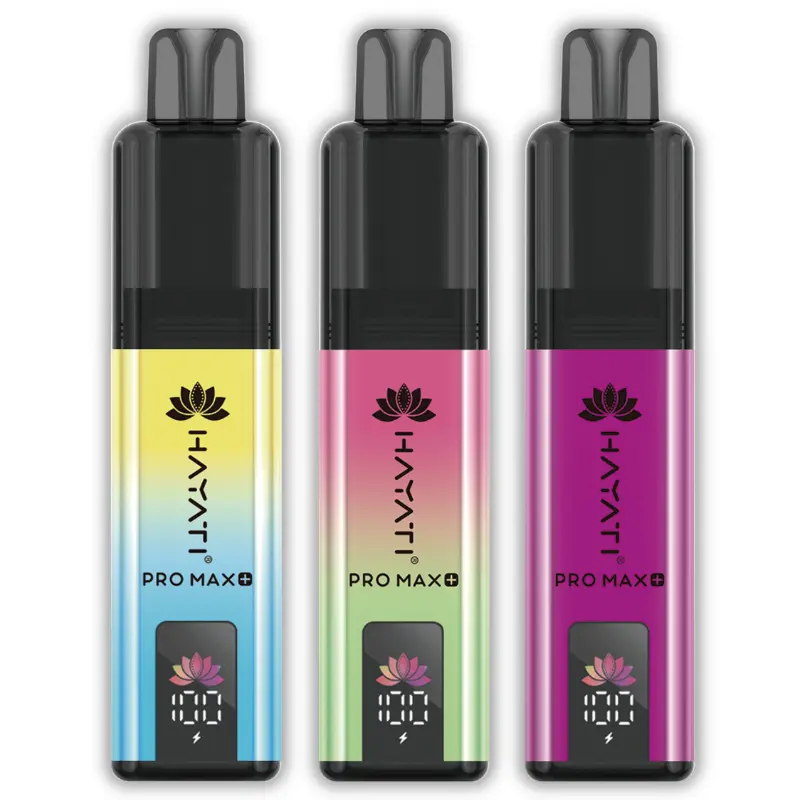
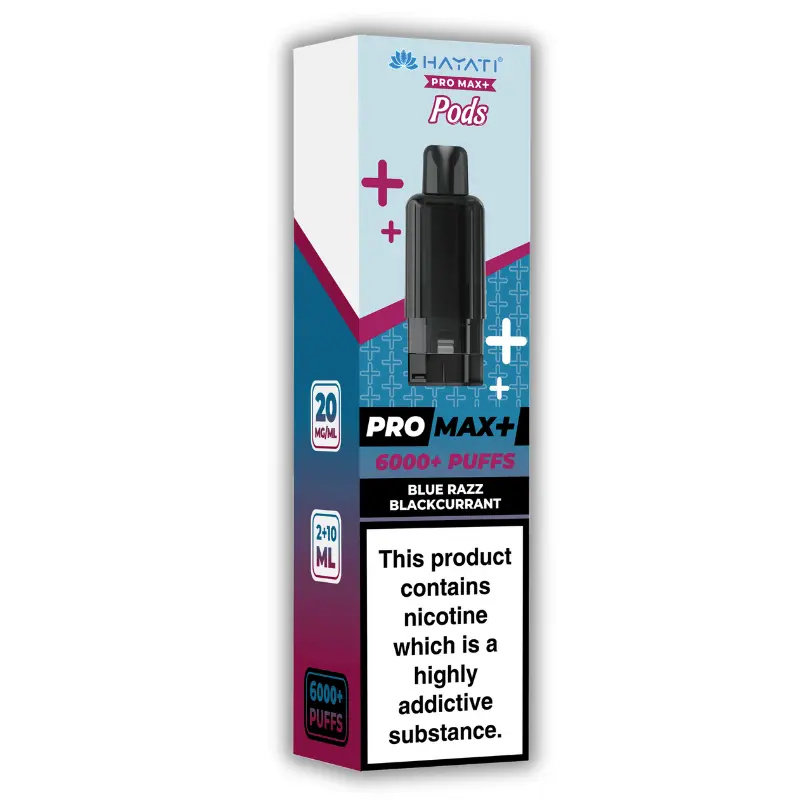
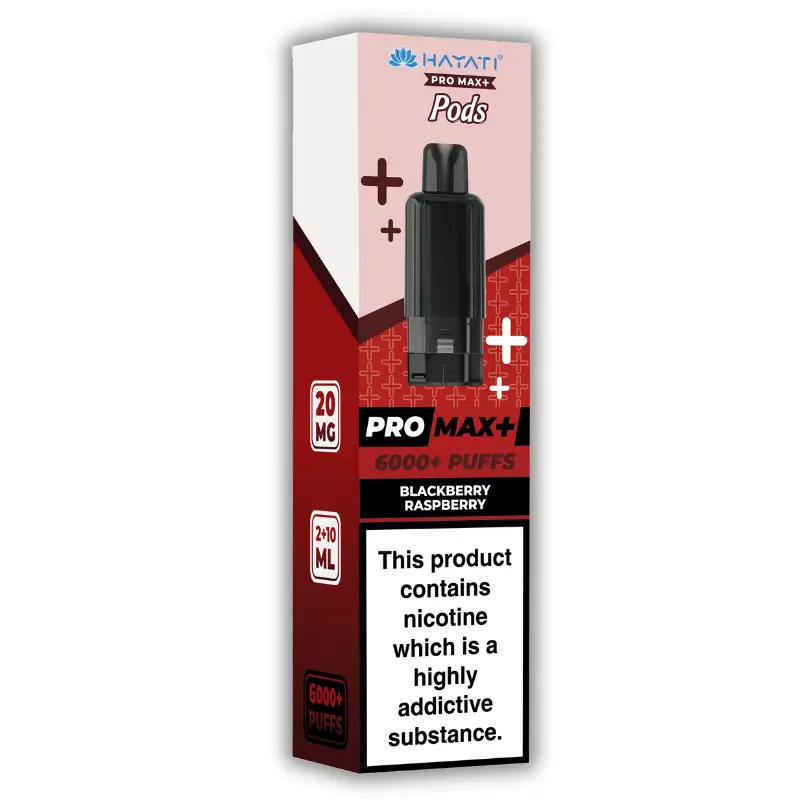
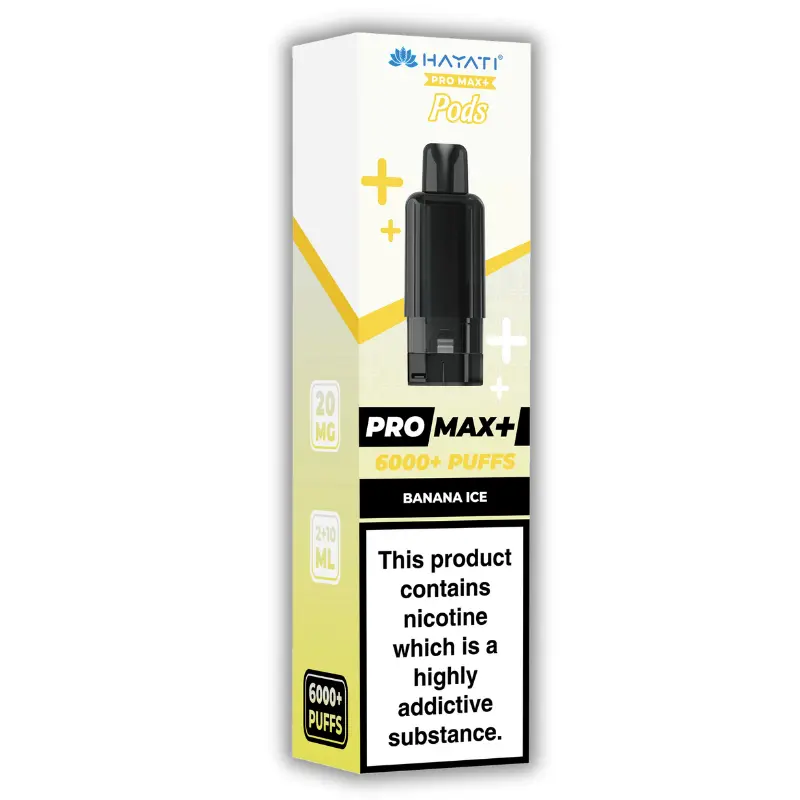
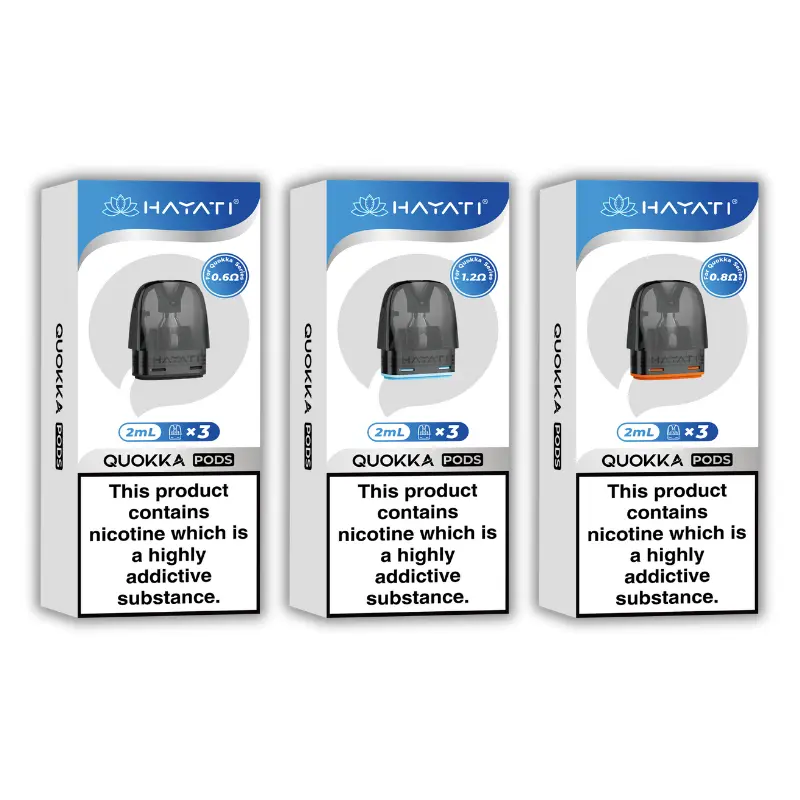
Check compatibility first and taste second. A pod that does not fit your battery is a wasted purchase no matter how good the liquid is, and the platforms on this shelf do not interchange. A 12ml Pro Max Plus pod will not seat on a Pro Ultra Plus device and the reverse is equally true. The Prefilled Pod Kits shelf is the one to use when you need the whole thing, and the pods shelves when you do not.
Anchor the unknown to something you have already tasted
Flavour copy is more useful as a relative signal than an absolute one. Descriptions in this range tend to state where a blend sits on two axes, sweetness and sharpness, and those two placements travel reliably between products even when the fruit does not. A blend described as medium on sweetness with low sharpness will behave like every other medium-and-low blend you have tried, whatever the fruit on the label.
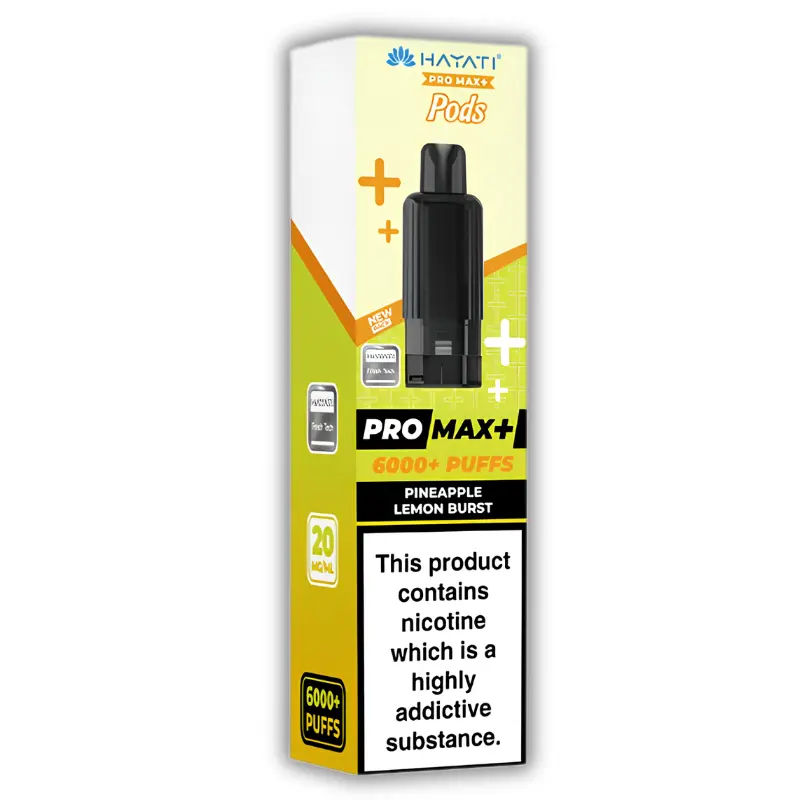
So the useful move with an unfamiliar arrival is to find the nearest thing you have actually vaped and read the difference, not the description. If you know Strawberry Guava and it sat right with you, then Guava Kiwi Passion Fruit is a longer step than it looks, because the guava is common to both but the passion fruit supplies an acidity the first one does not have. Moving instead to Pineapple Lemon Burst is a long step in the same direction, because the acid is the whole point of it.
Treat an abstract name as an unpriced risk
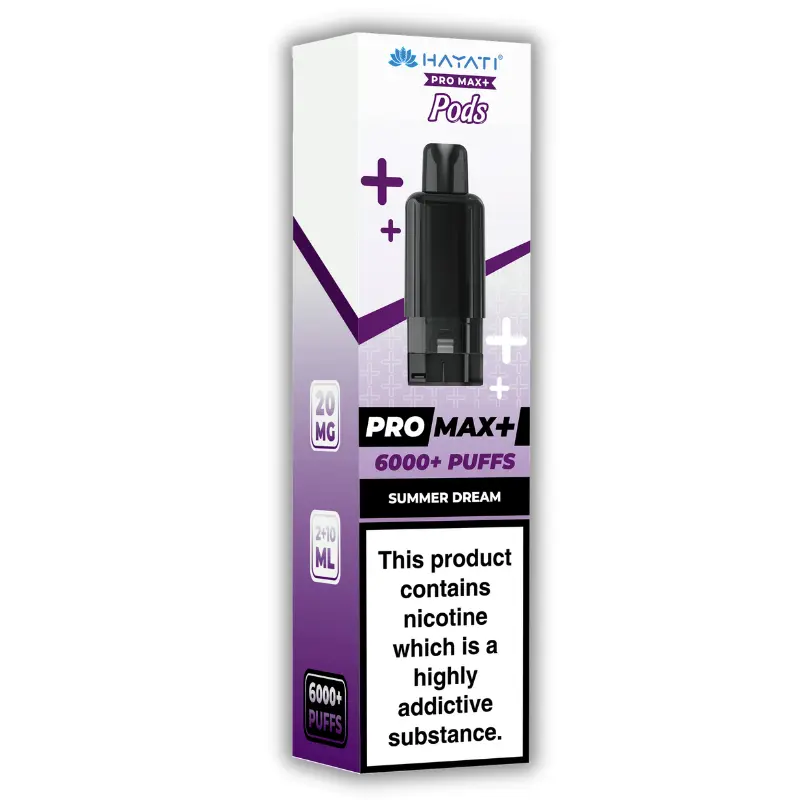
A name that lists fruit constrains what can be in the pod. A name that describes a mood does not. Sunset Aura and Midnight Dream tell you a colour temperature and nothing more, and the honest position on both is that you find out by buying one. That is fine at £7.99 and less fine if you buy four of them at once.
The sensible discipline is to allow yourself one unknown at a time. Order one abstract name alongside two profiles you can predict, so a miss costs you a single pod rather than a whole order. People who buy five mood names in one go and dislike three of them have not discovered anything about the range, only about their own ordering habits.
What the first hour of a fresh pod does not tell you
There is a particular trap with an untested arrival, which is forming a verdict too early. A pod straight out of the packaging has wicking material that has not fully saturated, and the first few draws on it run thin and slightly flat for reasons that have nothing to do with the recipe. Stand it upright for a couple of minutes before the first draw and the problem mostly disappears, but plenty of first impressions get formed before that happens, and they are unfairly harsh.
The opposite distortion shows up at the other end of a session. Palate fatigue is real and it lands hardest on sweet blends: the same pod that read as vivid at nine in the morning can seem flat and sugary by the evening, and that says more about your palate than about the liquid. Judging an unfamiliar arrival against a profile you have been using all week also stacks the comparison in the newcomer's favour, simply because it is different.
A workable rule is to give an unfamiliar pod three separate sessions on three separate days before deciding, with something else in between. Most of the arrivals people write off in the first hour turn out to be fine, and a few of the ones that dazzle on day one turn out to be too sweet to live with. A single prefilled pod holds enough liquid to give you that much evidence at no extra cost, since you have already bought it.
What the puff rating does and does not tell you
Every prefilled listing carries a number rated by the manufacturer at up to some figure, and those are laboratory estimates produced on a machine drawing a consistent puff. Real use is not consistent. Long draws clear more liquid than short ones, so two people on identical hardware will reach the end at very different counts.
Treat the rating as a proxy for liquid volume, which is the figure that actually varies: 12ml on one tier, 22ml on the other. Comparing a 6,000 rating with a 25,000 rating tells you roughly the same thing as comparing 12ml with 22ml, and the millilitre figure is the one that does not depend on a test protocol. On price per millilitre the two tiers land closer together than the headline numbers suggest, which is worth working out before assuming the larger device is the better buy.
The cost of being wrong
Last, and most practically: price the mistake before you make it. A flavour you dislike costs £2.49 as a bottle, £5.49 as a 12ml pod, £7.99 as a 22ml pod or a 12ml kit, and £11.99 as a 22ml kit. Those are the actual stakes of an untested arrival. Nothing here is expensive enough to be a disaster, but the difference between a £2.49 experiment and an £11.99 one is real, and there is no reason to run the experiment at the top of the range when the bottom of it answers the same question.
A new flavour is a small bet, a new platform is a large one
The two kinds of newness on this shelf carry completely different amounts of risk, and they are easy to confuse because the grid presents them identically.
Buying an unfamiliar flavour on hardware you already own is close to risk-free. You spend £5.49, you seat the pod, and if it is wrong you take the old one out and put it back in. The device is unaffected. Nothing is stranded. Your existing rotation continues exactly as before, and the worst outcome is one pod you finish reluctantly or set aside. Berry Lemonade not working out for you does not make the battery in your pocket any less useful.
Buying into a platform you have not used is a structurally different decision, because it commits you beyond the first purchase. You are choosing a pod format, and that format decides every refill you can buy afterwards. Get the flavour wrong on a new platform and you still have the device. Get the platform wrong and the flavour hardly matters, because you now own a battery whose refill shelf you do not want to shop from.
The failure mode is specific and common. Someone buys a 22ml kit because the capacity number is impressive, discovers they prefer changing flavour every few days, and finds that the economics of the tier they chose reward the opposite behaviour. Nothing has broken. The hardware works. It just does not match how they actually vape, and switching means buying another device.
The size of your rotation is the variable that decides this, and it is worth being honest with yourself about it rather than aspirational. Someone who runs three or four profiles in parallel and moves between them by mood is buying pods constantly, and at 12ml each that is a steady, cheap habit on a battery that cost £2.50 more than a refill once. Someone who settles on one profile and stays there for a fortnight is better served by 22ml, because the whole benefit of that tier is not having to think about it. Neither pattern is better than the other. They just point at different shelves, and the arrivals grid cannot tell them apart.
There is a sensible order of operations that avoids most of this. Establish the profile family you like using the cheapest format that carries it, which on this shelf is usually a bottle from the salts line or a 12ml pod. Then choose the platform based on how you behave rather than what sounds impressive. Only then pay the kit premium, once, on the tier you have actually decided on.
Put the other way round: the decision that is reversible should be the one you experiment with, and the decision that locks you in should be the one you make slowly. An arrivals shelf, by presenting both as equally new, encourages precisely the opposite instinct. A newly launched dual-flavour kit at £11.99 looks like the most eye-catching thing on the page, and it is the purchase with the longest tail of consequences.
One qualification. If you are already settled on a platform and have been for a while, none of this caution applies to you. Flavour arrivals on hardware you own are cheap and low-stakes, and there is no reason to overthink a £5.49 pod. The caution is specifically about the platform decision, not about trying things.
What the price spread on this shelf is telling you
The range from £2.49 to £20.99 looks wide until you separate what is being sold. There are really only three things on this shelf, and each has a narrow band of its own.
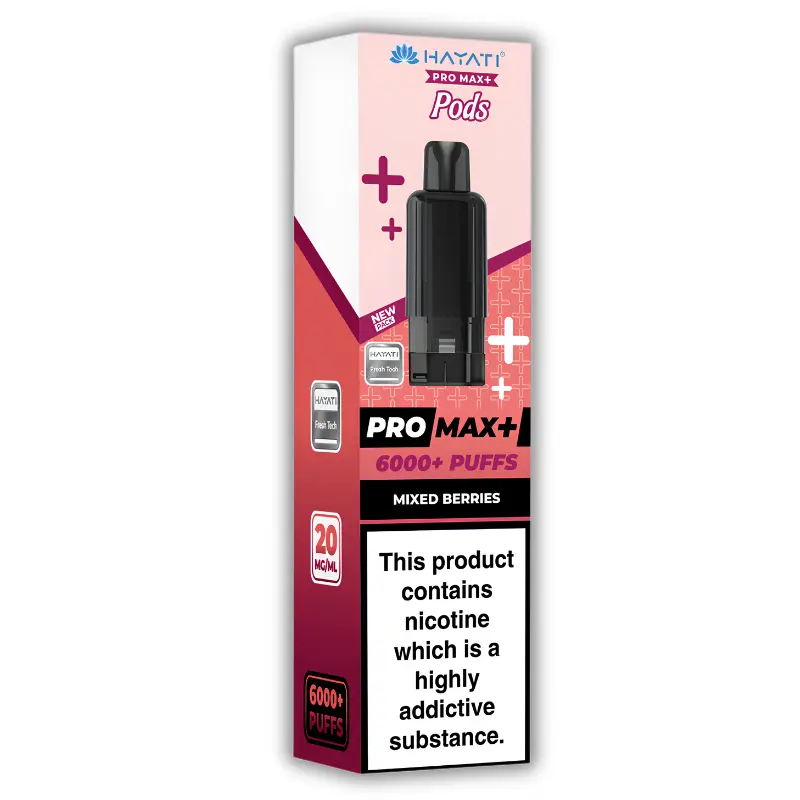
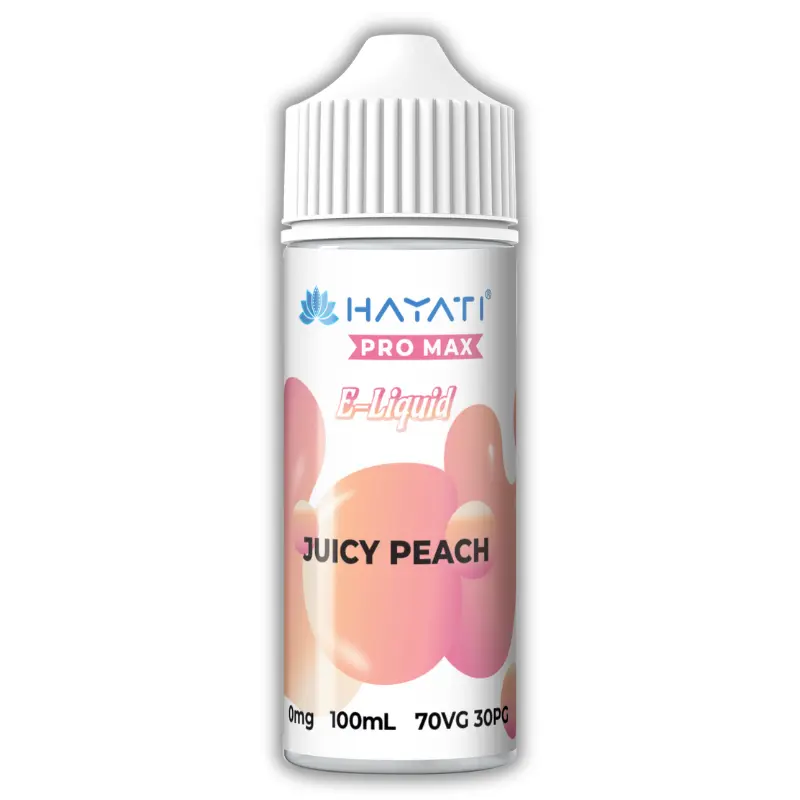
Bottled liquid sits at £2.49 for 10ml at 10mg/ml. Bare prefilled pods sit at £5.49 for 12ml and £7.99 for 22ml. Complete kits sit at £7.99 for 12ml and £11.99 for 22ml, with a small number of refillable kits reaching higher. Inside each of those bands the price does not move with flavour, so an unusual profile costs exactly what a mainstream one does. That is worth knowing because it removes a variable: you never pay extra for a dessert build over Mixed Berries, so there is no cost reason to stick with the familiar option.
The gap between a pod and its kit is the device, and it is the same £2.50 at 12ml and £4.00 at 22ml regardless of what is in the pod. Paid once, ignored afterwards. The gap between the two capacity tiers is liquid volume and very little else, since both use the same sealed architecture and the same 20mg/ml strength.
What the spread does not reflect is quality grading. A £5.49 pod is not a lesser article than a £7.99 one, it holds less liquid and comes without a battery. Price tiers in this range track volume and inclusion, not standard, and reading them as a quality ladder leads people to spend more than their habits justify.
Where the detail actually lives
This page has deliberately avoided describing 492 products, because the shelves built around a shared property do that better. Here is where to go next, and why.
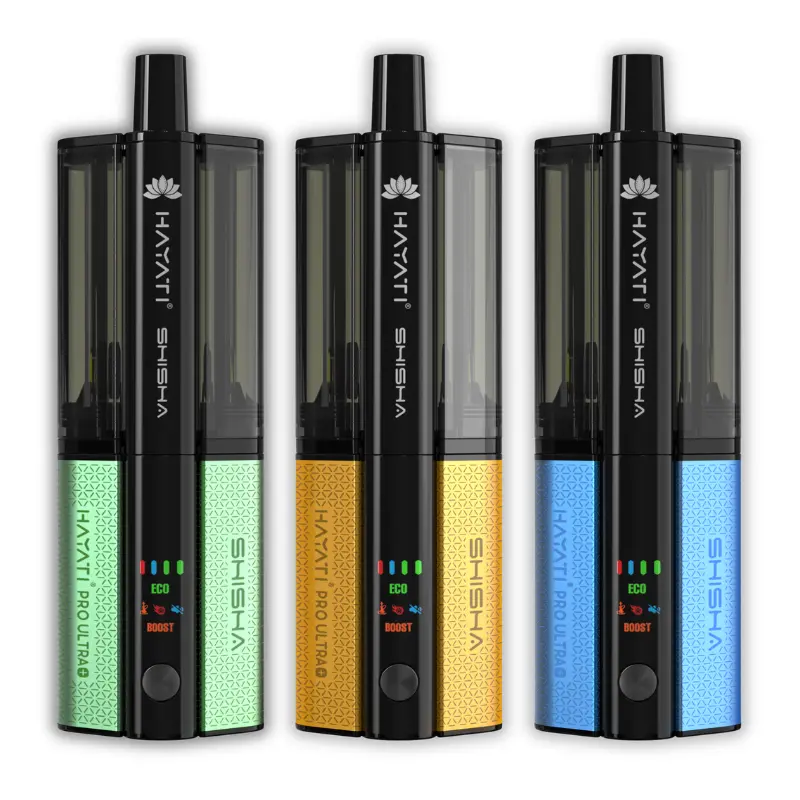
If you have settled on a platform, go to its own shelf. The Pro Max Plus kit and pod shelves cover the 12ml tier in both forms, and the Pro Ultra Plus shelf covers the 22ml tier. Those pages hold the specifications and the full flavour lists, which is what you want once the platform question is settled and the arrival date has stopped being interesting.
If you have settled on a format instead, the pod and kit shelves cut across every platform, and Prefilled Pod Kits narrows that to sealed products with a battery included.
If flavour is the thing you actually care about, the taste shelves are faster than any device page. Berry Vapes is the largest of them by a distance, with Strawberry Vapes, Raspberry Vapes, Blueberry Vapes and Cherry Vapes splitting it into single fruits, and Ice Vapes gathering everything with a cooling finish across all tiers. For bottled liquid, Hayati E-Liquids is the shelf. And if none of those framings suit, the full Hayati catalogue is browsable in one place.
Closing
An arrivals shelf rewards a particular kind of visit: a quick check by someone who already knows the range and wants to see what has moved. It is a poor first stop and a good regular one. Read in bulk, the recent intake says that the Hayati range has stopped chasing capacity, has split kits from refills as a standing assumption, has made dual-flavour pods the norm at the top tier, and is doing most of its flavour experimentation at 12ml. Those four observations are more useful than any individual listing on the page.
When something here does catch your eye, price the risk honestly. An unfamiliar flavour on a device you own is a small, reversible bet. An unfamiliar platform is not, and the arrivals grid gives you no signal about which is which. The specification does, and it is the part of the listing that cannot be talked up.
Strictly for adults aged 18 and over. Nicotine is an addictive substance.
Frequently asked questions
Does appearing on this shelf mean a product is better or more popular?
No. The order is chronological and nothing else. A listing is here because it was catalogued recently, not because it sold well or reviewed well. Recency carries no information about whether a flavour or a device suits you, which is why the platform and flavour shelves are the better places to make an actual choice.
How can I tell whether an arrival is genuinely a new flavour?
Check whether the same name already exists on another shelf in a different format. A large share of arrivals are bare pods of kits that shipped earlier, or a profile the range already carried appearing as a 10ml bottle. Only a small minority are liquids with no precedent in the catalogue at all.
Why do the same flavours appear twice, once around £7.99 and once around £5.49?
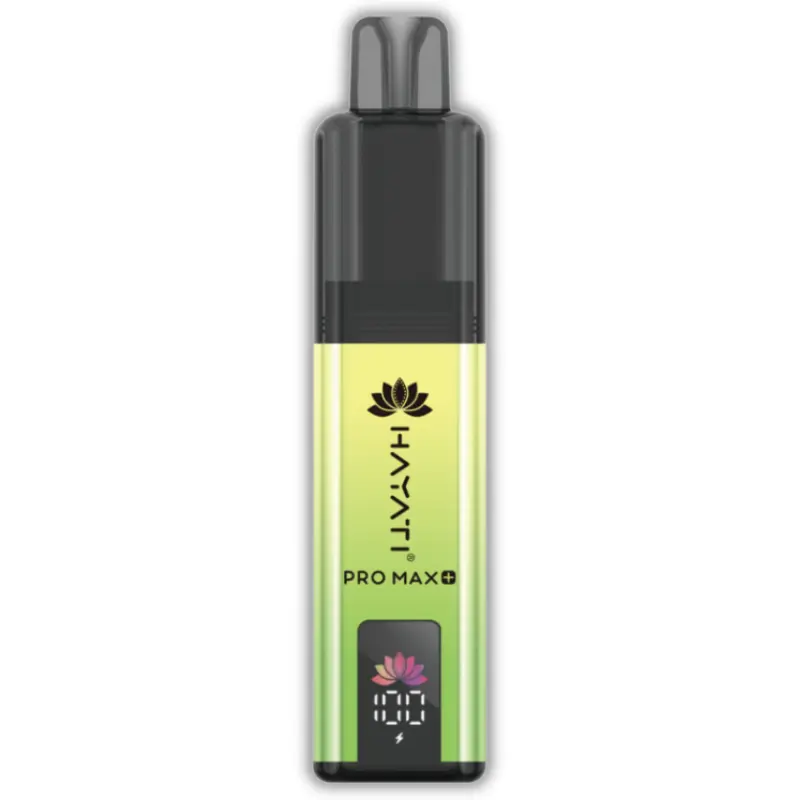
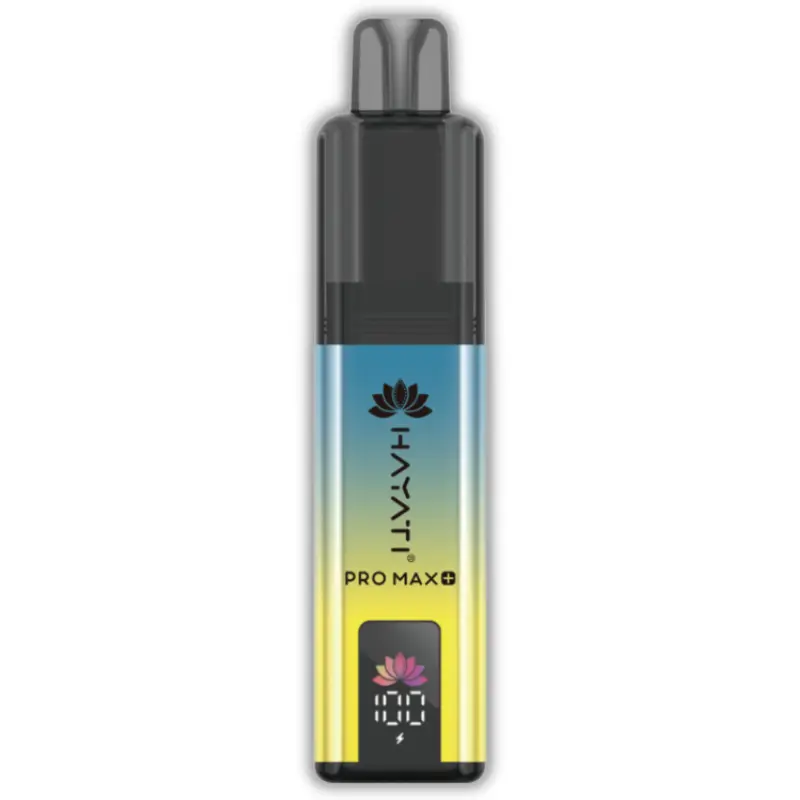
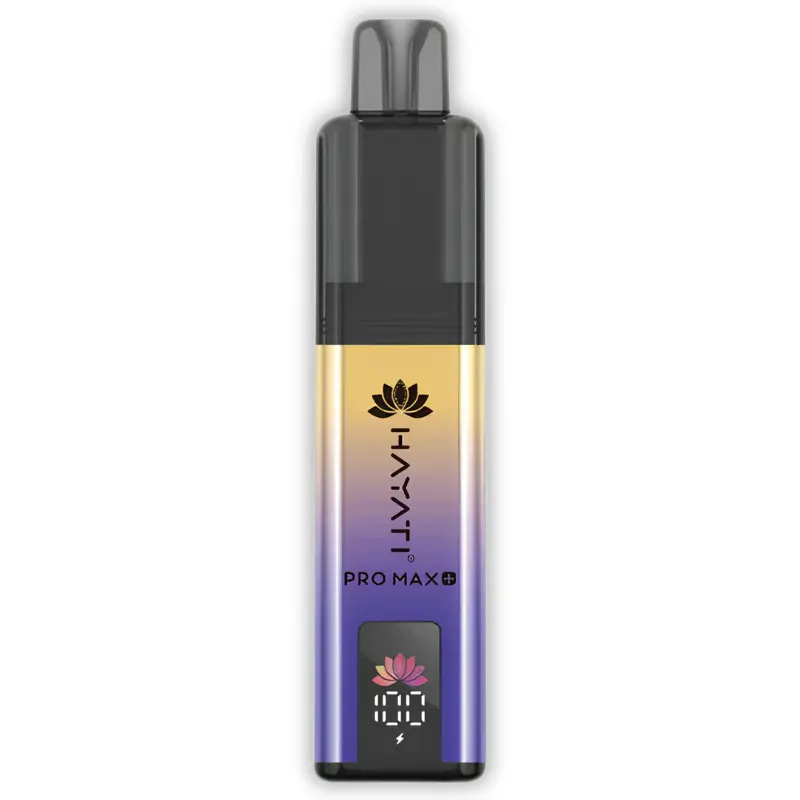
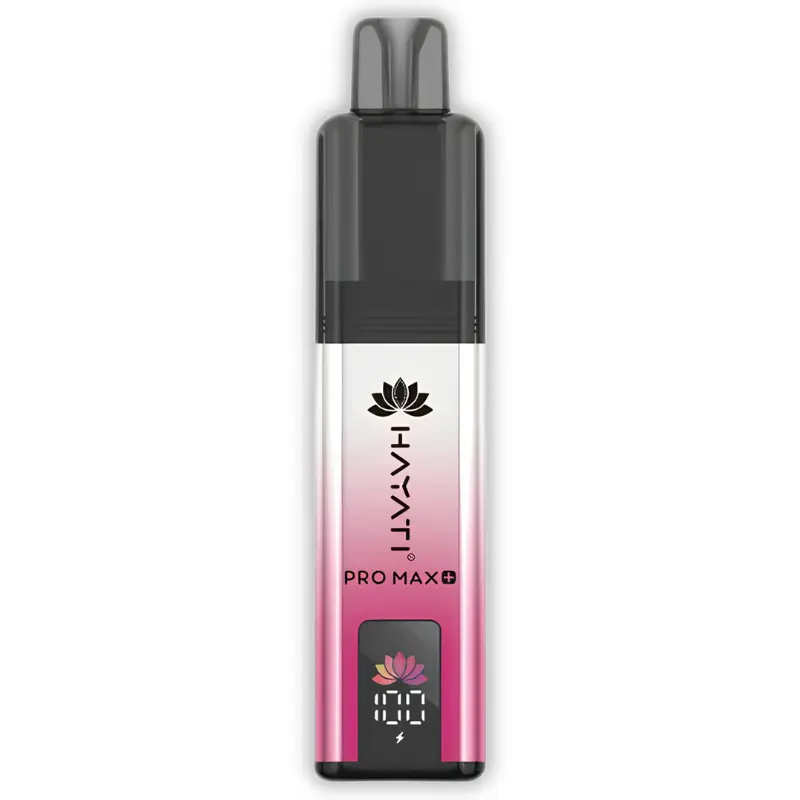
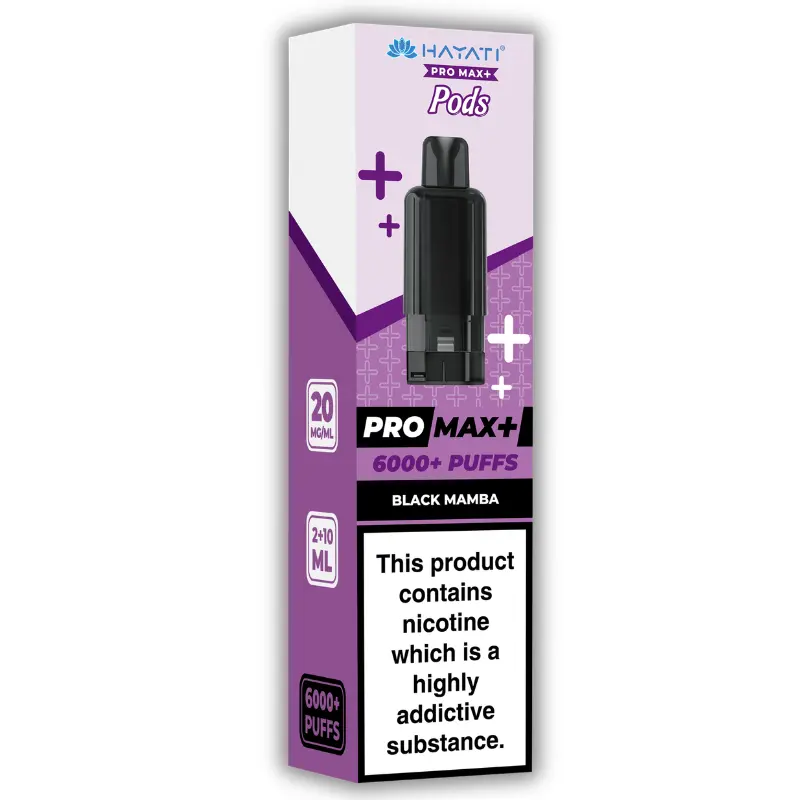
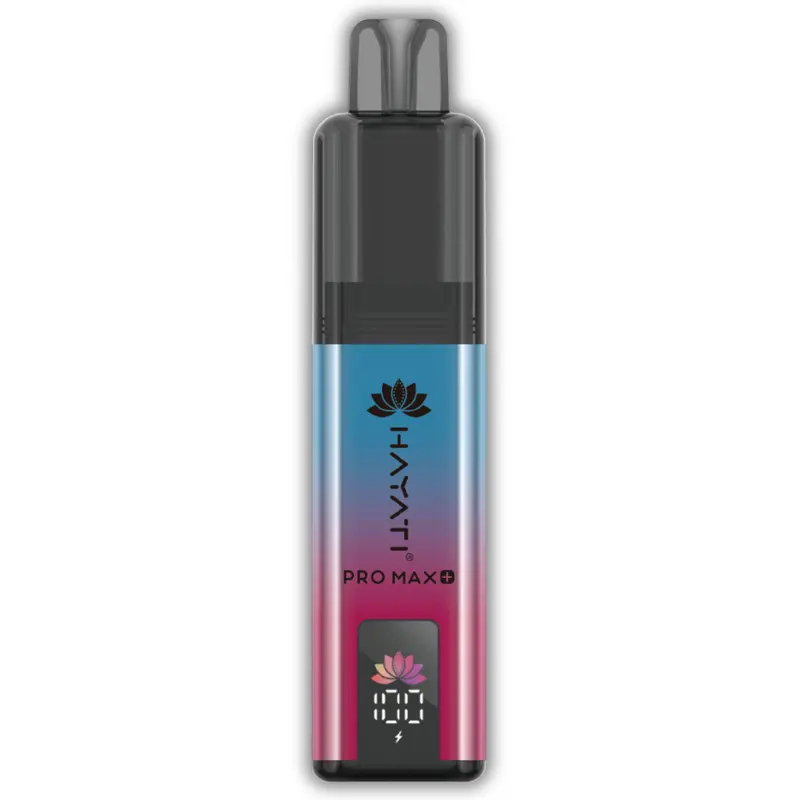
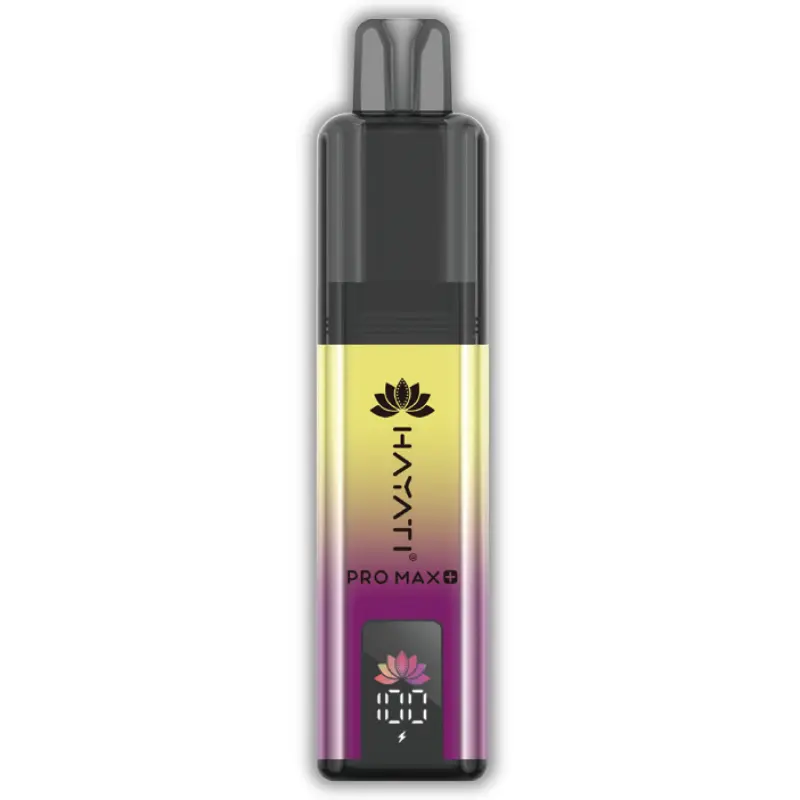
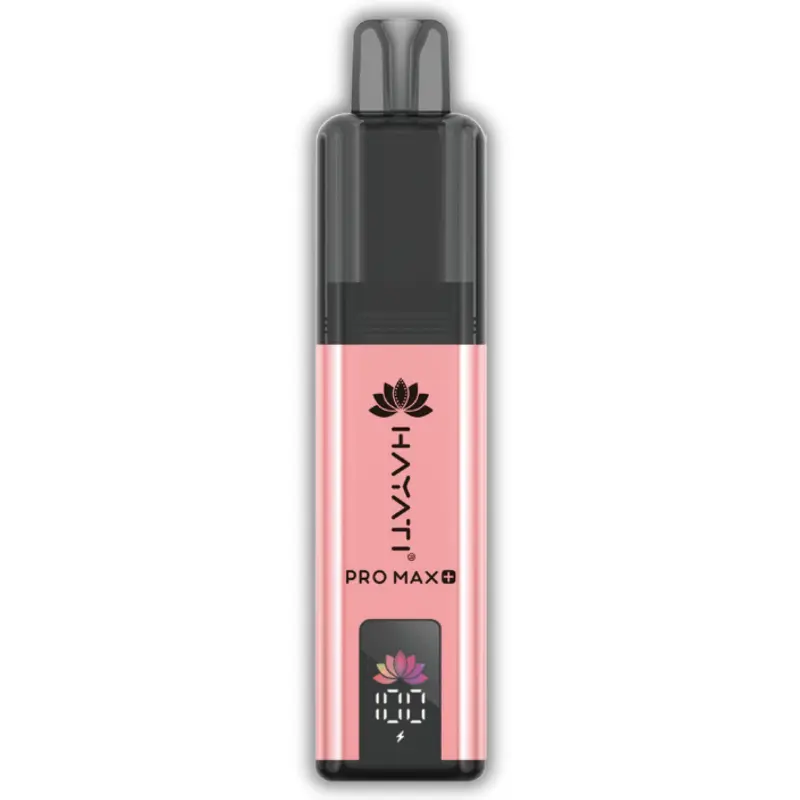
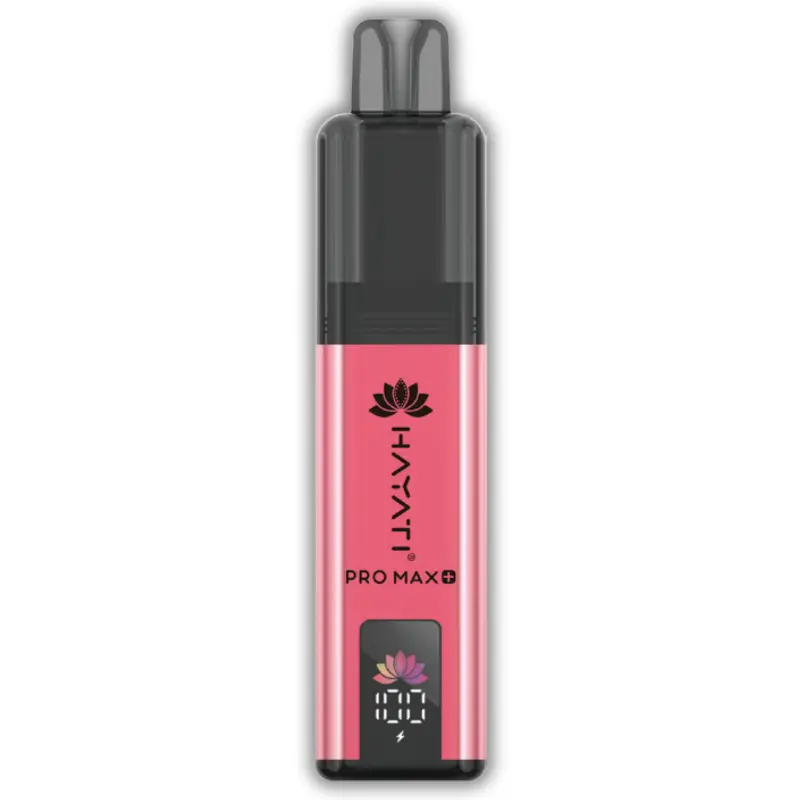
Because one listing includes the device and the other does not. The £7.99 Pro Max Plus listing is a complete kit with an 850mAh battery and a 12ml prefilled pod. The £5.49 listing is the same pod on its own, for people who already own the battery. The liquid inside is identical.
Is it worth buying a flavour nobody has reviewed yet?
It can be, if you limit the exposure. Order one unknown alongside two profiles you can predict, so a miss costs a single pod. Read the sweetness and sharpness placement rather than the name, and anchor it to something you have already vaped rather than trying to imagine the taste from scratch.
How long should I use a new pod before deciding whether I like it?
Three sessions across three days, with something else in between. A fresh pod runs thin for the first few draws until the wick is fully wetted, and a palate that has been on one profile all day will misjudge anything unfamiliar. Verdicts formed in the first hour are the least reliable ones.
What does a puff rating actually mean on these listings?
It is a laboratory estimate produced by the manufacturer using a machine that draws consistently. Real use varies a great deal, because longer draws clear liquid faster. The more reliable figure is the millilitre capacity, 12ml on one tier and 22ml on the other, since that does not depend on a test protocol.
Why are so many recent Pro Ultra Plus listings paired flavours?
The dual pod has become the default at that tier rather than the exception. Six of the ten recent 22ml arrivals hold two liquids kept separate inside the pod, with a rotating mouthpiece selecting between them. If you want a single profile at 22ml, the options are narrower than they used to be.
Are the bottled nicotine salts the same strength as the pods?
No. The bottled Pro Max salts on this shelf are 10mg/ml in a 10ml bottle with a 50/50 base, while the prefilled pods are 20mg/ml. They are two different lanes, and a profile you know from a pod will generally read lighter in bottled form at half the strength.
Can I use a pod from one Hayati tier on a device from another?
No. The 12ml Pro Max Plus pods and the 22ml Pro Ultra Plus pods use different formats and do not interchange. Check which platform your device belongs to before ordering a refill, because a pod that does not seat is a wasted purchase regardless of how good the liquid is.
Which is the riskier purchase, a new flavour or a new device?
The device, by a wide margin. A flavour you dislike costs you one pod and nothing else. A platform you dislike commits every future refill to a shelf you do not want to shop from, and the only exit is buying different hardware. Experiment with flavour, decide slowly on platform.
Does an unusual flavour cost more than a common one?
No. Price tracks capacity and whether a device is included, not the profile. A dessert or tea blend costs exactly what a mainstream berry blend costs within the same tier, so there is no financial reason to default to the familiar option if something less common appeals to you.
Has the range been getting bigger in capacity over time?
It was, and it has levelled off. Recent arrivals sit in two settled bands, 12ml and 22ml, with nothing pushing past the upper figure. The growth now is in how many flavours occupy the 12ml band rather than in capacity, so waiting for something larger is unlikely to be rewarded soon.
What is missing from the recent releases?
Four things. Leaf profiles, which number exactly one across the whole intake. Dessert and bakery builds, which are nearly as scarce. Anything genuinely restrained on sweetness. And single-profile options at the 22ml tier, which the move towards dual-flavour pods has steadily squeezed.
Where should I go if I already know which flavour family I want?
Straight to the taste shelves rather than here. Berry Vapes is the largest, with strawberry, raspberry, blueberry and cherry splitting it further, and Ice Vapes collects everything with a cooling finish across all tiers. Those pages filter by the property you care about instead of by arrival date.