Home / Hayati Mini Ultra Prefilled Pod Kit
Hayati Mini Ultra Prefilled Pod Kit
Twenty tiles, one price. Every kit on this shelf is £3.99 and every one of them holds 4ml of 20mg nicotine salt behind an 850mAh cell. Nothing here is dearer than anything else, so price sorts none of it. What does sort it is a property the grid never shows you: eleven of these twenty pods are divided in two, with a pair of liquids held apart inside one shell and a turn of the rotating mouthpiece deciding which of them reaches the element. The other nine spend the whole 4ml on a single flavour.
That split is the most consequential thing on the page, and not for the reason it looks. Hayati build divided pods in exactly two places in a 492-line catalogue, here and on the Pro Ultra Plus, and the Pro Ultra Plus pod holds 22ml. A collar dividing 22ml and a collar dividing 4ml are sold as the same idea and they are not the same product. The benefit a divider buys grows with how long you keep the pod. The price you pay for using it does not move at all.
Work that through, as the sections below do, and more than half this grid stops being a two-flavour purchase and becomes something narrower and genuinely useful: a cheap way to get two verdicts and a device in the same box. The nine undivided kits are a different proposition again, and one of them is arguably the sanest opening purchase in the whole Hayati range.
New ProductsHayati PodsHayati Prefilled Pods & RefillsHayati Pod KitsHayati Prefilled Pod KitsHayati E-LiquidsHayati Pro Ultra Plus Prefilled Pod Kits & PodsHayati Pro Max Plus PodsHayati Pro Max Plus Prefilled Pod KitHayati Pro Max Nic SaltsHayati Pro Ultra Plus PodsHayati Pro Ultra Plus Prefilled Pod KitHayati Mini UltraHayati RubikHayati Mini Ultra PodsHayati Mini Ultra Prefilled Pod KitHayati Pro Max 50-50 E-LiquidHayati Pro Max 70-30 E-LiquidHayati Rubik Prefilled Pod KitHayati Rubik PodsHayati Nicotine PouchesHayati QuokkaBerry VapesRaspberry VapesIce VapesBlueberry VapesStrawberry VapesCherry VapesSweet VapesExotic VapesLemon VapesBlueberry Raspberry VapesPeach VapesWatermelon VapesApple VapesLemon Lime VapesMango VapesPineapple VapesGrape VapesLemonade VapesMint VapesCola VapesStrawberry Raspberry Ice VapesBlackcurrant VapesJuicy Peach VapesMr Blue VapesSummer Dream VapesBanana VapesKiwi VapesMenthol VapesOrange VapesFresh Mint Vapes
Counting the divided pods, because the count is the argument
Start with the census rather than the adjectives. Taking the catalogue as it stands today, 61 of the 492 listings name two flavours with an oblique between them. All 61 sit in two product families. Eleven are the kits on this shelf. Twenty-five are kits on Hayati Pro Ultra Plus Prefilled Pod Kit and twenty-five are bare refills on Hayati Pro Ultra Plus Pods, the two halves of the range gathered together on Hayati Pro Ultra Plus Prefilled Pod Kits & Pods. That is the entire population. There is no third place to look.
What is absent is as telling as what is present. The largest platform Hayati run has 88 tiles on Hayati Pro Max Plus Prefilled Pod Kit and 89 on Hayati Pro Max Plus Pods, and not one of those 177 listings is divided. The Rubik carries 20 kits and 19 refills across Hayati Rubik and none of them is divided either. The bottles on Hayati Pro Max Nic Salts obviously cannot be. So the design exists on two platforms out of five, and this shelf is one of the two.
Two different measurements, kept apart
Since the next writer will build on these figures, it is worth saying which kind each one is. Twenty is a tile count: twenty listings carry this shelf’s tag in the catalogue as it stands today. Eleven is both a tile count and a title count, which is unusual and convenient: eleven tiles are divided, and eleven titles carry an oblique, and they are the same eleven. Nothing here is divided without saying so in its name, and nothing announces a division it does not have.
Proportionally the shelf is an outlier. Fifty-five per cent of the tiles here are divided. On the Pro Ultra Plus kit shelf the figure is forty-eight per cent, and on its pod shelf the same forty-eight. Everywhere else in the catalogue it is zero. So if you have ever wondered where Hayati put the two-flavour idea, the answer is that they put most of it in front of you the moment you open this page, at the cheapest ticket they publish.
The mechanism is on the record, not inferred from punctuation
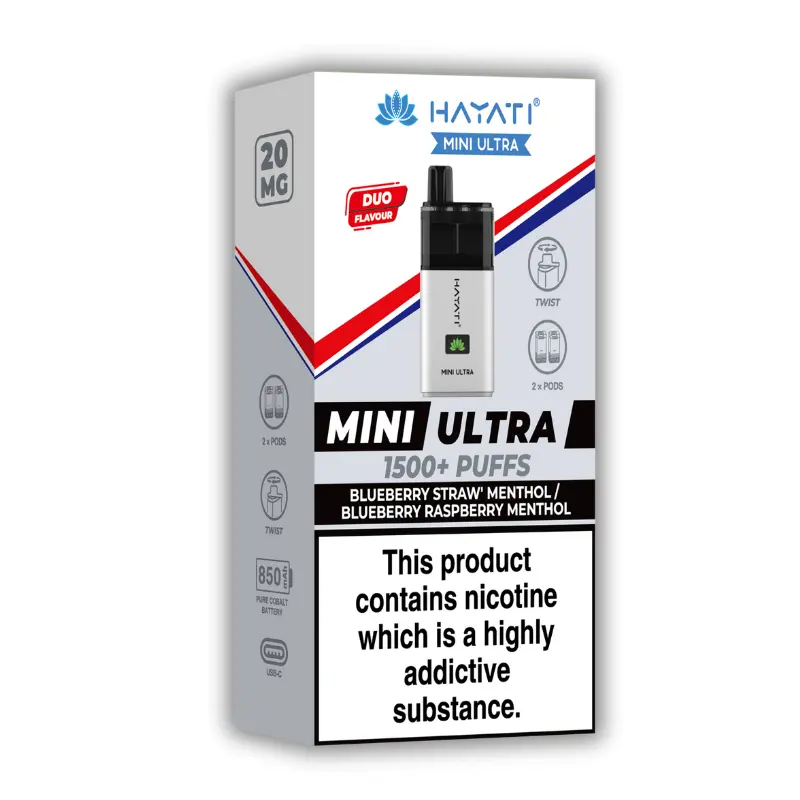
An oblique in a title could mean several things, including a retailer hedging two possible variants. It does not mean that here, and you do not have to take my word for it. All eleven descriptions state the arrangement in their own words: the two liquids are kept apart inside the pod, they do not mix, and turning the rotating mouthpiece selects the one you draw from. Blueberry Cotton K / Raspberry Cotton K says a twist of the mouthpiece moves you from one to the other. Cola Ice / Orange Lemon Lime says the two never mix. Straw’ Guava / Dragon Berries says each is held separately so it stays true to itself. Eleven for eleven, in eleven different phrasings, which is about as solid as a product feed gets.
What none of the eleven states is how the 4ml divides. Hayati publish one capacity figure for the pod and stop there, exactly as they do on the larger platform, and the same bench rating of up to 1,500 puffs appears on divided and undivided listings alike, which is the strongest available evidence that 4ml describes the whole pod rather than each side of it. An even split is how anybody would build the thing, so roughly two millilitres a side is the sensible reading, and it is a reading rather than a published number. The product pages on this shelf flag it the same way and this page keeps the flag.
Thirty-one flavour slots across twenty boxes
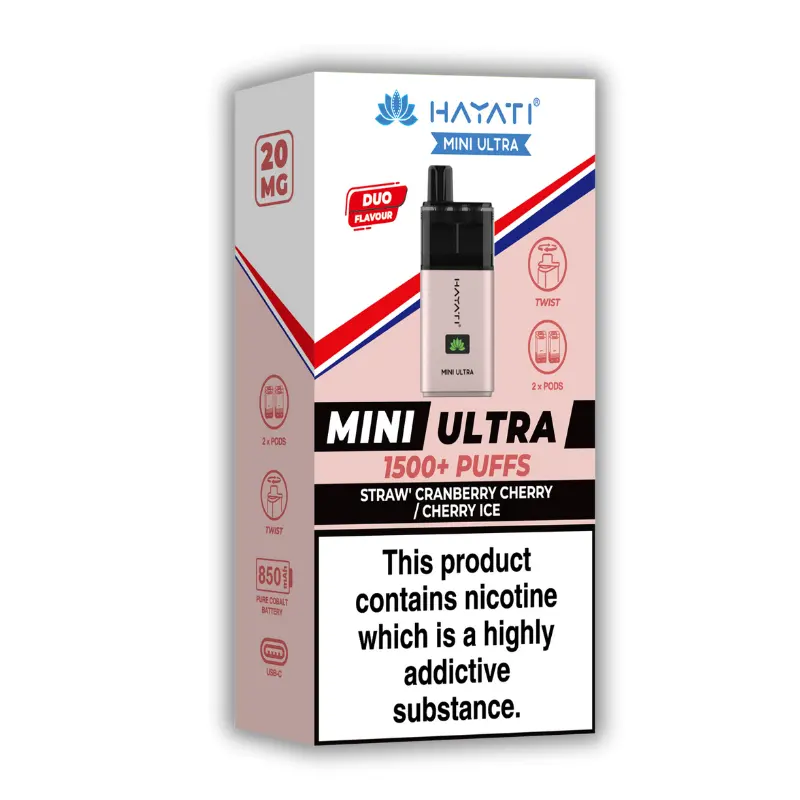
One last count, because it reframes the grid. Nine undivided tiles name one flavour each and eleven divided tiles name two, which is thirty-one flavour slots in total. Thirty of those are distinct; Cherry Ice is the only name that appears twice, once in Cherry Ice / Peach Mango and again in Straw’ Cranberry Cherry / Cherry Ice. Twenty-two of the thirty-one slots are halves.
Read that last figure slowly. Roughly seven out of every ten flavour presentations on this shelf are portions rather than pods. That is not a complaint about the range, which covers exactly the same thirty flavours as the refill tier on Hayati Mini Ultra Pods. It is a statement about what the grid is actually offering, which is mostly halves, at a price that makes halves reasonable.
Why a divided pod at 4ml is not a small version of one at 22ml
Here is the mechanism, assembled from work the product pages did in pieces and never put together at shelf level. It has two moving parts and they move in opposite directions.
The charge for turning the collar is fixed
Two liquids behind one mouthpiece share an airway and, by every indication of the described geometry, a single heating element. Hayati publish no element detail for this range in either direction, so that is an inference from what they do describe rather than a specification, and it is flagged as one here just as the Cherry Berry kit page flags it. Granting the inference, two consequences follow and both are already established on this shelf.
The first is carryover. A trace of whichever flavour you just left is sitting in the shared path when the next one arrives, so the opening draws after a turn are a blend you did not choose. That cost is denominated in draws. It takes however many pulls it takes to clear the path, and a pod cannot clear it faster by holding less.
The second is palate recovery, worked out in detail on the Sour Apple / Juicy Peach page. Where one half carries real acid and the other does not, the acid leaves your reading of sweetness depressed for a while, so a soft fruit met shortly after a sharp one registers as almost nothing. That cost is denominated in minutes, it falls in one direction only, and again the size of the pod has no bearing on it. Whatever a switch costs on a 22ml pod, it costs precisely the same here.
The benefit of turning it shrinks with the pod
Now the other side. What is a divider actually for? It exists to rescue you from adaptation. Hold one flavour constant for long enough and your perception of it degrades, sweetness flattens out, and the liquid you chose stops tasting like the liquid you chose. A second flavour behind a collar is an escape hatch from that, and on a pod you will own for weeks it is a real one.
Adaptation needs time and volume to arrive. So does the other slow change, the arc a heating element traces as it works, which takes the top end off a bright flavour before it touches the base. The Cherry Berry page makes the point squarely for this format: four millilitres is finished before flavour fatigue becomes a question, and on 4ml you may never reach the tired-element phase at all, so the last draw tastes much like the first. That is presented there as the virtue of a small undivided pod, and it is. It is also, read the other way, the reason the collar has nothing to do here.
At roughly eleven millilitres a side on the larger platform, each half is weeks of ownership and the escape hatch earns its keep several times over. At roughly two millilitres a side, each half is a day or two. Nothing has time to go stale. The thing the divider protects against has not arrived by the time the pod is empty.
The ratio, stated plainly
Four millilitres against twenty-two is a little over eighteen per cent by liquid, and applying the same reading per side gives about two millilitres against about eleven. So the benefit of the mechanism runs at something like a fifth of its larger-format value while the cost of using it runs at one hundred per cent. That is the whole finding, and every recommendation below is downstream of it.
One consequence deserves its own line because it reverses the advice that holds on the bigger pod. On 22ml an opposed pairing, two liquids that genuinely fight each other, is the better buy, because contrast is what makes the escape hatch worth having. At 4ml that ranking inverts. An opposed pairing charges you the full perceptual penalty for a reset you were never going to need, while a pairing of close relatives lets you turn the collar as often as you like for nearly nothing. The Sour Apple page reached that conclusion on its own pairing and it generalises across the eleven.
Which of the eleven that argument favours
Sorting the eleven by how far apart their two halves sit gives three groups and a clear ranking for this capacity.
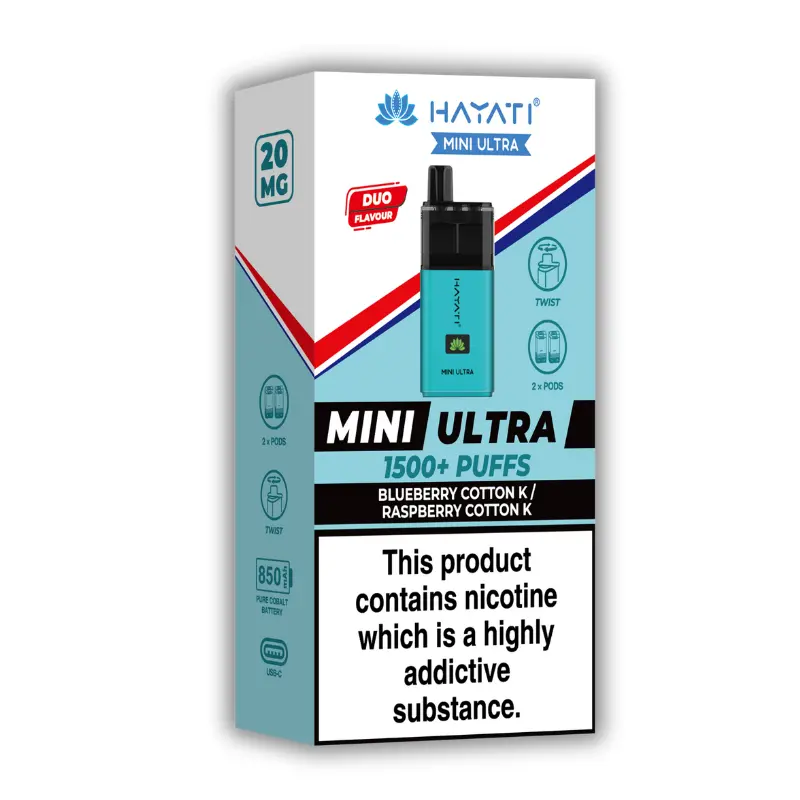
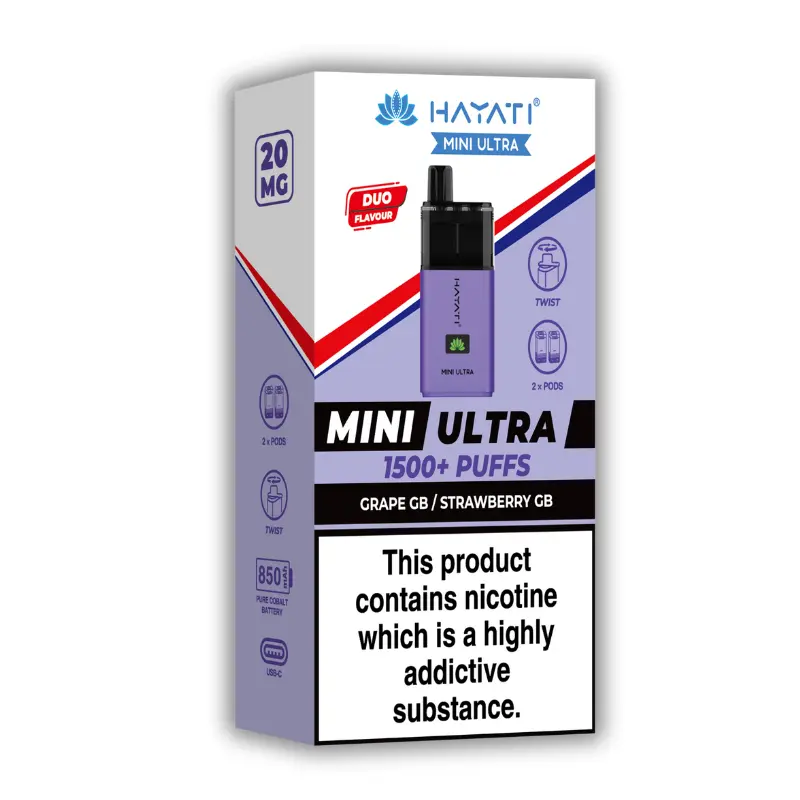
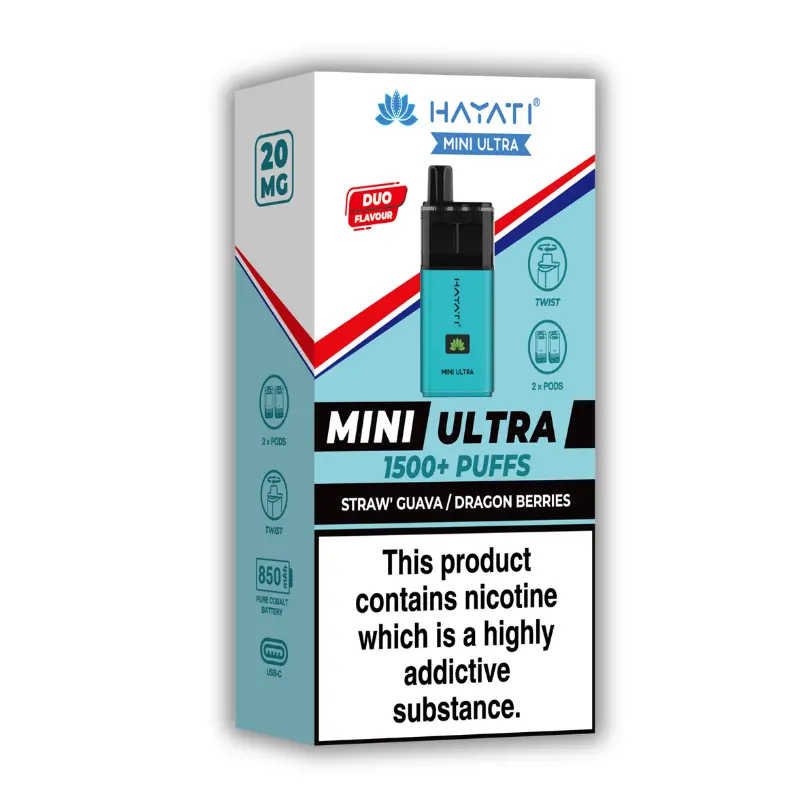
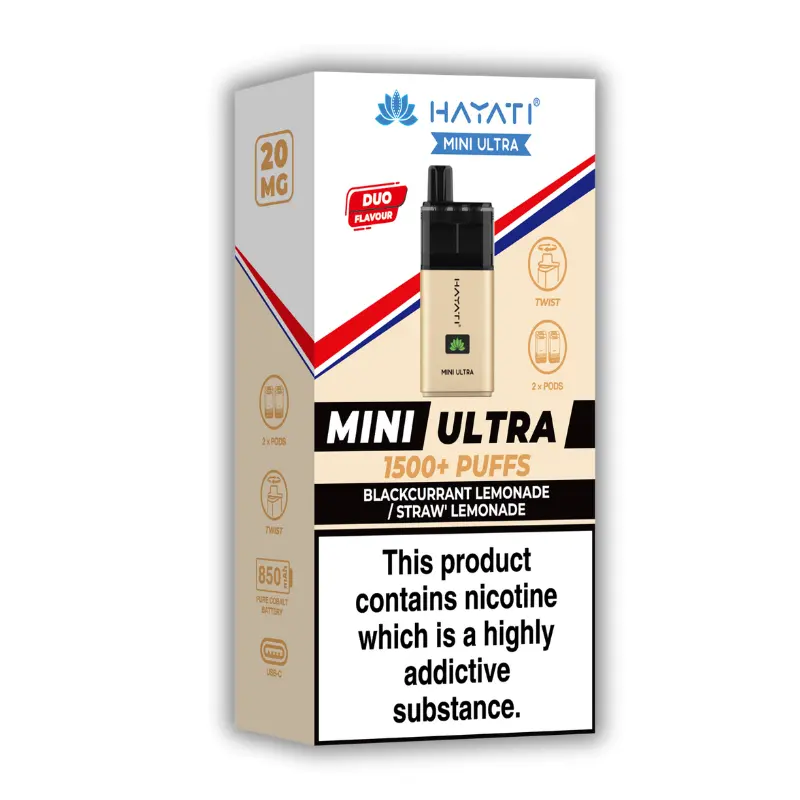
Six pairings of relatives. Blueberry Cotton K / Raspberry Cotton K holds the same spun-sugar finish over two different berries. Grape GB / Strawberry GB does the same with a rounded confectionery finish. Blackcurrant Lemonade / Straw’ Lemonade varies the fruit under one drink structure. Blueberry Straw’ Menthol / Blueberry Raspberry Menthol holds both the blueberry and the cooling still and changes only the red fruit between them. Straw’ Guava / Dragon Berries pairs two soft uncooled fruit blends, and Fruit Bomb / Straw’ Watermelon B’Gum pairs two sugar-forward mixtures. On this capacity these are the strongest of the eleven, because switching between them costs you almost nothing and you were never going to tire of either in two millilitres. They are also, and this is the honest qualifier, the pairings where carryover does the most damage to a comparison, since a trace you cannot distinguish from the flavour is a trace you cannot correct for.
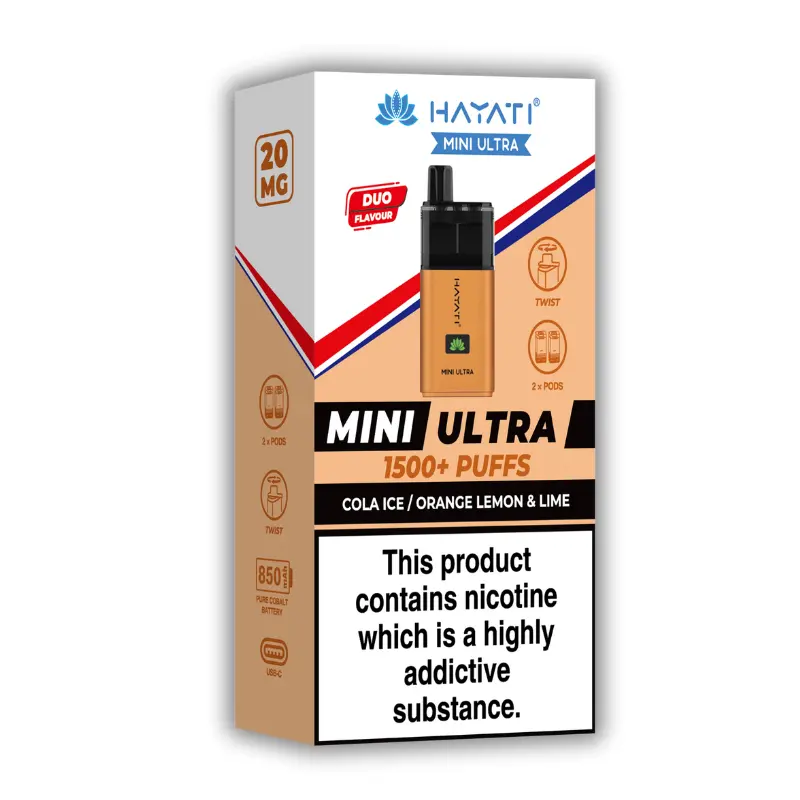
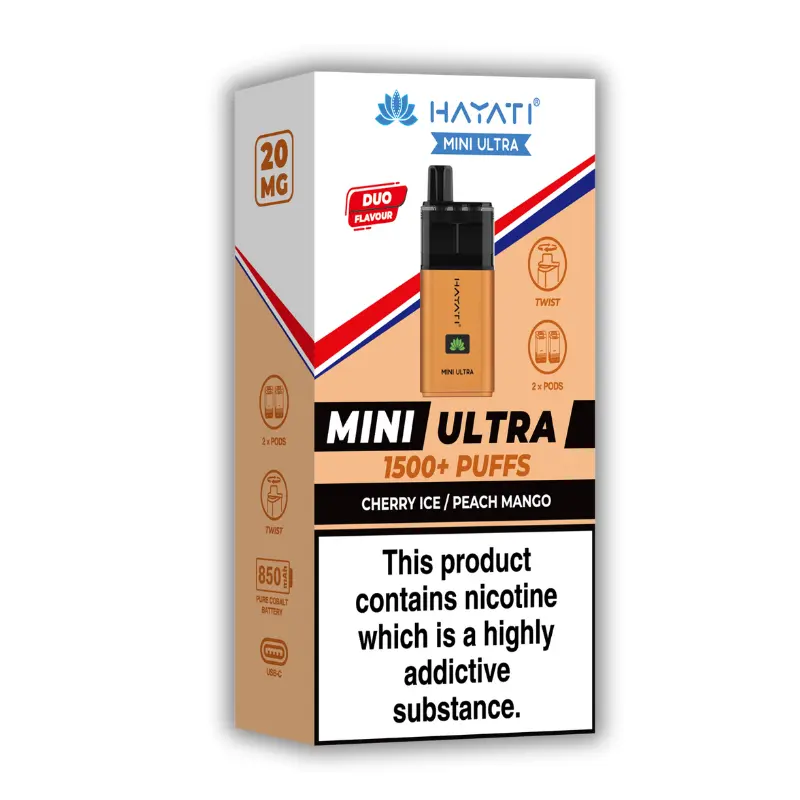
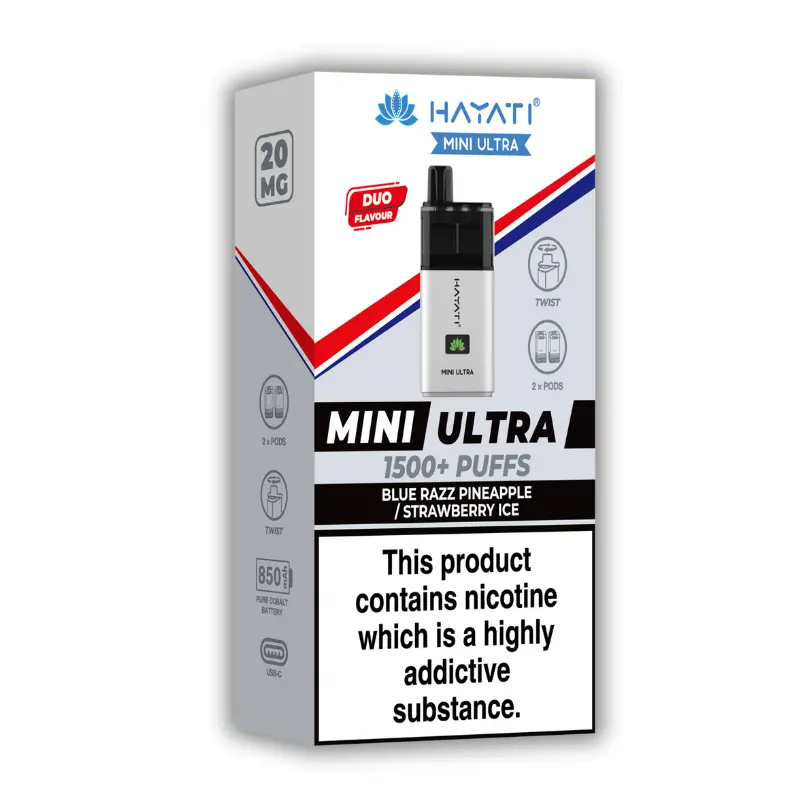
Four pairings across a temperature line. Cherry Ice / Peach Mango sets a chilled red against a warm tropical. Blue Razz Pineapple / Strawberry Ice sets an uncooled tangy blend against a cooled simple one. Straw’ Cranberry Cherry / Cherry Ice keeps the cherry and moves the cold. Cola Ice / Orange Lemon Lime is the odd one, two drink profiles rather than two fruits, with the coolant on one side only. Cooling leaves a physical sensation on the surfaces of the mouth for some minutes rather than merely moving a baseline, so these switches are not free either, but the charge falls in both directions instead of one and the contrast is obvious enough that you can read through it.
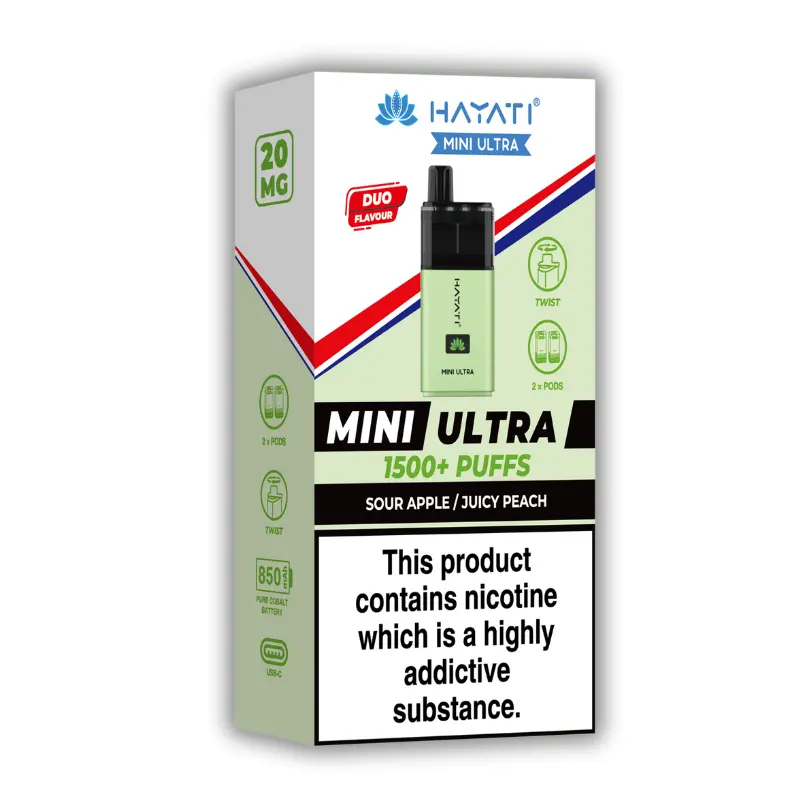
One opposed pairing. Sour Apple / Juicy Peach is the only kit on the shelf where a declared sour meets a declared soft fruit, and it is therefore the only one that generates the full one-way penalty. Its own page works out the answer at length and the short form is: run the peach first, turn once, finish on the apple, do not turn back. That is a fine pod. It is simply the pairing on this shelf whose mechanism costs most and delivers least, which is the exact reverse of its standing at 22ml.
So read most of this grid as a sampler, and price it as one
If the collar is not buying you relief from a flavour you have tired of, what is it buying? Two answers in one box. That is a smaller claim than the packaging implies and a more useful one than it sounds, and it is worth pricing properly rather than sniffing at.
What a verdict costs, three ways
Suppose the question is which of two flavours you prefer. There are three routes to an answer on this hardware.
| Route | Cost | Liquid per flavour | Device |
| One divided kit | £3.99 | about 2ml | included |
| Two single refill pods | £6.98 | 4ml | you must already own one |
| Two undivided kits | £7.98 | 4ml | two of them |
Split the divided kit two ways and each verdict has cost you about two pounds, with the body thrown in for nothing. Nothing else in the catalogue answers a flavour question that cheaply. The refill route costs three pounds forty-nine a verdict and assumes hardware you may not have. The two-kit route costs nearly four pounds a verdict and leaves you with a spare device you did not want. On pure cost per question the divided kit wins comfortably, and any page that dismissed it as a gimmick would be getting the arithmetic wrong.
What the cheap route buys you is a thinner answer. Two millilitres is enough to know whether a flavour is wrong for you and not enough to know whether it will tire you, which is the slower and often more important question. The opening draws after every turn are contaminated. And the halves you are comparing are, on six of the eleven, deliberately similar, which is the condition under which a shared path misleads you most. So the divided kit gives you two quick, slightly noisy readings for about two pounds each, and that is a fair description of what is on offer rather than a criticism of it.
The collar makes indecision cheap, which is its real cost
There is a behavioural trap here worth naming, and the Cherry Berry page names it first. When switching is free and instant, people switch the moment the current flavour is slightly less interesting than the idea of the other one. On two millilitres that means spending each side in short scattered bursts and reaching the bottom of the pod without a settled view on either. The collar removed the friction that would have made you sit with one long enough to decide anything.
The related failure, set out on the Sour Apple page, is the audition: trying both sides in the first hour to see what you bought. On an opposed pairing that spends your one free switch immediately and then charges you for turning back, and the flavour you meet on the return is the worst version of itself the pod will ever produce. A great many people form their entire opinion of a pairing inside that window.
Nobody can rebuy the pairing, which tells you what Hayati think it is for
The strongest evidence for the sampler reading is not in the copy, it is in the inventory, and the Cherry Berry page found it. Thirty replacement pods exist for this device and not one of them is divided. Every half of every divided kit is sold on its own as a full 4ml single, twenty-two halves and twenty-two singles, but the pairing itself is a first purchase and nothing else. Buy Grape GB / Strawberry GB, get to the bottom of it, and there is no Grape GB and Strawberry GB pod to reorder. There is a Grape GB pod and there is a Strawberry GB pod.
Compare that with the larger platform, where twenty-five divided listings appear on the kit shelf and twenty-five more on the pod shelf. There, the divided pod is a thing you restock, because at eleven millilitres a side it is a way of living with two flavours. Here it is a thing you buy once. Hayati have answered the question this page is asking, in stock-keeping rather than in prose, and stock-keeping is harder to fake.
Who the divided kits genuinely suit
Three buyers, and they are real. Someone who needs a Mini Ultra body anyway and would rather learn two things than one on the way in. Someone who already knows and likes both named flavours and wants variety in a pocket for a couple of days, a weekend away or a long shift, where the point is having a choice rather than reaching a conclusion. And someone stuck between two near neighbours whose names do not separate them, for whom two pounds is a cheap end to the argument even with the noise.
Three buyers it does not suit. Anyone who already knows what they want, who should take a whole 4ml of it. Anyone who wants to run two flavours together properly over weeks, who should be on the Pro Ultra Plus kit shelf where the collar earns its money. And anyone whose purpose is a clean, confident read on one specific liquid, who is better served by the nine tiles this page turns to next.
The nine undivided kits, and the case for starting there
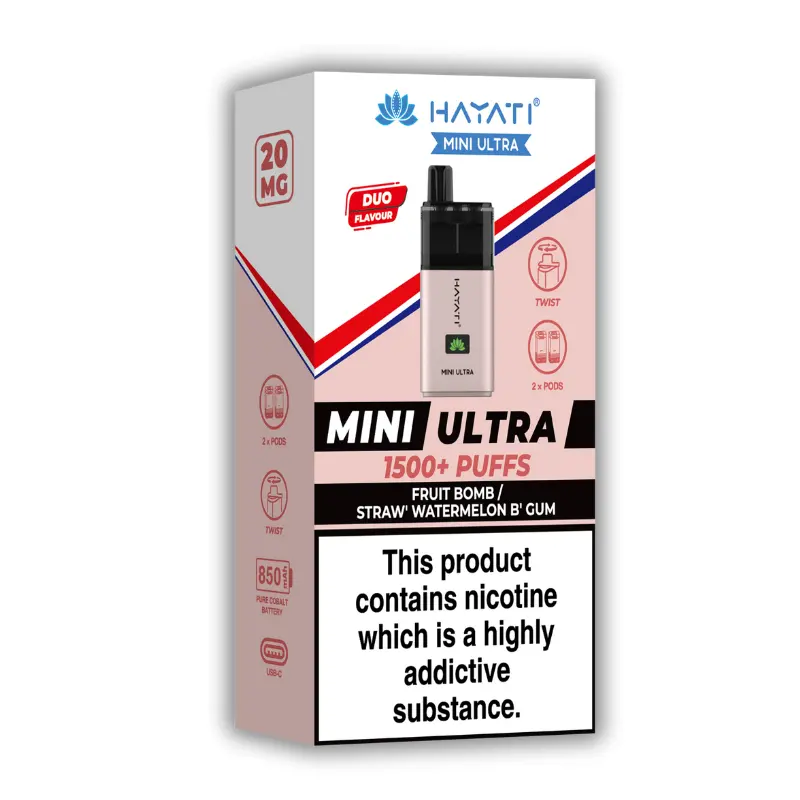
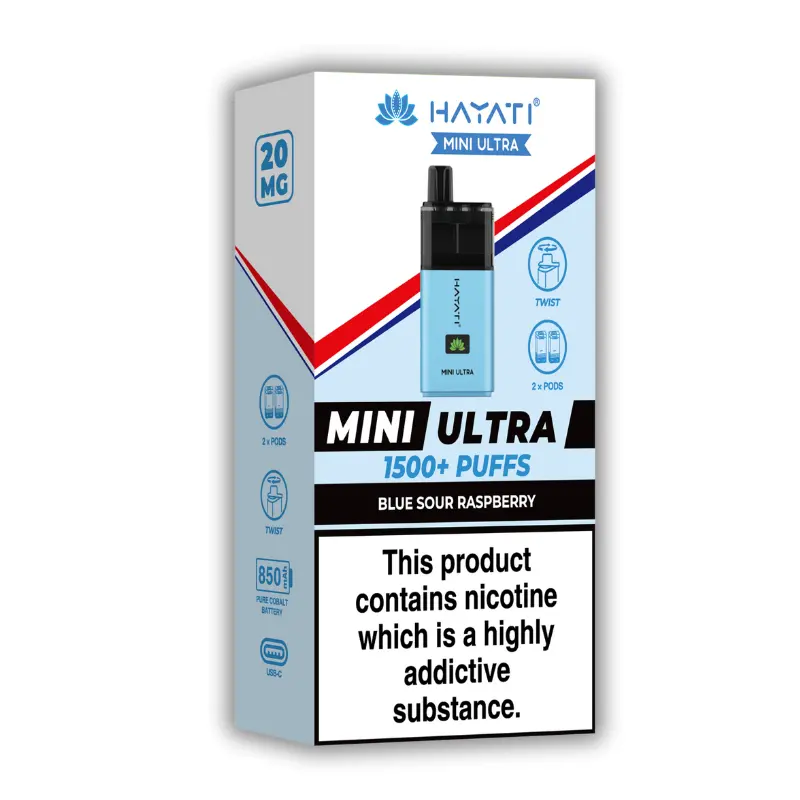
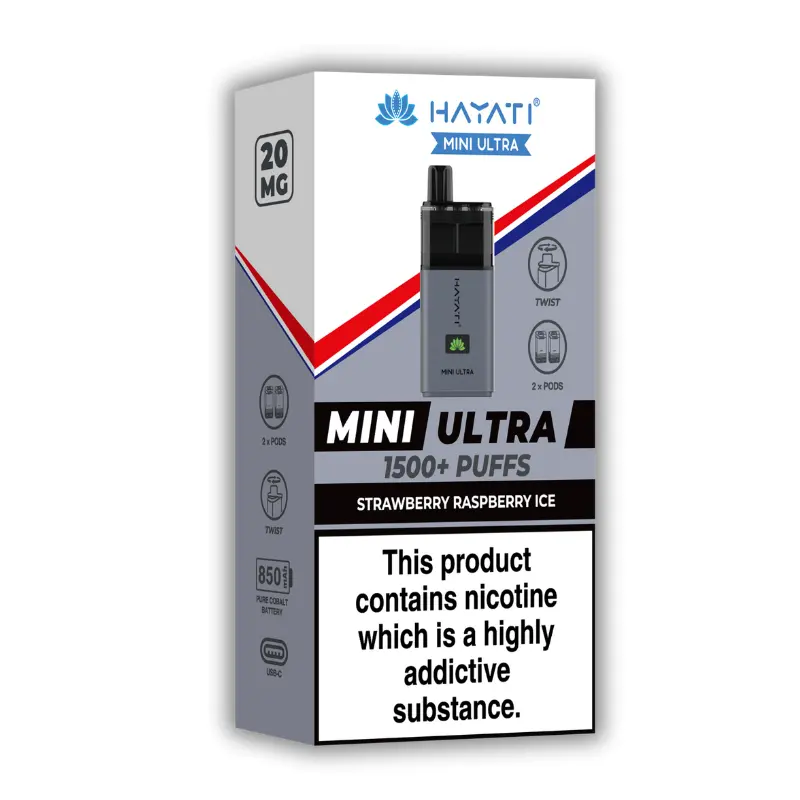
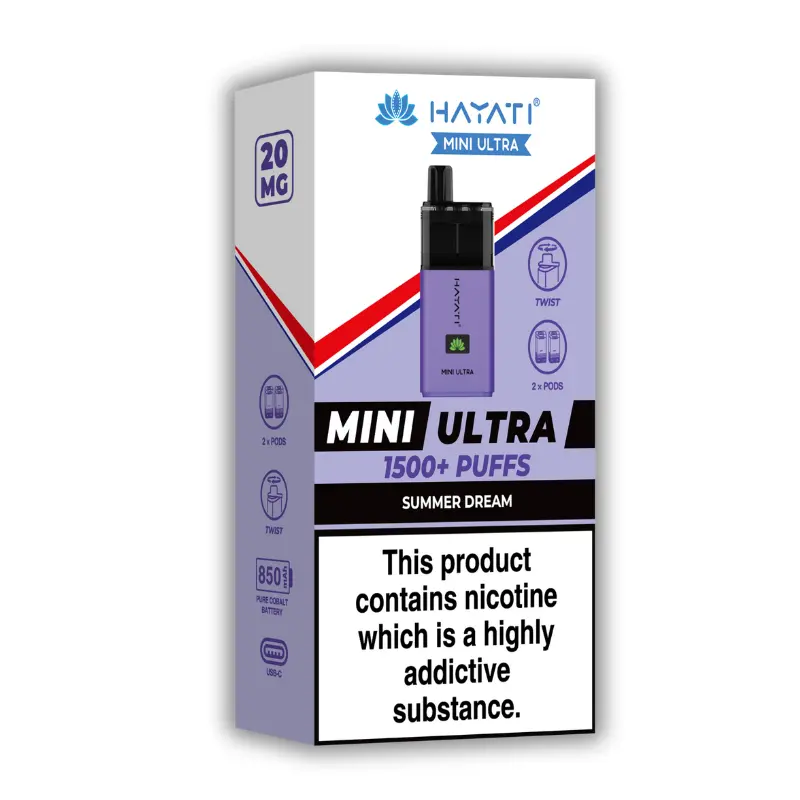
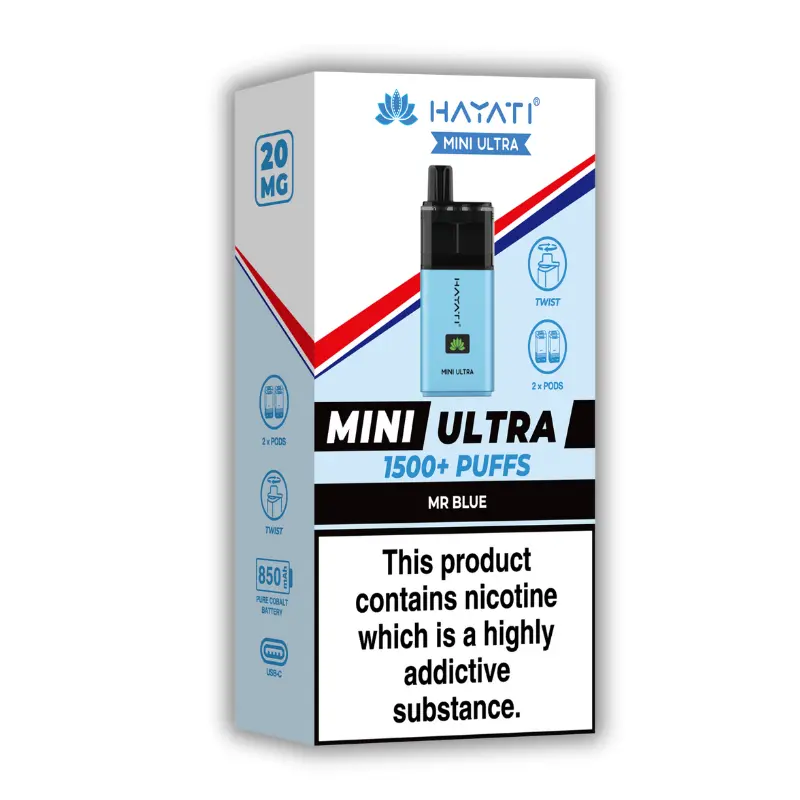
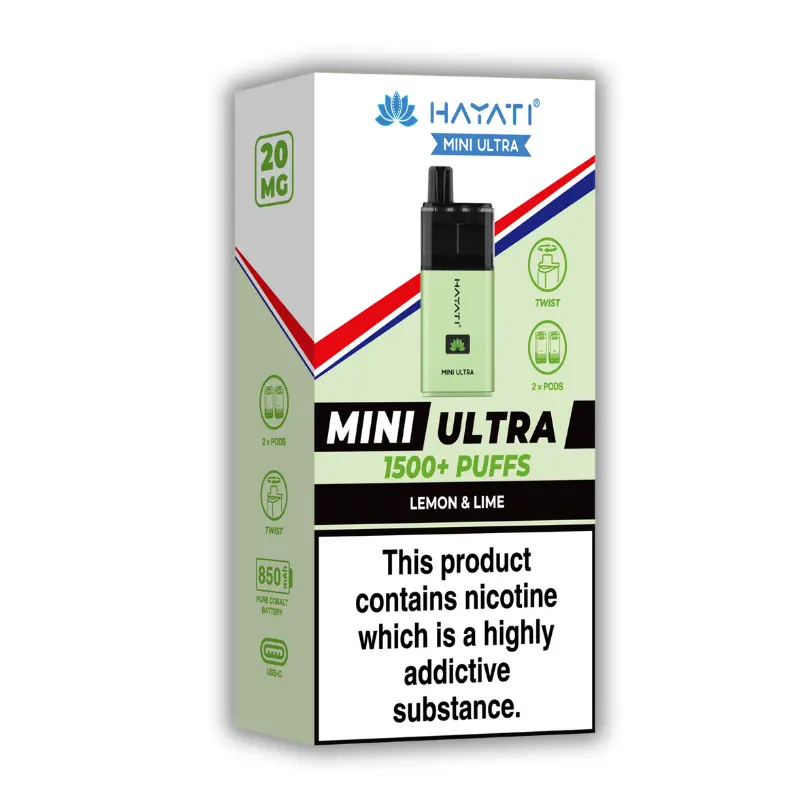
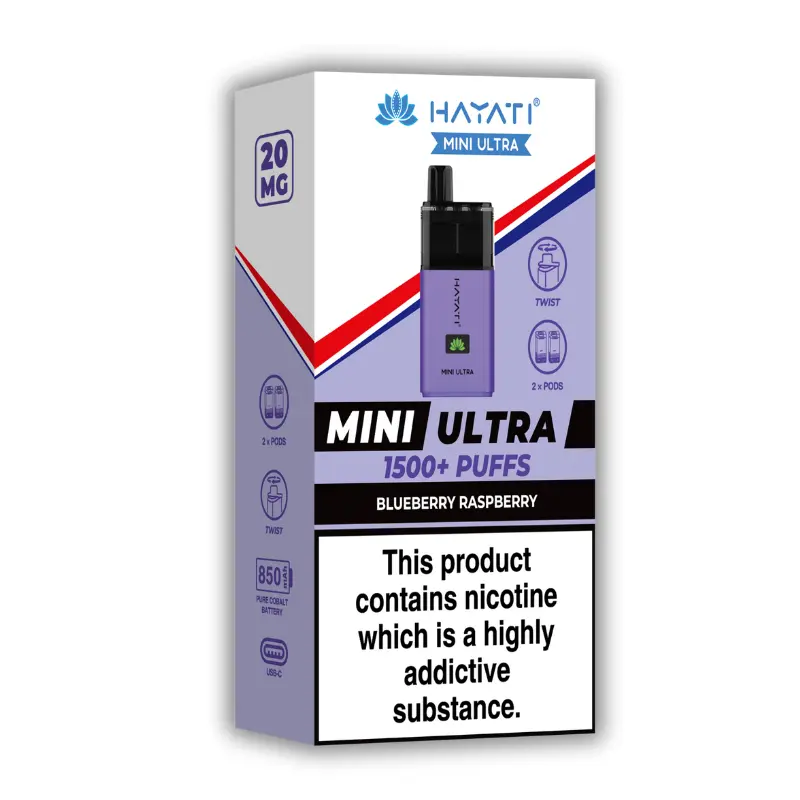
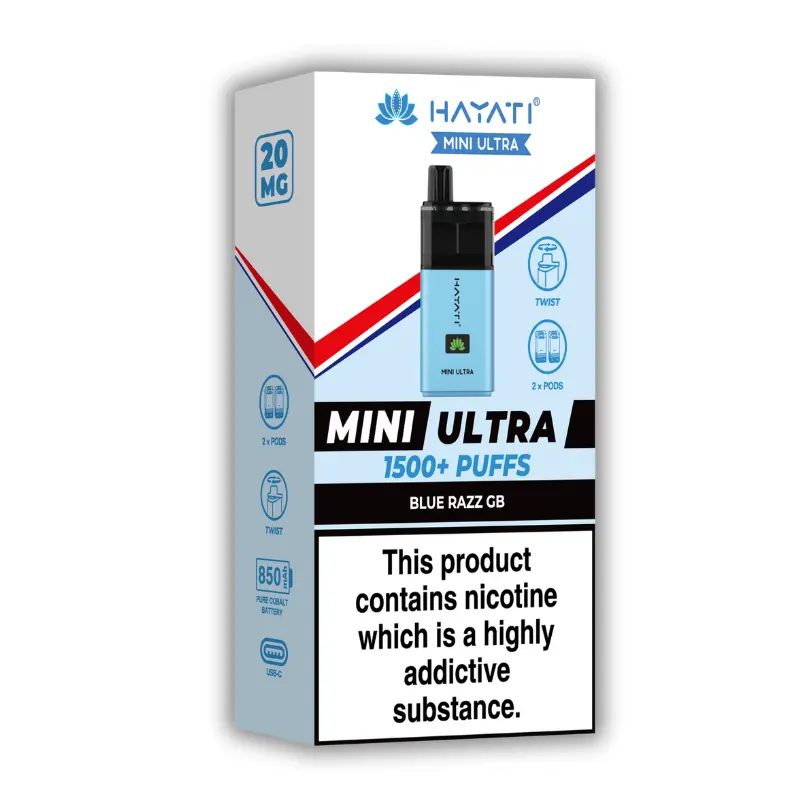
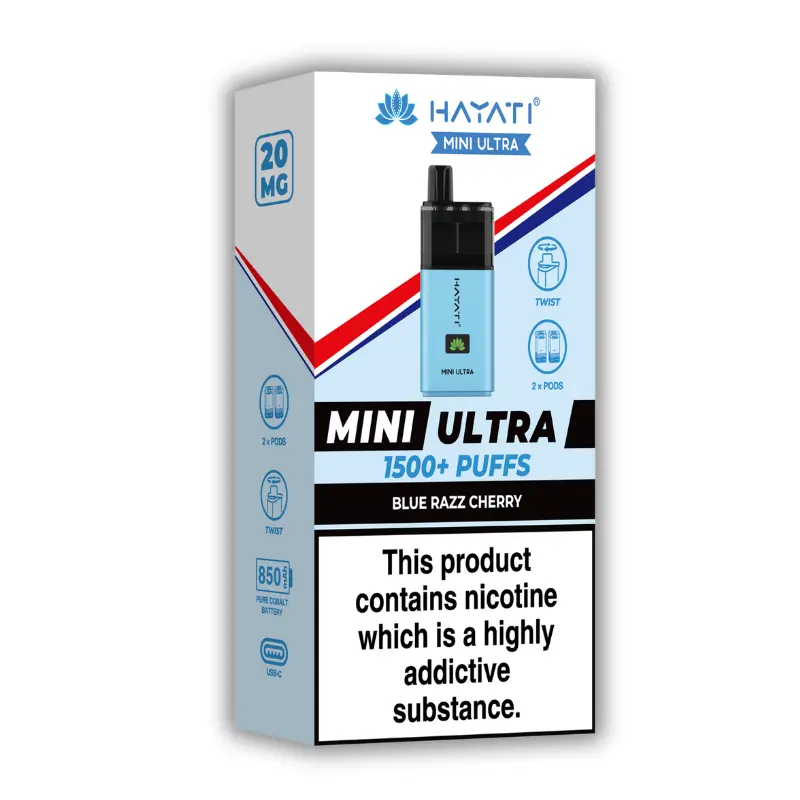
Nine tiles on this shelf spend the whole four millilitres on one flavour: Cherry Berry, Blue Sour Raspberry, Strawberry Raspberry Ice, Summer Dream, Mr Blue, Lemon Lime, Blueberry Raspberry, Blue Razz GB and Blue Razz Cherry. They cost the same £3.99 as the divided eleven and the tile gives you no way to tell them apart, which is the single most useful thing this page can fix.
Two facts that meet in one object
The first is money. £3.99 is the cheapest complete kit Hayati publish. Twenty listings in the catalogue carry that price and all twenty are on this shelf; the next rung up is £5.99 on Hayati Rubik Prefilled Pod Kit, then £7.99 on the Pro Max Plus kit shelf, then £11.99 on the Pro Ultra Plus one. Of those twenty cheapest kits, only nine give you a working device plus an undivided pod of one liquid. So the cheapest complete unit of a single flavour anywhere in the range is one of exactly nine listings, and they are all on this page.
The second is drift, and it is the more interesting one. Everything that changes a prefilled pod over its life needs volume to show itself. Palate fatigue on a sweet blend is slow. The arc an element traces as it works is slow, taking the bright top notes down before the base moves. At twelve millilitres you live through both. At twenty-two you live through both twice over. At four you finish first. The last draw of a 4ml pod is close to the first, which the Cherry Berry page identifies as both the charm and the limit of the format: a pleasant way to meet a liquid, and a misleading one if you are about to commit to a much larger version of it.
Put the two together. The undivided 4ml kit is the cheapest complete thing in the catalogue and the only one where you reach the end before anything has shifted underneath you. There is no carryover because there is nothing to carry over from, no contaminated opening draws, no temptation to bail out at the first dull moment, and twice the quantity of the liquid you are actually judging. If you want one clear verdict on one flavour, this is the instrument, and it happens to be the cheapest object on the site. That makes it the natural first purchase in the whole Hayati catalogue, and the page may as well say so plainly.
What the nine are
Two of them name no fruit at all. Summer Dream sets a mood and lists nothing, and Mr Blue sets a colour. Read the first as a bright mixed-fruit blend with nothing taking the lead and the second as bold and sugary in the blue-labelled manner, and treat both readings as inference rather than description, because the listings publish no profile to check them against. An undivided four millilitres is the only honest way to find out what either one means, and it is the one situation where an unlabelled flavour is a sensible thing to buy. Putting an unlabelled flavour behind a collar, where you would get two millilitres of it through a shared path, would be the opposite of sensible.
Four are plain fruit. Blueberry Raspberry is the archetype of the range, jammy dark fruit against a tart lift with neither winning. Cherry Berry sits darker and fuller, a cherry lead over a berry bed you cannot itemise. Blue Razz Cherry puts a bright tang on top of a deep cherry body so the draw has a top and a bottom to it. Blue Razz GB takes the same blue profile and rounds its edges with a confectionery finish, which makes it the sweetest of the nine and the reference point for where the sugar end of this shelf actually sits.
Two are sharp. Blue Sour Raspberry runs sweet and sour in equal measure with a mouth-watering quality that keeps resetting the palate. Lemon Lime is the driest thing on the shelf, sour lemon and grassy lime with no sugar propping either up, and it works as a reset when a rotation has gone sweet.
One is cold. Strawberry Raspberry Ice is red fruit with the raspberry supplying the edge and cooling behind both, and it is the only undivided kit here that carries a coolant. If cold is what you want and you want it whole, this is the single tile that does it.
The gap in the nine, and how the shelf closes it
Nine flavours come whole. The other twenty-one appear on this shelf only as halves. If you have decided you want four uninterrupted millilitres of, say, Sour Apple or Peach Mango or Raspberry Cotton K, this grid cannot sell it to you. The refill tier can, at £3.49 each on Hayati Mini Ultra Pods, and every one of the thirty is there as a single. What the refill tier cannot sell you is a body.
So the route to a whole pod of one of those twenty-one runs through this page regardless: some kit at £3.99 for the hardware, plus the £3.49 pod you actually wanted, £7.48 in total. Which kit you use as the body-acquisition purchase is then a free choice, and there is a decent argument for making it a divided one, since it costs the same and returns two extra readings rather than one. That is the divided format at its most defensible: not a two-flavour product, but a better-than-nothing bonus attached to a device you had to buy anyway.
What the £3.99 covers, and how the two tiers fit together
Every box on this shelf contains the Mini Ultra body with an 850mAh cell and one prefilled pod already in it, holding 4ml at 20mg nicotine salt. Nicotine is an addictive substance and no other strength exists anywhere in this range, on either tier. Hayati publish a bench figure of up to 1,500 puffs for the pod, generated by apparatus drawing to a fixed pattern rather than measured from anybody’s week, and its single genuinely useful property is that it is identical on divided and undivided listings, which is how you know the 4ml is the pod and not the side.
What the specification does not cover is worth listing so you do not go looking. There is no element detail, no airflow figure, no physical dimension and no charging port named anywhere in the range’s data. Those are gaps and this page leaves them as gaps. The one thing the format does tell you is the draw family: a 20mg salt in a small sealed pod is built for a restricted, narrow mouth-to-lung pull, and if you want a wide airy draw no closed pod on this site provides one.
Fifty pence, and the case where it does not apply
A kit is £3.99 and a refill is £3.49, so the hardware costs fifty pence. That is the smallest gap between the two tiers of any Hayati platform by a wide margin: the Rubik charges two pounds for its body, the Pro Max Plus two pounds fifty, the Pro Ultra Plus four pounds. Fifty pence exerts almost no pressure to reuse anything, which is worth knowing because the pressure ought to come from somewhere else. A cell capable of running through dozens of pods, bought for four millilitres of liquid and then discarded, is a poor outcome whatever the price says, and the bodies belong at an electrical take-back point rather than in a household bin.
For the nine undivided kits the fifty pence is a straight comparison, because the identical pod exists on the refill shelf. For the eleven divided ones it does not apply at all, since there is no divided refill to compare against. Their real alternative is two separate singles at £6.98, which costs seventy-five per cent more and delivers twice the liquid per flavour, minus the body. Different question, different sum.
A grid with no price spread has to be sorted some other way
Twenty tiles at one figure means price does no work here at all, and none of the usual instincts apply. Nothing is dearer because it is more complicated: Straw’ Cranberry Cherry / Cherry Ice packs three fruits and a coolant across two sides for exactly what the plainest single-flavour tile here costs. Nothing is cheaper because it is plainer. The only structural sort available is the one this page has been making, divided against undivided, and it is legible in the titles once you know to look for the oblique.
One filing note in the same spirit, since it is the kind of thing that sends people to the wrong shelf. Five of the twenty titles name Ice and one names Menthol, six titles with a coolant word in them. But only four of the twenty tiles are filed on Ice Vapes. The absentee is Blue Razz Pineapple / Strawberry Ice, which sits on Strawberry Raspberry Ice Vapes instead. Title counts and tile counts are different measurements and they part company here by exactly one listing, so if you are filtering for cold, filter on the titles rather than the shelf.
Choosing, in the order the decisions arrive
Five questions, answered in the sequence that actually saves money.
Do you already own a Mini Ultra body? Then this shelf is probably the wrong page. Thirty single flavours at £3.49 are on Hayati Mini Ultra Pods, and buying a second device to get a flavour you could have had for fifty pence less is the commonest avoidable spend in the range. The exception is wanting a second body, which at this price is not extravagant.
Do you have one flavour in mind? If it is among the nine that come whole, buy that tile and nothing else. If it is among the other twenty-one, buy any kit for the hardware and add the single pod you wanted. Do not buy a divided kit because it happens to contain the flavour you are after; two millilitres through a shared path is a worse version of the thing you wanted, not a cheaper one.
Are you choosing between two flavours? This is the divided kits’ job and they do it for about two pounds a verdict. Prefer a relatives pairing or a temperature-line pairing over the one opposed pairing, for the reasons set out above, and pick a side to start on rather than alternating from the first hour.
Do you want two flavours to live with, not to choose between? Then the size is wrong and the platform is right. Hayati Pro Ultra Plus Prefilled Pod Kit carries twenty-five divided kits at 22ml where each side is weeks rather than days, and the escape hatch is worth what it costs. Everything this page argues against the collar is an argument about four millilitres, not about the idea.
Are you buying liquid rather than information? Then leave. A 4ml pod is the dearest way to buy a millilitre of Hayati liquid, and the arithmetic is worked through in full on the refill shelf page. Someone restocking a flavour they settled on months ago should be on Hayati Rubik Pods or Hayati Pro Max Plus Pods, and no amount of writing about compact hardware changes that.
The two paths worth spelling out
If you know roughly what you like: one undivided kit at £3.99, then refills at £3.49 as required, then a move to a larger format once a flavour has proved itself. Total outlay before you learn anything useful, three pounds ninety-nine.
If you do not: one divided kit at £3.99 chosen from the relatives group, run one side to the bottom before touching the collar, then restock the winner as a single. Total outlay to a working rotation, £7.48, of which the second half is liquid you have already decided you want.
Where this shelf sits among the others
The other half of the range is Hayati Mini Ultra Pods, thirty single refills at £3.49, and both tiers are gathered on Hayati Mini Ultra if you want the device argument in one place. These twenty also appear inside the broad format groupings, Hayati Pod Kits at 174 tiles and Hayati Prefilled Pod Kits at 171, where they are the cheapest entries in both, and on New Products, which carries the whole catalogue and tells you the range landed as one block. Refills of every kind live on Hayati Pods and Hayati Prefilled Pods & Refills.
Going up in size, Hayati Rubik is the next rung at 12ml and the cheapest sealed prefilled liquid Hayati sell by volume, with the kit tier on Hayati Rubik Prefilled Pod Kit. The Pro Max Plus is the biggest range by listing count and carries no divided pods whatsoever, so the question this page is about simply does not arise there. And Hayati Pro Ultra Plus Pods is where the divided format is a format rather than a sampler. Bottled liquid for refillable hardware is on Hayati E-Liquids, with the salts specifically on Hayati Pro Max Nic Salts at a lower strength than anything here.
By flavour, fourteen of these twenty tiles carry a berry and sit alongside the rest of the catalogue on Berry Vapes, which runs to 225 listings. Eight are on Raspberry Vapes and seven on Strawberry Vapes. Smaller intersections: four each on Cherry Vapes, Blueberry Vapes and Ice Vapes, three each on Lemon Vapes and Blueberry Raspberry Vapes, and two each on Peach Vapes, Exotic Vapes, Lemon Lime Vapes and Strawberry Raspberry Ice Vapes. Those are intersection counts, not shelf sizes. If none of it narrows things down, the full Hayati range is the place to browse rather than filter.
Getting a small pod, divided or not, to tell you something
These arrive filled and sealed with nothing to assemble, so this is short and all of it is specific to four millilitres rather than general advice.
Seat the pod and then leave it a minute or two before the first pull, so the wick can take up liquid, and open with two or three gentle draws instead of a hard one. Impatience is the commonest cause of a first draw that tastes thin, and on a pod this small the first draws are a meaningful share of the whole thing.
On a divided kit, pick a side and stay on it. The pod rewards two long runs and punishes a dozen short ones, which is the reverse of what the mechanism invites. Where one half is sharp and the other soft, take the soft one first so that your single switch runs in the direction that costs nothing, and treat a return across a break of ten minutes or more as a different proposition from a return across two.
Form your opinion before the last few draws. The final portion of any prefilled pod comes off a supply that is no longer keeping up and tastes thinner and warmer than the middle did, and on four millilitres that phase arrives sooner in proportional terms than it would on twelve. Write the verdict down somewhere while it is fresh, because the point of buying at this size is to act on the answer later, and three pods from now you will remember that you liked the sharp one without remembering how sharp.
Do not let a pod sit unopened for months. Bright fruit aromatics are the fragile part of most of these blends and they are precisely what you bought the pod to assess. Keep spares upright, sealed and out of direct sun. When a pod is done it is done; a sealed prefilled pod is not meant to be opened and there is no published refill route. Used pods and the bodies both carry material that does not belong in a household bin, and the bodies contain a cell, so an electrical take-back point or a local recycling facility is the right destination.
The short answer
Twenty kits, one price, and a division running through the middle of the grid that the tiles do not show. Eleven hold two flavours behind a rotating mouthpiece and nine hold one. The divided eleven sit alongside the Pro Ultra Plus as the only place in 492 listings where Hayati build this design, and at four millilitres the design does something different from what it does at twenty-two: the price of a switch stays exactly where it was while the thing a switch protects you from never turns up. So those eleven are best understood as samplers, two answers for about two pounds each with a device attached, which is a genuinely cheap way to settle a question and a poor way to own two flavours.
The nine undivided kits are the other argument and the stronger one. They are the cheapest complete unit of a single liquid Hayati publish, and the only format in the range that finishes before a palate adapts or an element tires, which means what you taste at the end is what you bought at the start. If you are starting anywhere in this catalogue, start on one of those nine, then restock from the refill shelf and move up a size once something has earned it.
Strictly for adults aged 18 and over. Nicotine is an addictive substance.
Frequently asked questions
How many of these twenty kits hold two flavours?
Eleven. Each of those eleven names both flavours in its title with an oblique between them, and each of the eleven descriptions states that the two liquids are kept apart inside the pod and that turning the rotating mouthpiece selects which one you draw from. The remaining nine spend the whole 4ml on one flavour. That is the only structural difference on the shelf, since all twenty cost the same and share the same body, capacity and strength.
Is a divided 4ml pod the same idea as a divided 22ml pod?
It is the same mechanism doing a much smaller job. What a divider protects you against is adaptation, the way a flavour flattens out when you hold it for a long time, and that needs weeks to arrive. At roughly eleven millilitres a side on the Pro Ultra Plus, it does arrive. At roughly two millilitres a side here, the pod is finished first. Meanwhile the cost of a switch, a few contaminated draws and, on a sharp-to-soft turn, several flat minutes, does not shrink with the pod at all. Same charge, far less benefit.
How much liquid is on each side of a divided Mini Ultra pod?
Hayati do not publish a per-side figure anywhere in the range. They give 4ml as the capacity for every listing, divided or single, and quote the same bench puff rating for both, which is good evidence that the 4ml is the whole pod rather than each half. An even split would put about two millilitres a side. That is a reading of the published numbers, not a stated specification, and this page treats it as one throughout.
Can I reorder a divided pairing as a refill?
No. All thirty Mini Ultra replacement pods are single flavours; not one is divided. What you can reorder is either half on its own as a full 4ml single at three pounds forty-nine, and every half of every divided kit is available that way. The absence is deliberate enough to be informative: on the Pro Ultra Plus, divided pods are sold as refills too, so Hayati clearly expect a divided pod at this size to be bought once rather than restocked.
Which divided kit should I pick if I want to switch often?
One whose two halves are close relatives, because those switches cost you least. The two Cotton K berries, the two GB confections and the two lemonades are the clearest cases, and the two menthols hold everything still except the red fruit. The pairing to avoid for constant switching is Sour Apple and Juicy Peach, where the sharp half leaves the soft one reading flat for several minutes afterwards. That is the reverse of the advice that holds on the 22ml versions, where contrast is worth paying for.
Which of the nine undivided kits should I start with?
It depends on what you already know you like, but the shape of the answer is the same for everyone: pick a flavour you can describe, not a mood. Blueberry Raspberry is the plainest reference point in the range, Lemon Lime is the driest, Blue Razz GB marks the sweet end and Strawberry Raspberry Ice is the only undivided kit here that carries cooling. Summer Dream and Mr Blue publish no profile at all, so they are worth four millilitres only if curiosity is the point.
Why is the undivided 4ml kit a good first purchase?
Two reasons that meet in one object. It is the cheapest complete thing in the catalogue, since three pounds ninety-nine is the lowest kit price Hayati publish and the next rung is five ninety-nine. And four millilitres ends before anything drifts: palate fatigue and the gradual dulling of a heating element both need more volume than this to show themselves, so the last draw is close to the first. You get one clean reading on one liquid for the lowest outlay available.
Can I get a whole 4ml pod of any flavour from this shelf?
Only nine of the thirty. The other twenty-one appear here exclusively as halves of a divided pod. To get one of those twenty-one whole you need a body, which means buying a kit at three pounds ninety-nine, plus the single refill at three pounds forty-nine, seven forty-eight in total. Since the kit you buy for the hardware is a free choice at that point, a divided one is defensible: it costs the same and gives you two extra readings on the way in.
Why does everything on this shelf cost the same?
Because it is the same object with different liquid in it. Twenty tiles at one price means the grid cannot be sorted by cost and any instinct that a dearer tile must be better has nothing to attach to. A three-fruit blend divided against a chilled cherry costs exactly what a single plain berry costs. The only sort that carries information is divided against undivided, and the titles show it: an oblique means two flavours.
What is actually in the box?
The Mini Ultra body with an 850mAh cell and one prefilled pod already fitted, holding 4ml at 20mg nicotine salt. Nicotine is an addictive substance and no other strength is offered anywhere in this range. Hayati quote a laboratory figure of up to 1,500 puffs for the pod, produced by test apparatus rather than measured from real use. No element detail, airflow figure, dimension or charging connector appears in the data for these products, so this page does not state any.
Do Mini Ultra pods fit any other Hayati device?
Treat them as belonging to this body only. Hayati publish no cross-range fitment table, and a compatibility decision taken from a retail page is a good way to end up with pods that will not seat. Check the range name printed on your device against the range name in the product title before ordering. Every prefilled line on this site is a closed system with its own pod, and nothing on this page is a hardware specification.
Is a divided kit cheaper than buying two single pods?
Considerably, and that is its honest selling point. One divided kit is three pounds ninety-nine for about two millilitres of each flavour plus a device. Two single refills are six pounds ninety-eight for four millilitres of each and need a body you already own. So the divided kit answers a two-flavour question for about two pounds a verdict against three forty-nine, at the cost of half the liquid per side, some contaminated draws after every turn and no way to rebuy the pairing.