
Home / Hayati Pro Max Nic Salts
Hayati Pro Max Nic Salts
Sixty-five bottles sit on this shelf and, on paper, they are the same object 65 times over: 10ml of liquid, 10mg of nicotine salt in every millilitre of it, a base split evenly between vegetable glycerine and propylene glycol, and a £2.49 ticket. One listing breaks the price at £2.79, and it is the bottle Hayati catalogued under the bare range name rather than under its flavour. Its specification matches the other 64 exactly.
The most useful thing to hold in your head before you scroll the grid is that the figure on the label is not what marks this shelf out from the rest of the site. 10mg is 10mg wherever you find it. What differs is the state the molecule is in. The nicotine here has been reacted with an acid, and a liquid built that way reads differently at the throat than an unreacted one carrying the identical figure. That one piece of chemistry, set out properly below, is behind most of the questions people ask about salts.
The second thing is scale. This is the longest bottled flavour list Hayati publishes, and it is broad rather than deep: blue raspberry in a dozen guises, a crowded cherry corner, six mints, and two genuine outliers in Tobacco and Hayati Pro Max Shisha. The flavour map walks all 65 and says which ones nobody can honestly separate.
New ProductsHayati PodsHayati Prefilled Pods & RefillsHayati Pod KitsHayati Prefilled Pod KitsHayati E-LiquidsHayati Pro Ultra Plus Prefilled Pod Kits & PodsHayati Pro Max Plus PodsHayati Pro Max Plus Prefilled Pod KitHayati Pro Max Nic SaltsHayati Pro Ultra Plus PodsHayati Pro Ultra Plus Prefilled Pod KitHayati Mini UltraHayati RubikHayati Mini Ultra PodsHayati Mini Ultra Prefilled Pod KitHayati Pro Max 50-50 E-LiquidHayati Pro Max 70-30 E-LiquidHayati Rubik Prefilled Pod KitHayati Rubik PodsHayati Nicotine PouchesHayati QuokkaBerry VapesRaspberry VapesIce VapesBlueberry VapesStrawberry VapesCherry VapesSweet VapesExotic VapesLemon VapesBlueberry Raspberry VapesPeach VapesWatermelon VapesApple VapesLemon Lime VapesMango VapesPineapple VapesGrape VapesLemonade VapesMint VapesCola VapesStrawberry Raspberry Ice VapesBlackcurrant VapesJuicy Peach VapesMr Blue VapesSummer Dream VapesBanana VapesKiwi VapesMenthol VapesOrange VapesFresh Mint Vapes



Freebase and salt: one nicotine, two states
Every bottle here reads 10mg. So do a great many bottles elsewhere that behave nothing like these. The difference is not in the number. It is in what the nicotine molecule is bonded to at the moment it leaves the bottle, and it is worth setting out carefully, because nearly every misunderstanding about this shelf traces back to that one point.
Where the molecule starts
Inside the leaf, nicotine does not drift about unattached. It sits paired with organic acids the plant produces anyway, citric and malic among them, and in that paired state it already carries a positive charge with a partner ion sitting next to it. Commercial extraction takes those partners off. Treat the plant material with a base, the acid partners are neutralised and washed out, and what remains is nicotine with nothing attached to it. The trade calls that freebase.
Freebase is the alkaline form, and the alkalinity is not a footnote. A finished liquid built on it usually measures somewhere around pH 9, a long way on the basic side of neutral. That figure is the reason freebase reads the way it does once it is in vapour. An alkaline compound arriving as an aerosol at the back of the mouth makes itself known. At modest concentrations that registers as a light scratch. Raise the concentration and the scratch becomes a rasp, or a catch that shortens the pull, and that is precisely why very high freebase figures were never a comfortable thing to formulate.
What the acid puts back
A nicotine salt undoes the last step of that extraction on purpose. Benzoic acid goes into the blend, typically in something close to equal molar terms against the nicotine. Benzoic acid is a weak organic acid, which in practical terms means it will part with one hydrogen ion, a bare proton, without much persuasion.
Nicotine carries two nitrogen atoms, each with a lone pair of electrons available, and the nitrogen in the five-membered pyrrolidine ring is much the more willing of the pair to accept a proton. So it does. That nitrogen takes the hydrogen ion on board and the molecule becomes protonated, holding a positive charge it did not hold a second earlier. The benzoic acid, now short of its proton, is a benzoate ion carrying the matching negative charge. Positive and negative sit paired in solution, and that pairing is the salt.
The measurable result is pH. Add the acid and the liquid falls from around 9 to somewhere near 6, the exact landing point depending on how much benzoic acid the blender used. Nothing has been taken out of the bottle. Nothing weaker has been swapped in. The same count of nicotine molecules is present as before, carrying a proton and an ionic partner.
Why it is called a salt when nothing tastes of salt
This is the most common confusion on the whole shelf, and the word is entirely to blame for it. In chemistry, "salt" is a structural label. Any acid reacted with any base produces one: an ionic compound made of a positive part and a negative part held together by charge. Sodium chloride is a single member of a very large family, not the definition of the family.
There is no sodium in a nicotine salt e-liquid at all. The positive part is protonated nicotine, the negative part is benzoate, and neither of them reads as savoury on the tongue. If a bottle from this shelf tastes of something other than its stated flavour, the salt chemistry is not what is doing it. Tasted blind against a freebase liquid carrying the identical concentrate, people do not pick the salt out by flavour. They pick it out by throat, if they pick it out at all.
What actually changes for the person holding the bottle
One thing, and it happens at the throat. Vapour carrying nicotine in its protonated form is considerably less alkaline than vapour carrying it in the free form, and the tissue at the back of the mouth is sensitive to exactly that difference. At an identical 10mg per millilitre, the protonated version lands softer: less edge, less scratch, less of the sharp note that cuts a pull short. That sentence describes a sensation and nothing else. It is not a claim about anything that happens past the throat, and no such claim belongs on a page like this one.
Softer is not the same as absent, and it is worth being blunt about that. Pull long and hard on any 10mg liquid and you will feel it arrive. The salt form moves where the edge sits on the scale. It does not delete the scale.
What does not change
Rather a lot, in fact, and the list is short enough to be useful.
- The concentrate. The flavouring in Blackcurrant Juice is the same flavouring whether the nicotine sharing the bottle is protonated or not.
- The base. Half glycerine, half glycol, before and after.
- The figure. 10mg per millilitre is 10mg per millilitre. The label is not describing a different unit.
- The price. £2.49 for 64 of the 65, which is not a concession to anything. It is what a 10ml bottle costs across this range.
- The nicotine itself. Same molecule, same quantity, same count. A salt is not a diluted nicotine and it is not a modified one.
Ten milligrams, and why 65 bottles all read the same
The two numbers that fix the shape of the bottle
Two separate United Kingdom limits govern what a nicotine-bearing bottle can be. Liquid containing nicotine may not be supplied at more than 20mg per millilitre. A container holding nicotine-bearing liquid may not exceed 10ml. Those are facts about the market, not about this brand, and between them they explain the entire shape of the bottled section on this site and every other.
Because of the second limit, 10ml is the maximum unit rather than a packaging preference. There is no 30ml nicotine-bearing bottle to be had anywhere in the country. Because of the first, no figure above 20 appears on any label lawfully sold here, which is why the numbers you see across the whole category cluster in a narrow band instead of spreading out the way they might in a market with no ceiling.
Where 10 sits against that
Half of it. 10 out of a permitted 20, stated plainly and without any suggestion attached to it. The other figure commonly published across the category is 20, sitting at the ceiling itself, and Hayati has not released this range at that figure. The question of choosing between two strengths therefore does not arise on this shelf. Every one of the 65 reads 10.
Why a single figure across 65 flavours
There are two honest reasons and neither of them is about you.
The first is arithmetic on the ordering side. Sixty-five flavours offered at two strengths is 130 separate lines to order, warehouse, pick and reorder. Ranging a list this long at one figure is what makes a list this long possible at all; split it and the tail of unusual flavours becomes far harder to keep on a shelf in any consistent way. A retailer who wants Rocky Candy Orange and Spearmint and 63 others available at once has a much easier job at one figure than at two.
The second is the format. A protonated liquid at 10mg, run through a small low-power coil, produces a draw that most people report as even across a very wide flavour spread, from something as bare as Menthol to something as thick as Triple Mango. A range built to one figure needs that figure to behave consistently under 65 different concentrates, and this one does. That is a statement about why the range was built the way it was. It is not a suggestion about what anybody should buy.
The sum in the bottle
The label figure is a concentration, not a total. 10mg is what sits in each millilitre, and there are 10 millilitres in the bottle, so the multiplication runs 10 multiplied by 10, giving 100mg of nicotine in the container as a whole. That number is worth knowing simply because people routinely read "10mg" as the total content of the bottle rather than as a rate per millilitre, and the two readings are a factor of ten apart.
Why the same figure reads differently
Set a 10mg freebase bottle beside a 10mg salt bottle and you have the same mass of the same substance in the same volume of liquid. You also have two pH values several units apart, which is why the throat reports two different things. This is the single most misread fact on the shelf. The common conclusion, that a salt must be the weaker of the two because it feels gentler going down, is wrong on the chemistry. The quantity is identical. Only the charge state and the pH differ, and pH is what the throat is reacting to.
The £2.79 listing
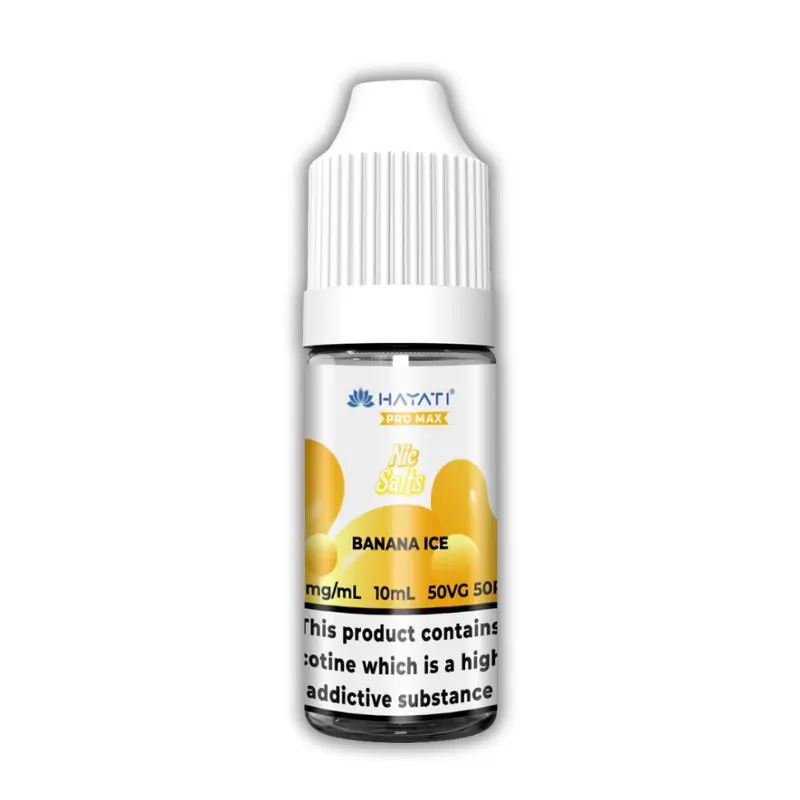
One bottle out of 65 is priced at £2.79 rather than £2.49. It is the Hayati Pro Max Nic Salts E-Liquid listing, which is the Banana Ice bottle catalogued under the range name instead of its flavour name. Specification for specification it is the same product as everything around it: 10ml, 10mg nicotine salt, 50/50 base. The 30p gap is an artefact of how that line was set up, not a signal that the liquid inside is different in any respect.
How a salt behaves in a small coil
Less vapour, and what it has to carry
A small low-power coil produces a modest volume of vapour on each draw. Flavour molecules travel inside that vapour, so there is less carrier available to move them. On first reading that sounds like a disadvantage. In practice most of it runs the other way.
Why flavour tends to survive here
Thermal load is the reason. Flavour concentrates are built largely from esters, aldehydes and terpenes, and a fair number of those compounds are fragile. A large coil running hot turns a lot of liquid into vapour very quickly, and the delicate top notes are the first things to break down under that treatment. What survives is the heavy, sweet, sugary end of the concentrate, which is why big-bore setups so often make everything taste broadly similar and broadly sweet.
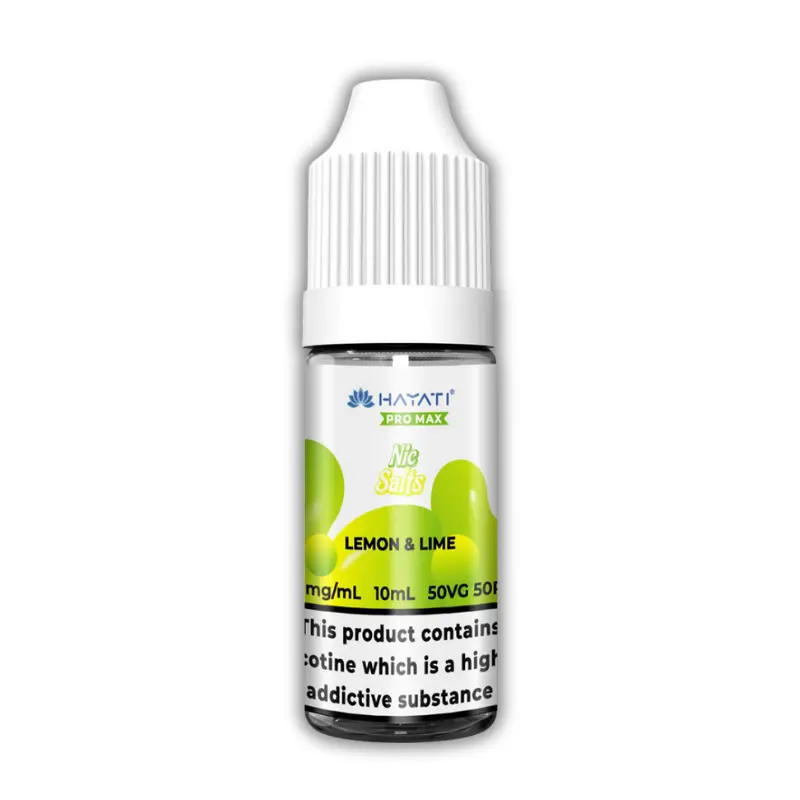
A low-power coil takes less liquid per second and takes it at a lower temperature. Less of the concentrate is driven off at once, and the fragile fraction arrives more or less intact. The practical upshot on this shelf is that the sharp, defined, awkward flavours are the ones that gain most. Blackberry Raspberry keeps its seedy, slightly perfumed edge here. Lemon Lime keeps its dryness rather than collapsing into lemon squash. Fizzy Cherry keeps the sherbet prickle that is the whole point of it. Run the same three concentrates hot and you would lose most of what separates them.
The throat at three points on the scale
A short pull registers very little. There is not enough vapour in play for the protonated form to make much of an impression at the back of the mouth, and what you notice is flavour rather than sensation.
A long, slow pull is a different reading. Sensation accumulates through the draw rather than appearing at the start of it, and the last portion of a long pull is where the edge shows up. People who describe a salt as having no throat presence at all are usually describing short pulls.
A run of pulls taken close together is the third case, and it behaves differently again. Sensation carries over from one to the next and builds into a general warmth at the back of the mouth. Flavour, meanwhile, goes the other way: the tongue adapts and the bottle seems to fade. The liquid has not changed. Set it down for a few minutes and it reads as it did before.
What a salt does badly
Large coils, high power and a warm, open, airy draw are the wrong home for this liquid, and there are two reasons rather than one.
The first is straightforward. A base split evenly between glycerine and glycol is a thin liquid, and thin liquid is not what high-power hardware is designed around. The physical fit is poor and the flavour gains described above stop applying the moment the coil is hot enough to be cooking the concentrate rather than lifting it.
The second reason is the one people miss, and it is the more important of the two. The strength printed on the bottle is a rate, not a total. 10mg is per millilitre, and it is fixed, which means the amount of nicotine passing through in a session is set entirely by how many millilitres the device consumes. A small low-power setup might work through a millilitre or two in a day. High-power hardware can turn over several times that in an afternoon without anyone noticing. Nothing about the liquid scales down to compensate for that; the figure simply multiplies out against the larger volume. Reading "only 10mg" and treating it as a mild number regardless of the hardware around it is the error, because 10mg says nothing about totals until you know the volume it is being multiplied by.
The 50:50 carrier, and why it is never anything else
The base in these bottles is doing a solvent's job, not a flavour's. It has to hold the concentrate and the nicotine salt in stable solution, and it has to move through a narrow feed without stalling. An even split between the two carriers does both, which is the short version of why the split is what it is.
The longer version involves the concentrates. Flavour houses supply almost everything in propylene glycol, because that is what the aroma chemicals dissolve into cleanly, so a base with a substantial glycol fraction is effectively a requirement rather than a preference. Benzoic acid and the protonated nicotine are comfortable in the same medium. Push the glycerine fraction much higher and you are fighting the solubility of your own ingredients while thickening a liquid that needs to stay mobile.
There is also a format convention at work, and it is worth naming as convention rather than as chemistry. The salt format arrived alongside small refillable pod hardware, and the base ratio was standardised to match that hardware from the beginning. Thicker, glycerine-heavy bases went to the other end of the market, which is what the Hayati Pro Max 70/30 E-Liquid shelf exists to serve. For a shopper on this page the consequence is simple and worth holding onto: the base is a constant across all 65, so it is not a variable you are choosing between. The whole of the difference between any two bottles here is the concentrate.
All 65, by flavour family
Blue raspberry and the blue-label group
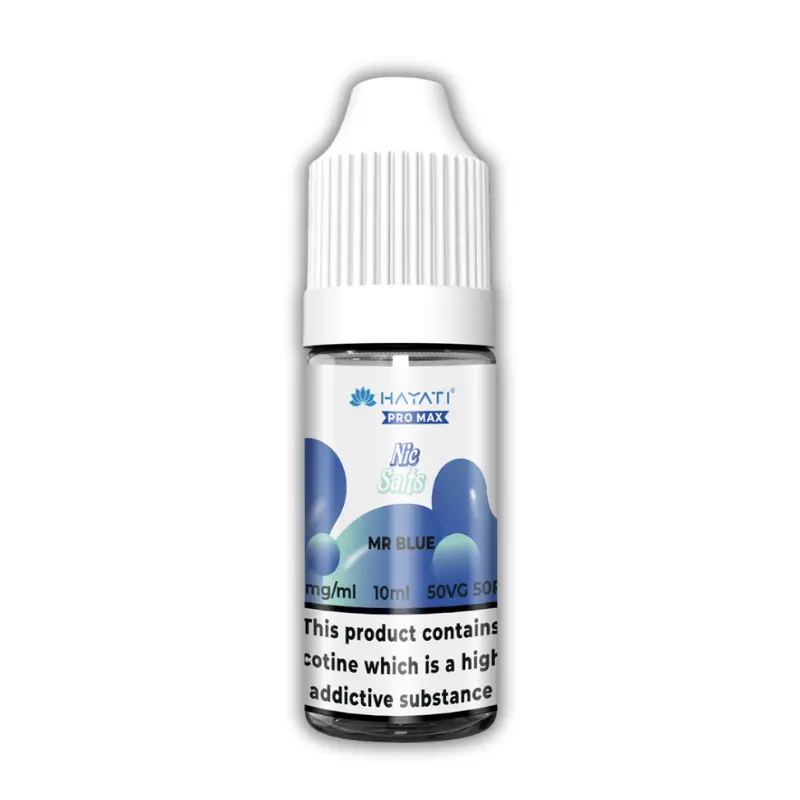
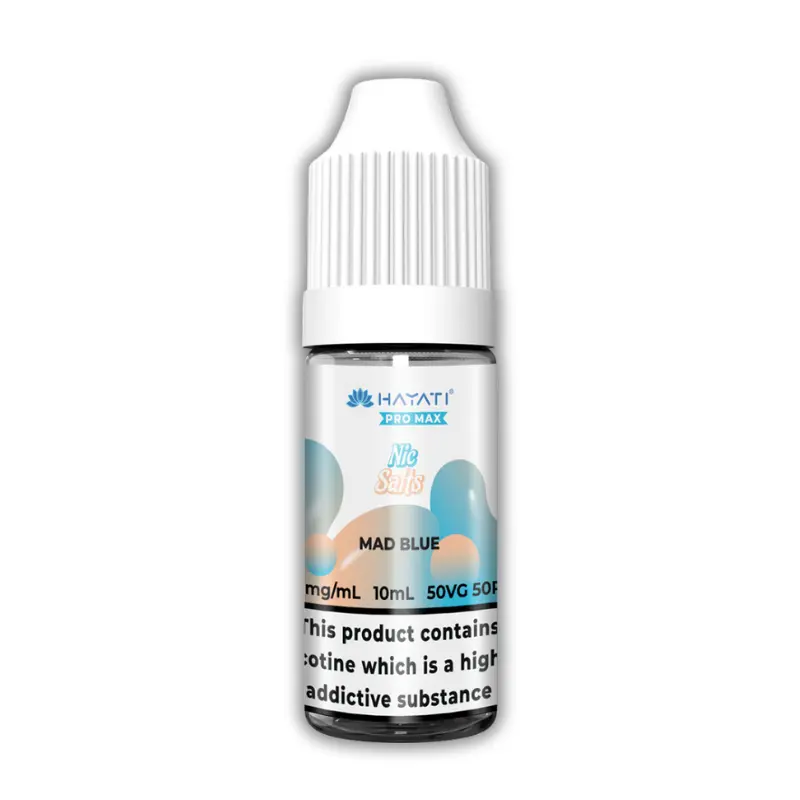
Blue raspberry is not a fruit. It is a confectionery profile, a raspberry-leaning ester set over a sugar-syrup body, and it is the single largest presence on this shelf. Mad Blue is the house's plain reading of it: sweet, a touch sour on the front, moderate cooling behind. Mr Blue sits so close to it that separating the two blind is a genuine coin toss. If there is a difference it is that Mr Blue runs slightly more candied and slightly less sour, and that is a fine margin to spend money proving.
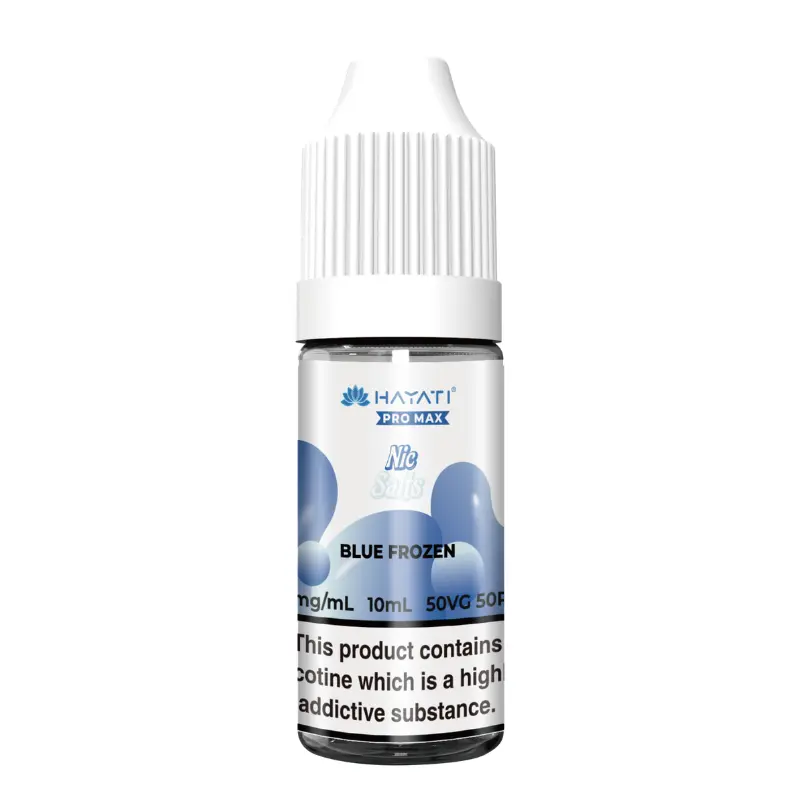
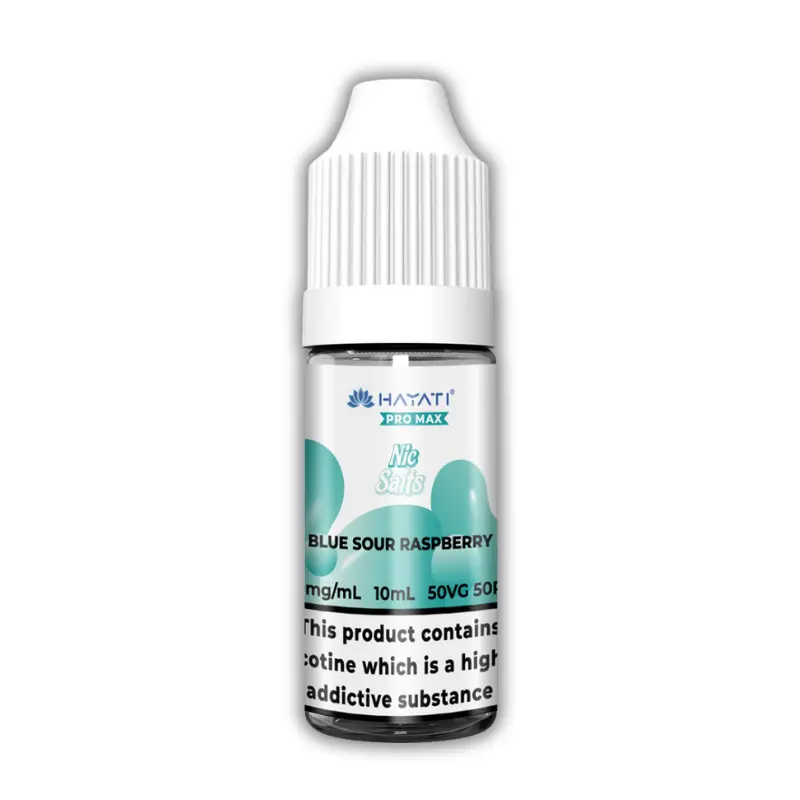
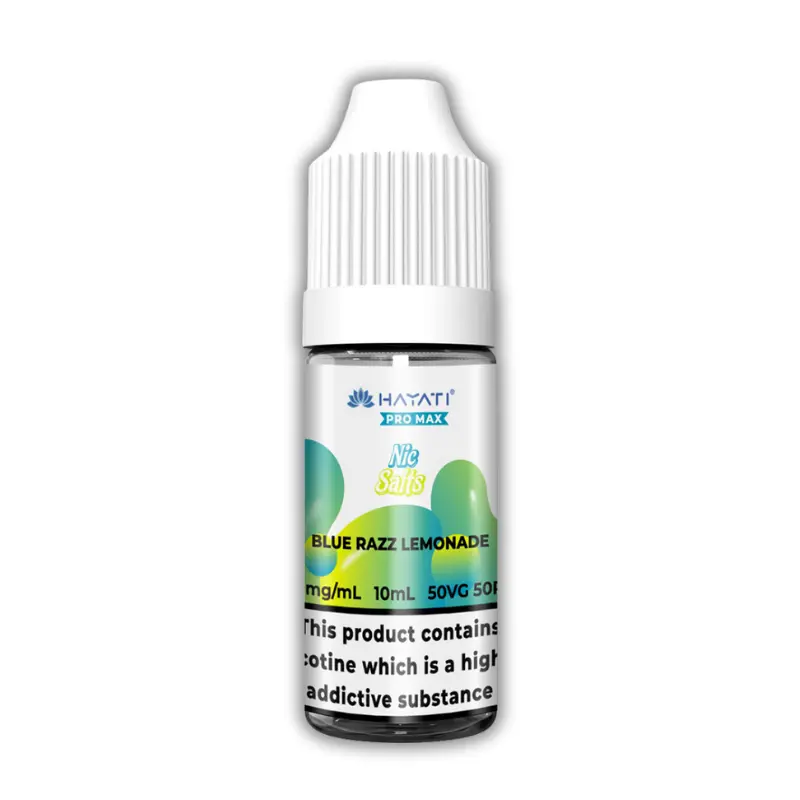
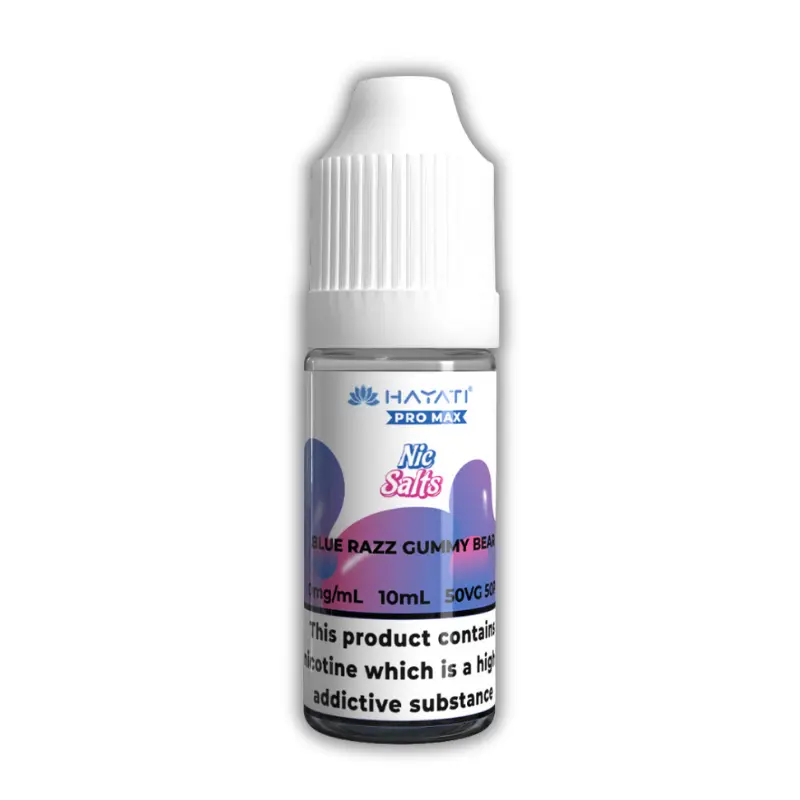
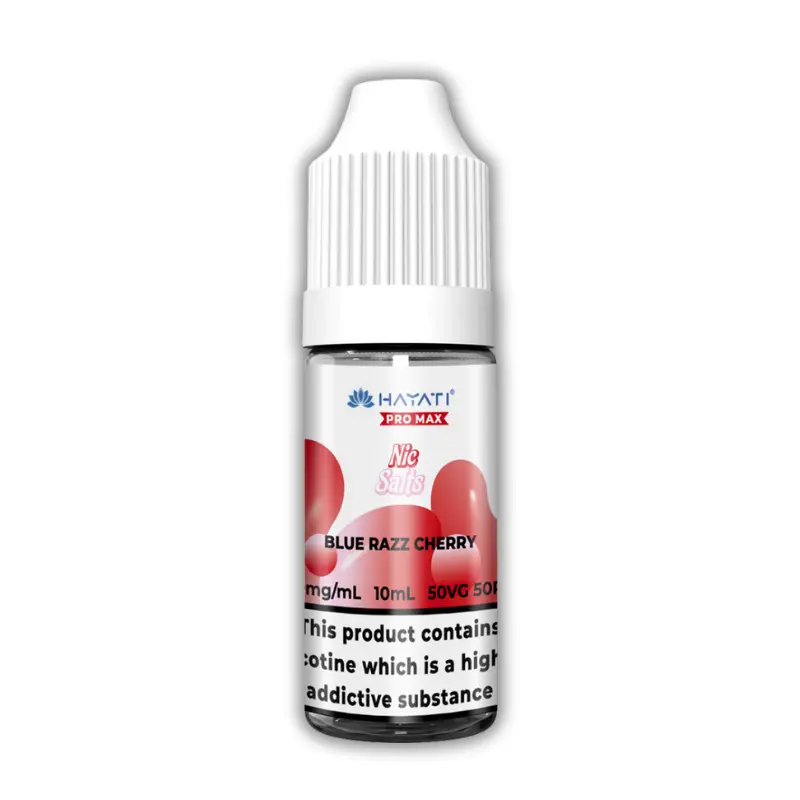
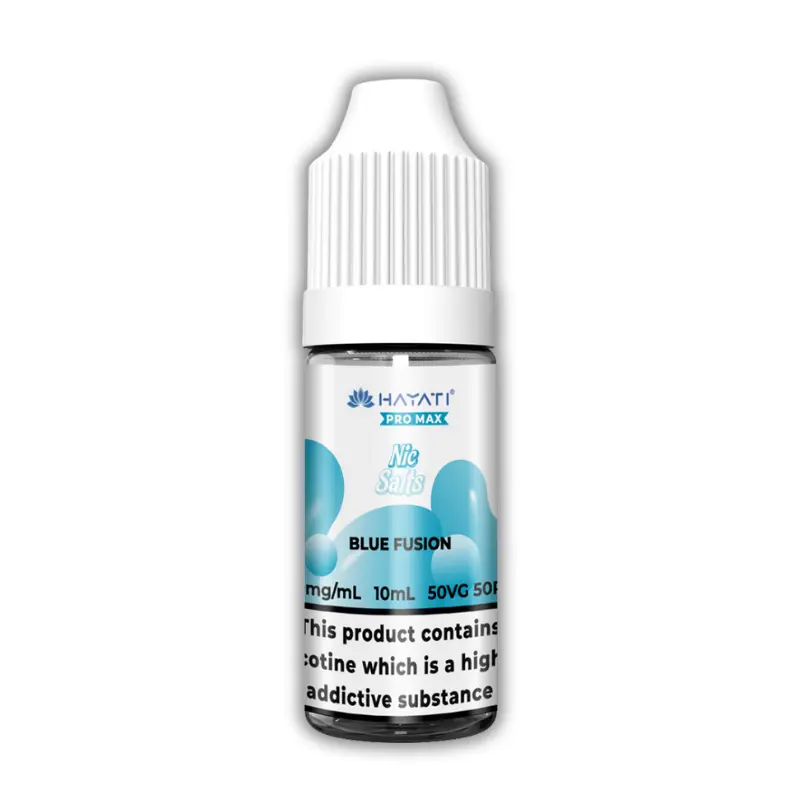
Blue Frozen takes the same profile and turns the cooling up until the cold is the headline rather than the trim. Blue Fusion rounds the whole thing off with other berries underneath, less sour and less sharp-edged. Blue Sour Raspberry does the opposite and pushes a citric bite right onto the front of the draw. Blue Razz Gummy Bear adds a gelatin-sweet, sugar-shelled quality. Blue Razz Cherry pulls it darker and faintly medicinal, which will either read as depth or as cough sweet depending on your tolerance for glacé cherry. Blue Razz Lemonade lifts it with citrus and finishes drier than any of the others. Blue Razz Mojito lays lime and herbal mint over the top, and the mint here is leaf rather than menthol, so it reads green rather than cold.
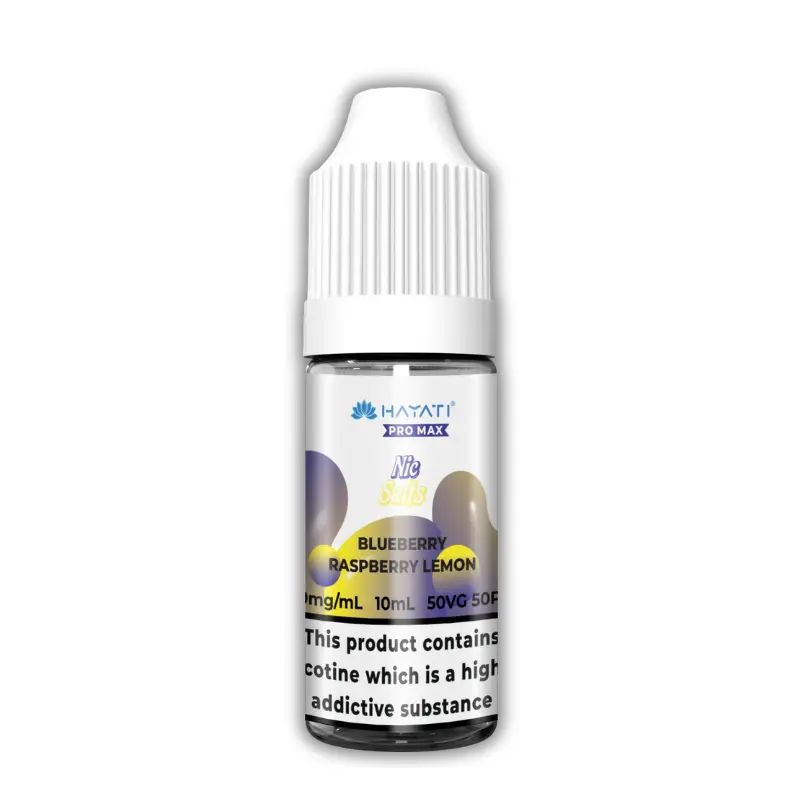
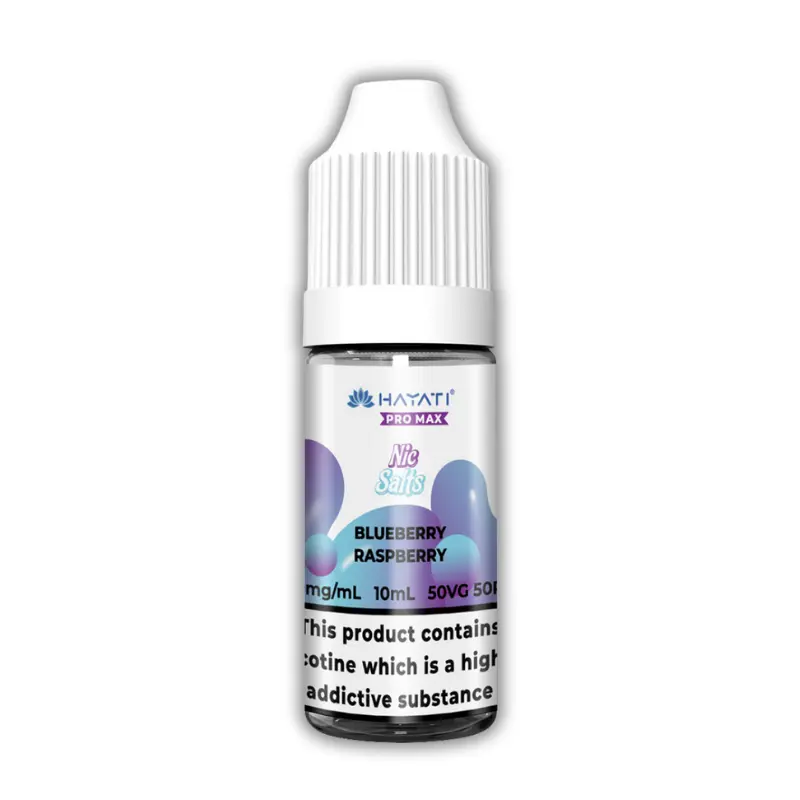
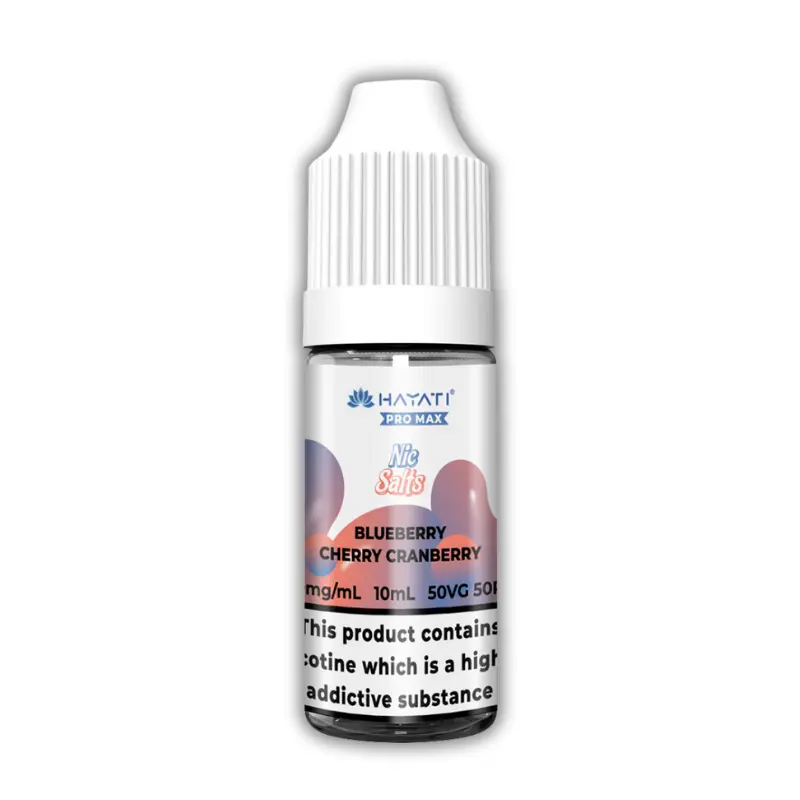
Three bottles in this group use real blueberry instead. Blueberry Raspberry is jammier and less confected, with a genuine skin-and-pulp quality the razz bottles do not attempt. Blueberry Raspberry Lemon is that plus a lemon top note. Blueberry Cherry Cranberry brings cranberry in, and cranberry is the one ingredient in the family that adds dryness rather than sugar.
Dark berry, blackcurrant and blackberry
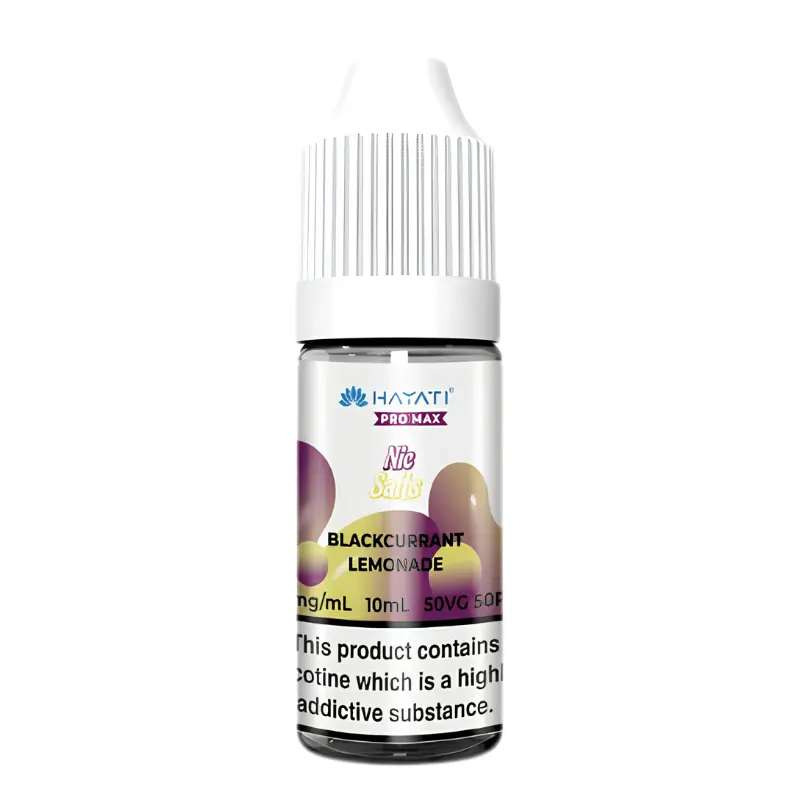
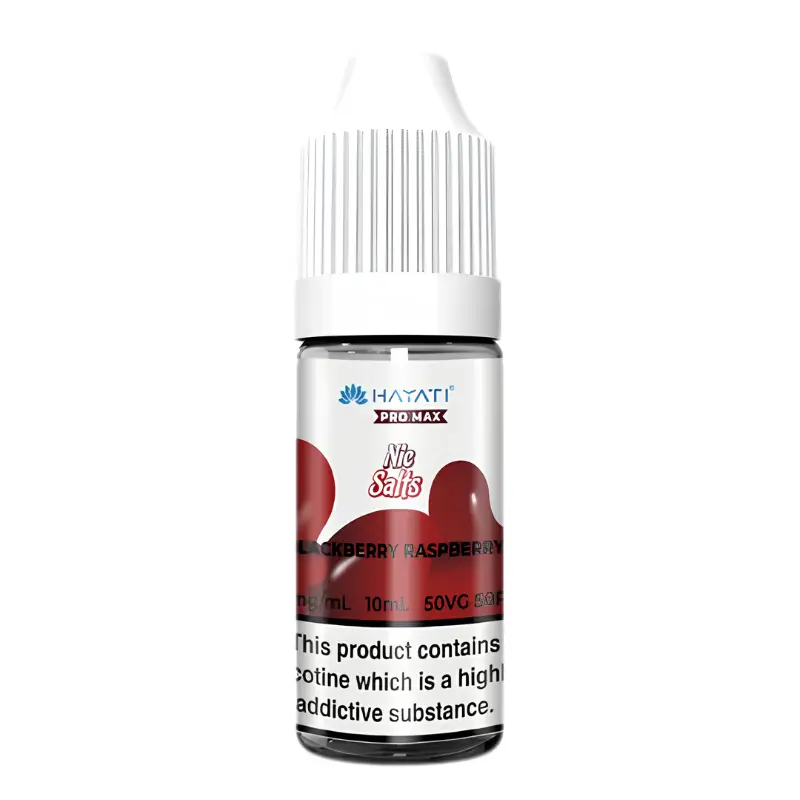
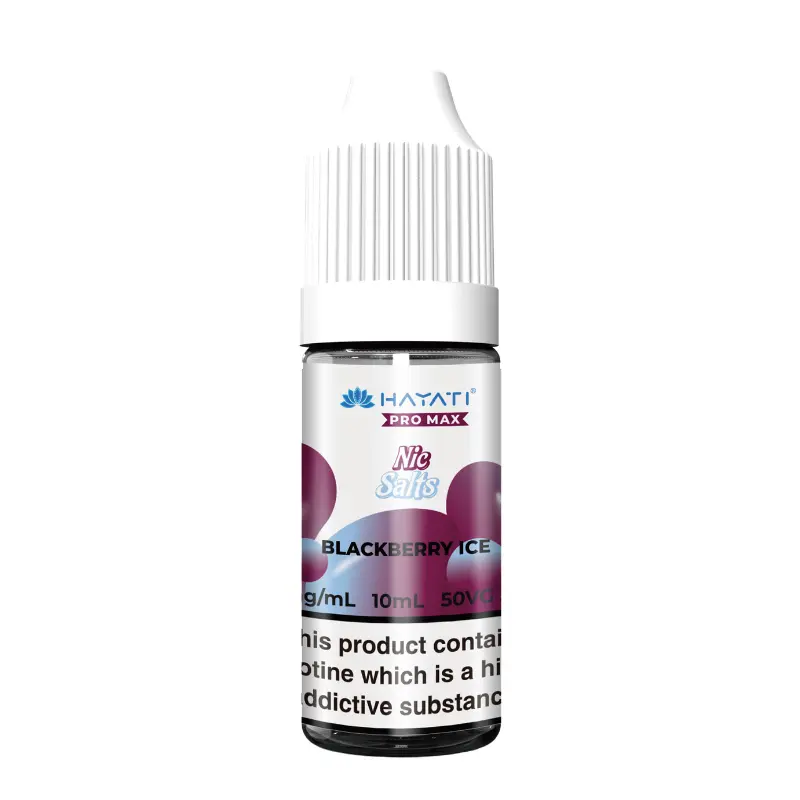
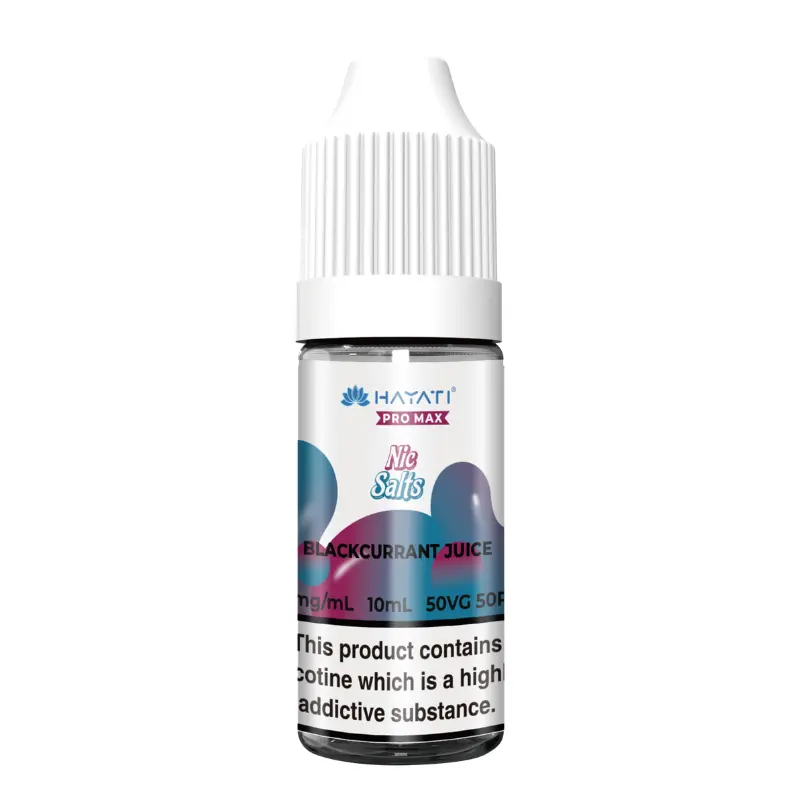
Blackcurrant Juice is the reference point for this corner: tart, jammy, concentrated, no cooling at all. Blackcurrant Lemonade is the same currant note floated on a sweet fizzy base, noticeably lighter and drier through the finish, and the better of the two if undiluted blackcurrant is too dense for you. Blackberry Ice gives you blackberry proper, rounder and less acidic than blackcurrant, with cooling behind it. Blackberry Raspberry drops the cold and sharpens the mid-palate.
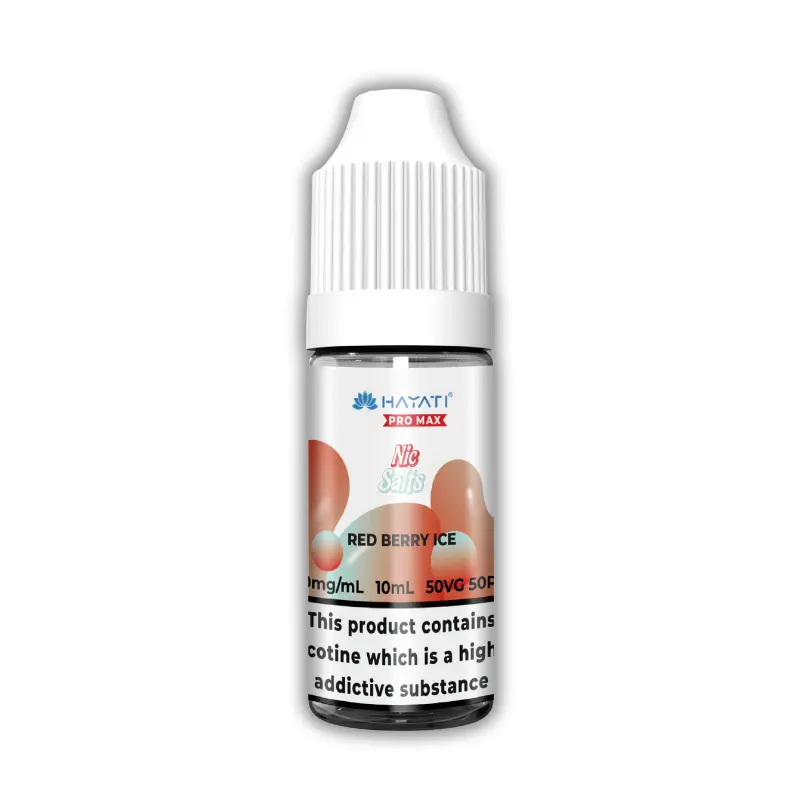
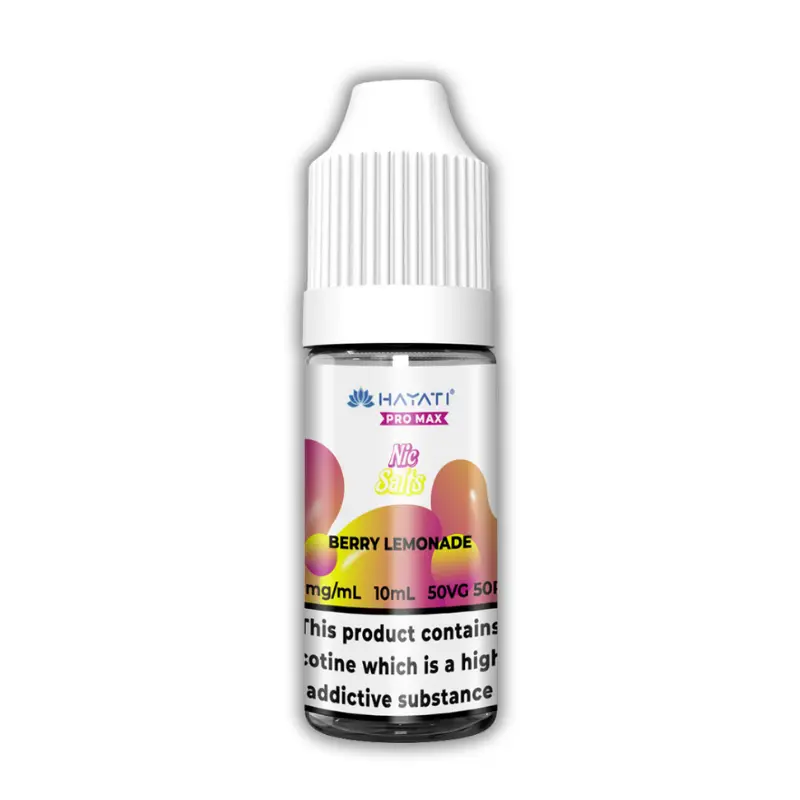
Black Mamba is the odd one here. The name describes nothing; what is in the bottle is a dark mixed berry with a liquorice or aniseed shadow sitting underneath it, and that shadow is what makes it worth trying if the straight currants bore you. Berry Lemonade is the least distinct thing in the family, a generic berry blend over the same fizzy base, and it is hard to make a case for it beside Blackcurrant Lemonade. Red Berry Ice moves towards strawberry and raspberry with cooling on top, which puts it closer to the red-fruit group than to this one.
Strawberry and the red fruit shelf-within-a-shelf
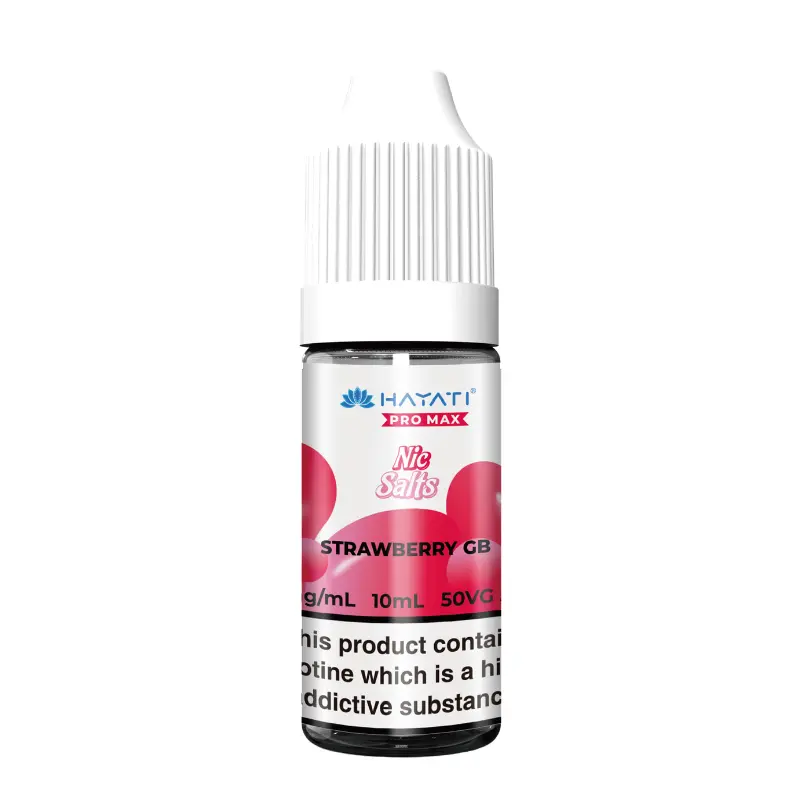
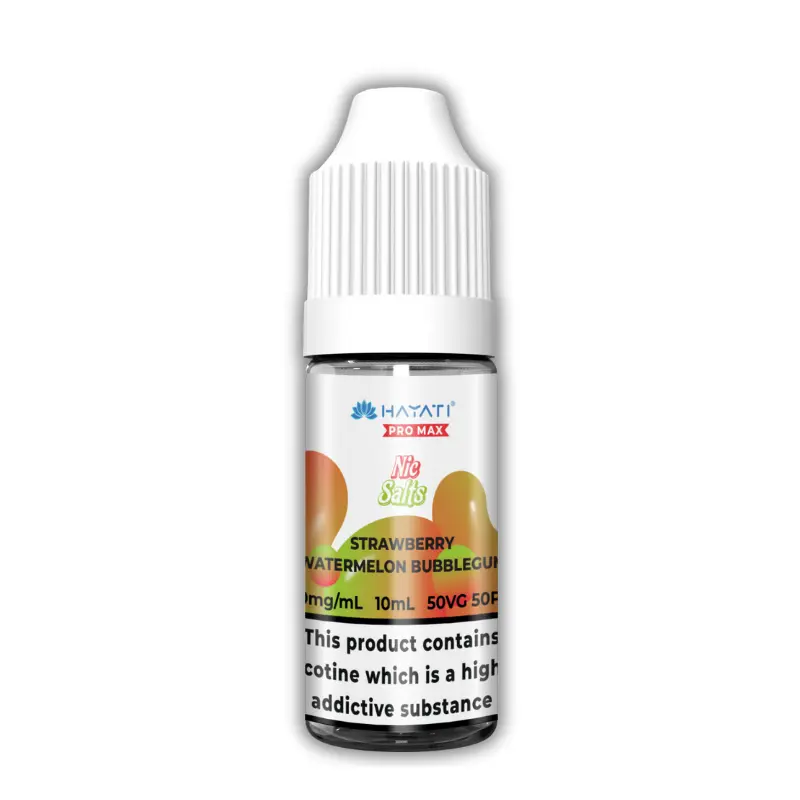
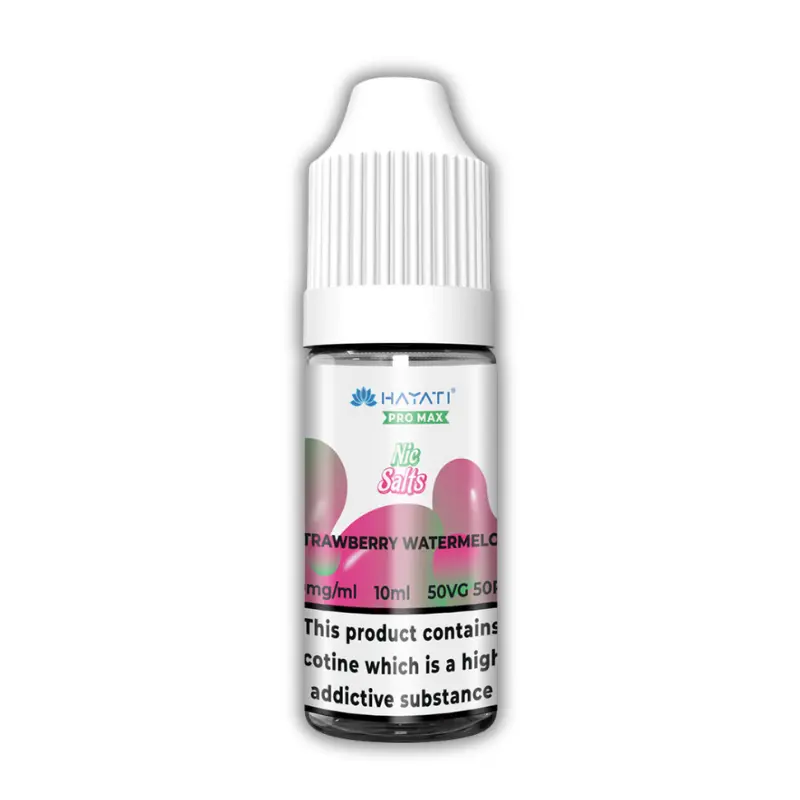
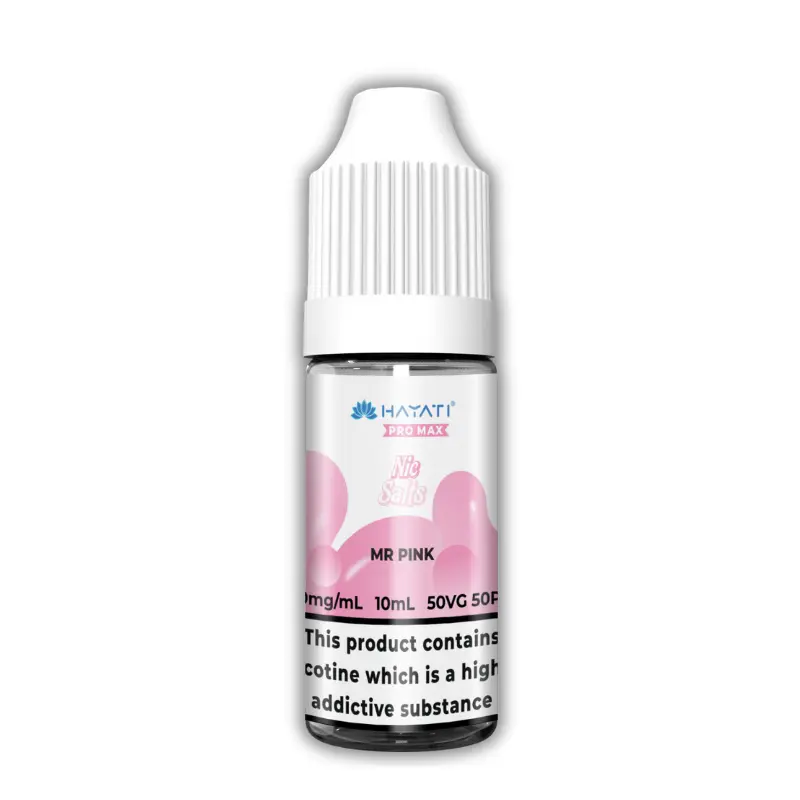
Strawberry GB is candied rather than fresh, a sweet-shop strawberry with a chewy finish. Mr Pink is a pink fruit blend in the strawberry and watermelon direction, and it overlaps heavily with Strawberry Watermelon. Those two are a second honest coin toss on this shelf. Strawberry Watermelon Bubblegum is the same pair with a bubblegum ester layer on top, and that layer is loud enough that nobody will confuse it with the other two.
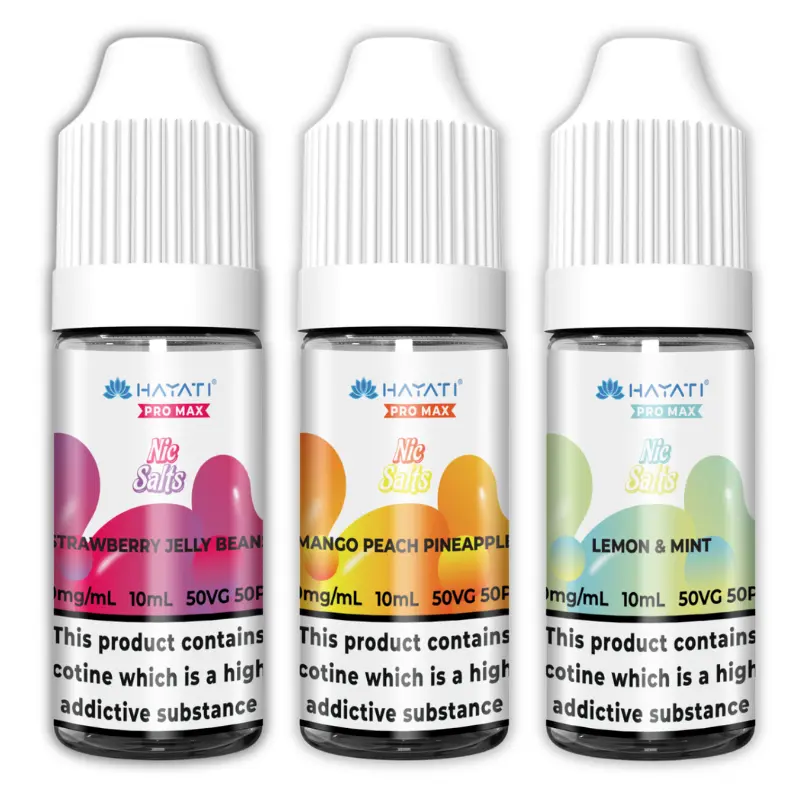
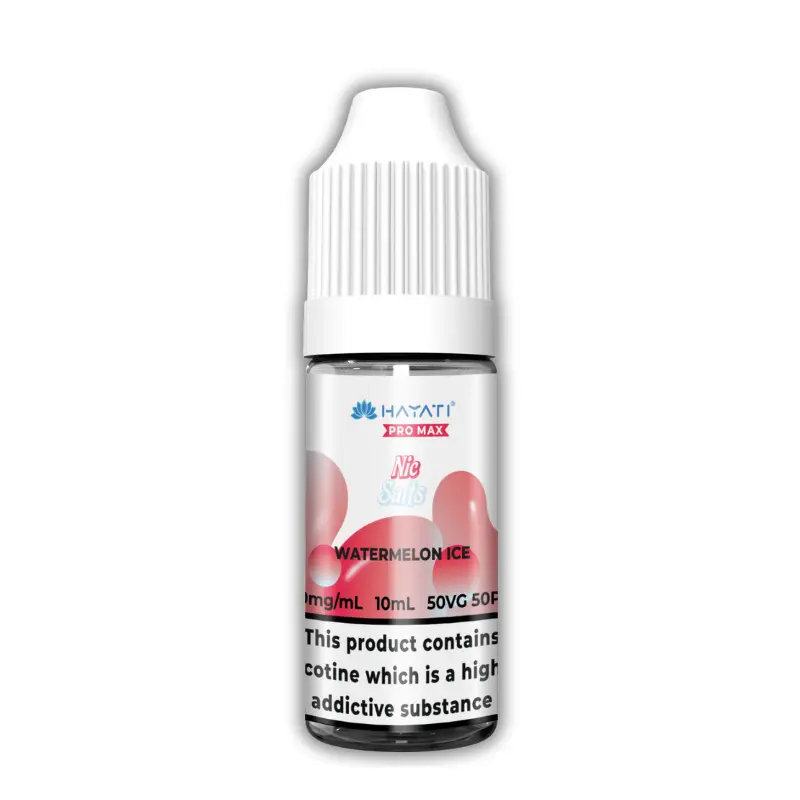
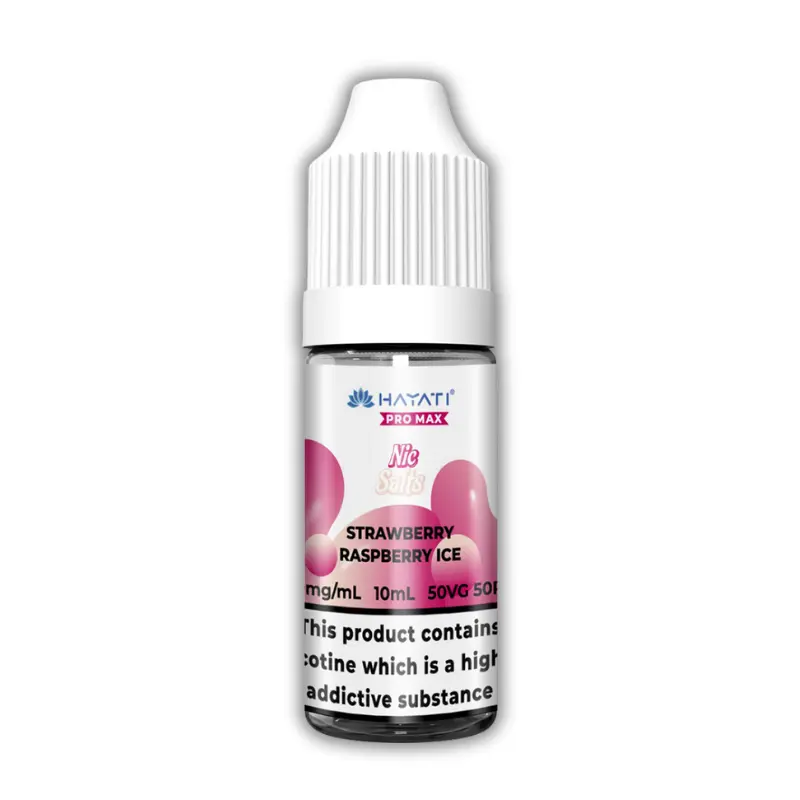
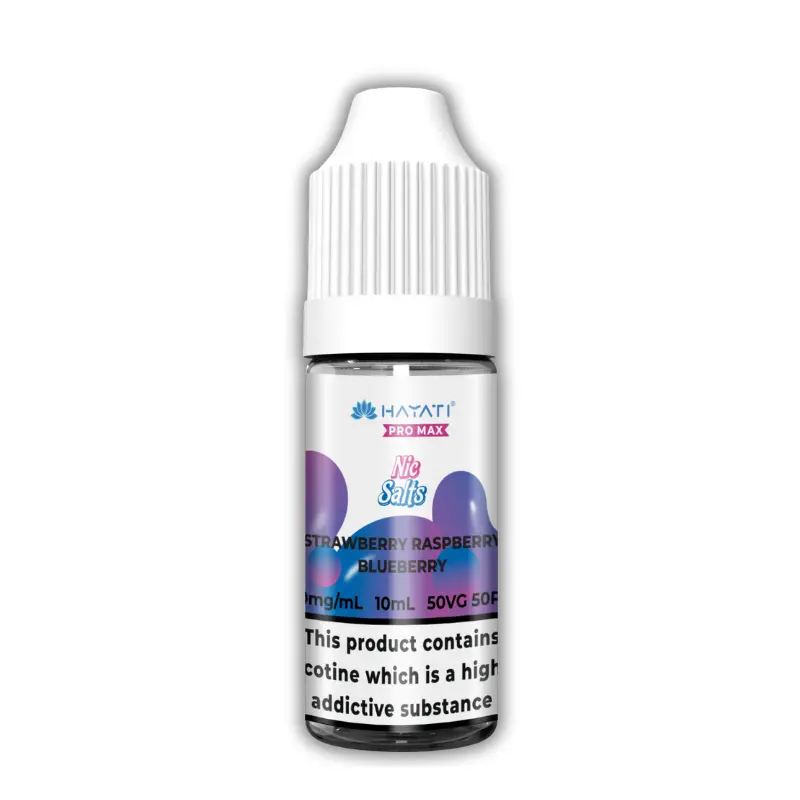
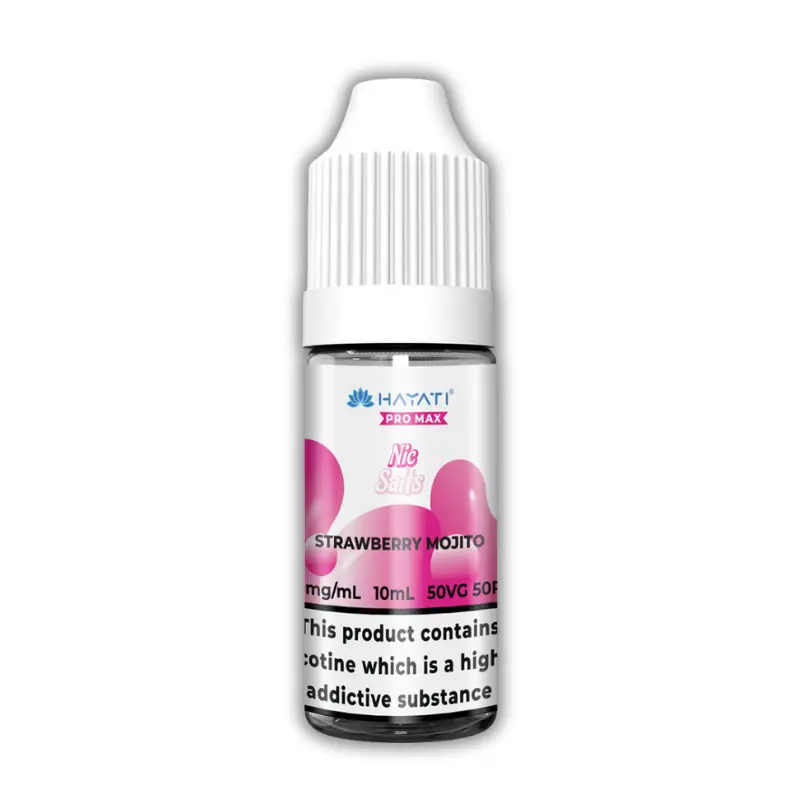
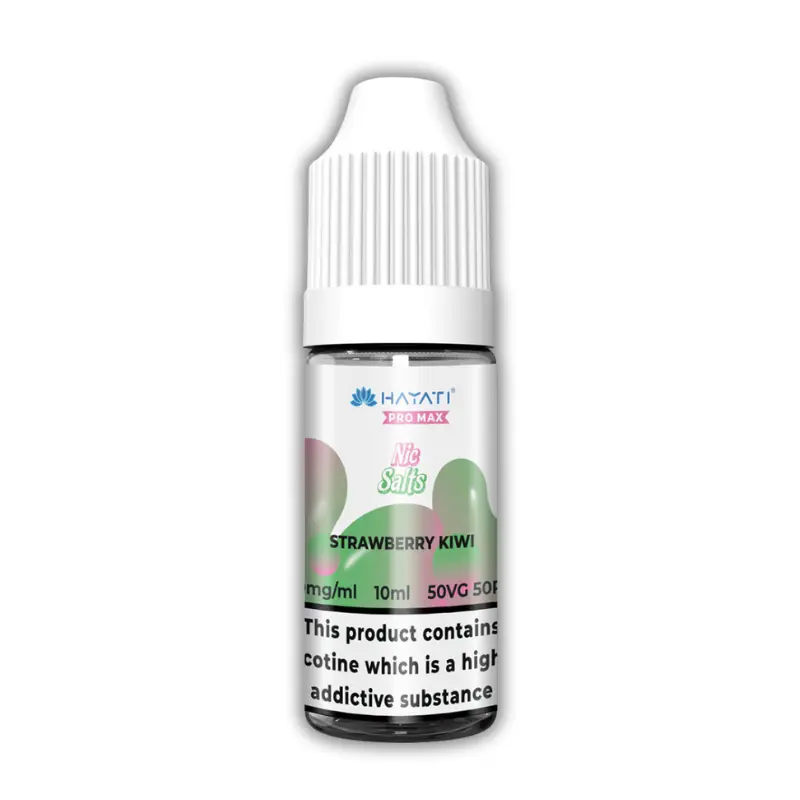
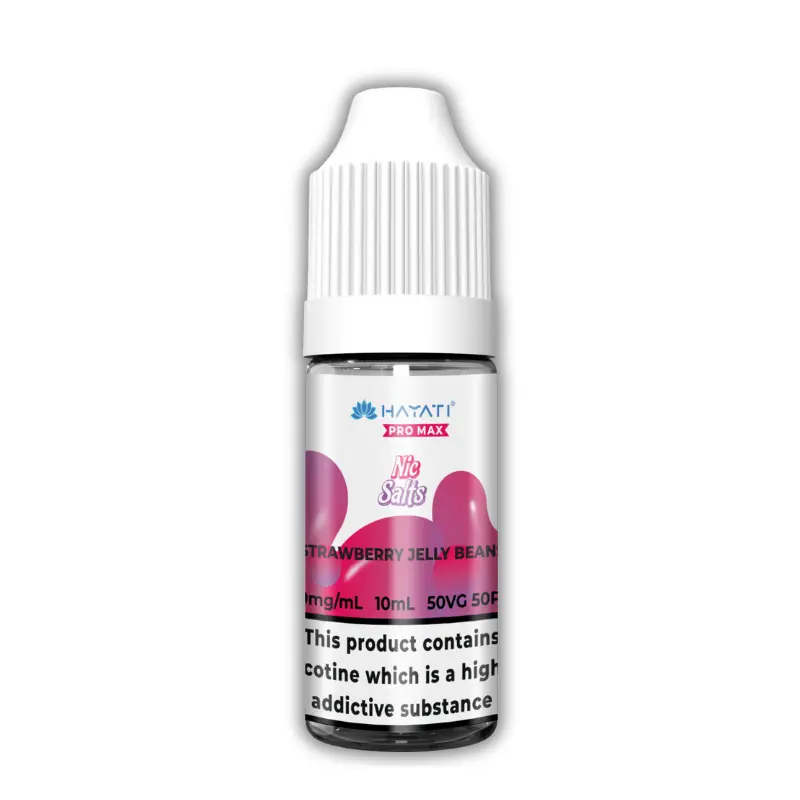
Strawberry Kiwi brings a green, seedy tartness that cuts the sugar more than anything else in the group. Strawberry Mojito uses lime and leaf mint the same way the blue mojito does. Strawberry Jelly Beans is the hard-shelled version, sweeter and more generic, with less actual fruit character than Strawberry GB. Strawberry Raspberry Blueberry is a three-berry jam with no single voice leading. Strawberry Raspberry Ice thins the fruit out and adds cold. Strawberry Cherry Cranberry uses cranberry as a drying agent again, and it is the most grown-up thing in the red group as a result. Watermelon Ice stands slightly apart: watery, light, barely sweet by the standards of this shelf, and mostly about the cold.
Cherry
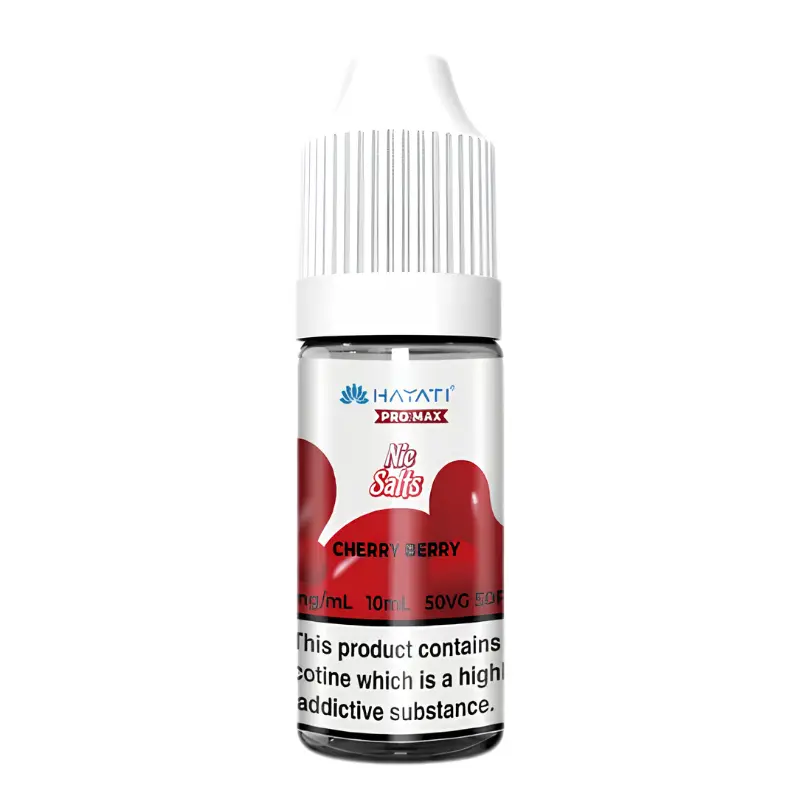
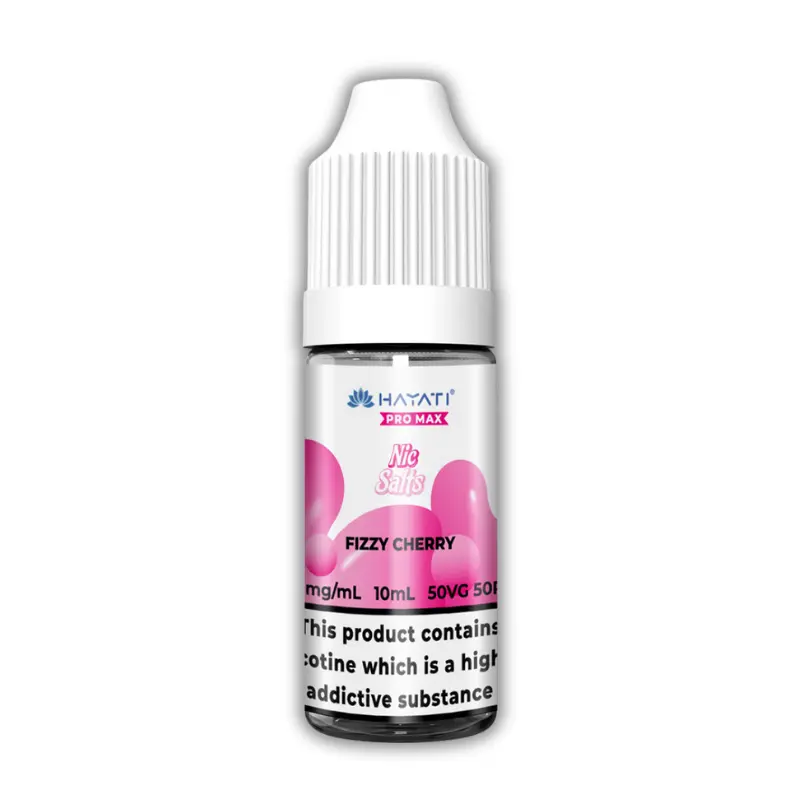
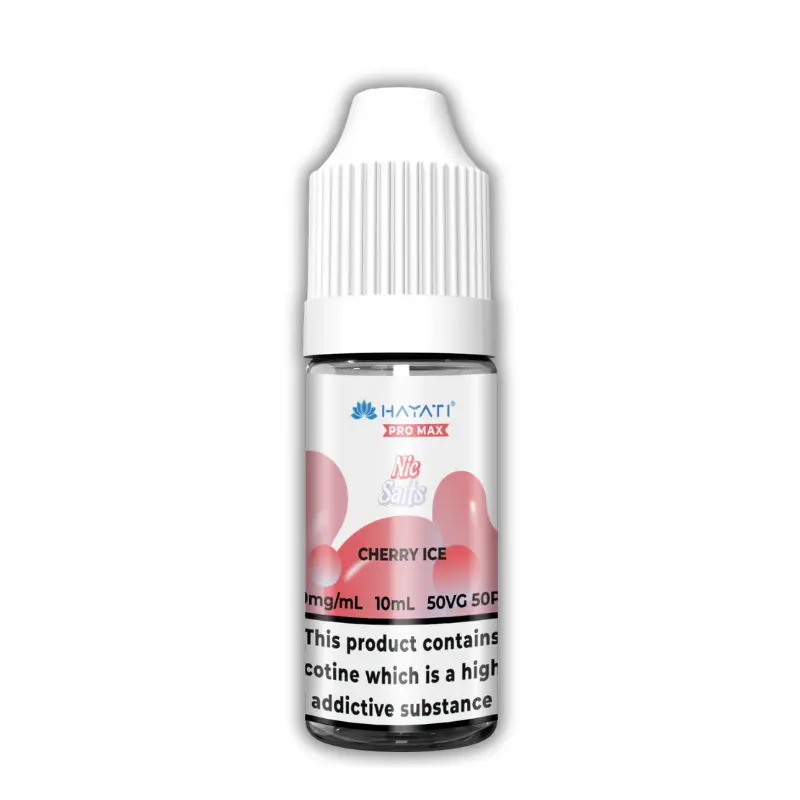
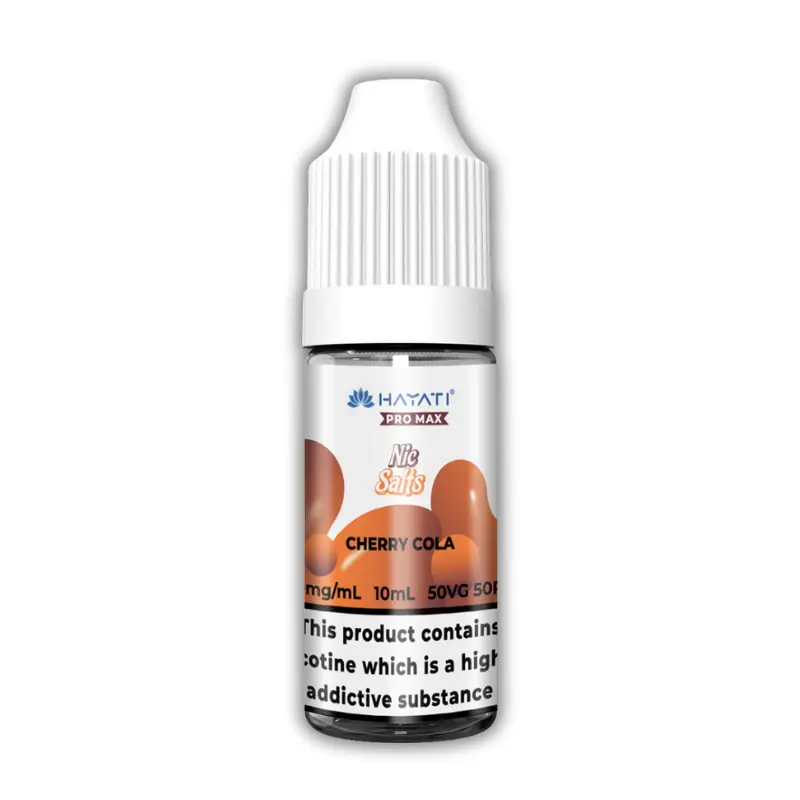
Cherry flavourings split into two camps and it helps to know which one you are buying. Black cherry runs deep and carries a faint almond note from benzaldehyde. Glacé or maraschino cherry runs bright, sweet and slightly medicinal. Cherry Berry takes the darker route and pads it with softer berries behind. Cherry Ice is the same dark cherry with cooling and nothing else going on. Fizzy Cherry belongs to the bright camp and adds a sherbet prickle, which makes it the sourest cherry on the shelf. Cherry Cola pushes it towards the soft-drink group entirely. Between Cherry Berry and Cherry Ice the fruit is close enough that the cooling is the actual decision.
Citrus, lemon and the lemonades
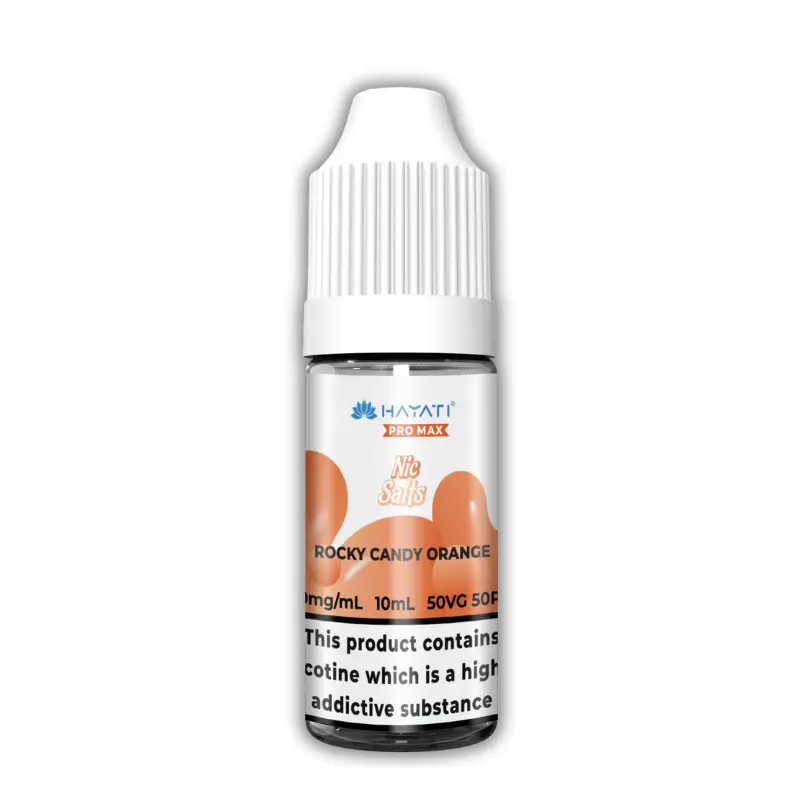
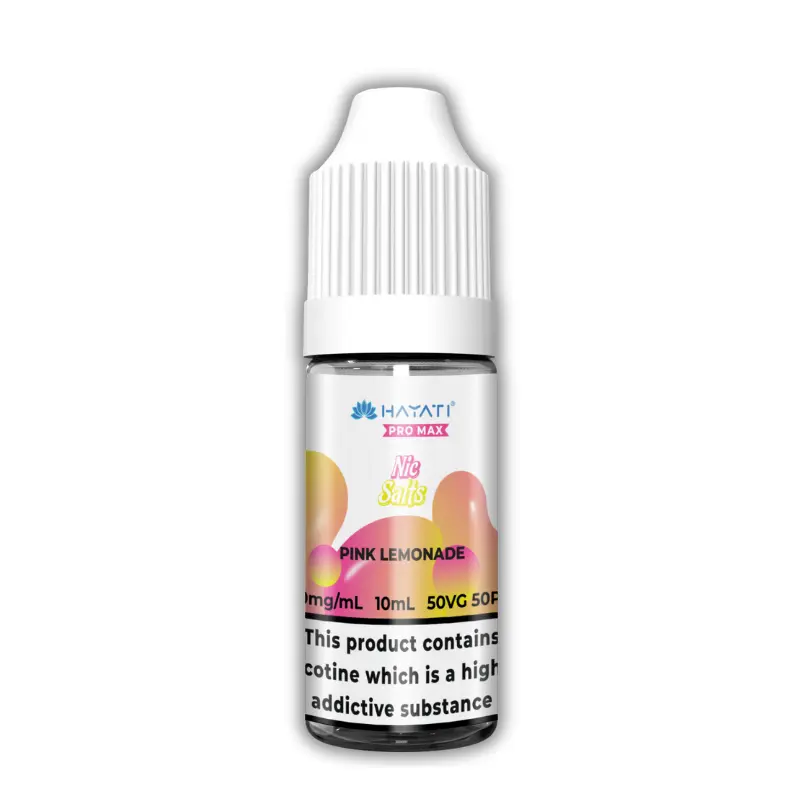
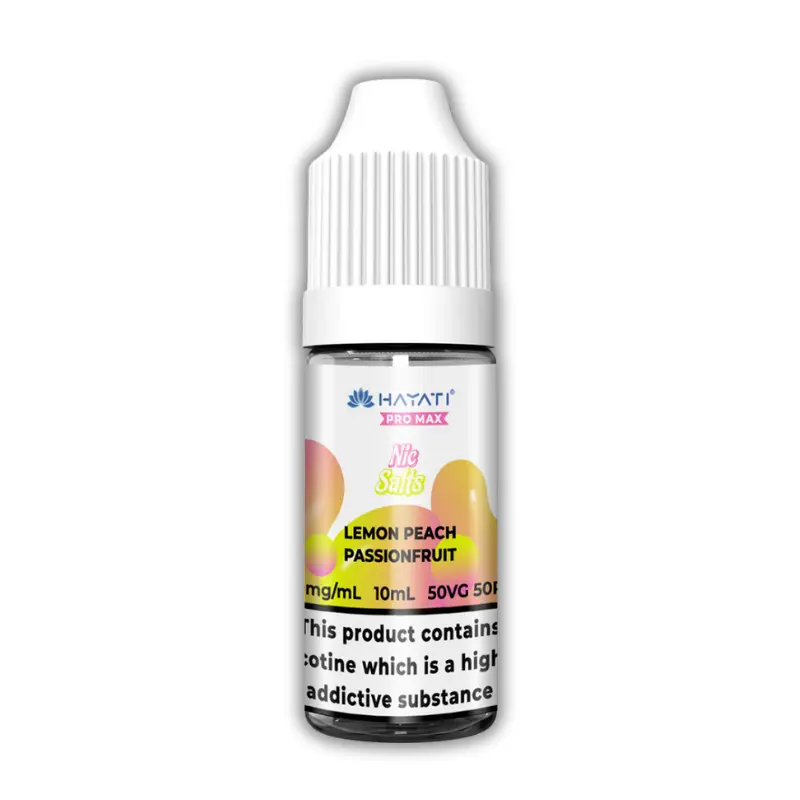
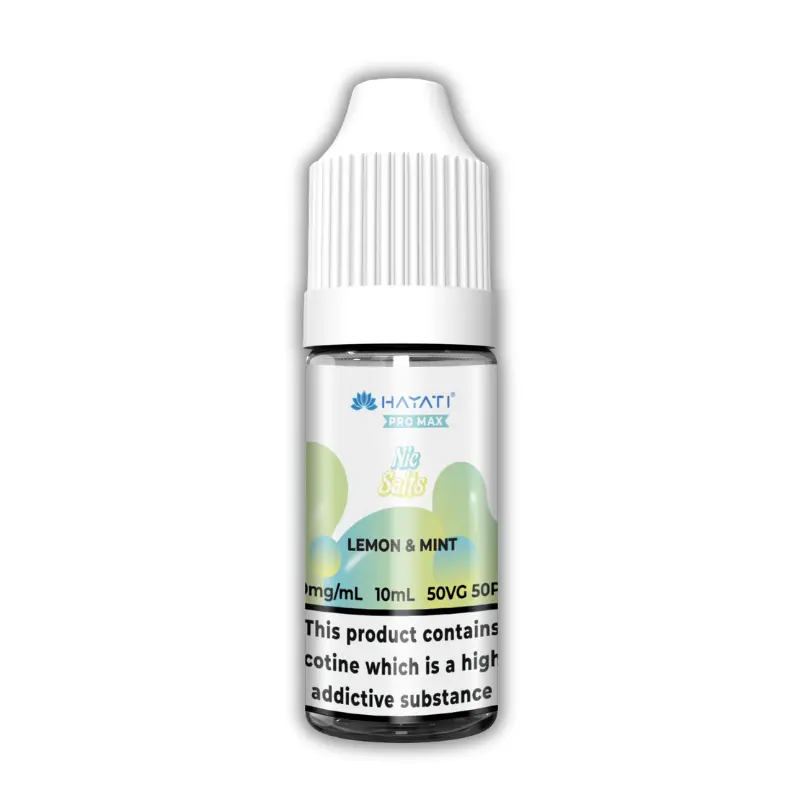
Lemonade on this shelf means a sweetened fizzy base rather than still lemon juice, and it turns up as a modifier more often than as a flavour in its own right. Pink Lemonade is the straight version, tinted with soft berry, sweet, and much less tart than the name suggests. Lemon Lime is the driest and sharpest thing on the whole shelf, with almost no sugar behind it. Lemon Mint pairs lemon with leaf mint rather than menthol. Lemon Peach Passionfruit brings passionfruit's sulphurous tropical edge in and uses peach to round it off, which works better than it sounds. Rocky Candy Orange is orange as a boiled sweet, not as juice, and belongs as much to the confectionery group as to this one.
Cola and the fizzy drink corner
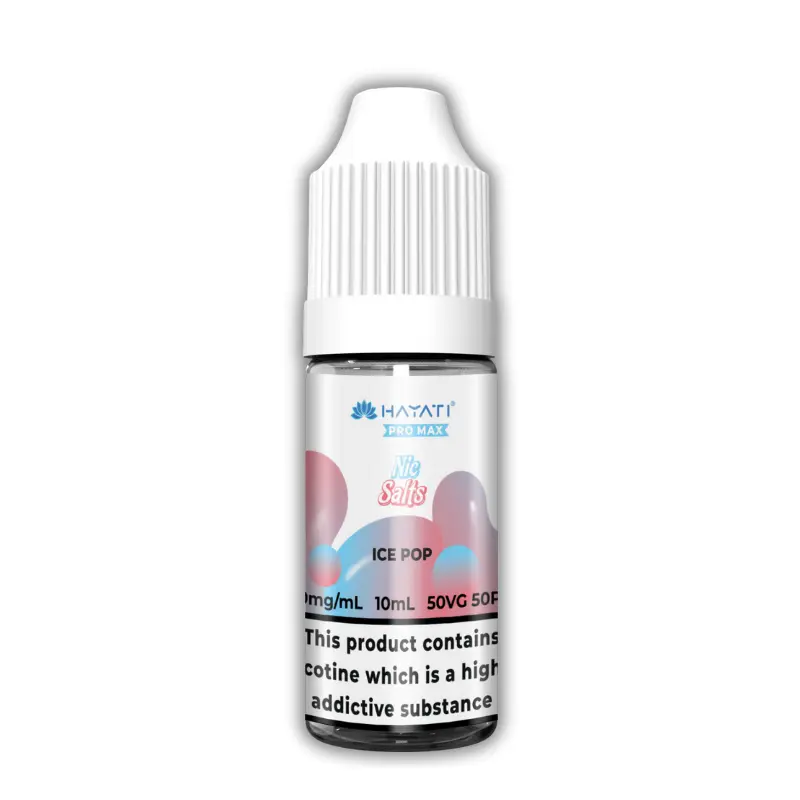
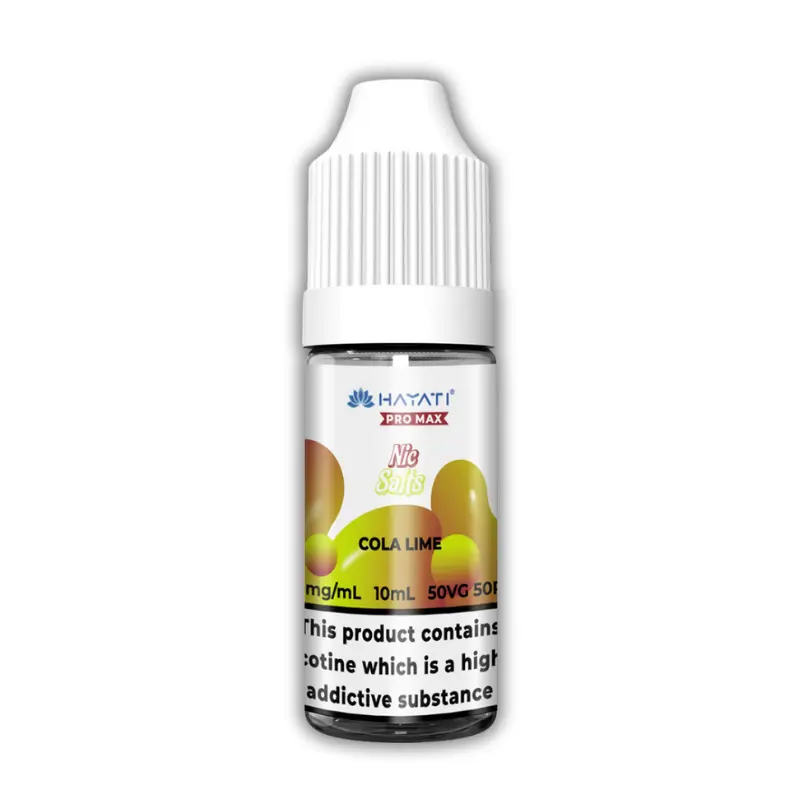
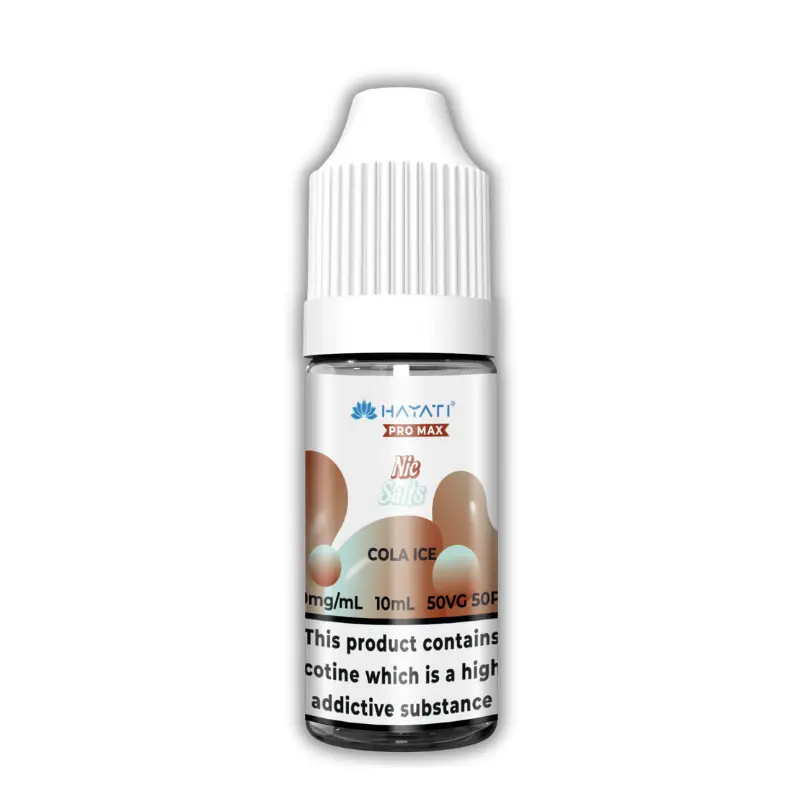
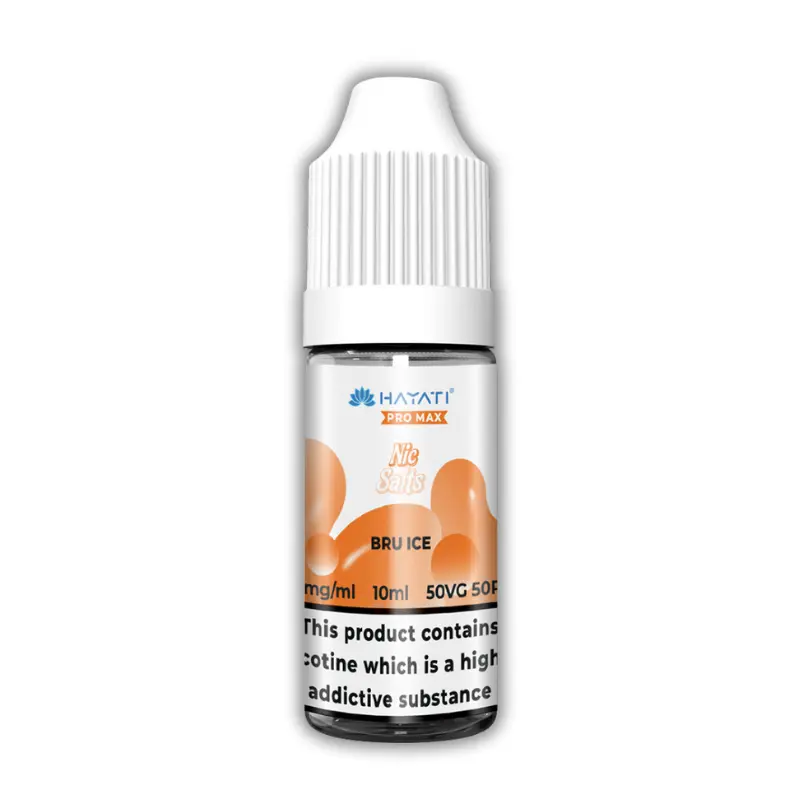
Cola concentrate is built from citrus oils and warm spice, which is why cola bottles rarely taste of any identifiable fruit. Cola Ice is the plain one, and the cooling does a passable impression of carbonation. Cola Lime sharpens it. Cherry Cola sweetens and darkens it. Bru Ice nods at the orange-coloured Scottish soft drink, a bubblegum-citrus profile that is genuinely hard to describe to anyone who has not had the original, and the cooling is heavy. Ice Pop sits at the edge of this group and the confectionery one: sweet, watery, and unmistakably a freezer lolly.
Tropical, mango and stone fruit
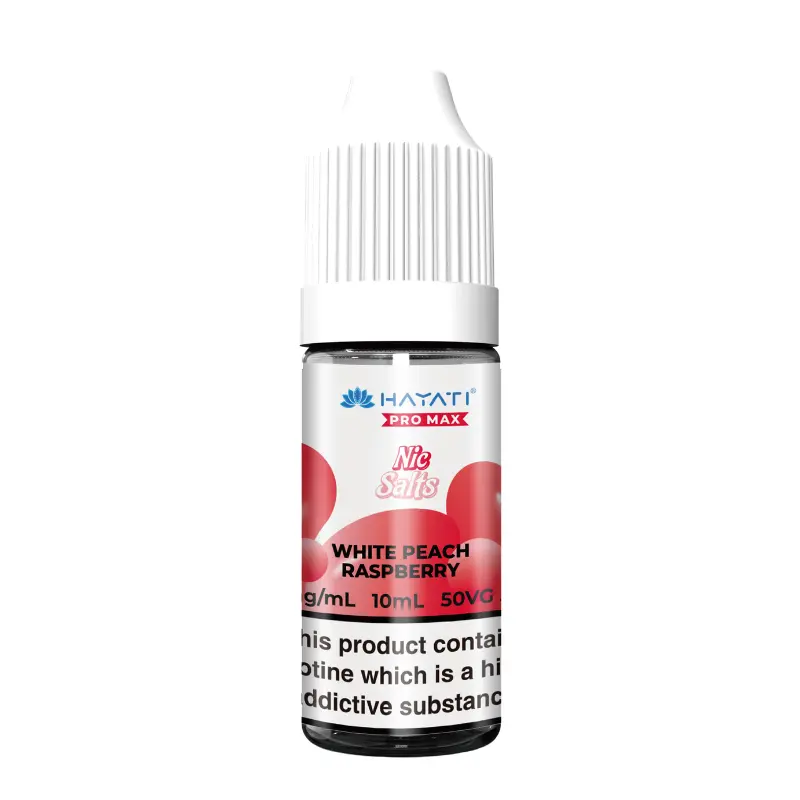
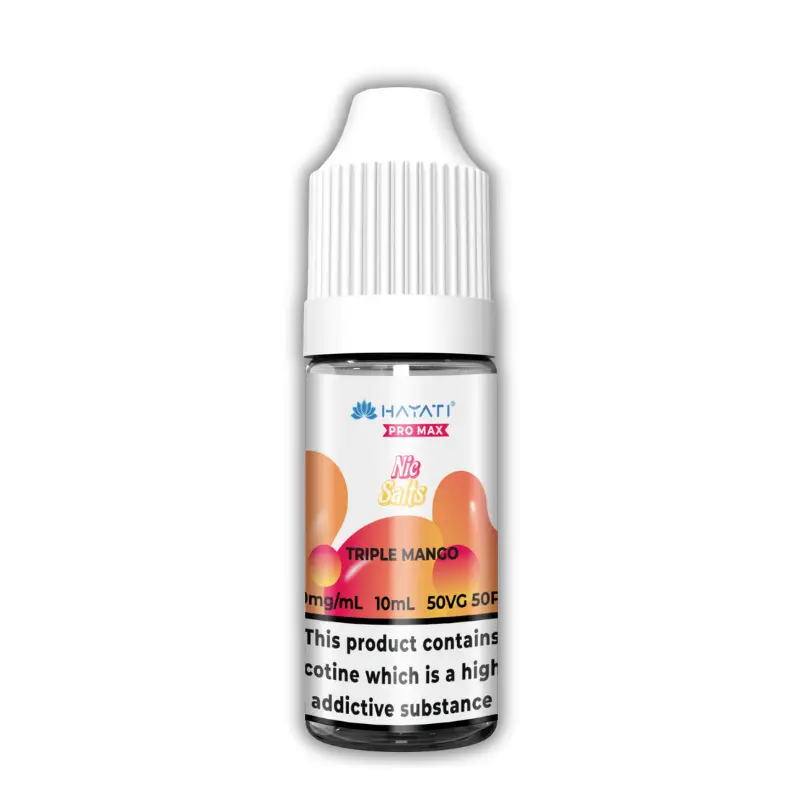
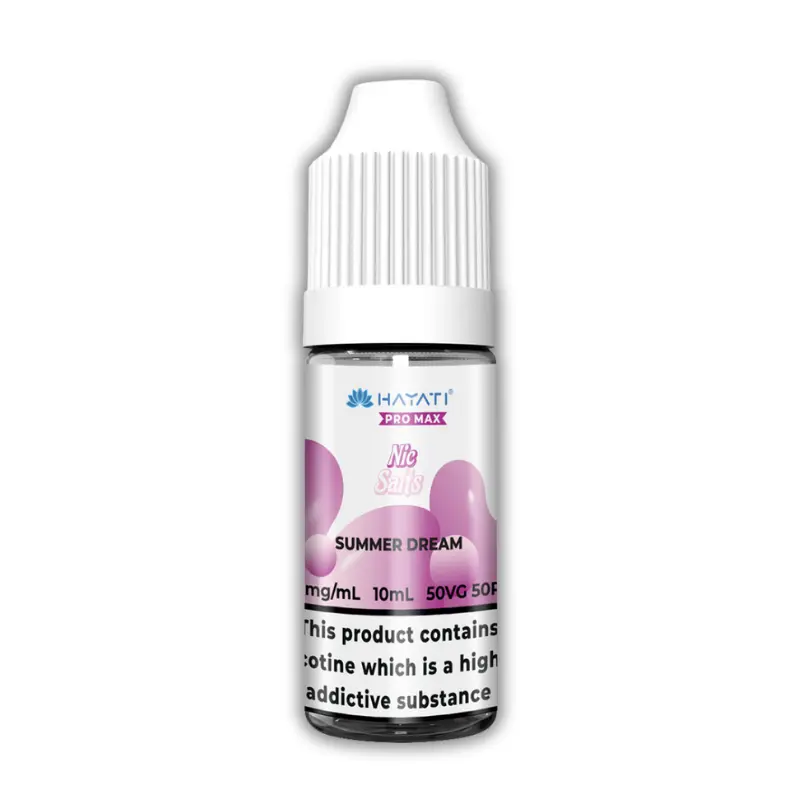
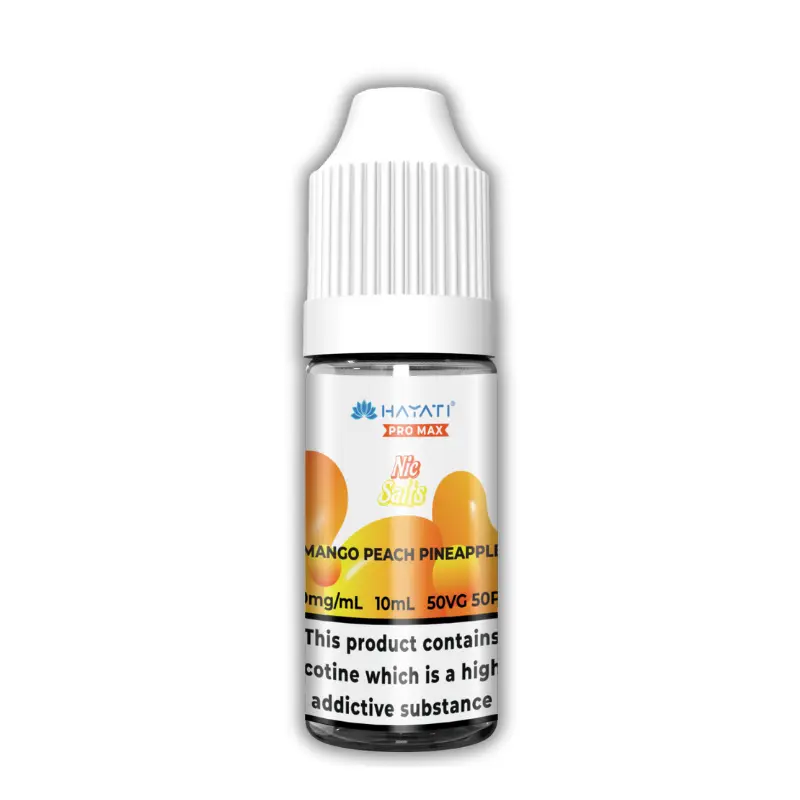
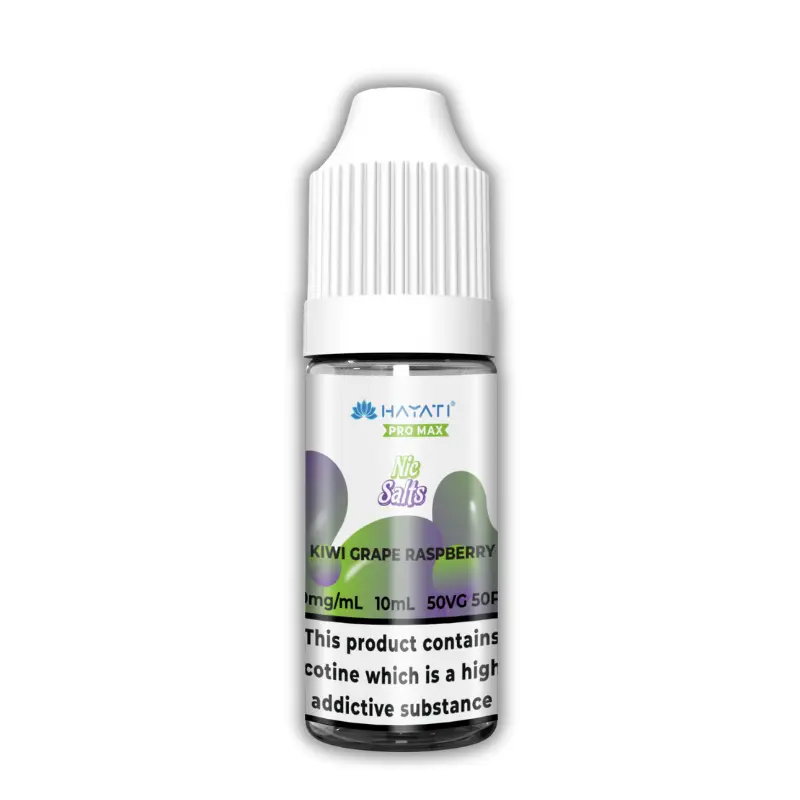
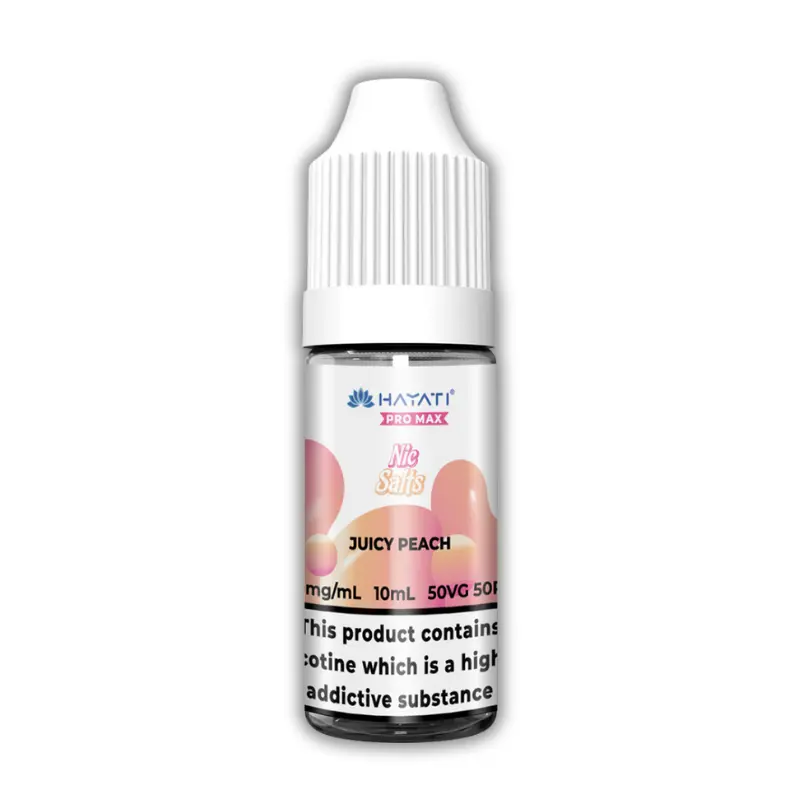
Triple Mango layers ripe, green and heavily perfumed mango together and is the thickest, sweetest bottle on the shelf by some distance. Mango Peach Pineapple keeps the mango but lets pineapple supply acidity, which makes it considerably less cloying. Juicy Peach is tinned peach in syrup, soft and sugary. White Peach Raspberry is the more interesting peach of the two: white peach is floral rather than syrupy, and the raspberry sharpens the finish. Summer Dream is a tropical and berry punch with no dominant note, and the name is doing no work at all. Kiwi Grape Raspberry is the green, tart end of this corner.
Apple, grape and the orchard end
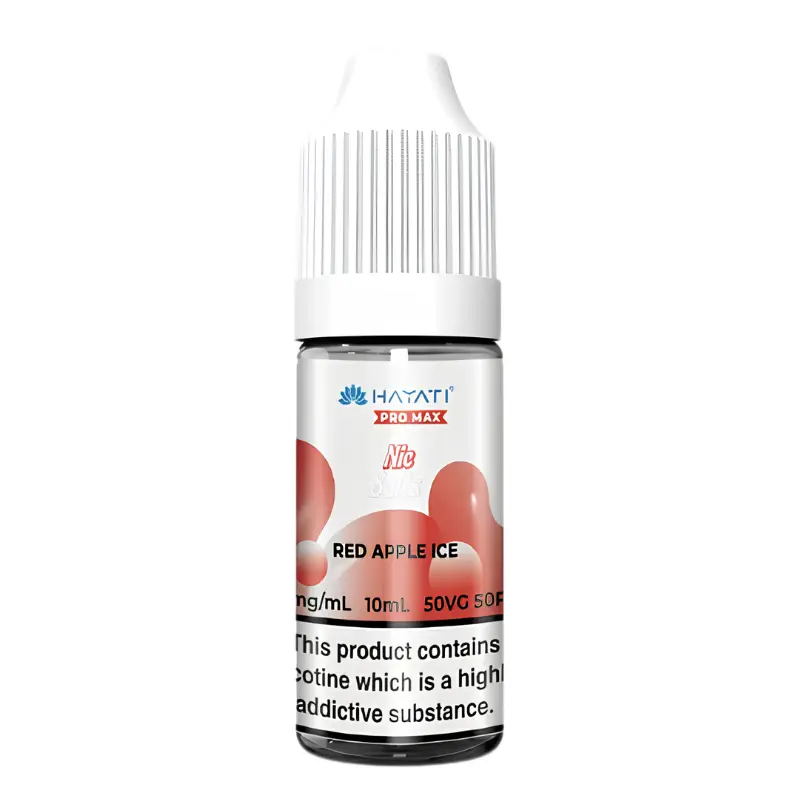
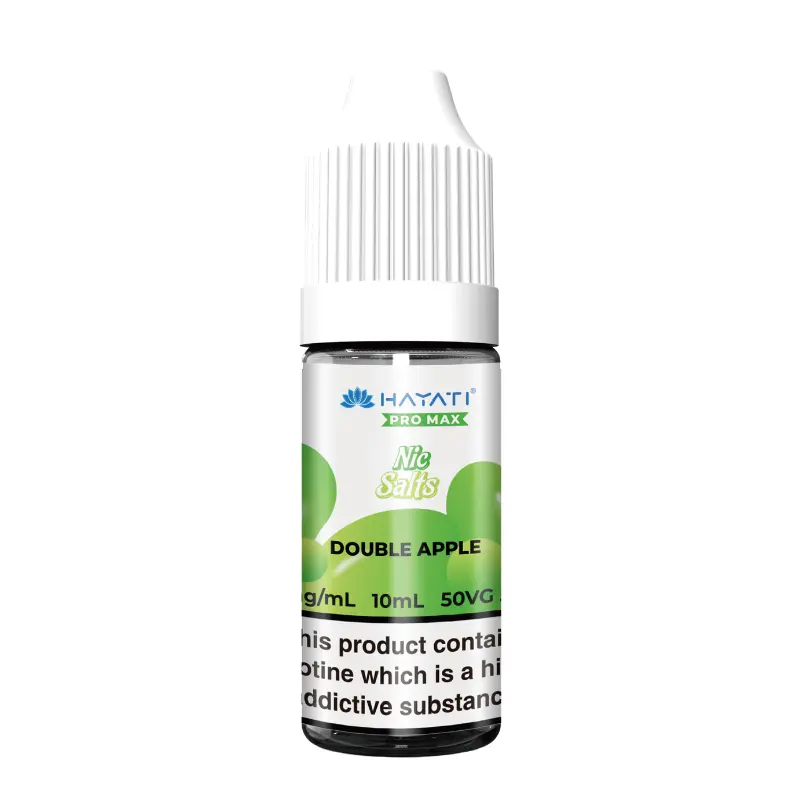
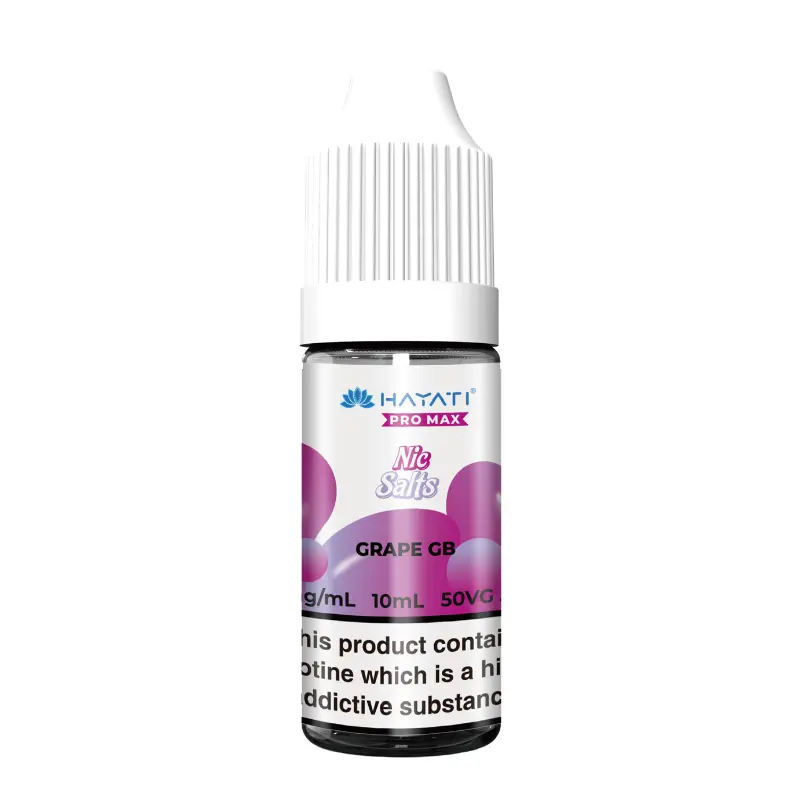
Double Apple is the twin red and green apple profile with a faint aniseed undertone, and its nearest neighbour on this shelf is not another apple but the shisha bottle. Red Apple Ice is sweet red apple with cooling, much simpler and much sweeter. Grape GB is candied purple grape, the foxy concord note rather than anything resembling a table grape, and it is squarely a sweet-shop flavour.
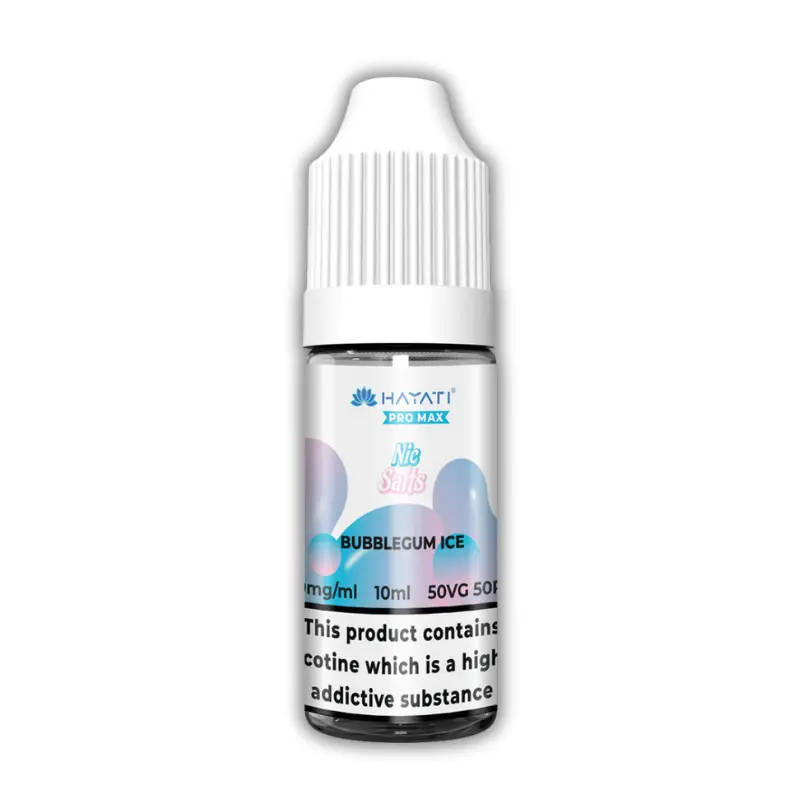
Confectionery, bubblegum and sweets
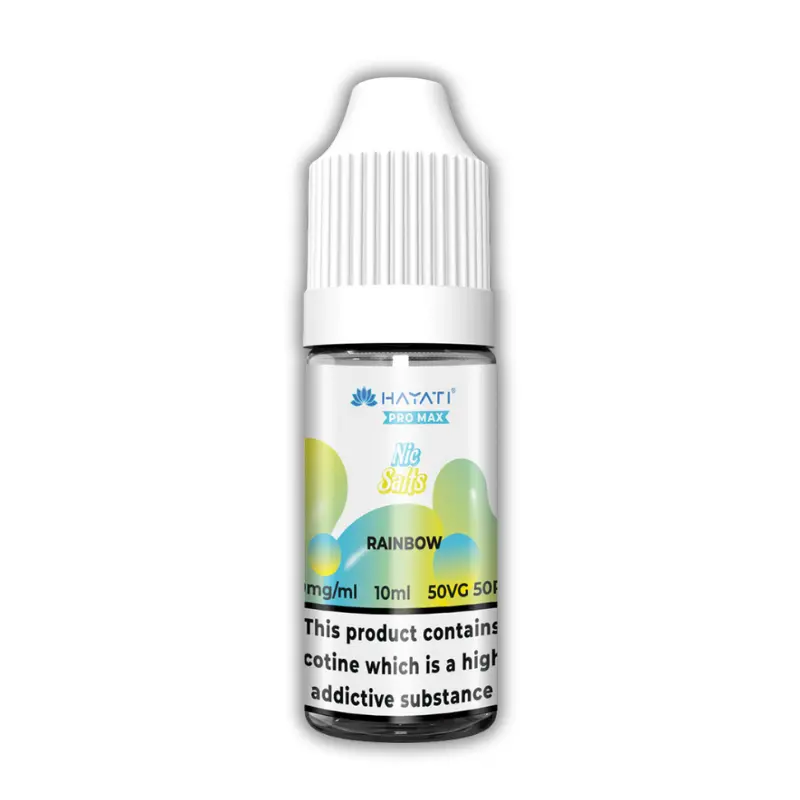
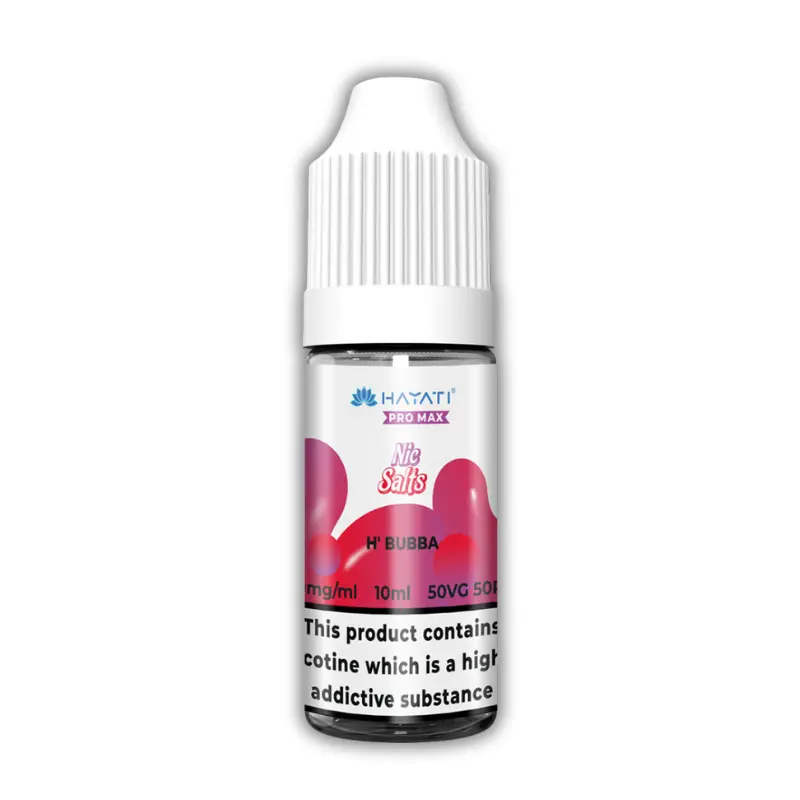
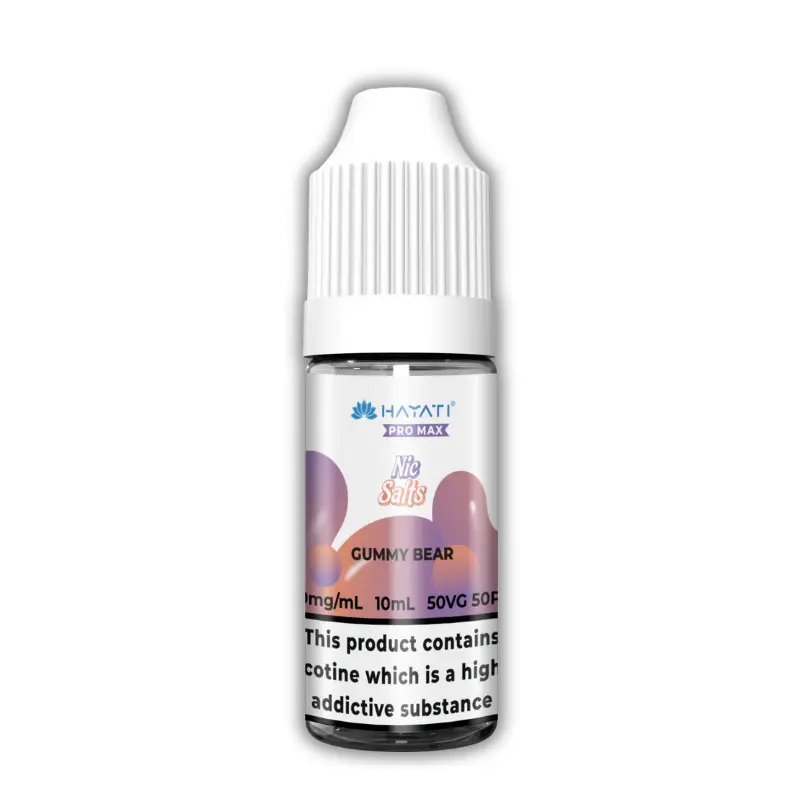
Gummy Bear is the mixed-fruit gelatin sweet done straight, and it is the cleanest execution of that idea here. Rainbow is the mixed-fruit chew, brighter and more citrus-forward than Gummy Bear, with a slightly waxy finish that comes with the territory. Bubblegum Ice is pink bubblegum with heavy cooling, and the cooling is what keeps it from being sickly. H'Bubba is the most opaque name on the shelf and reads as a bubblegum and berry blend, sweet and broad, without a clear reference point. Strawberry Jelly Beans, Strawberry GB, Grape GB, Blue Razz Gummy Bear and Rocky Candy Orange all belong here as much as they belong to their fruit families.
Mint, menthol and the two outliers
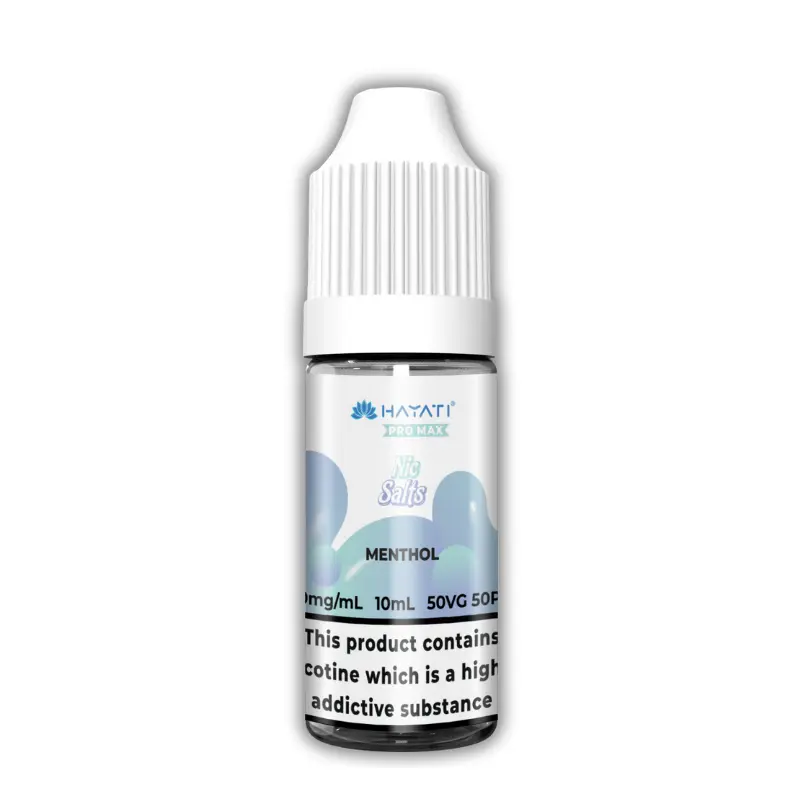
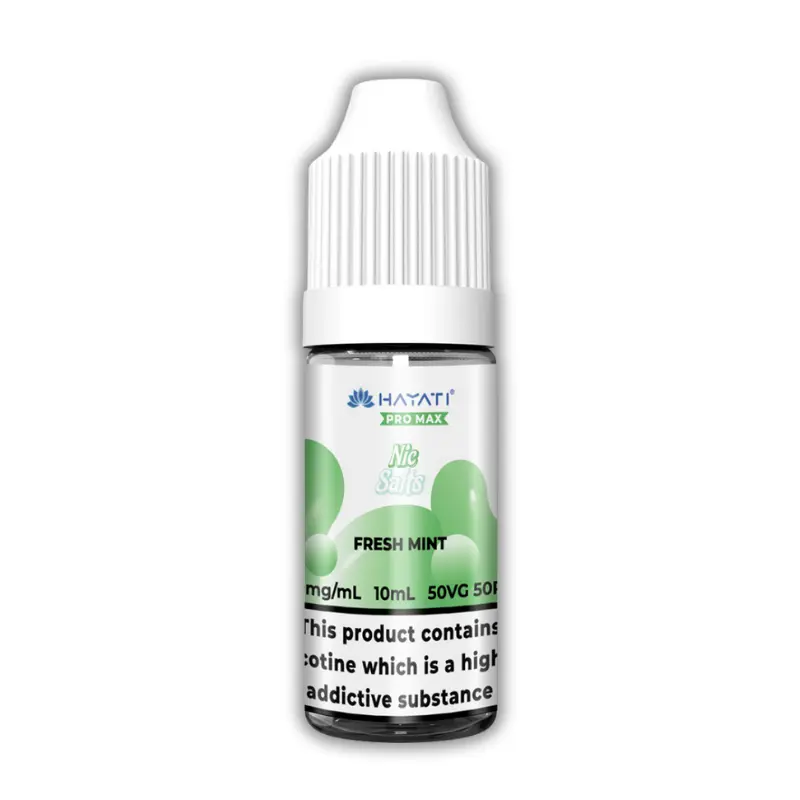
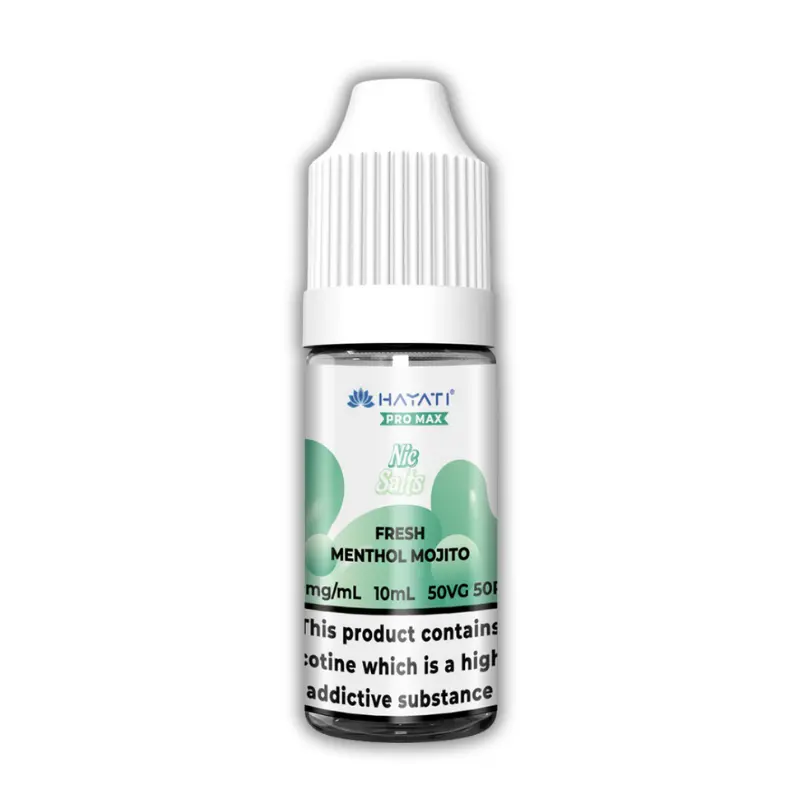
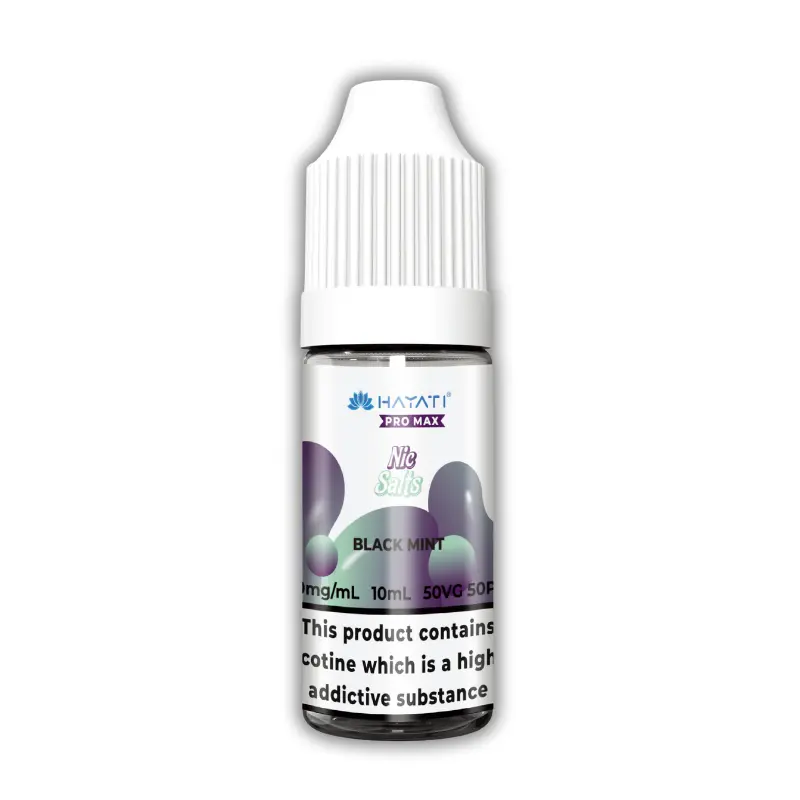
Six bottles carry mint of some kind and they are not interchangeable. Menthol is bare cooling with almost nothing else in it, which is either exactly what you want or completely pointless. Fresh Mint leans peppermint, sweeter and more confected. Spearmint is carvone-led, softer, herbal, and entirely without peppermint's bite. Black Mint puts mint over a dark berry base, and it is the most unusual of the six. Fresh Menthol Mojito combines lime, mint leaf and cooling. Lemon Mint has already been mentioned among the citrus bottles.
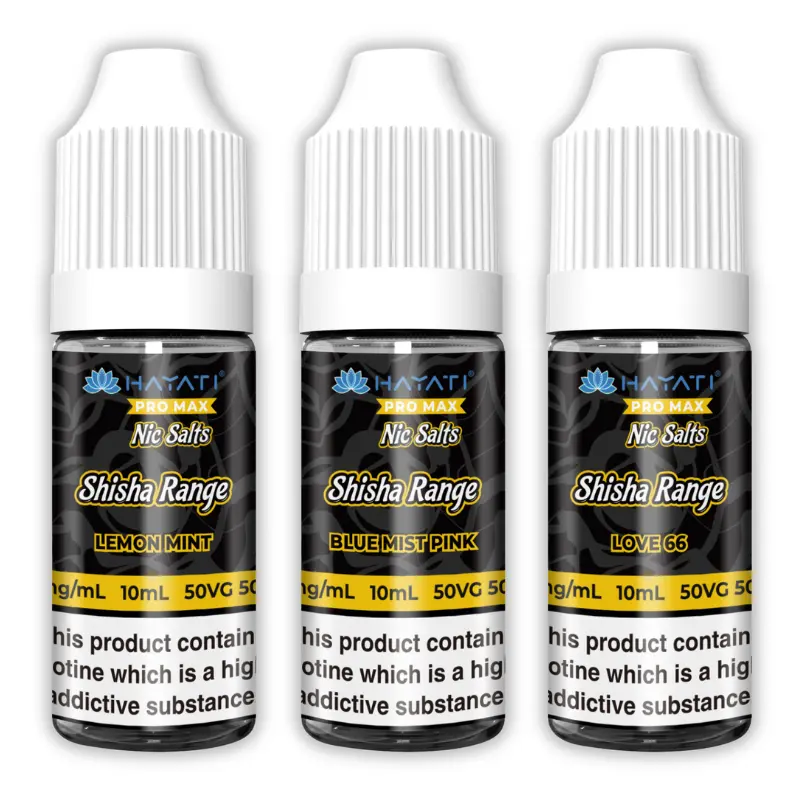
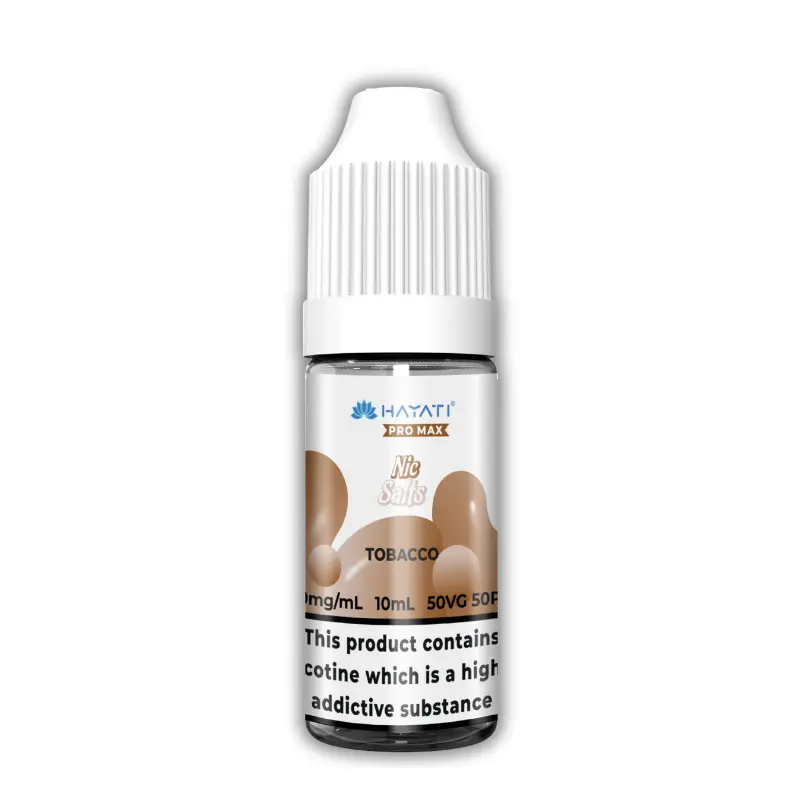
Then the two that fit nowhere. Tobacco is a dried-leaf profile, nutty and faintly sweet, and it is the only bottle on this shelf that leans savoury rather than sugary. Hayati Pro Max Shisha is mixed fruit over a faint molasses base, which is what shisha concentrates generally do, and if you like it you will probably also like Double Apple.
Where the cooling sits
Cooling is a modifier across this shelf rather than a family of its own, and the naming is mostly reliable. Any bottle with Ice, Frozen or Menthol in the name has a cooling agent in it, which covers Red Apple Ice, Blackberry Ice, Watermelon Ice, Cherry Ice, Cola Ice, Bubblegum Ice, Red Berry Ice, Strawberry Raspberry Ice, Banana Ice, Bru Ice, Blue Frozen and Menthol itself. The mojito bottles carry a lesser amount. A handful of others, Mad Blue and Mr Blue among them, have a light cool running underneath without saying so on the label, which is the one place the naming lets you down. The Ice Vapes shelf collects the cold ones from across the site if that is the axis you shop on.
Reading the names
Roughly a third of these 65 names describe the liquid. The rest are decoration, and knowing which is which saves a lot of guessing.
GB stands for gummy bear. Strawberry GB and Grape GB are those fruits rendered as the gelatin sweet rather than as the fruit, which is why both taste candied and slightly chewy on the finish rather than fresh. It is a useful abbreviation once you know it and completely opaque until then.
Mr Blue and Mr Pink are colour names borrowed from the disposable side of the brand, where products were identified by colourway rather than by fruit. Mr Blue means blue raspberry. Mr Pink means a pink fruit blend in the strawberry and watermelon direction. Neither name tells you anything you could work out from first principles.
Mad Blue is blue raspberry again. The adjective signals intensity, not a different fruit, and in practice it sits in the same place as Mr Blue.
Black Mamba describes nothing whatsoever. It is a dark berry blend with an aniseed or liquorice shadow, and there is no reading of the name that would have told you that. Treat it as a label and read the tasting note.
Bru Ice is a nod to a well known orange-coloured Scottish soft drink, spelled around the trademark. The profile is bubblegum and citrus with heavy cooling.
H'Bubba has no honest gloss. It reads as bubblegum and berry, and anybody who tells you the name means something specific is guessing.
Rainbow means the mixed-fruit chewy sweet, not a spectrum of separate flavours in one bottle. Summer Dream is pure marketing and is a tropical berry punch. Mojito means lime and mint leaf, with no alcohol involved. Lemonade means a sweet fizzy base rather than lemon juice. Ice and Frozen mean a cooling agent is present.
The honest summary is that Hayati names roughly half this range descriptively and roughly half of it for effect, with no marker to tell you which convention a given bottle is following. Blackcurrant Juice tells you exactly what it is. Summer Dream tells you nothing at all. Both are on the same shelf at the same price.
Sweetness, cooling and tartness as three dials
Almost every bottle on this shelf can be placed with three readings, and once you can take those three readings yourself the flavour map above becomes something you can extend to any bottle nobody has described to you.
Sweetness is the sugar-syrup weight of the concentrate. Confectionery bottles run high by construction, because that is what a sweet is. Tropical and stone fruit run high because ripe fruit concentrates are built that way. Citrus and mint run low.
Cooling is a separate additive and it moves independently of everything else. A bottle can be very sweet and very cold at once, which Bubblegum Ice demonstrates, or cold with no sweetness, which Menthol demonstrates.
Tartness is acid, usually citric or malic, and it is the dial that does the most work in making a sweet liquid readable over a long session. High-sweet, low-tart bottles are the ones that tire the palate fastest. Triple Mango is the clearest example on this shelf.
Work a few named bottles through and the pattern shows up quickly.
| Bottle | Sweetness | Cooling | Tartness |
|---|---|---|---|
| Triple Mango | High | None | Low |
| Lemon Lime | Low | None | High |
| Blue Frozen | High | High | Medium |
| Menthol | Low | High | None |
| Blackcurrant Juice | Medium | None | High |
| Gummy Bear | High | None | Low |
| Cola Ice | Medium | Medium | Low |
| Watermelon Ice | Low | Medium | Low |
| Fizzy Cherry | Medium | None | High |
| Tobacco | Low | None | None |
Two bottles that score the same on all three will taste similar even when their names look nothing alike, and that is the mechanism behind every "these two are hard to separate" note above. Mr Blue and Mad Blue score identically. So do Mr Pink and Strawberry Watermelon. Where the three readings diverge, so does the liquid, which is why Strawberry Kiwi and Strawberry Jelly Beans share a fruit and share almost nothing else.
What £2.49 buys, and the one thing a bottle does that a sealed pod cannot
Sixty-four of the 65 bottles cost £2.49. That uniformity is worth reading rather than skipping past. It tells you that no flavour on this shelf is priced as a halo product, that the cost of the concentrate is not what you are paying for, and that there is no arithmetic to do when you order six bottles of different things. The odd one out, at £2.79, is a catalogue artefact rather than a better bottle, as covered above.
Uniform pricing also removes the most common reason people stick to one flavour. When a bottle costs the same as every other bottle, trying Black Mint against Fresh Mint costs nothing but the decision, and on a shelf where the differences between neighbouring bottles are as fine as they are here, that matters more than it would on a shorter range.
The narrow argument for buying flavour in a bottle rather than a sealed prefilled pod is the list itself. Sixty-five names is a longer list than any sealed format carries. The Hayati Prefilled Pods & Refills shelf and the Hayati Pods shelf both run considerably shorter flavour lines, because a sealed pod has a moulded shell, a printed sleeve and a fixed production run behind every single flavour, while a bottle has a label. That cost asymmetry is the whole of it. Anything unusual, anything that sells in small numbers, anything at the edges of the range, ends up on the bottled shelf and not on the sealed ones. Black Mamba, Shisha, Spearmint and Tobacco are exactly the sort of bottle that never justifies its own moulded shell.
That is the only part of the bottle-against-pod question this page answers. The rest of it, including how the two formats compare once you own the hardware, belongs on the Hayati E-Liquids shelf, which sits above all three bottled ranges. The Hayati Pod Kits shelf is where the refillable hardware lives.
Shelves that cut across this one
The flavour shelves cut the site sideways, ignoring brand and format, and they are the faster route if you already know what you want to taste. Berry Vapes pulls in everything from Blackcurrant Juice to Cherry Berry and puts the whole dark-fruit question in one place. Strawberry Vapes is worth a look purely because this shelf carries nine strawberry bottles and comparing them against strawberries from other ranges is easier there than here. Blueberry Vapes separates the genuine blueberry bottles from the blue raspberry ones, which is a distinction this shelf's naming makes harder than it should be. Mint Vapes gathers the six mints alongside everything else cold and herbal on the site.
Two bottled shelves sit next to this one without overlapping it. Hayati Pro Max 50/50 E-Liquid carries the same base ratio as these bottles in a large nicotine-free format. Hayati Pro Max 70/30 E-Liquid carries a glycerine-heavy base built for higher-power hardware, again nicotine-free. Neither is a nicotine salt and neither is sold at a strength.
Closing
The thing to take away from a shelf of 65 near-identical specifications is that the specification is genuinely not the variable. Every bottle is 10ml, every bottle is 10mg, every bottle is half glycerine and half glycol, and 64 of them cost the same. The chemistry that makes a salt a salt is fixed across all of them, and it explains the throat reading rather than the flavour.
Which leaves the concentrate as the entire decision, and that is why this page spends most of its length on tasting notes rather than on numbers. Some of those notes say two bottles are hard to tell apart, because on a range this long that is simply true in several places. Mr Blue and Mad Blue are one such pair. Mr Pink and Strawberry Watermelon are another. Knowing where the duplicates sit is more useful than a page that pretends 65 bottles are 65 distinct experiences.
If you are working through the range, the three dials are the fastest tool on this page. Read a bottle for sweetness, cooling and tartness, place it against one you already know, and you will be right far more often than you are wrong.
Strictly for adults aged 18 and over. Nicotine is an addictive substance.
Frequently asked questions
What is a nicotine salt, in plain terms?
It is nicotine that has been reacted with an acid, almost always benzoic acid, so that the molecule picks up a proton and pairs with a negatively charged benzoate ion. That paired, charged arrangement is what chemistry calls a salt. The nicotine itself is unchanged in quantity and identity. What changes is the pH of the finished liquid, which falls from around 9 to somewhere near 6, and pH is what the throat reacts to at the back of the mouth.
Do nicotine salts taste salty?
No, and there is no sodium in them. The word is borrowed from chemistry, where a salt is any ionic compound formed when an acid reacts with a base. Table salt is one example out of thousands, not the definition. In these bottles the two halves are protonated nicotine and benzoate, and neither reads as savoury on the tongue. Tasted blind against the same concentrate in a freebase liquid, nobody identifies the salt version by flavour.
Why is every bottle on this shelf 10mg?
Two reasons, neither of them about any individual shopper. Ranging 65 flavours at one figure is what keeps a list that long orderable at all; offering two figures would mean 130 separate lines to manage, and the unusual flavours at the tail would be the first to suffer. The second reason is consistency: a protonated liquid at 10mg run through a small low-power coil behaves evenly across concentrates as different as bare menthol and heavy mango.
What is the highest nicotine strength allowed in the UK, and why are these bottles 10ml?
Two separate limits apply. E-liquid containing nicotine may not be supplied above 20mg per millilitre, and a container holding nicotine-bearing liquid may not exceed 10ml. They work together to shape the whole bottled market: 10ml is the maximum unit rather than a packaging choice, and no figure above 20 appears on a label lawfully sold here. That is why every nicotine-bearing bottle you see, from any brand, comes in the same small format.
Is 10mg of salt the same as 10mg of freebase?
The same mass of the same substance in the same volume, yes. The label figure means the identical thing in both cases. What differs is the charge state of the molecule and therefore the pH of the liquid, and the throat registers that difference clearly, with the protonated form landing softer at the same figure. The common conclusion that a salt must be weaker because it feels gentler is wrong on the chemistry. Nothing has been removed or diluted.
Will these bottles work in a sub-ohm tank?
They are not built for one. The base here is thin and evenly split, which suits small low-power hardware and does not suit high-power hardware. There is also an arithmetic point that matters more. The 10mg figure is per millilitre and it is fixed, so the total nicotine passing through in a session is set by how many millilitres the device consumes. High-power hardware turns over several times the volume, and the figure on the label simply multiplies out against it.
How much nicotine is in one bottle altogether?
100mg. The label figure is a concentration rather than a total: 10mg sits in each millilitre, and there are 10 millilitres in the bottle, so 10 multiplied by 10 gives 100mg in the container as a whole. This is worth stating because people frequently read "10mg" as the whole contents of the bottle rather than as a rate per millilitre, and the two readings are a factor of ten apart from one another.
Why is one listing £2.79 when the rest are £2.49?
Because of how that line was catalogued, not because of what is in it. The £2.79 listing is the one filed under the bare range name rather than under a flavour name, and it holds the Banana Ice liquid. Specification for specification it matches everything around it: 10ml, 10mg nicotine salt, a base split evenly between glycerine and glycol. The 30p gap is a listing artefact and carries no information about the liquid.
What does GB mean in Strawberry GB and Grape GB?
Gummy bear. Both bottles render their fruit as the gelatin sweet rather than as the fresh fruit, which is why each one tastes candied with a slightly chewy finish instead of juicy. It is a useful piece of shorthand once you know it and completely opaque before that, and it is a good example of how much of this range's naming assumes knowledge the label never supplies. Blue Razz Gummy Bear spells the same idea out in full.
How many of the 65 have cooling in them, and can you tell from the name?
Mostly, yes. Any name carrying Ice, Frozen or Menthol has a cooling agent in it, which covers a dozen bottles including Red Apple Ice, Cola Ice, Bubblegum Ice, Cherry Ice, Blue Frozen and Menthol itself. The mojito bottles carry a lighter amount from mint leaf rather than a cooling additive. The gap in the naming is a handful of blue raspberry bottles that run a mild cool underneath without declaring it, Mad Blue and Mr Blue among them.
Can two of these flavours be blended together?
Nothing stops you, since every bottle on this shelf shares an identical base ratio and an identical nicotine figure, so combining any two changes neither of those things. The result sits at 10mg per millilitre whatever ratio you use. What you cannot predict is the flavour. Concentrates are built as finished compositions rather than as ingredients, and two good bottles frequently make a muddy third. Pairing a plain cooling bottle with a fruit is the combination most likely to behave.
Which of the 65 are hardest to tell apart?
Mr Blue and Mad Blue are the closest pair on the shelf; both are blue raspberry, and the only separation is that Mr Blue runs a touch more candied and a touch less sour. Mr Pink and Strawberry Watermelon are the second pair, overlapping almost entirely. Cherry Berry and Cherry Ice share their fruit, so the cooling is the real difference. Berry Lemonade and Blackcurrant Lemonade sit close, with the blackcurrant version the more defined of the two.