
Home / Menthol Vapes
Menthol Vapes
Twelve tiles sit here, from £2.49 for a 10ml bottle to £7.99 for a package with a device in the box, and the shelf is unusual before you have looked at any of them. This site sorts flavour across thirty shelves. Twenty-nine are named after something you could put on a plate, pour into a glass or feel on your skin: a fruit, a leaf, a confection, a soft drink, a temperature, a mood. One is named after a chemical compound. You are on it.
That changes what the label is promising. A fruit name promises a flavour, and a flavour is a bundle of dozens of aromatic compounds whose proportions shift with the variety, the season and the extraction, which is why Strawberry Vapes holds eighty-two tiles that all taste of different things. A compound name promises an action instead. Menthol latches onto a receptor whose job is to report temperature, that receptor fires, and your brain reads a chill the tissue never experienced. The same molecule does the same job in every liquid carrying enough of it.
So this is the one shelf where the word on the label and the event in your mouth are joined by something firmer than a flavourist's judgement. The catch is that the compound is named and the dose never is. Three counts for the grid: twelve tiles, seven listings whose title contains the word menthol, nine carrying a menthol tag of their own. Below, why those numbers differ, what menthol smells like on its own, and the only three usable proxies for how cold any of it runs.
New ProductsHayati PodsHayati Prefilled Pods & RefillsHayati Pod KitsHayati Prefilled Pod KitsHayati E-LiquidsHayati Pro Ultra Plus Prefilled Pod Kits & PodsHayati Pro Max Plus PodsHayati Pro Max Plus Prefilled Pod KitHayati Pro Max Nic SaltsHayati Pro Ultra Plus PodsHayati Pro Ultra Plus Prefilled Pod KitHayati Mini UltraHayati RubikHayati Mini Ultra PodsHayati Mini Ultra Prefilled Pod KitHayati Pro Max 50-50 E-LiquidHayati Pro Max 70-30 E-LiquidHayati Rubik Prefilled Pod KitHayati Rubik PodsHayati Nicotine PouchesHayati QuokkaBerry VapesRaspberry VapesIce VapesBlueberry VapesStrawberry VapesCherry VapesSweet VapesExotic VapesLemon VapesBlueberry Raspberry VapesPeach VapesWatermelon VapesApple VapesLemon Lime VapesMango VapesPineapple VapesGrape VapesLemonade VapesMint VapesCola VapesStrawberry Raspberry Ice VapesBlackcurrant VapesJuicy Peach VapesMr Blue VapesSummer Dream VapesBanana VapesKiwi VapesMenthol VapesOrange VapesFresh Mint Vapes
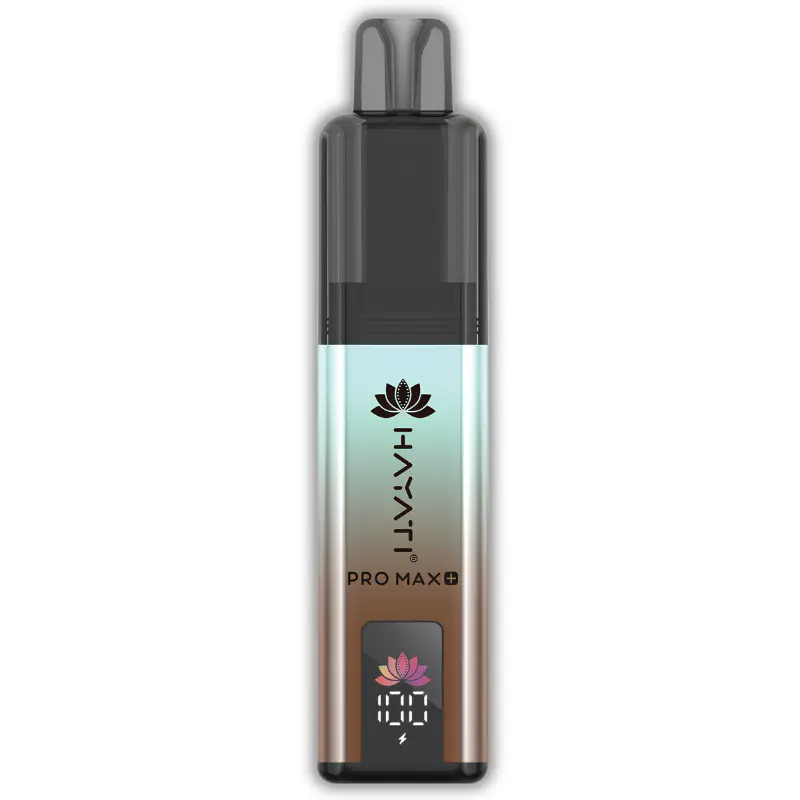
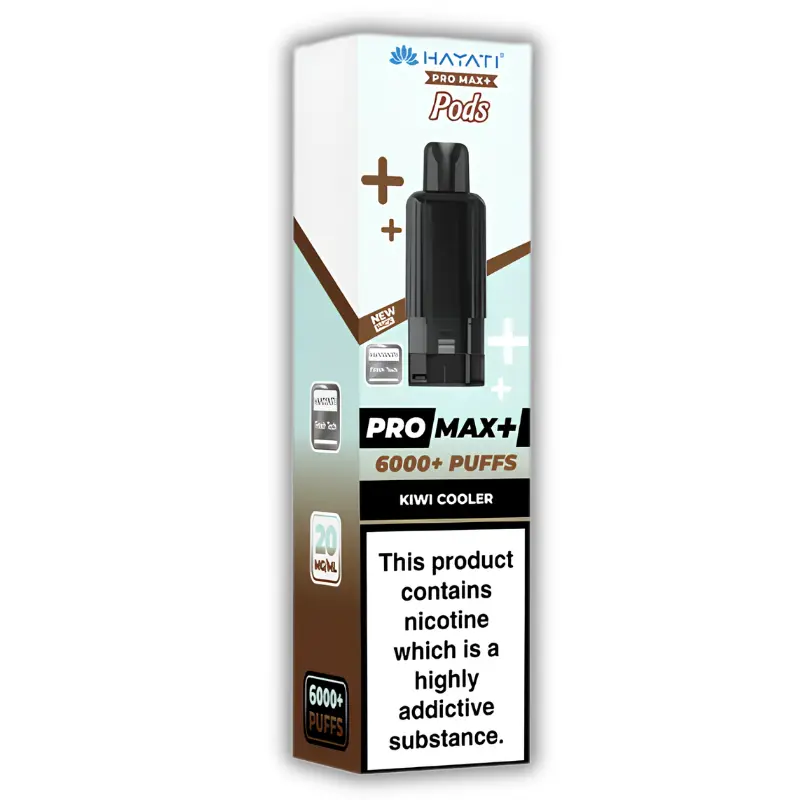
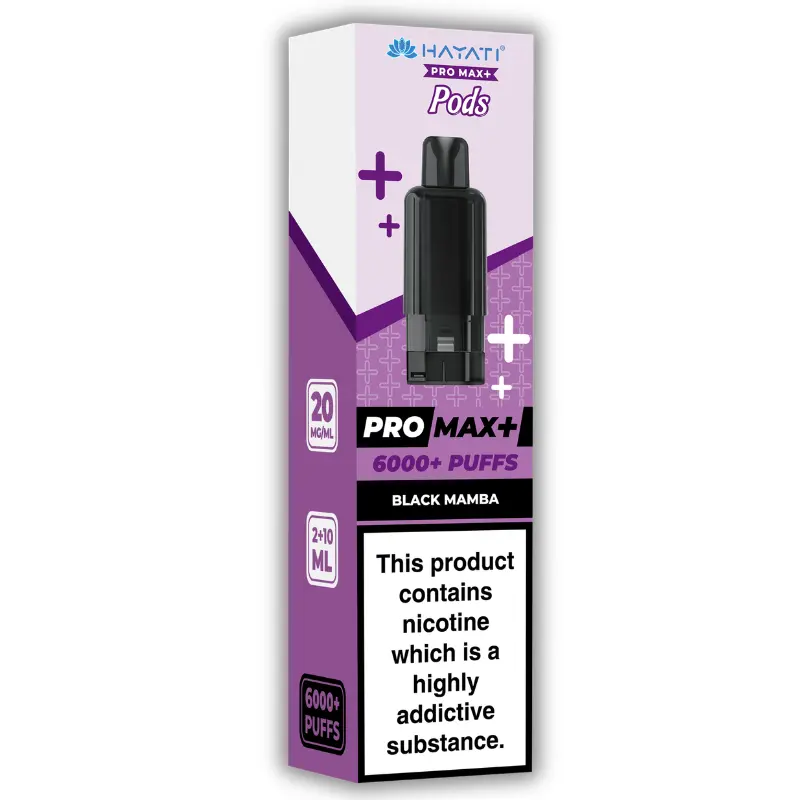
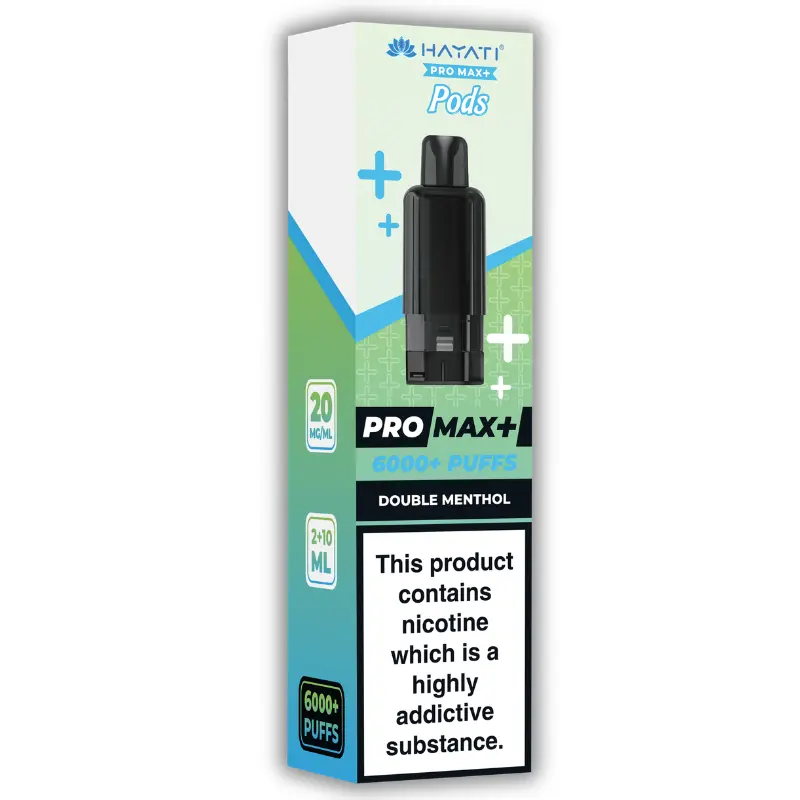
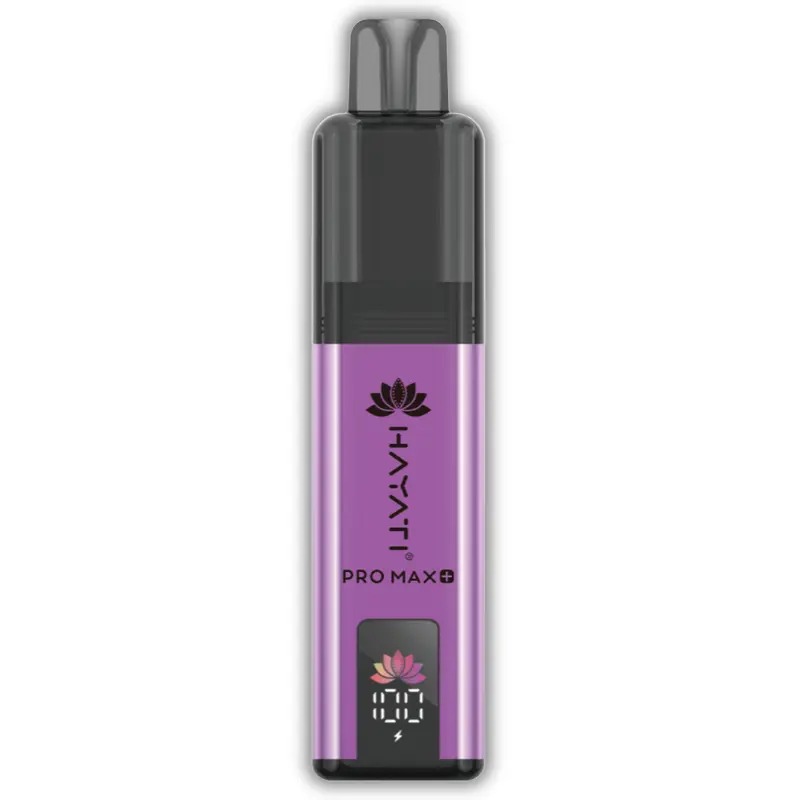
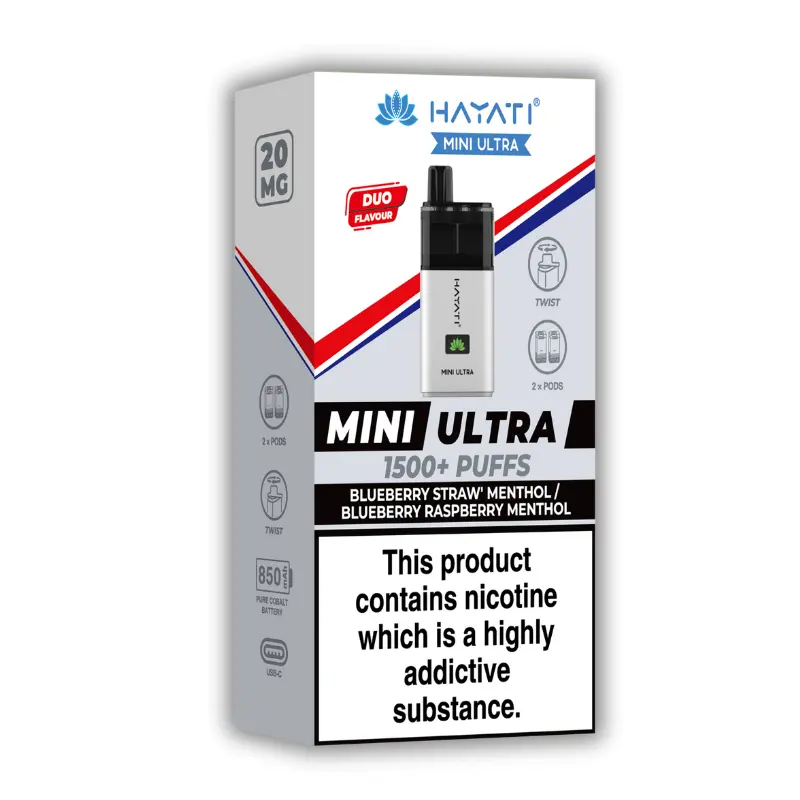
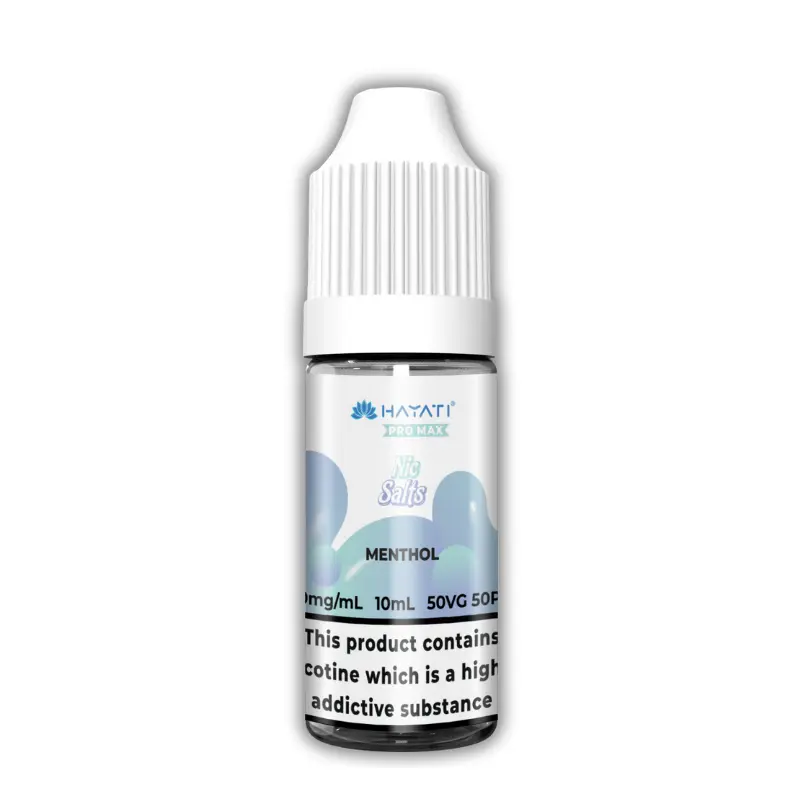
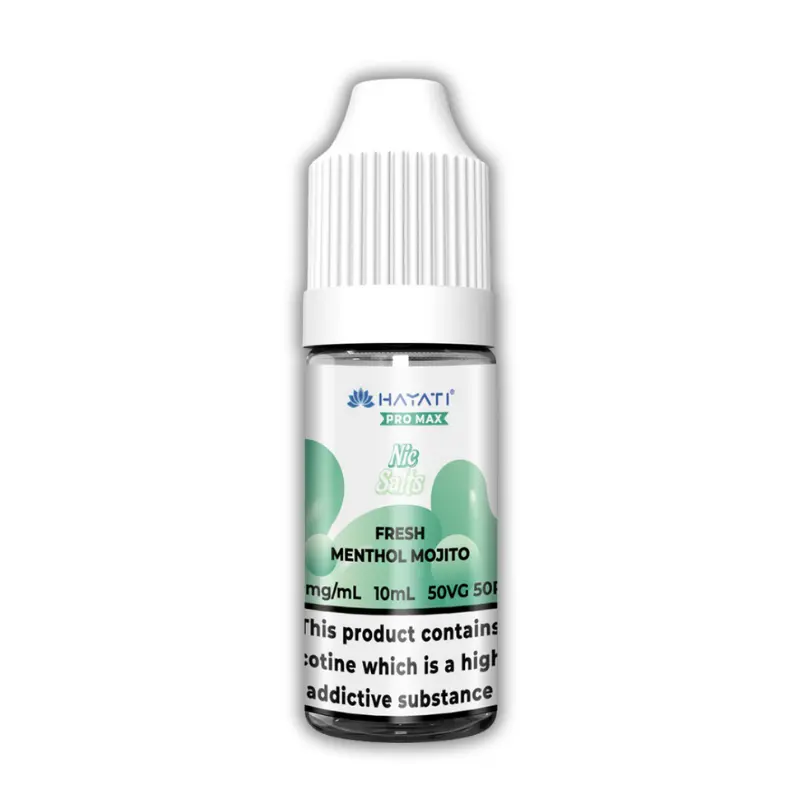
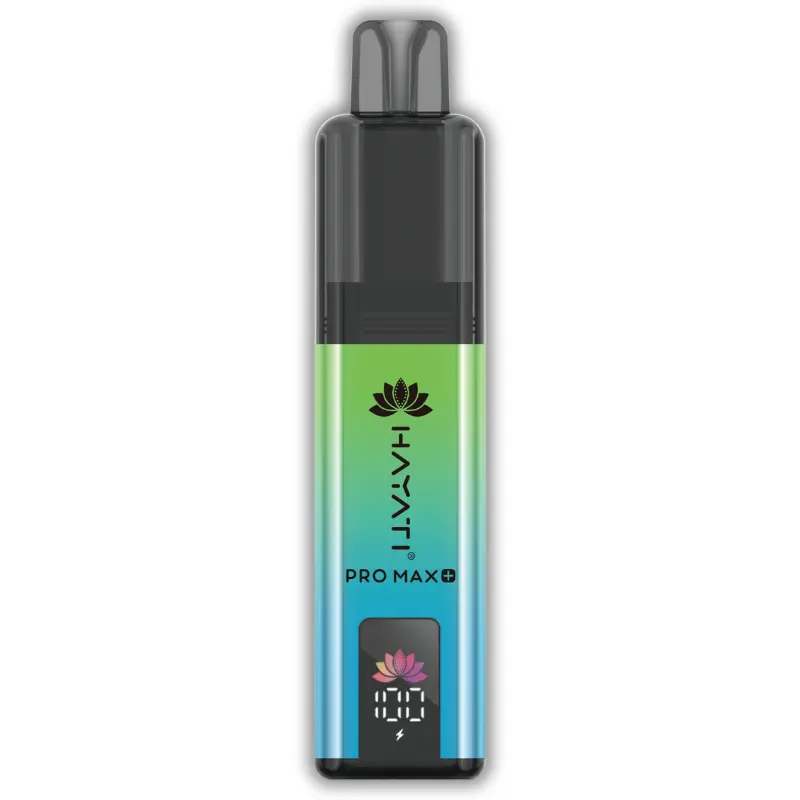
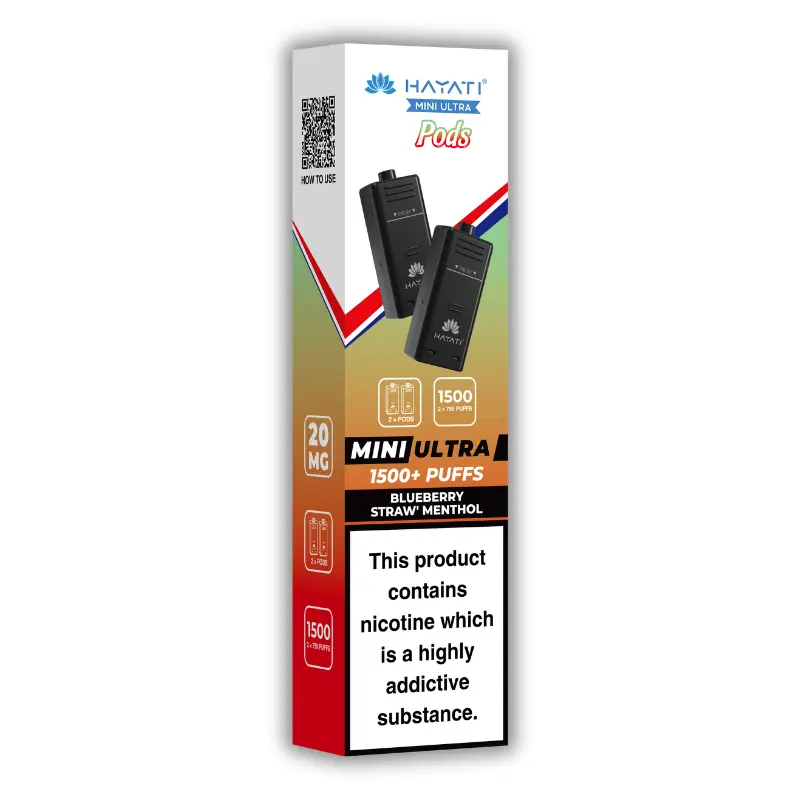
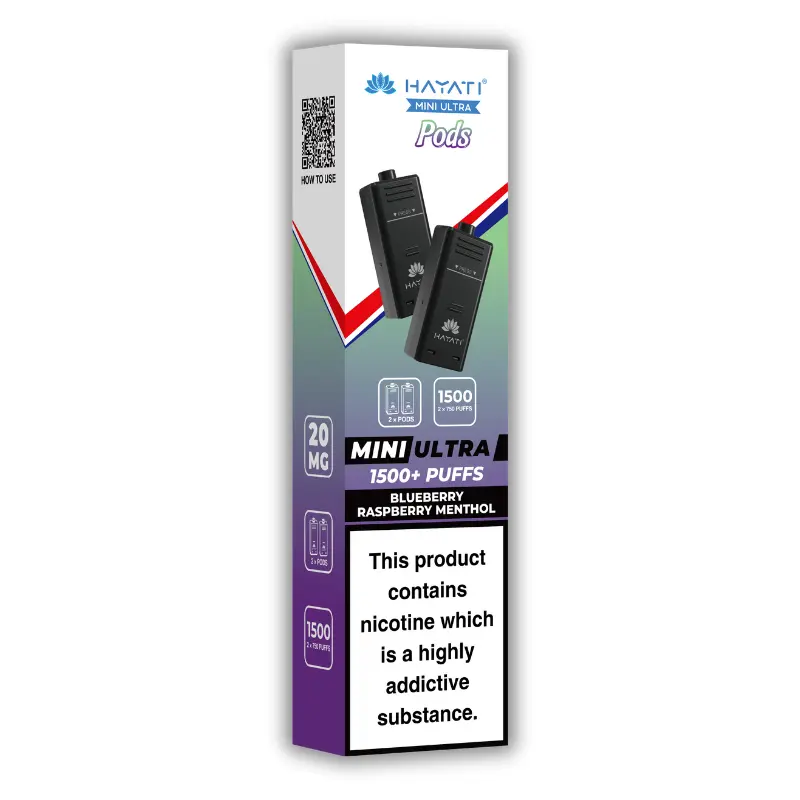
Twenty-nine shelves name a thing. This one names a molecule.
A claim that can be checked should be checked before it is leaned on, so here is the count. This site runs fifty-two shelves in total. Twenty-two of them collect a hardware range, which is a different kind of filing altogether: Hayati Pro Max Plus Pods and Hayati Mini Ultra are about what fits what, not about what anything tastes like. That leaves thirty shelves that sort by flavour, and those thirty are the population this argument is about.
Twenty-two of the thirty are named for a plant or a fruit, whether singular like Watermelon Vapes, Peach Vapes, Mango Vapes and Blackcurrant Vapes, or paired like Blueberry Raspberry Vapes and Lemon Lime Vapes, or broadened into a family like Berry Vapes. Two are named for a prepared drink rather than the fruit it came from, being Cola Vapes and Lemonade Vapes. Two name an abstraction: Sweet Vapes names a taste and Exotic Vapes names a vague geography. Two are proprietary names that disclose nothing at all. One, Ice Vapes, names a sensation by borrowing the name of frozen water, which is not in the bottle and never was.
Thirty minus twenty-nine leaves this one. Menthol is the only shelf label in the range that is the name of a substance actually present in the liquid, identifiable by formula, with one structure and one mechanism. That is a genuinely different kind of promise and it deserves to be taken seriously rather than treated as a synonym for cold.
Why a molecule name is a tighter contract than a plant name
Consider what a plant name can and cannot guarantee. Spearmint is a species. Grow it in two fields and you get two oils with different ratios of the same components. Steam-distil it rather than solvent-extract it and the ratio moves again. A flavourist then builds a recipe that reads as spearmint to most palates, and that recipe is a reconstruction, not a measurement. Everything on Mint Vapes and everything on Cherry Vapes is sold under that kind of promise, and it is a perfectly honest promise, but it is a promise about a resemblance.
Menthol is not a resemblance. It is a specific alcohol with a specific shape, and the reason it feels cold is that its shape fits a specific gate in the membrane of certain nerve endings, the gate your body otherwise uses to notice a drop in temperature. Put enough of that molecule on the tissue and the gate opens. There is no varietal variation in a molecule. There is no good harvest and bad harvest. The only variables left are how much of it is in the liquid and how efficiently your device puts it on your palate, and the second of those is under your control.
That is why this shelf is the one place in the catalogue where a buyer can be reasonably confident of getting the thing they thought they were buying. Order a mango and you are betting on a formulator's idea of mango. Order a menthol and you are betting on chemistry.
Three numbers, and why they disagree
Counts on a shelf page are only useful if you say which kind of count they are, so here are all three for this shelf, stated separately.
- Twelve tiles. Twelve listings are filed here and appear in the grid above. That is the number that matters when you are scrolling.
- Seven titles. Across the whole 492-listing range, seven product titles contain the word menthol, and all seven are in the grid. They resolve to five distinct flavour names, because two of them are the same liquid sold as a pod and as a kit.
- Nine own tags. Nine of the twelve carry a menthol tag in their own product data. The other three arrive by reconciliation rather than by tagging.
The three that arrive by reconciliation are worth naming, because they are the tiles most likely to surprise you. Kiwi Cooler Hayati Pro Max Plus 6000 Pod Kit is here because its bare refill, Kiwi Cooler Hayati Pro Max Plus Pods, carries the tag and the kit did not. Same liquid, two SKUs, tagged by different hands on different days. Black Mamba Hayati Pro Max Plus Pods and Black Mamba Hayati Pro Max Plus 6000 Pod Kit are here because they had no flavour filing at all, and the bottled version of the same name, Black Mamba Hayati Pro Max Nic Salts, does carry one. Left alone, the two prefilled Black Mambas were invisible to anyone browsing by flavour.
Read that as a fix with limits rather than a guarantee. The tagging is applied per listing, one SKU at a time, and reconciling a pod against its own kit only reaches as far as that pair. A bottle and a pod of the same flavour on different platforms can still part company. If you are hunting a specific format, the range shelves such as Hayati Pods and Hayati Prefilled Pod Kits remain the more dependable route.
Menthol does have a smell, and it is not a mint's
A molecule name promises an action, but menthol is not purely an action. It has an aroma of its own, and being honest about it matters here, because the reason this shelf is named for a compound rather than a plant is not that the compound is odourless. It is that the cold is the point and the smell is incidental. That ordering is the exact reverse of every other shelf on this site, where the aroma is the product and any cooling is a treatment laid over the top.
The smell itself is thin and high, with a dry camphorous edge and a faint sweetness sitting under it, closer to a woody medicinal note than to anything green. Anyone who has opened a jar of the raw crystals knows it immediately. What it conspicuously is not is the smell of a crushed leaf. A spearmint leaf carries a dense green, grassy, faintly peppery smell built from a whole family of compounds with carvone at the front, and the reason it reads as vegetal is that the pattern across many receptors says vegetal. The Spearmint pods page works through why carvone and menthol are unrelated jobs rather than two settings on one dial, and that argument belongs there. What matters for this shelf is the consequence: one compound produces one note, and one note cannot produce a pattern.
That is the deepest version of the plant-against-molecule distinction and it runs in both directions. Because a plant delivers a pattern, it can be rich, layered, and different on the second draw from the first. Because menthol delivers a single note, it cannot be any of those things, and it also cannot go wrong in the ways a pattern can. There is nothing in it to fall out of balance.
Most buyers never consciously meet the aroma at all, for a mechanical reason worth knowing before you spend. Aroma reaches the olfactory tissue from behind the palate on the way out, so an exhale pushed entirely through the mouth withholds the only flavour content these liquids have. That is the whole explanation for the common complaint that a straight menthol tastes of nothing. Send a portion of one exhale out through your nose and the camphorous note becomes obvious. A meaningful minority of people then decide they dislike it and find it medicinal, which is an ordinary reaction rather than a defective palate, and it is better discovered on a £2.49 bottle than on a twelve-millilitre pod.
The honest limit on my own argument
Two caveats, because a page that makes a confident structural claim should say where it stops holding.
The first is that menthol comes in mirror-image forms, and they are not equally good at the job. The form that dominates in nature is the strong one at the cold receptor; a synthetic batch can contain a proportion of its mirror image, which is weaker at the receptor and smells slightly different. Nobody publishes which form is in any of these liquids, so the promise a compound name makes is tighter than a plant name's and still not absolute.
The second is bigger and simpler. Knowing exactly which molecule is doing the work tells you nothing about how much of it there is. A named compound at an unpublished dose is still an unpublished dose, and that is the whole subject of the next section.
How cold is it? The words will not tell you, so use these three proxies
Start with the thing that does not work, because most people are relying on it without having examined it. The cooling vocabulary in this catalogue is not graded. The Blue Frozen pods page settled this by counting every cold word across all 492 titles rather than by arguing about it, and the finding is flat: Ice is the house default with ninety titles behind it, Frozen and Cooler each attach to exactly one flavour apiece, two standard trade words for cold appear nowhere in the range at all, and no title ever combines an ice word with a mint word. Words that never co-occur are alternatives, not rungs. That census is thorough, it is not being redone here, and the practical instruction it produces is blunt: you cannot rank these products by reading the nouns on the tiles.
The same census found one exception, and the exception is this shelf. Where a word names a substance rather than a sensation, a ranking becomes possible, because there is something real underneath it. That is the opening the three proxies below go through.
Proxy one: the copy ranks these products against each other, and it is consistent
This is the strongest tool you have and it is hiding in plain sight. Hayati's own flavour text never compares an iced product with a frozen one, not once in the whole range. Inside the menthol and mint family it compares constantly, and it always points the same way.
Double Menthol Hayati Pro Max Plus Pods is described as menthol with the volume raised, with nothing named to soften it, and the listing then points anyone wanting something gentler at the Spearmint pod by name. The Double Menthol kit does the same thing and sends the reader towards Fresh Mint instead. The plain Menthol Hayati Pro Max Nic Salt says outright that menthol is less about herbal taste and more about the sensation of cold, and that the chill builds as you go. The two Mini Ultra berries rank each other: Blueberry Straw’ Menthol is called the gentler of the two, and Blueberry Raspberry Menthol the sharper and more tingly.
Those are relative statements from the manufacturer, they are internally consistent, and they are the only published ranking of cold that exists anywhere in this catalogue. Take them at face value. They will not tell you how cold anything is in absolute terms, because no such scale is published by anybody, but they will reliably tell you which of two tiles on this shelf runs harder.
Proxy two: a second word in the title, and what it is actually worth
Only one tile on this shelf carries a magnitude word: Double Menthol, on the pod and on the kit. That word is worth reading carefully rather than at face value, and the two Double Menthol pages take it apart properly. The finding to carry away is that a cold receptor population is finite, so past a point extra menthol has progressively fewer receptors left to recruit and the perceived cold flattens out, while a second and different receptor starts contributing a prickling sharpness at the back of the throat. A buyer who reads a magnitude word and pictures twice the chill is picturing something the machinery cannot deliver. What they will get is something unmistakably more forceful, with a good share of the extra force arriving as sharpness rather than as temperature. That analysis is settled on those pages and is not being rebuilt here.
One other word looks like a cold signal and is not. Fresh, as in Fresh Menthol Mojito Hayati Pro Max Nic Salt, functions as an adjective attached to the profile rather than as a second cooling term, which the census established when it found a dozen Fresh Mint titles doing the same thing over on Fresh Mint Vapes. Do not read it as an intensifier.
Proxy three: what the menthol is attached to caps how much of it there can be
This one is not published anywhere and it is the most useful of the three, because it works on a name you have never seen before. Cold does not sit politely beside an aroma. It suppresses one, by raising the level at which fine aromatic detail registers at all. Any formulator building a fruit with menthol in it therefore faces a ceiling: push the coolant past a certain point and the fruit they spent money on stops being audible, at which point they have built an expensive menthol.
Turn that around and it becomes a reading tool. The more flavour a blend has to protect, the less cold it can carry. So:
- Menthol with nothing attached has no ceiling at all. There is no fruit to mask and nothing to lose, so the coolant load can go as high as the formulator likes. Expect these to be the coldest things here, and expect them to be the coldest by a wide margin rather than a small one.
- Menthol attached to soft fruit is capped hard. Blueberry and strawberry are low-acid, rounded and easy to bury, so the coolant has to stay well back or the tile stops being a berry product. The listings say exactly this when they describe the menthol as lifting the berries without masking them.
- Menthol attached to sharp fruit is capped less. Acid and cold both read as brightness, so they reinforce each other rather than competing, and a formulator can push further before the fruit disappears. A lime-led construction can carry more menthol than a blueberry one can.
- Menthol attached to a heavy dark base arrives late rather than loud. A dense, sweet, low-acid body absorbs a cold edge instead of being flattened by it, which is why this kind of blend tends to be described as cool on the finish rather than cold throughout.
Those four rules are inferences from how cold and aroma interact, not specifications, and no coolant load is published for any tile here. They are still better than reading the nouns, and unlike the nouns they are consistent with what the flavour copy on each listing says.
The four groups on this shelf
Apply the proxies and the twelve tiles fall into four groups that want four different buyers. Nothing below ranks them by an absolute temperature, because no such number exists.
Group one: the compound on its own, three tiles
Nothing in these except menthol and the base it is carried in. No fruit is named, no sweetener is named, and the ceiling described above does not apply, so this is where the load goes highest.
Menthol Hayati Pro Max Nic Salt at £2.49 is a 10ml bottle at 10mg in a 50/50 base for a refillable device you already own. It is the single most useful purchase on the shelf for anyone who has not established whether they get on with the compound at all, and it is cheap enough that finding out you dislike it costs less than a sandwich. Double Menthol Hayati Pro Max Plus Pods at £5.49 is twelve millilitres at 20mg for a Pro Max Plus body, and Double Menthol Hayati Pro Max Plus 6000 Pod Kit at £7.99 is the same liquid with an 850mAh device in the box. The two differ in precisely one respect, which is whether hardware arrives.
Who picks this group: someone for whom cold is the product and flavour is an optional extra they can do without. Who should not: anyone hoping for a herb. There is no leaf in here and turning a menthol down does not produce a mint, it produces a weak menthol.
Group two: menthol carried by berries, three tiles
All three are on the compact Mini Ultra platform at 20mg with 4ml pods, and all three pair menthol with blueberry as the base note. Blueberry Straw’ Menthol Hayati Mini Ultra Pods at £3.49 softens the blueberry with a rounder red fruit and is the mellower of the pair. Blueberry Raspberry Menthol Hayati Mini Ultra Pods at £3.49 swaps in a tart raspberry, and the raspberry's sharpness meets the cold head on, which is the third proxy in action: the sharper fruit takes the cold better and the result reads livelier.
Blueberry Straw’ Menthol / Blueberry Raspberry Menthol Hayati Mini Ultra at £3.99 puts both of those behind a rotating mouthpiece with a device included, which makes it the only tile here where you can feel the difference between two coolant loads without putting anything down. Turn the collar, take a draw, turn it back. That is a better instrument than any amount of reading, this page included.
Who picks this group: someone who wants a berry that finishes cold rather than a cold that happens to be blue. All three also sit on Berry Vapes and Blueberry Vapes, with the raspberry versions additionally on Raspberry Vapes and Blueberry Raspberry Vapes, and the strawberry versions on Strawberry Vapes.
Group three: menthol inside a construction, three tiles
Here the menthol is one element of a recipe rather than the recipe. Fresh Menthol Mojito Hayati Pro Max Nic Salt at £2.49 is the clearest example: zesty lime opens it, a herbal mint element sits in the middle, and menthol extends the cold past where the mint would have stopped. Three things doing three jobs. By proxy three it should carry more coolant than the berry group without losing its identity, because the citrus acid and the cold are pulling in the same direction, and the listing describes exactly that outcome.
Kiwi Cooler Hayati Pro Max Plus Pods at £5.49 and the matching Kiwi Cooler Hayati Pro Max Plus 6000 Pod Kit at £7.99 are the shelf's odd pair. The title says Cooler, not Menthol, and the tagging says menthol, and the flavour copy describes something moderate: a sweet-sharp green fruit somewhere between gooseberry and green grape, with a chilled finish that makes it read crisp and dry. Both also sit on Kiwi Vapes, which holds twelve tiles, and on Ice Vapes. Treat this as the mildest genuine menthol on the shelf and the one to pick if the group-one tiles sound like more than you want.
Group four: on the shelf without saying so, three tiles
All three Black Mambas are filed here and none of them has menthol in the title. The bottled Black Mamba Hayati Pro Max Nic Salts at £2.49 is the one with a description that justifies the filing: a deep, generously sweet dark berry mix where a cooling note arrives late and sharpens the finish, which is the heavy-base pattern from proxy three exactly. That tile makes sense here.
Black Mamba Hayati Pro Max Plus Pods at £5.49 and Black Mamba Hayati Pro Max Plus 6000 Pod Kit at £7.99 are a different case and the page should be straight about it. Neither listing describes a flavour. Both say the name gestures at a mood rather than an ingredient and invite you to expect something dark and intense. Neither mentions cooling anywhere. They are on this shelf because the reconciliation pass matched them to the bottle of the same name, which is a reasonable inference and is still an inference. Counted honestly, ten of the twelve tiles describe cooling in their own copy and two do not.
Who picks this group: someone who already knows the Black Mamba profile and wants it in a bigger format, or someone happy to gamble £5.49 on an undisclosed recipe. Anyone whose purchase turns on how cold it is should buy elsewhere on this shelf, because that axis is simply not on the record for two of these three. All three are also filed on Sweet Vapes.
The part that bites hardest here: a sensation dulls, a flavour does not
Every shelf has a weakness and this one's follows directly from the thing that makes it good. A shelf selling a defined sensation is selling the property your body recalibrates against faster and more thoroughly than any other.
The two Double Menthol pages work this through at length and the argument is theirs. In summary: repeated exposure to a coolant reduces the size of the sensation it produces, the reduction is substantial rather than marginal, and it is not an opinion changing but a signal shrinking. A pod that felt extreme in the first week can feel ordinary by the second, and the liquid has not altered. Worse, the two halves do not fade together. The chill drops away faster than the prickling sharpness does, so what you are left with is the abrasive part with less of the cold that was supposed to be its justification. A tile that seems to have become harsher and weaker at once is not faulty. It is reporting where you are on your own curve.
Boredom is the other way a pod stops working, and it is worth separating from this, because the two feel identical from inside and have opposite fixes. Boredom is your attention exhausting a composition, it afflicts a three-fruit blend far more than it afflicts anything here, and it answers to variety within a single afternoon. Adaptation answers only to absence, measured in days.
The rotation rule, and why this shelf cannot supply its own partner
Here is the part specific to this grid. All twelve tiles are filed for cold, and ten of the twelve say so in their own copy. There is therefore no tile on this shelf that can serve as another tile's rotation partner, which is not true of any fruit shelf in the range. Watermelon Vapes holds cooled and uncooled versions of one fruit side by side. This shelf holds twelve variations on one mechanism.
So the rule has to reach off the shelf, and it is simple enough to follow.
- Keep something genuinely uncooled in the rotation and use it daily. Not another menthol at a lower load, and not an iced fruit either, because an iced fruit is still feeding the same receptor. A warm, sweet, uncooled profile from Exotic Vapes, Peach Vapes or Lemonade Vapes is what preserves the contrast.
- Measure the gaps in days, not minutes. Switching pods for twenty minutes and coming back does almost nothing. Two days with nothing cooled in the rotation does a great deal.
- Do not answer a fading menthol by buying a colder one. The ceiling does not move, so the same thing will happen to the replacement and you will have spent money to arrive back where you started.
- Do not form a verdict on the first hour. A first-draw impression of a strong coolant is taken at maximum sensitivity, which makes it the least representative reading you will ever get from that pod. A fortnight is the honest window.
- Space the draws. Back-to-back pulls stack a dose on tissue that has not recovered, which pushes you towards the sharp end quickly and accelerates the within-session version of the same effect. Twenty or thirty seconds between draws makes a real difference here and almost none on a fruit pod.
- Allow for carryover. Cold leaves the tissue sensitised for some minutes, so anything tasted straight afterwards reads thinner and colder than it is. Give it a few minutes and a mouthful of water before judging the next pod, or you will convince yourself a perfectly good peach has gone off.
There is an upside to the same chemistry that is easy to miss. Menthol is small, stable and unfussy, and it is not being asked to deliver a delicate pattern. A tiring coil removes the lightest and most volatile material first, which is why a citrus goes vague long before a heavy blend does. There is very little in a straight menthol for that process to get at, so the pod itself should hold its output better than almost anything on Hayati Prefilled Pods & Refills. The odd result is a product whose output barely drifts and whose experience drifts more than anything else you could have bought.
Formats, volumes and what fits what
Three platforms are represented here and they share no hardware whatsoever.
10ml bottles at 10mg, £2.49. Three of them: the plain Menthol, Fresh Menthol Mojito and the bottled Black Mamba. These are 50/50 nicotine salt liquids, thin enough to wick in narrow channels, intended for a refillable pod or another low-powered device with a higher-resistance coil, and not for a wide-bore sub-ohm tank. They are also the only tiles here where the liquid goes into hardware you chose yourself, which matters more on this shelf than on most, because how much coolant lands on your palate depends heavily on airflow and vapour temperature. The rest of the bottled line sits on Hayati Pro Max Nic Salts and the wider bottle range on Hayati E-Liquids.
Mini Ultra, 4ml at 20mg. Three tiles: two bare pods at £3.49 and the dual kit at £3.99 with an 850mAh device. Hayati rate these at up to 1,500 puffs, which is a laboratory figure produced by a machine repeating an identical draw rather than a forecast of your week. This is the tightest-drawing format on the shelf, and a tighter draw concentrates the same coolant onto a smaller patch of tissue, so a given liquid tends to read sharper here than the same recipe would on a roomier platform. The bare refills are collected on Hayati Mini Ultra Pods and the platform as a whole on Hayati Mini Ultra.
Pro Max Plus, 12ml at 20mg. Half the shelf: three bare pods at £5.49 and three complete packages at £7.99 with an 850mAh rechargeable device. Hayati rate these at up to 6,000 puffs on the same kind of bench test. Twelve millilitres is a great deal of one sensation, which is the practical argument for testing a profile on a cheaper format first. Everything in this format is on Hayati Pro Max Plus Pods, and the complete packages across every platform are on Hayati Pod Kits.
Within a platform, any pod of that platform seats in any body of that platform, so a Pro Max Plus device will take whichever of the three flavours you like. Across platforms nothing transfers and no adaptor exists. The sensible habit is to check the range name printed on your device against the range name in the title before ordering rather than after. Nicotine here is 20mg per millilitre on every sealed pod and 10mg on the three bottles. Nicotine is addictive, and those figures are plain facts about the products rather than suggestions about what anyone should buy.
One thing is worth knowing about every sealed pod on this shelf: the coil is inside it and retires with it. Nothing can be rewicked, replaced or topped up, and the pods should not be opened or pierced. On a refillable setup you could isolate a fading flavour by putting fresh liquid through an old coil. Here you cannot, which is a genuine limitation rather than a quibble, although it bites less on a menthol than it would on a herb.
Price, and where the same thing costs less
Twelve tiles across five price points: three at £2.49, two at £3.49, one at £3.99, three at £5.49 and three at £7.99. A factor of just over three between the cheapest and the dearest, and almost none of that gap is about the liquid. It is about volume and about whether a device is in the box.
Two kit-against-pod gaps run on this shelf. On Pro Max Plus the gap is £2.50, paid three times over if you buy Double Menthol, Kiwi Cooler and Black Mamba as kits when you only ever needed one device. Buy the first as a kit and the rest as bare pods from Hayati Pods and you keep £5. On Mini Ultra the gap is 50p, which produces the one piece of genuinely counter-intuitive arithmetic on the shelf.
Work it through. The two Mini Ultra berry flavours bought as bare pods cost £3.49 each, so £6.98 for the pair, and you still need a device. The dual kit at £3.99 contains both of those flavours behind a rotating mouthpiece and includes the device. That is £2.99 less for both flavours plus hardware. The honest caveat is capacity: each bare pod holds 4ml of one flavour, and the dual kit holds 4ml in total split across two, so the kit is half the liquid. Which means the kit is the correct purchase for finding out which of the two you want, and the bare pods are the correct purchase once you know.
On cost per millilitre the ranking inverts the sticker prices, as it usually does. The £2.49 bottle is ten millilitres and by some distance the cheapest liquid here, with the catch that it does nothing without a refillable device you have already bought. Among the sealed formats, a £5.49 Pro Max Plus pod at twelve millilitres works out well below a £3.49 Mini Ultra pod at four, and commits you to three times as much of one sensation before you can change your mind. On a shelf where adaptation is the main risk, committing to twelve millilitres of an untested coolant load is the expensive choice even when the arithmetic says otherwise.
The sensible sequence, if you do not already know how you get on with the compound, runs small to large: the £2.49 bottle if you own a refillable pod, the £3.99 dual kit if you do not, and a twelve-millilitre pod only once the answer is in.
Where to go next
Three shelves neighbour this one closely enough to be worth a look before you commit.
Mint Vapes is the obvious one and it is the opposite proposition. Nineteen tiles, and not one of them is also on this grid: the two shelves share nothing at all, and the split runs cleanly along the plant word against molecule word line. That page owns the sorting rule for telling a herb from a treatment from a modifier, and it is the right place to go if what you actually want is something to taste rather than something to feel. Fresh Mint Vapes narrows the same idea to eleven tiles of one flavour name.
Ice Vapes is where cold gets applied to fruit at scale, ninety-eight tiles of it, and five of the twelve tiles here also sit there. Go there if you want the cold as a setting rather than as the event, and read its grading of the shelf by temperature, which is the closest thing anyone has published to a map of how hard each product runs.
For the berry half of the Mini Ultra tiles, Berry Vapes is the broad shelf and Blueberry Vapes the narrower one. If the menthol turns out to be the part you did not want, those hold the same fruits with no cooling attached. For rotation partners with no coolant in them at all, Mango Vapes, Blackcurrant Vapes and Cola Vapes are the warm end of the catalogue, and Lemon Vapes and Lemon Lime Vapes give you brightness from acid rather than from temperature, which is the nearest thing to a cold sensation that does not use the same receptor. Recent additions across every range are on New Products, and the whole catalogue is in the full Hayati range.
The short version
Twelve tiles, seven with the word menthol in the title, nine carrying a menthol tag of their own. This is the only one of the thirty flavour shelves on this site named for a chemical compound rather than a plant, a fruit, a drink, a confection or a feeling, and that single fact explains the rest. A plant name promises a resemblance. A molecule name promises a mechanism: one shape, one receptor, the same result every time. That makes this the most predictable shelf in the range on what kind of thing you are getting, and it says nothing at all about how much.
For how much, ignore the nouns, because the cooling vocabulary has been counted and it is not a scale. Use the manufacturer's own comparisons, which do rank within this family. Treat the one magnitude word here as a promise of force rather than of proportional cold. And read what the menthol is attached to, because the amount of flavour a blend has to protect is the ceiling on how much coolant it can carry. Menthol alone has no ceiling. Menthol on a soft berry has a low one.
Then plan for what makes this shelf different from a fruit shelf: the property you are buying is the one that dulls with use, and it dulls fast. Nothing here can be its own rotation partner, so the partner comes from a warm, uncooled shelf and the gaps are measured in days. Nicotine runs at 10mg in the bottles and 20mg in the sealed pods, and nicotine is addictive.
Strictly for adults aged 18 and over. Nicotine is an addictive substance.
Frequently asked questions
What is the actual difference between this shelf and Mint Vapes?
One names a plant and one names a molecule, and no listing appears on both grids. Mint Vapes holds nineteen tiles and not one of them is filed here. A mint is a leaf whose character comes from a pattern of many aroma compounds, so it is something to taste. Menthol is a single compound that acts on a receptor reporting temperature, so it is something to feel. The complication worth knowing is that menthol occurs naturally in peppermint, so a peppermint-led liquid carries both at once. Spearmint does not, because its dominant aromatic is carvone, which is why the Spearmint pods page is the cleanest illustration of the difference.
Which of the twelve is the coldest?
No published figure answers that, and any page that ranks them by degrees has invented the ranking. Coolant loads are not disclosed for any product in this catalogue. What you can use is the manufacturer's own relative language, which within this family is consistent: Double Menthol is described as the volume raised with nothing named to soften it, Blueberry Straw’ Menthol as the gentler of the two Mini Ultra berries, and the Kiwi Cooler pods as a moderate, crisp finish on a green fruit. That gives you an order without giving you a scale.
Does menthol taste of anything, or is it purely a sensation?
It has a real smell, but a thin one. The note is high, dry and camphorous with a faint sweetness behind it, and it is the smell of the raw compound rather than of a crushed leaf. It reaches you only on the part of an exhale that goes out through the nose, which is why people who exhale entirely through the mouth report that a straight menthol tastes of nothing. Send a portion of one exhale through your nose and it becomes obvious. Some find it medicinal and dislike it, which is a common reaction rather than an unusual one.
Does Double Menthol mean twice the cold?
No, and the reason is mechanical rather than a matter of the manufacturer overstating. A cold receptor population is finite, so past a certain concentration extra menthol has progressively fewer receptors left to recruit and the perceived cold flattens, while a second and different receptor begins contributing a prickling sharpness at the back of the throat. The two Double Menthol pages set this out in full. Expect it to be forceful. Do not expect all of the extra force to be chill.
Why does my menthol pod feel weaker after a fortnight?
Because you have adapted to it, not because it has changed. A coolant is the property a palate recalibrates against fastest, and a liquid already sitting near the top of the cold range has no headroom left when that happens. The giveaway is that the chill fades faster than the sharpness, so the pod seems to have become harsher and weaker at the same time. The fix is absence rather than escalation: keep something genuinely uncooled in the rotation and measure the gaps in days. Buying something colder will produce the same outcome a fortnight later.
Why are the Black Mamba listings on a menthol shelf?
The bottled Black Mamba Hayati Pro Max Nic Salts describes a dark berry blend where a cooling note arrives late and sharpens the finish, and it carries a menthol tag of its own. The pod and kit versions describe no flavour at all, mention no cooling, and reached this shelf when the filing was reconciled against the bottle of the same name. That is a reasonable inference and it is still an inference. Ten of the twelve tiles here describe cooling in their own copy. Those two do not.
Is the throat sharpness a fault?
Not usually. A prickling quality at the back of the throat is an ordinary consequence of menthol at higher concentrations, arriving through a different receptor than the cold does, and individual sensitivity varies a great deal between people. Shortening the draw is the most effective adjustment available, and it costs less cold than you would expect, because the cold curve is flatter at that end than the sharpness curve is. Longer gaps between draws help for the same reason.
I only want a bit of cooling on a fruit. What should I pick?
Not the three tiles with nothing but menthol in them. The Mini Ultra berries are the gentlest genuine option here, and Blueberry Straw’ Menthol is the milder of that pair by the manufacturer's own account. The Kiwi Cooler pods are the other moderate choice. If you want the cold further back still, Ice Vapes is the ninety-eight-tile shelf built around cooled fruit, and it grades its own contents by how hard they run.
Is the £3.99 kit really cheaper than the two pods?
Yes, on price, and it includes a device. The dual kit at £3.99 carries both Mini Ultra menthol berries behind a rotating mouthpiece. Buying Blueberry Straw’ Menthol and Blueberry Raspberry Menthol separately costs £6.98 and still needs hardware. The caveat is volume: each bare pod holds 4ml of a single flavour and the dual kit holds 4ml split between two, so the kit is half the liquid. It is the right way to find out which one you want and the wrong way to stock up.
Can I put a bottle of menthol through a pod I already own?
If it is a refillable pod, yes. The three £2.49 bottles here are 10ml of 10mg nicotine salt in a 50/50 base, thin enough to wick through narrow channels, and they are intended for refillable pods and other low-powered devices with higher-resistance coils rather than for wide-bore sub-ohm tanks. The sealed pods on this shelf are a different matter entirely: they arrive prefilled, they cannot be opened, refilled or rewicked, and they should not be pierced. The rest of the bottled line is on Hayati Pro Max Nic Salts.
Why can two products with the same cooling word feel different?
Because the words are labels rather than measurements. A census of every cold word across all 492 titles found Ice functioning as the house default on ninety of them, Frozen and Cooler each attached to exactly one flavour, two standard trade terms for cold appearing nowhere at all, and no title ever combining an ice word with a mint word. Words that never co-occur are alternatives, not rungs on a ladder. The Blue Frozen pods page did that counting. The one exception is the family this shelf belongs to, where the words name substances and can therefore be ranked.
Does a menthol pod hold its flavour longer than a fruit one?
It should hold its output better, for two separate reasons. It names no sweetener, and sweeteners are what build residue on a coil fastest. And residue mainly works by muffling fine detail, so a liquid with no quiet parts has little to lose to it. The exception is the thin camphorous note described above, which is volatile and is exactly the kind of material a tiring coil removes first. Most owners never notice it going, because most people never met it. The odd result is a pod whose delivery barely drifts while your own reading of it drifts more than on anything else you could have bought.