Home / Ice Vapes
Ice Vapes
Ninety-eight products on this shelf carry a cooling agent, priced from a £2.49 bottle to an £11.99 prefilled kit, and the word almost all of them share on the label is the least informative word on it. Ice is a dose, not a taste. It tells you a cooling compound went into the mix. It does not tell you which compound, at what load, where in the mouth it will land, or how long it will sit there afterwards.
So this shelf is graded below by temperature rather than by fruit. Five bands, running from liquids where cold is a quiet floor under something sweet through to the handful where the coolant is the subject and the fruit is trim. Ahead of the bands comes the part these pages usually skip: what the coolant actually is, how to work out from behaviour which one you have got, and why the same pod reads mild in a warm kitchen and severe on a platform in February.
Fruit-family analysis lives elsewhere. Berry Vapes handles the sweet-to-tart question across 225 listings on that shelf, and the single-fruit shelves break it down further still. This page is about the cold. Adults 18 and over only.
New ProductsHayati PodsHayati Prefilled Pods & RefillsHayati Pod KitsHayati Prefilled Pod KitsHayati E-LiquidsHayati Pro Ultra Plus Prefilled Pod Kits & PodsHayati Pro Max Plus PodsHayati Pro Max Plus Prefilled Pod KitHayati Pro Max Nic SaltsHayati Pro Ultra Plus PodsHayati Pro Ultra Plus Prefilled Pod KitHayati Mini UltraHayati RubikHayati Mini Ultra PodsHayati Mini Ultra Prefilled Pod KitHayati Pro Max 50-50 E-LiquidHayati Pro Max 70-30 E-LiquidHayati Rubik Prefilled Pod KitHayati Rubik PodsHayati Nicotine PouchesHayati QuokkaBerry VapesRaspberry VapesIce VapesBlueberry VapesStrawberry VapesCherry VapesSweet VapesExotic VapesLemon VapesBlueberry Raspberry VapesPeach VapesWatermelon VapesApple VapesLemon Lime VapesMango VapesPineapple VapesGrape VapesLemonade VapesMint VapesCola VapesStrawberry Raspberry Ice VapesBlackcurrant VapesJuicy Peach VapesMr Blue VapesSummer Dream VapesBanana VapesKiwi VapesMenthol VapesOrange VapesFresh Mint Vapes
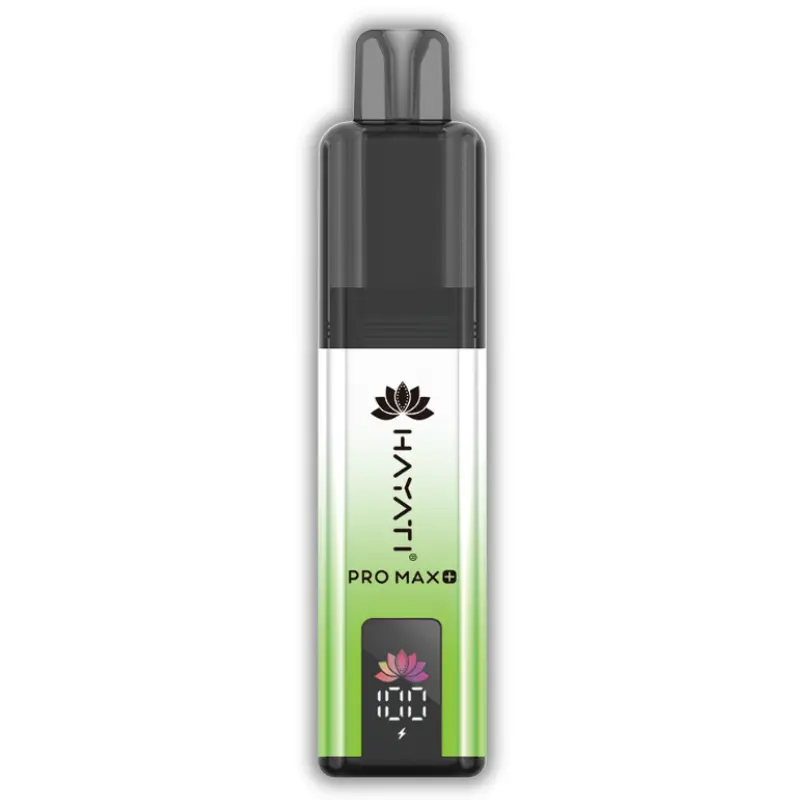
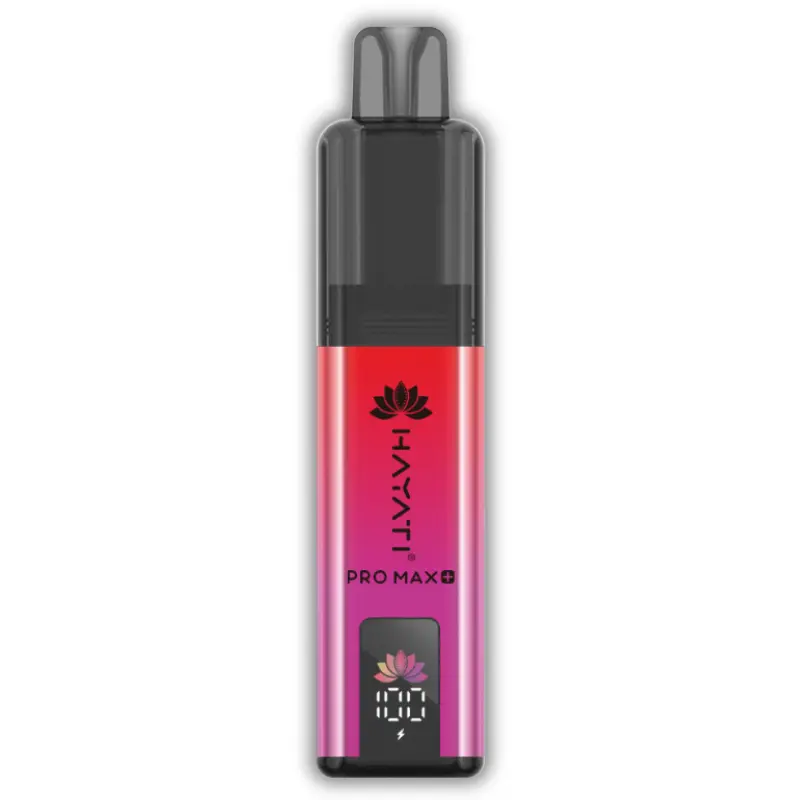
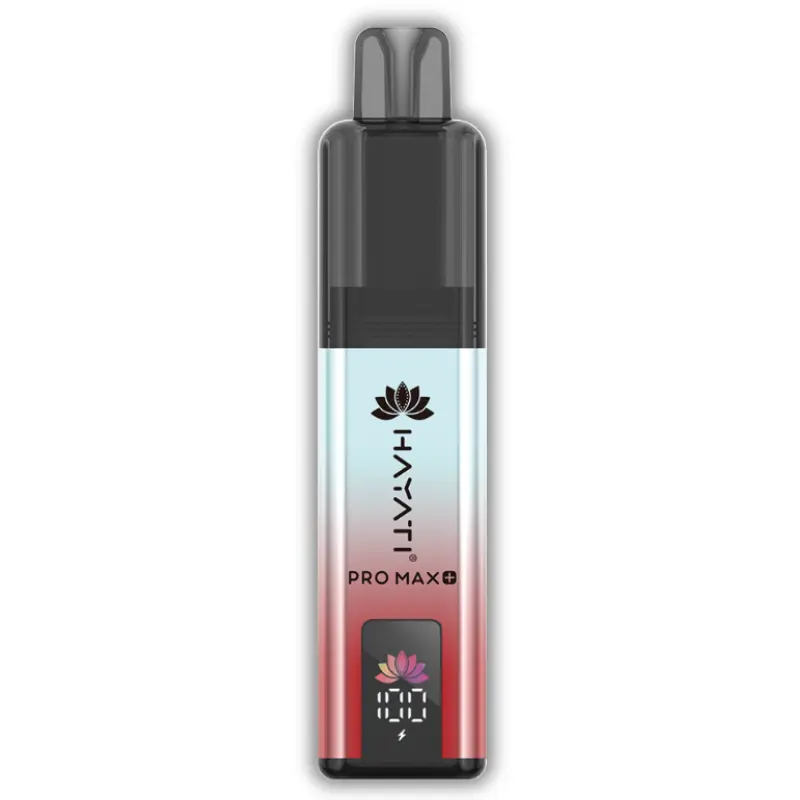
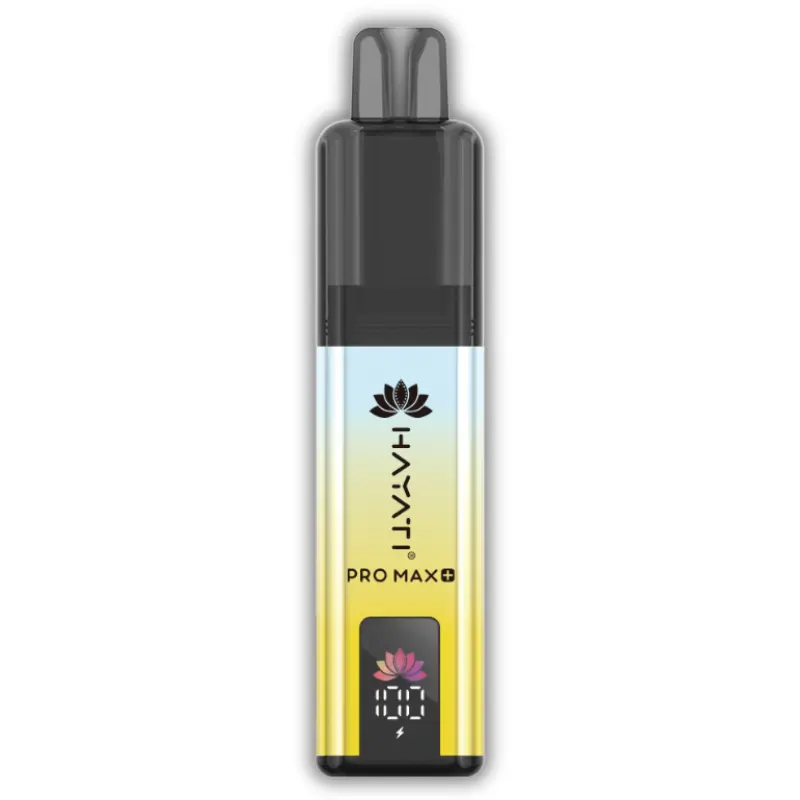
The coolant is a separate ingredient from the fruit
An iced liquid gets built in two moves. A flavour concentrate goes in first, and that is where the watermelon or the cola or the lychee comes from. Then a cooling compound goes in separately, dosed somewhere between a fraction of a percent and a few percent of the finished liquid. The two decisions are independent. Split one concentrate between two bottles, change nothing but the coolant, and you can end up with products that belong on different shelves. Two families of cooling compound do essentially all that work here, and they behave nothing alike.
Menthol
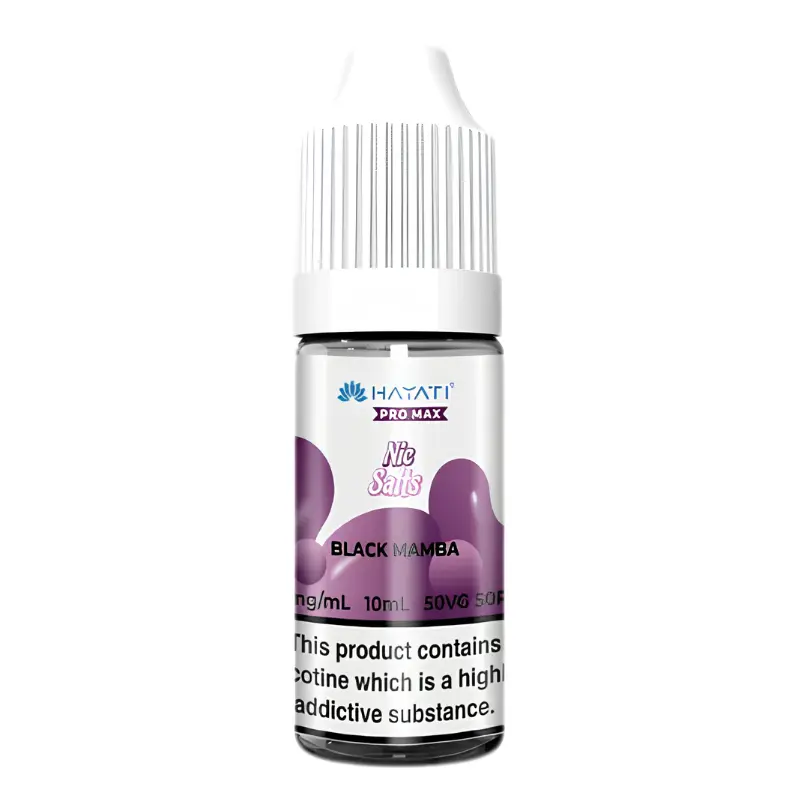
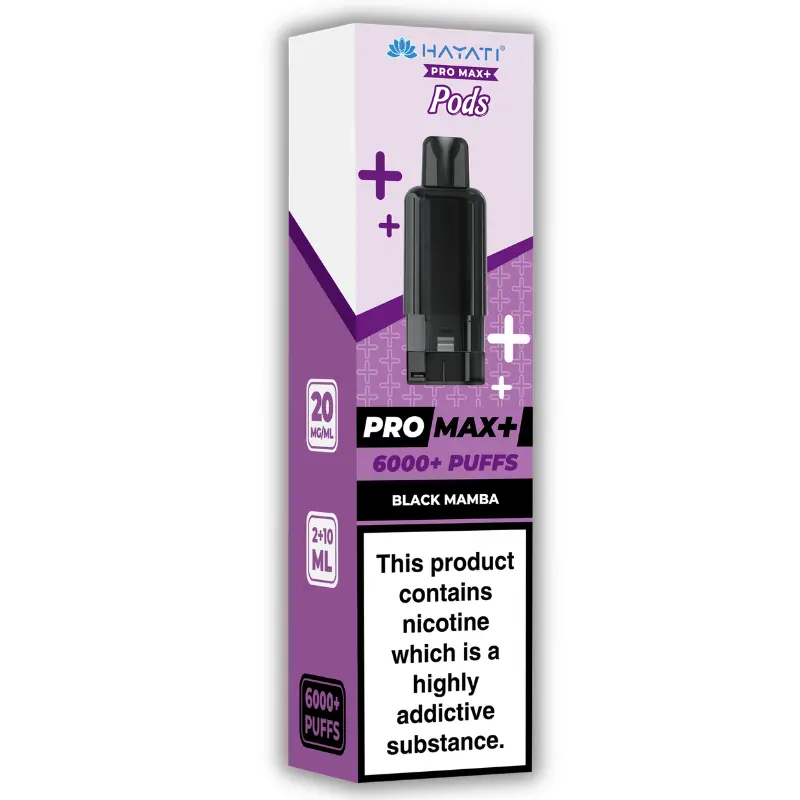
Menthol is a crystalline alcohol, either extracted from mint oils or synthesised to the identical molecule. It cools and it also tastes, and that second property is the entire difference. It brings a herbal, camphor-leaning, faintly bitter character along with the cold, which is the smell that comes off the raw crystals. Dropped onto a fruit recipe it does not sit politely underneath the fruit. It argues with it. That is why so little on this shelf is menthol-finished, and why the one obvious example, Black Mamba Hayati Pro Max Nic Salts at £2.49, is built on a dark, heavy base designed to absorb a herbal edge rather than be run over by one.
The synthetic coolers
Almost everything else here will be using a member of the WS series, the trade shorthand for a group of menthol derivatives engineered to deliver cold while carrying as close to no smell and no taste as the chemistry allows. WS-23 is the workhorse of the whole vape trade: broad, diffuse, mint-free, effective at low percentages, content to sit beneath a fruit without colouring it. WS-3 is quieter and sits higher, more in the nose and across the roof of the mouth than in the throat. WS-5, which some suppliers still label koolada, is the heavy one, slow to arrive and extremely slow to leave.
No manufacturer prints which coolant went in, and we are not going to pretend we have seen the recipe sheets. Everything below is read off behaviour, which is the only instrument any buyer has.
Five ways to tell which coolant you are tasting
- Push the exhale out through your nose. Menthol leaves a herbal trace up in the nasal passage, unmistakable once you have noticed it. A WS compound leaves cold with nothing attached to it at all. That one test splits the two families more reliably than any other.
- Locate where the cold lands. Menthol heads for the sinuses and the back of the nose. WS-23 settles in the throat and the top of the chest. WS-3 spreads flat across the tongue and soft palate. Cold in your nose means menthol; cold in your throat means a WS compound.
- Time it. Menthol shows up on the inhale and is mostly gone a second or two after the exhale. WS-23 arrives a beat late, peaks once the vapour has already cleared, and then loiters. A WS-5 load can still be measurable half a minute later.
- Take four pulls in a row. Synthetic coolers stack. The fourth pull comes in noticeably colder than the first because the compound accumulates faster than it clears. Menthol resets between pulls, so the fourth feels much like the first. Anything that gets progressively colder across a sitting is WS-based.
- Drink cold water straight after. Following menthol the water tastes faintly of mint. Following a WS coolant the water feels colder than it is without tasting of anything new. This is the tidiest confirmation of the nose test.
None of this is trivia for its own sake. The complaint people usually file as "it tastes like menthol" almost never means menthol. It means a WS load pushed high enough that the fruit underneath has stopped registering, and that is a different problem with a different fix.
What the word on the label is actually worth
Naming across this catalogue is loose, and it pays to read it as a hint rather than a specification.
- Ice appended to a fruit name is the default convention: a WS-type cooler dosed to sit behind the fruit. It says nothing at all about load. Red Apple Ice and Ice Pop share the word and sit two full bands apart in practice.
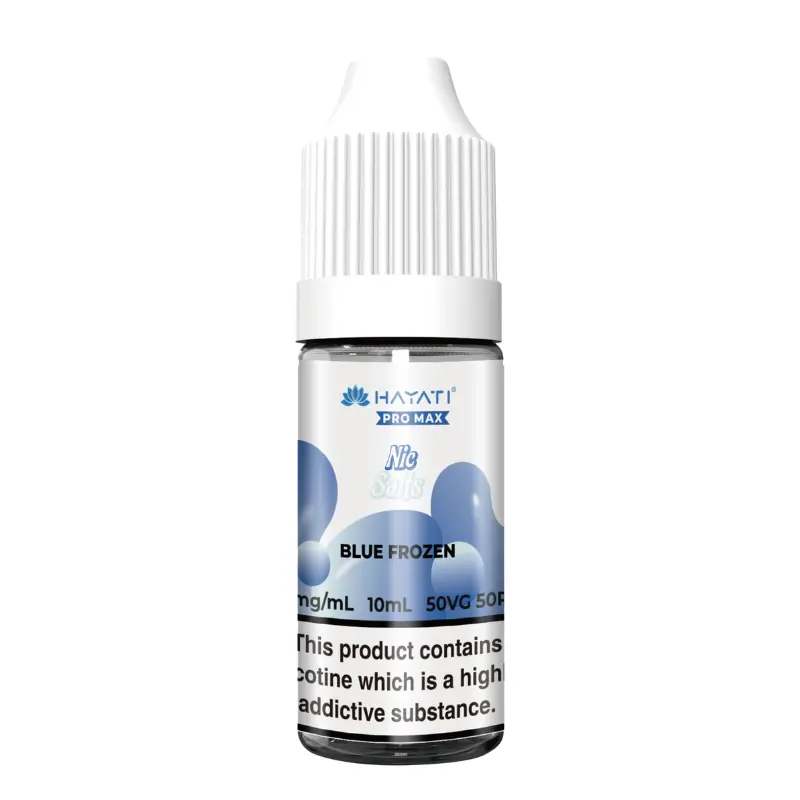
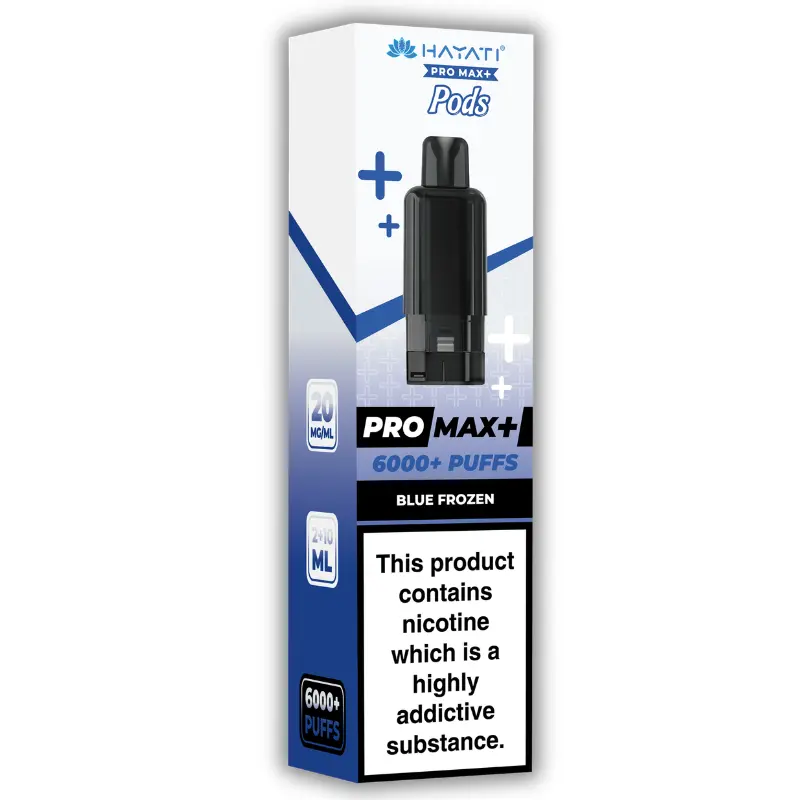
- Frozen is on three titles in the catalogue, one liquid across three formats, and all three are filed here. Blue Frozen as a £2.49 bottle does run harder than the Ice-suffixed berries beside it on the same range.
- Cooler, as in Kiwi Cooler, tends to signal a coolant leaning towards the menthol end rather than a pure WS build. It reads dry as well as cold.
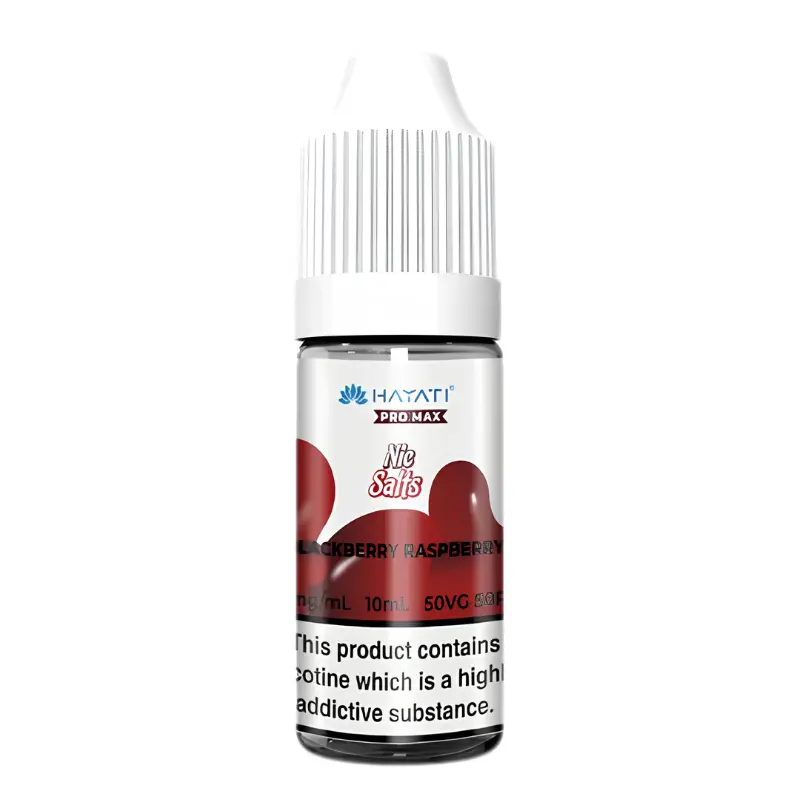
- No cooling word at all. Four tiles here name nothing cold in the title, under two flavour names. Blackberry Raspberry carries a coolant without advertising it, and Black Mamba, which is here on three formats, keeps its menthol in the liquid rather than in the name. The label gives no clue in either case.
Two figures get run together here and they measure different things. Ninety-eight tiles sit on this shelf. Ninety-five titles across the 492-listing catalogue carry an ice-family word, and the two sets do not coincide. One of those 95 titles is not on this shelf: the Mini Ultra build of Blue Razz Pineapple / Strawberry Ice, which is filed under its fruits instead. Browsing this shelf alone will not put that one in front of you. Four tiles here, the two flavours named just above, print no cooling word at all. Where the shelf and the label disagree, the shelf is the more reliable of the two.
Cold behaves differently on sharp fruit, soft fruit and confectionery
Hold the coolant constant and change what it lands on, and the result changes completely. Fruit structure is the second half of the equation, and it splits into three groups that respond in three different ways.
Sharp fruit: cold and acid stack on top of each other
Pineapple, cherry, red apple, cranberry, kiwi, blue raspberry. These carry their own acid, and acid already produces a quick, bright, front-of-mouth sensation that overlaps heavily with what cold does. Stack the two and the profile gets faster and thinner rather than simply colder. The characteristic shape is an aggressive attack, a hollow middle, then a long cold finish with very little fruit left in it.
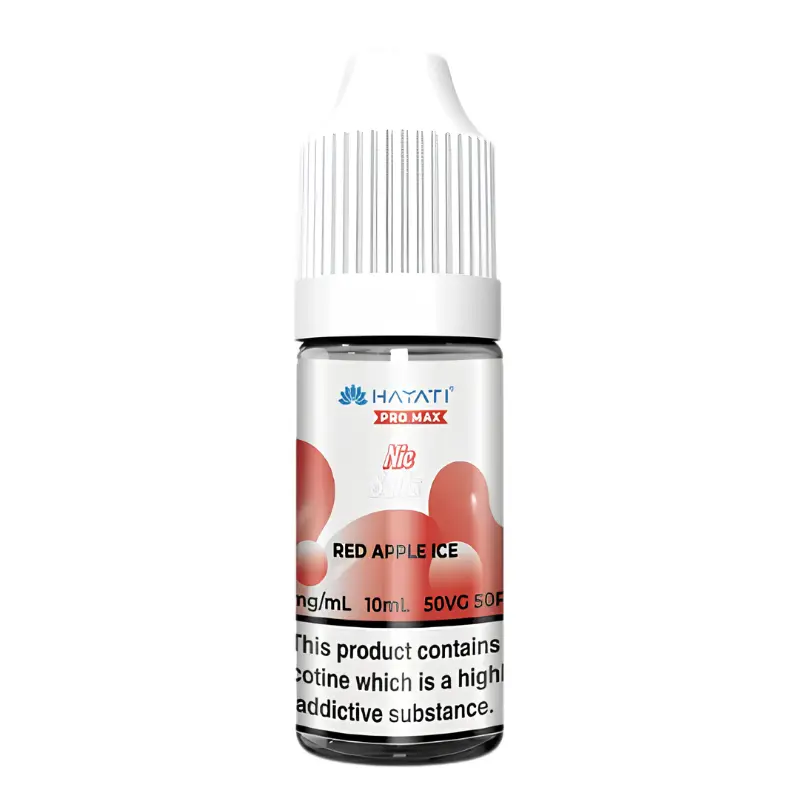
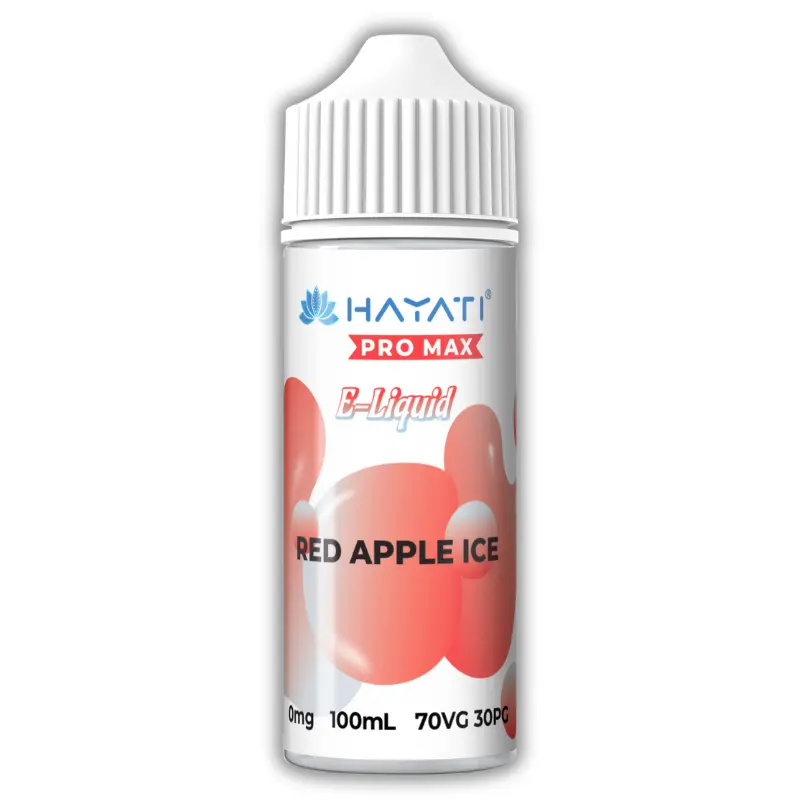
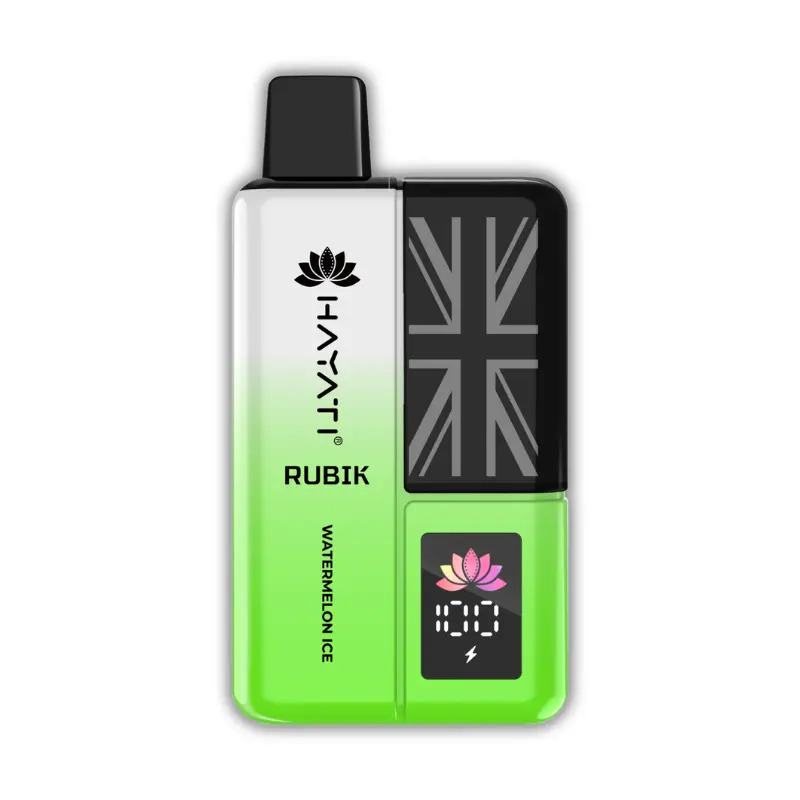
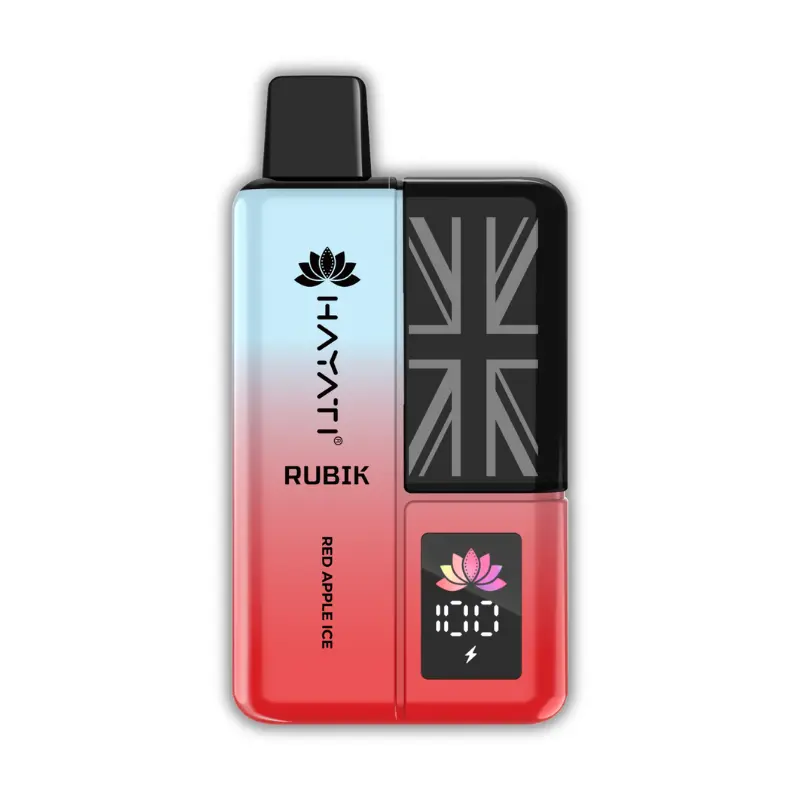
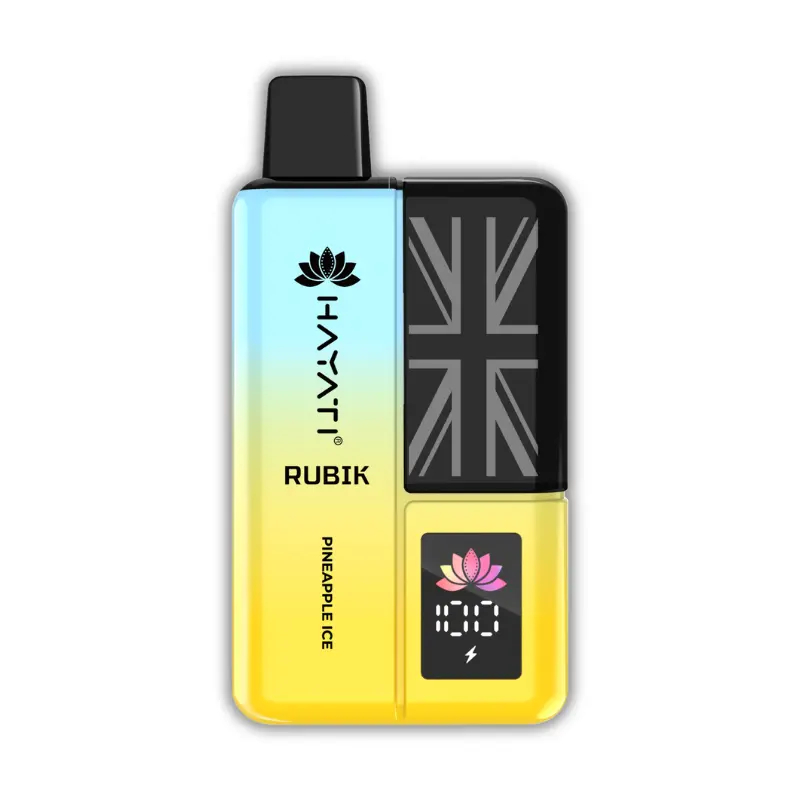
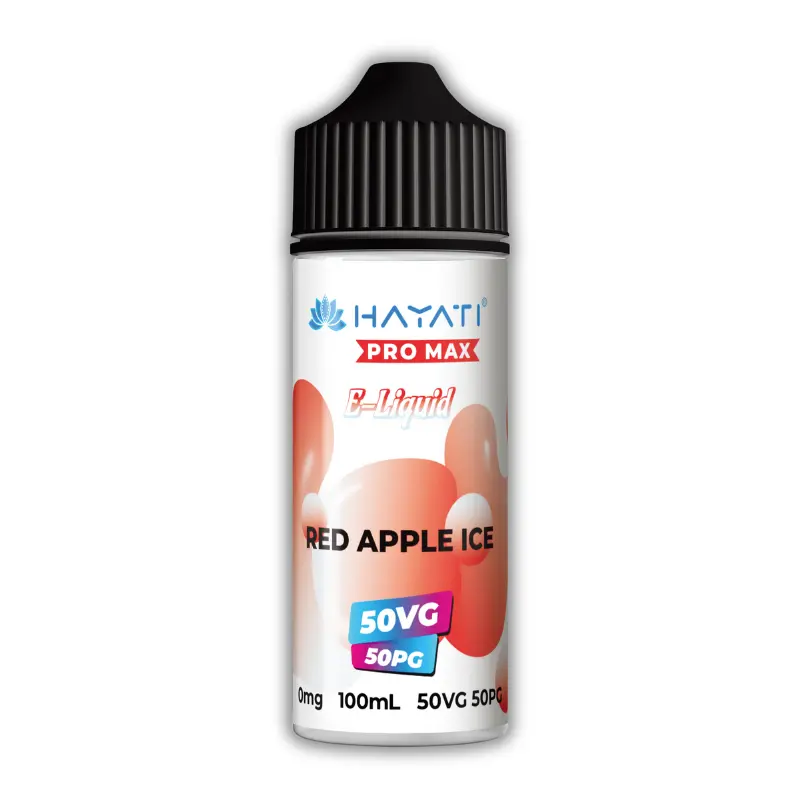
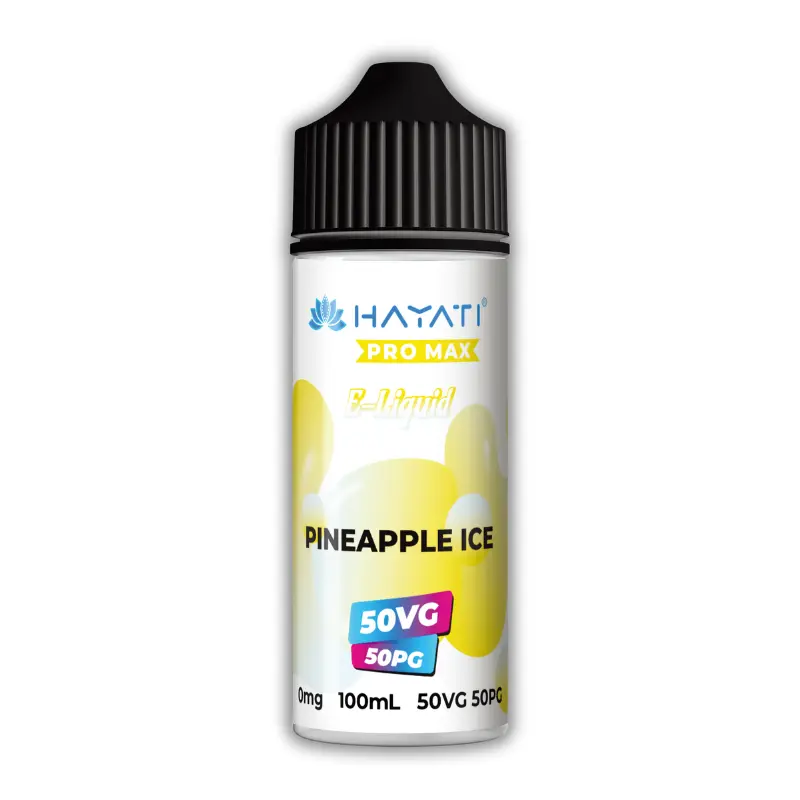
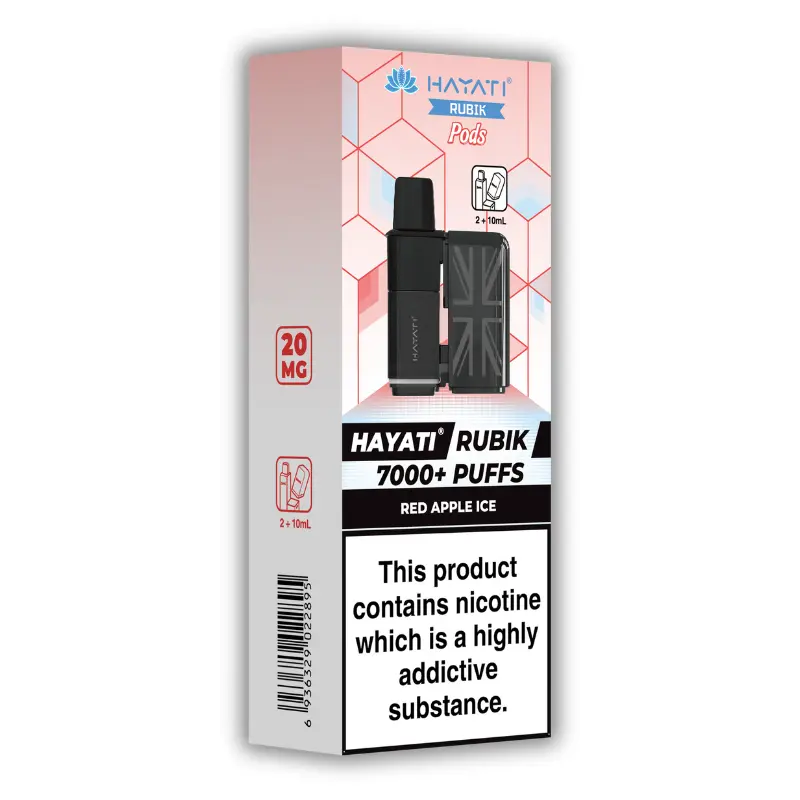
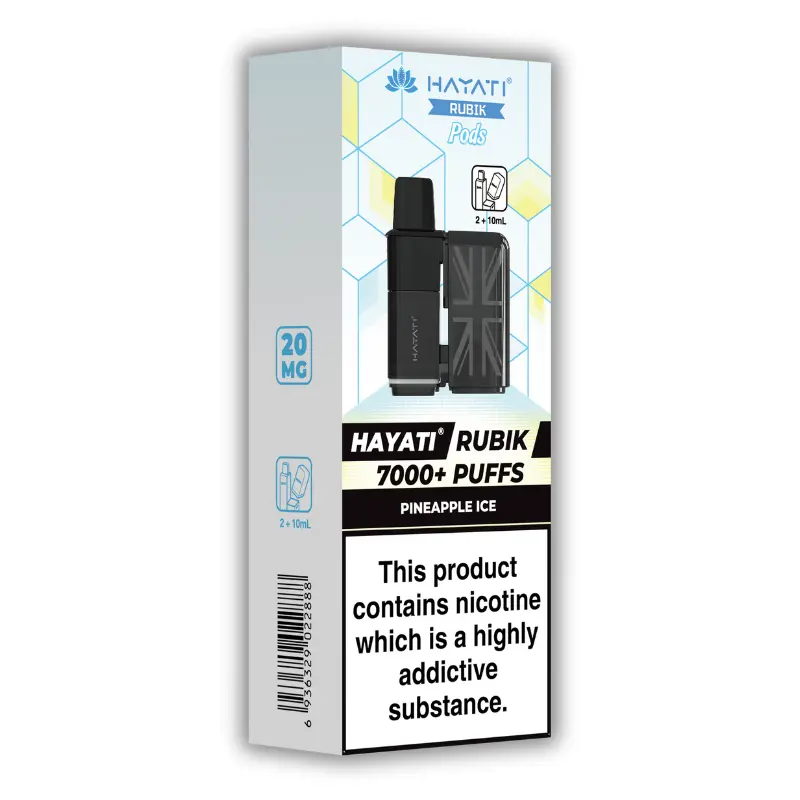
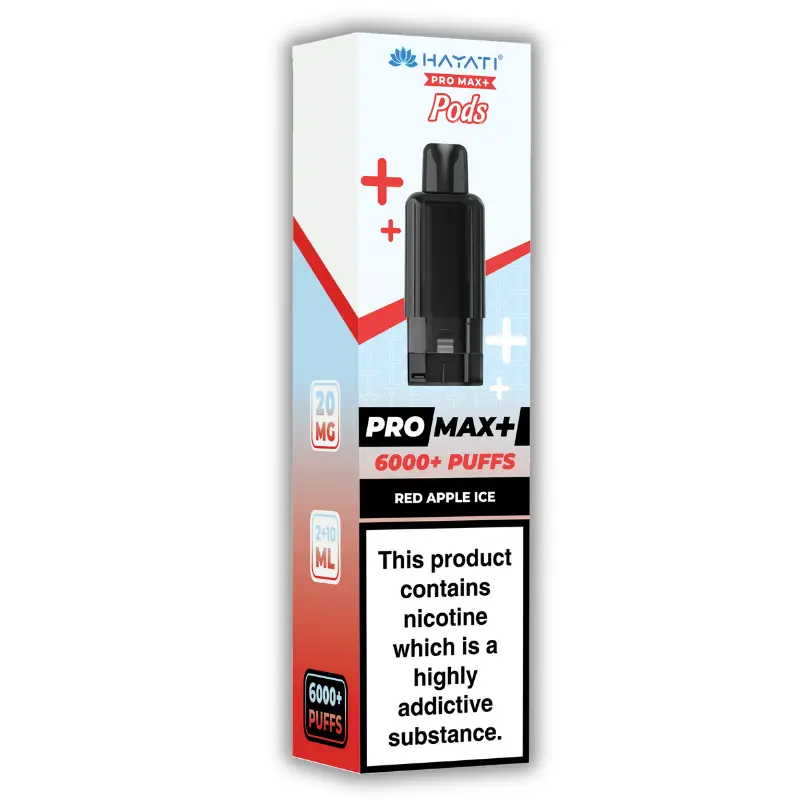
The practical consequence is that acidic fruit takes less coolant well. Push the load and the fruit stops being identifiable; what remains is an impression of cold and sourness with no name attached. Pineapple Ice on the Rubik kit at £5.99 sits close to that line and gets away with it because pineapple has enough sugar behind its acid to hold a shape. Cherry Ice holds up for the same reason: cherry is dark and rounded rather than purely acidic, so there is something for the cold to sit against. Red apple is the most forgiving of the sharp set, since it carries as much sugar as acid, which is why Red Apple Ice reads gentler than its ingredients suggest, on the Rubik kit or anywhere else.
Soft fruit: cold has to supply the structure
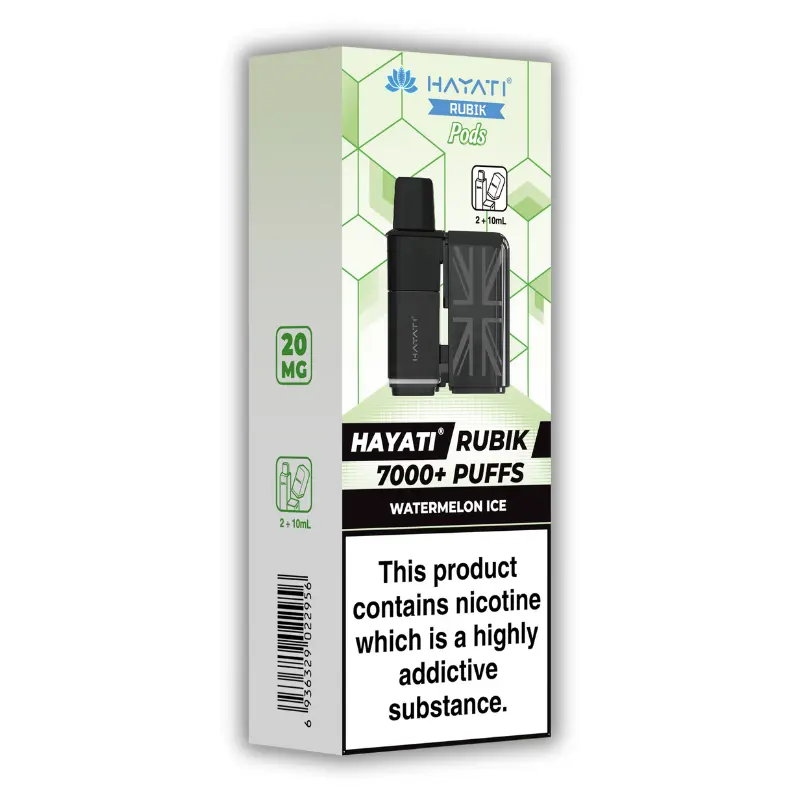
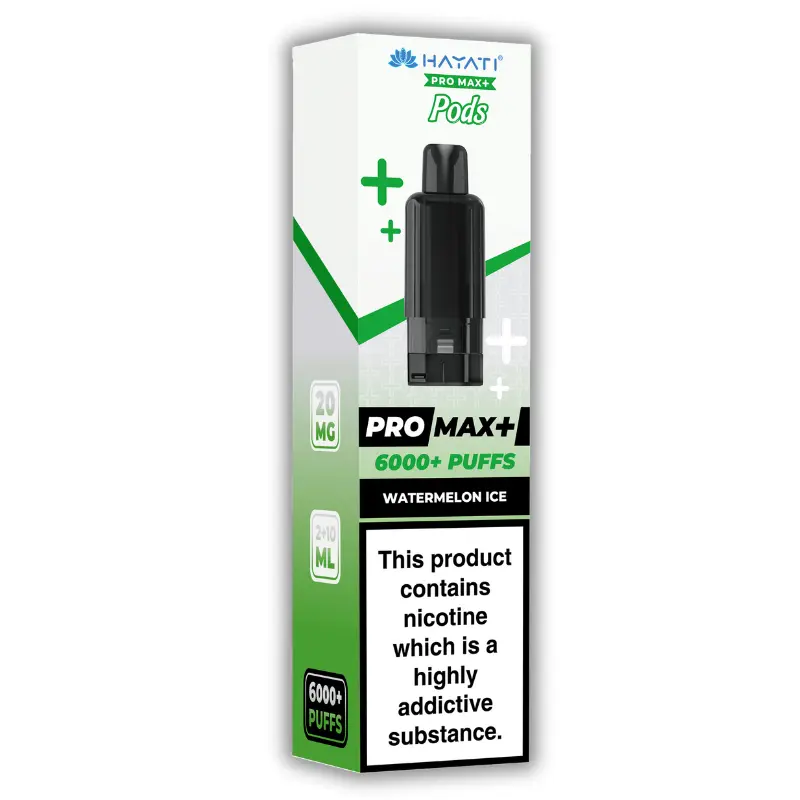
Watermelon, strawberry, banana, lychee, blackberry. Low acid, high water or high pulp, sweet and round and generally short on edges. Left uncooled these profiles tend to go slack after the first second, all body and no finish. Cold gives them something to end on, and that is why melon and cooling is the most dependable pairing in the entire category rather than just a popular one. Watermelon Ice on the Rubik kit is the clearest demonstration here: the fruit contributes water and sugar, the coolant contributes the whole back half.
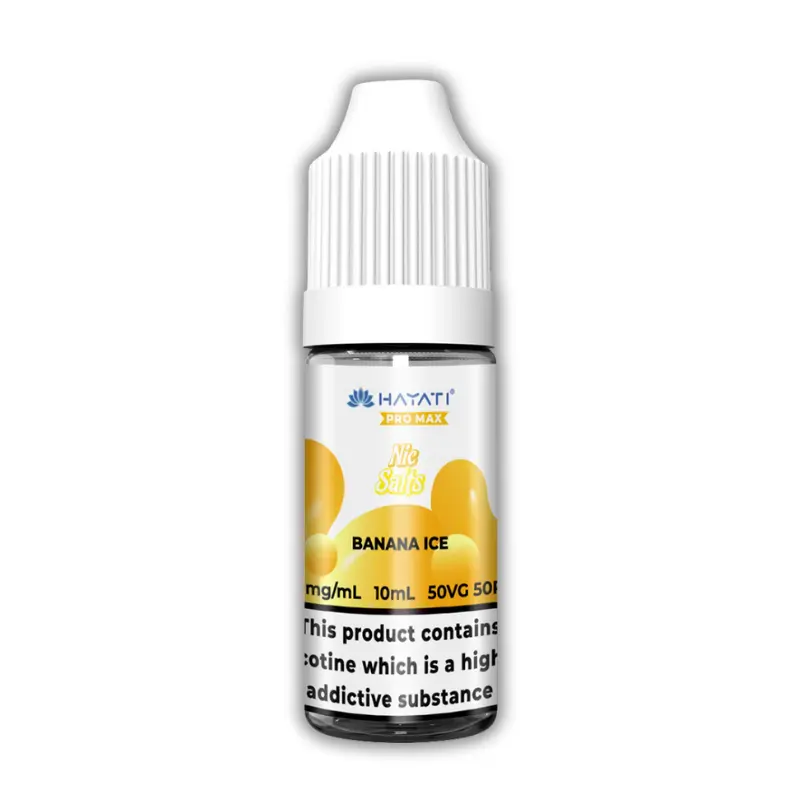
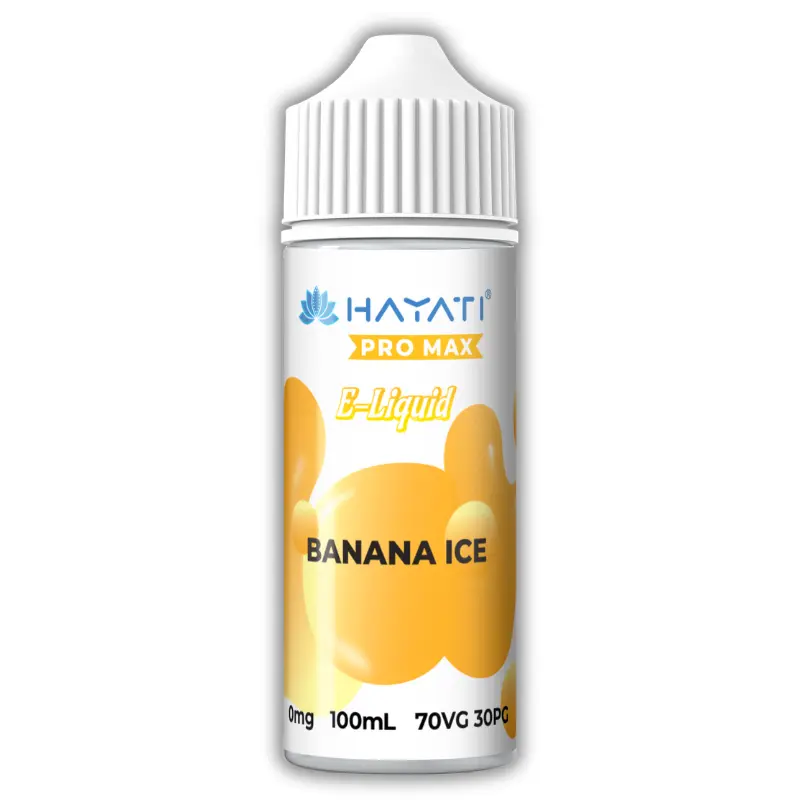
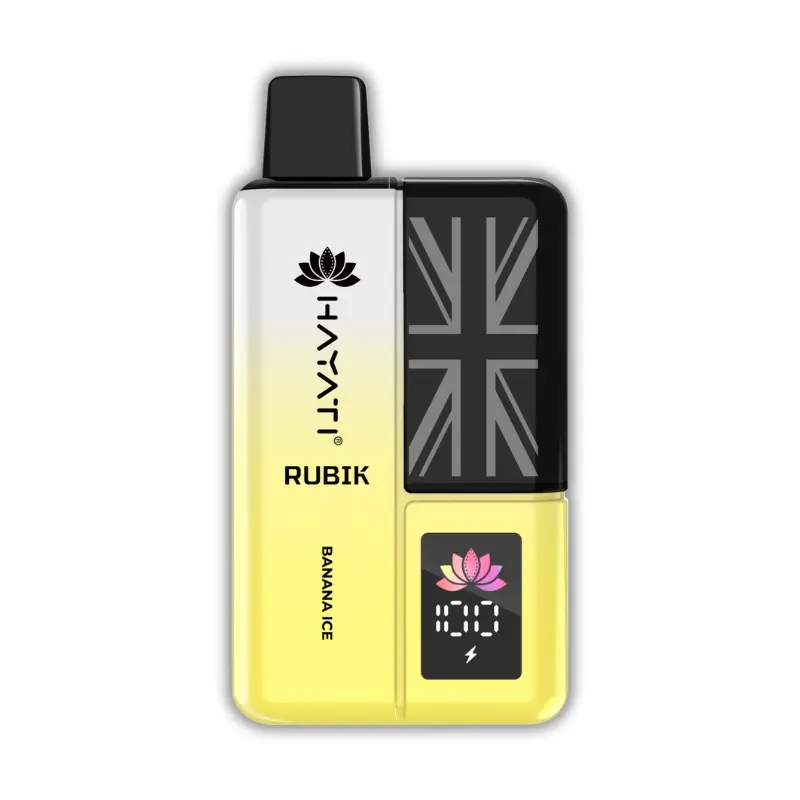
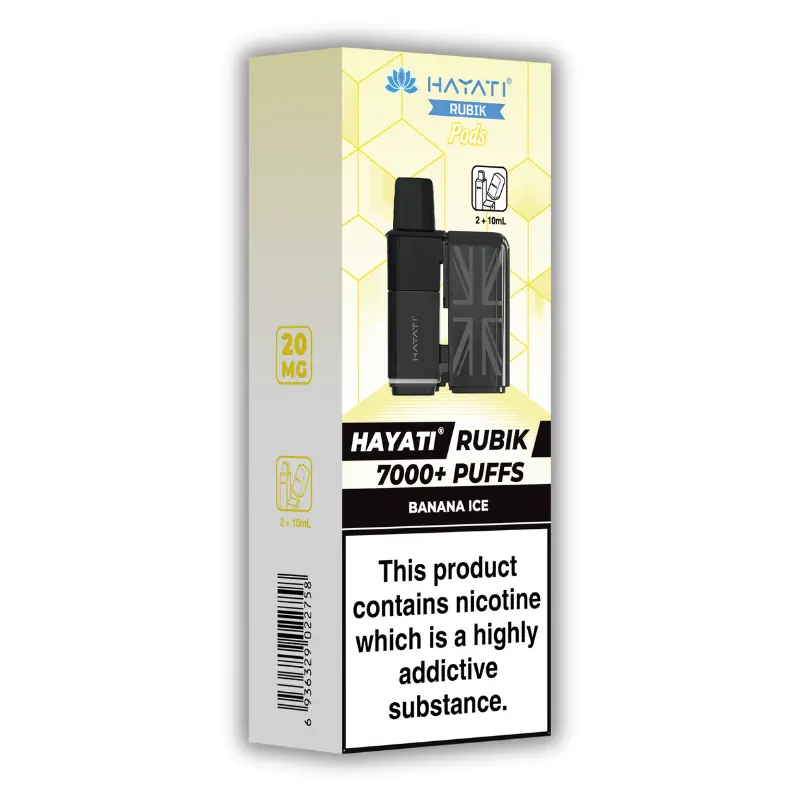
Banana is the awkward member of the group because it is soft and creamy at once. The compounds that make banana read as banana are volatile and fragile, and a coolant sitting on top of them tends to flatten them into a generalised sweetness. That is the mechanism behind Banana Ice on the Pro Max Plus dividing opinion more sharply than anything else here. The people who like it are enjoying the contrast between a warm-reading flavour and a cold finish. The people who dislike it are tasting a banana with its detail removed.
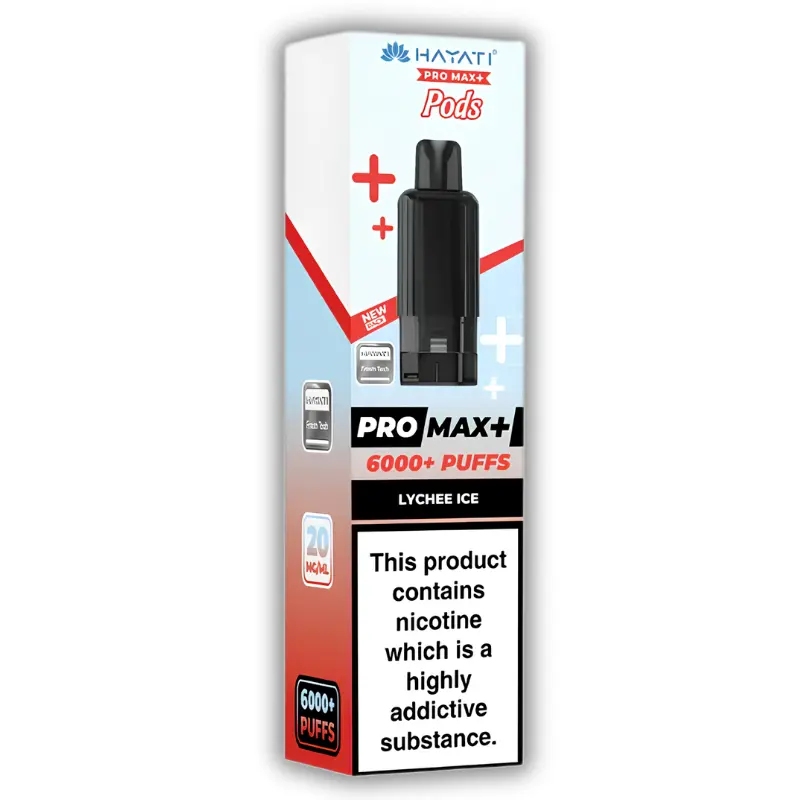
Lychee has the same problem for a different reason. It is floral and low in intensity, and floral notes compete with cold rather than layering under it. Lychee Ice at £5.49 a pod is the most unusual thing on this shelf and also the one most likely to be judged unfairly on a cold morning, when the coolant reads a band up and the lychee vanishes.
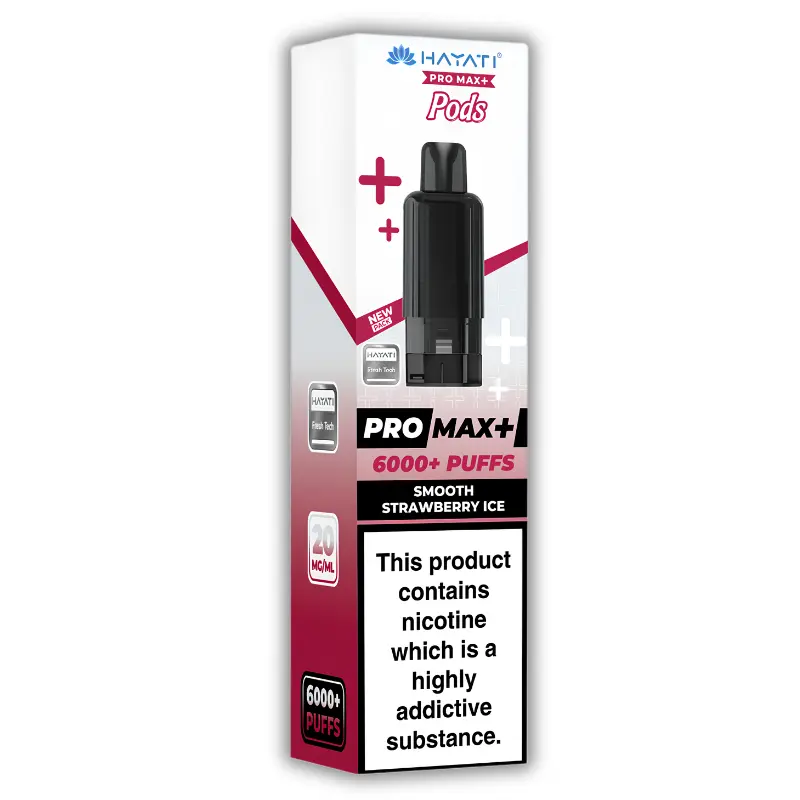
Strawberry sits in the middle of the soft group and takes cooling more gracefully than either. Smooth Strawberry Ice is the softest reading of it, and the word Smooth is doing real work rather than decorating the label.
Confectionery and soft drink: two separate beats
Cola, bubblegum, the syrup-and-crushed-ice profile, the dark fizzy-drink builds. These are constructed on sweetener plus base notes with actual weight to them, caramel and vanilla and spice oils and citrus peel. Coolant interacts with that differently again.
What happens is a split into two beats. Cold suppresses the perception of sweetness on the attack, but sucralose does not evaporate away the way a fruit ester does; it coats, and it stays. So a cooled confectionery profile arrives cold and almost dry at the front, then leaves a sugary residue behind on the exhale and after it. Some people read that contrast as the point of the thing. Others find it disjointed, two flavours taking turns rather than one flavour with a shape. Bubblegum Ice is the tidiest example of that split.
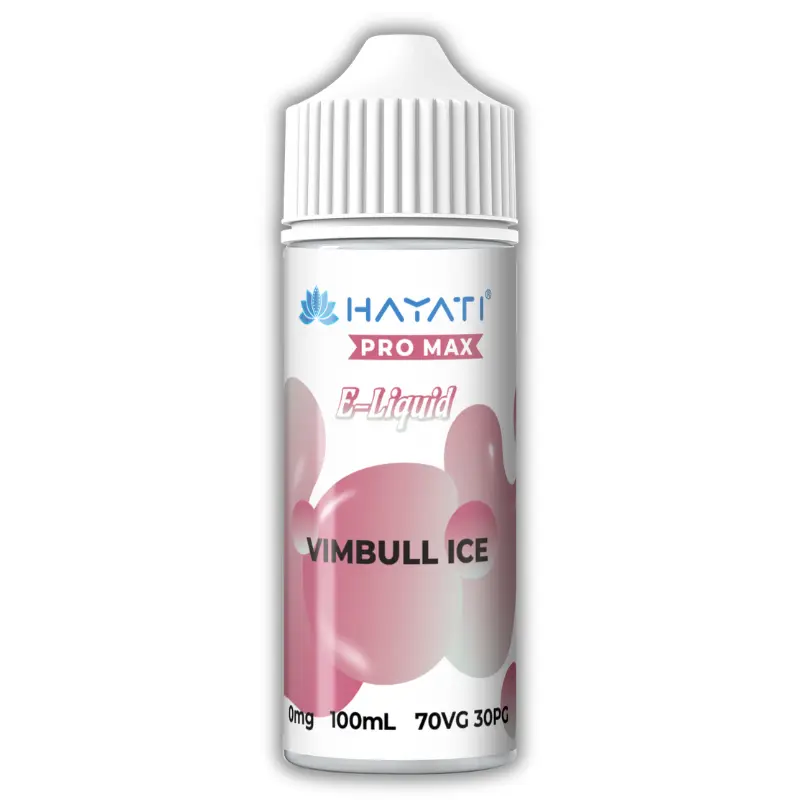
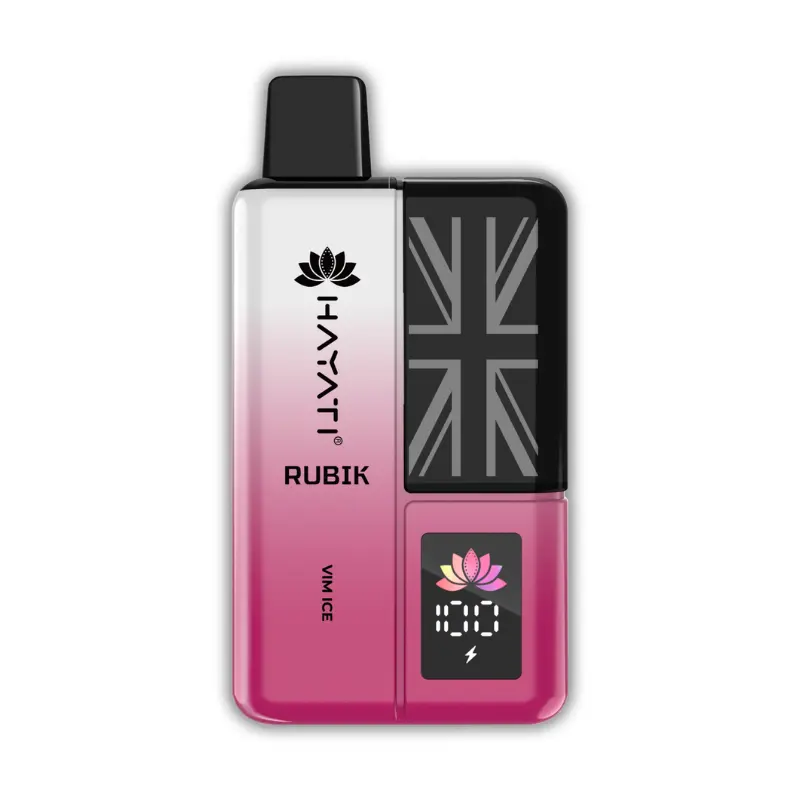
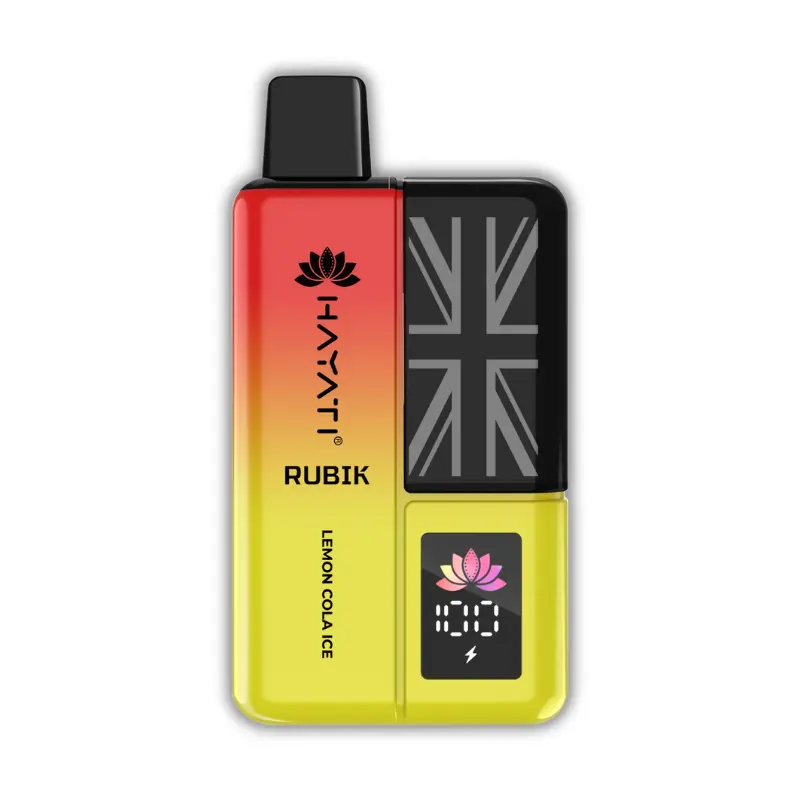
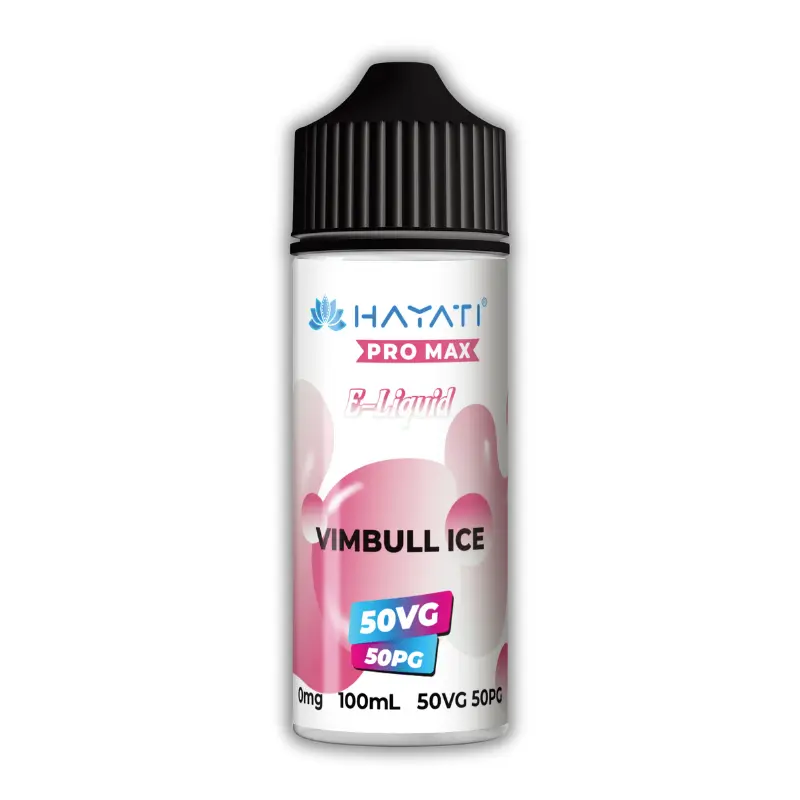
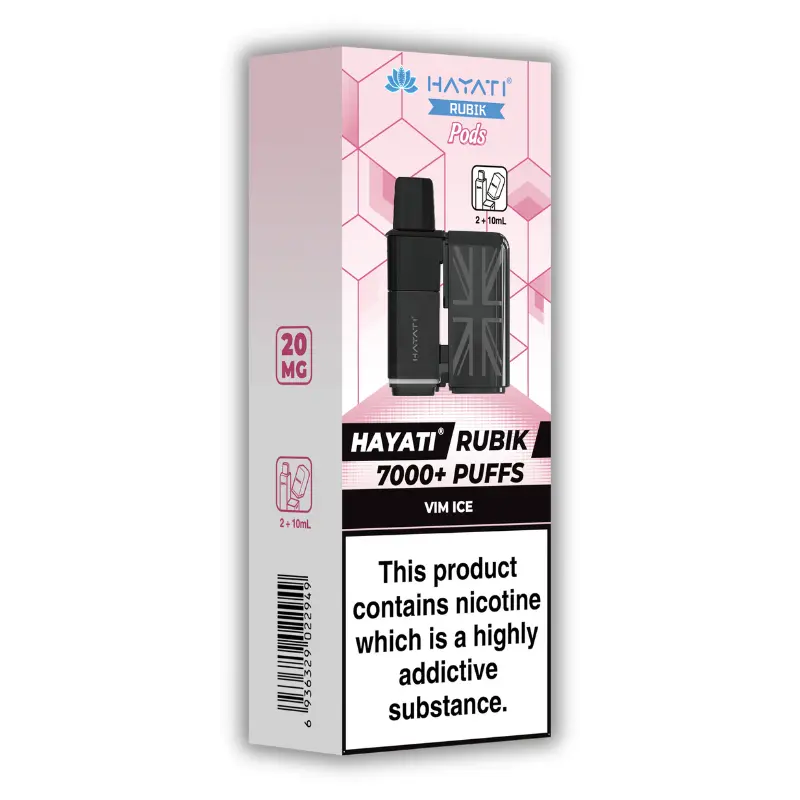
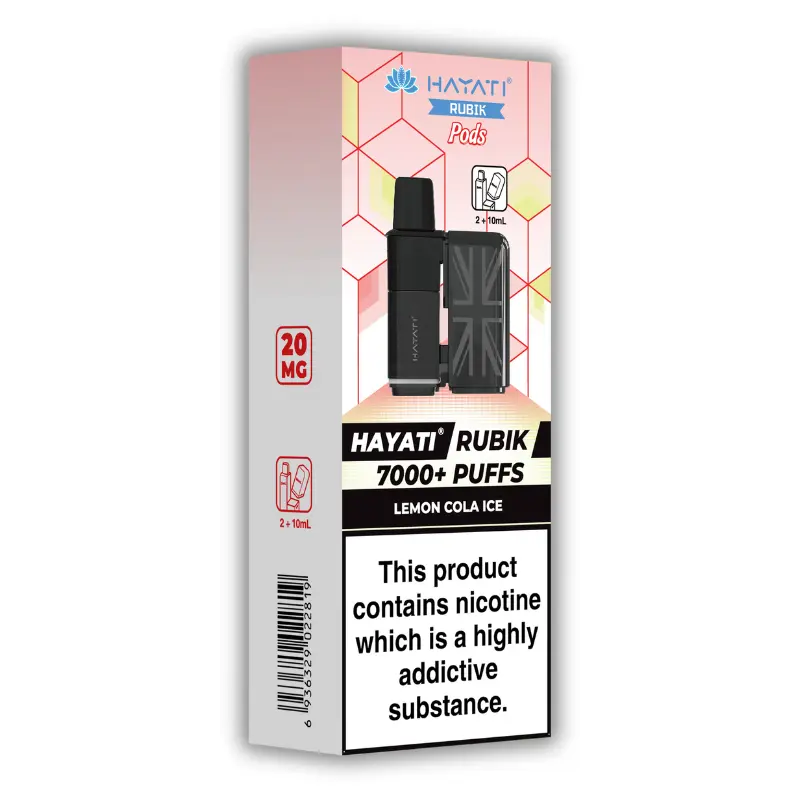
Cola is a more crowded case. The spice and peel oils in a cola recipe occupy a register uncomfortably close to the herbal side of a coolant, so a cooled cola has more going on in the same space than a cooled melon ever does. Cola Ice on the Pro Max Plus manages it by keeping the coolant moderate. Lemon Cola Ice adds a third element on top and is correspondingly busier, which some will want and some will not. The dark fizzy-drink profiles, Vim Ice on the devices and the bottled Vimbull Ice, are the easiest of the group, because their base is berry-adjacent and takes a coolant the way fruit does.
Matching the dose to the structure
- Heavy coolant suits soft, sweet, single-idea profiles with nothing delicate to lose. Melon and plain confectionery survive it.
- Moderate coolant suits soft-drink builds and dark berries, where there is body enough to keep its shape underneath.
- Light coolant suits anything acidic, anything floral, and anything built from more than two components. Cold compresses distance between layers, so the more layers a recipe has the less of it you want.
How cold it feels is partly your hardware's decision
The variable people rarely account for is that perceived cold is not a fixed property of the liquid. The same recipe can read two bands apart depending on what you put it in and what the weather is doing. Six things move it, and most of them are free to adjust.
Vapour temperature pulls against the coolant
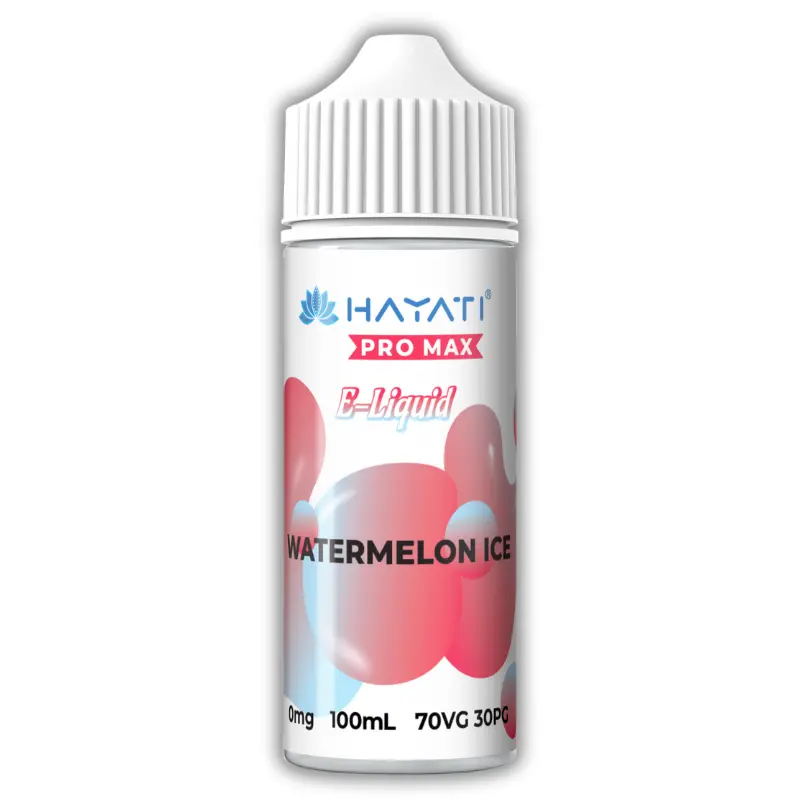
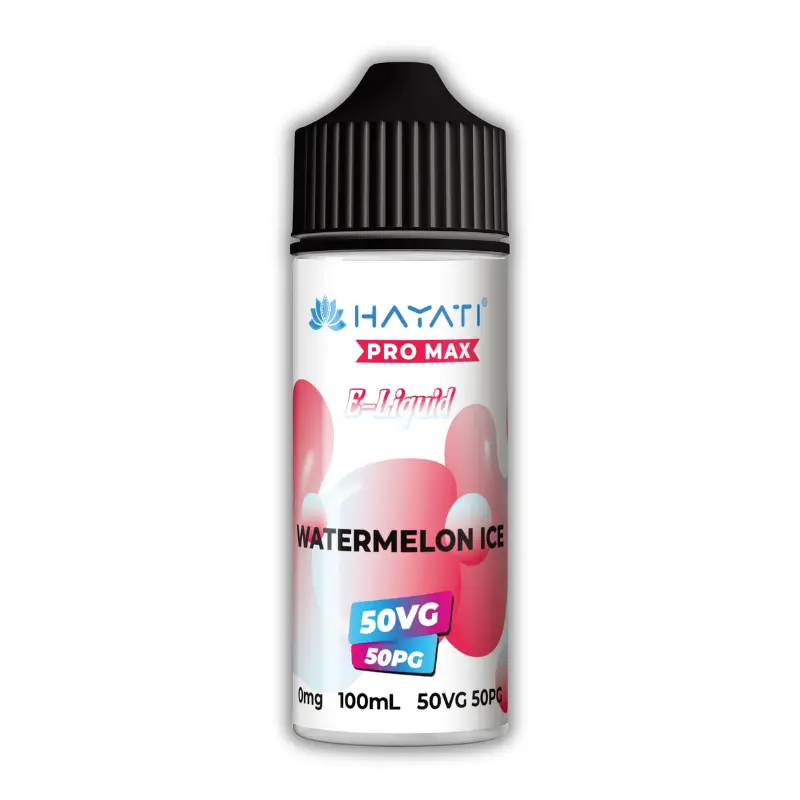
Cold is perceived as a contrast. A hotter puff vaporises more liquid and therefore carries more coolant, but it also arrives warmer, and in practice the second effect usually wins. A warm-running setup makes an iced liquid read softer than a cool-running one, even though more coolant is physically getting through. This is the single most counter-intuitive thing on the page and it explains a lot of arguments. A big sub-ohm coil on Watermelon Ice in the 70/30 bottle produces a dense warm cloud in which the cold is a broad background wash. The same recipe sipped through a tight prefilled pod concentrates far less coolant onto a much smaller area at a lower temperature, and reads sharper.
Airflow decides the concentration
A restricted draw delivers vapour as a narrow column onto a small patch of the throat. Open the airflow and the same vapour arrives diluted with room air, spread over a wider area, at a lower local concentration. Nothing about the liquid has changed and the sensation has halved. Every prefilled range here is restricted mouth-to-lung, but they are not restricted to the same degree, which is why the identical flavour name can read differently between a Mini Ultra pod and a 25K pod.
Draw length, because coolant accumulates
Four seconds is not twice as cold as two. It is more, because the compound builds faster than the mouth clears it and the curve steepens. Most people who describe a liquid as unbearably icy turn out to be long, slow drawers. Cutting the pull to two seconds with a gap between will move a band-four flavour down to roughly a band three without changing anything you bought.
Ambient air and device temperature
Cold weather moves everything on this shelf up a band, and three separate mechanisms contribute. The liquid itself is more viscous when cold, so it wicks more slowly and the coil runs hotter relative to the supply reaching it. The vapour then meets air that is already cold, so it loses temperature on the way in. And your own baseline has shifted, so the contrast reads larger. A pod that behaved in August is not faulty in January. Give a device brought in from outside twenty minutes in a warm room before you form a view on it.
The PG share of the liquid
Propylene glycol is thin and carries a coolant directly to the throat. Vegetable glycerine builds a fuller, warmer, more cushioned vapour that wraps around the same compound and blunts it. That is the mechanical reason a nominally identical recipe reads at different temperatures across the two bottled lines, and why the 50/50 shortfill of a flavour comes across as more pointed than the 70/30 version despite carrying the same flavour name.
Battery state
On a direct-drive prefilled pod nothing holds output steady. As the cell drains the puff gets thinner and cooler and carries less coolant, so the whole liquid reads weaker rather than colder late in a charge cycle. A pod that lost its edge over an afternoon and got it back after charging was doing exactly that.
What to change first
If something is too cold, shorten the pull, leave more time between pulls, and stop keeping the device in an outside pocket. If something is not cold enough, lengthen the pull slightly, run the device at room temperature rather than warm, and choose a tighter format. Only when all of that is exhausted is the flavour itself the problem, and at that point the bands below are the map.
The shelf, graded by how cold it runs
A caveat before the list. Coolant loads are not published anywhere, these bands are our reading of how the products behave rather than a specification, and everything in the previous section can move a given liquid a band in either direction. Treat it as a starting map, not a measurement.
Band one: a cooling floor under something sweet
The coolant is present and structural, and it is never the subject. You notice it only by its absence if you switch away. This band is where to go if a previous iced product felt like being handed a block of cold instead of a flavour.
- Smooth Strawberry Ice, whether as the £5.49 pod or the £7.99 6000 kit. The mildest thing on the shelf, and the one we would hand to anyone who has decided they dislike cooled liquids in general.
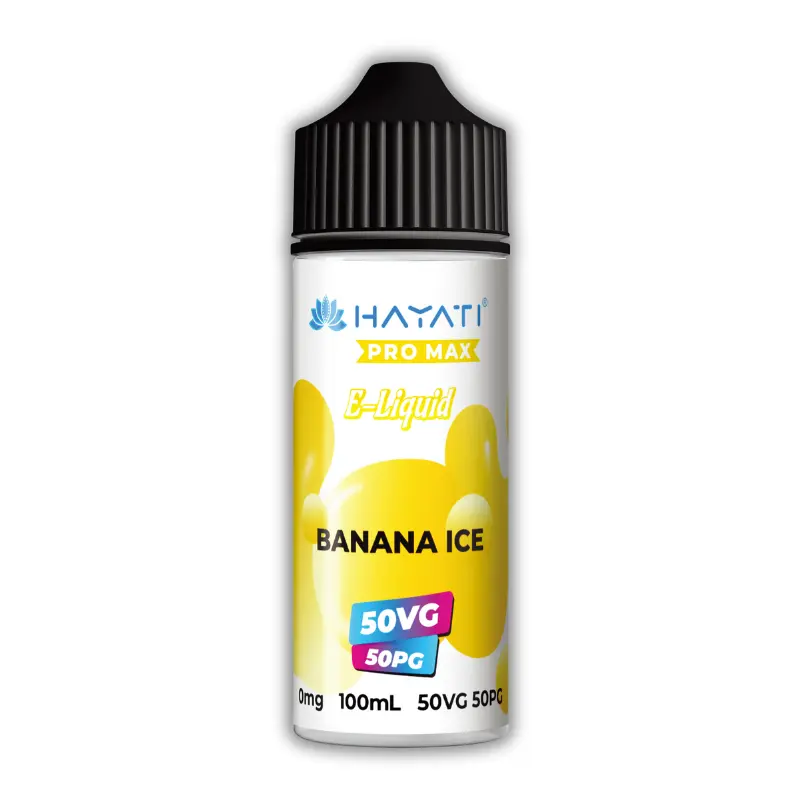
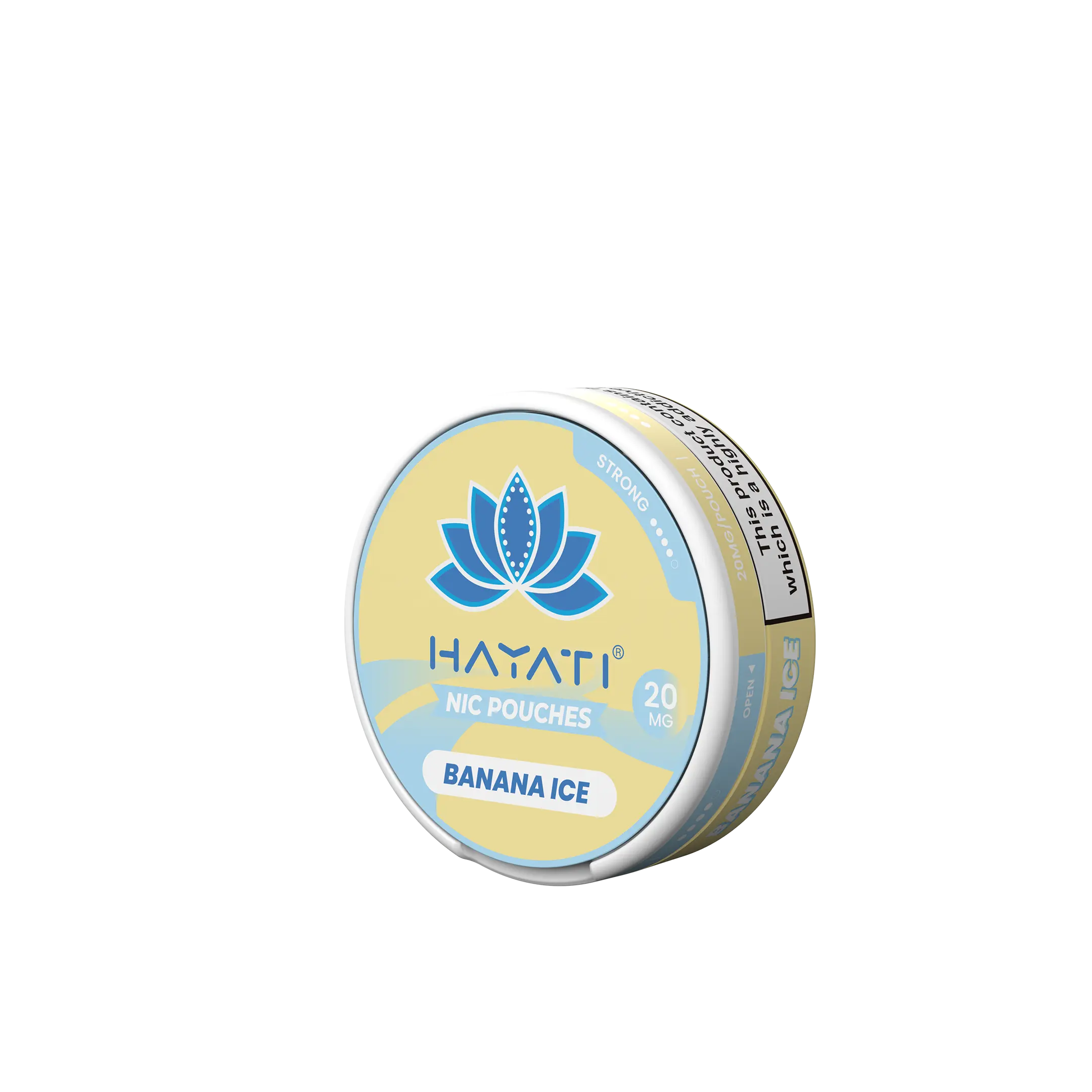
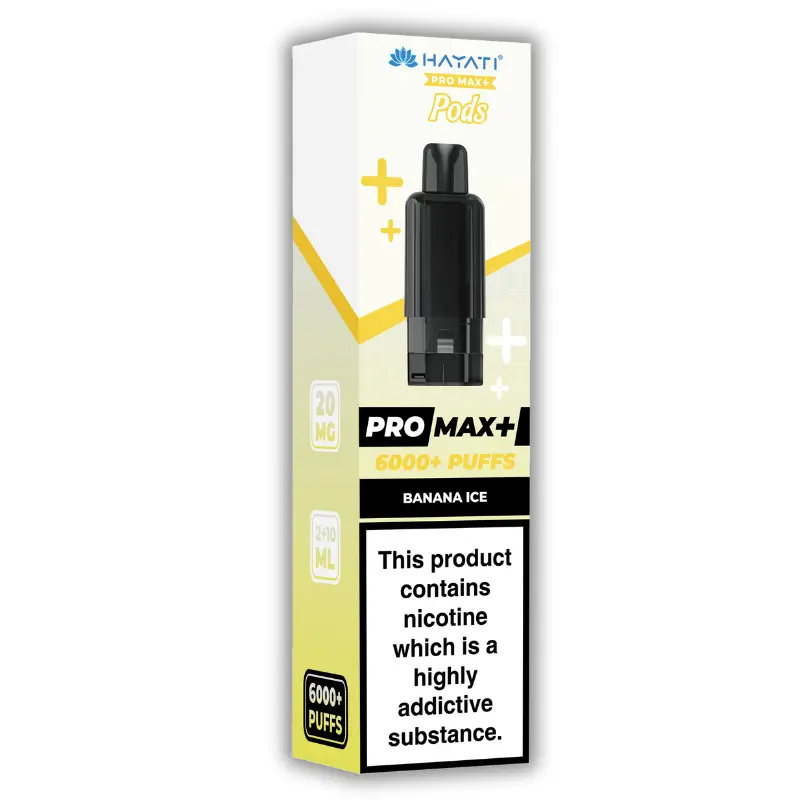
- Banana Ice as a £2.49 bottle, or on a device as a £5.99 Rubik kit. Warm-reading fruit, restrained cold, and divisive for the reasons set out above. The bottle is the sane way to learn which side you land on.
- Lychee Ice as the 6000 kit at £7.99. Floral and delicate, with the coolant kept deliberately low so that something of the fruit survives.
- Red Apple Ice on the Pro Max Plus at £7.99. Sweet red apple rather than green, cooled rather than sharpened any further.
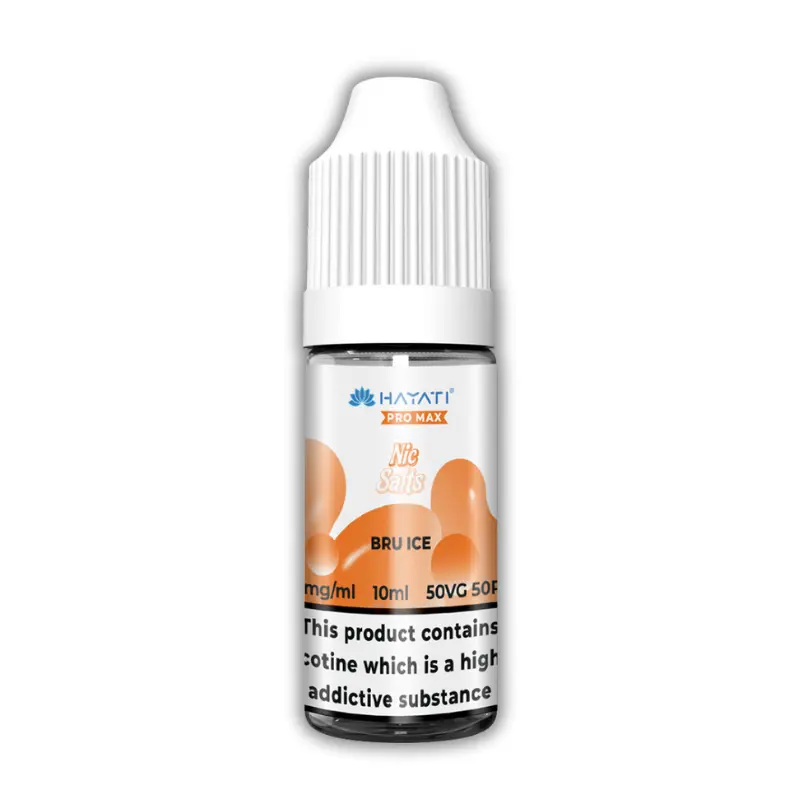
- Bru Ice at £2.49. A heavy, sugary, faintly citrus soft-drink base with the cold used as punctuation. It exists only as a bottle.
Band two: fruit in front, cold a clear step behind
The centre of gravity of the whole shelf, and where most of the 98 tiles sit. Cold is obvious and deliberate, but the fruit is still what you would name if someone asked you what you were tasting.
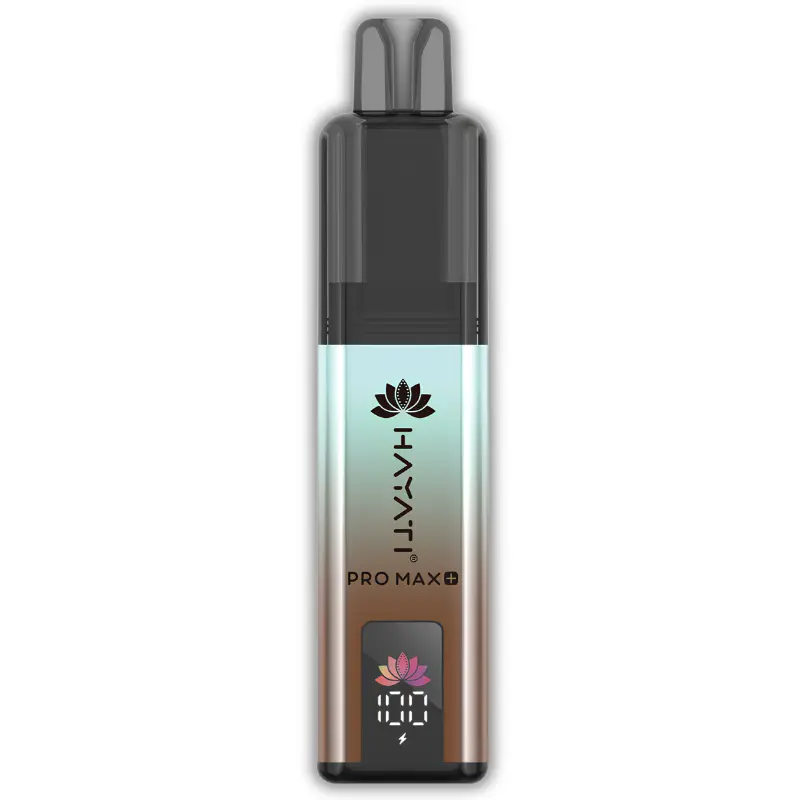
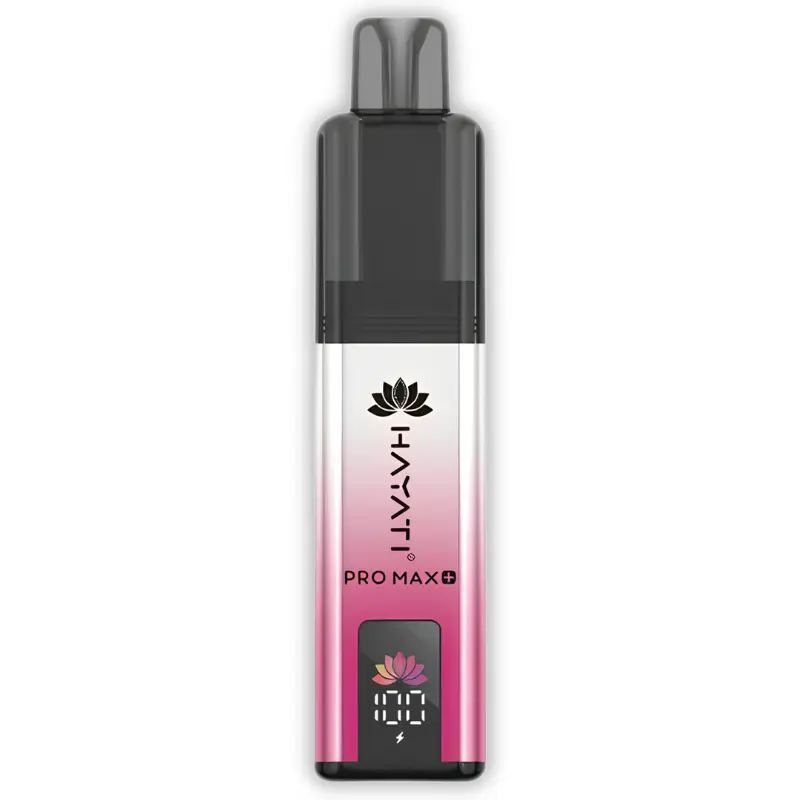
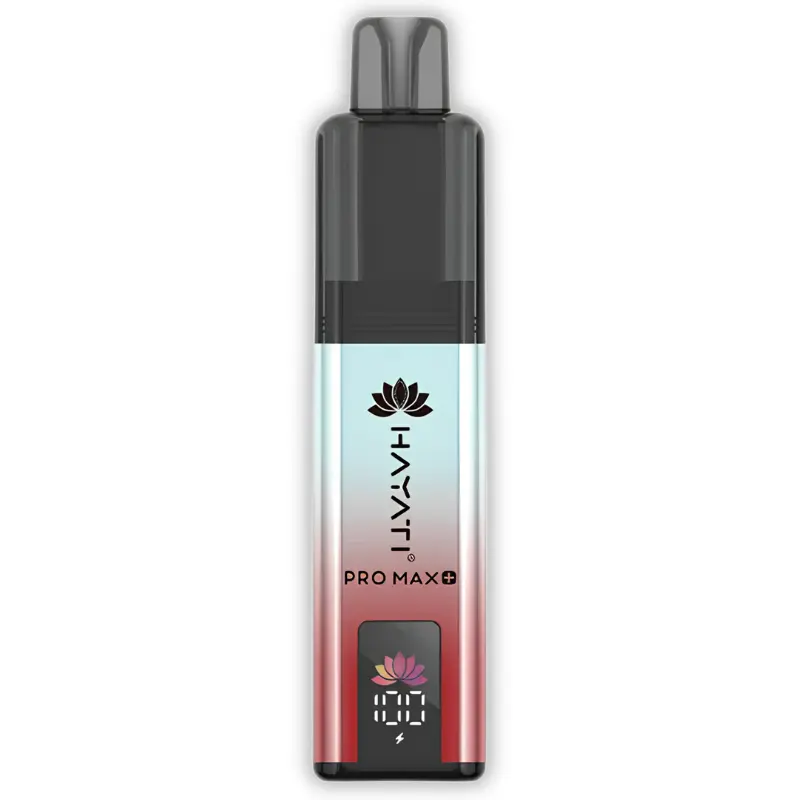
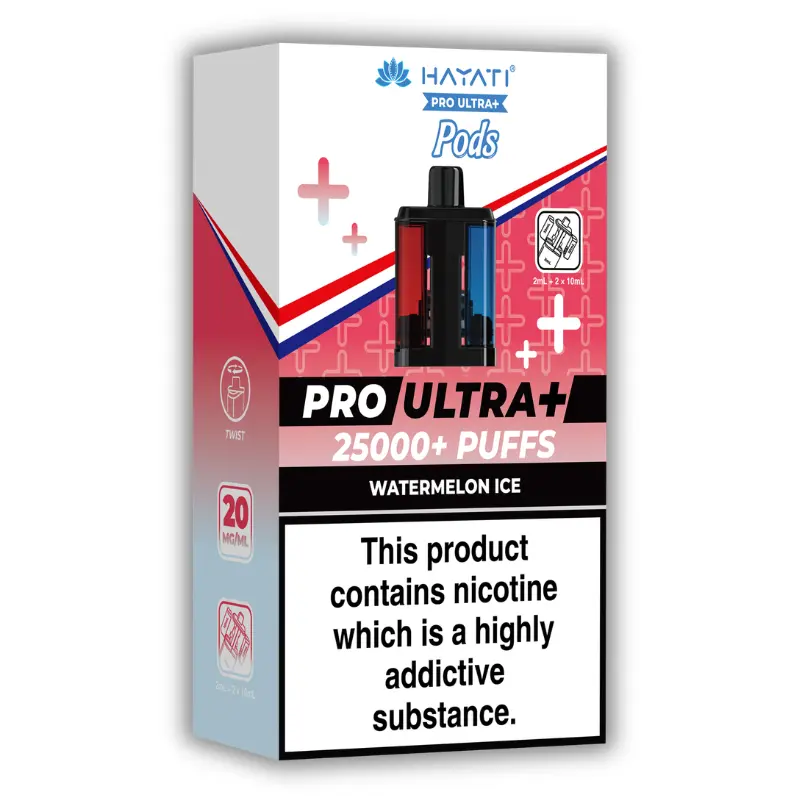
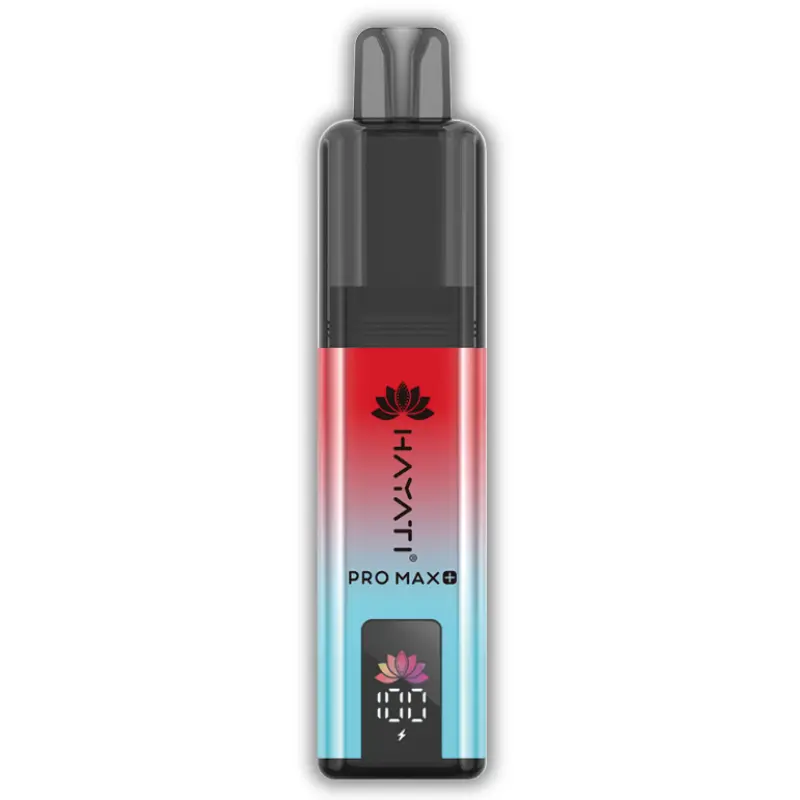
- Watermelon runs through this band on nearly every format, and the 22ml refill, Watermelon Ice on the 25K pods at £7.99, is the version that gives the profile the most room. There is also a £7.99 Pro Max Plus kit, an £11.99 prefilled kit and a £2.49 bottle of the same recipe.
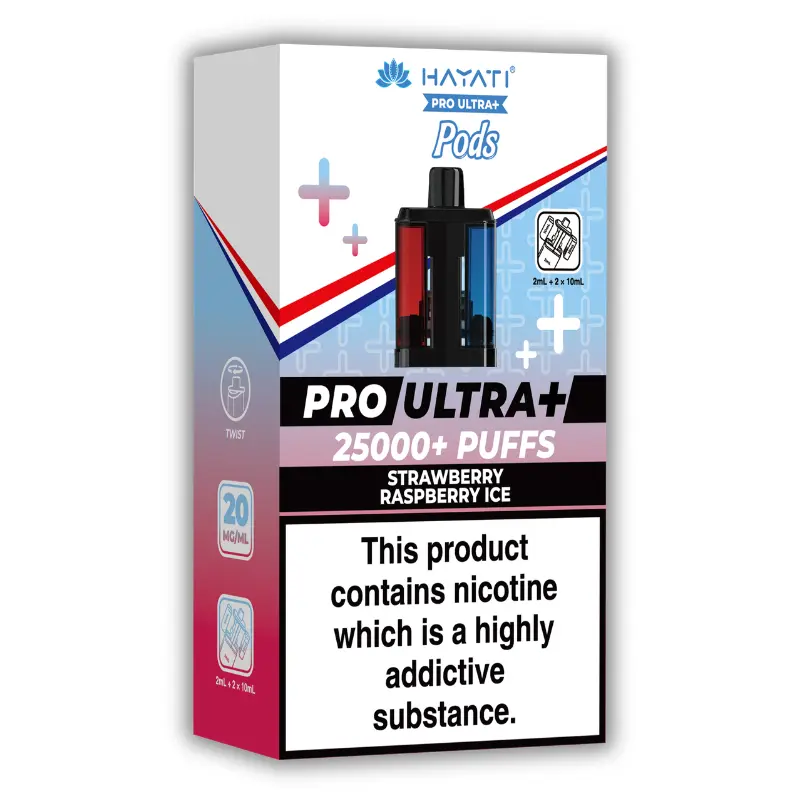
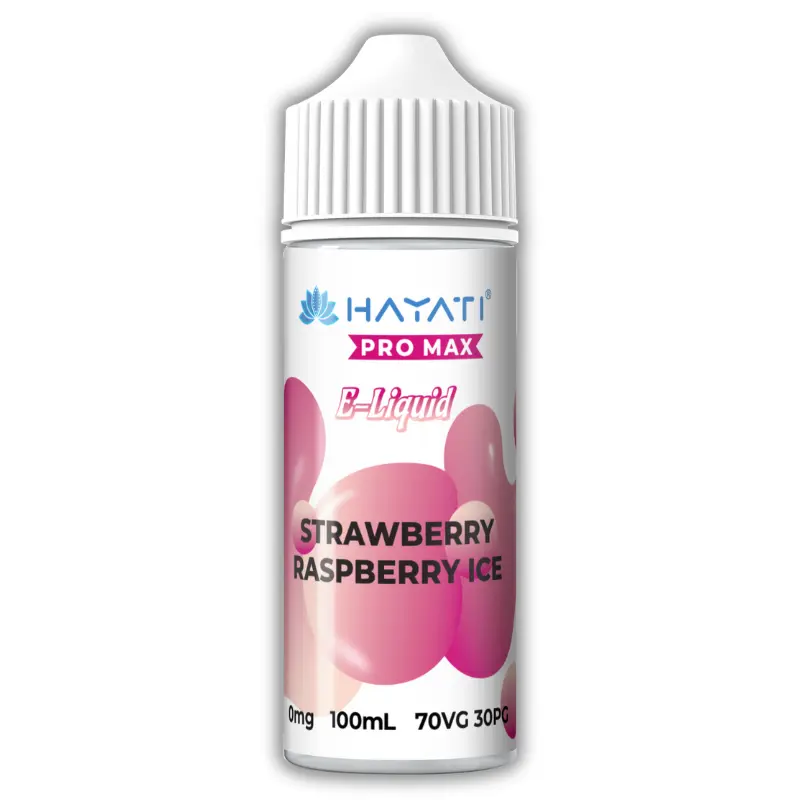
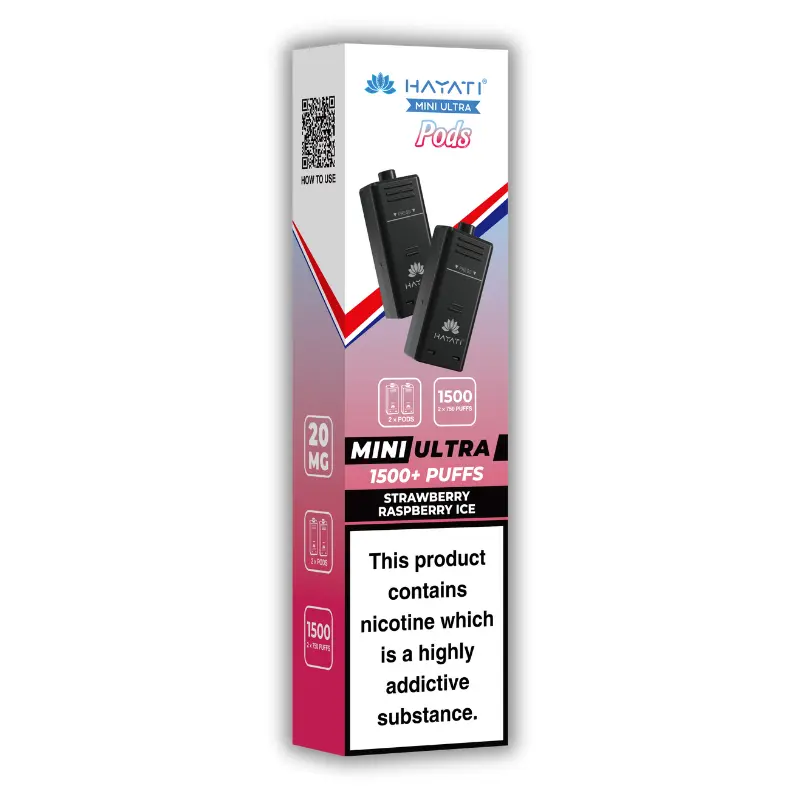
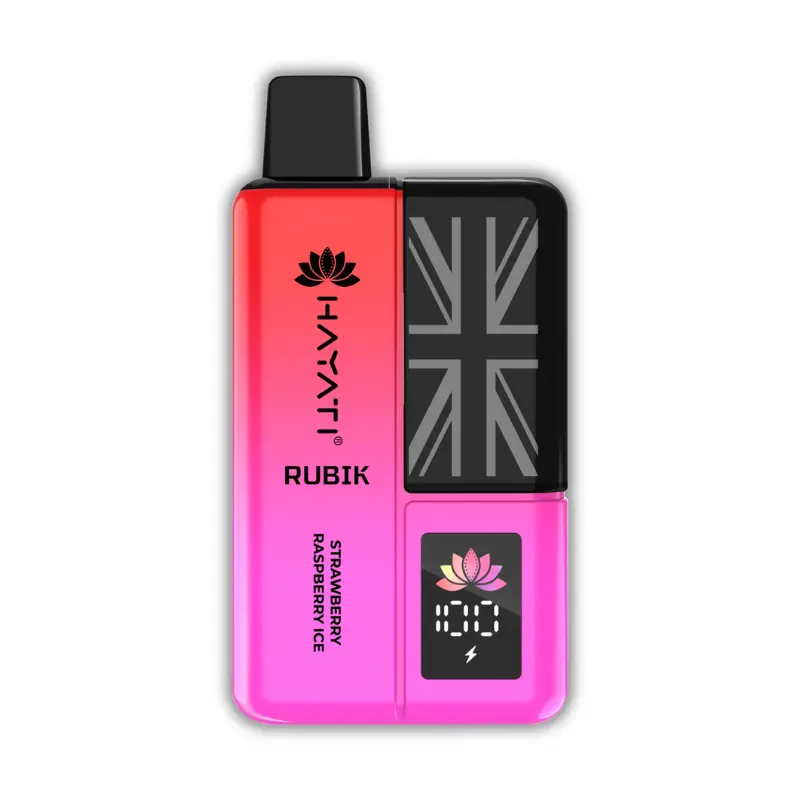
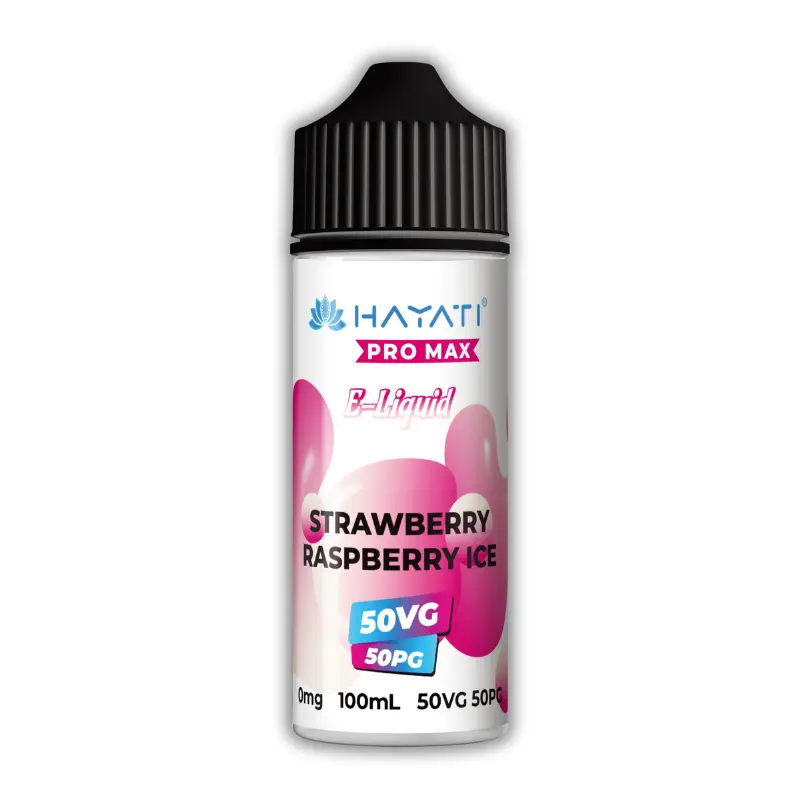
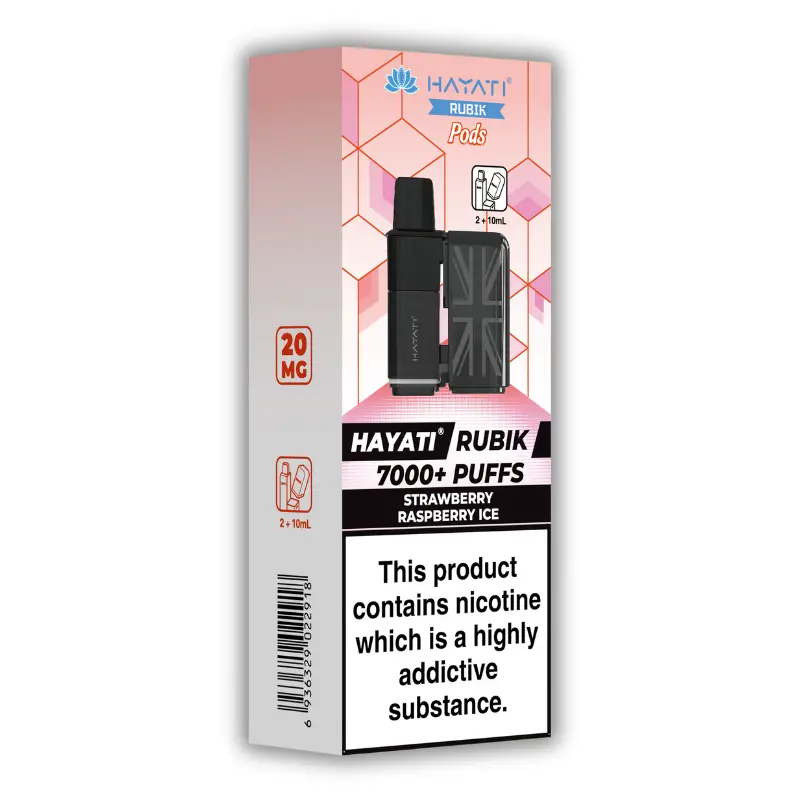
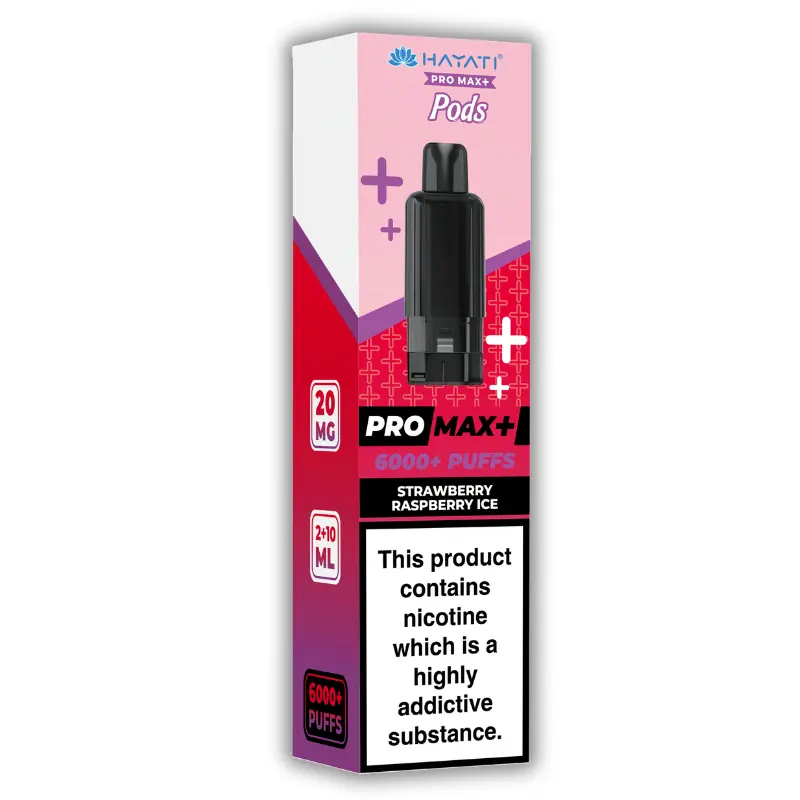
- Strawberry with raspberry behind it is the most widely stocked cooled profile in the catalogue. Strawberry Raspberry Ice as a £3.49 Mini Ultra pod is the cheapest entry to it and the £5.99 Rubik kit the most sensible, with 25K pods, a bottle and both shortfills behind them. The full spread has its own shelf at Strawberry Raspberry Ice Vapes.
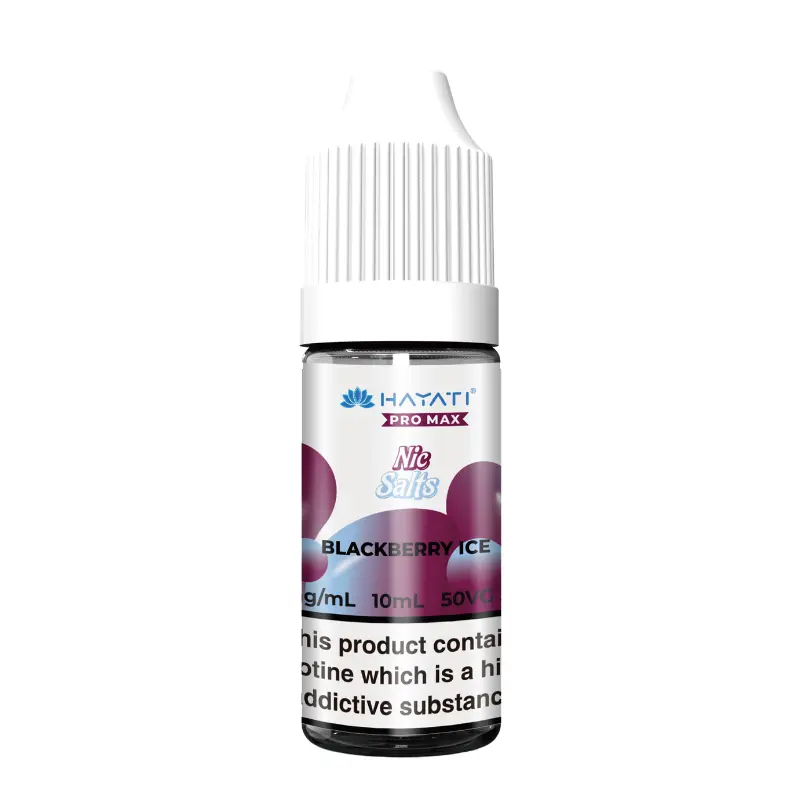
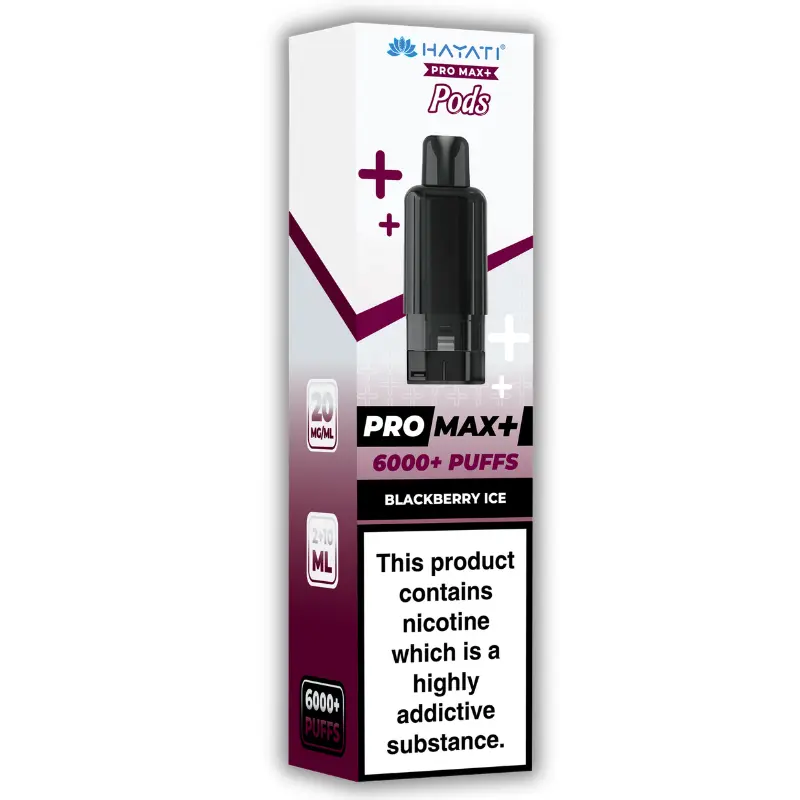
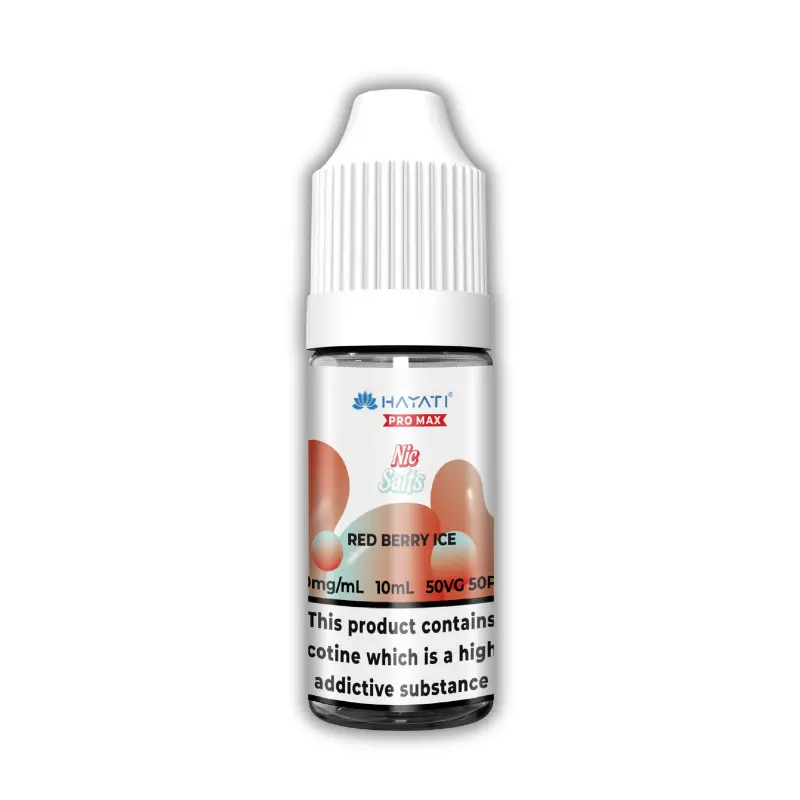
- Dark berries take a moderate load well. Blackberry Ice at £5.49 a pod is the pick of them, and Red Berry Ice at £2.49 is a bottle-only profile with no prefilled equivalent at all.
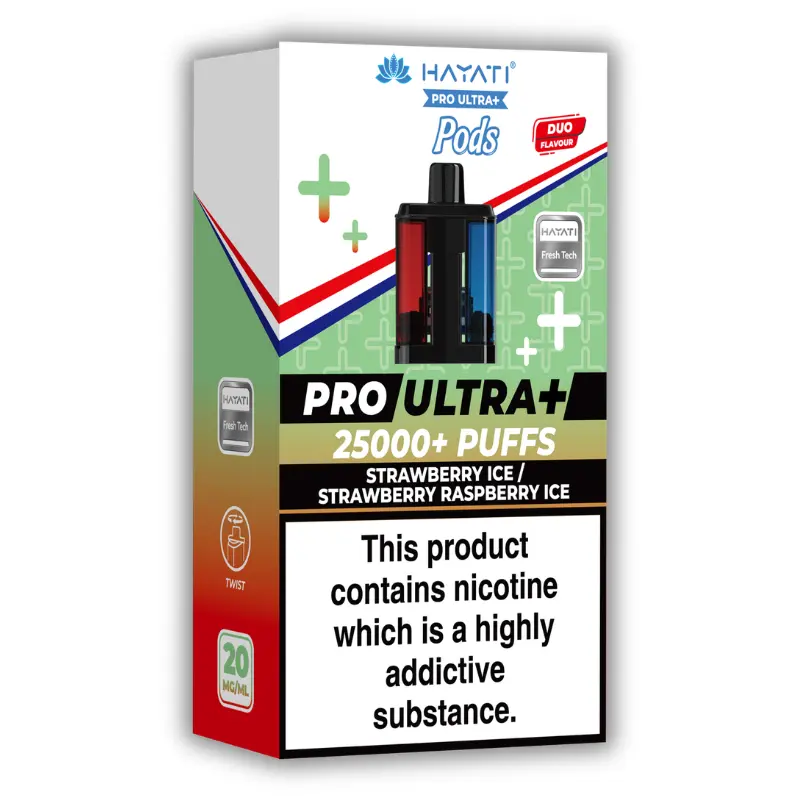
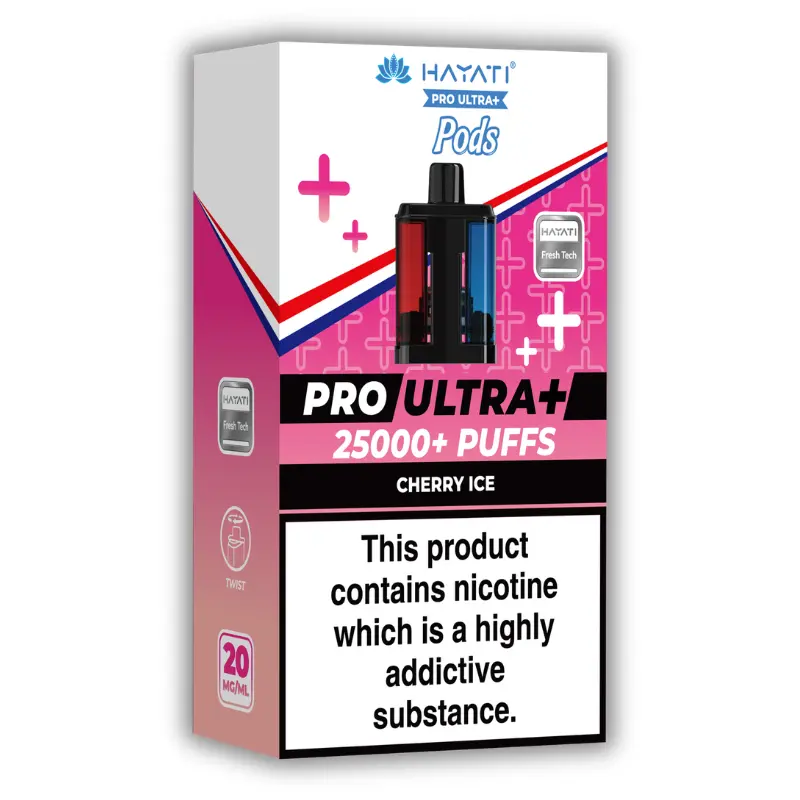
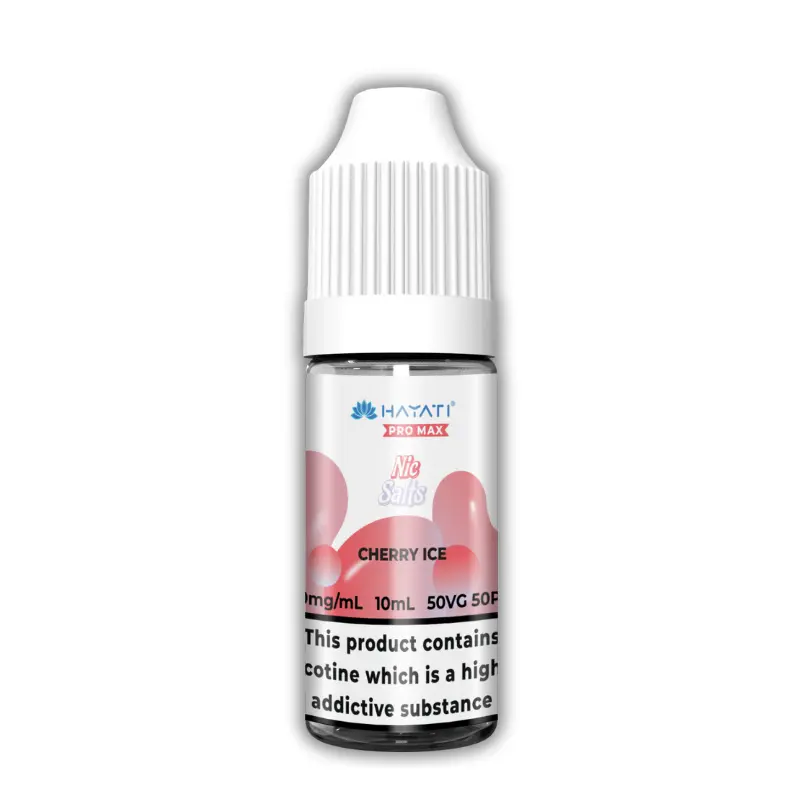
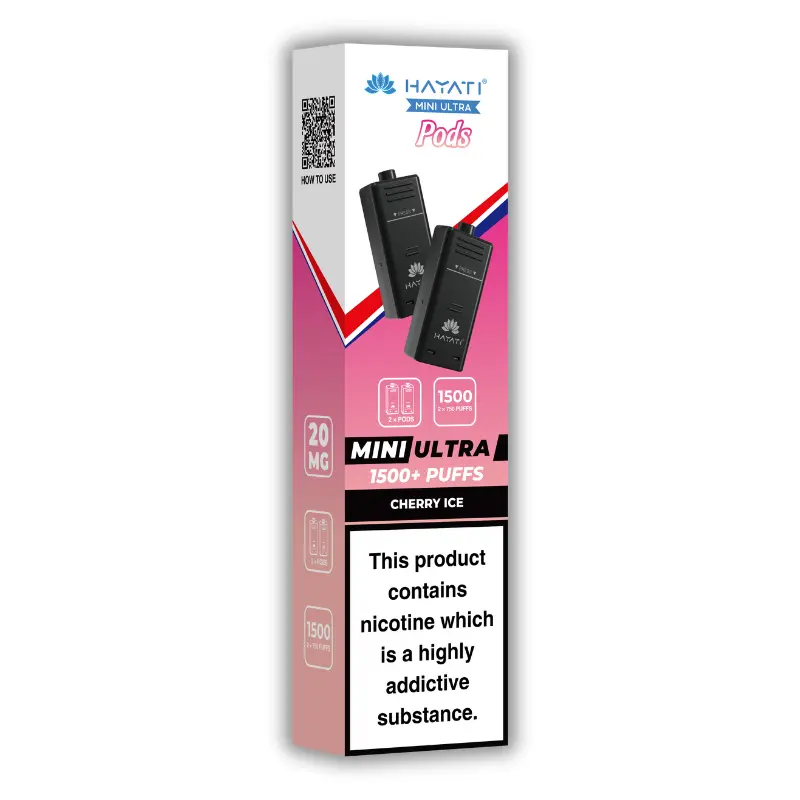
- Cherry holds its shape under cold better than most acidic fruit does. Cherry Ice on the 25K pods at £7.99, with a £3.49 Mini Ultra pod and an £11.99 kit carrying the same recipe.
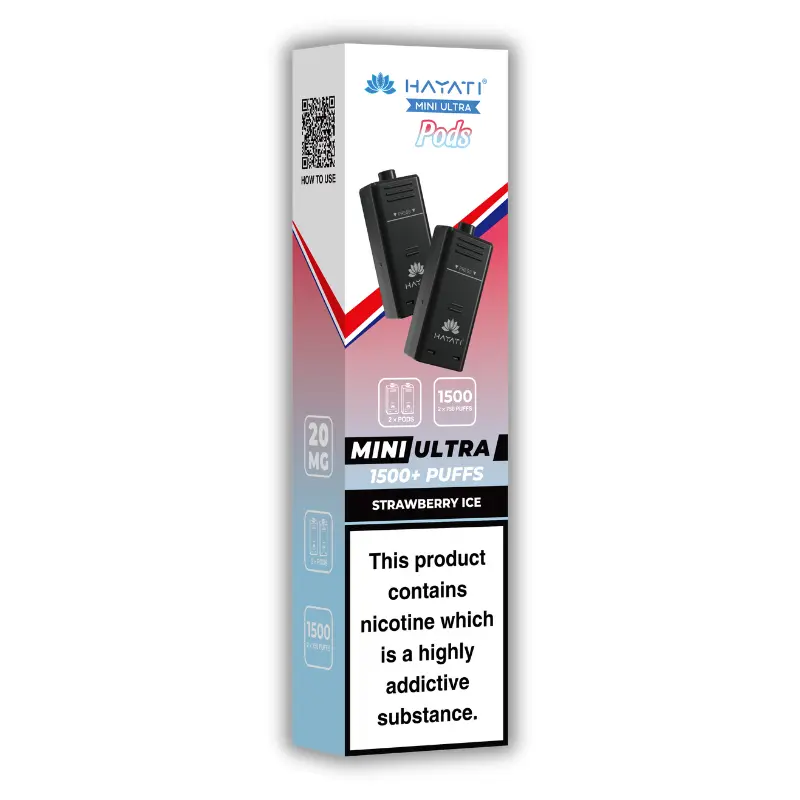
- Straight strawberry without the raspberry is quieter and rounder: Strawberry Ice on a £3.49 Mini Ultra pod.
Band three: cold and fruit roughly level, both sharp
The coolant has been matched to an acidic or a busy base, and the two sit at similar volume. These read brisk rather than icy, and they shift most of all between a warm room and a cold street.
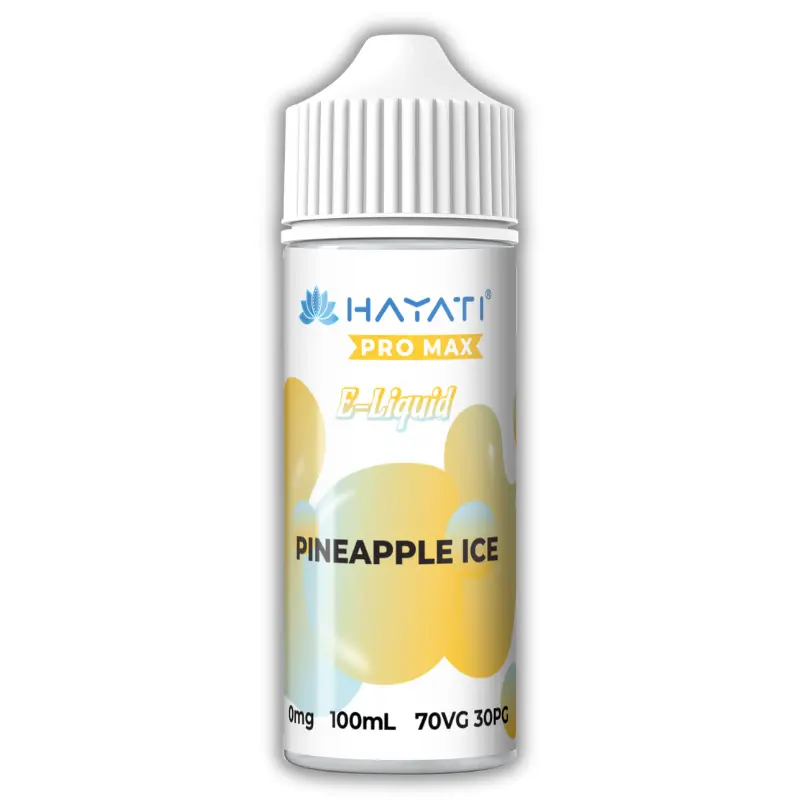
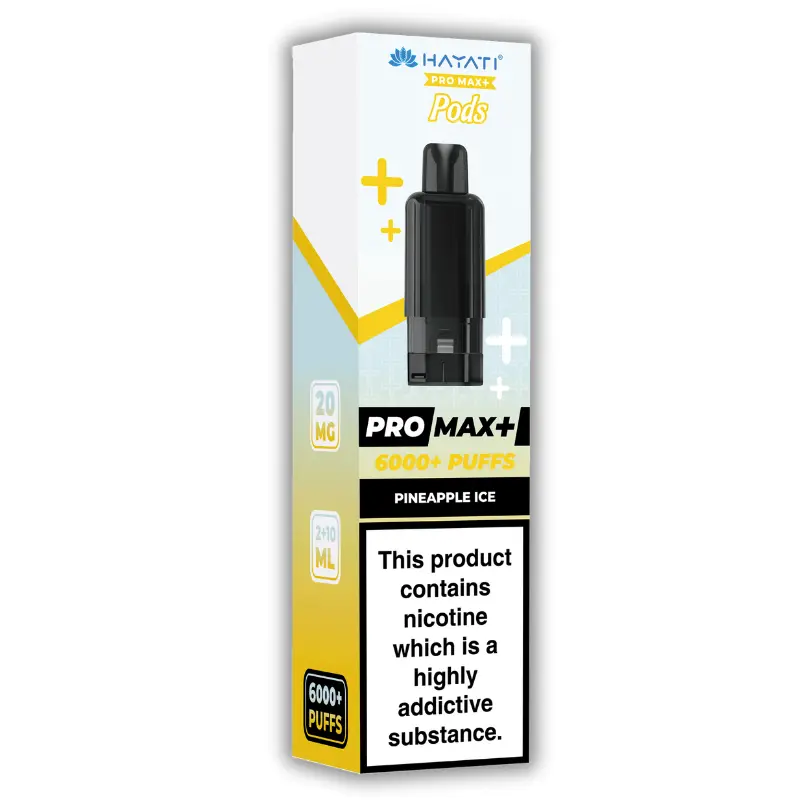
- Pineapple Ice as a £7.99 kit, or in the 70/30 bottle at £6.99 if the hardware is yours. Tropical acid plus cold, bright and quick, very little in the middle.
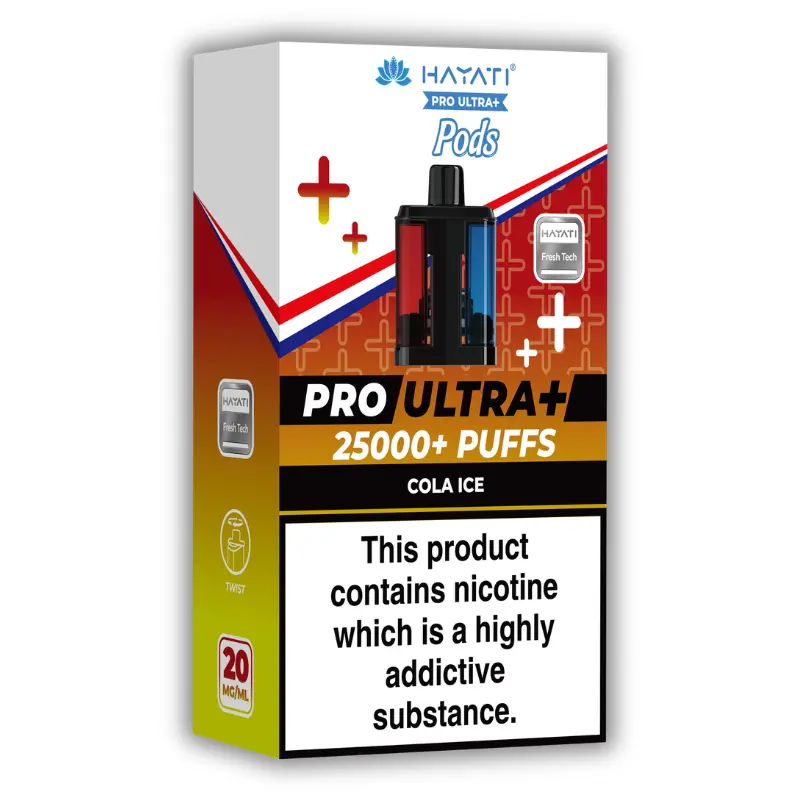
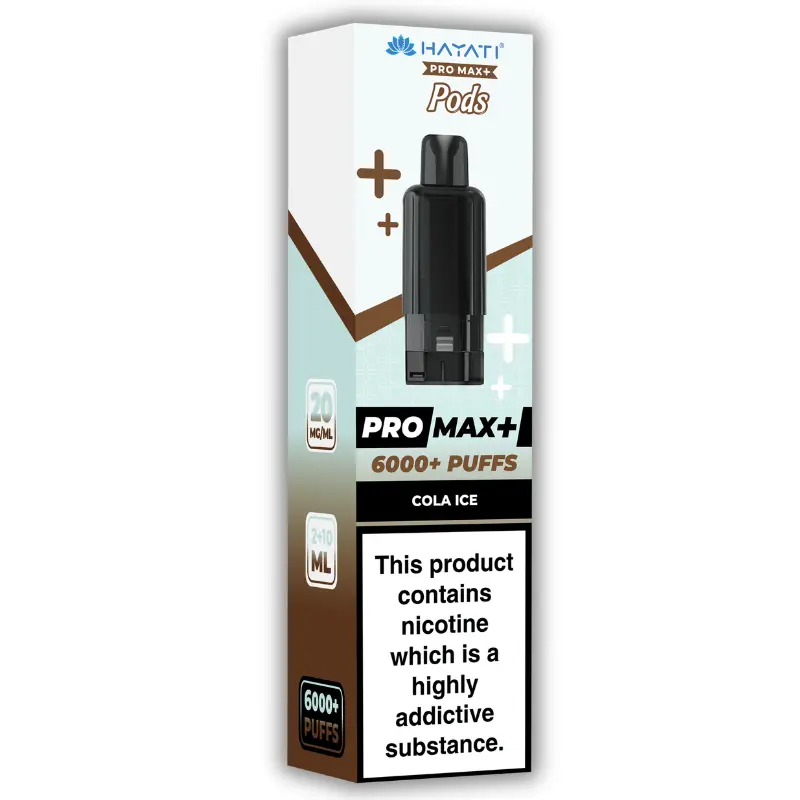
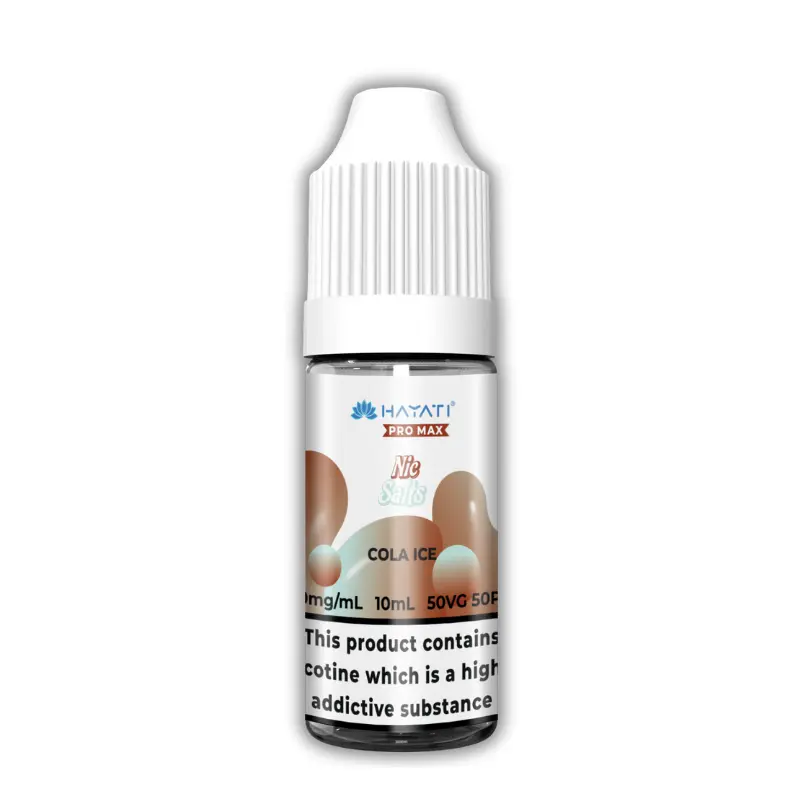
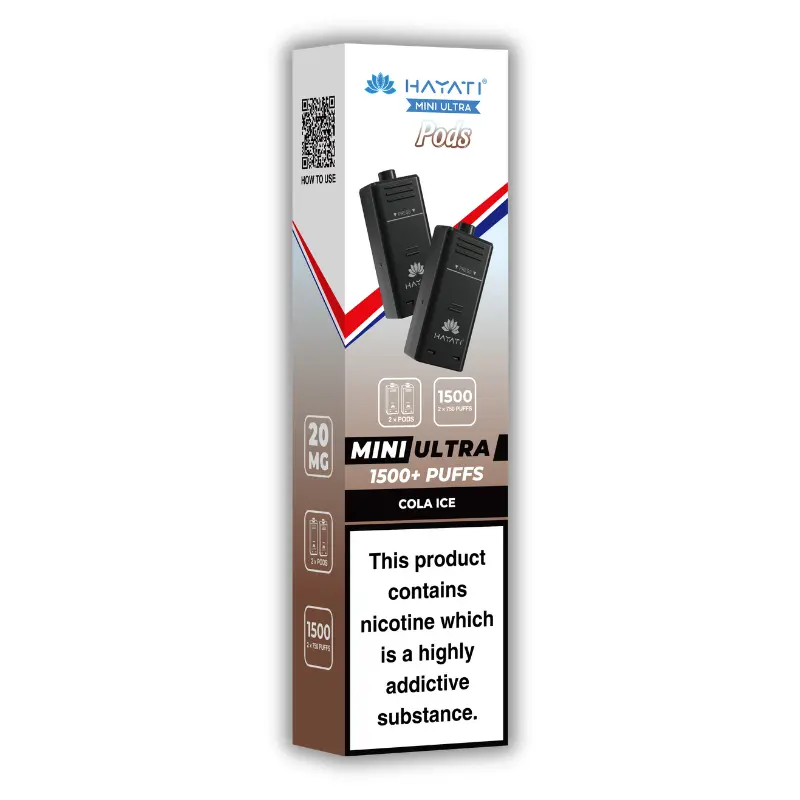
- Cola Ice on a £3.49 Mini Ultra pod is the cheapest way to hear what spice, peel and cold sound like competing for the same space. It is also stocked as a 25K pod, a Pro Max Plus pod and a £2.49 bottle.
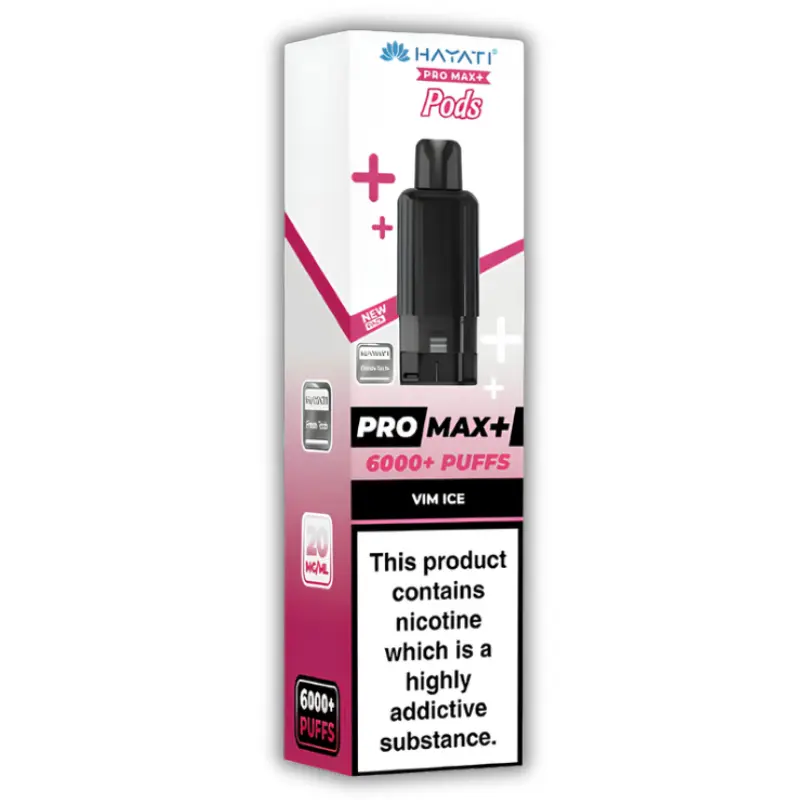
- Vim Ice on the Rubik kit at £5.99, with a £7.99 Pro Max Plus version alongside it.
- Blackberry Raspberry as a £2.49 bottle, cooled without saying so, and sharper than the label leads you to expect.
Band four: the coolant is the subject
Four products where the cold is the headline and the fruit, where there is fruit, is trim. Buy deliberately. If you are not certain, the £2.49 bottles in this band are the correct way to find out rather than the £7.99 pods.
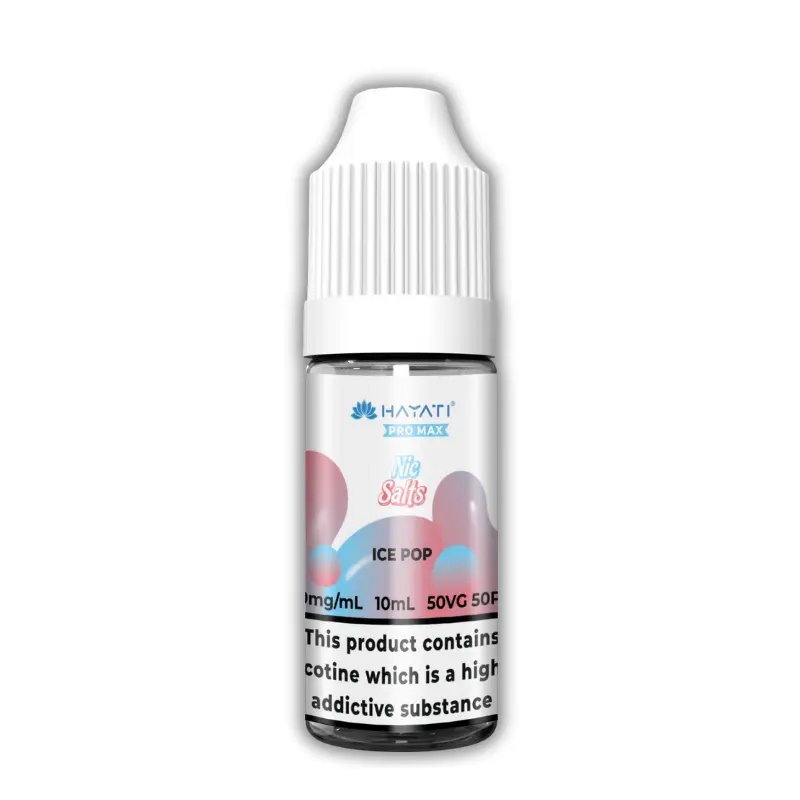
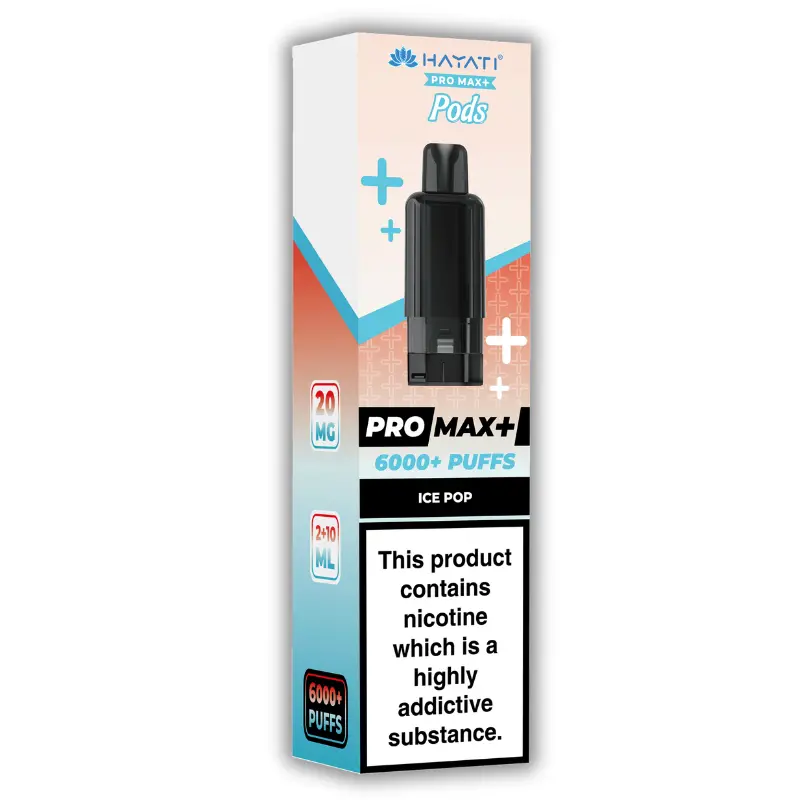
- Ice Pop as a £7.99 kit, or the £2.49 bottled version if you would rather find out cheaply. Sugar syrup and crushed ice as a concept rather than a named fruit, and the highest coolant load we would put on this shelf.
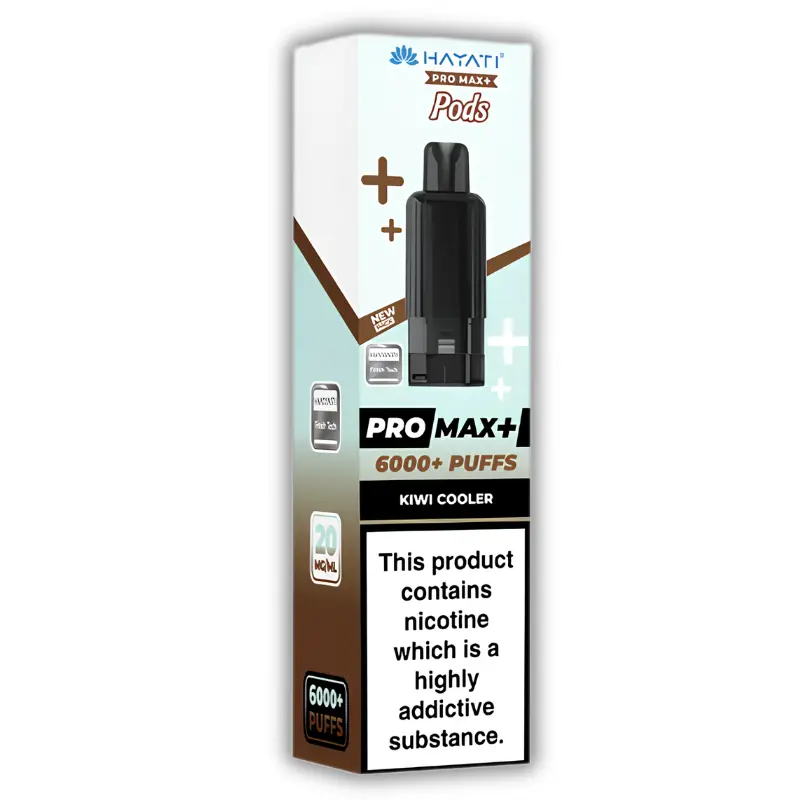
- Kiwi Cooler as the 6000 kit at £7.99, or £5.49 as a pod on its own. Green acidity underneath a coolant that leans herbal, so it reads dry as well as cold, and it is the closest thing here to what sits on Menthol Vapes.
- Blue Frozen at £2.49. The name is accurate. Blue fruit with the coolant pushed well past the point where the fruit still leads.
- Black Mamba at £2.49, the menthol-finished one, which belongs at this end of the scale for a different reason. It is not the coldest thing here, but it is the only one where the cooling brings a flavour of its own with it.
Band five: one device, two temperatures
A genuinely useful corner of the shelf that nothing else in the catalogue replicates. Several prefilled kits and pods carry two liquids in one body, and a handful of those deliberately pair a cooled side with an uncooled one. If you want cold some of the time and not all of the time, this solves it without owning two devices.
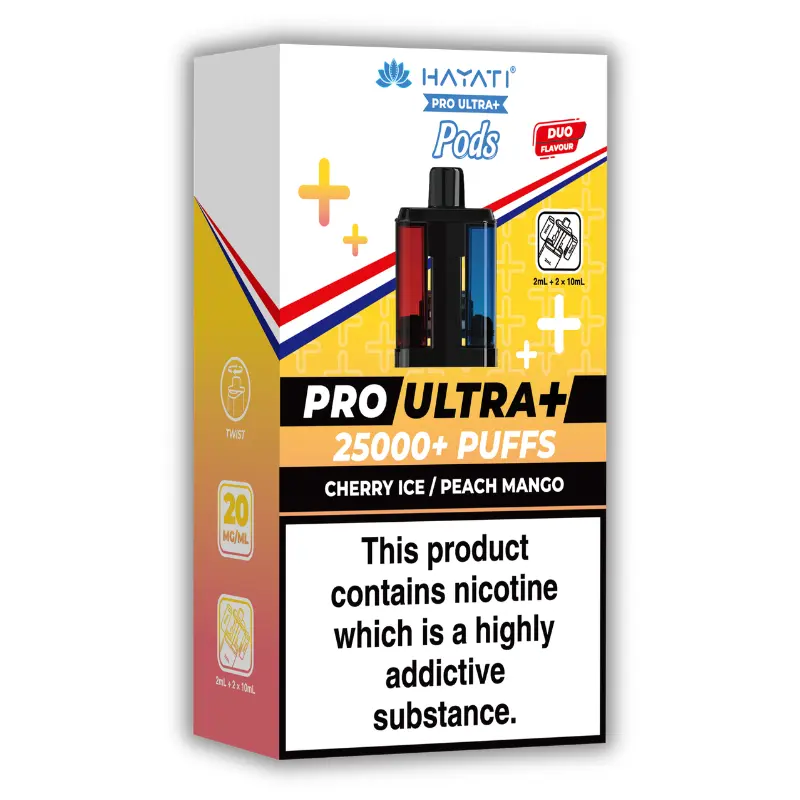
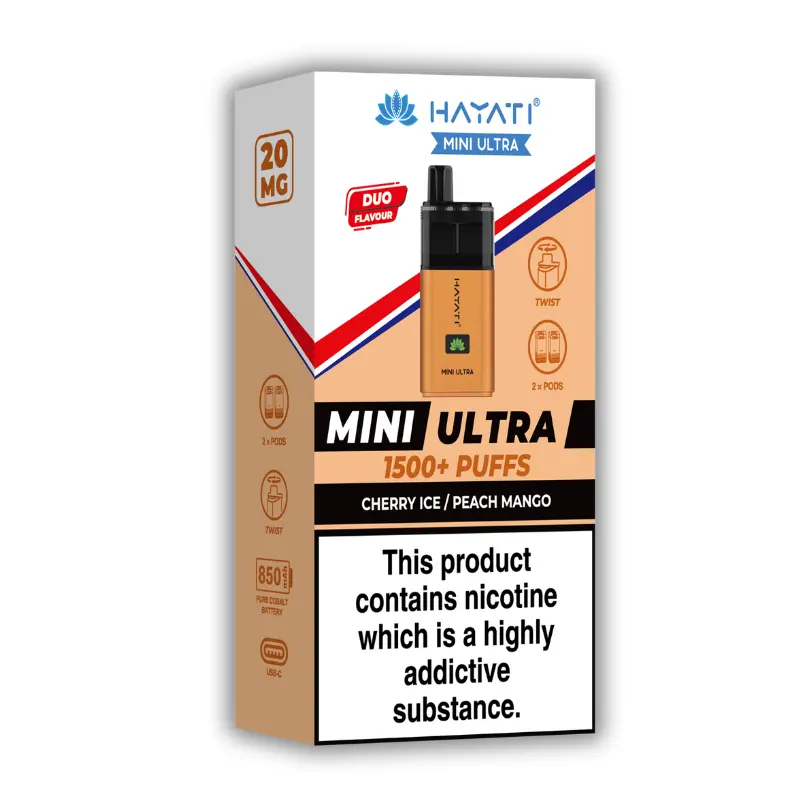
- Cherry Ice / Peach Mango as an £11.99 kit is the one we would point at first, a band-two cold set against a warm, soft stone-fruit side. Refill pods are £7.99, and the same idea can be tried for £3.99 as a Mini Ultra kit.
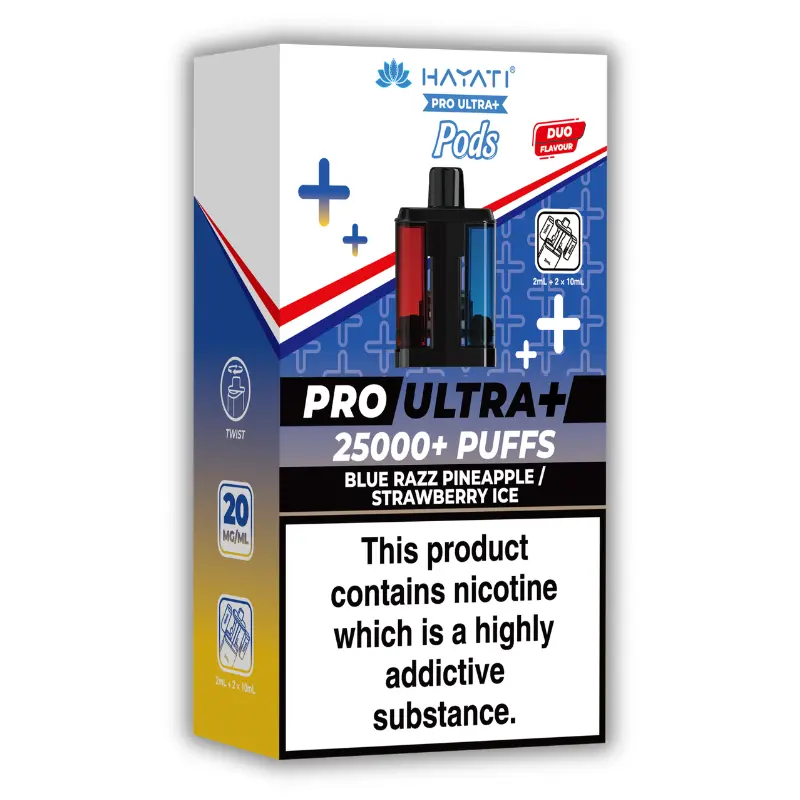
- Blue Razz Pineapple / Strawberry Ice at £11.99 runs the same trick in reverse, with the uncooled side doing the heavy lifting and the cold there as relief. Once the battery is yours, the 22ml refill pods are £7.99.
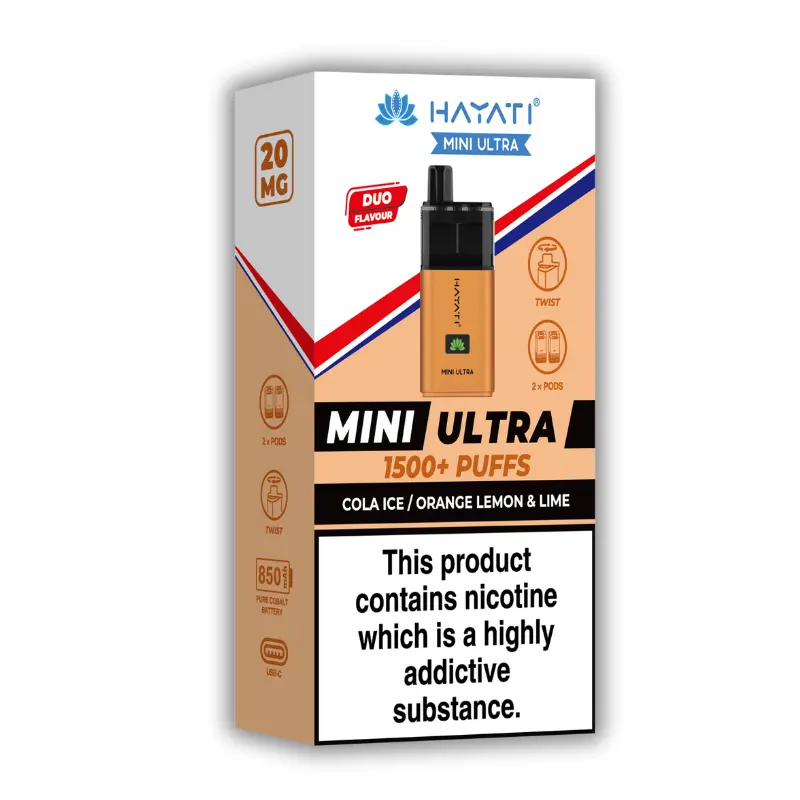
- Cola Ice / Orange Lemon Lime at £3.99 is the cheapest split-temperature device here by a wide margin.
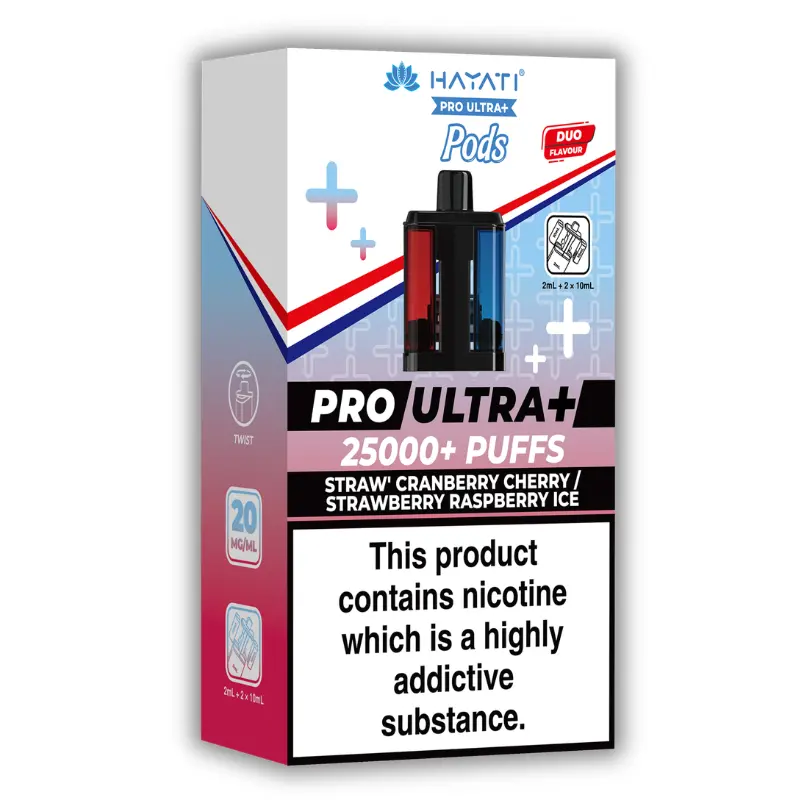
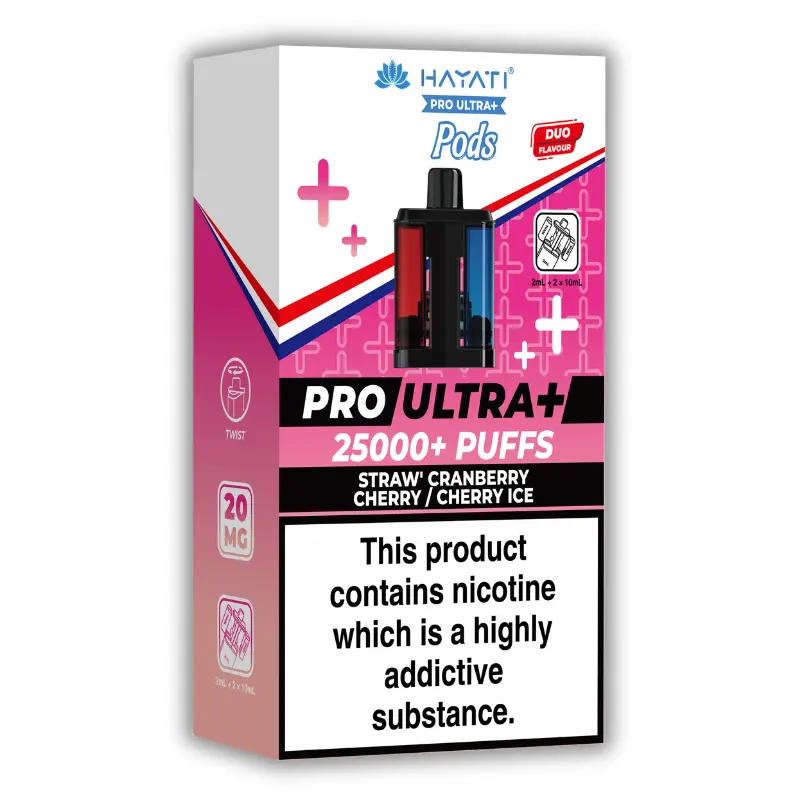
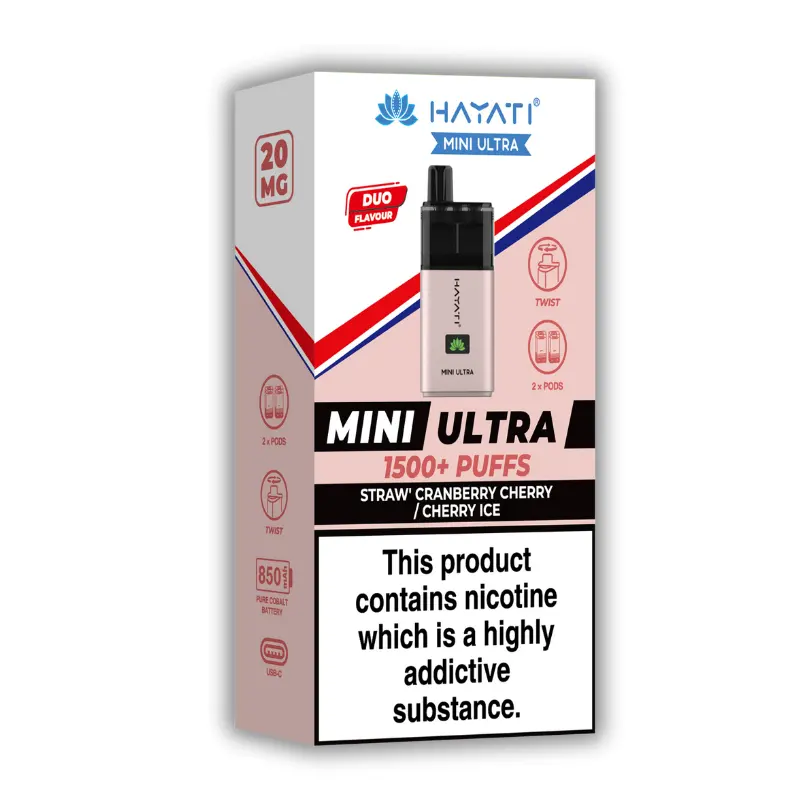
- Straw' Cranberry Cherry / Cherry Ice at £7.99, with a £3.99 Mini Ultra equivalent, puts a tart uncooled side against a cooled one.
- Not every pairing splits the temperature. Strawberry Ice / Strawberry Raspberry Ice at £11.99 is cold on both sides, so it offers variety of fruit and none of temperature. Worth knowing before ordering it for the wrong reason.
What an iced liquid does to a coil, and how it fails
There is a widespread belief that cooled liquids are hard on coils. In the narrow chemical sense they are not. A WS compound is volatile and light, it vaporises readily, and it leaves considerably less behind on the mesh than the sweeteners sitting in the same bottle. An iced fruit and the same fruit uncooled will foul a coil at roughly the same rate, because the fouling is coming from the sugar, not the cold.
What differs is not the chemistry. It is what the cold does to your ability to notice trouble.
The masking problem
On an uncooled liquid the first warning that a wick is falling behind is a dry, papery, slightly hot note right at the top of the inhale. You register it without thinking, you slow down, the wick catches up, nothing is damaged. On a cooled liquid that warning note occupies almost exactly the same position on the palate and arrives at the same instant as the coolant, and the coolant is louder. The warning gets covered. People carry on pulling at the same rate and the next thing they notice is a properly scorched puff with no intermediate stage.
Which turns into one rule: pace an iced pod more conservatively than its uncooled equivalent, because you will not get the same early warning.
The order in which an iced pod declines
Fruit compounds are the most fragile things in the mix and they go first, dulling as residue builds on the coil, while the coolant carries on essentially unchanged. So every cooled pod passes through a long stretch near the end where it tastes mostly of cold with a ghost of fruit behind it. That stretch is the reorder signal, and it is routinely misread as "the flavour has gone but it still works fine".
Judge a cooled pod by the fruit, never by the cold. The cold is the last thing to leave and it will carry you well past the point where the pod is worth using.
Solubility, flooding and cold storage
Coolants need something to hold them in solution, and a high load usually means a higher propylene glycol share. Thinner liquid wicks in faster, which helps, but it also floods a small coil more readily. Gurgling and the occasional spit on a band-four flavour is usually that rather than a defect, and it clears with two short sharp pulls and a wipe of the mouthpiece.
Low temperatures cause a second, separate problem. Menthol will recrystallise out of a liquid held near freezing, and a heavy WS load can go cloudy. A bottle that has spent a night in a cold car wants half an hour indoors and a slow roll between the palms before use. A sealed pod cannot be usefully shaken, so all you can give it is the warming time, and the first two or three pulls off a very cold pod will often run coolant-heavy before settling down.
Priming and pacing an iced pod
- Seat a fresh pod, stand the device upright for a couple of minutes, then pull two or three times gently and let the vapour go rather than inhaling it. This wets the wick before any real power goes through it.
- Work in short pulls with a gap between them instead of one long continuous drag. Two seconds is plenty on every prefilled range here.
- Keep devices and bottles out of direct sun and off radiators. Heat thins the liquid and degrades the fruit compounds well before it touches the coolant, which tips the balance further towards cold.
- A pod that has started tasting scorched will not recover, because the wick is damaged rather than dirty. Stop using it. If that happened within the first day on a fresh pod, tell us.
- Never open, pierce or try to top up a sealed prefilled pod. They are not built to be opened and forcing liquid back through the mouthpiece floods the chamber.
Formats, fittings and what carries across
Cooled liquid reaches you in five different physical shapes on this shelf, and they are not interchangeable with one another.
| Format | What you get | Consumable price | Cold tends to read |
|---|---|---|---|
| Pro Max Nic Salts | 10ml bottle for your own refillable device | £2.49 | Depends entirely on your hardware |
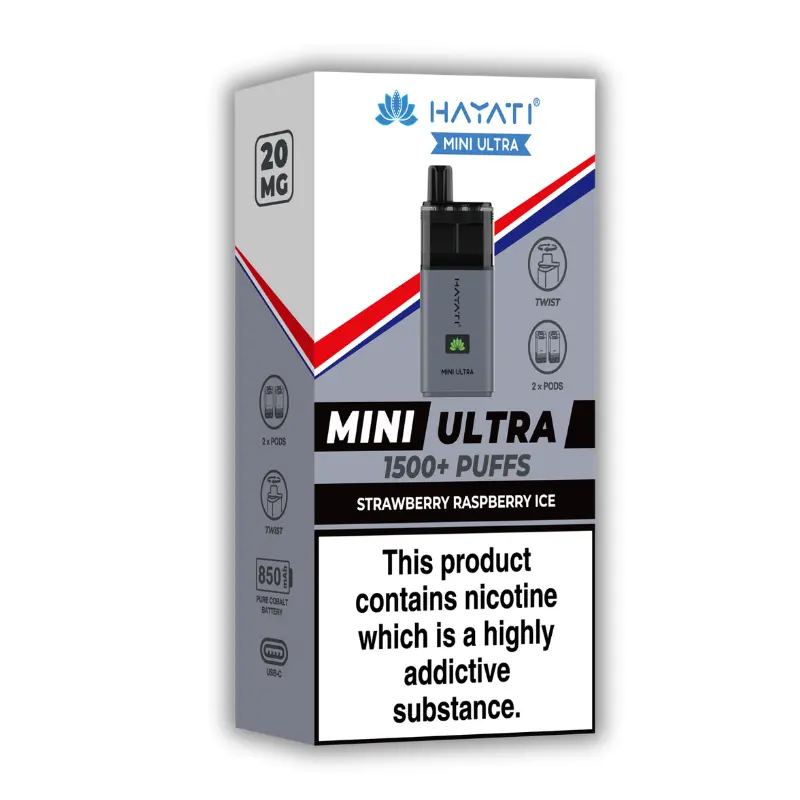
| Mini Ultra | 4ml, pod £3.49 or kit £3.99 | £3.49 | Tightest draw here, so a band up |
| Rubik | 12ml prefilled kit | £5.99 | Middle of the road |
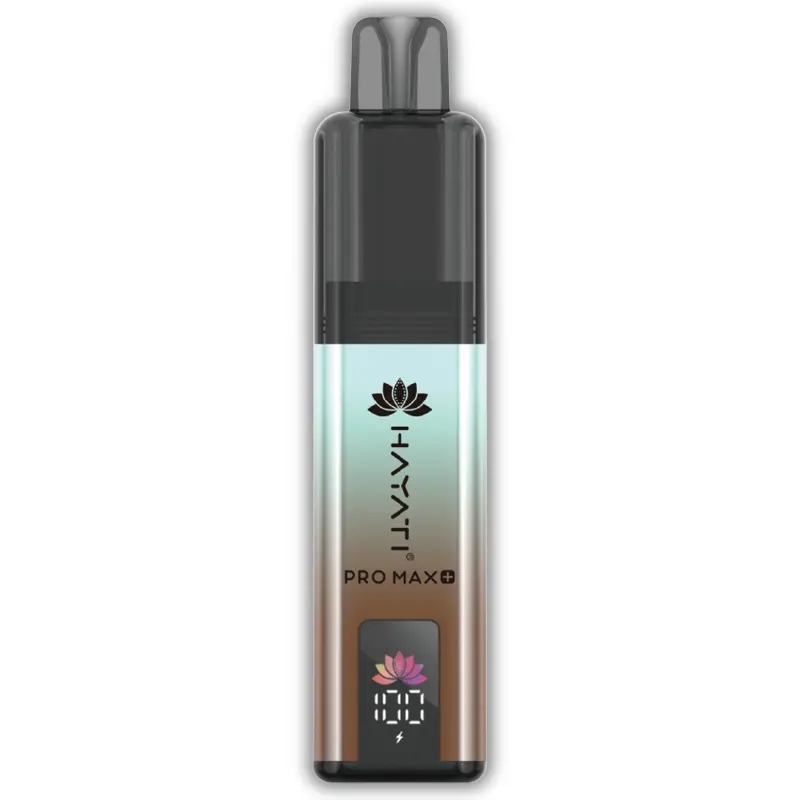
| Pro Max Plus | 12ml, pod £5.49 or kit £7.99 | £5.49 | Slightly warmer, so a band down |
| Pro Ultra Plus | 22ml, pod £7.99 or kit £11.99 | £7.99 | Warmest of the prefilled ranges |
Every range uses its own pod geometry. A Rubik pod will not seat on a Pro Max Plus battery, a Mini Ultra pod fits nothing but a Mini Ultra, and no adaptor exists for any of it. Before restocking, check which range the battery in your pocket came from, because ordering the right flavour on the wrong fitting is the error we see more than any other.
A kit contains a battery and a pod. A pod on its own is a refill. Once you own the battery, buying further kits means paying again for hardware you already have, and on the Pro Ultra Plus that is £4 every time. The whole refill catalogue is listed at Hayati Pods, with the battery-included versions alongside it.
On capacity figures and puff ratings: the 12ml and 22ml numbers describe total liquid in the sealed unit, not what sits in the chamber you draw from. UK rules cap that chamber at two millilitres of nicotine-containing liquid, and these devices satisfy that by holding the balance in a factory-reserve that sits behind the chamber automatically. The reserve cannot be opened or refilled. Where a listing carries a puff figure, for instance the Pro Ultra Plus range rated by the manufacturer at up to 25,000 puffs and the Pro Max Plus at up to 6,000, treat it as a laboratory estimate produced under fixed conditions rather than a number you will see in use. Draw length, which is exactly the variable you will be adjusting to manage cold, moves it substantially.
Nicotine on this shelf runs at 20mg per millilitre in the prefilled pods, which is the legal ceiling for a UK e-liquid, and 10mg in the 10ml bottles. The 120ml shortfills in the Hayati E-Liquids range contain none at all, because a nicotine-containing refill bottle may not exceed 10ml here, which is why large bottles are sold at zero. Nicotine is addictive, and nothing on this shelf is sold to anyone under 18.
One thing does not carry across formats cleanly, and it is the thing this page is about. A flavour name is a recipe, not a temperature. The same name in a 50/50 bottle, a 70/30 bottle and a prefilled pod lands at three different points on the cold scale, for the reasons set out earlier.
What the price spread actually buys
The shelf runs from £2.49 to £11.99, close to a five-fold spread, and none of it is a difference in flavour grade. What the money buys is volume, and whether a battery comes in the box.
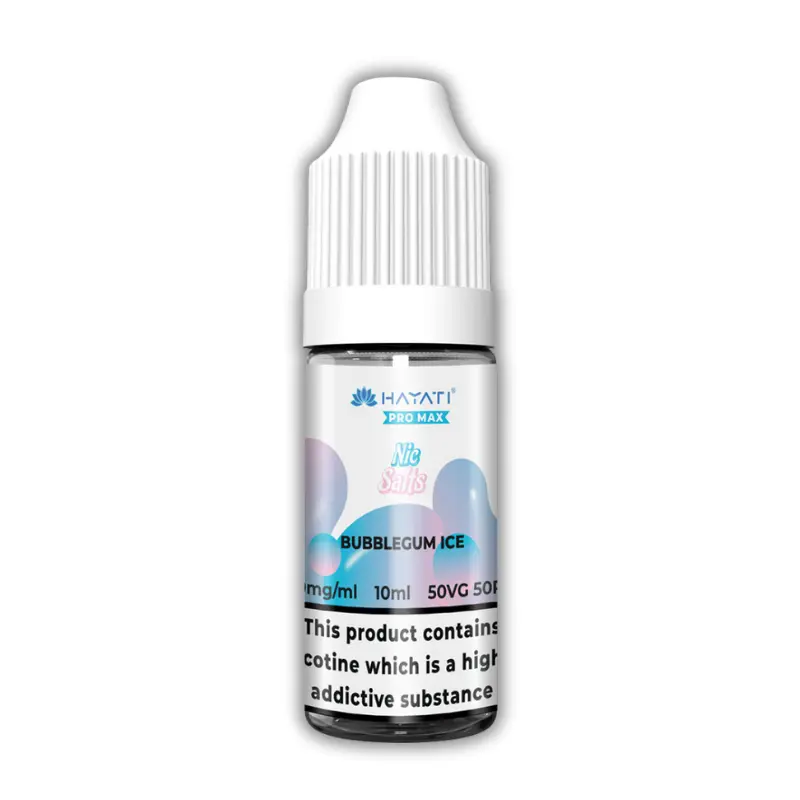
The £2.49 bottles are the cheapest cold on the shelf per millilitre by a distance, and they are also where the odder profiles live, since Bru Ice, Bubblegum Ice and Red Berry Ice have no prefilled equivalent anywhere in the range. The catch is that a bottle does nothing without a refillable device, so the real entry cost the first time is well above £2.49.
Among the prefilled options, the ranking by running cost inverts the ranking by sticker price. The £3.49 Mini Ultra pod is the cheapest thing you can put in a basket and the dearest to live with, because four millilitres does not last. The £7.99 Pro Ultra Plus pod is the dearest refill here and the cheapest per millilitre of anything prefilled, because twenty-two millilitres is a great deal of liquid. The £5.99 Rubik kit sits between them.
The gap between a kit and its refill is worth reading before you order. It is £4 on the Pro Ultra Plus, £2.50 on the Pro Max Plus and 50p on the Mini Ultra. That 50p is the reason a Strawberry Raspberry Ice Mini Ultra kit at £3.99 is the correct way to test an unfamiliar cold band. You are buying a complete working device for half a pound more than the refill, using it to answer one question, and risking almost nothing.
The 120ml shortfills at £6.99 are the lowest cost per millilitre anywhere on the shelf and sit outside the comparison, because they contain no nicotine and need hardware and decisions of your own.
Where to go from here
If the cold was the part you liked and the fruit incidental, the drier end of the catalogue is at Mint Vapes and Fresh Mint Vapes. Those are a different proposition from anything here, because the cooling agent is also the flavour rather than a layer laid over one, and everything said above about menthol applies to them directly.
If the fruit was the part you liked and you now want it without the cold, the single-fruit shelves are the shortest route, because each one holds the cooled and the uncooled versions of the same fruit side by side. Watermelon Vapes and Cola Vapes are the two where that comparison is clearest, since both fruits appear in several bands at once.
For the sweet-to-tart question across the berry family, which this page has deliberately left alone, go to the berry shelf, which does that analysis properly rather than in passing. For the tropical and less common profiles behind the lychee and kiwi builds, try Exotic Vapes. Recent additions across every range, cooled and otherwise, sit under New Products.
Picking one
If a cooled liquid has disappointed you before and you want to know whether the category or that one product was at fault, spend £2.49 on a band-one bottle if you own refillable hardware, or £3.99 on a Mini Ultra kit if you do not. The answer is usually that the coolant was wrong for the fruit underneath it rather than that you dislike cold.
If you already know you want cold and want to stop thinking about restocking, the 22ml pods in the Pro Ultra Plus range are the lowest running cost on the shelf, and the paired listings let you keep a cooled and an uncooled flavour in the same body. If you want one device, one flavour and the least fuss, a £5.99 Rubik kit in band two is the answer, and Strawberry Raspberry Ice on that format is the most reordered cooled product we stock.
And if none of the 94 is quite it, the rest of the range, cooled and otherwise, is in the store. Nicotine is addictive and everything described here contains it unless the listing says zero.
Strictly for adults aged 18 and over. Nicotine is an addictive substance.
Frequently asked questions
What is actually in an ice vape that makes it cold?
A cooling compound added to the flavour concentrate as a separate ingredient, usually at somewhere between a fraction of a percent and a few percent. In fruit recipes it is almost always one of the WS-series synthetic coolers, which produce cold while carrying very little smell or taste of their own. In a small number of products it is menthol, which cools and also brings a herbal flavour with it.
How can I tell whether a liquid uses menthol or a synthetic cooler?
Push the exhale out through your nose. Menthol leaves a herbal trace in the nasal passage; a WS compound leaves cold with no flavour attached. Two other tells: menthol goes for the sinuses while a WS cooler sits in the throat, and a WS cooler builds across consecutive pulls whereas menthol resets between them. If your fourth pull is colder than your first, it is a WS build.
Why does the same pod feel much colder outdoors in winter?
Three things stack. Cold liquid is thicker, so it wicks more slowly and the coil runs hotter against a poorer supply. The vapour then travels through cold air and loses temperature on the way in. And your own baseline has dropped, so the contrast reads larger. Give a device that has been outside about twenty minutes indoors before deciding a flavour is wrong for you.
Which products on this shelf run coldest?
Our reading puts Ice Pop, Kiwi Cooler and Blue Frozen at the top, with Black Mamba alongside them as the one menthol-finished option. Coolant loads are not published, so these bands are inferred from behaviour rather than measured. Your hardware and the weather can move any of them by a band.
Which run mildest?
Smooth Strawberry Ice is the gentlest, followed by Banana Ice, Lychee Ice, Red Apple Ice and Bru Ice. In all five the cooling is structural rather than the point of the product. If a previous iced purchase felt like cold with no flavour attached, start in that group.
Do cooled liquids wear out a coil faster?
Not chemically. Cooling compounds are volatile and leave less residue on the mesh than the sweeteners in the same bottle, so an iced fruit fouls a coil at about the rate its uncooled twin does. The behavioural difference is real though: cold masks the dry, papery note that normally warns you a wick is falling behind, so people keep drawing and reach a scorched puff without an intermediate warning.
Why does my pod taste only of cold with no fruit left?
Because fruit compounds are the fragile part of the mix and dull first as residue builds, while the cooling compound carries on almost unchanged. Every cooled pod passes through that stage near the end. Treat it as the signal to reorder rather than as a fault, and judge a cooled pod by the fruit rather than by the cold, since the cold will outlast everything.
Why does the cold build up over a session?
Synthetic coolers accumulate faster than the mouth clears them, so the sensation compounds pull by pull. Menthol does not behave that way. If a flavour is comfortable at the start of a sitting and uncomfortable twenty minutes in, shorten each pull and leave longer gaps; that alone will usually drop it a band.
Does a bigger, more powerful device make an iced liquid colder?
Usually the opposite. A hotter coil vaporises more coolant per pull, but the vapour also arrives warmer, and perceived cold is a contrast rather than an absolute. The warmer arrival generally wins. A sub-ohm coil on a 70/30 shortfill gives a broad background chill, while the same recipe through a tight prefilled pod concentrates less coolant on a smaller area and reads noticeably sharper.
My iced pod gurgles. Is it faulty?
Usually not. Heavier coolant loads generally come with a higher propylene glycol share to keep them dissolved, and thinner liquid floods a small coil more readily, especially after the device has been shaken or carried warm. A couple of short sharp pulls and a wipe of the mouthpiece normally clears it. Persistent flooding from a brand new pod is worth telling us about.
My bottle has gone cloudy after a cold night. Is it ruined?
Very likely not. Menthol can recrystallise near freezing and heavy synthetic loads can go hazy. Leave the bottle indoors for half an hour and roll it slowly between your palms until it clears. A sealed pod cannot be shaken, so give it the warming time instead and expect the first two or three pulls to run coolant-heavy before it settles.
Can I get a cooled flavour without nicotine?
Yes, through the 120ml shortfill bottles, which contain none. A nicotine-containing refill bottle may not exceed 10ml under UK rules, which is why the large bottles are sold at zero. They need a refillable device of your own. Every prefilled pod on this shelf is 20mg per millilitre, and the 10ml bottles are 10mg.
Is a cooled liquid harsher on the throat than an uncooled one?
At the colder end it reads more abrasive, yes, and people frequently blame the nicotine for it. Before changing strength, run the same nicotine level on a milder band and see whether the throat feel settles. In most cases the coolant load was the variable rather than the nicotine.