Home / Fresh Mint Vapes
Fresh Mint Vapes
Eleven tiles sit on this shelf, from £2.49 for a 10ml bottle to £11.99 for a package with a device in it, and every one of the eleven also appears on Mint Vapes, which holds nineteen. Nothing here is unique to this grid. This is a subset of a larger shelf, and the only thing performing the subtraction is the word Fresh.
That word has already been taken apart properly on this site, and the verdict was unflattering. It names no species, no compound, no quantity, no temperature and no fruit. Set beside the other modifiers the mint family uses, it is the one that cannot be wrong, which is a decent explanation for why it sits on eleven listings while the words that could be wrong sit on three or fewer. Twelve of the 492 titles in the range carry it. Eleven of those twelve are in the grid below.
A sub-shelf built on a weak distinction can still earn its place, provided it collects things a buyer would want collected. Whether this one does is a question with a checkable answer rather than a matter of opinion, and the page settles it below instead of assuming it. Then it does the more useful half of the job: handing you an axis that does sort these products, since the shelf's own name will not.
New ProductsHayati PodsHayati Prefilled Pods & RefillsHayati Pod KitsHayati Prefilled Pod KitsHayati E-LiquidsHayati Pro Ultra Plus Prefilled Pod Kits & PodsHayati Pro Max Plus PodsHayati Pro Max Plus Prefilled Pod KitHayati Pro Max Nic SaltsHayati Pro Ultra Plus PodsHayati Pro Ultra Plus Prefilled Pod KitHayati Mini UltraHayati RubikHayati Mini Ultra PodsHayati Mini Ultra Prefilled Pod KitHayati Pro Max 50-50 E-LiquidHayati Pro Max 70-30 E-LiquidHayati Rubik Prefilled Pod KitHayati Rubik PodsHayati Nicotine PouchesHayati QuokkaBerry VapesRaspberry VapesIce VapesBlueberry VapesStrawberry VapesCherry VapesSweet VapesExotic VapesLemon VapesBlueberry Raspberry VapesPeach VapesWatermelon VapesApple VapesLemon Lime VapesMango VapesPineapple VapesGrape VapesLemonade VapesMint VapesCola VapesStrawberry Raspberry Ice VapesBlackcurrant VapesJuicy Peach VapesMr Blue VapesSummer Dream VapesBanana VapesKiwi VapesMenthol VapesOrange VapesFresh Mint Vapes
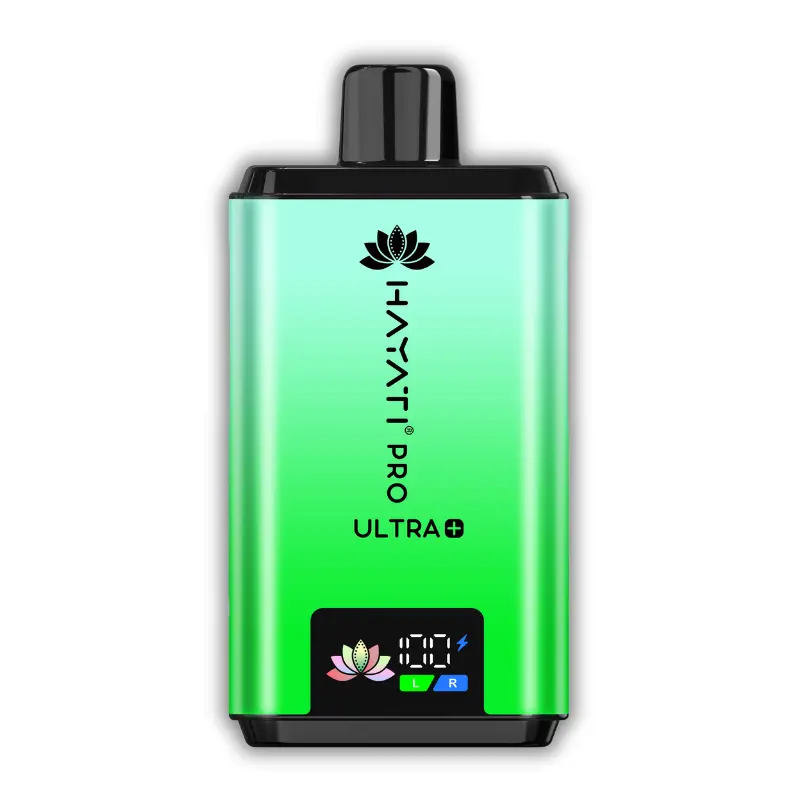
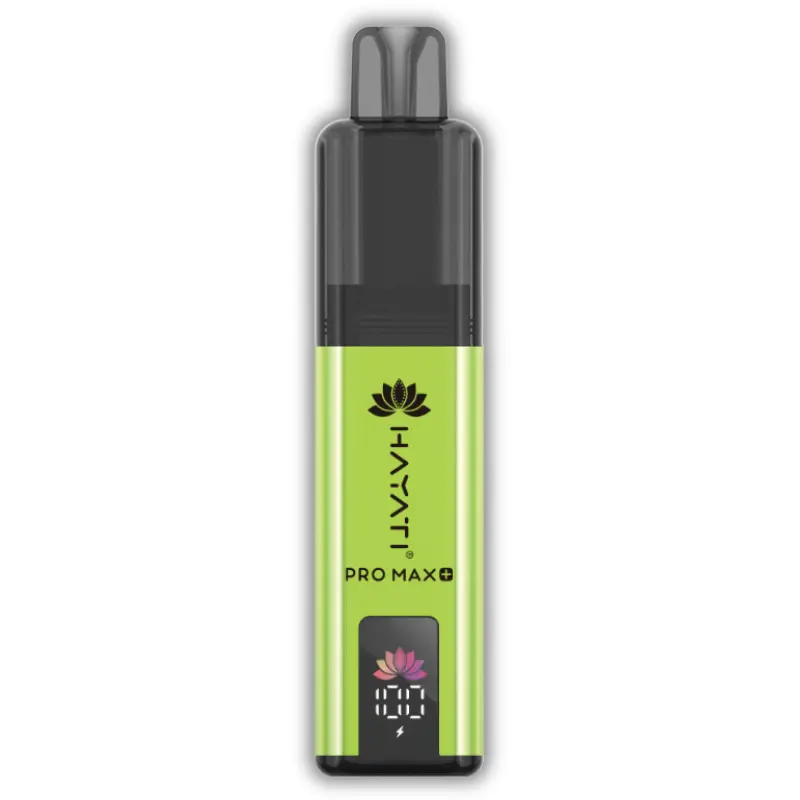
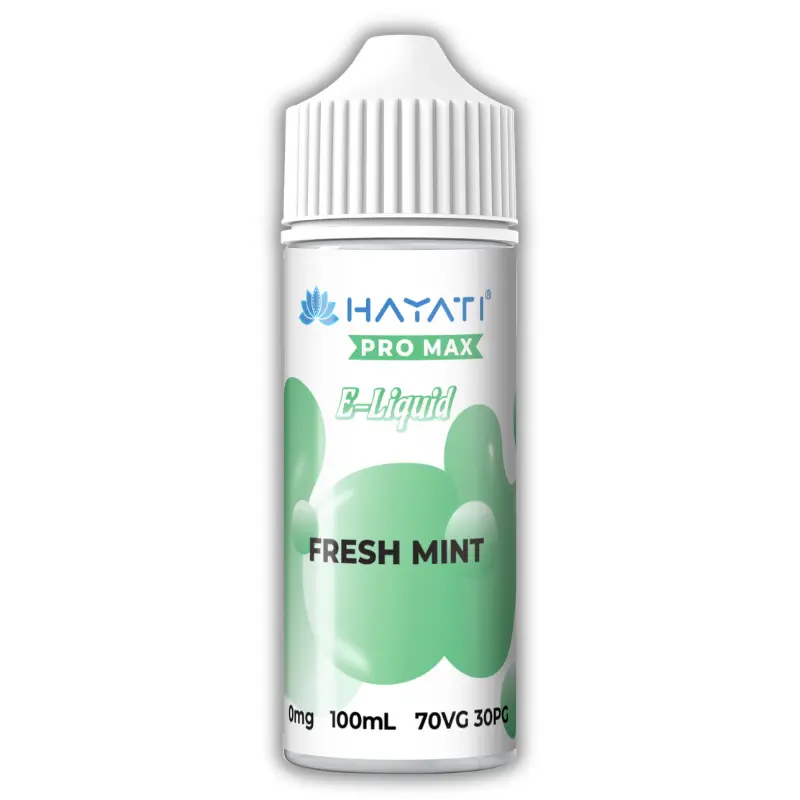
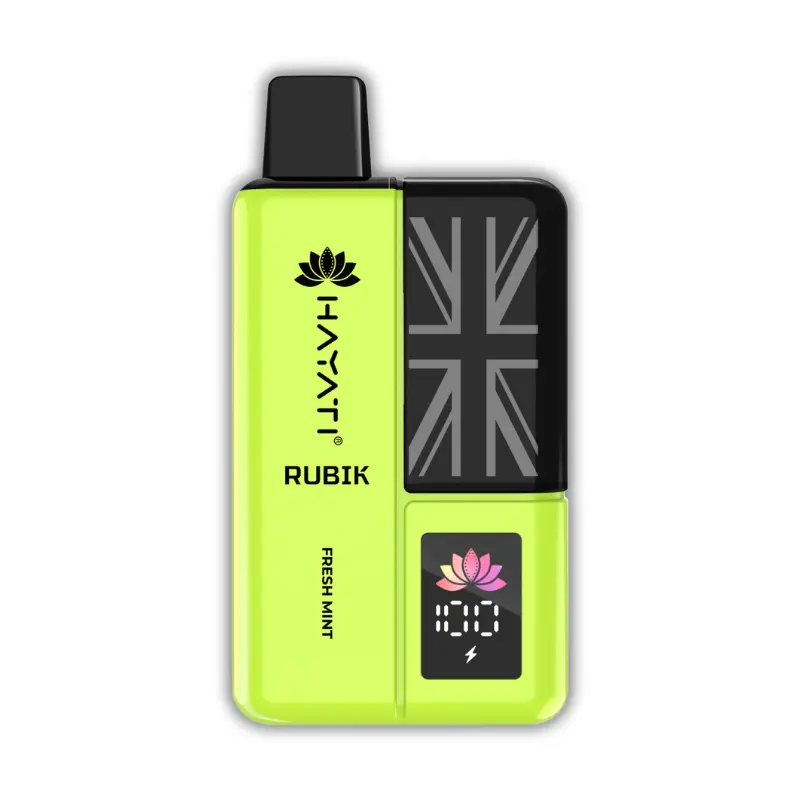
A shelf cut out of another shelf
Two counts, and they are different measurements even though they land on the same figure. Eleven listings are filed here and appear in the grid above, which is the number that matters while you are scrolling. Eleven titles across the whole 492-listing range contain the words Fresh Mint, which is a fact about naming. Those two elevens are not the same claim and it is worth keeping them apart, because on this particular shelf they happen to coincide and on plenty of others they do not.
The interesting count is the third one. Of the eleven tiles here, eleven are also filed on the wider mint shelf. Not most of them. All of them. Whatever this page is for, it is not for showing you products you could not otherwise find, and a buyer who arrives here from the mint shelf has narrowed the field by eight tiles and nothing else.
What the word leaves out, and what it lets in
So look at the eight it dropped. Three are Spearmint listings, a 10ml bottle and a pod and a kit of one liquid, which is the only name in the range that identifies an actual species. One is Black Mint, a 10ml bottle. Three are lemon and mint constructions, two on the Pro Ultra Plus and one bottled. One is a tin of nicotine pouches, which is not a vape at all.
Now ask what those eight have in common that the eleven here do not have. Four of the eight contain no fruit whatever: the three Spearmints and the Black Mint are plain mints by any reading. Meanwhile two of the eleven tiles sitting in the grid above are half blue raspberry, because the Fresh Mint / Blue Razz Mint Hayati Pro Ultra Plus 25000 Prefilled Pod Kit and its bare refill Fresh Mint / Blue Razz Mint Hayati Pro Ultra Plus 25K Pods carry a fruited mint behind one side of a rotating collar. Both of those also sit on Berry Vapes, Blueberry Vapes, Raspberry Vapes and Blueberry Raspberry Vapes, which is the filing system agreeing with the point.
If somebody told you this shelf collected the plain mints, they would be wrong twice over. It excludes four mints with no fruit in them and includes two that are half fruit. An adjective that fails in both directions at once is not drawing a boundary. It is reporting a naming decision that Hayati took product by product.
The word is in the copy of the things it excludes
The cheapest way to test whether a word is doing descriptive work is to count it outside the shelf as well as inside it, and the numbers here are stark. Seven of the eight mint listings that this shelf leaves behind describe themselves as fresh in their own flavour text. Three of those eight go further and use the exact two-word phrase: the bottled Lemon Mint is zesty lemon cooled by fresh mint, the Black Mint bottle offers more body than a plain fresh mint, and the pouch tin says that fresh mint forms its core. Hayati wrote the words Fresh Mint into the description of a product they then declined to file on Fresh Mint Vapes.
Widen it and the picture does not improve. Across the 481 listings that are not on this shelf, 107 use fresh as a standalone word in their own prose, and ten of them use the phrase fresh mint. The word is in roughly a fifth of the catalogue's descriptions and it is the name of eleven tiles. That is not a distinguishing feature, it is house vocabulary. A shelf whose boundary is house vocabulary is a shelf whose boundary is arbitrary, and the honest thing is to say so on the page rather than let a buyer discover it by clicking.
The twelfth Fresh title is the one that finishes the argument. Fresh Menthol Mojito is a 10ml bottle and it sits on Menthol Vapes, where the word is parked directly in front of the name of a compound. If Fresh signalled a herb reading, it could not do that. It attaches to a leaf on eleven titles and to a molecule on the twelfth, which is the behaviour of a modifier with no content of its own.
The verdict already reached, and not rebuilt here
None of the above is a new discovery and it would be poor form to present it as one. The Fresh Mint Hayati Rubik Prefilled Pod Kit page ran this modifier against every other one the mint family uses and settled it there: Fresh is the only one that names nothing, and the verdict was that it distinguishes this liquid on no axis a buyer can check before purchase while distinguishing it perfectly on every axis the catalogue itself uses. Read that page for the argument in full. This one takes the conclusion as given and asks the question it did not: what follows for a shelf built on the word.
One point in the shelf's favour, stated plainly
Being carved out by an empty word does not make a shelf badly maintained, and this one is better maintained than its parent was. Until recently the bare Fresh Mint / Blue Razz Mint 25K refill sat here and on the berry shelves but had never been filed on the mint shelf, while the matching kit had. Eleven of eleven were correct in this grid and eighteen of nineteen were correct in the larger one. Pooling the flavour shelves across a pod and its own kit closed the gap, and the mint shelf page documents that fix and its limits at length. The sub-shelf with the meaningless name was the accurate one. Worth knowing before dismissing it.
One other membership is worth discounting before it misleads anybody. All eleven tiles are also on the New Products shelf, which carries the entire 492-listing catalogue. That shelf tells you nothing about anything, here or elsewhere.
So what do these eleven actually share?
The word is empty. That settles nothing about the products, because a bad label can still sit on a coherent group by accident. The question is whether these eleven have something real in common, and there are two places to look for it: in what Hayati say about the liquid, and in what they say the liquid is for. Those give opposite answers, and the second one is the useful answer.
The descriptions cluster by platform, not by flavour
Reading the descriptions as a set has been done and the finding is uncomfortable for anyone hoping the copy will tell them about the liquid. The Rubik kit page lined up all nine solo Fresh Mint listings and found that they sort into four groups matching the four hardware platforms exactly, with no listing crossing a boundary. Its conclusion, which is the useful part, is that copy for this range was commissioned a platform at a time, so a difference between two Fresh Mint descriptions tells you which brief the writer held rather than that the liquid changed. The grouping and the evidence for it live there.
That analysis covered nine listings. This shelf has eleven, so the obvious extension is to run the two dual pods against the same four groups and see whether they break the pattern. They do not. Both describe the Fresh Mint half as plain, crisp and cooling, both deny fruit on that side, and neither reaches for a single botanical word or mentions menthol. That is the Pro Ultra Plus cluster exactly, which is the platform they are on. Eleven listings, four clusters, still no crossings.
So the first answer to what these tiles share is: not much that the copy can tell you. The vocabulary that varies between them varies by hardware. Anyone reading the Fresh Mint Hayati Rubik Pods description beside the Fresh Mint Hayati Pro Ultra Plus Pods description and concluding that one is greener than the other is reading a commissioning pattern rather than a recipe. On flavour, the eleven are as uninformative as the word that gathered them.
What survives all four briefs
One property does cross every cluster boundary, and because it survives four independently written briefs it is the closest thing to evidence available here. It is not about taste at all. It is about what the liquid is for.
Eight of the eleven tiles describe the product as something you keep beside another liquid and reach for when that liquid stops registering. The Fresh Mint Hayati Pro Max Nic Salt is a bottle to keep in the drawer for resetting your palate after sweeter liquids. The Fresh Mint Hayati Pro Max Plus Pods refill is a palate cleanser between fruit pods. The Rubik refill clears the way between sweeter pods. The Fresh Mint Hayati Pro Max 70/30 E-Liquid is a way to reset your palate between sweeter liquids, and the Fresh Mint Hayati Pro Max 50/50 Shortfill E-Liquid is useful to keep alongside sweeter bottles. The Rubik kit and the Pro Max Plus kit both say the same thing in their own words, and the Pro Ultra Plus refill calls itself a reset for when fruit and candy start to blur together.
Count that against the rest of the catalogue and it stops looking like ordinary copy. Palate and reset and cleanser language appears in 34 of the 481 listings that are not on this shelf, about seven in a hundred. Here it is eight of eleven, and eight of the nine solo listings. The ninth, the Fresh Mint Hayati Pro Ultra Plus 25000 Prefilled Pod Kit, says it without the vocabulary: a good one to keep on hand for when sweeter flavours start to feel like too much. Nine out of nine on the job, four separate briefs, one message.
Even the two dual pods are built around the same idea, just internalised. The kit listing says outright that it suits anyone who tends to alternate between a mint and a fruit through the day, because both live in the same device behind a collar. That is the rotation argument turned into hardware. Eleven for eleven, if you count it that way.
The honest check, which goes against the shelf
A finding is only worth having if you also test it against the tiles the shelf excluded, and that test does not flatter the boundary. Four of the eight mint listings this shelf leaves behind carry the same language. The Spearmint bottle works well as a palate reset between fruitier bottles. The Spearmint pod says a mint pod is handy to have as a reset between sweeter flavours. The Spearmint kit calls itself a palate cleanser between fruitier options.
So the property that unites these eleven is real, it is well evidenced, and it is not a property of Fresh Mint. It is a property of a plain mint. The adjective has gathered a group whose defining characteristic is shared by mints it excluded, which is the clearest possible demonstration that it is not the thing doing the work. What is doing the work is the absence of fruit, and the word for that is not Fresh.
Five groups that do separate the eleven
Since the name cannot sort them, sort them by the two things that actually differ across the grid: whether there is a fruit involved, and how much liquid you are committing to. That produces five groups, and unlike the shelf boundary they each answer a different question.
Group one: the two that are not plain mints, £7.99 and £11.99
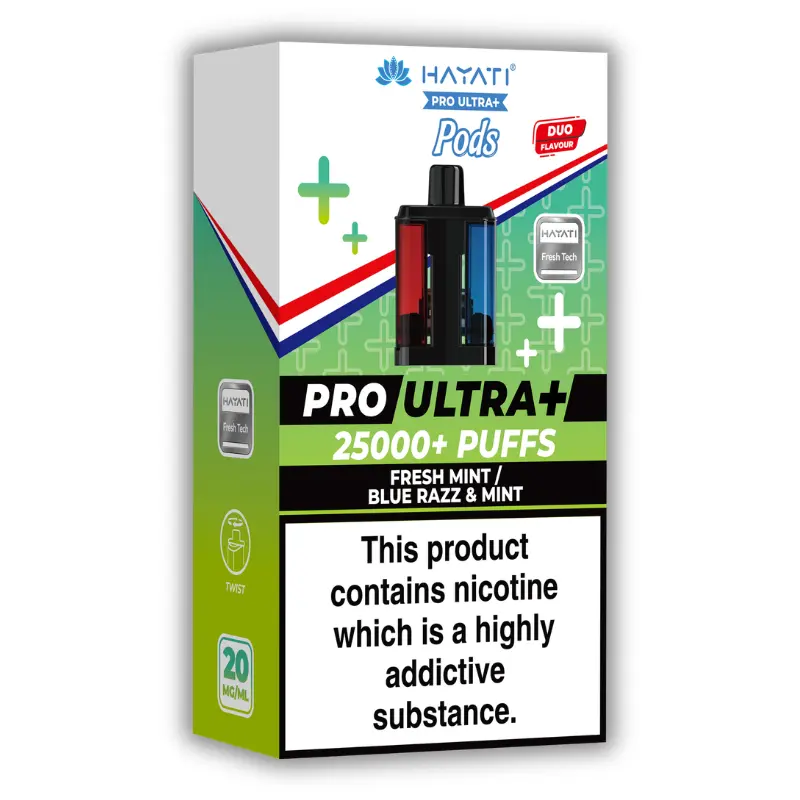
The Fresh Mint / Blue Razz Mint 25K refill at £7.99 and the matching kit at £11.99 hold 22ml of 20mg liquid split between two flavours behind a rotating mouthpiece, with the kit differing from the pod in nothing except that a device arrives with it. One side is the plain mint that gives this shelf its name. The other is a tangy blue raspberry with mint underneath, so the fruit finishes cool instead of sweet.
These are here because half of each carries the shelf's name, which is reasonable filing and misleading shopping. If you want a plain mint and nothing else, half of your 22ml is a berry product. If you want the ability to move between a mint and a fruit without putting anything down, they are the only tiles in the grid that offer it, and they are a genuinely neat solution to the problem the rest of this page is about. Hayati are clear that the cooling family stays constant across the collar and what changes is the sweetness above it, which makes this the cheapest way to feel the difference between a mint and a mint-treated fruit inside one product.
Group two: the 10ml bottle at £2.49
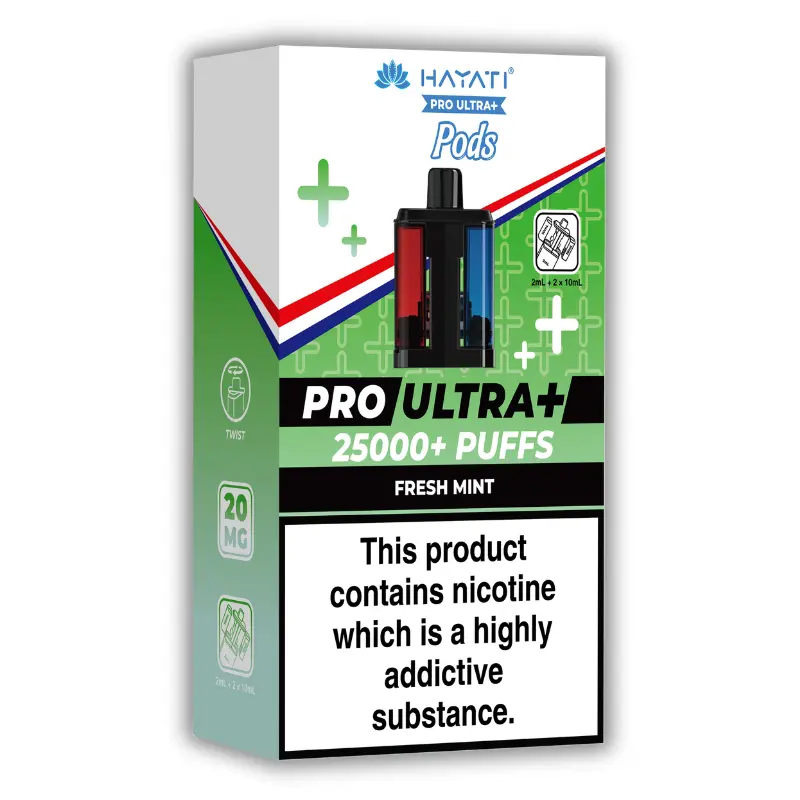
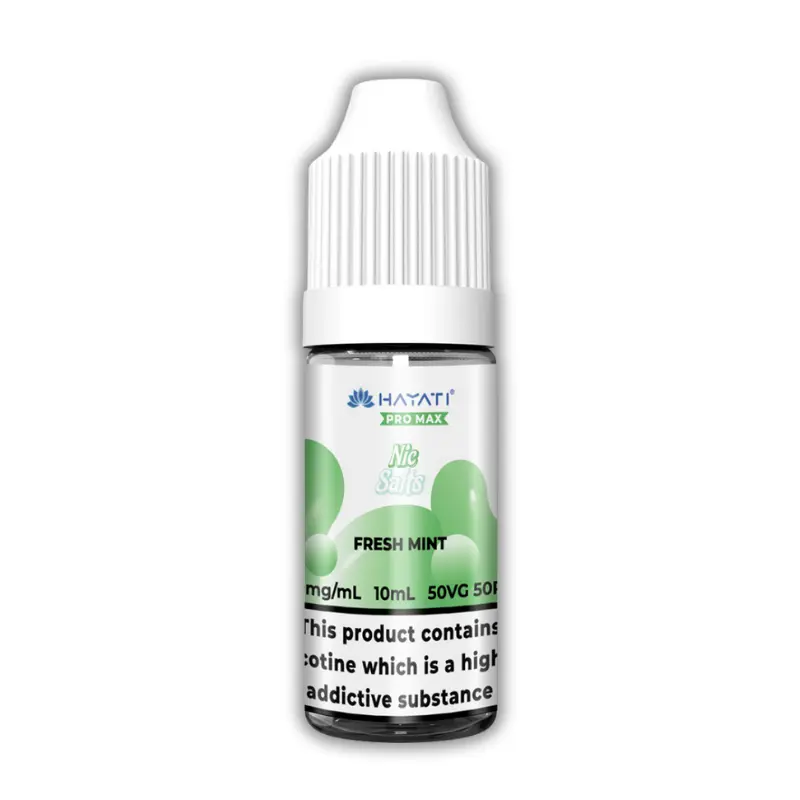
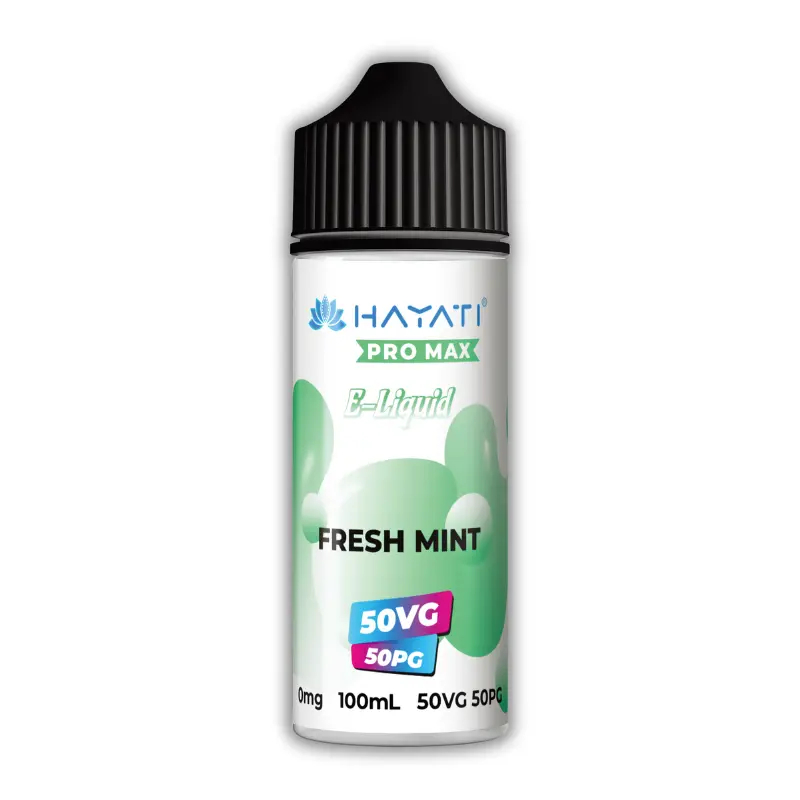
The Fresh Mint nicotine salt bottle is 10ml of 10mg in a 50/50 base, made for a refillable pod or another low-powered device with a narrow-bore, higher-resistance coil. It is the cheapest tile here by a margin and the only one that goes into hardware you chose for yourself.
Two things make it the most useful listing on the shelf regardless of whether you end up liking it. The first is that its description carries the one sentence of real positioning attached to this flavour anywhere in the range, which the next section leans on heavily. The second is that a plain mint is judgeable on a single draw, an argument the Rubik kit page makes properly and which means £2.49 buys a complete answer rather than a partial one. Nothing arrives later. Whatever you think at the end of the first exhale is the whole inventory.
The limitation is that it needs a refillable device already in the house. It also carries the lowest nicotine figure on the shelf at 10mg per millilitre, against 20mg on every sealed pod here, which is a plain fact about the products rather than a recommendation. Nicotine is addictive. The rest of the bottled range sits on Hayati E-Liquids.
Group three: the 12ml sealed tier, four tiles from £3.99
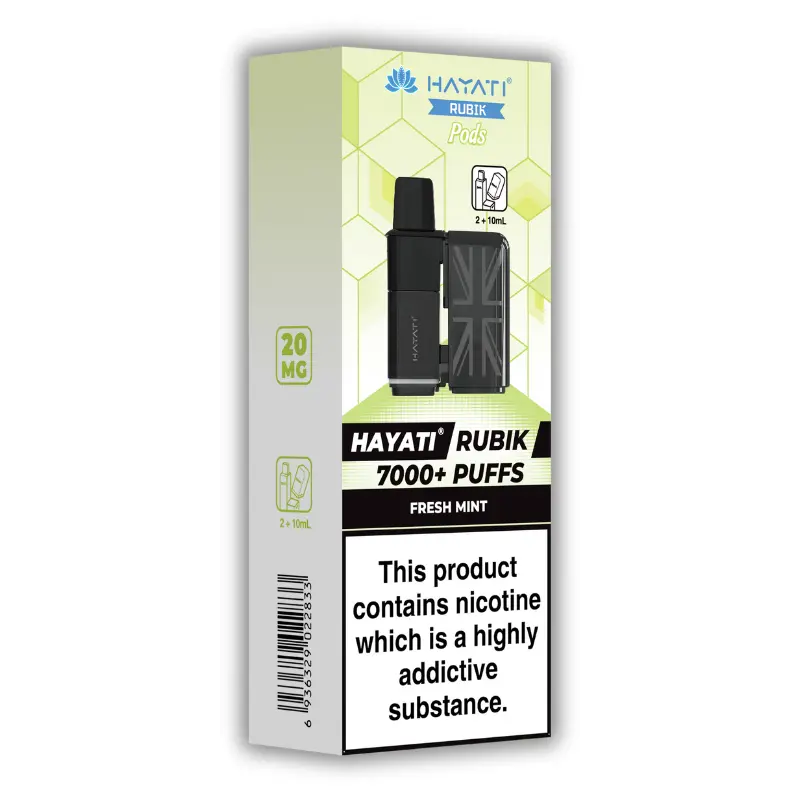
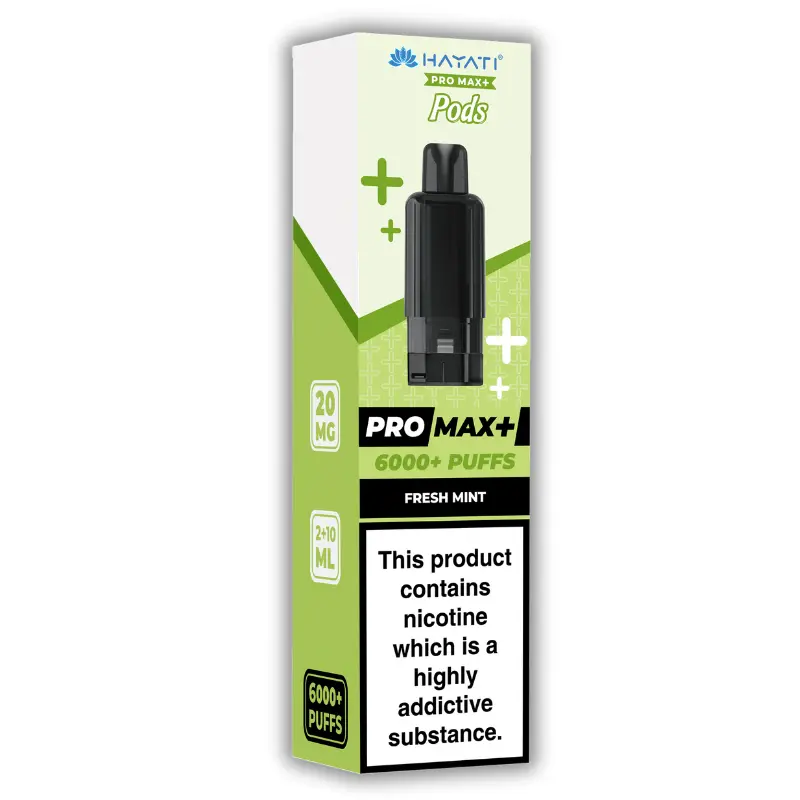
This is the middle of the shelf and the part most people should be looking at. Four tiles, two platforms, one volume. Fresh Mint Hayati Rubik Pods at £3.99 is a bare refill for the compact Rubik body. Fresh Mint Hayati Rubik Prefilled Pod Kit at £5.99 is that pod with an 850mAh Rubik device in the box. Fresh Mint Hayati Pro Max Plus Pods at £5.49 is the bare refill for the Pro Max Plus, and Fresh Mint Hayati Pro Max Plus Pod Kit at £7.99 is that pod with an 850mAh Pro Max Plus device.
All four hold 12ml at 20mg. The liquid is described in the same terms on both platforms once you account for the cluster effect above. What differs is the body, the price and the manufacturer's puff figure, which is 7,000 on the Rubik and 6,000 on the Pro Max Plus for the identical volume, a discrepancy the Rubik page attributes to the bench test rather than to the pod. Both are laboratory estimates produced by a machine repeating one draw, useful for ranking two pods against each other and useless as a forecast of your fortnight.
Twelve millilitres is the right size for the job this flavour is actually bought for, and the pricing section below has an arithmetic oddity across these four that is worth knowing before you choose between the platforms. The whole Rubik range is on Hayati Rubik, and bare refills across every platform are collected on Hayati Pods and Hayati Prefilled Pods & Refills.
Group four: the 22ml sealed tier, two tiles
Fresh Mint Hayati Pro Ultra Plus Pods at £7.99 and the Fresh Mint Pro Ultra Plus 25000 kit at £11.99 put 22ml of 20mg behind a single flavour, rated by the manufacturer at up to 25,000 puffs on the same kind of bench test. The kit adds an 850mAh device and nothing else.
Per millilitre this is the cheapest sealed liquid on the shelf, and for this flavour in particular that is the wrong way to read it. Twenty-two millilitres of an unvarying single-component profile is a long commitment, and the argument in the rotation section below is that the tile most suited to being your only liquid is the tile least suited to the job most people buy a mint for. The wider platform, pods and kits together, is on Hayati Pro Ultra Plus Prefilled Pod Kits & Pods, with the bare pods gathered on Hayati Pro Ultra Plus Pods and the complete packages on Hayati Pro Ultra Plus Prefilled Pod Kit.
Group five: the two 120ml bottles at £6.99
These are the pair most likely to be scrolled past on the assumption that everything on a vape shelf is the same kind of purchase. They are not. Both are 120ml at 0mg, so they contain no nicotine as supplied, and both need hardware Hayati do not sell you here.
The 70/30 bottle is a thicker, higher-VG liquid intended for a sub-ohm tank or a direct-to-lung kit running low-resistance coils. The 50/50 shortfill is thinner, suits mouth-to-lung pods and lower-powered devices, and being a shortfill it is bottled with room left for a nicotine shot, which wants a proper shake afterwards so it disperses evenly. Putting either in the other's home produces a poor result for reasons that have nothing to do with the flavour.
One fact about these two is worth more than the specification. Exactly 20 flavours in the whole range are sold in both 120ml formats, and 19 of them are fruits, sweets or drinks: watermelon, mango, apple, cherry, cranberry blends, gummy bear, rainbow, cola-adjacent names and so on. Fresh Mint is the twentieth and the only one that is not. Hayati's widest-distribution list is nineteen things you might vape all day and one mint, which is the clearest single piece of evidence on this page about how the company thinks this flavour gets used.
Borrowing a better axis, because this shelf has none
Here is the practical problem. You are on a shelf whose name cannot tell you whether you will like anything on it, whose eleven members differ mainly in volume, and whose flavour copy varies by hardware rather than by recipe. You still have to choose. So take an axis from somewhere else, say openly that is what you are doing, and use it.
The axis worth borrowing
The mint shelf page built a sorting rule and it is the right one to use here. Its finding is that the word mint on a label points at three different kinds of thing: a plant, which is a culinary herb you detect as an aroma; a compound, meaning menthol, which acts on a receptor that reports temperature and is barely a flavour; or a coolant used as a modifier, dosed into a fruit so the fruit reads sharper. Botanical, sensation, treatment. Not three settings on one dial but three categories, and its rule for telling them apart reads position in the name rather than temperature words. That argument is worked out in full there, along with why the cold vocabulary in this catalogue cannot be ranked, and there is no value in a second version of it.
Apply it to this grid and the result is lopsided in a way the shelf name conceals. Nine of the eleven tiles are a single reading, the plant one. Two hold a plant reading and a treatment reading behind one collar. Not one tile on this shelf is the compound reading. If cold is the thing you came for, you are not merely on a narrow shelf, you are on a shelf with none of what you want, and Menthol Vapes with its twelve tiles is the correct destination. Its own page argues that it is the only shelf in the range named after a molecule, and that is exactly the property this one lacks.
The only positioning statement about this flavour points off the shelf
There is one sentence in the whole catalogue that places Fresh Mint against anything, and it is on the £2.49 bottle. It tells a reader who finds Spearmint too soft and Menthol too icy that this is the one sitting between them. That is a manufacturer's own ranking, it is the only ranking in the mint family worth taking at face value, and it does something awkward: it locates this flavour using two products, neither of which is on this shelf. Spearmint is one of the eight tiles the adjective dropped, and Menthol is on the other grid entirely.
Read that carefully and it is the whole case against the shelf in one line. The single most useful thing anybody has published about these eleven products cannot be acted on without leaving them. A shelf that cannot contain its own reference points is a shelf that should be routing you rather than holding you, which is what the rest of this section does.
Routing, four ways
You want a softer, rounder, sweeter herb. That is Spearmint, on Mint Vapes as a 10ml bottle at £2.49 and as a Pro Max Plus pod and kit. Hayati describe it consistently across all three as cooling without the bite of peppermint, sitting at the relaxed end. Buy that bottle and the Fresh Mint bottle together, five pounds for the pair, and the question answers itself inside two days. The mint shelf page makes the same recommendation and it is the right one.
You want cold rather than a taste. Go to Menthol Vapes. Nothing here will do it and pretending otherwise would waste your money. Every Fresh Mint description on this shelf leads on flavour before sensation and none reaches for the intensity vocabulary the same copy desk applies freely elsewhere, which the Rubik page treats as good evidence that the cooling here is moderate by design.
You want a fruit that reads sharp. Then the mint is a treatment and the fruit is the product, and you should shop for the fruit. Ice Vapes is the ninety-eight-tile shelf built on exactly that arrangement. For the lemon version specifically, Lemon Vapes holds the citrus listings including the three mint-treated ones this shelf excluded, and Lemon Lime Vapes narrows it to the two-citrus blends with no herb in them. For the berry version, the two dual pods above are the only example in this grid.
You want a plain mint and you are already sure. Then you are in the right place and the rest of the decision is about format and money, which the next three sections cover. The saving grace of a flavour with no internal structure is that the decision is cheap to test and quick to settle.
What a plain mint is actually for
Nearly every flavour in this catalogue is bought because somebody wants to taste it. A plain mint is the exception, and being straight about that changes which of these eleven tiles is the right one far more than any amount of flavour description does.
The evidence is not a theory about buyers. It is in the listings. Eight of eleven tiles describe the product as a reset, a cleanser, or something kept beside sweeter liquids, against about seven in a hundred across the rest of the catalogue. The ninth solo listing says the same without the vocabulary. The two dual pods build the rotation into the hardware. Hayati have written the same purpose into four separately commissioned sets of copy, and it is not the purpose they write for a peach or a cola.
The 120ml line says it a second way. Nineteen of the twenty flavours sold in both large-format bases are fruits, sweets or drinks, and the twentieth is this one.
Why the job changes the shopping
A rotation flavour and an all-day flavour want opposite things from a format, and the grid above sells both without distinguishing them.
An all-day liquid wants volume, because you are getting through it. A rotation liquid wants the opposite. You reach for it in bursts, perhaps a few draws after something sweet has stopped registering, perhaps an hour in the middle of a day otherwise spent on fruit. At that rate a large fill is not value, it is a pod that outlives your interest in it and then sits in a drawer at nine millilitres while you wonder whether it has gone flat.
There is a second reason, and the Rubik kit page sets it out properly, so this is its conclusion rather than its reasoning. The two components of a plain mint have completely different reliability profiles. The aroma is stable and your reading of it is good from the first draw. The cooling is not: sensitivity to a coolant drops with repeated exposure and recovers during gaps, so a mint used occasionally stays at full strength while the same pod used exclusively does not. That is an argument about how to use the product, and it converts directly into an argument about which size to buy. The rotation pattern is the one that keeps the sensation intact, and the rotation pattern does not need twenty-two millilitres.
Which tile suits the job
Ranked for the rotation role specifically, the order is almost the reverse of the per-millilitre order.
- Fresh Mint Hayati Rubik Pods at £3.99. The smallest sealed fill here, on a compact body, and the cheapest sealed entry by £1.50. A second device has to live in a pocket beside a first, and the Rubik page notes that a faceted shape can be told apart by touch, which is worth more than it sounds when two of them travel together.
- Fresh Mint Hayati Rubik Prefilled Pod Kit at £5.99. The same 12ml with the body included, for anyone who does not yet own a second device.
- Fresh Mint Hayati Pro Max Nic Salt at £2.49. Cheapest of all and the best test, though only with a refillable pod already in the house, and with one nuisance attached: mint aromatics soak into plastic and rinsing does not fully lift them, so whatever follows carries a trace. Use two pods rather than one washed repeatedly.
- Fresh Mint Hayati Pro Max Plus Pods at £5.49. Identical 12ml and 20mg to the Rubik refill, on a body a lot of people already own. If you have one, this is the answer. If you do not, read the pricing section first.
- Fresh Mint Hayati Pro Ultra Plus Pods at £7.99. Twenty-two millilitres, cheaper per millilitre than either 12ml pod, and exactly the wrong shape for a flavour you use in bursts.
The format that would suit the job best is not on this shelf at all, and it is worth naming rather than leaving as a gap. The range's compact platform sells 4ml sealed pods, which is precisely the size a rotation flavour wants: enough for weeks of intermittent use, small enough that a wrong guess costs nothing. Fresh Mint is not made for it. Fresh Mint appears on six of the range's seven delivery formats, more than any other mint by a factor of three, and the one it misses is the one its own copy describes it as being for. The three mint-family listings on that platform are all menthol berries. That is a real hole in the range rather than a criticism of any tile in the grid above.
Choosing the other half of the rotation
A reset only works against something, and it works worst against another cooled product, because a palate moving between two cold liquids has very little distance to cover and both are drawing on the same adaptation. Add this to a main pod that is already cooled and the contrast is weaker than it was before.
So the partner wants to be warm, sweet and uncooled. Watermelon Vapes and Apple Vapes hold plenty that qualifies once you avoid the iced entries, Juicy Peach Vapes and Cherry Vapes sit in the same territory, and Mango Vapes, Pineapple Vapes and Kiwi Vapes give you the tropical end. Sweet Vapes is the confectionery shelf and is the category a mint is most often bought to interrupt in the first place. Banana Vapes and Blackcurrant Vapes are the softest, roundest options if you want the contrast to be about weight rather than about brightness.
One practical note that costs nothing. Judge any complaint that a mint pod has faded on the first draw of the morning and only on that draw. An overnight break resets your sensitivity properly, which makes day nine comparable with day two, and without that discipline you will be comparing a tired palate against a fresh one and blaming the pod.
Formats, volumes and what fits what
Five formats and six price points across eleven tiles, which is unusually wide for a flavour shelf and is the direct consequence of Fresh Mint being distributed more broadly than any other mint in the range.
| Format | Tiles | Volume | Nicotine | Price |
| 10ml nicotine salt bottle | 1 | 10ml | 10mg, 50/50 base | £2.49 |
| Rubik sealed pod | 1 pod, 1 kit | 12ml | 20mg | £3.99 and £5.99 |
| Pro Max Plus sealed pod | 1 pod, 1 kit | 12ml | 20mg | £5.49 and £7.99 |
| Pro Ultra Plus sealed pod | 2 pods, 2 kits | 22ml | 20mg | £7.99 and £11.99 |
| 120ml bottle, two base ratios | 2 | 120ml | 0mg | £6.99 |
Three hardware platforms are represented and they share nothing mechanical. A pod made for one body will not seat in another, no adaptor exists, and the sensible habit is to read the range name on the pod against the range name on the device before ordering rather than afterwards. Inside a platform the reverse is true and any pod of that range will take, so a Pro Ultra Plus body will accept either of the four Pro Ultra Plus tiles here and a Rubik body accepts the whole Rubik refill tier once you own it.
The bottles sit outside that entirely, because they go into hardware you selected and the only thing that has to agree is the base ratio against the coil. A 50/50 fluid wicks through narrow channels and suits higher-resistance mouth-to-lung coils. A 70/30 fluid wants a wide-bore tank and a low-resistance coil. This is the only flavour on the shelf sold in both, so if you have scrolled this far intending to buy a bottle, that choice is yours to get right and nobody else's.
Every sealed pod here retires whole, coil included, and none should be opened or pierced. On a single-component liquid that has one specific consequence: when the flavour goes quiet there is no way to tell whether the aroma degraded or the coil stopped rendering it, because you cannot put fresh liquid on a worn coil to isolate the variable. Complete packages across all platforms are on Hayati Pod Kits and the prefilled ones specifically on Hayati Prefilled Pod Kits.
One structural point in this shelf's favour, and it is not true everywhere in the range. All four kits here have a matching bare refill sitting beside them in the same grid: the Rubik kit against the £3.99 Rubik pod, the Pro Max Plus kit against the £5.49 refill, the Pro Ultra Plus kit against the £7.99 pod, and the dual kit against the dual 25K pod. Elsewhere in the catalogue a flavour can appear as a kit with no refill behind it, which means committing to something you cannot restock without changing flavour. Nothing on this shelf has that problem, so whichever body you buy into, the second purchase is available at the lower tier.
Storage runs one way on this flavour and is worth a sentence. The lightest part of a herb profile goes first to warmth and time while a cooling compound survives both, so a pod left somewhere warm comes back proportionally colder than it went in. A drawer indoors is fine. A car in July is how a mint ends up tasting of nothing but a chill.
Price, and where the identical thing costs less
The spread runs from £2.49 to £11.99, a factor of nearly five, and essentially none of it is about the liquid. Two variables explain the whole grid: how many millilitres arrive, and whether a device arrives with them.
Sorted, the shelf is one bottle at £2.49, one Rubik pod at £3.99, one Pro Max Plus pod at £5.49, one Rubik kit at £5.99, two 120ml bottles at £6.99, three listings at £7.99 and two at £11.99. The £7.99 row is the one that catches people, because it buys a complete Pro Max Plus package with a device or a bare Pro Ultra Plus pod with no device at all. Same money, and one of the two does nothing on its own.
The same cell, three different prices
Line the pod prices up against the kit prices and something odd appears. On the Rubik the gap between the bare pod and the complete kit is £2.00. On the Pro Max Plus it is £2.50. On the Pro Ultra Plus it is £4.00. All three kit listings describe an 850mAh rechargeable device, so the price of putting a nominally identical cell in the box doubles depending on which platform you are standing on.
Do not over-read that. Capacity is one figure and a device is a whole object, and Hayati publish nothing about the bodies beyond the cell, so the £4.00 Pro Ultra Plus device may well be a larger piece of hardware carrying a much larger pod. The point is narrower and still useful: if what you want is a body to put Fresh Mint pods into, the cheapest route to owning one is the Rubik, and it is cheapest by a clear margin rather than by a rounding error.
The fifty-pence finding
Here is the sharpest version of that. The Pro Max Plus bare pod is £5.49 and the complete Rubik kit is £5.99. Both carry 12ml of Fresh Mint at 20mg. One is a pod that needs a device you already own. The other is the same volume of the same flavour at the same strength with a device included, for fifty pence more.
That is only a saving if you are choosing which platform to enter, and it reverses completely once you own a Pro Max Plus body, at which point the £5.49 refill is obviously correct and the kit would be a second device you did not need. But anyone standing in front of this grid without either body should notice that the Rubik route costs £5.99 to get started and £3.99 a refill thereafter, while the Pro Max Plus route costs £7.99 to get started and £5.49 a refill. On the second pod the Rubik owner is £4.50 ahead and on the fifth they are £10.50 ahead, for the same twelve millilitres of the same liquid every time.
Per millilitre, and why it is the wrong ranking here
Cost per millilitre sorts the grid into an order with almost nothing to do with which tile you should buy. The 120ml bottles are under 6p and are 0mg for hardware most pod owners do not have. The 10ml bottle is about 25p, the Rubik refill about 33p, the Pro Ultra Plus pod about 36p, the Pro Max Plus refill about 46p, and the kits run from roughly 50p to 67p because a device is folded into the figure. So the arithmetic recommends the 22ml pod over the 12ml one, which for a structureless flavour bought by most people as a second liquid is the expensive answer wearing a cheap hat. Buy small until the flavour has earned a place in the rotation rather than merely space in the drawer.
Where to go from here
Mint Vapes is the parent shelf and the first place to look, because it is this grid plus the eight tiles the adjective dropped, including the only mint in the range named for a species and the three lemon and mint constructions. It also carries the sorting rule this page borrowed. If you are not certain which of the three kinds of mint you want, start there rather than here.
Menthol Vapes is the other half of the family and shares no product with this one. Its page argues that it is the only shelf in the catalogue named after a molecule rather than a plant, a fruit or a feeling, which is precisely the kind of name this shelf does not have. Anyone who reads this page and concludes that what they actually wanted was the cold should go there directly.
Ice Vapes applies the treatment reading to fruit across ninety-eight tiles, which is the same logic as the blue raspberry half of the dual pods scaled up to most of the catalogue. For the specific fruits those dual pods contain, Berry Vapes is the broad shelf, with Blueberry Vapes, Raspberry Vapes and Blueberry Raspberry Vapes narrowing it, and Strawberry Vapes and Strawberry Raspberry Ice Vapes sitting alongside.
For rotation partners with no coolant in them, the warm shelves are Peach Vapes, Exotic Vapes, Grape Vapes and Orange Vapes, and Lemonade Vapes and Cola Vapes give you the drink profiles. Mr Blue Vapes and Summer Dream Vapes are the two shelves named for something that discloses nothing, which makes them the opposite problem to this one: an empty name attached to an unknown liquid rather than to a known one. The complete catalogue is on the full Hayati range.
The short version
Eleven tiles, eleven titles naming Fresh Mint, and eleven of eleven also filed on the nineteen-tile mint shelf. The adjective that carves this subset out names no species, compound, quantity, temperature or fruit, sits in the flavour text of seven of the eight mint listings it excludes and in 107 of the 481 listings elsewhere, and fails in both directions at once by dropping four fruit-free mints and keeping two that are half blue raspberry.
What the eleven share is not a flavour. Their descriptions cluster by hardware platform rather than by recipe. What crosses all four of those clusters is a job: eight of eleven describe the product as something kept beside a sweeter liquid, against roughly seven in a hundred across the rest of the range, and that is a property of plain mints rather than of this name.
So borrow an axis. Mint on a label means a plant, a compound, or a treatment applied to a fruit. Nine tiles here are the plant reading, two hold a plant and a treatment behind one collar, and none is the compound reading. If the decision is still open, £2.49 settles it, because a single-component liquid is complete at the end of the first exhale. If it is settled, buy for the job: twelve millilitres suits a rotation, twenty-two suits an only liquid, and the cheapest way into a body is £5.99 rather than £7.99. Nicotine runs at 0mg in the large bottles, 10mg in the small one and 20mg on every sealed pod, and nicotine is addictive.
Strictly for adults aged 18 and over. Nicotine is an addictive substance.
Frequently asked questions
Is this shelf different from Mint Vapes, or just smaller?
Smaller, and nothing else. All eleven tiles here also sit on Mint Vapes, which holds nineteen, so this grid contains no product you could not reach from there. The eight you lose by coming here are the three Spearmint listings, the Black Mint bottle, the three lemon and mint constructions and a tin of nicotine pouches. If you already know you want a plain mint with no fruit and no species named, the narrower grid is tidier. If you are still deciding what kind of mint you want, the wider one has the comparison points and the sorting rule.
Does the word Fresh tell me anything about the liquid?
No, on any axis you can check before buying. Set against the other modifiers the mint family uses it is the odd one out: Spearmint names a species, Menthol a compound, Double a quantity, Frosted a temperature, Lemon and Blue Razz the fruit underneath. Fresh names none of those. The Rubik kit page worked this through and concluded it is evaluative rather than descriptive, which is why it can sit on eleven listings without ever being contradicted. The count confirms it: 107 of the 481 listings not on this shelf use the word in their own copy, and seven of the eight mint listings this shelf excludes describe themselves as fresh.
Are all eleven of these plain mints?
Nine of them. The other two are the dual Pro Ultra Plus pod and its kit, which hold 22ml split between Fresh Mint on one side of a rotating collar and Blue Razz Mint on the other. Blue Razz Mint is a tangy blue raspberry with mint underneath, which is a fruit product, and both listings are correspondingly filed on Berry Vapes and Raspberry Vapes as well as here. Meanwhile four genuinely fruit-free mints sit outside this shelf. If you wanted a grid of plain mints, this is not quite it in either direction.
Is Fresh Mint peppermint or spearmint?
Hayati never say, on any of the eleven listings. The flavour copy leans towards a herb reading, since seven of the nine solo descriptions attach a botanical word and all of them lead on flavour before cooling, but that is evidence rather than a specification. The range names spearmint explicitly on three listings and never uses the word peppermint anywhere in a title. Anyone who tells you which mint this is, in either direction, is reading a name rather than a data sheet. The 10ml bottle at £2.49 is the cheapest way to find out what it is on your own palate.
Why do two descriptions of the same flavour read differently?
Because the copy was commissioned one hardware platform at a time. Lined up as a set, the nine solo Fresh Mint descriptions fall into four groups that match the four platforms exactly, with no listing crossing a boundary: the bottles use botanical vocabulary and describe a cooling that builds, the Rubik pair uses the botany without the building, the Pro Max Plus pair is the only one that names menthol, and the Pro Ultra Plus pair is plainest of all. The two dual pods follow the Pro Ultra Plus pattern, which is the platform they are on. A difference between two of these descriptions is evidence about the writer's brief, not about the recipe.
Which one should I buy if I mostly vape fruit and want a reset?
A twelve-millilitre pod, and on price the Rubik refill at £3.99 if you have the body or the Rubik kit at £5.99 if you do not. A rotation flavour is consumed slowly, so a large fill is not value, it is a pod that outlasts your interest. The twenty-two millilitre tiles are cheaper per millilitre and wrong for the job. There is a further reason to keep a mint occasional rather than exclusive: sensitivity to a coolant drops with steady exposure and recovers during gaps, so the occasional pod holds its character and the everyday one does not.
Why is there no small pod of this flavour?
There should be, and there is not. The range's compact platform sells sealed pods at four millilitres, which is the natural size for something used in bursts, and Fresh Mint is not offered on it. That is the only one of the range's seven delivery formats this flavour misses, which is striking given it appears on six and no other mint appears on more than two. The three mint-family listings on that small platform are all menthol paired with berries. So the format best suited to the way the copy says this liquid gets used does not carry it, and the smallest sealed fill available here is twelve millilitres.
Is anything on this shelf actually cold?
Not at the top of the range, no. Every one of the eleven descriptions uses moderate vocabulary for the cooling, none reaches for the intensity words the same copy desk applies elsewhere, and all of them lead on flavour before sensation. Hayati's own positioning places this flavour between Spearmint and Menthol, which means it is explicitly not the cold end. If cold is the purchase, Menthol Vapes holds twelve tiles and names the compound on the label. For cold attached to a fruit, Ice Vapes is the ninety-eight-tile shelf built for it.
Why are two of these bottles 0mg?
Both 120ml listings are supplied without nicotine. The 50/50 shortfill is bottled short so a nicotine shot can be added, and the 70/30 bottle is a high-VG liquid for sub-ohm tanks and direct-to-lung kits. They are also the cheapest liquid on the shelf by a wide margin at under 6p per millilitre, which is only relevant if you own the hardware they are for. The other nine tiles carry nicotine as supplied: 10mg on the small bottle, 20mg on every sealed pod. Those figures are plain facts about the products, and nicotine is addictive.
What is the difference between the Rubik and Pro Max Plus versions?
The body and the money, not the liquid. Both are 12ml sealed pods at 20mg with an 850mAh device in the kit version. The Rubik pod is £3.99 against £5.49 and the Rubik kit is £5.99 against £7.99, so entering by the Rubik costs two pounds less and every refill afterwards costs £1.50 less. The manufacturer's puff figures differ, 7,000 against 6,000 for the identical volume, which the Rubik page attributes to the bench test rather than to the pod, and both are laboratory estimates rather than forecasts. Nothing crosses between the two platforms, so the choice locks you in until you buy another device.
Will the mint linger in a refillable pod afterwards?
Yes, and rinsing does not fully fix it. Mint aromatics are small, volatile molecules that absorb into plastic, so a fruit put through the same pod afterwards will carry a trace of mint for a while. Anyone rotating between the 10ml bottle and something from Hayati E-Liquids gets a better result from two dedicated pods than from one washed between fills. On the sealed formats here the problem does not arise, since each flavour arrives in its own pod and leaves in it.
My pod seems weaker after a fortnight. What has happened?
Three unrelated things produce that complaint and they need different responses. If the cooling has dropped while the green part is roughly where it was, you have adapted and a few days away restores it. If the flavour has flattened while the chill is unchanged, either the coil has aged or the liquid has lost its lightest fraction, and on a sealed pod those two cannot be separated because the coil retires inside it. If you have been chaining draws, heat is the likeliest culprit, and that one clears by itself after half an hour. Judge it on the first draw of the morning, since an overnight break resets your sensitivity and makes the comparison honest.