
Home / Hayati E-Liquids
Hayati E-Liquids
Bottled liquid sits apart from almost everything else Hayati puts out. The bulk of the catalogue arrives sealed and prefilled, a pod you clip on and later replace. This shelf is the other end of that idea: 105 bottles with no device attached to any of them, each one waiting for hardware you already own. Three separate ranges feed into the grid below, and the price runs from £2.49 at the bottom to £6.99 at the top.
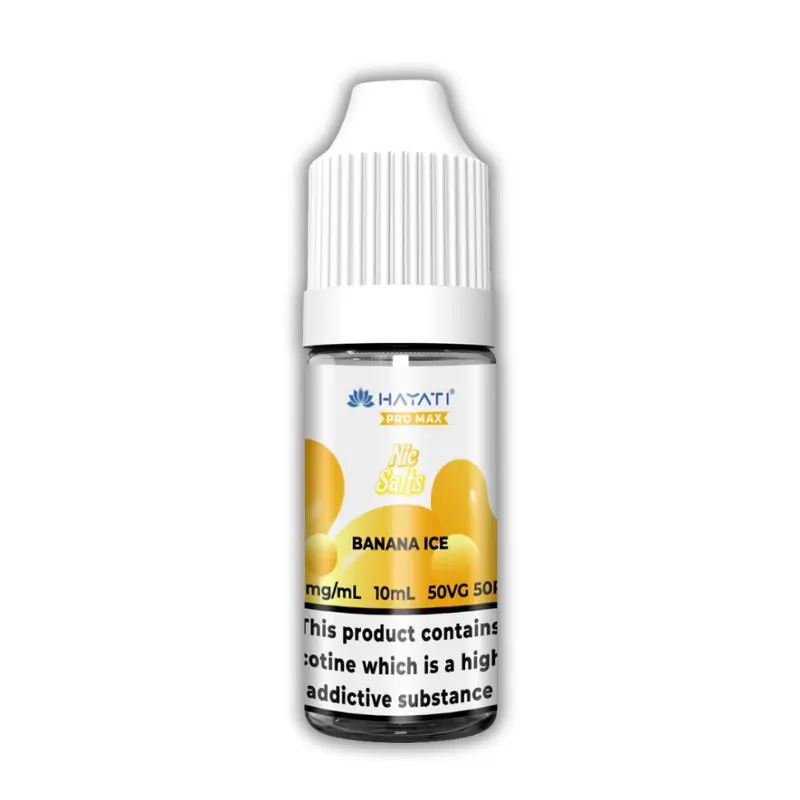
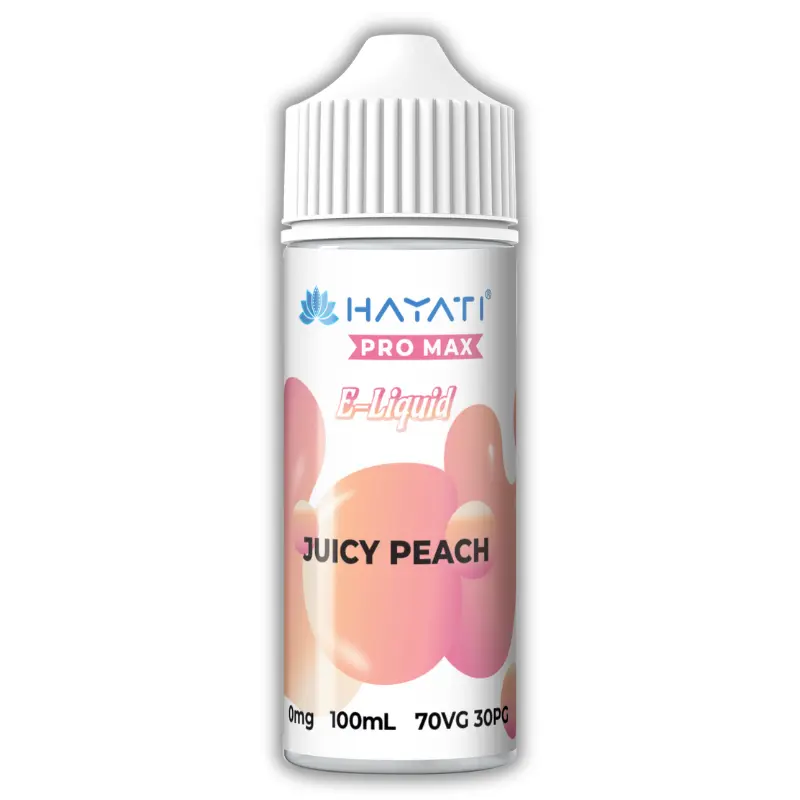
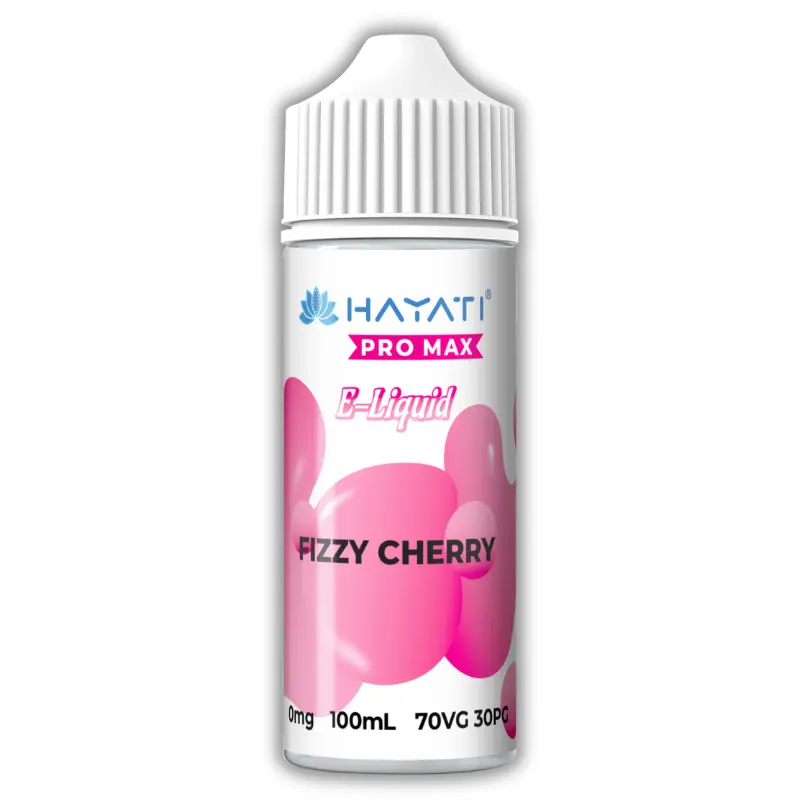
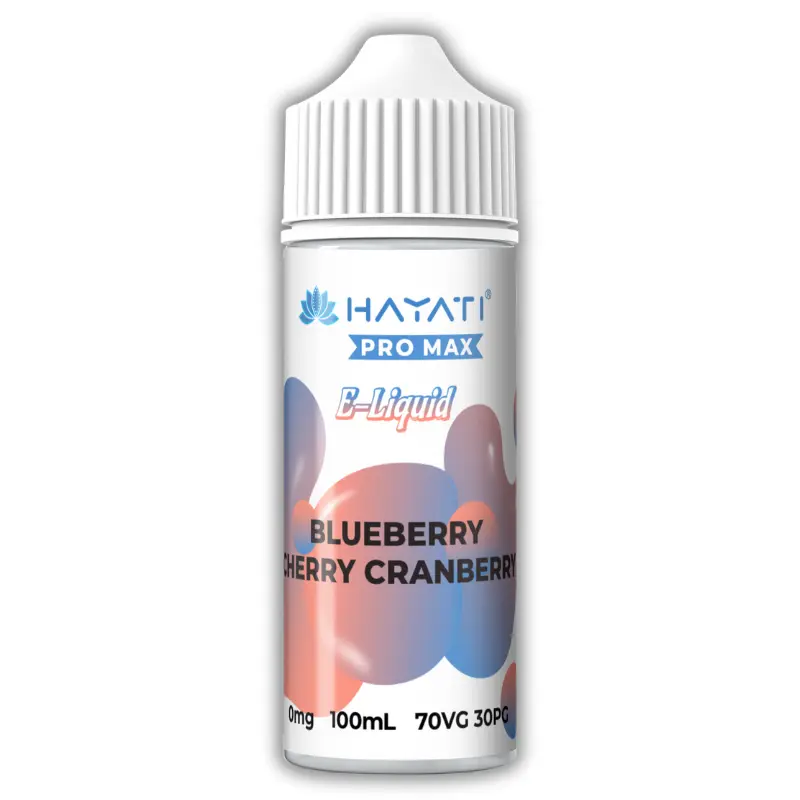
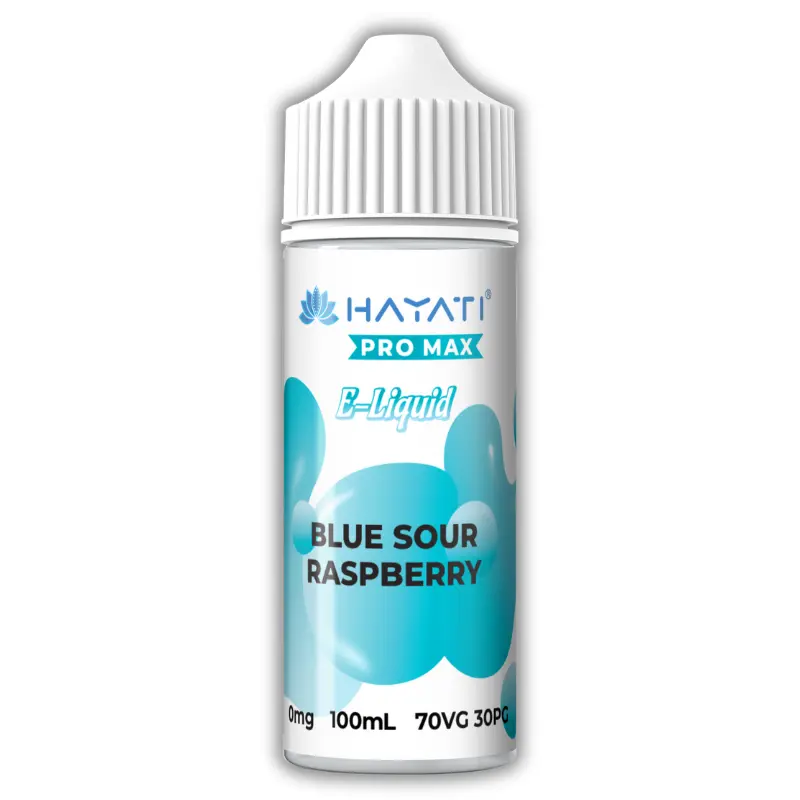
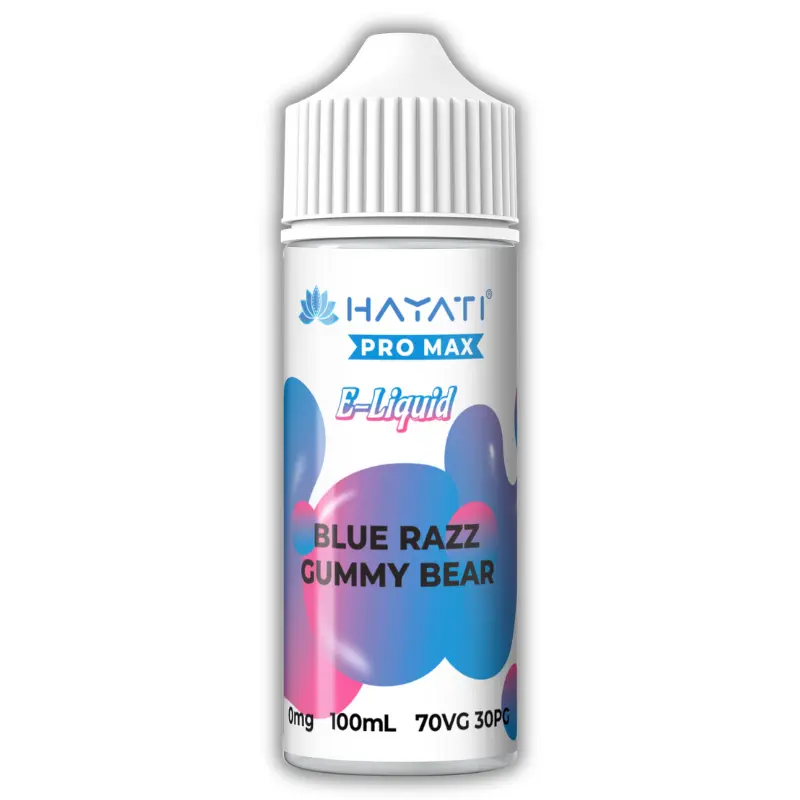
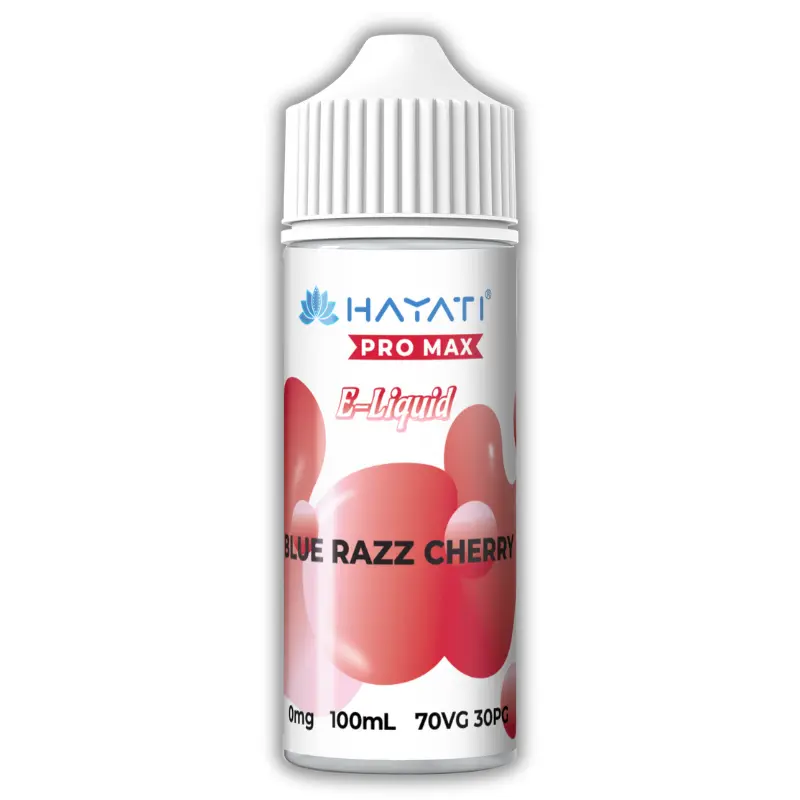
Read that gap properly before you scroll, because it is not a quality ladder. £2.49 buys a 10ml bottle that already holds nicotine. £6.99 buys a 120ml bottle that does not. One is twelve times the volume of the other and arrives at 0mg. Both wear the Hayati Pro Max name, both sit under the same brand heading, and the two tiles sit close enough together that the difference is easy to miss at a glance.
Treat this page as a junction rather than a destination. The grid mixes all three ranges together, which is handy for browsing and poor for deciding. The three narrower shelves are where the real comparison happens, and the rest of this page exists to work out which of the three you are actually shopping.
New ProductsHayati PodsHayati Prefilled Pods & RefillsHayati Pod KitsHayati Prefilled Pod KitsHayati E-LiquidsHayati Pro Ultra Plus Prefilled Pod Kits & PodsHayati Pro Max Plus PodsHayati Pro Max Plus Prefilled Pod KitHayati Pro Max Nic SaltsHayati Pro Ultra Plus PodsHayati Pro Ultra Plus Prefilled Pod KitHayati Mini UltraHayati RubikHayati Mini Ultra PodsHayati Mini Ultra Prefilled Pod KitHayati Pro Max 50-50 E-LiquidHayati Pro Max 70-30 E-LiquidHayati Rubik Prefilled Pod KitHayati Rubik PodsHayati Nicotine PouchesHayati QuokkaBerry VapesRaspberry VapesIce VapesBlueberry VapesStrawberry VapesCherry VapesSweet VapesExotic VapesLemon VapesBlueberry Raspberry VapesPeach VapesWatermelon VapesApple VapesLemon Lime VapesMango VapesPineapple VapesGrape VapesLemonade VapesMint VapesCola VapesStrawberry Raspberry Ice VapesBlackcurrant VapesJuicy Peach VapesMr Blue VapesSummer Dream VapesBanana VapesKiwi VapesMenthol VapesOrange VapesFresh Mint Vapes



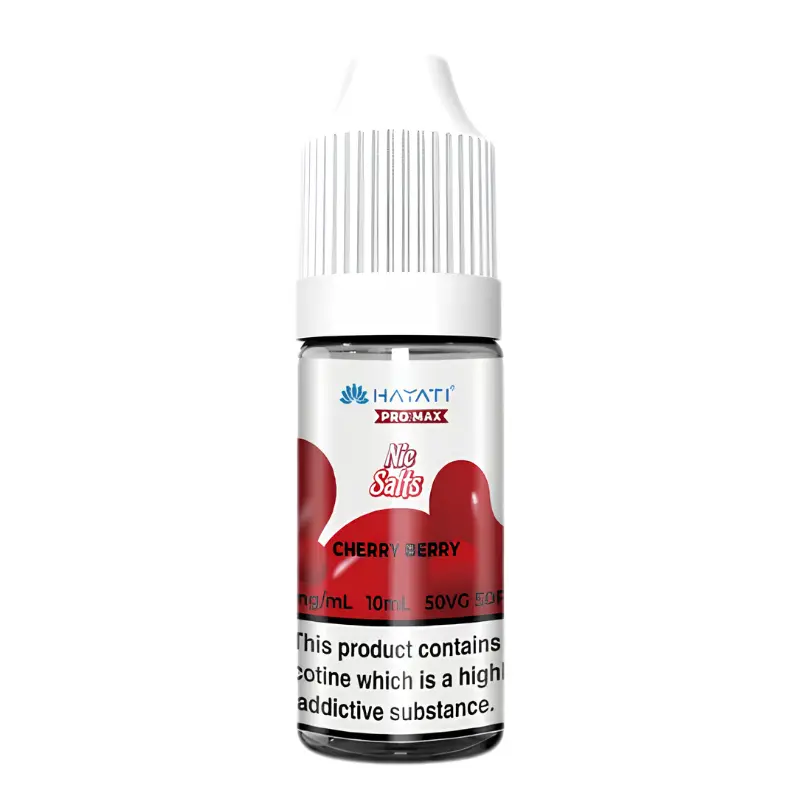
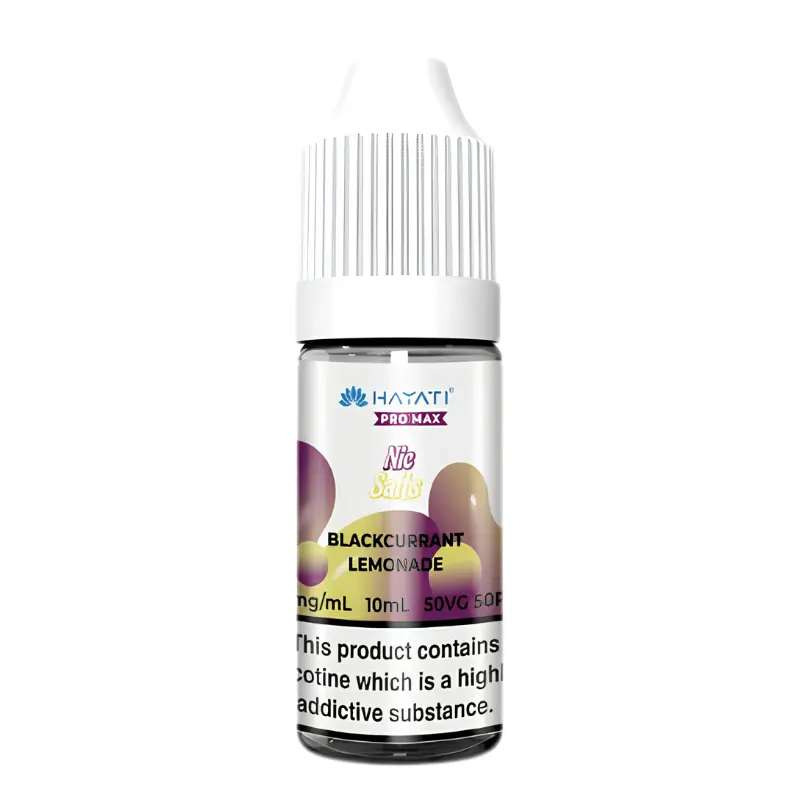
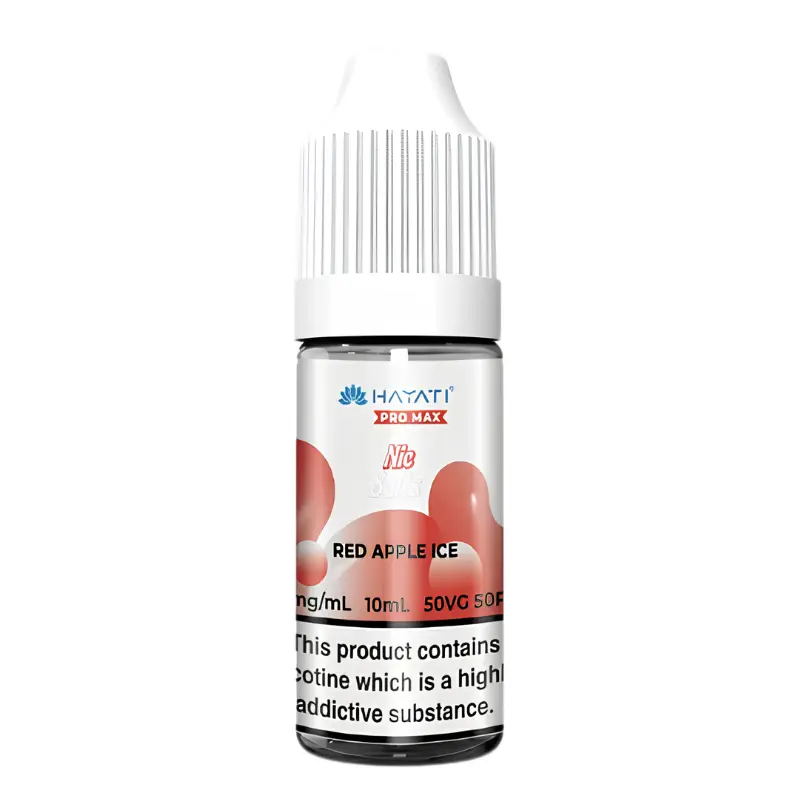
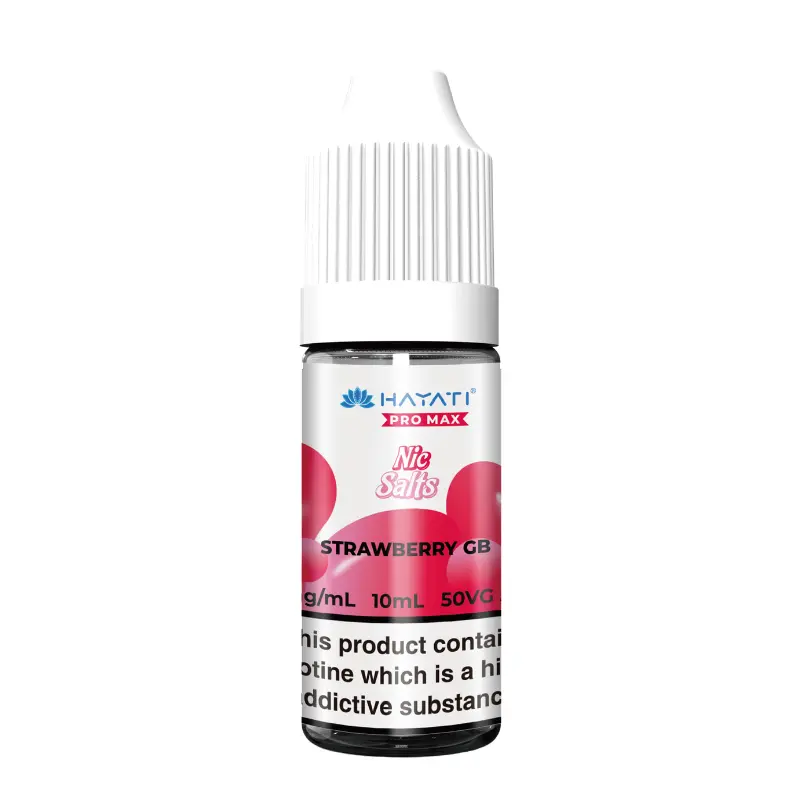
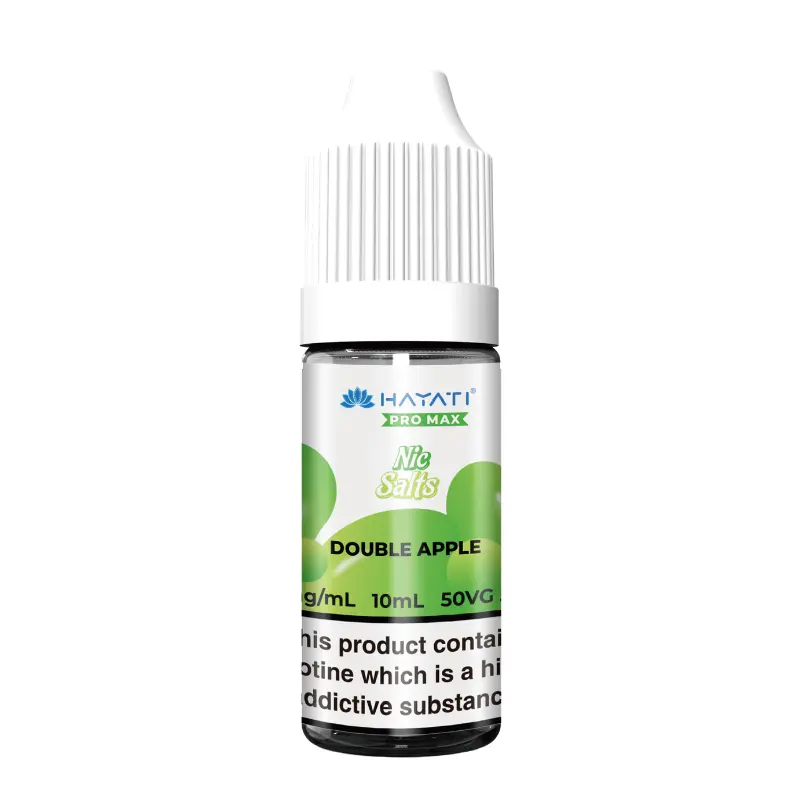
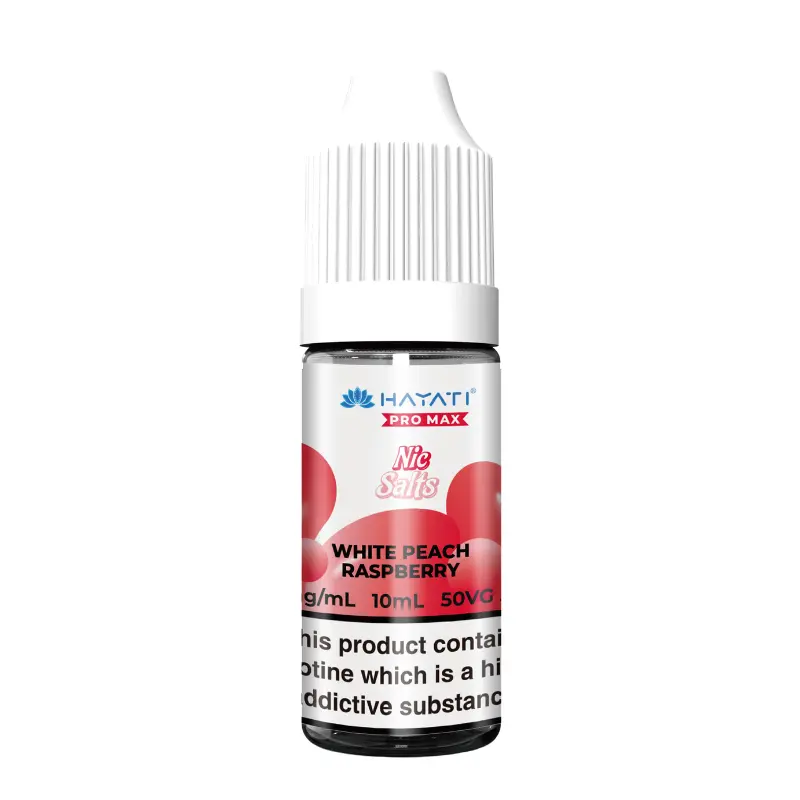
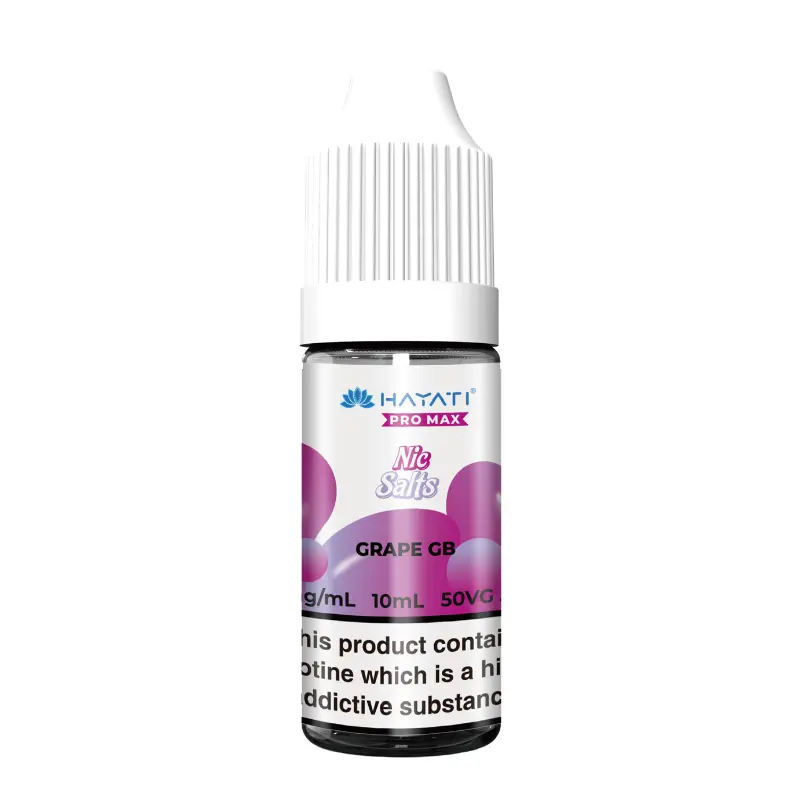
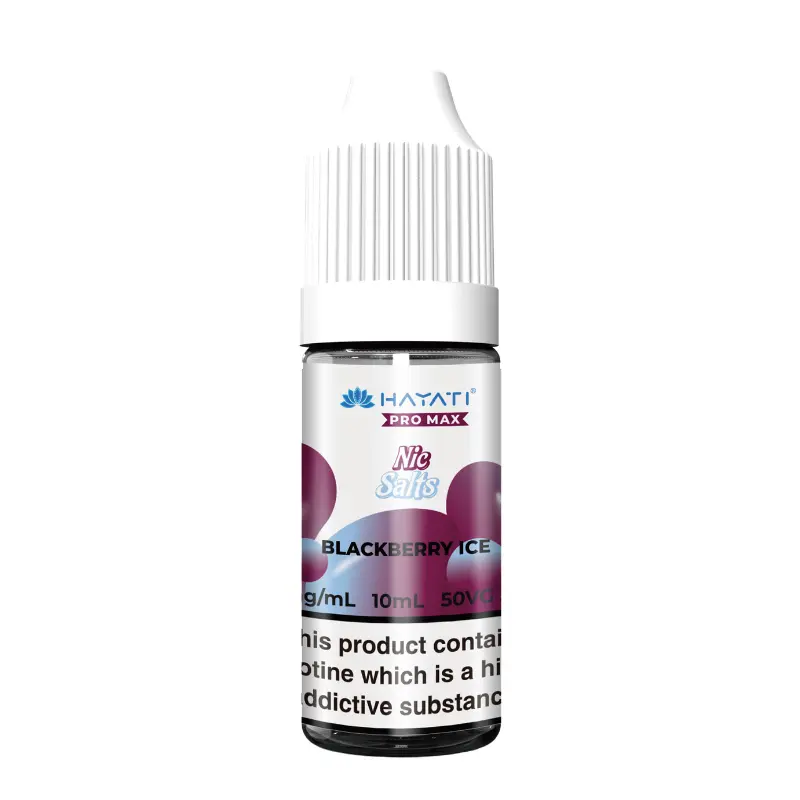
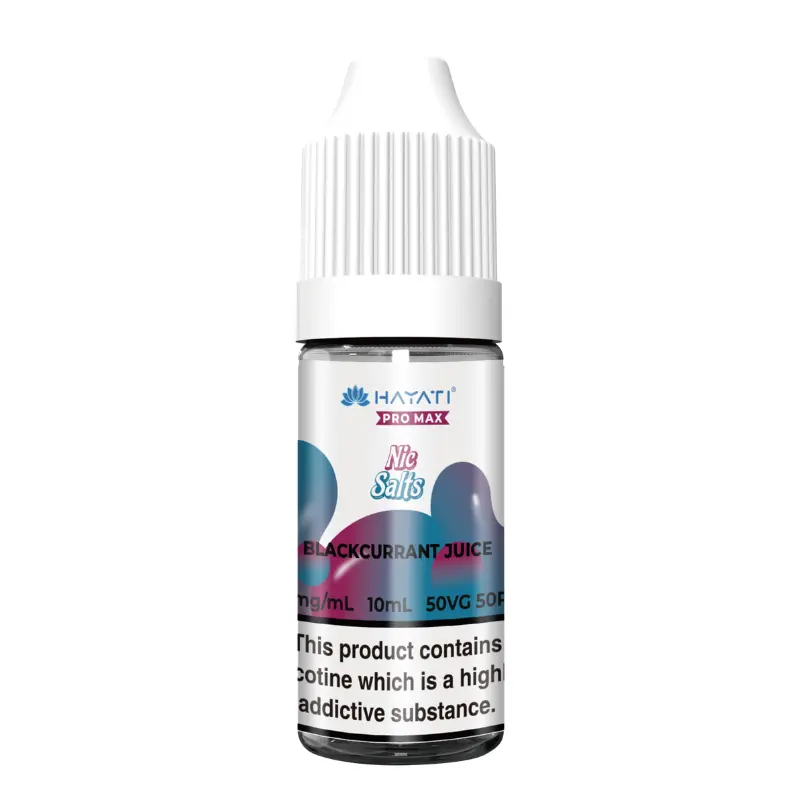
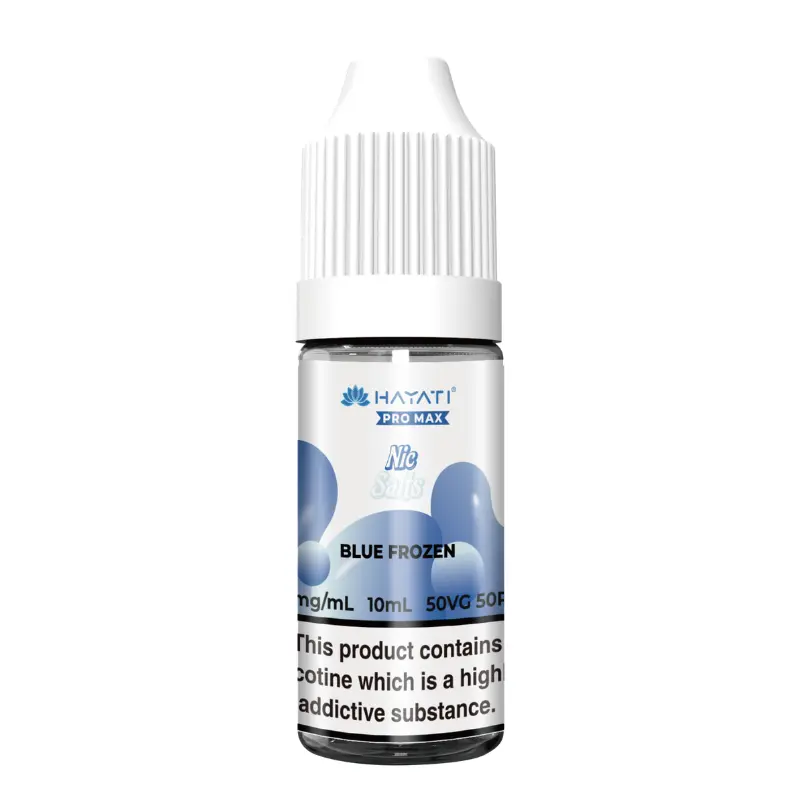
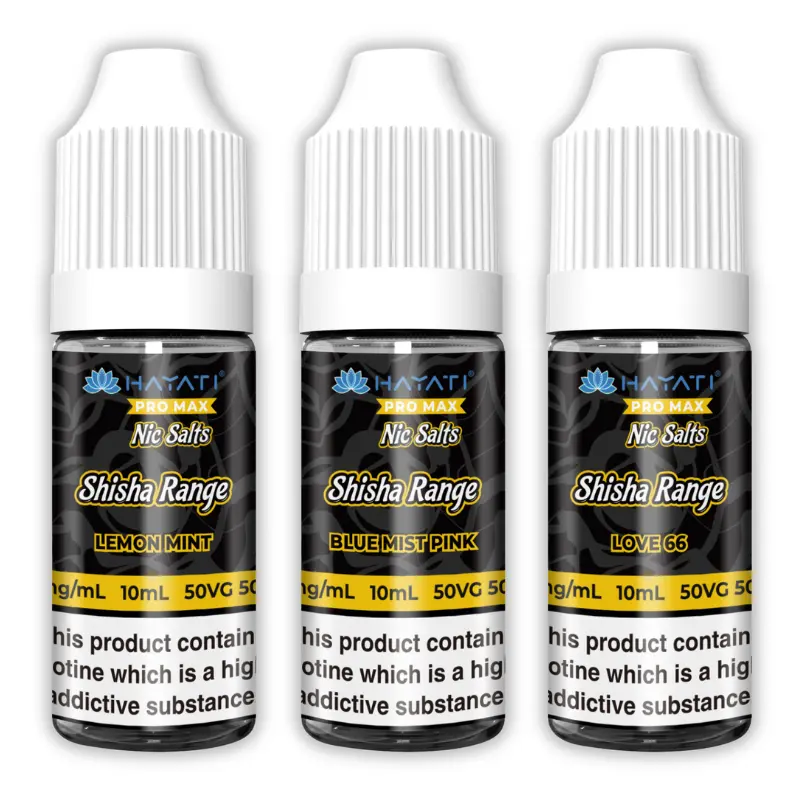
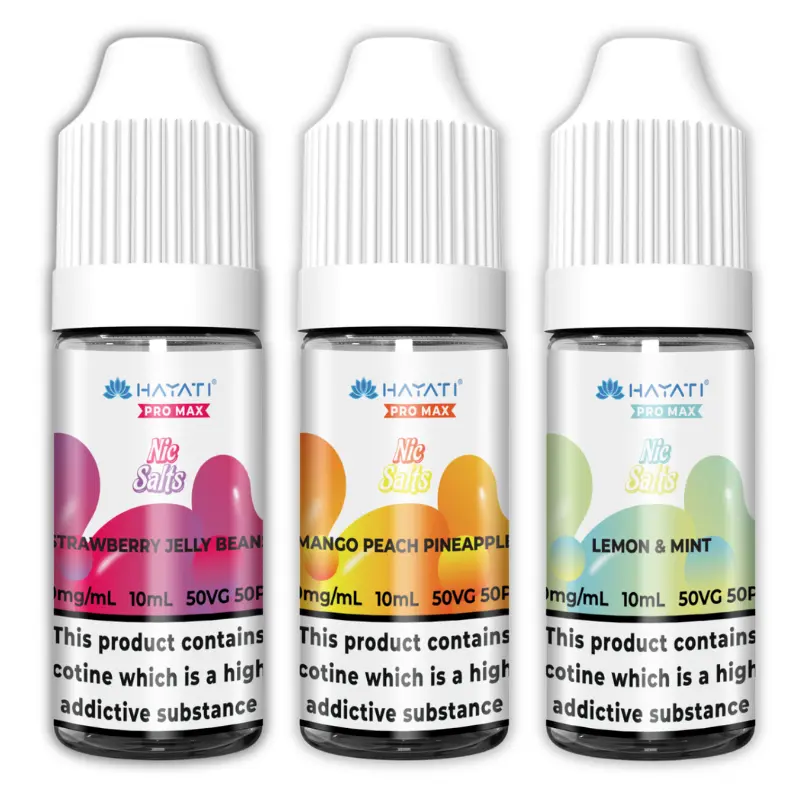
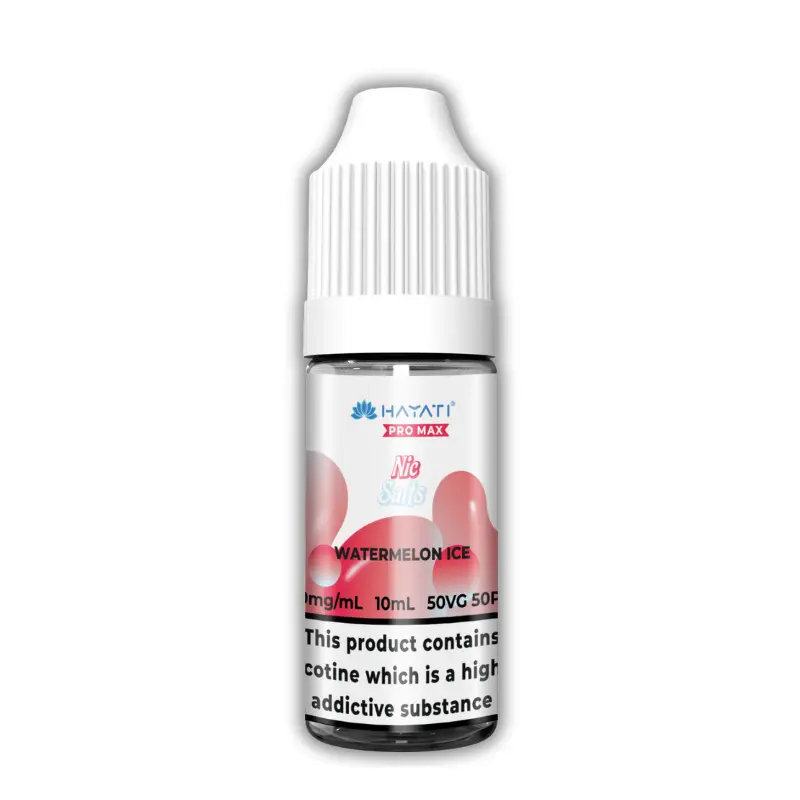
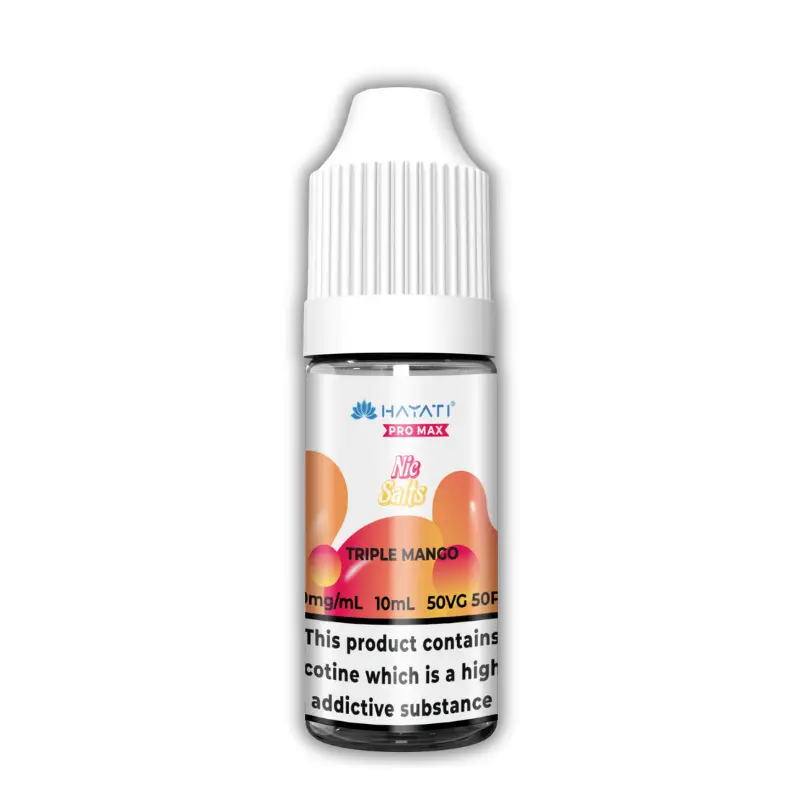
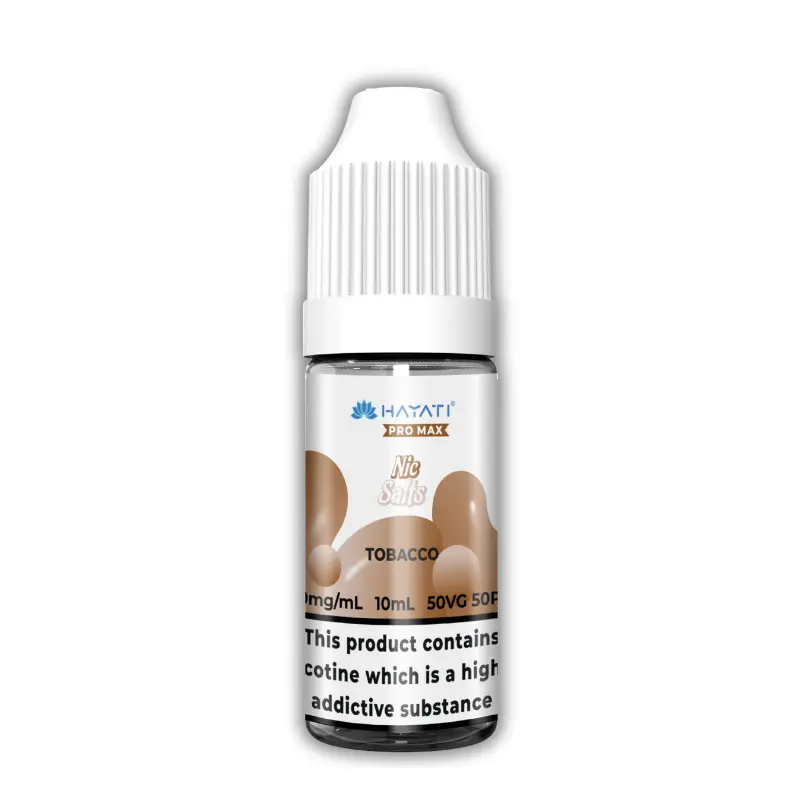
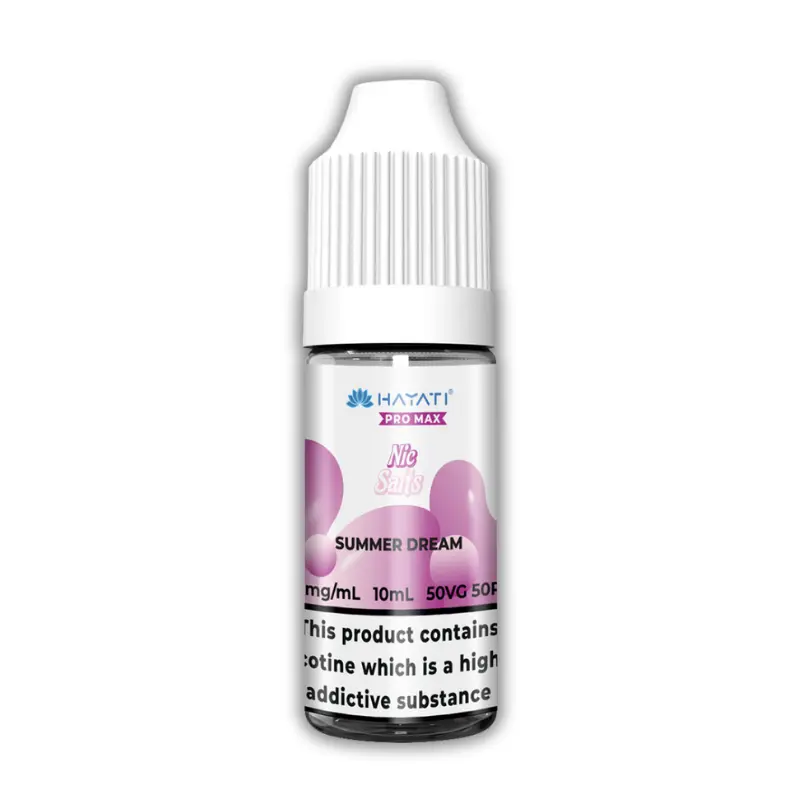
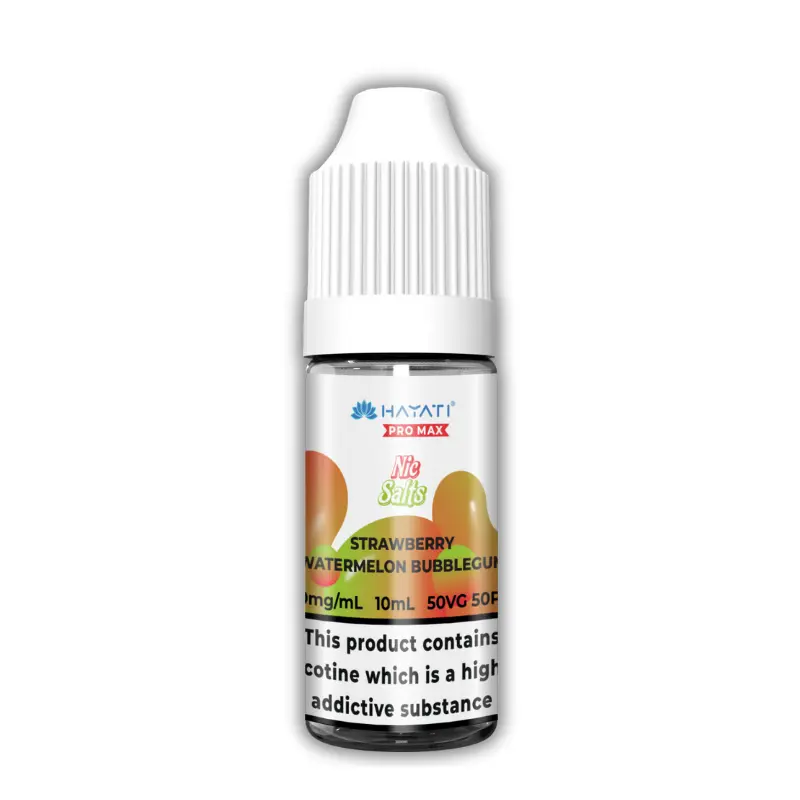
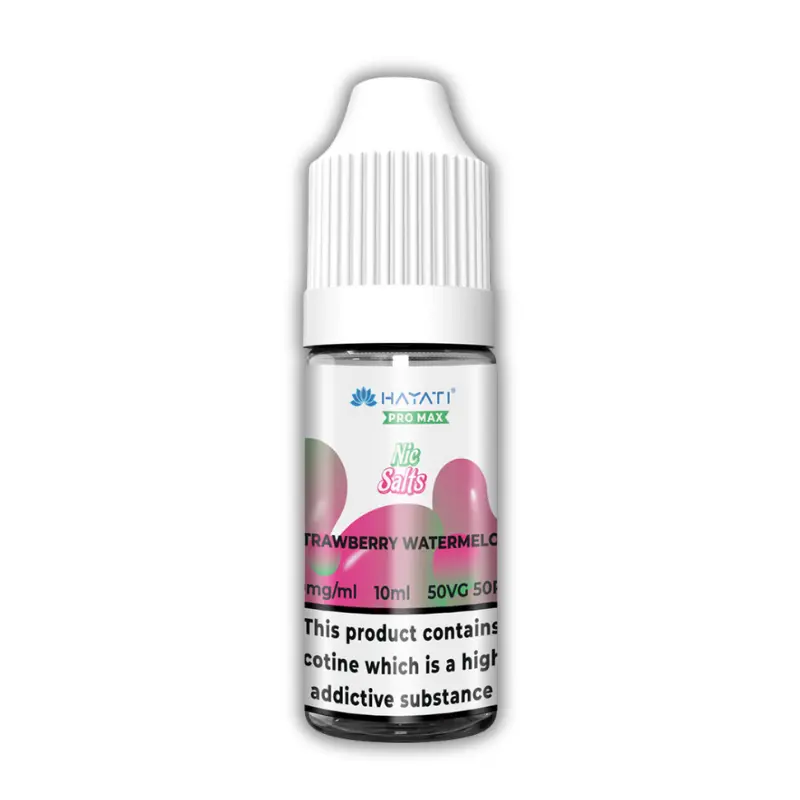
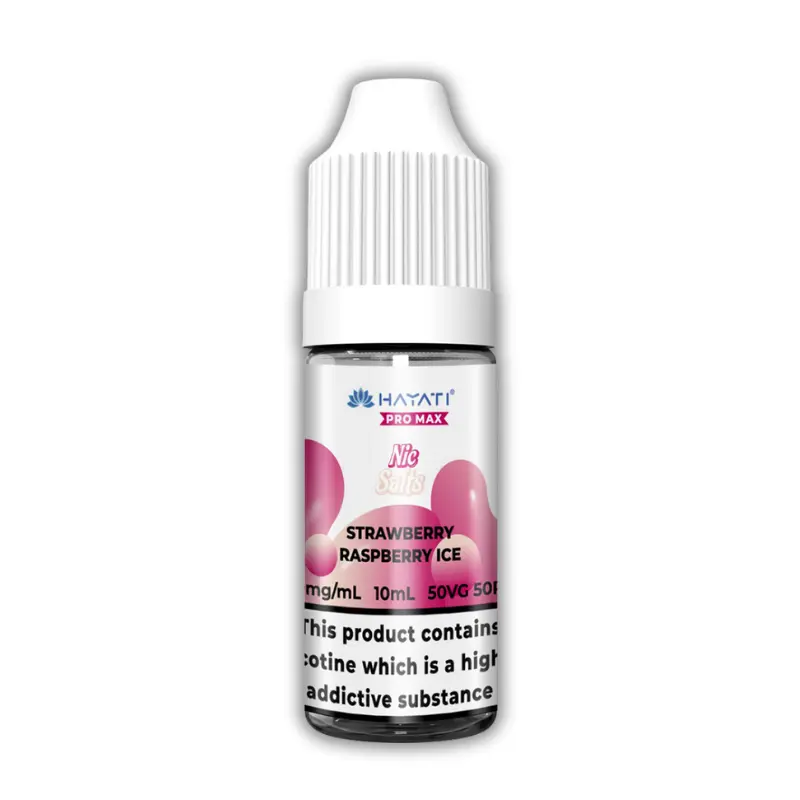
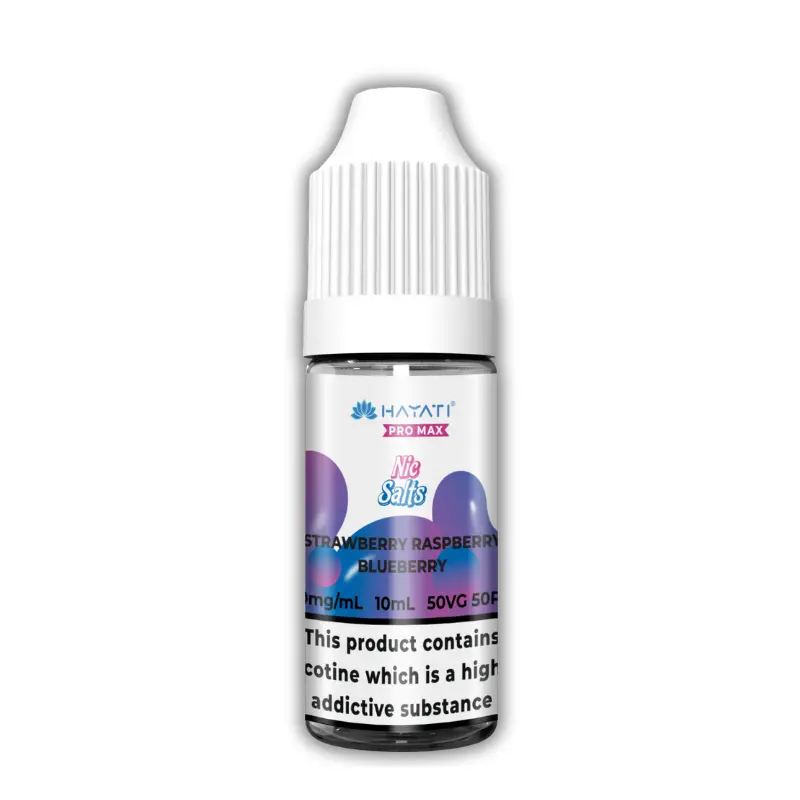
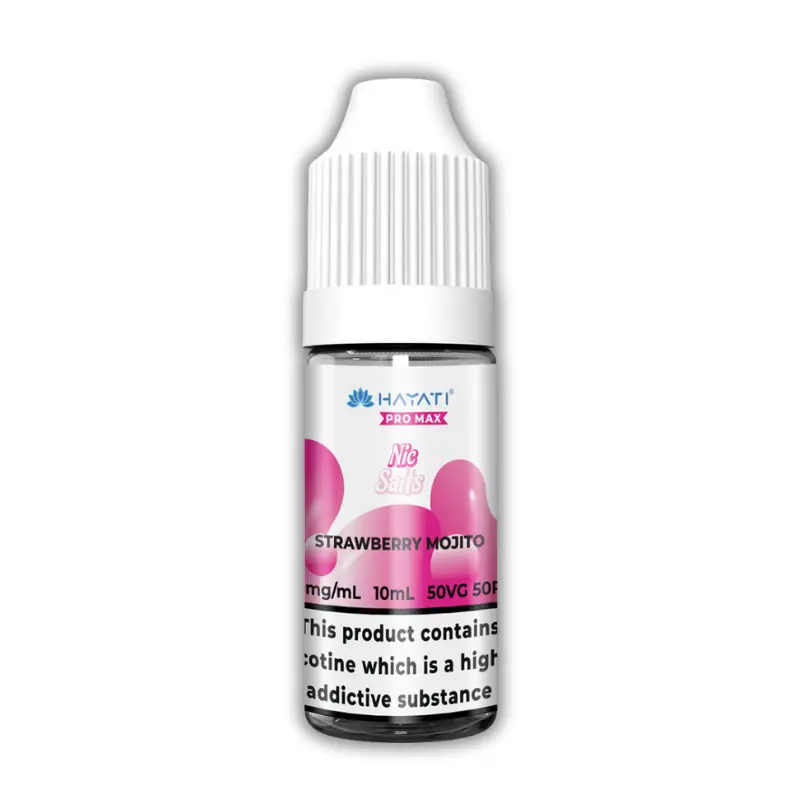
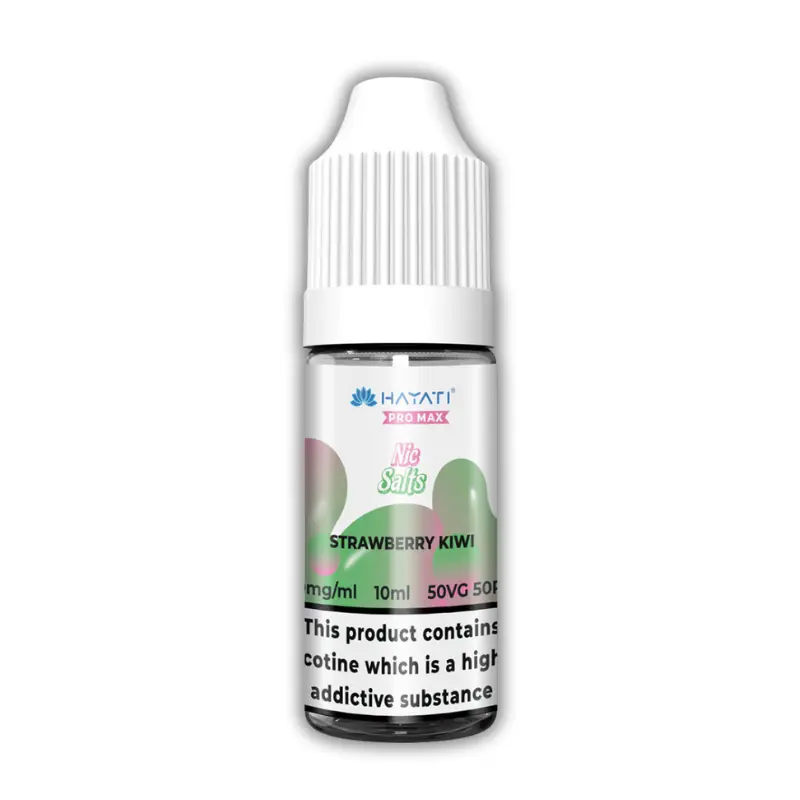
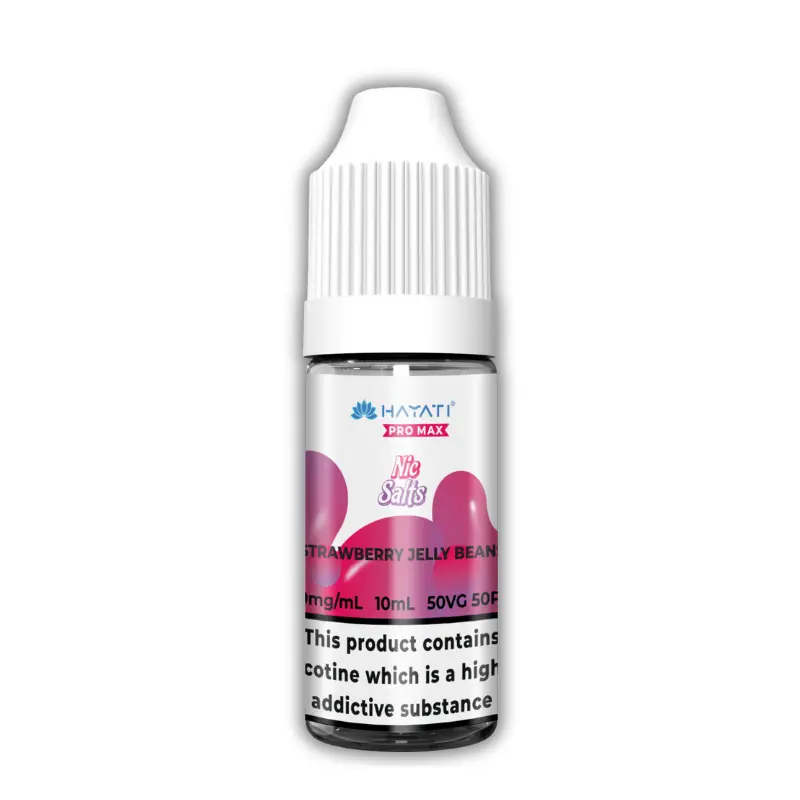
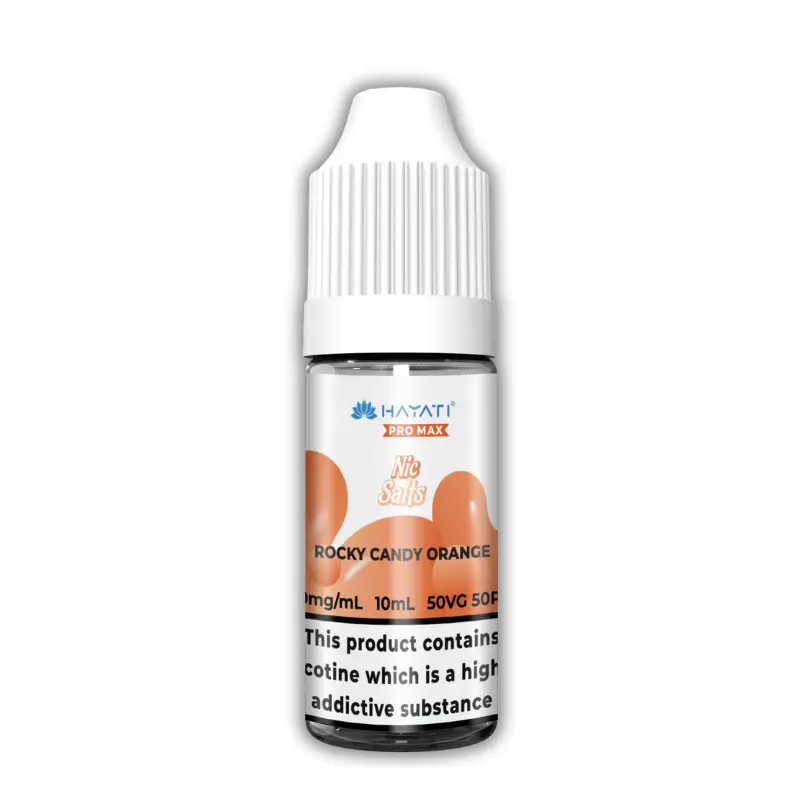
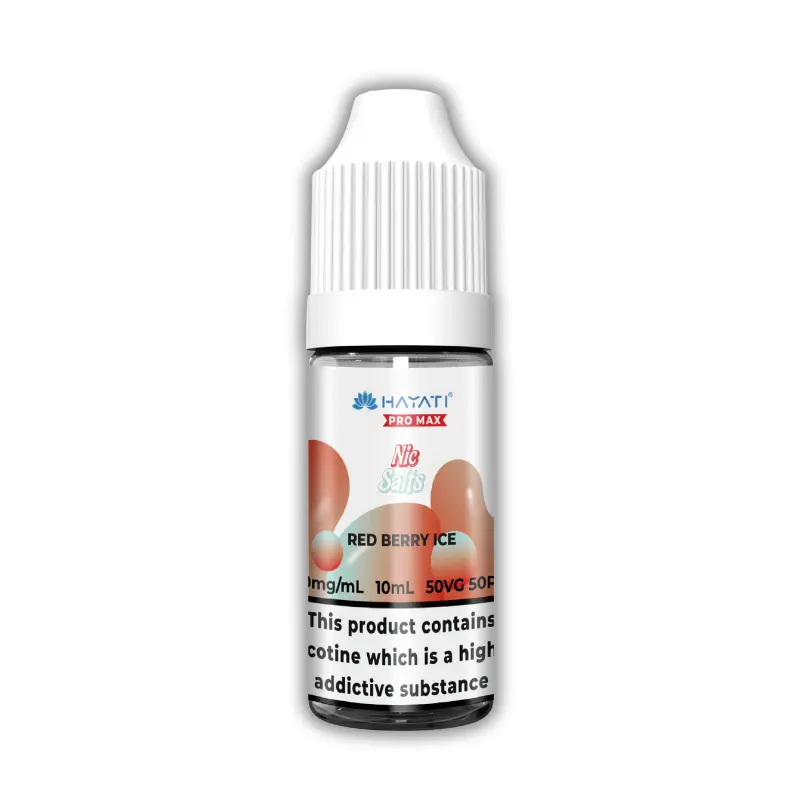
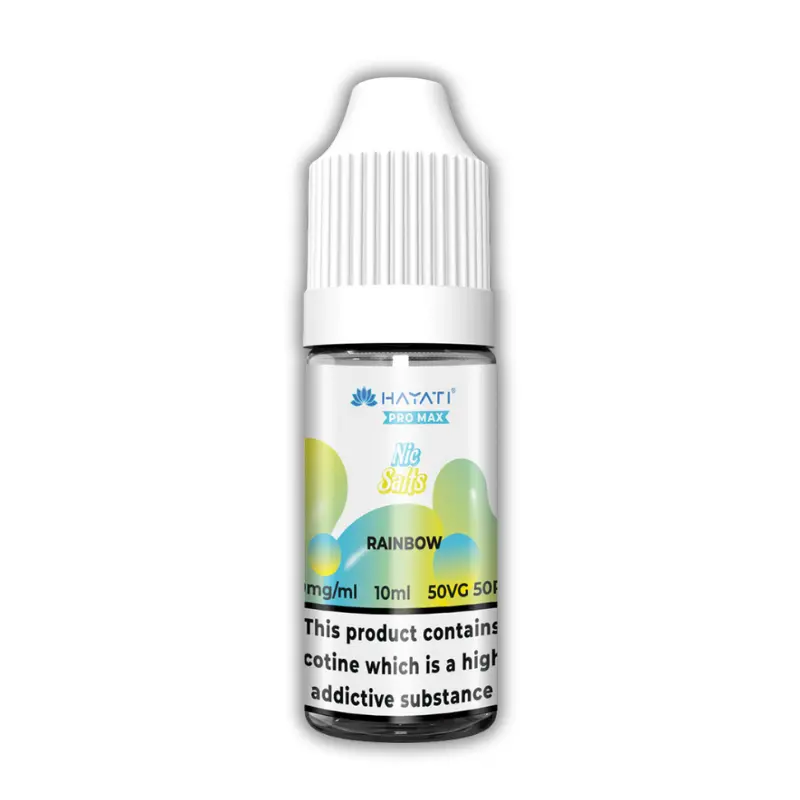
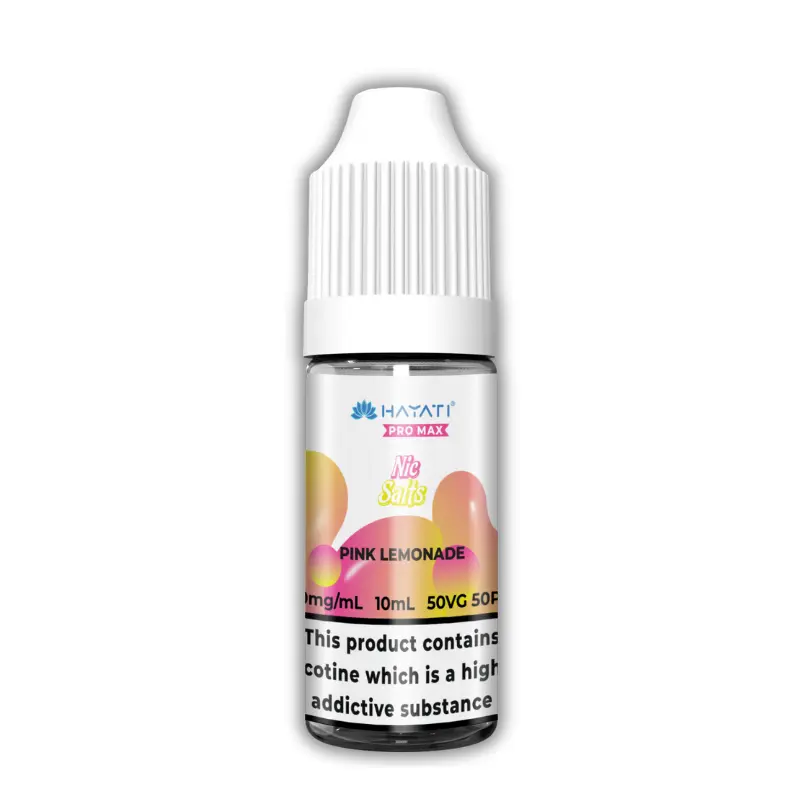
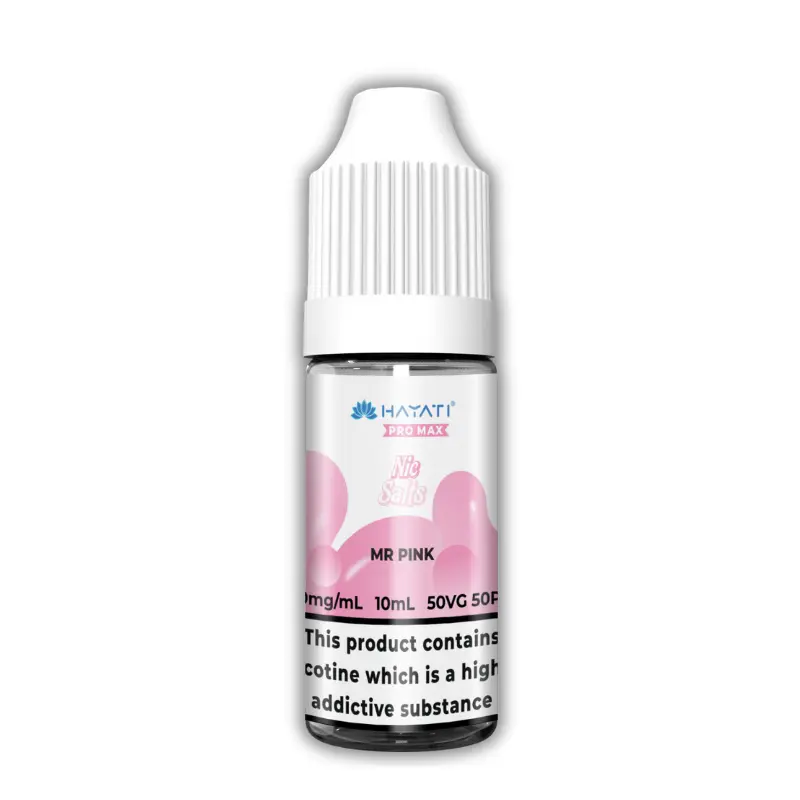
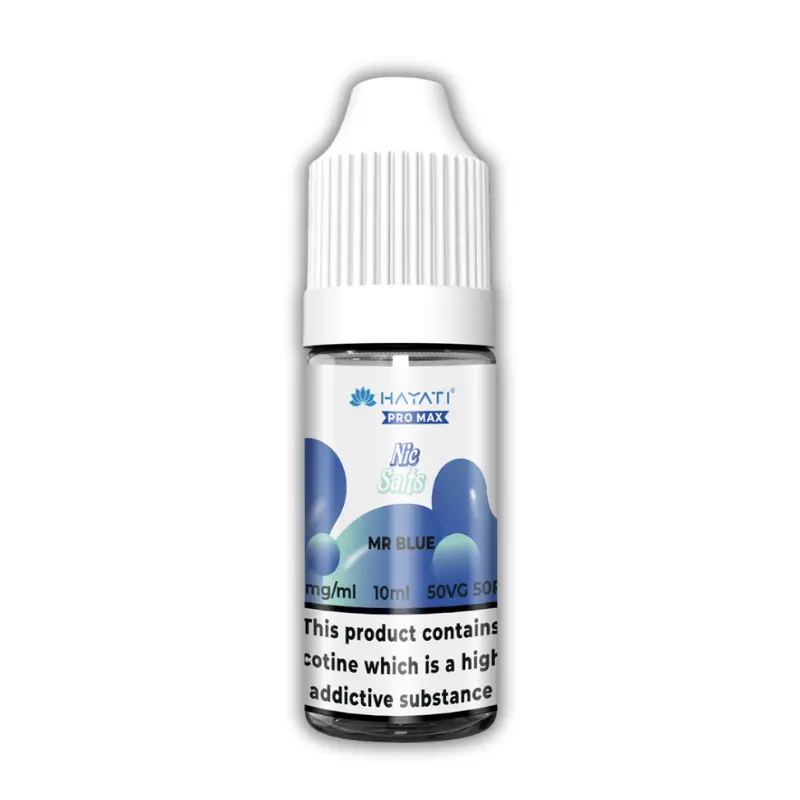
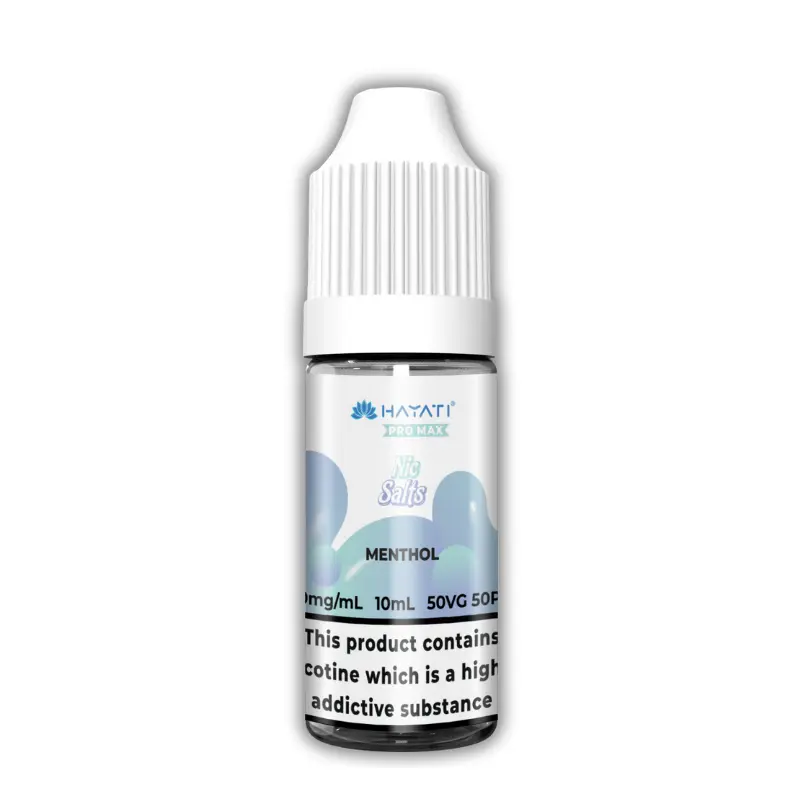
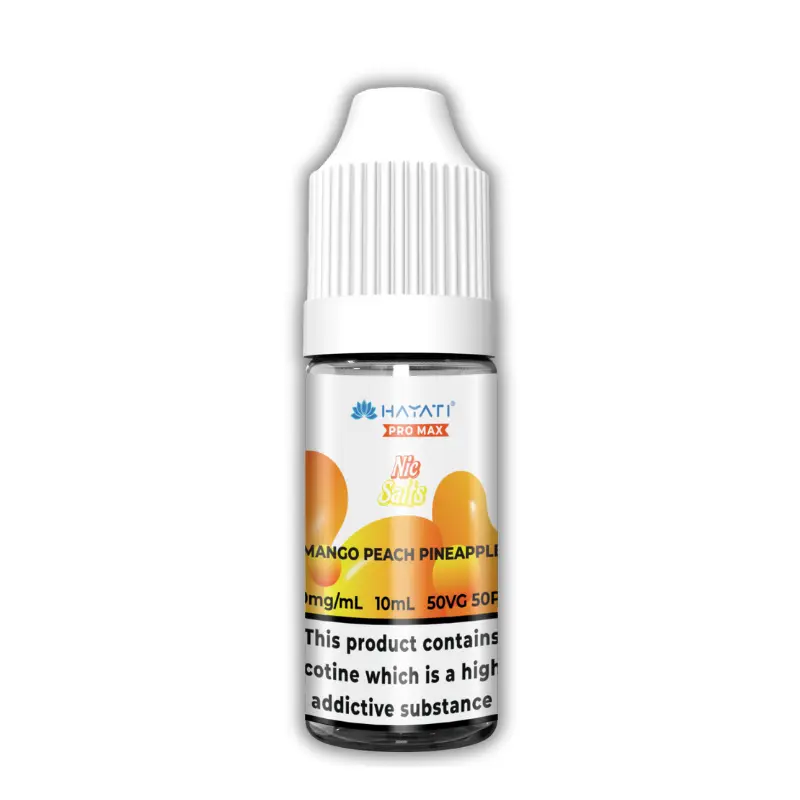
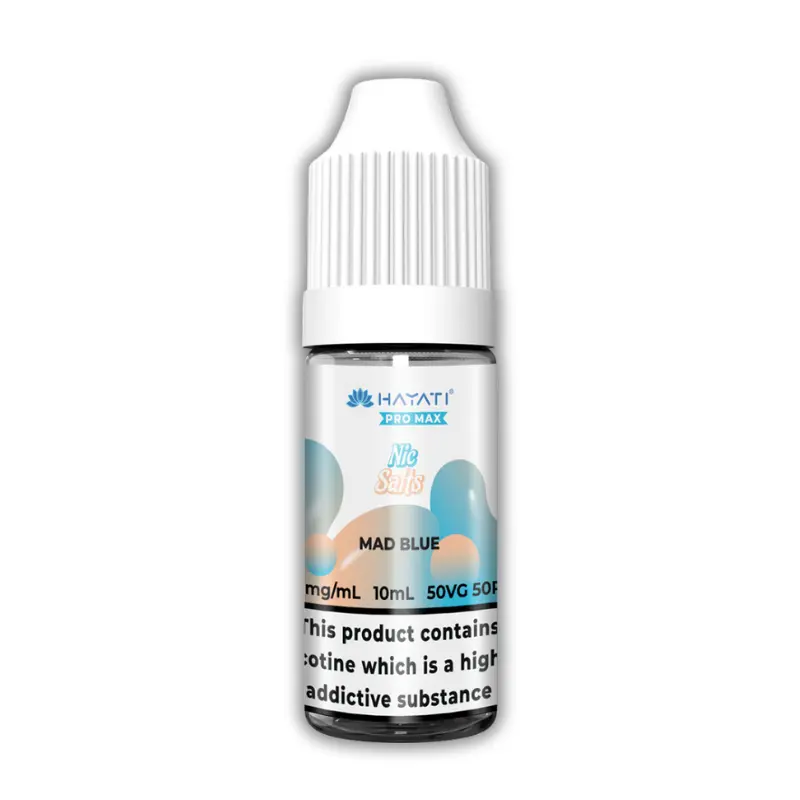
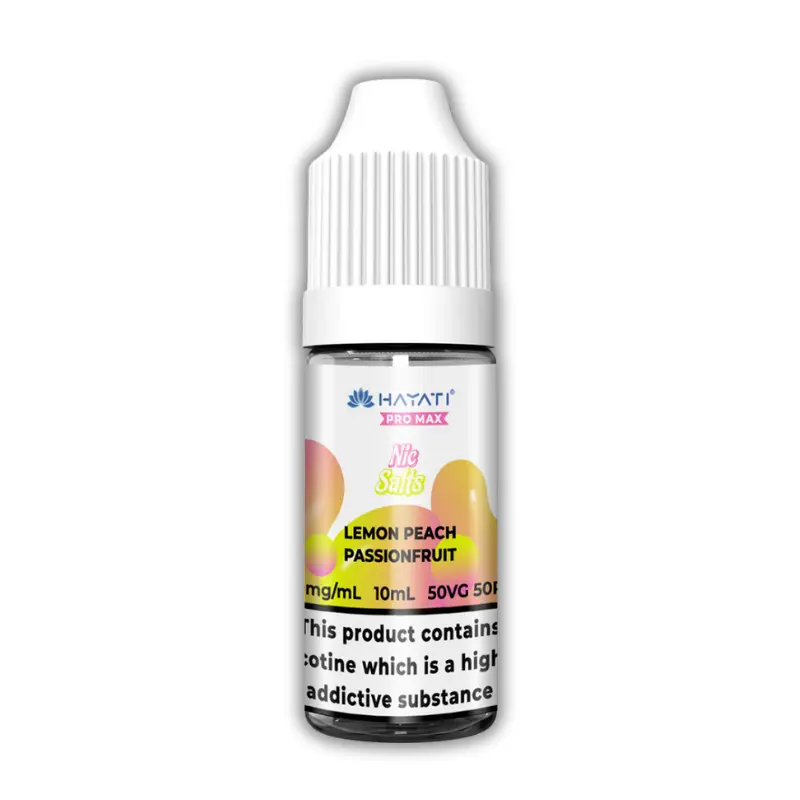
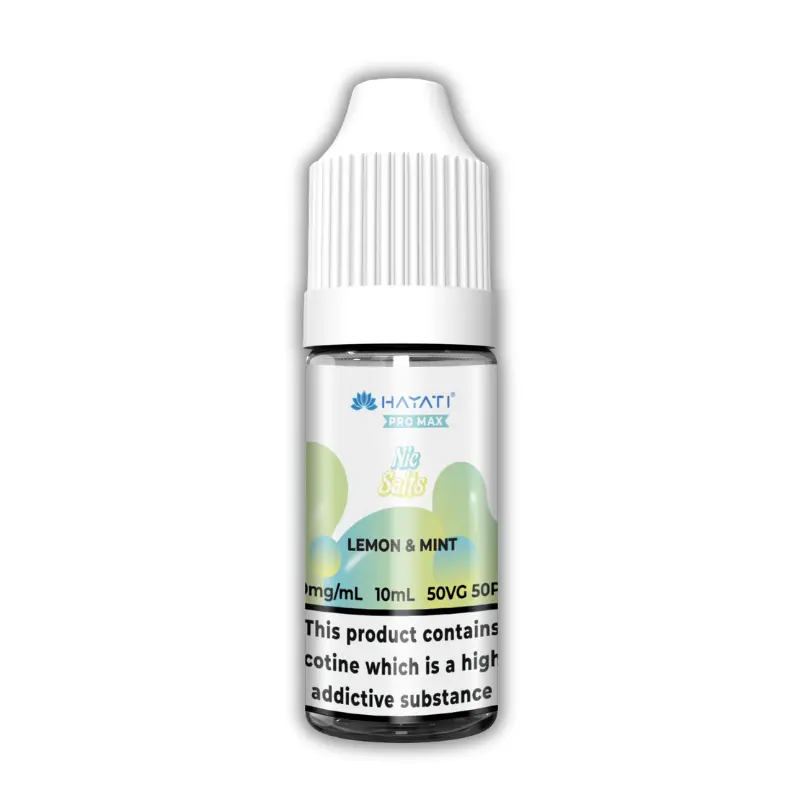
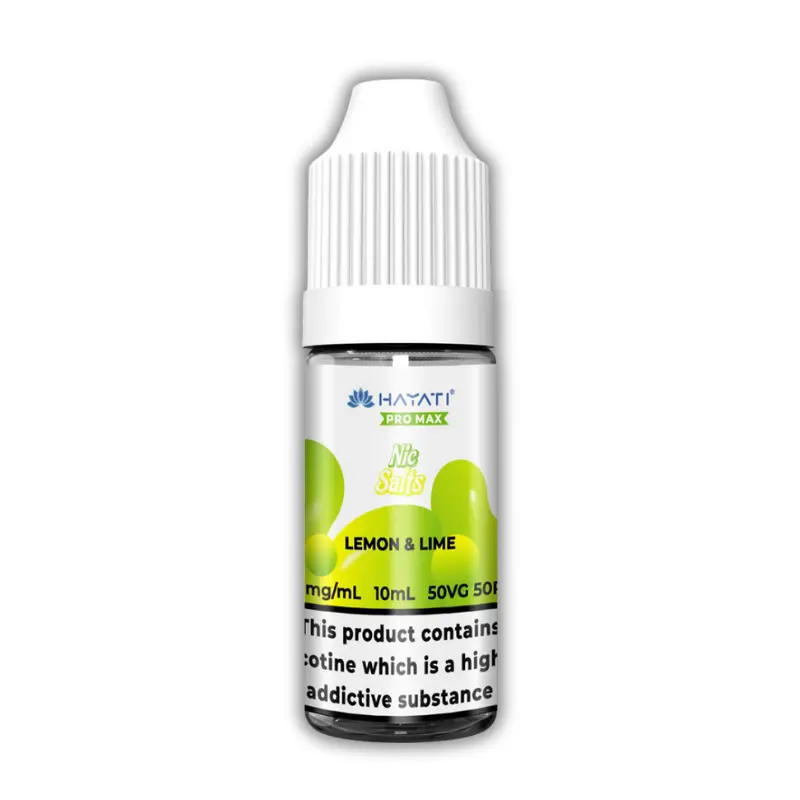
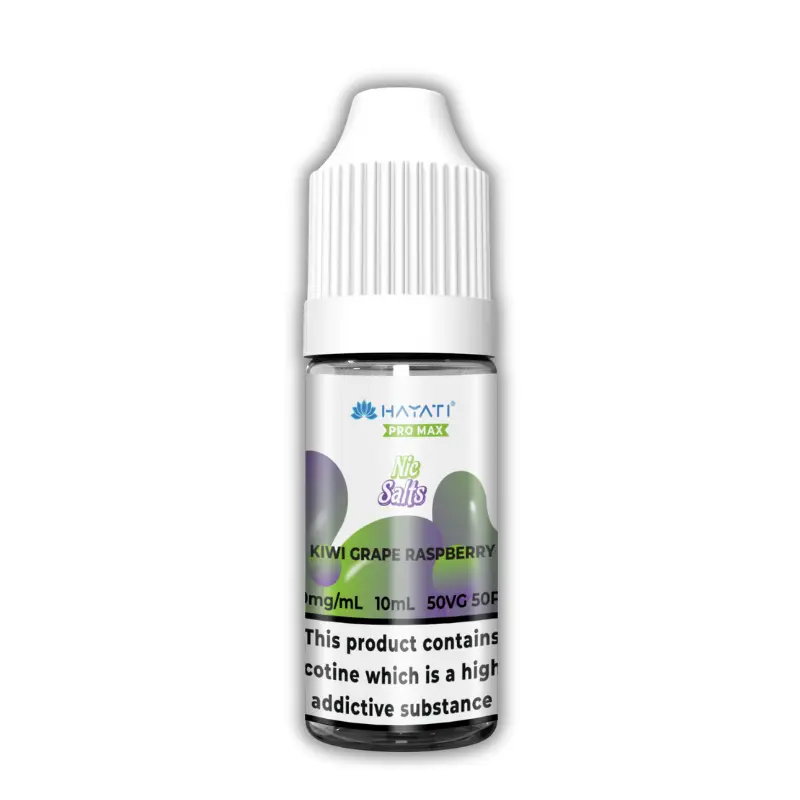
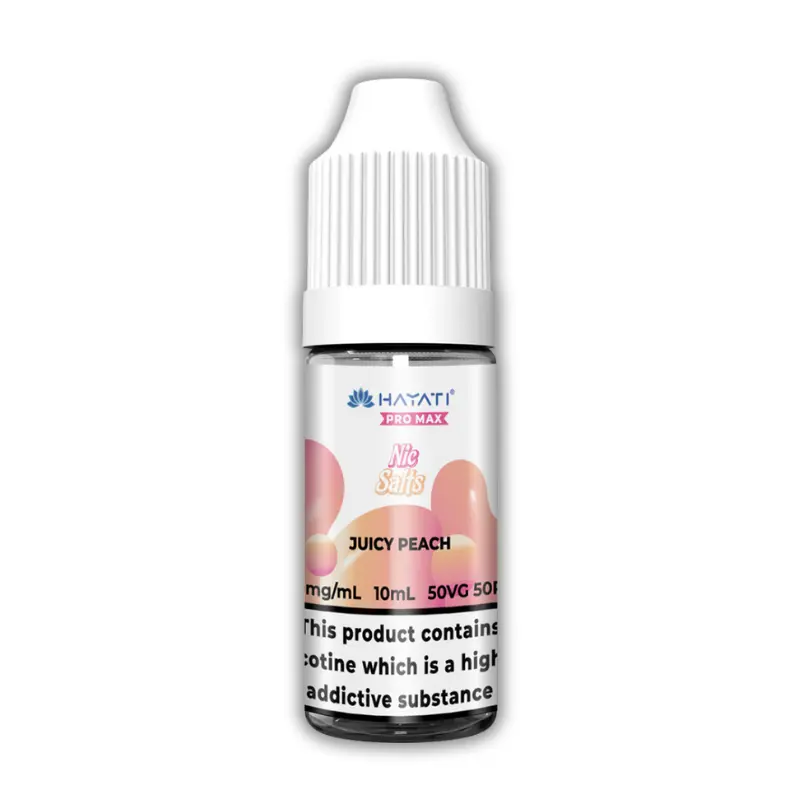
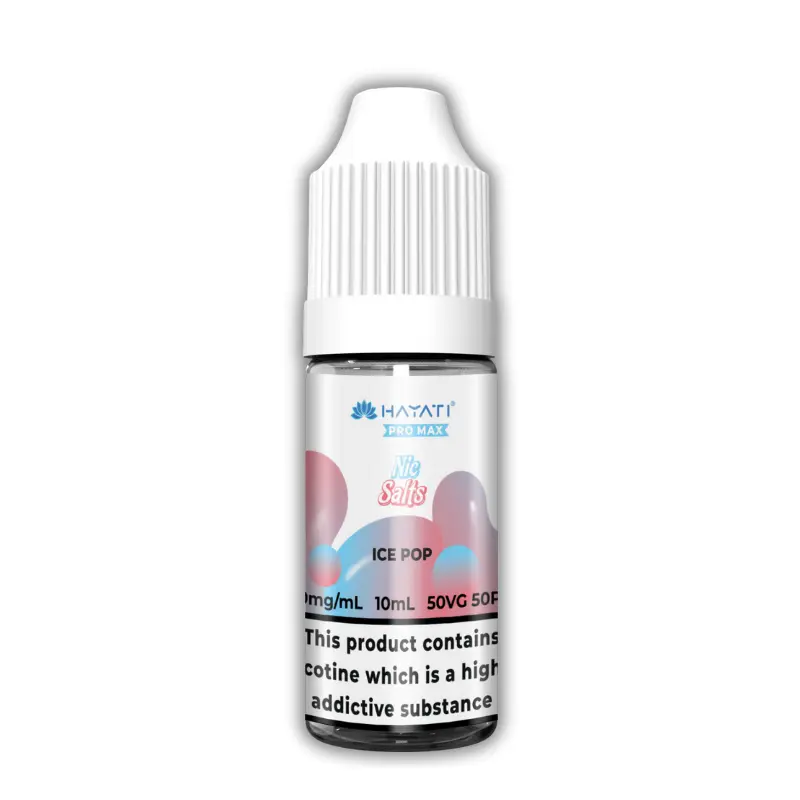
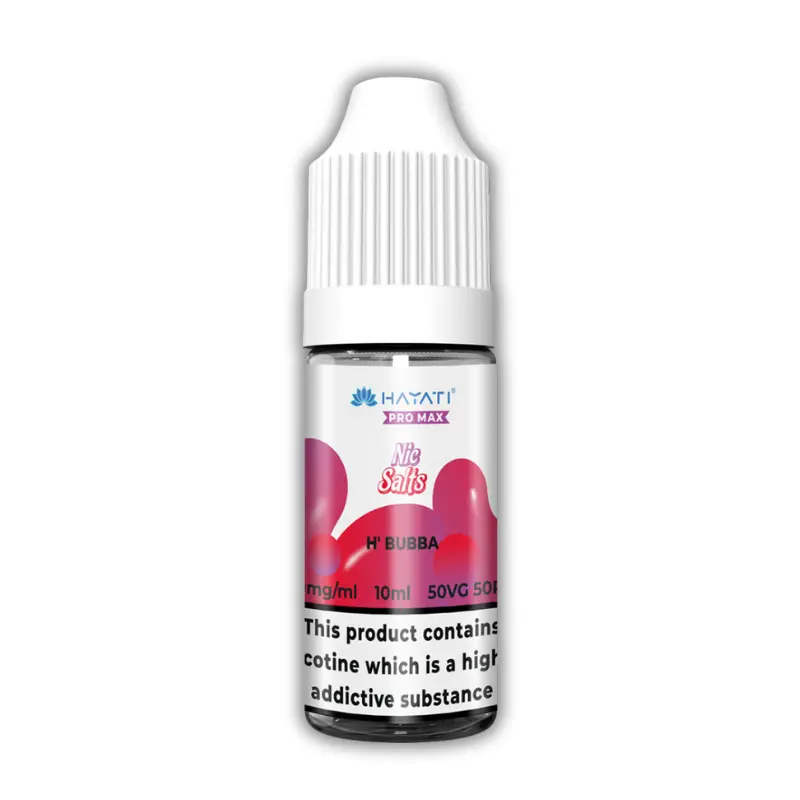
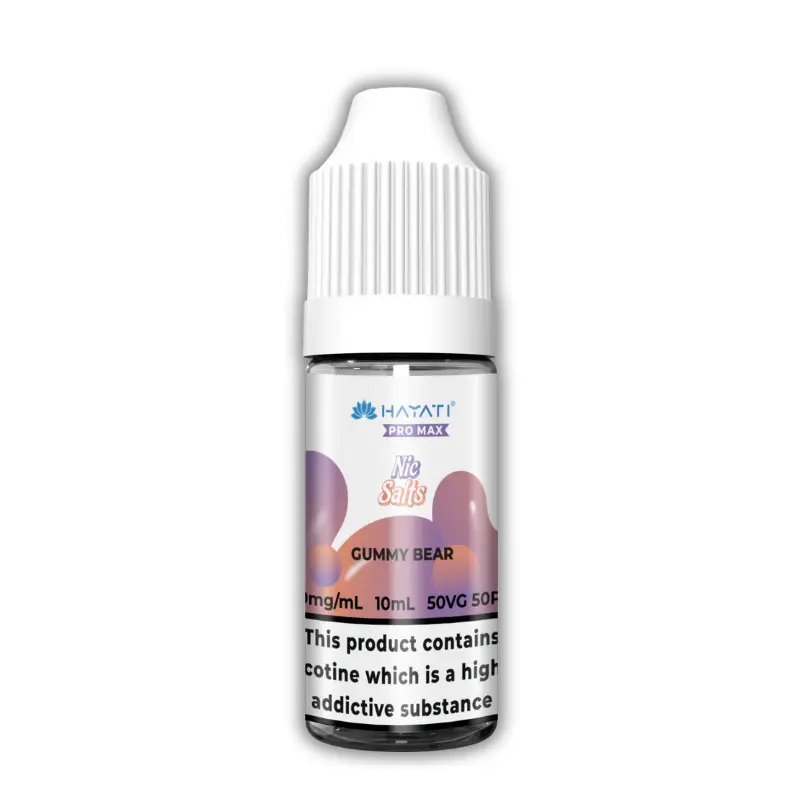
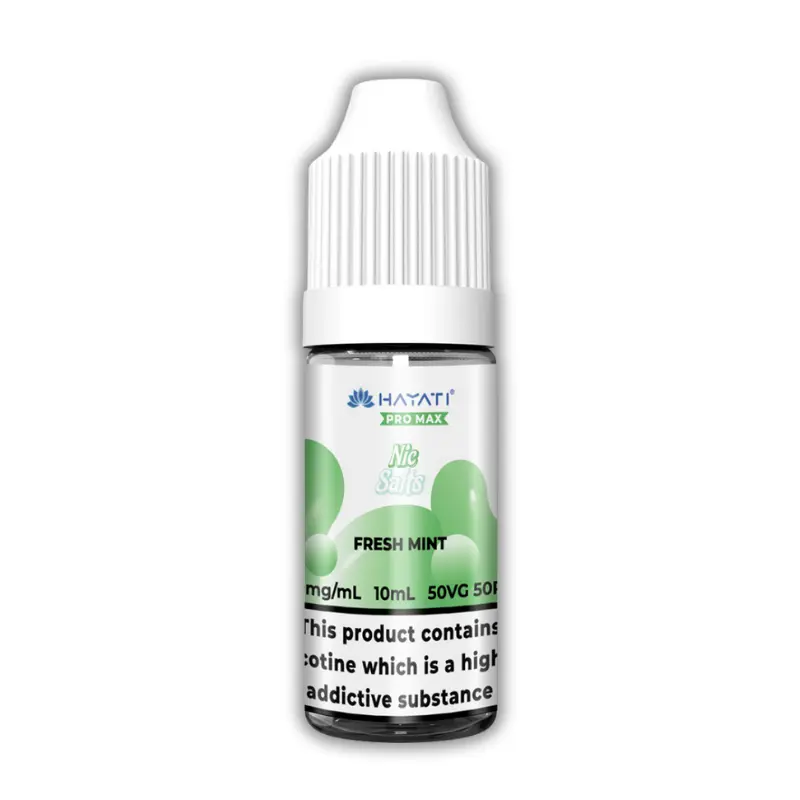
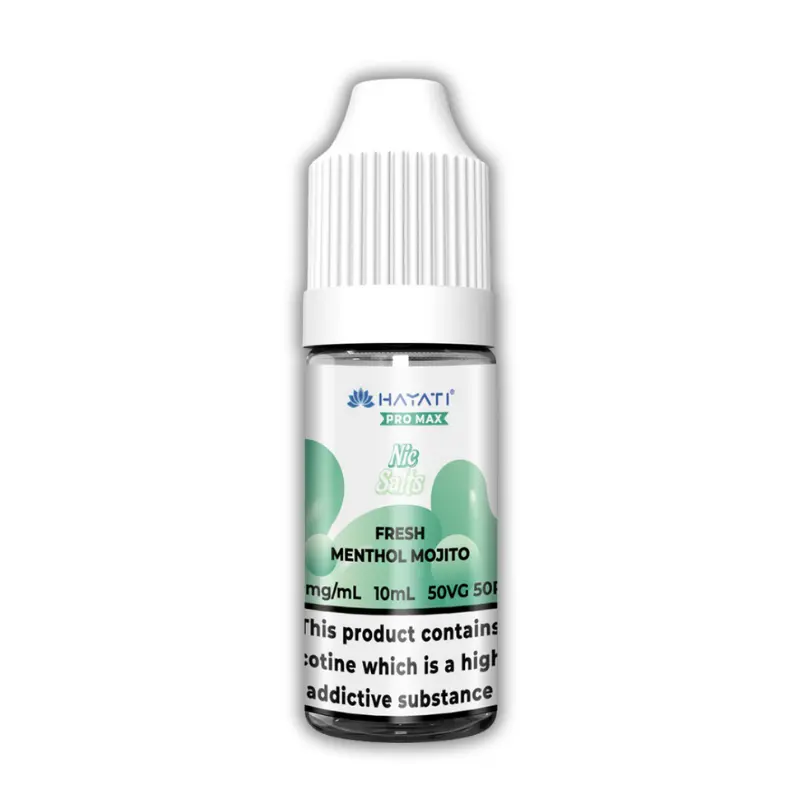
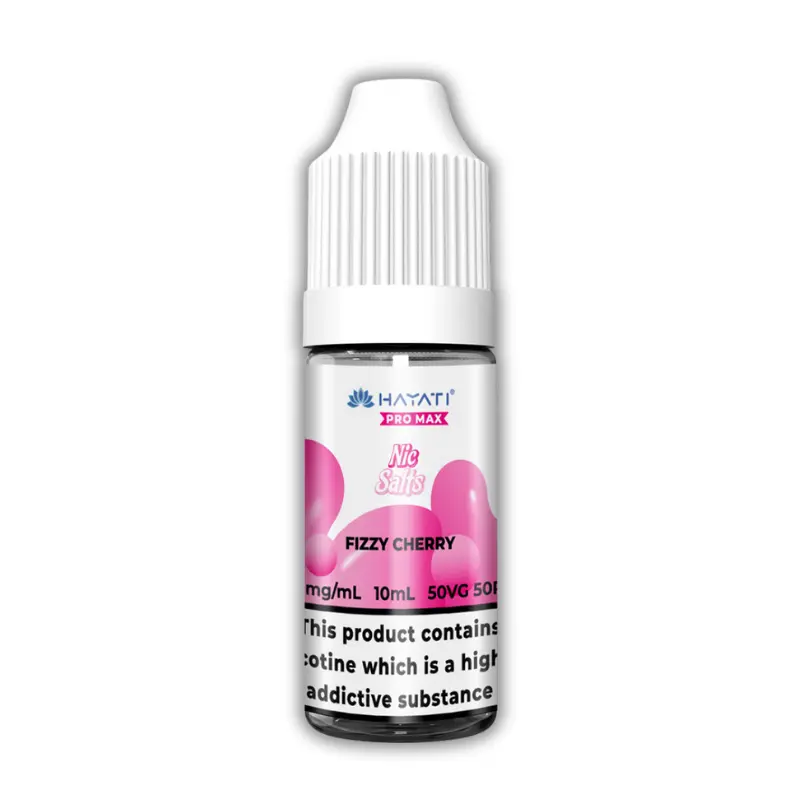
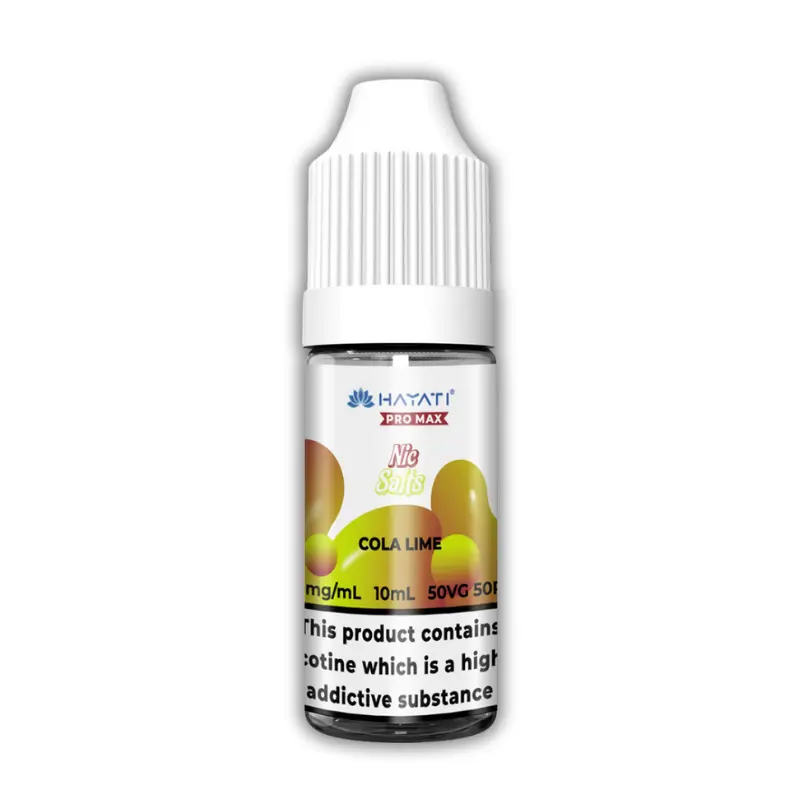
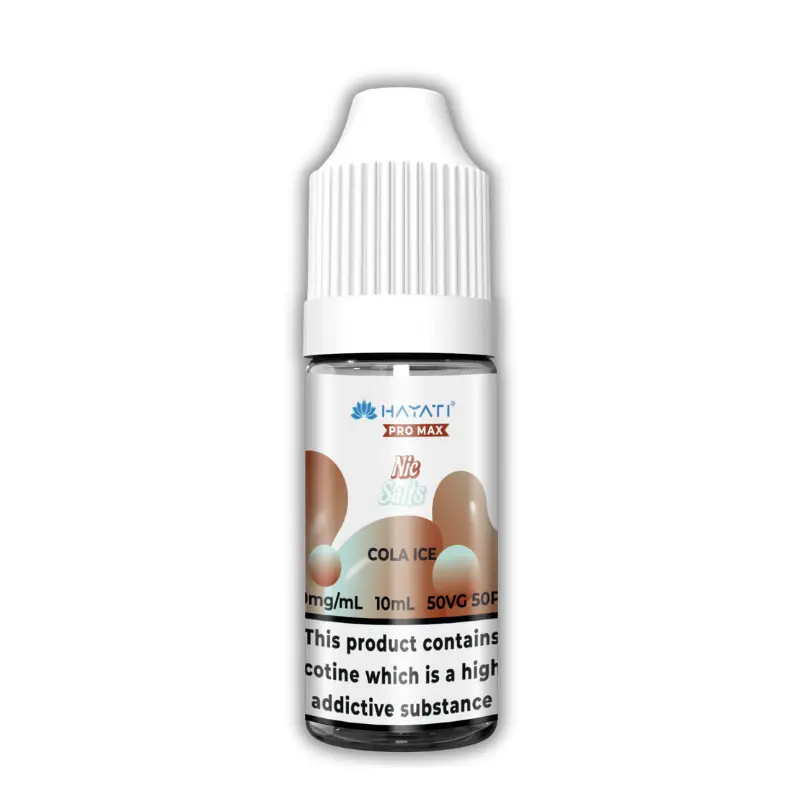
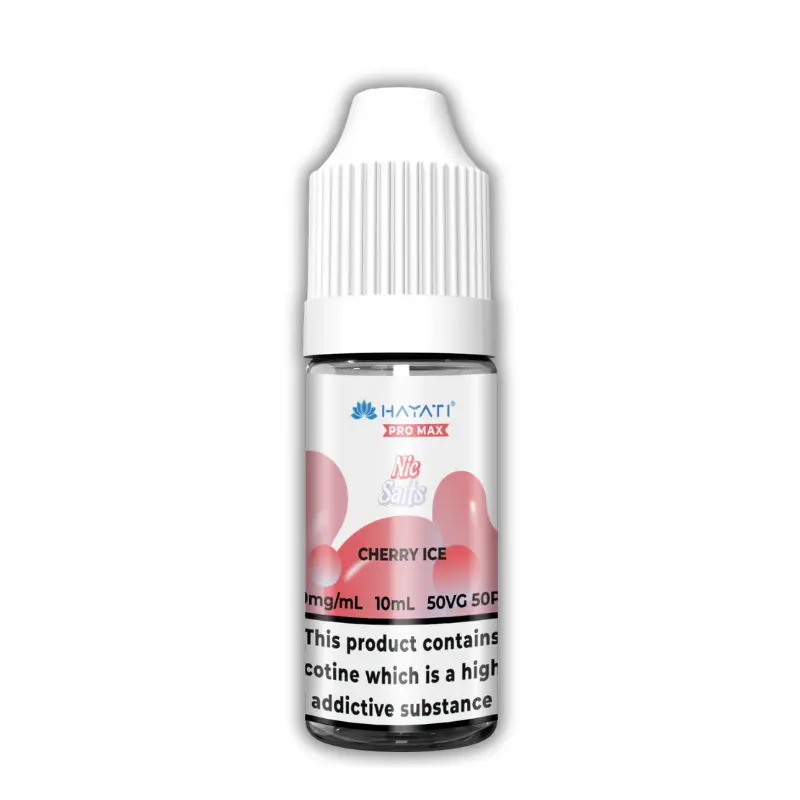
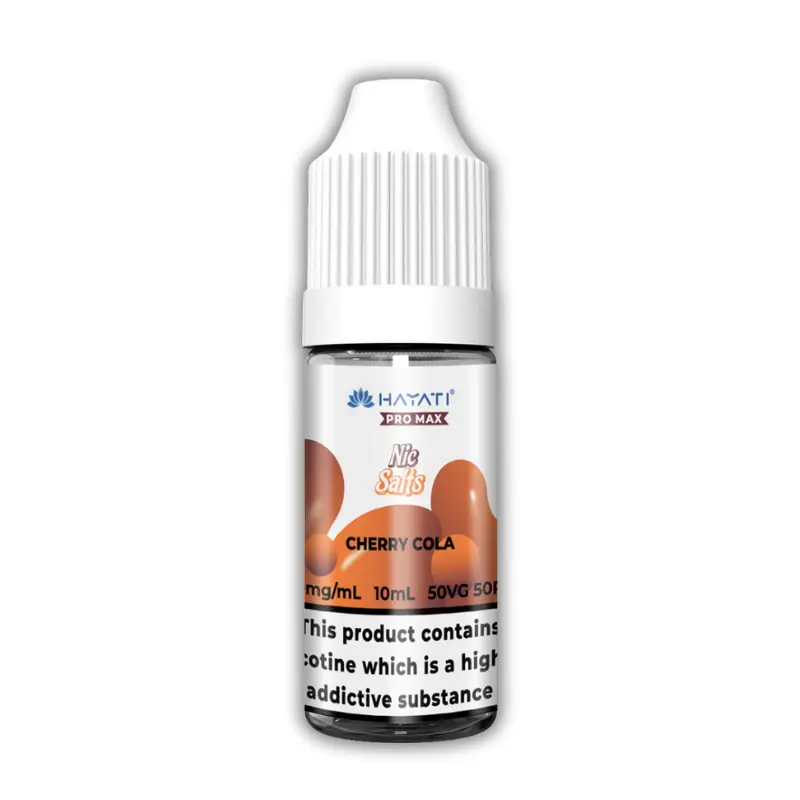
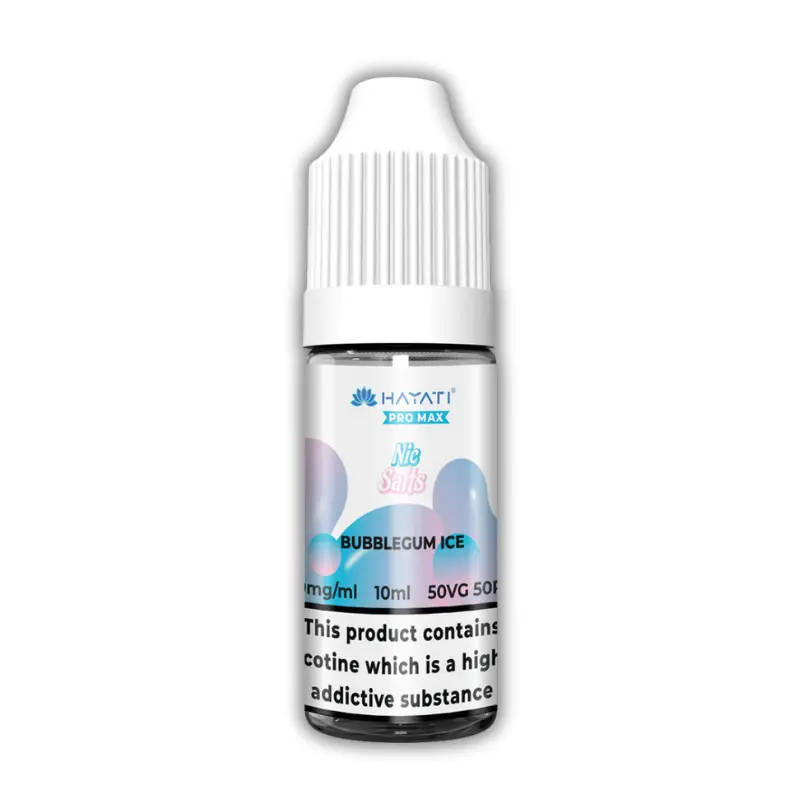
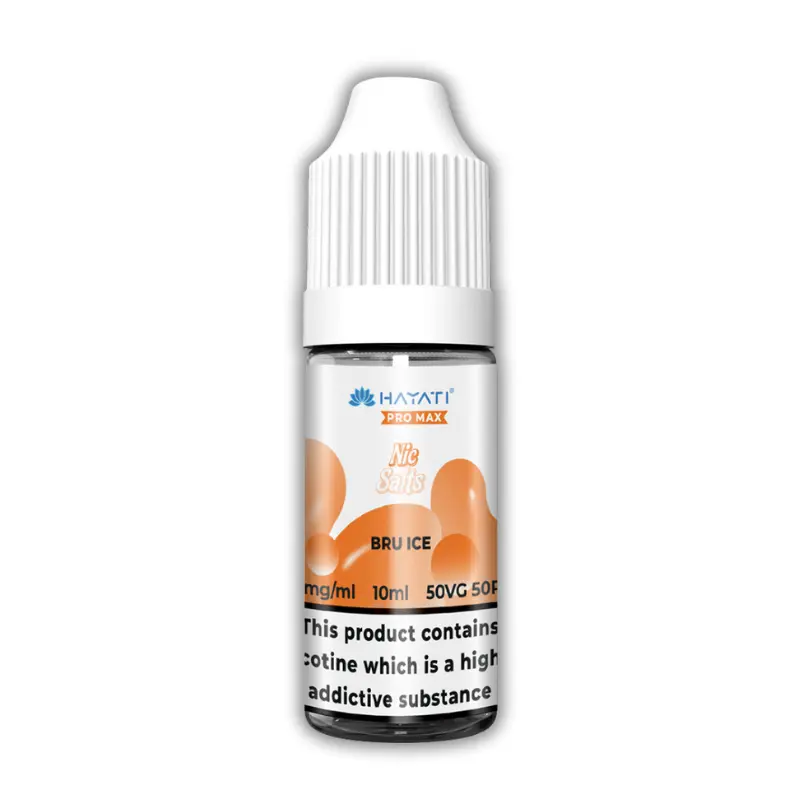
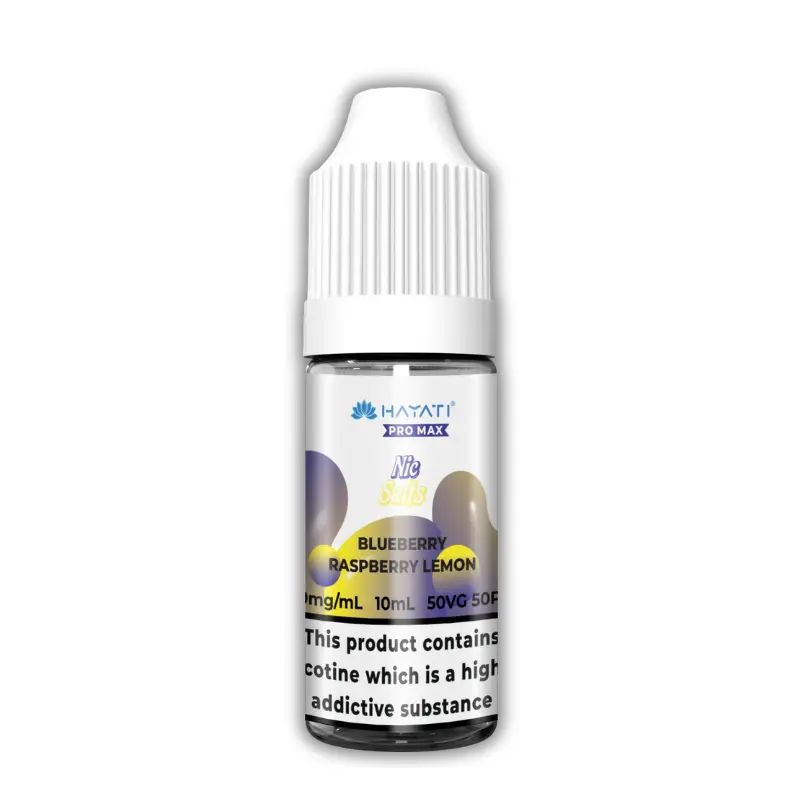
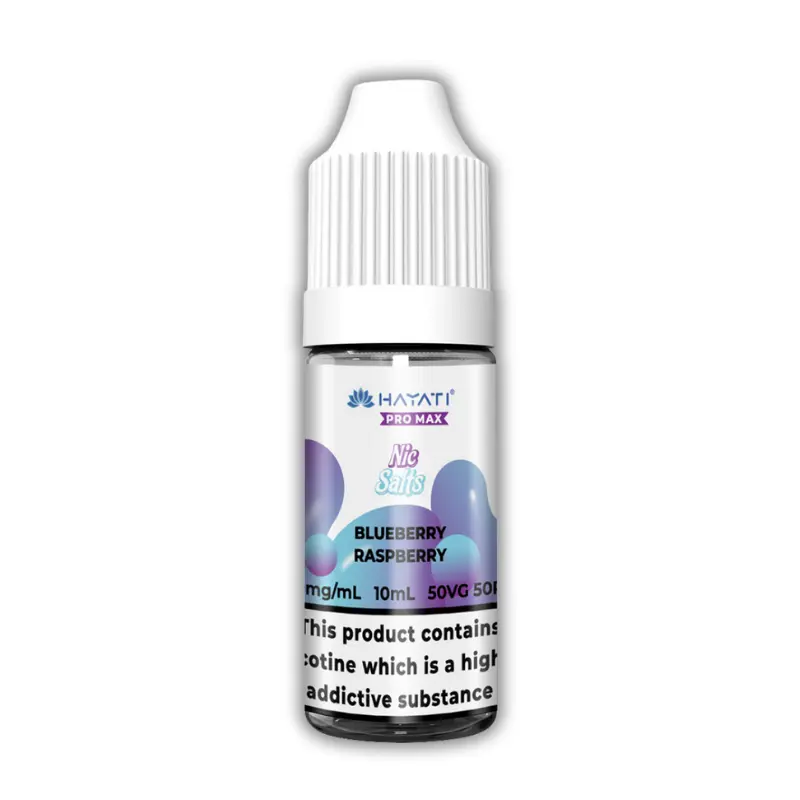
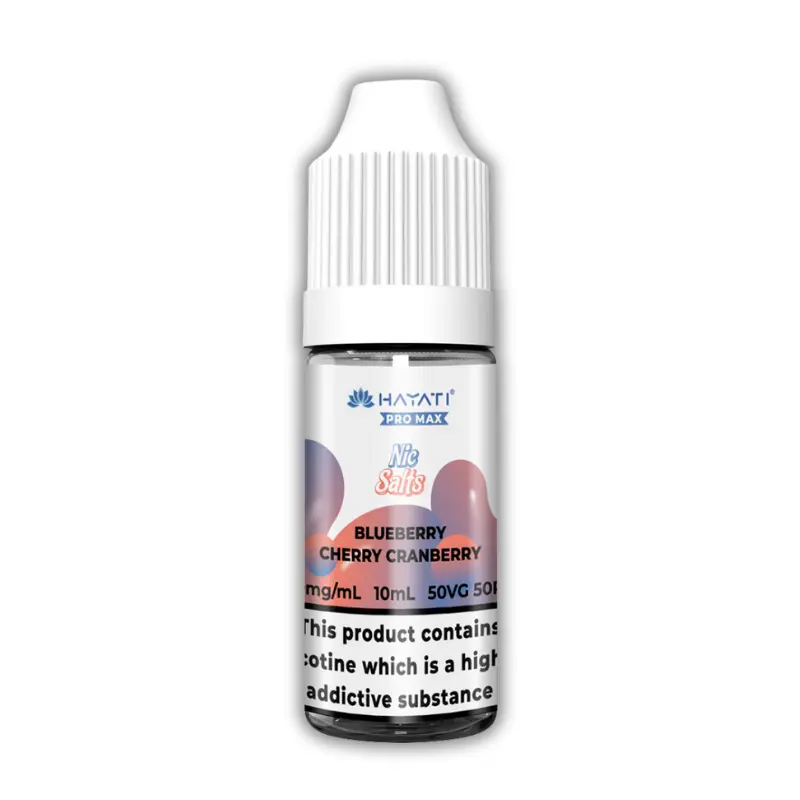
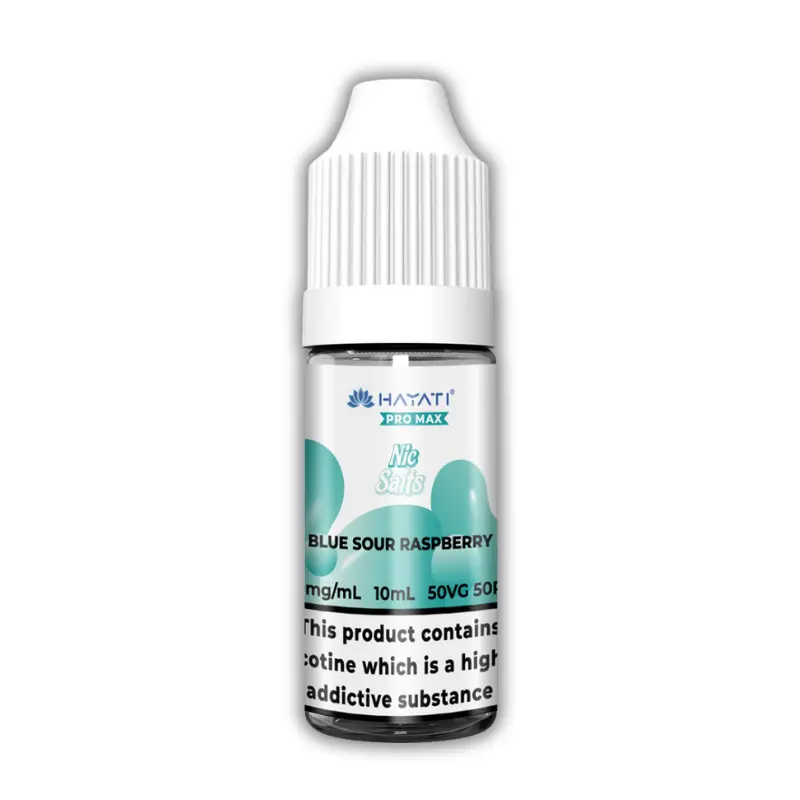
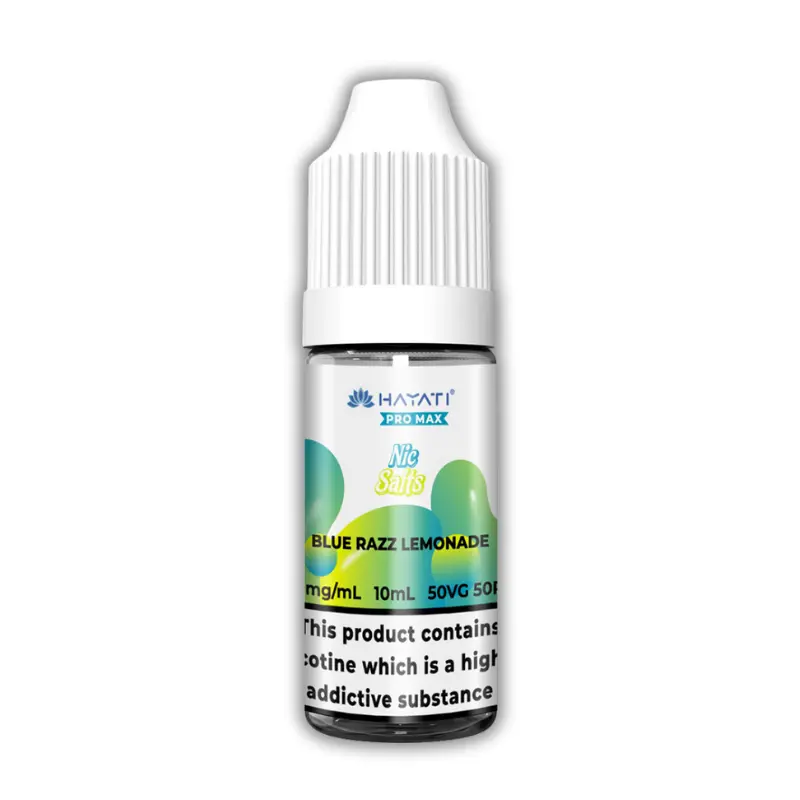
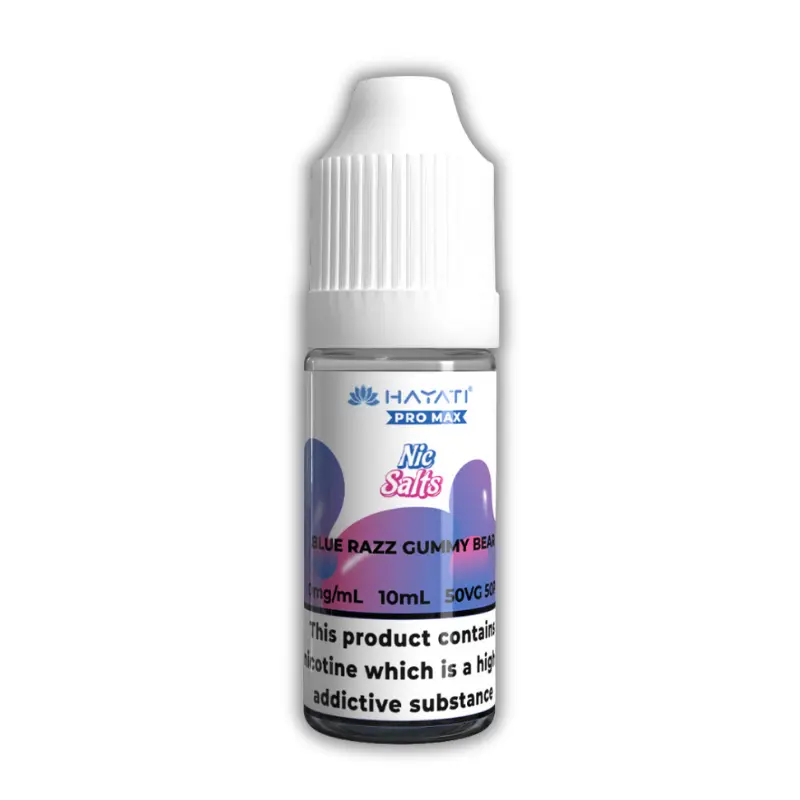
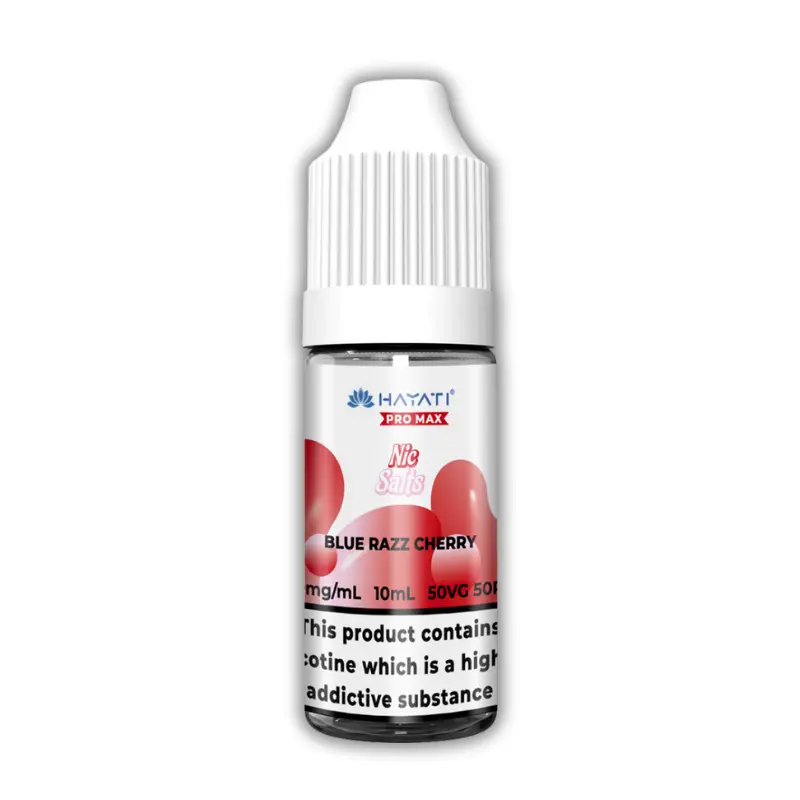
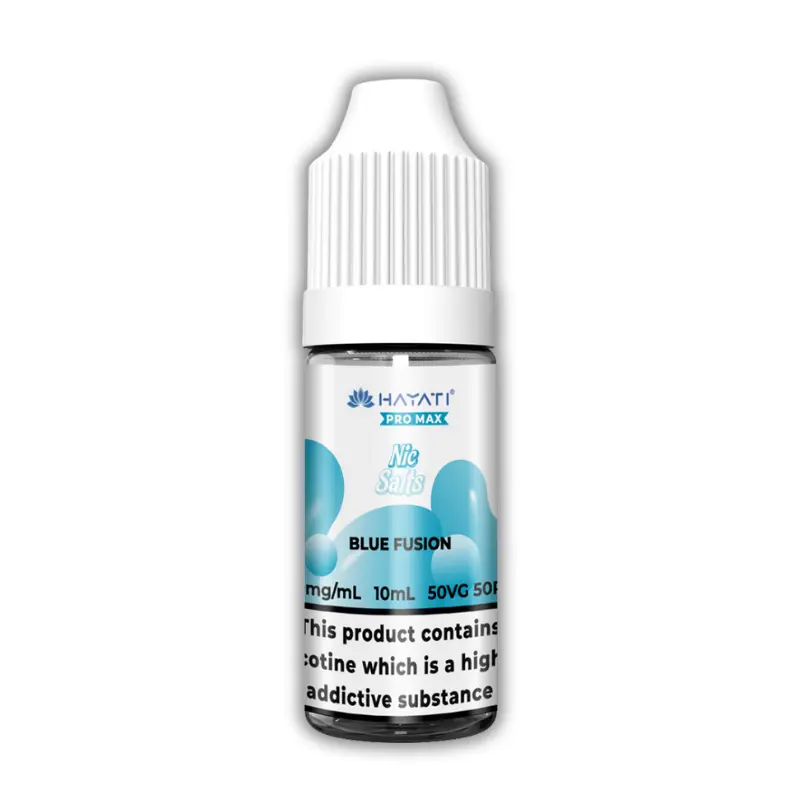
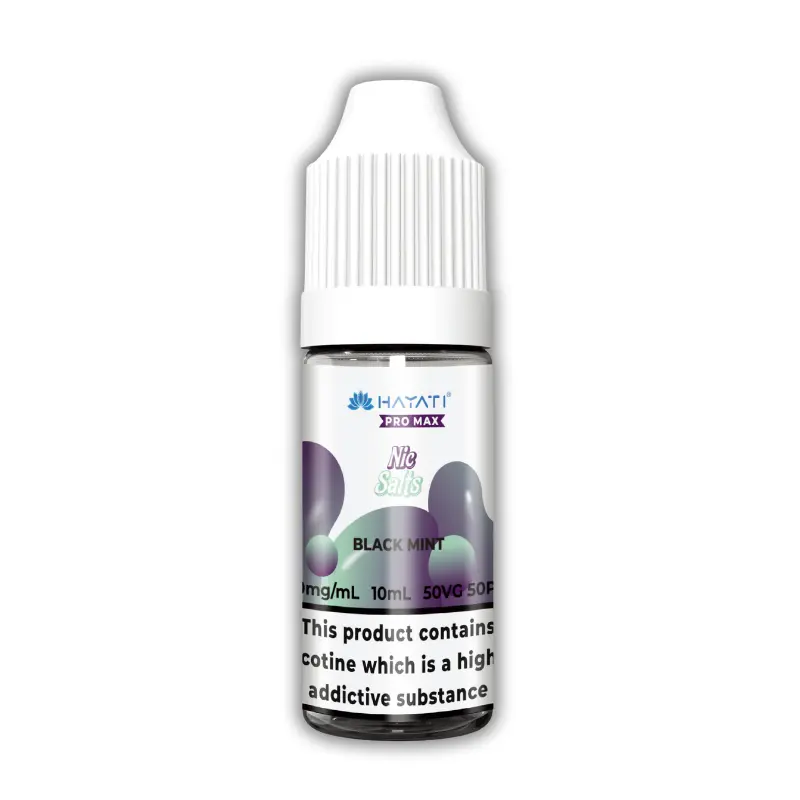
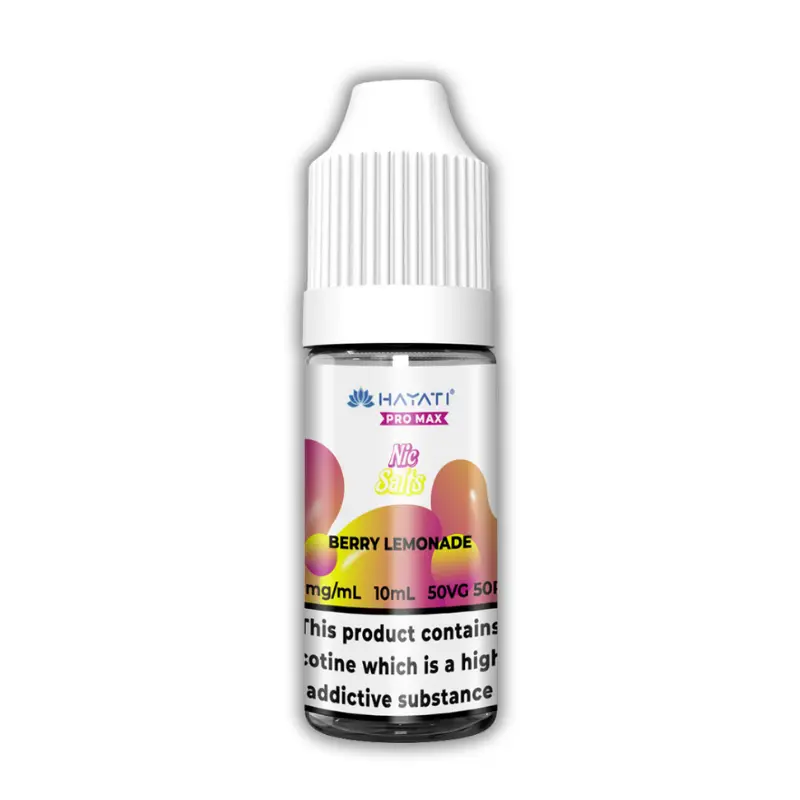
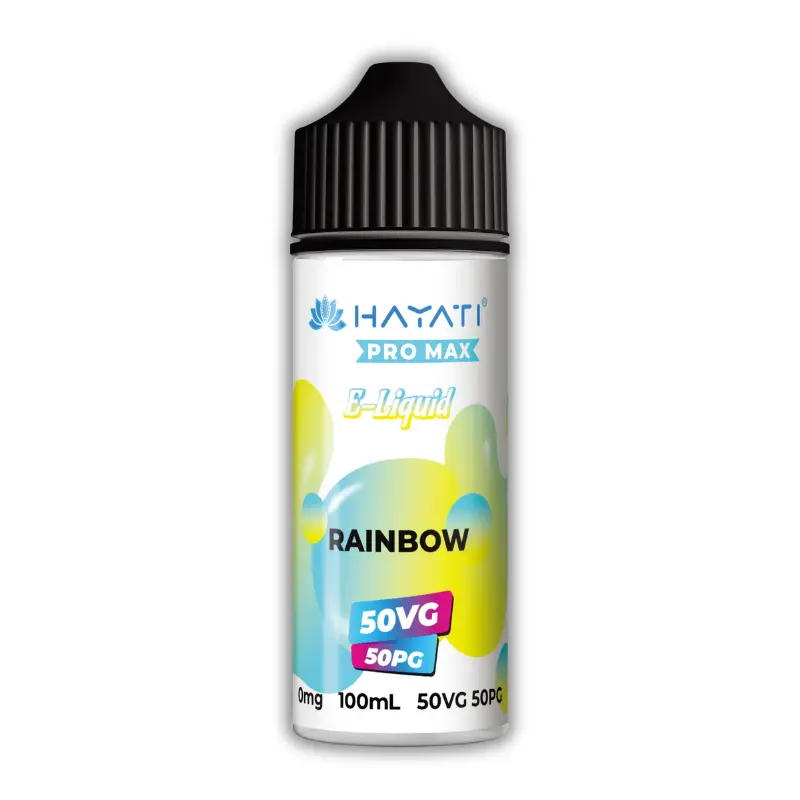
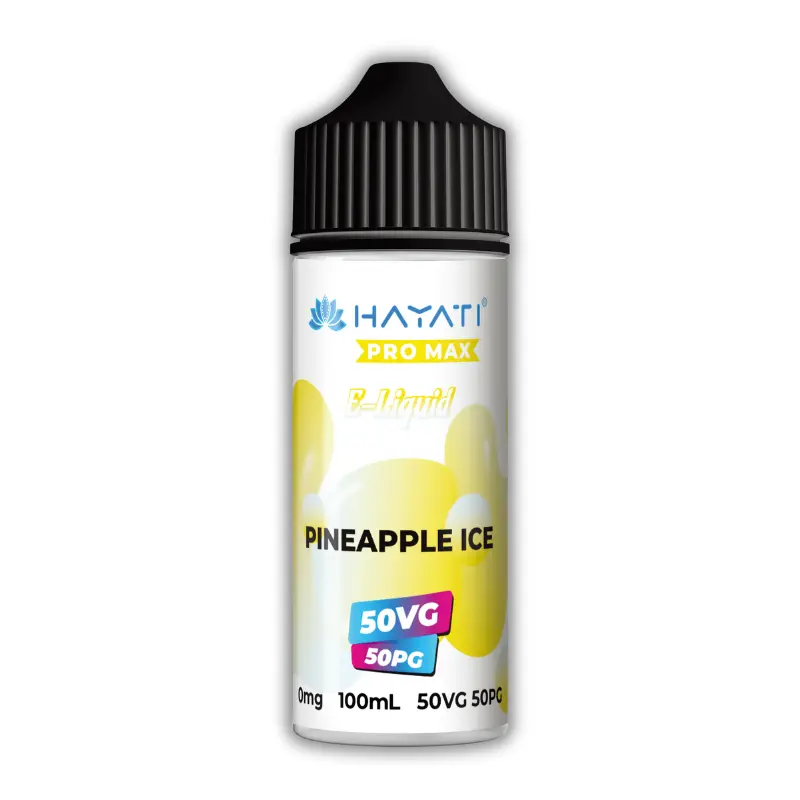
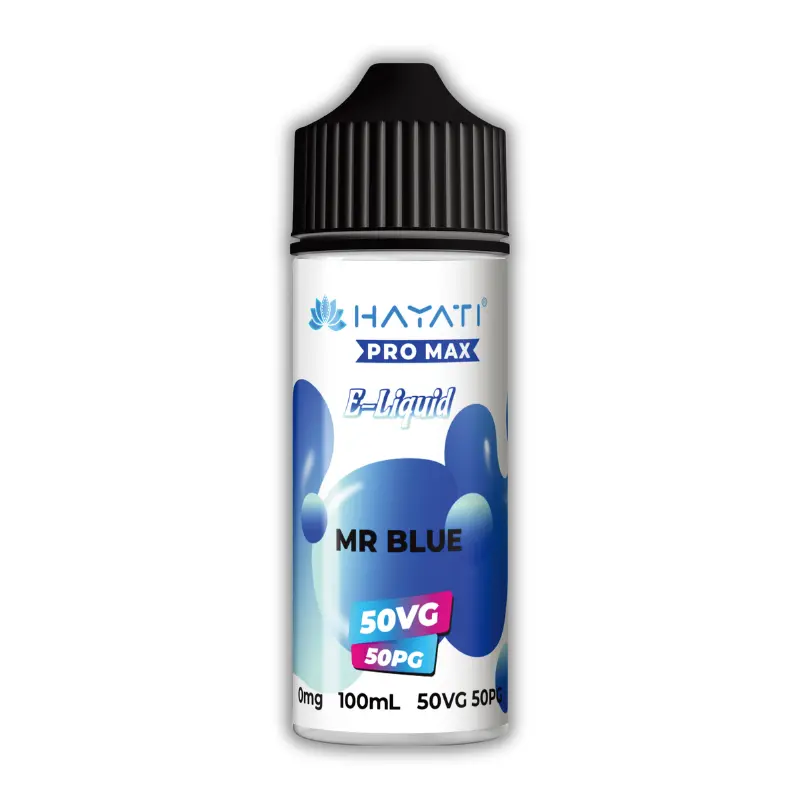
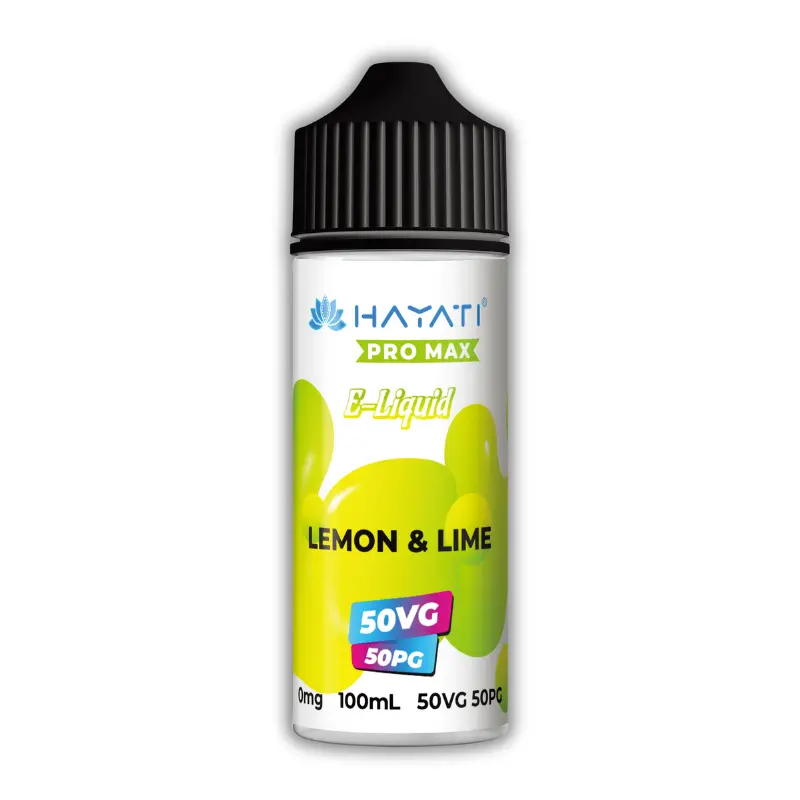
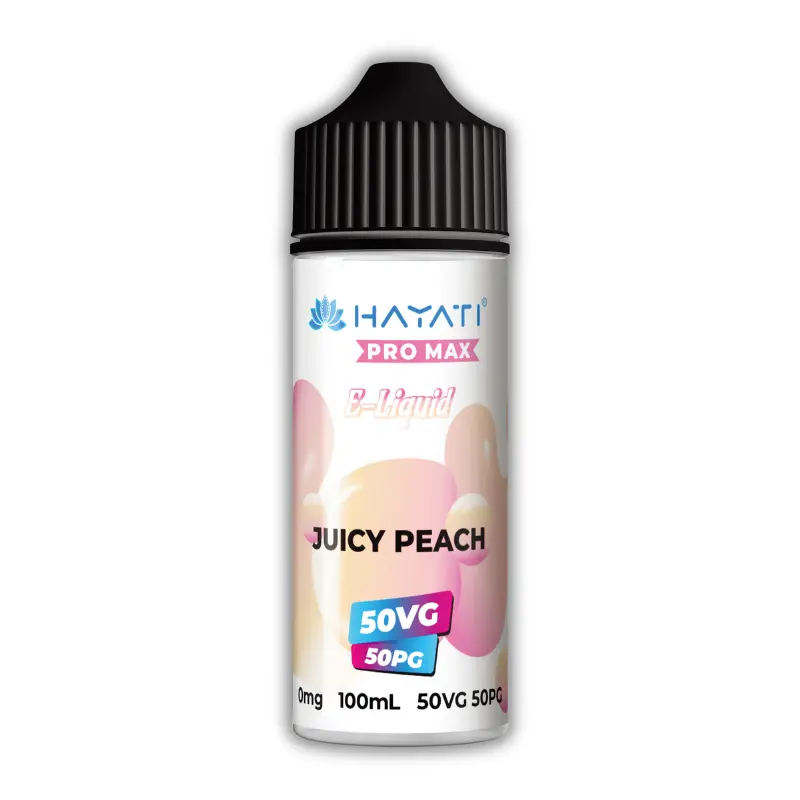
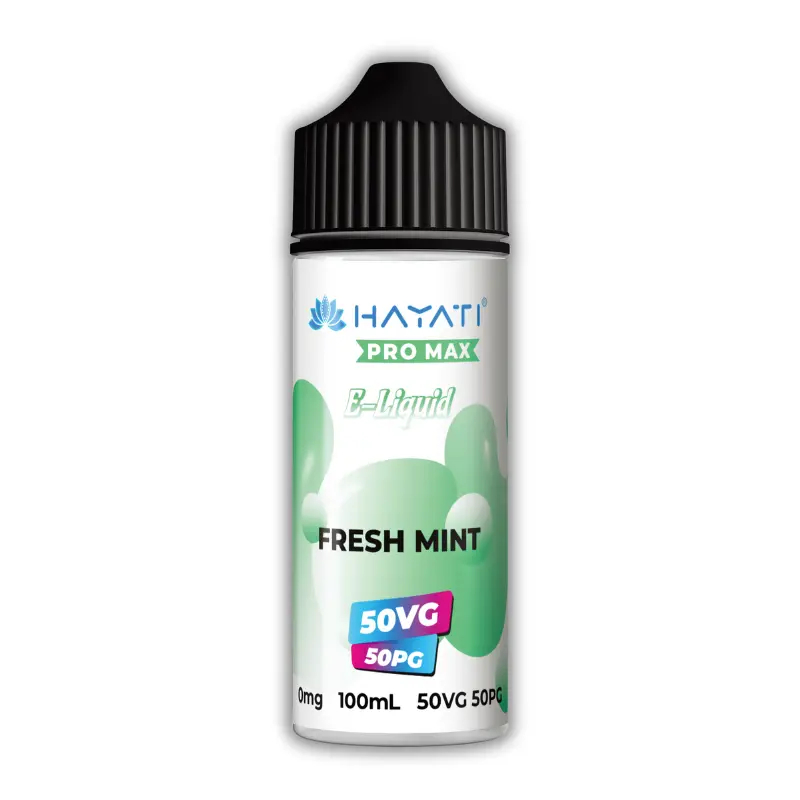
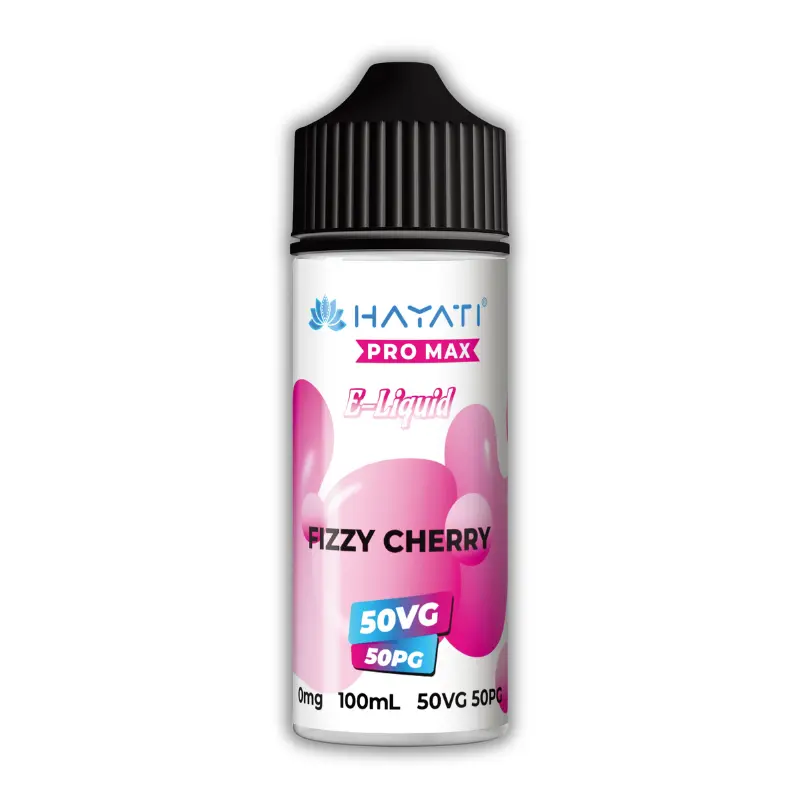
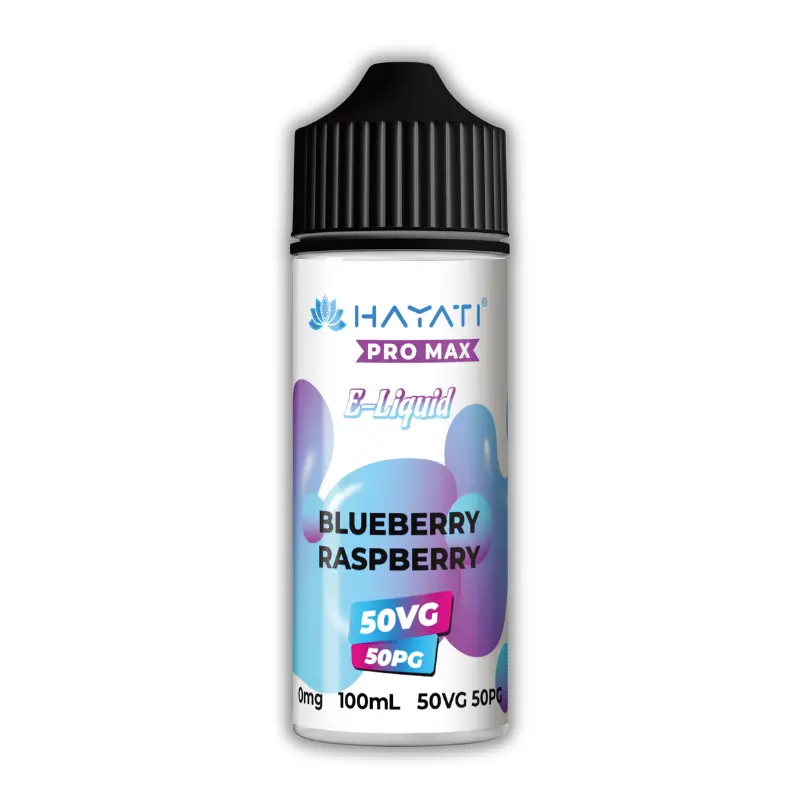
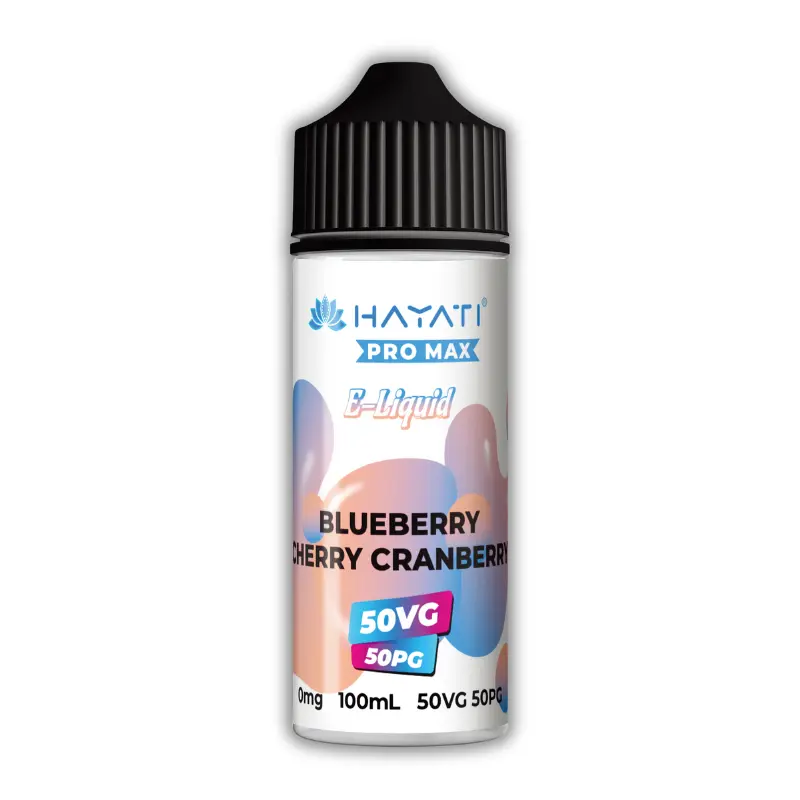
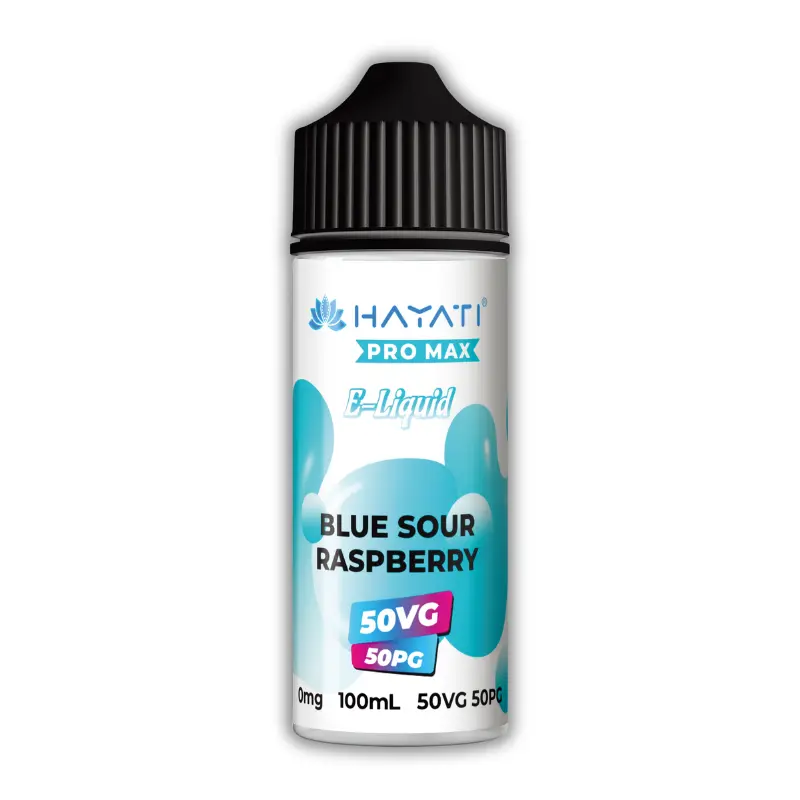
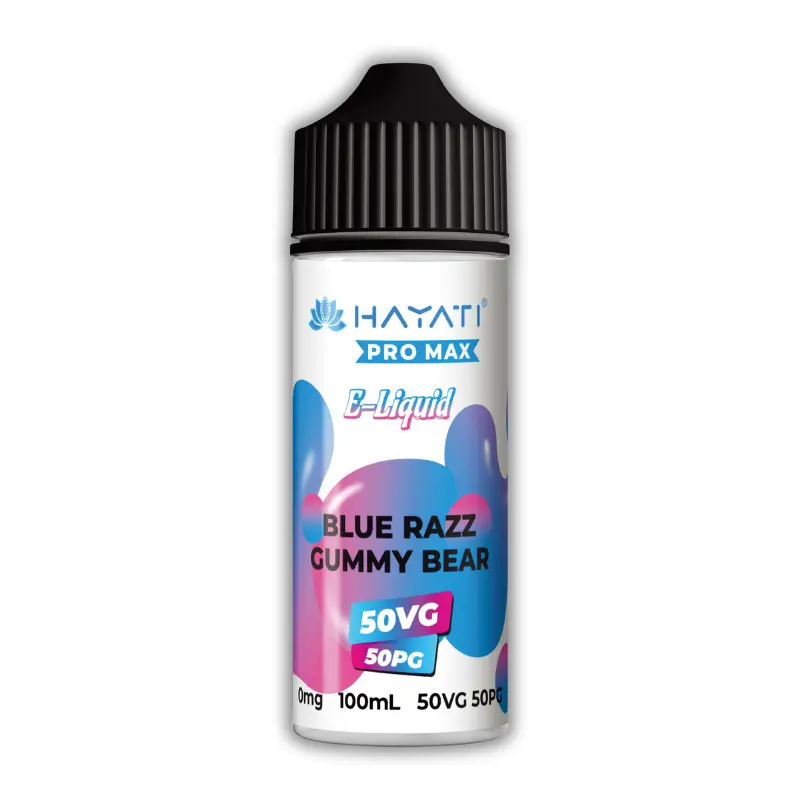
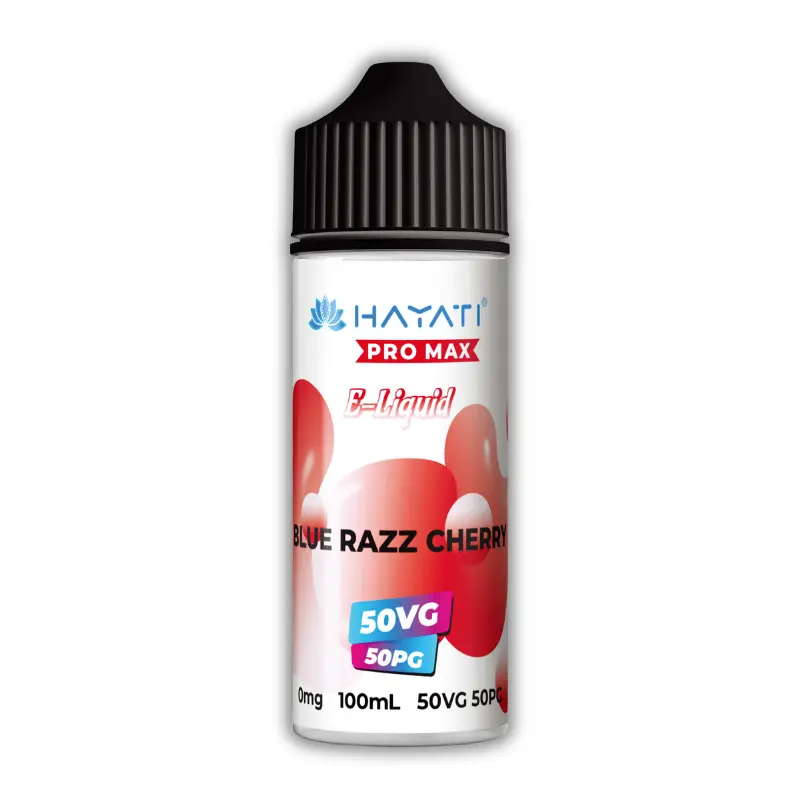
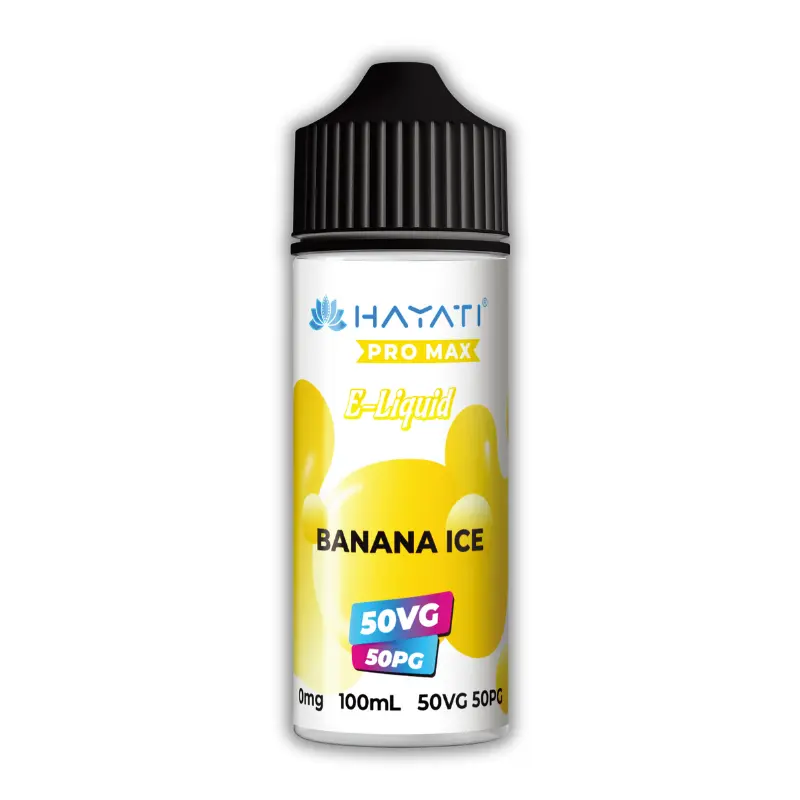
One brand, three bottles
Start with the arithmetic, because the headline figure hides the shape of the shelf. 105 bottles sounds like one large range. It is three ranges stacked into a single grid: 65 bottles on the Hayati Pro Max Nic Salts shelf, 20 bottles on the Hayati Pro Max 50/50 E-Liquid shelf, and 20 more on the Hayati Pro Max 70/30 E-Liquid shelf. 65 plus 20 plus 20. Nothing else is counted in that total and nothing else belongs in it.
The grid reads as muddled for a reason that has nothing to do with how it was built. Two of those three ranges carry an identical list of flavour names, and most of that list appears on the third range as well. A name you recognise can therefore surface three separate times in one scroll, once near £2.49 and twice at £6.99, on three tiles whose artwork differs by a line of label text. No trick is being played. That is simply what a parent shelf looks like when one brand issues the same flavour in more than one bottle format and the catalogue shows every version at once.
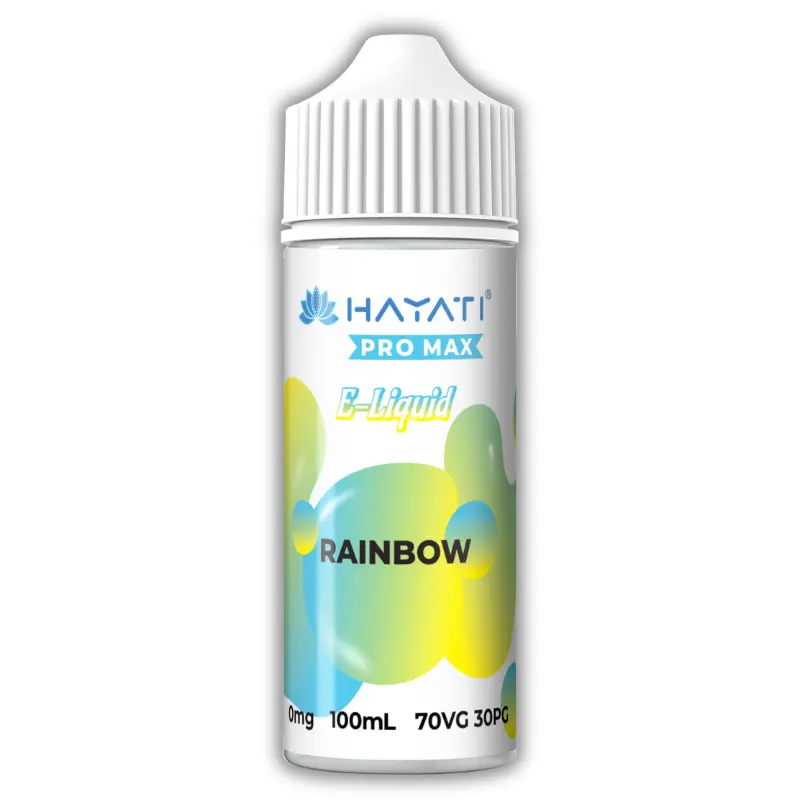
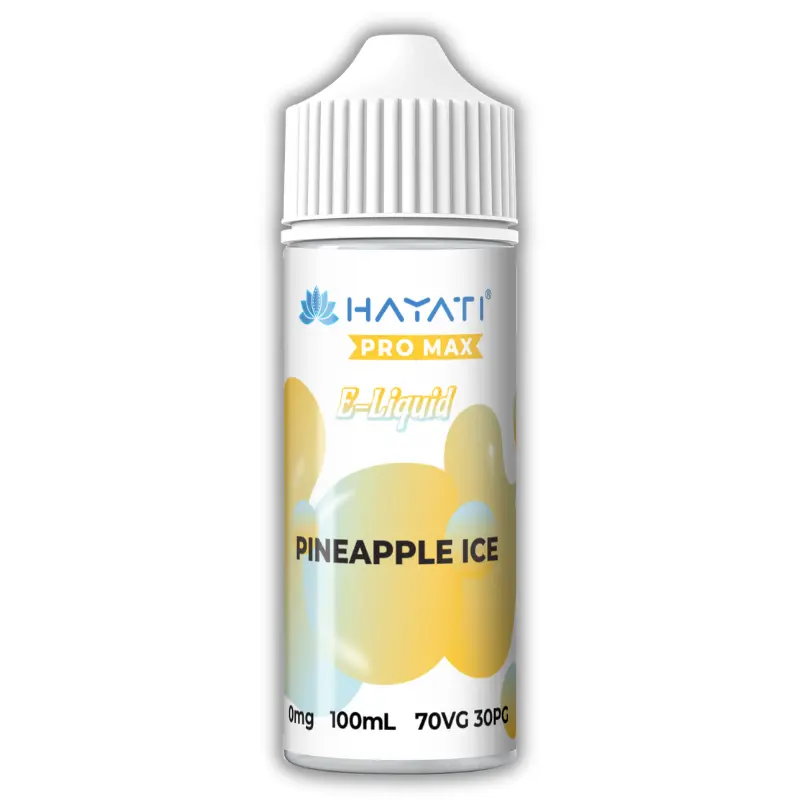
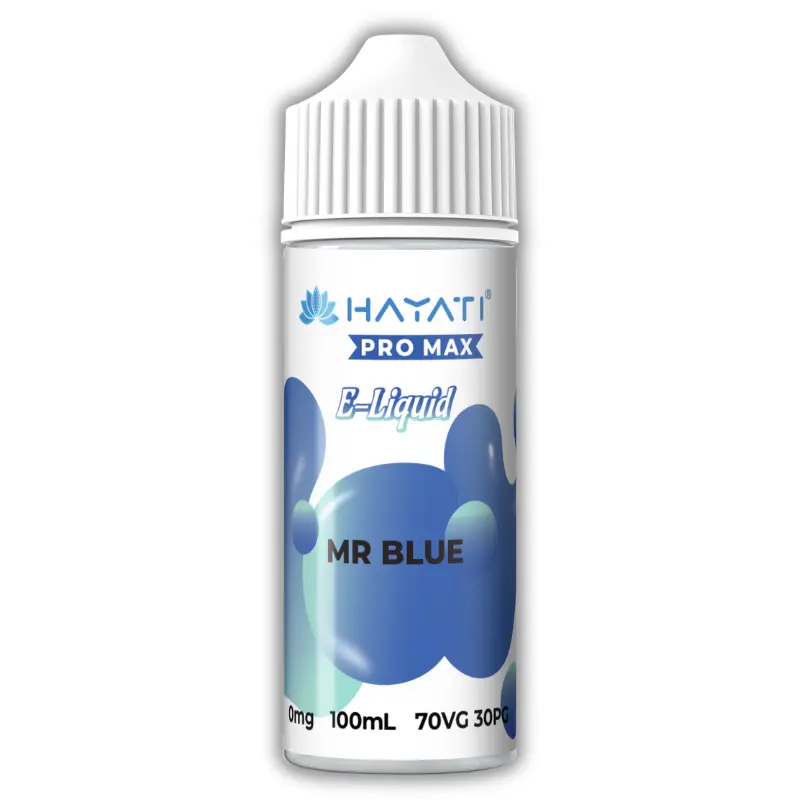
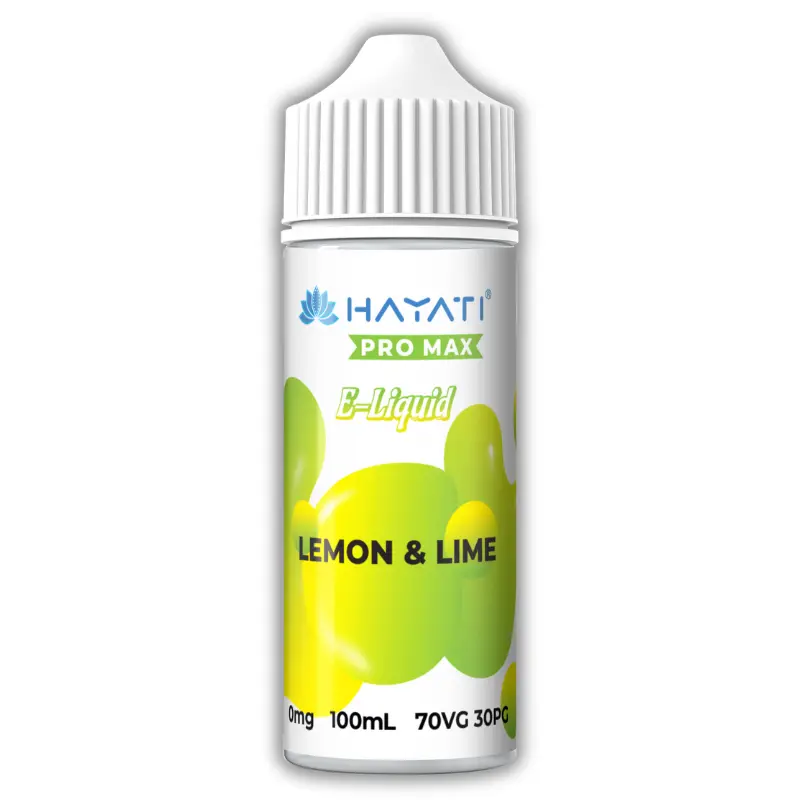
There is a quick way to read a tile before you click it, and it is worth learning because it saves the click. The capacity appears in the title, so 10ml and 120ml are visible without opening anything. The ratio appears in the title on the two shortfill ranges and separates them from each other. And the price alone will tell you the format even when the rest of the line is cut off by the tile width, because £2.49 belongs to one range and £6.99 to the other two. Three signals, all on the surface of the grid, all routinely ignored in favour of the picture.
What follows from that is the single behaviour this page is trying to produce. Do not buy from this grid. Use it to recognise a name, then move to whichever of the three shelves matches the bottle you need, and buy there. The sub-shelf pages carry the format detail that the mixed grid strips out.
The boundary: what is not on this shelf
Drawing the edge is more useful than listing the contents. Everything here is liquid in a bottle. There is no hardware of any kind, no battery, no coil, no charging port, nothing that takes a charge or holds a button.
Sealed prefilled pods are not here. Those live on Hayati Pods and on the wider Hayati Prefilled Pods & Refills shelf, and they are a different kind of purchase altogether: liquid and a coil arriving together in a sealed unit you do not open. Devices are not here either. Refillable kits sit on Hayati Pod Kits, and the kits that come boxed with sealed pods sit on Hayati Prefilled Pod Kits. Disposable-style bar formats such as the Hayati Quokka are their own shelf and hold no bottles. Hayati Nicotine Pouches involve no liquid, no vapour and no device, so they are outside this family entirely.
That boundary matters because the three commonest reasons for landing here are all satisfied somewhere else. If you wanted a replacement pod for a kit you already have, you wanted the refills shelf. If you wanted a whole device, you wanted one of the kit shelves. If you wanted something to put inside a refillable kit, you are in the right place, and the only remaining question is which of the three bottle formats.
So this is a shelf you pass through rather than one you shop. The three exits are the salts shelf, the 50/50 shelf and the 70/30 shelf, and by the end of the next two sections you should know which door has your name on it.
The four numbers printed on a Hayati bottle
Every bottle in this range is described by the same four values. Learn what each one decides and the whole shelf resolves in about a minute.
Capacity. 10ml or 120ml, with nothing in between. This decides how long one purchase lasts and how much money leaves your account in one go. It also decides how much of a flavour you are committed to if the bottle turns out not to suit you.
Nicotine as supplied. 10mg or 0mg. This is the value people skim past and then regret. It describes the bottle in the state it reaches you, not the state it might end up in. A bottle listed at 0mg contains no nicotine when you open it.
The VG/PG ratio. 50/50 or 70/30. Treat this as a sorting code on the label rather than something to interpret. It tells you which class of hardware the bottle was blended for, and that is the whole of its job on this page. The two shortfill shelf pages go into what the number means in use.
Price. £2.49 or £6.99. One exception exists and it is worth stating plainly: a single listing on the salts shelf, the one titled Hayati Pro Max Nic Salts E-Liquid, carries Banana Ice and is priced at £2.79 rather than £2.49. Everything else on that shelf is £2.49.
| Format | Capacity | Nicotine as supplied | VG/PG | Price |
|---|---|---|---|---|
| Pro Max Nic Salts | 10ml | 10mg | 50/50 | £2.49 |
| Pro Max 50/50 shortfill | 120ml | 0mg | 50/50 | £6.99 |
| Pro Max 70/30 shortfill | 120ml | 0mg | 70/30 | £6.99 |
Look at the table again and notice which columns actually separate the rows. Capacity and nicotine-as-supplied do the real sorting: they split the 65 from the 40, and they explain the price difference completely. The ratio column only distinguishes rows two and three, and it is the one number that means nothing at all until you know what hardware the bottle is going into. Price is downstream of capacity, not a signal about the liquid inside.
Put crudely: capacity and nicotine tell you which shelf you are on, the ratio tells you which of the two 120ml shelves you are on, and price tells you nothing you have not already worked out from the first two.
One implication of that ordering is worth stating, because it runs against how people normally shop. Price is usually the first filter anyone applies to a grid, and on this shelf it is the least informative of the four numbers. Sorting low to high does not surface the better value or the more suitable bottle. It surfaces the small ones. Sorting high to low surfaces the large ones. Neither ordering tells you anything about whether the bottle fits your hardware, which is the only question that can actually go wrong.
What each of the three shelves is actually for
Hayati Pro Max Nic Salts, 65 bottles at £2.49
The largest of the three by a wide margin, and the one most people on this page are looking for without knowing its name. Format in one line: a 10ml bottle, 10mg as supplied, blended 50/50.
It is aimed at small refillable pod kits, the pocket-sized devices with a removable pod you top up yourself. That is the hardware this bottle was matched to, and the match is the reason the shelf carries 65 names while the other two carry 20 each. Volume of choice follows volume of demand.
Who lands here by mistake: somebody with a sub-ohm tank who picked the cheapest bottle on the parent shelf. A 10ml at £2.49 looks like the low-risk option, and for that hardware it is not the right blend at all. The other direction happens too, though less often, and costs more when it does.
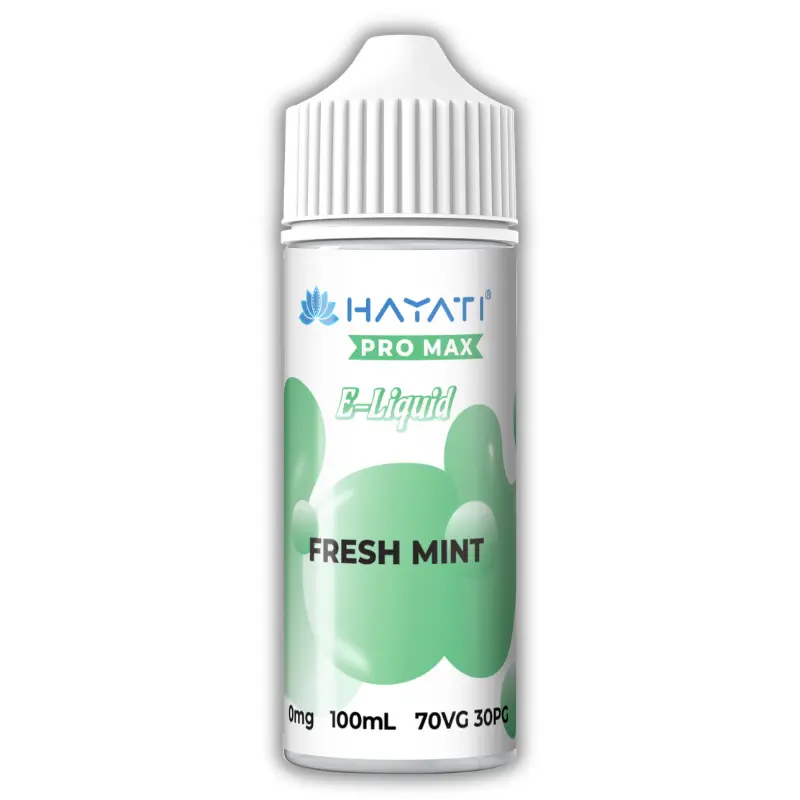
Names that exist only in this format are worth knowing about before you go looking for them elsewhere. Fresh Mint and Cola Ice are both 10ml-only propositions. Searching either name on the two 120ml shelves returns nothing, and that is not an oversight in the catalogue.
Hayati Pro Max 50/50, 20 bottles at £6.99
Twenty 120ml bottles, all supplied at 0mg, all blended 50/50. The ratio is the same as the salts shelf; the capacity and the nicotine content are not.
The hardware this one points at is the same broad group as the salts shelf: small refillable pod kits and the tighter refillable tanks. If a 10ml Hayati salt bottle suits your device, so does a 50/50 shortfill, because the blend on the label is identical. What differs is that you are buying twelve times the volume, at 0mg, for under three times the money.
Who lands here by mistake: somebody who wanted the cheap familiar bottle in bulk and did not register the 0mg line. This is the highest-consequence misread on the whole parent shelf, because 120ml is a lot of liquid to have bought under a wrong assumption. The shortfills are sold without nicotine in the bottle, and the 50/50 shelf page covers what buyers do about that.
Hayati Pro Max 70/30, 20 bottles at £6.99
Same bottle size, same price, same 0mg starting point, different blend. 70VG/30PG, built for sub-ohm gear and the larger refillable tanks rather than for a pocket pod.
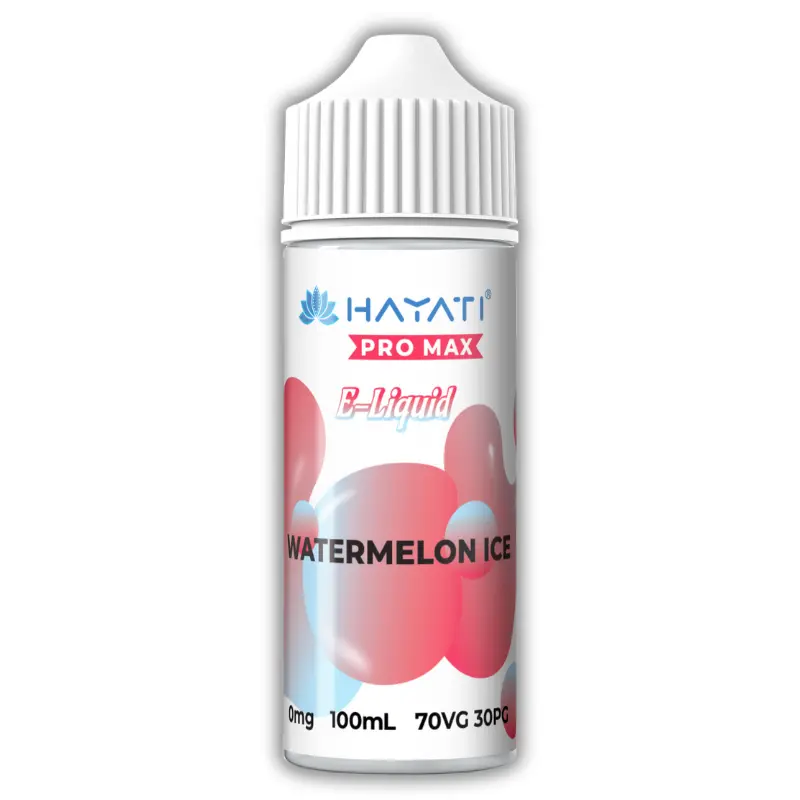
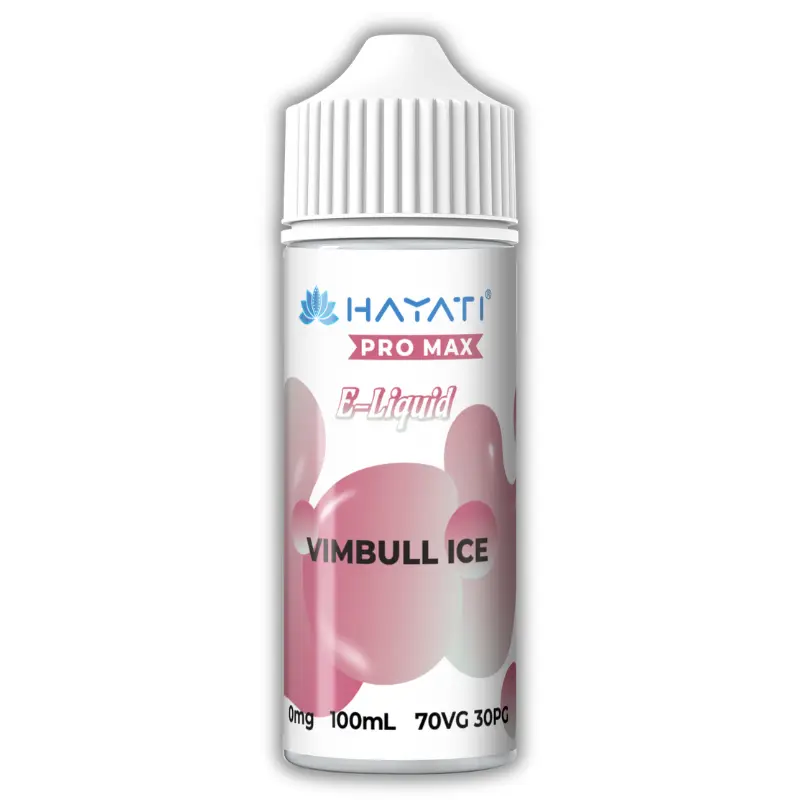
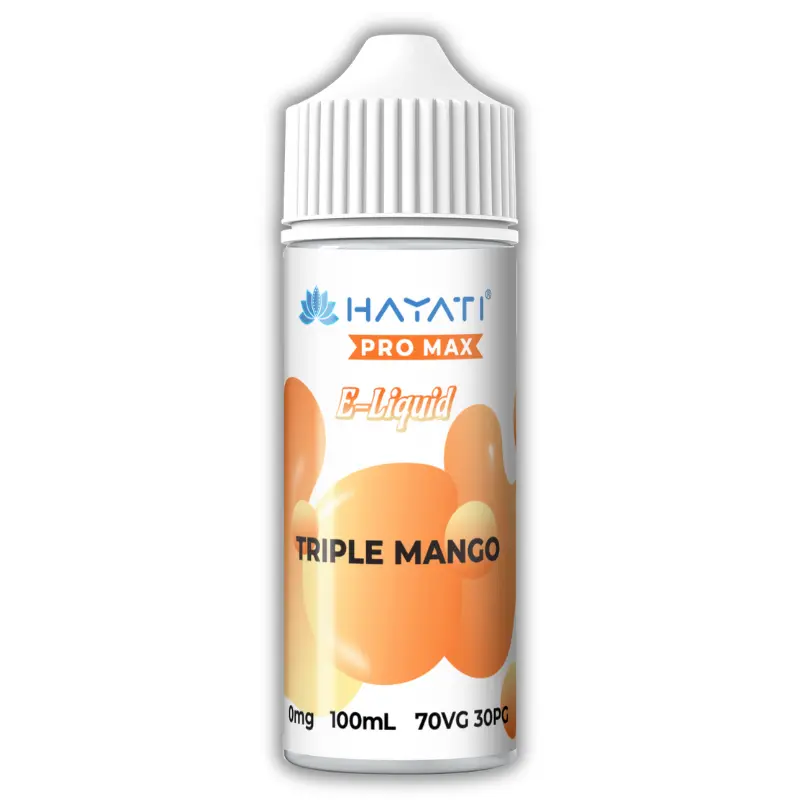
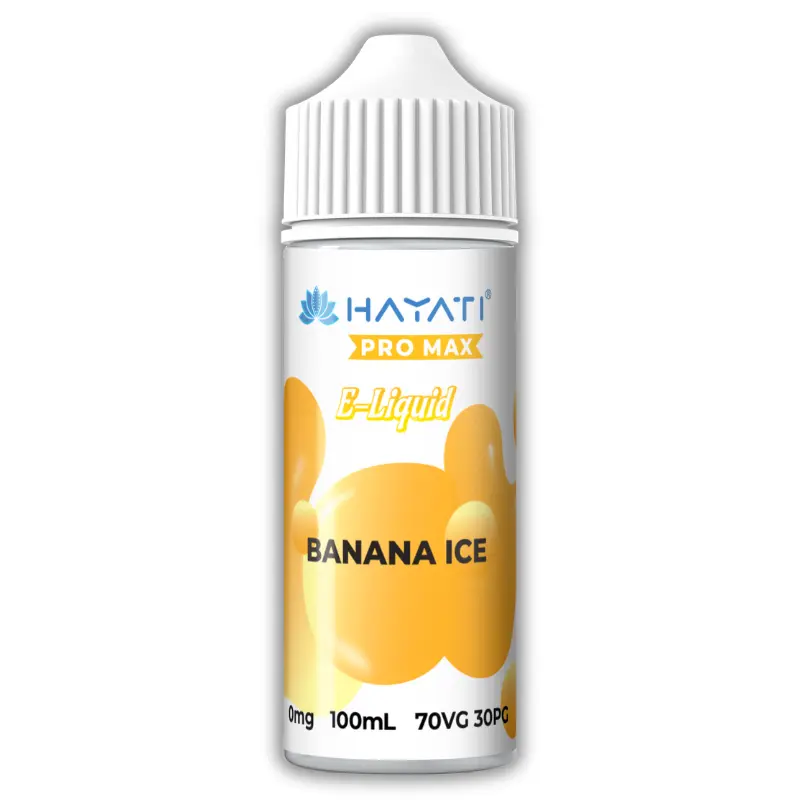
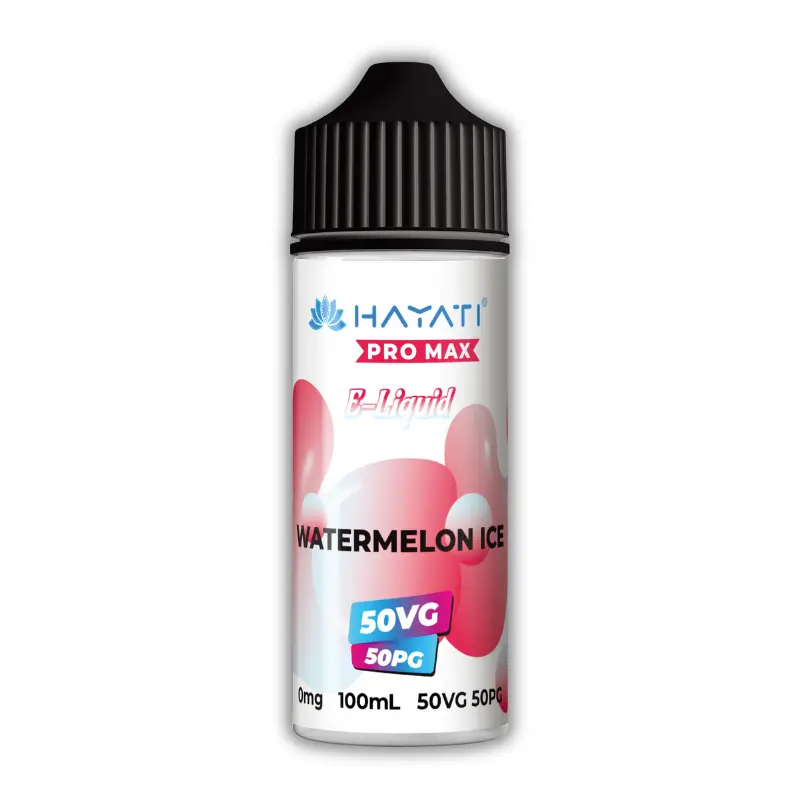
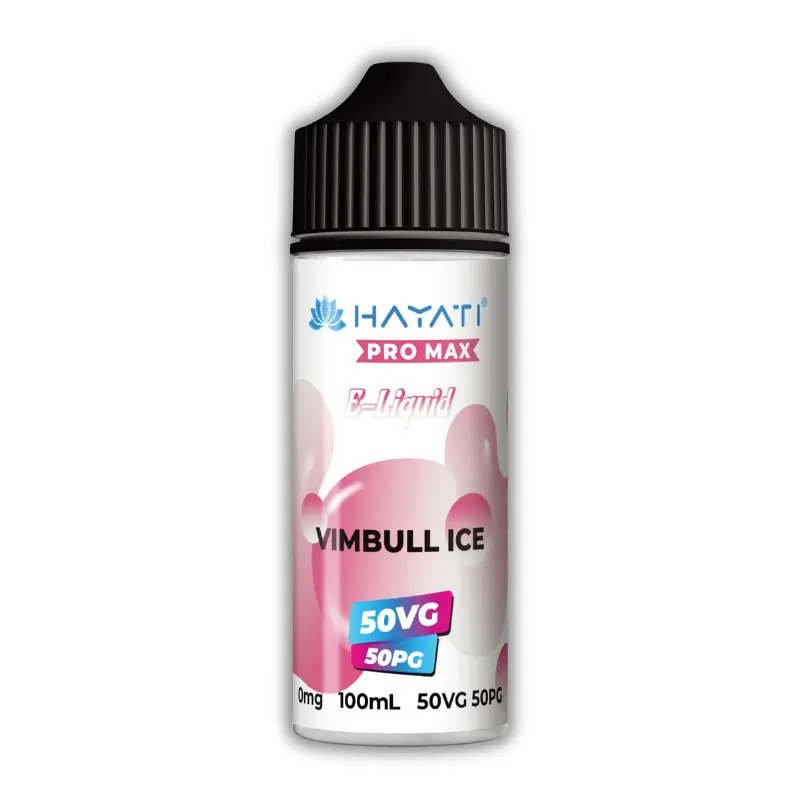
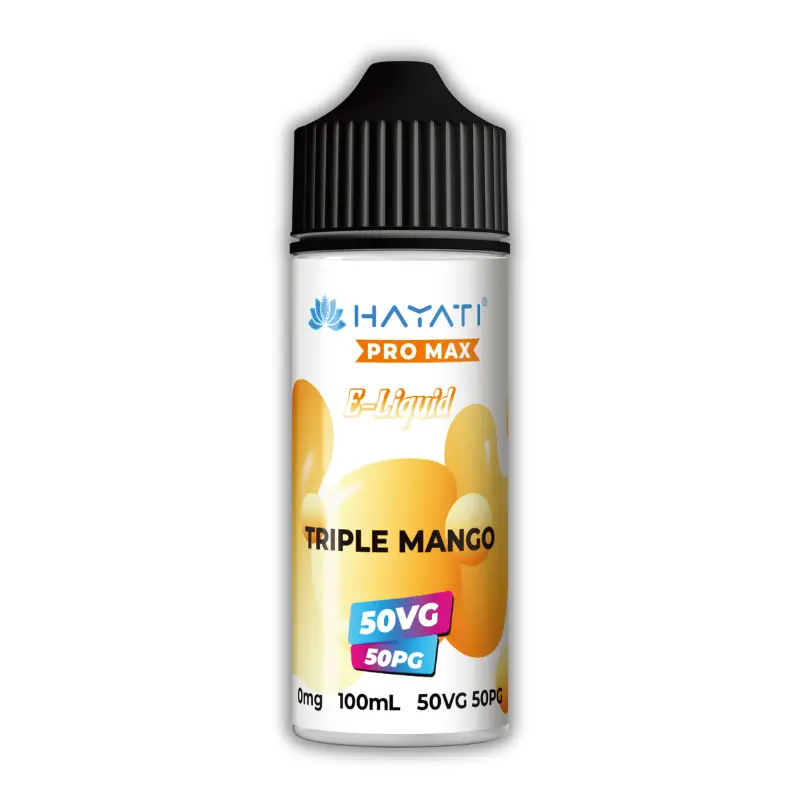
This is the narrowest audience of the three and the shelf most likely to be scrolled past by people who should be on it. If your device is a sub-ohm tank you fill by hand, this is your shelf and the other two are not. Watermelon Ice 70/30, Vimbull Ice and Triple Mango 70/30 all sit here in the 120ml format, and the tile artwork is close enough to the 50/50 versions that checking the ratio in the title is worth the two seconds.
Who lands here by mistake: owners of small pod kits who filtered by price, saw £6.99 for 120ml, and took the volume. The bottle will physically pour into almost anything. Whether the hardware is built around that blend is a separate question, and the answer for a small pod is generally no.
The overlap nobody spells out
Here is the fact that resolves most of the confusion on this page. The 20 flavour names on the 50/50 shelf and the 20 names on the 70/30 shelf are the same 20 names. Not similar lists. The same list, issued twice in two bases.
The consequence is worth sitting with. On those two shelves, flavour is not the decision. You have already made the flavour decision the moment you pick a name, because the name exists in both. The only live question is which base your hardware is built around, and that is a hardware question, not a taste question. Anyone comparing the two 120ml shelves flavour by flavour is comparing two identical lists and will get nowhere.
Bottle or pod: the decision this site really asks of you
Most of the Hayati catalogue is not bottles. Before you commit to this family at all, it is worth being honest about what you are taking on and what you are getting for it.
What a sealed prefilled pod takes off your hands
A sealed pod removes three jobs. You never fill anything, so there is no bottle to carry, no nozzle to line up and no chance of over-filling in a car park. You never judge a coil, because the coil arrives inside the sealed unit and leaves with it. And you never make a second purchase decision, because the liquid and the hardware consumable are the same item.
That is a real convenience and it is priced as one. Shelves like Hayati Pro Ultra Plus Pods, Hayati Pro Max Plus Pods, Hayati Mini Ultra Pods and Hayati Rubik Pods exist precisely because a large share of people would rather buy one thing than two. If that is you, close this page. Nothing on this shelf improves your situation.
What a bottle hands back
Three things, in descending order of how much they usually matter.
Range comes first. This family alone holds 105 bottled options. Any single sealed pod shelf carries a shorter flavour list than that, because every name on a sealed shelf has to be manufactured as a complete sealed unit rather than poured into a bottle. Bottling is the cheaper way to offer breadth, and breadth is what you are buying.
Cost comes second, and it is covered properly below.
Third, and underrated: with a bottle you can change flavour without changing hardware. A refillable pod can be emptied, rinsed and refilled with something else. On a sealed system, changing flavour means buying a new sealed pod, so every flavour experiment has a hardware cost attached. On a refillable kit, the cost of trying something different is the cost of a 10ml bottle and nothing more.
The hardware precondition
A bottle is inert. It needs something to go into, and that something is a refillable device with a pod or tank you can open. That is the whole precondition, and it is absolute: a bottle plus no hardware equals a bottle.
If you do not own a refillable kit, Hayati Pod Kits is the shelf that makes everything on this page usable. Named ranges within that include Hayati Rubik, Hayati Mini Ultra and Hayati Pro Ultra Plus. Be careful of a specific trap here: the boxed bundles on Hayati Prefilled Pod Kits, including the Hayati Rubik Prefilled Pod Kit, the Hayati Mini Ultra Prefilled Pod Kit, the Hayati Pro Max Plus Prefilled Pod Kit and the Hayati Pro Ultra Plus Prefilled Pod Kit, are built around sealed pods rather than around a bottle. They are excellent at what they do and they are not the route into this shelf.
Cost over a month, done with the numbers on the page
Per millilitre, from the two prices given and nothing else:
- £2.49 for 10ml works out at 24.9p per millilitre.
- £6.99 for 120ml works out at a shade under 5.9p per millilitre.
The 120ml bottle is therefore a little over four times cheaper per millilitre than the 10ml bottle, as supplied. Both 120ml shelves land on the same figure, because both cost £6.99 and both hold 120ml.
Scale that to a month. Somebody getting through 2ml a day needs roughly 60ml over 30 days. That is six 10ml bottles, £14.94. The same 60ml drawn from a 120ml bottle is around £3.50 of liquid, and half the bottle is still in the cupboard. Somebody at 3ml a day needs about 90ml: nine bottles at £22.41, against roughly £5.24 taken from the large bottle.
Two honest caveats on that arithmetic. The 120ml figures describe the bottle exactly as it reaches you, which is at 0mg. And the whole saving is conditional on a behaviour, not on a purchase: it only exists if you actually refill. A kit bought with good intentions and left in a drawer after nine days has cost you the kit, the bottle and nothing saved. Plenty of people find out the hard way that they prefer the sealed route, and finding that out costs less if you find it out on a £2.49 bottle.
There is also a distinction the per-millilitre figure hides, and it catches people out at the till. Up-front outlay and running cost are not the same thing. A 120ml bottle is the cheapest liquid on this shelf by volume and simultaneously the largest single amount of money you can spend here in one click. A 10ml bottle is the dearest liquid by volume and the smallest thing you can buy. If your constraint is what leaves your account this week rather than what you spend over a quarter, the expensive-per-millilitre option is the one that fits, and there is nothing irrational about choosing it.
Comparing any of this against sealed pods needs two numbers this page will not invent for you: what a pack of pods costs and how much liquid is in each pod. Both appear on the pod shelves themselves, so take the per-millilitre figures above, read the pack price and volume off Hayati Prefilled Pods & Refills, and do the division yourself. It is one sum and it will tell you more than any general claim about bottles being cheaper.
Three times a pod is the right answer and a bottle is not
First, when the device leaves your hands regularly. A refillable kit plus a bottle is two objects to keep together and one of them is open liquid. If your gear lives in a shared bag or gets handed around, sealed is the sane format.
Second, when you already know you dislike maintenance. Refilling is not difficult but it is a recurring small chore, and some people resent it by week two. There is no virtue in forcing it. Hayati Pods exists for exactly this preference.
Third, when you use very little. The per-millilitre advantage of a 120ml bottle assumes you get through it. At low consumption the saving thins out and the convenience of a sealed unit is worth more than the arithmetic.
Which of the three you land on, given what you already own
Four situations cover nearly everybody who reaches this page.
You own a small refillable pod kit. The Hayati Pro Max Nic Salts shelf is your default and the Hayati Pro Max 50/50 E-Liquid shelf is your bulk option for a name you have already settled on. Both are 50/50, which is the blend these kits are built around. The 70/30 shelf is not for you.
You own a sub-ohm tank. Go straight to Hayati Pro Max 70/30 E-Liquid and ignore the other two shelves completely. The 10ml salts are matched to different hardware and the 50/50 shortfill is the same mismatch in a bigger bottle.
You own only sealed prefilled devices. Nothing on this shelf works with them, at all, in any configuration. Your consumable is on Hayati Prefilled Pods & Refills. If you want to move to bottles, the move starts with hardware, not with liquid.
You own no refillable hardware yet. Buy the kit first and the liquid in the same order, from Hayati Pod Kits plus one 10ml bottle. Do not buy 120ml on a plan to acquire a device later.
A fifth case turns up often enough to name: you own more than one kind of device. Somebody with a small pod kit for the working day and a sub-ohm tank for the evening genuinely does need two of the three shelves, and the sensible order is to treat them as two separate shopping trips rather than one basket. Pick the name for the pod kit on the salts shelf, pick the name for the tank on the 70/30 shelf, and do not assume a bottle bought for one will do a turn in the other. It is the same reasoning as the four cases above, applied twice.
The two mistakes that cost actual money
A 120ml 70/30 bottle bought for a small pod kit. The bottle will pour in. The kit was not built around that blend, and the mismatch shows up as a device that behaves poorly rather than as an obvious error, which is why people repeat it. £6.99 and 120ml of liquid you will not use. This is a compatibility fact about which blend goes with which class of hardware, and it holds regardless of technique.
A 10ml salt bought for a sub-ohm tank. The reverse mismatch, and the reason it matters is the nicotine content rather than the blend. A 10ml salt bottle arrives at 10mg. Sub-ohm hardware moves a great deal more liquid per session than a small pod does, and pairing that hardware with a 10mg bottle is a pairing the format was never intended for. The 70/30 shelf supplies its bottles at 0mg for that reason.
Flavour here is a question of where a name exists
This page will not tell you what anything tastes like. The individual product pages and the flavour shelves do that far better. What a parent shelf can usefully tell you is where a given name exists and where it does not, because that is a catalogue fact rather than an opinion.
The map is simple once stated. 20 names exist in both 120ml bases. Those same 20 names also exist as 10ml salts. The remaining 45 names on the salts shelf exist in 10ml only. And there is no name on either shortfill shelf that the salts shelf does not also carry, which means the salts shelf is a superset of the other two.
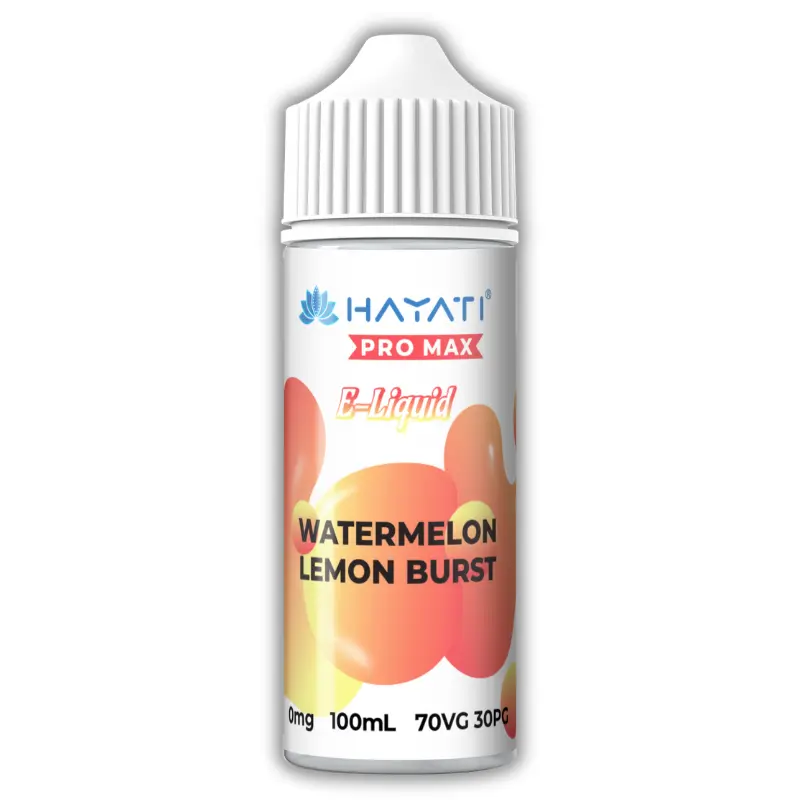
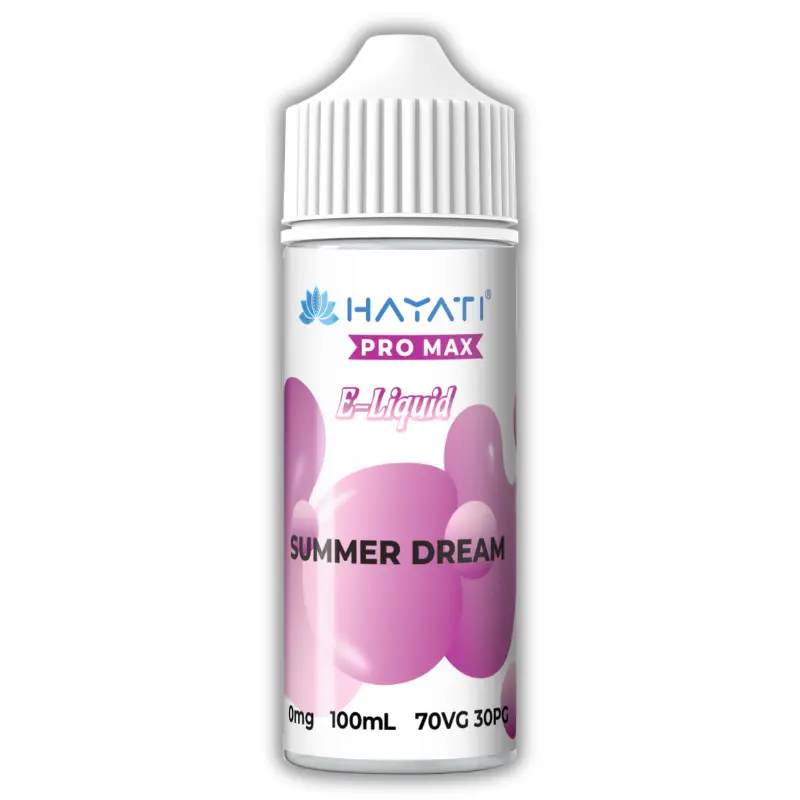
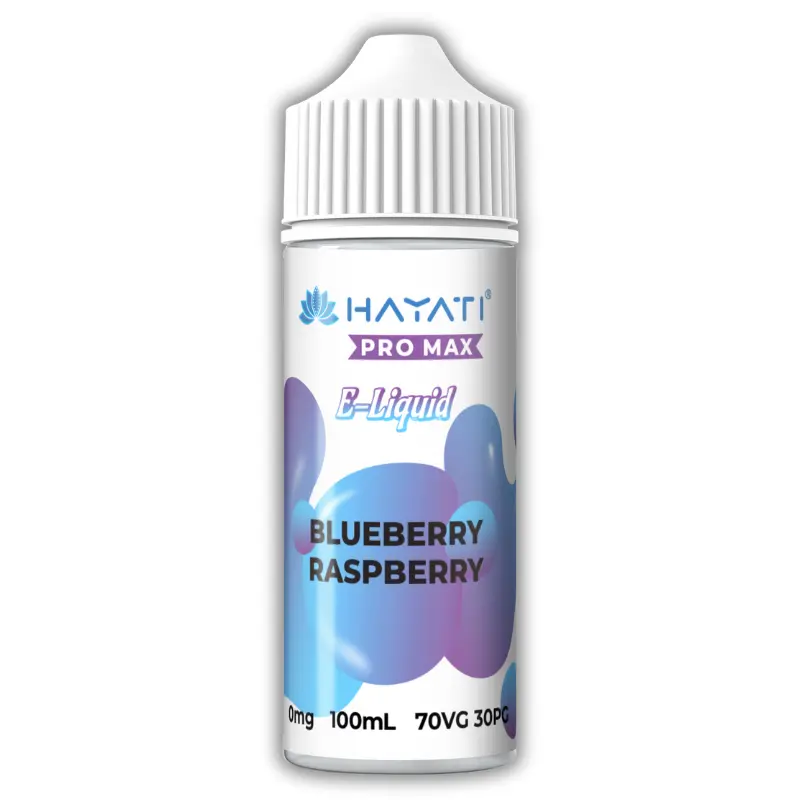
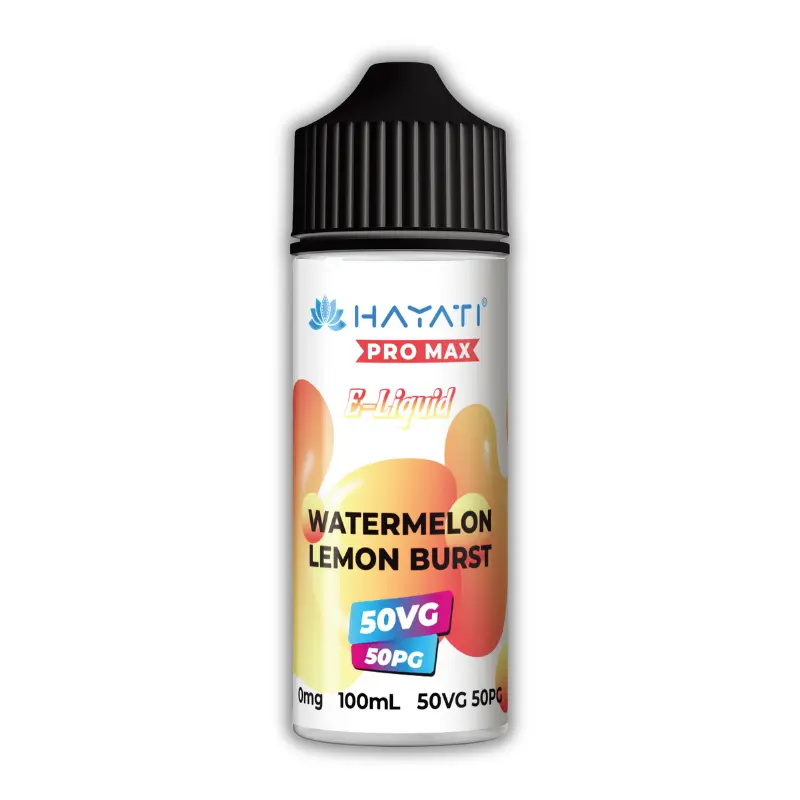
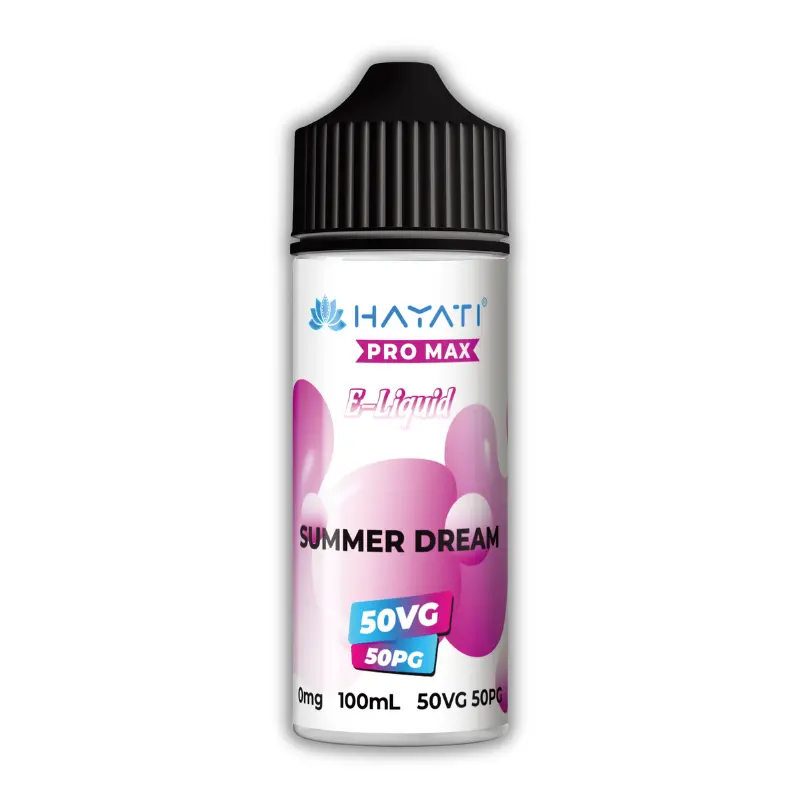
So the practical rule runs one way and not the other. Found something on a 120ml shelf? A 10ml version of it exists. Found something on the salts shelf? There is a better than even chance it is 10ml only, and Blue Razz Lemonade, Cherry Ice, Red Berry Ice, Lemon Lime, Blueberry Raspberry and Fresh Menthol Mojito are all worth checking against the 120ml lists before you assume a big bottle is coming. On the other side, Watermelon Lemon Burst and Summer Dream 70/30 show the pattern working in the opposite direction: a name present in the 120ml range, and therefore present in 10ml too.
The cross-cut flavour shelves are the fastest way to run that check, because they cut across format and brand at once. Ice Vapes and Mint Vapes gather the cold end of the catalogue; Berry Vapes is the broad container, with Raspberry Vapes, Strawberry Vapes, Blueberry Vapes, Cherry Vapes and the narrower Blueberry Raspberry Vapes sitting inside it. Lemon Vapes and Sweet Vapes round out the set. Land on one of those, filter by whichever format you need, and you will see in one screen whether the name you want is available as a bottle, as a sealed pod, or as both.
Search in the right order and you will save yourself a loop. Decide the format first, from your hardware, because that is the fixed constraint. Then look for the name inside that format. Doing it the other way round, finding a name you like and then hunting for a bottle that fits your device, works fine for the 20 shared names and fails for the other 45, at which point you have talked yourself into wanting something the format does not offer. The superset shape of the range makes the first order reliable and the second order frustrating.
The three bottles people get wrong
120ml of something untried. The per-millilitre maths is seductive and it assumes you finish the bottle. Buying 120ml of a name you have never had is a bet on your own future taste, placed at four times the stake of the 10ml version. Buy the small bottle, use it, then buy the large one. The 24.9p per millilitre you pay on that first bottle is the cheapest information available on this shelf.
Liquid for hardware you do not own yet. Buying the bottle first feels like progress and is not. Kits vary in what they take, and a bottle bought in advance of the device is a bottle bought before you know the answer. Order both together or order the kit first. Juicy Peach will still be there next week.
Assuming a shared name is a shared experience. The 20 names that appear in both 120ml bases are the same names in two different blends. Same label, different base, and the base is not a cosmetic difference. If you liked one of those 20 in one format, you have a reasonable expectation about the other, not a guarantee. Treating the name as the whole story is how people end up with a bottle they are lukewarm about and cannot explain why.
Building a first order that does not waste money
A sensible basket from this family looks roughly the same for most people, and it is deliberately unambitious.
If you already have a refillable kit: two or three 10ml bottles at £2.49, chosen as one name you know and one or two you do not. That is £7.47 at most, less than a single 120ml bottle, and it buys you actual information about your own preferences. Once one of those names has proved itself and it happens to be among the 20 that exist in 120ml, the large bottle becomes an obvious purchase rather than a gamble.
If you do not have a kit: the kit plus one 10ml bottle, in a single order. Resist the urge to add a 120ml to the basket. You do not yet know how the device suits you, and a large bottle is a commitment made before any of the relevant information exists.
If you are restocking something proven: go straight to 120ml if the name exists there, and check the ratio in the product title rather than the artwork. It is the fastest way to halve your liquid spend without changing anything else about what you do.
Worth a look before you check out: New Products collects recent additions across every format, which is the one place a genuinely new bottle or pod surfaces before it settles into its own shelf. And if none of the three bottle formats is what you came for, the full shop is the wider view.
Where to go from here
Three exits, in the order most people need them. Hayati Pro Max Nic Salts holds 65 bottles at £2.49 and is where the majority of this traffic should end up. Hayati Pro Max 50/50 E-Liquid is the 120ml route for the same class of hardware once you know what you want. Hayati Pro Max 70/30 E-Liquid is the sub-ohm shelf and is the right first click for a smaller group of people who often arrive here by accident.
Outside the bottles: Hayati Pods if you decide the sealed route suits you better after all, and Hayati Pod Kits if the missing piece is hardware. Hayati Prefilled Pod Kits is worth a glance for the sake of knowing what you are declining. The Hayati Quokka shelf is a separate format again, and Hayati Nicotine Pouches sit outside the vapour side of the catalogue entirely.
Closing
Everything on this shelf is a bottle, and the 105 of them divide cleanly into three groups the moment you look at two numbers: how much liquid, and whether nicotine is already in it. 65 bottles of 10ml at 10mg for £2.49. 20 bottles of 120ml at 0mg in a 50/50 blend for £6.99. 20 more of the same size and price in 70/30. Everything else on this page is commentary on those three lines.
If you take one thing away, make it this: the grid above is a browsing surface and the three sub-shelves are where the buying happens. Check the capacity, check the nicotine figure, check the ratio against your hardware, and the commonest expensive errors stop being possible. A wrong bottle is rarely a wrong flavour. It is nearly always the wrong number, read too fast, on a tile that looked like the one next to it.
Strictly for adults aged 18 and over. Nicotine is an addictive substance.
Frequently asked questions
What actually separates the three Hayati e-liquid shelves?
Two numbers do all the work. The Pro Max Nic Salts shelf holds 65 bottles of 10ml, supplied at 10mg, blended 50/50, at £2.49. The Pro Max 50/50 shelf holds 20 bottles of 120ml, supplied at 0mg, also 50/50, at £6.99. The Pro Max 70/30 shelf holds 20 bottles of 120ml, supplied at 0mg, blended 70VG/30PG, also £6.99. Capacity and nicotine-as-supplied split the shelves; the ratio only tells the two 120ml shelves apart.
Why does the same flavour name appear at £2.49 and again at £6.99?
Because it is the same name in two different bottles, not the same product priced twice. The £2.49 tile is a 10ml bottle that already holds nicotine. The £6.99 tile is a 120ml bottle supplied at 0mg. You are paying for twelve times the volume and getting a bottle in a different state. The artwork on the two tiles is close, and the title line is where the difference is spelled out, so read the title rather than the image.
Can I put a 70/30 bottle into a small refillable pod kit?
It will pour in, but that is not the same as being the right match. The 70/30 bottles are blended for sub-ohm tanks and larger refillable hardware. Small pod kits are built around a 50/50 blend, which is what both the 10ml salts and the 50/50 shortfills supply. Using the wrong one tends to show up as a device that performs poorly rather than as an obvious fault, which is why the mistake gets repeated. Match the ratio on the label to the class of hardware you own.
What does 0mg on a shortfill bottle mean for me as a buyer?
It means the bottle contains no nicotine in the state it reaches you. That is a plain description of how both 120ml Hayati formats are sold: the liquid arrives without it, and the price reflects that. It is the single most skipped line on the parent shelf, and 120ml is a large amount to buy on a wrong assumption. If you want to know what buyers typically do with a bottle supplied that way, the 50/50 and 70/30 shelf pages cover it.
Which of the three formats works out cheapest per millilitre?
Either of the 120ml bottles, by a clear margin. £6.99 across 120ml comes to just under 5.9p per millilitre. £2.49 across 10ml comes to 24.9p per millilitre. That makes the large bottle a little over four times cheaper by volume, as supplied. Both 120ml shelves land on the identical figure because both cost £6.99 and both hold the same amount. The catch is that the advantage only materialises if you get through the bottle rather than leaving most of it in a cupboard.
Do I need a device before a bottle is any use?
Yes. A bottle is inert on its own. It needs a refillable device, meaning one with a pod or tank you can open and fill yourself. Nothing on this shelf comes with hardware and nothing on this shelf is hardware. If you do not already own a refillable kit, the pod kits shelf is the piece that makes every bottle here usable, and buying the kit and one small bottle in the same order is far more sensible than buying liquid on a plan to acquire a device later.
Will bottled liquid work in the sealed prefilled Hayati pods?
No. A sealed prefilled pod arrives closed, with its liquid and its coil already inside as one unit, and it is not designed to be opened, topped up or reused. Bottles belong to refillable hardware only. If sealed pods are what you use, your consumable sits on the prefilled pods and refills shelf rather than here. Moving from sealed pods to bottles is a hardware change first and a liquid change second, and doing it in the other order wastes money.
How many flavours exist across the whole bottled Hayati range?
105 bottles in total, but fewer distinct names than that figure suggests. The salts shelf carries 65 names. The 50/50 shelf carries 20 and the 70/30 shelf carries the same 20 again, and all 20 of those also exist as 10ml salts. So the salts shelf is a superset: 65 distinct names in the bottled range, of which 20 are available in three formats and the other 45 exist only as 10ml bottles. 105 is a count of listings, not of flavours.
I own a Hayati Rubik or a Mini Ultra kit. Which shelf should I be on?
Both are small refillable pod kits, so the 50/50 side of the family is where you belong. Start on the Pro Max Nic Salts shelf, which is the 10ml format at £2.49 and carries the widest choice of names at 65. Once you have found something you return to, and if that name happens to be one of the 20 available in 120ml, the Pro Max 50/50 shortfill shelf is the bulk version of the same blend. The 70/30 shelf is not matched to either kit.
Do the 50/50 and 70/30 shelves share a flavour list?
They share it exactly. Not a similar list, not an overlapping one: the 20 names on the 50/50 shelf are the 20 names on the 70/30 shelf. That has a useful consequence. On those two shelves the flavour is not the thing you are deciding, because the name exists on both. The only real question is which base suits the hardware you own. Anyone comparing the two shelves name by name is comparing two identical lists and will not find a difference.
Why does a 10ml bottle hold nicotine when a 120ml bottle does not?
It is a difference in how the two formats are sold rather than anything to do with the liquid itself. The small bottles are supplied ready to use, with nicotine already in them, and the listing states the figure. The large bottles are supplied at 0mg and the listing states that too. Both facts are printed on the product title and on the shelf pages. If you are buying 120ml, read the 0mg line before you check out, because the volume makes an assumption expensive.
Is there anything on the Hayati E-Liquids shelf that is not liquid?
Nothing. Every one of the 105 listings is a bottle. No devices, no batteries, no coils, no sealed pods, no pouches, no accessories of any kind. That boundary is worth knowing because most people who arrive here wanted one of those other things. Replacement sealed pods sit on the prefilled pods and refills shelf. Whole refillable devices sit on the pod kits shelf. Boxed bundles that come with sealed pods have their own shelf again. This one is bottles and only bottles.